Logistics, Marine & Aviation · Australia (Perth)

Secure Capacity and Contingency for Port Hedland Dredging Plans

Published May 14, 2026, 6:10 AM AWSTAPACFull category signal
Ask AI
September dredging for Port Hedland bypass channel

In 60 seconds

Top move

Pilbara Ports received environmental approval and plans a Zone 5 bypass dredge starting in September, creating a real alternate channel that improves operational continuity for bulk exporters and vessel routing

Key takeaways

  • Pilbara Ports received environmental approval and plans a Zone 5 bypass dredge starting in September, creating a real alternate channel that improves operational continuity for bulk exporters and vessel routing.[1]
  • Major miners are reported to underwrite the bypass and the port intends to recover costs from users, which could shift mobilisation or infrastructure costs onto shipping customers — follow-up confirmation is needed.[1]
  • A nearby authorised depot (Price & Speed) advertises fumigation, biosecurity and out‑of‑gauge handling close to Sydney ports, offering validated local capacity for perishables and specialised cargo staging.[2]
  • A recent Port Kembla heavy‑lift move (aircraft nose and parts) shows freight forwarders, terminals and ro-ro specialists can coordinate complex load-outs at lower cost than air freight — useful precedent for planned oversized shipments.[3]
  • Tenders for the dredge contract are being called and Pilbara Ports does not expect disruptions; the dredge window is six to eight weeks, so planning windows for alternative routing and berth allocations should align to that schedule.[1]

What changed since last run

  • New: Pilbara Ports has formal approval and a scheduled September start for a Zone 5 bypass dredge; previously we tracked pilotage and depot topics but not major channel works.
  • New: Public listing of Price & Speed as an authorised Sydney depot adds a validated local option for fumigation and biosecurity handling not named in the prior run.
  • New: Port Kembla reported a complex, cost‑efficient heavy‑lift import (Boeing nose section) demonstrating local multi‑modal handling capability.

Key facts

  • Dredging scheduled to start in September
  • Program duration stated as six to eight weeks
  • New navigation channel east of existing shipping lane
  • Authorised facility for commercial fumigation and biosecurity
  • Two depots located close to Sydney ports
  • Open seven days with advertised handling services for OOG and fresh produce

Why it matters

Pilbara Ports received environmental approval and plans a Zone 5 bypass dredge starting in September, creating a real alternate channel that improves operational continuity for bulk exporters and vessel routing. Major miners are reported to underwrite the bypass and the port intends to recover costs from users, which could shift mobilisation or infrastructure costs onto shipping customers — follow-up confirmation is needed. A nearby authorised depot (Price & Speed) advertises fumigation, biosecurity and out‑of‑gauge handling close to Sydney ports, offering validated local capacity for perishables and specialised cargo staging. A recent Port Kembla heavy‑lift move (aircraft nose and parts) shows freight forwarders, terminals and ro-ro specialists can coordinate complex load-outs at lower cost than air freight — useful precedent for planned oversized shipments

Cost / money

  • If the port recovers dredging costs through user charges, expect increased voyage or port pass‑throughs for bulk exporters and carriers calling Port Hedland, which could raise short‑term handling budgets.[1]
  • Local authorised depots reduce spot premium risk for perishables by shortening drayage and handling chains, lowering potential spoilage and ad‑hoc contractor fees when capacity and hours are validated.[2]

Supplier / commercial

  • Calling tenders for the dredge creates a supplier engagement window where buyers can negotiate mobilisation and schedule commitments into contracts to limit pass‑through exposure.[1]
  • Price & Speed’s proximity to Sydney ports strengthens leverage for preferred‑depot panels on fumigation and OOG (out‑of‑gauge) handling if Contracts capture standard rates and operating hours.[2]

Safety / operations

  • A bypass channel improves contingency for grounding incidents and reduces single‑channel stoppage risk, improving vessel uptime and reducing the need for costly diversions or long anchor waits.[1][3]
  • Heavy‑lift ro-ro moves require specific trailer, lashings and terminal handling plans; using experienced integrators reduces damage and schedule slippage for oversized cargo.[3]

What to watch

  • Early-signal: reports that miners will fund the channel and costs will be recouped from users need verification — commercial allocation could appear as a new port charge or uplift in tariff schedules.[1]
  • Watch whether the cited signal starts changing supplier availability, pricing posture, or execution timing.[2]

Top stories

Story 1Thedcn

September dredging for Port Hedland bypass channel

Signal strongSource-grounded

What happened

Pilbara Ports got EPA approval for the Zone 5 bypass channel at Port Hedland and says dredging will start in September with a six to eight week program. Tenders are being called and the bypass is positioned as a contingency route to reduce the risk of main‑channel blockages; follow whether cost recovery or user charges are formally adopted

Buyer takeaway

Treat the bypass as an operational contingency you can contract around now — secure mobilisation caps and schedule commitments before tender awards are finalised

Cost / money

Directional: if the port recoups construction costs via user charges, expect upward pressure on port-related voyage costs unless contracts limit pass‑throughs

Supplier / commercial

Tenders present a negotiation window to lock mobilisation terms, delivery windows and contingency obligations into the contract to reduce supplier leverage later

Safety / operations

The bypass reduces single‑channel stoppage risk and improves continuity, but dredging works themselves require coordination to avoid short-term navigational constraints

What to watch

Signal is strong on approval and schedule; commercial cost recovery details come from press reports and need confirmation — verify how charges will be applied to port users

Key facts

  • Dredging scheduled to start in September
  • Program duration stated as six to eight weeks
  • New navigation channel east of existing shipping lane

Source excerpts

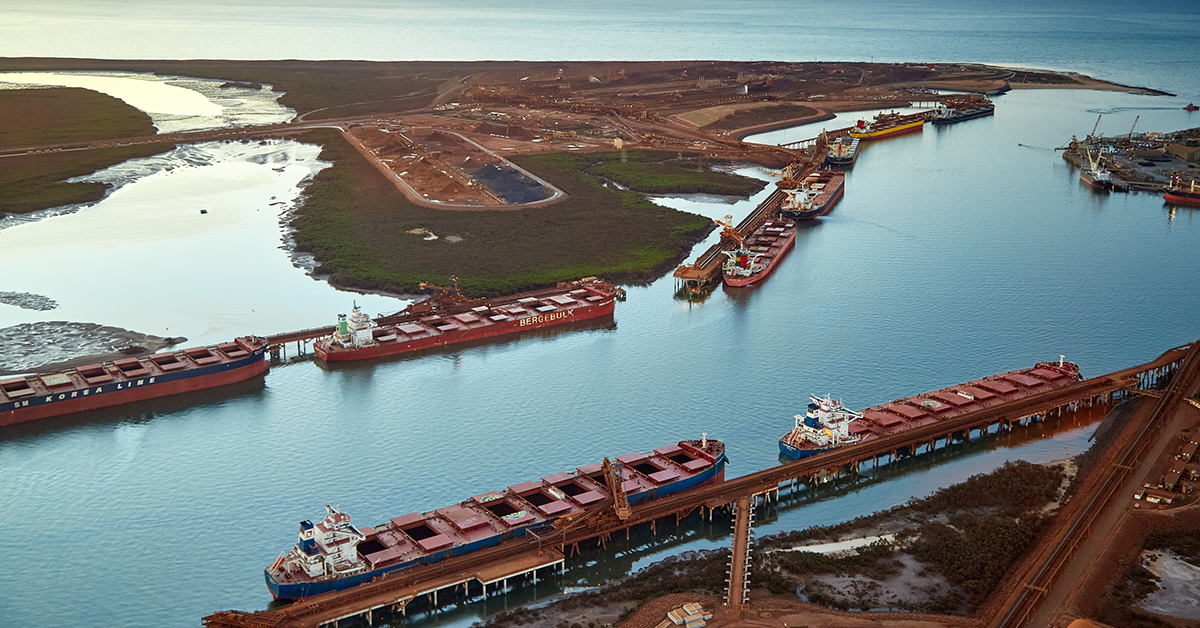
News September dredging for Port Hedland bypass channel The Port Hedland channel. Image: Pilbara Ports Posted by Allen Newton | 13 May, 2026 PILBARA Ports has received Environmental Protection Authority approval to create a bypass channel at the Port of Port Hedland
News September dredging for Port Hedland bypass channel The Port Hedland channel
” In a media release on 11 May, the EPA said the new navigation channel to the east of the existing shipping lane is proposed as a vessel contingency should a grounding incident occur in the Port Hedland main channel. It follows the grounding last year when Fortescue’s iron ore carrier FMG Nicola broke down, potentially blocking the main channel
Story 2Price & Speed

Sydney Container Depot

Signal moderateSource-grounded

What happened

Price & Speed advertises two depots near Sydney ports that are authorised for fumigation, biosecurity and out-of-gauge handling. The facility lists daily operating hours and specialised services, making it a practical candidate for preferred depot panels supporting perishables and oversized cargo

Buyer takeaway

Validate depot hours and certifications now so Contracts can include them in RFx and reduce spot handling risk during export peaks

Cost / money

Using a nearby authorised depot can reduce drayage and rework costs for time‑sensitive cargo if service windows match vessel schedules

Supplier / commercial

Securing depot on a preferred panel lets buyers negotiate standard rate cards and operating hour commitments to reduce ad‑hoc premiums

Safety / operations

Authorised biosecurity handling reduces rework risk and potential shipment rejections, supporting cold‑chain integrity for perishables

What to watch

Moderate signal: company advertising demonstrates capability but contracts must verify certified capacity, opening hours and biosecurity approvals

Key facts

  • Authorised facility for commercial fumigation and biosecurity
  • Two depots located close to Sydney ports
  • Open seven days with advertised handling services for OOG and fresh produce

Source excerpts

Located close to Sydney Ports, Price & Speed is an authorised facility for commercial operations and biosecurity activities
+61 2 9666 6565Open 7 dayscheck our contact page for depot operating hours
For all your depot requirementsSEA / AIR CARGO FUMIGATIONOUT OF GAUGE CARGO FLOWERS & FRESH PRODUCEPrice & Speed Containers is an Australian & family owned business with an established reputation for service excellence, expert knowledge and personal customer attention
Story 3Thedcn

Plane sailing - precious cargo arrives at Port Kembla

Signal moderateDirectional

What happened

A complex import operation at Port Kembla moved a Boeing 707 nose section and other aircraft parts using ro‑ro and containerized shipments coordinated across terminal, freight forwarder and specialist carriers. The move cost substantially less than flying the aircraft to Australia and required specific trailer capacity and overhang planning

Buyer takeaway

When oversized cargo is in scope, pre‑qualify heavy‑lift integrators and secure terminal handling slots to capture the documented cost advantage

Cost / money

Directional: sea and ro‑ro handling of large aircraft parts reduced overall project cost versus air freight in this case, offering a template for other oversized moves

Supplier / commercial

Specialist integrators and terminals can demand scheduling premiums; add mobilisation and handling SLAs into contracts to control windows and costs

Safety / operations

Oversize moves need verified trailer, lashing and terminal capability to avoid damage and delays; include these checks in pre‑qualification

What to watch

Limited signal for scale impact — this is a single project but useful as a procurement precedent for similar heavy‑lift moves

Key facts

  • Operation involved the aircraft nose plus ten containers of parts
  • Freight forwarder reported significantly lower cost than air transport
  • Required specialized mafi trailers and handling plans for overhang

Source excerpts

Image: Simon Reed Speaking at the terminal before discharge operations began, Qube Ports operations manager Paul Rabbas said the aircraft was unusual, but still firmly within Port Kembla’s heavy-lift wheelhouse. “Although it’s a fuselage, which is a little bit out of the ordinary, we are accustomed to handling a lot of cargo that is out of the ordinary,” Mr Rabbas said
Image: Simon Reed Speaking at the terminal before discharge operations began, Qube Ports operations manager Paul Rabbas said the aircraft was unusual, but still firmly within Port Kembla’s heavy-lift wheelhouse
” The Australian-based freight forwarder coordinating the move, AAW Global Logistics state manager – New South Wales Stephen Hearty, said the project had cost “about half a million” dollars all up, substantially cheaper than flying the aircraft to Australia. Mr Hearty said the operation involved around 10 containers of aircraft parts, including engines, undercarriage and other components shipped separately through Sydney and Port Kembla

VP Snapshot

Executive Risk & Action View

Pilbara Ports received environmental approval and plans a Zone 5 bypass dredge starting in September, creating a real alternate channel that improves operational continuity for bulk exporters and vessel routing.

Overall
52
Cost
79
Supply
43
Schedule
56
Compliance
35

Top signals

30-180dcost

Signal 1: Cost / money

If the port recovers dredging costs through user charges, expect increased voyage or port pass‑throughs for bulk exporters and carriers calling Port Hedland, which could raise short‑term handling budgets.

Signal 2: Cost / money

Local authorised depots reduce spot premium risk for perishables by shortening drayage and handling chains, lowering potential spoilage and ad‑hoc contractor fees when capacity and hours are validated.

Signal 4: Supplier / commercial

Price & Speed’s proximity to Sydney ports strengthens leverage for preferred‑depot panels on fumigation and OOG (out‑of‑gauge) handling if Contracts capture standard rates and operating hours.

30-180dschedule

Signal 3: Supplier / commercial

Calling tenders for the dredge creates a supplier engagement window where buyers can negotiate mobilisation and schedule commitments into contracts to limit pass‑through exposure.

Signal 6: Safety / operations

Heavy‑lift ro-ro moves require specific trailer, lashings and terminal handling plans; using experienced integrators reduces damage and schedule slippage for oversized cargo.

30-180dsupplier

Signal 5: Safety / operations

A bypass channel improves contingency for grounding incidents and reduces single‑channel stoppage risk, improving vessel uptime and reducing the need for costly diversions or long anchor waits.

Recommended actions

OpsDue 3d

Map likely route and berth alternatives for Port Hedland users that currently rely on the main channel.

Validated alternative routes and provisional berth plans to reduce disruption exposure during the dredging window

CategoryDue 3d

Request Price & Speed capability pack and operating hours, plus evidence of biosecurity authorisations.

Depot capability and hours on file to support contracting and reduce spot handling premiums

ContractsDue 21d

Update RFx and short‑form contract templates for port and depot services to include mobilisation fee caps, minimum quote validity, and explicit SLA windows for fumigation/biosec...

Amended contract clauses that cap mobilisation pass‑throughs and require documented operating and biosecurity SLAs

CategoryDue 21d

Pre‑qualify a secondary heavy‑lift integrator and confirm terminal handling capabilities for oversized imports/exports.

Shortlist of validated heavy‑lift integrators with handling evidence and provisional commercial terms

CategoryDue 60d

Develop a Port Hedland contingency and cost‑allocation playbook that embeds charge recovery options, dual‑supplier channels, and KPI triggers for mobilisation fees.

Framework playbook and supplier strategy to manage new port charges and reduce single‑supplier uptime dependence

Risk register

RiskTriggerMitigation
Early-signal: reports that miners will fund the channel and costs will be recouped from users need verification — commercial allocation could appear as a new port charge or uplift in tariff schedules.Early-signal: reports that miners will fund the channel and costs will be recouped from users need verification — commercial allocation could appear as a new port charge or uplift in tariff schedules.Confirm exposure with category, contracts, and operations before the next supplier commitment.
Watch whether the cited signal starts changing supplier availability, pricing posture, or execution timing.Watch whether the cited signal starts changing supplier availability, pricing posture, or execution timing.Confirm exposure with category, contracts, and operations before the next supplier commitment.

CM Snapshot

Category Manager Decision Detail

Today's priorities

Map likely route and berth alternatives for Port Hedland users that currently rely on the main channel.

because the bypass channel dredge has a fixed start window and a defined program length, mapping alternatives now lets Ops schedule arrivals and reduce congestion risk during wo...

Due 3d

high

CM move

Use this as the immediate supplier or contract action to move before the next sourcing gate.

Request Price & Speed capability pack and operating hours, plus evidence of biosecurity authorisations.

because confirmed depot certification and service windows remove uncertainty around handling perishables and OOG cargo and reduce reliance on ad‑hoc providers.

Due 3d

high

CM move

Use this as the immediate supplier or contract action to move before the next sourcing gate.

Update RFx and short‑form contract templates for port and depot services to include mobilisation fee caps, minimum quote validity, and explicit SLA windows for fumigation/biosec...

because tendering for the dredge and visible depot capacity create a supplier leverage period where precise commercial terms will limit pass‑throughs and protect timing commitme...

Due 21d

high

CM move

Use this as the immediate supplier or contract action to move before the next sourcing gate.

Pre‑qualify a secondary heavy‑lift integrator and confirm terminal handling capabilities for oversized imports/exports.

because the Port Kembla heavy‑lift case shows specialist teams can lower costs and timelines, and having a pre‑qualified backup reduces risk if primary integrators quote narrow...

Due 21d

high

CM move

Use this as the immediate supplier or contract action to move before the next sourcing gate.

Supplier radar

Thedcn

high

Observed supplier signal

Calling tenders for the dredge creates a supplier engagement window where buyers can negotiate mobilisation and schedule commitments into contracts to limit pass‑through exposure.

Commercial implication

Calling tenders for the dredge creates a supplier engagement window where buyers can negotiate mobilisation and schedule commitments into contracts to limit pass‑through exposure.

Next step: Validate the source-backed signal with incumbents and alternates before the next award or pricing decision.

Price & Speed

high

Observed supplier signal

Price & Speed’s proximity to Sydney ports strengthens leverage for preferred‑depot panels on fumigation and OOG (out‑of‑gauge) handling if Contracts capture standard rates and operating hours.

Commercial implication

Price & Speed’s proximity to Sydney ports strengthens leverage for preferred‑depot panels on fumigation and OOG (out‑of‑gauge) handling if Contracts capture standard rates and operating hours.

Next step: Validate the source-backed signal with incumbents and alternates before the next award or pricing decision.

Negotiation levers

Map likely route and berth alternatives for Port Hedland users that currently rely on the main channel.

When to use: because the bypass channel dredge has a fixed start window and a defined program length, mapping alternatives now lets Ops schedule arrivals and reduce congestion risk during wo...

Expected outcome: Validated alternative routes and provisional berth plans to reduce disruption exposure during the dredging window

Commercial mechanism to carry into the next supplier conversation

Request Price & Speed capability pack and operating hours, plus evidence of biosecurity authorisations.

When to use: because confirmed depot certification and service windows remove uncertainty around handling perishables and OOG cargo and reduce reliance on ad‑hoc providers.

Expected outcome: Depot capability and hours on file to support contracting and reduce spot handling premiums

Commercial mechanism to carry into the next supplier conversation

Update RFx and short‑form contract templates for port and depot services to include mobilisation fee caps, minimum quote validity, and explicit SLA windows for fumigation/biosec...

When to use: because tendering for the dredge and visible depot capacity create a supplier leverage period where precise commercial terms will limit pass‑throughs and protect timing commitme...

Expected outcome: Amended contract clauses that cap mobilisation pass‑throughs and require documented operating and biosecurity SLAs

Commercial mechanism to carry into the next supplier conversation

Pre‑qualify a secondary heavy‑lift integrator and confirm terminal handling capabilities for oversized imports/exports.

When to use: because the Port Kembla heavy‑lift case shows specialist teams can lower costs and timelines, and having a pre‑qualified backup reduces risk if primary integrators quote narrow...

Expected outcome: Shortlist of validated heavy‑lift integrators with handling evidence and provisional commercial terms

Commercial mechanism to carry into the next supplier conversation

Talking points

Pilbara Ports received environmental approval and plans a Zone 5 bypass dredge starting in September, creating a real alternate channel that improves operational continuity for bulk exporters and vessel routing.
Major miners are reported to underwrite the bypass and the port intends to recover costs from users, which could shift mobilisation or infrastructure costs onto shipping customers — follow-up confirmation is needed.
A nearby authorised depot (Price & Speed) advertises fumigation, biosecurity and out‑of‑gauge handling close to Sydney ports, offering validated local capacity for perishables and specialised cargo staging.
A recent Port Kembla heavy‑lift move (aircraft nose and parts) shows freight forwarders, terminals and ro-ro specialists can coordinate complex load-outs at lower cost than air freight — useful precedent for planned oversized shipments.

Supplier radar

SupplierSignalImplicationNext stepConfidence
ThedcnCalling tenders for the dredge creates a supplier engagement window where buyers can negotiate mobilisation and schedule commitments into contracts to limit pass‑through exposure.Calling tenders for the dredge creates a supplier engagement window where buyers can negotiate mobilisation and schedule commitments into contracts to limit pass‑through exposure.Validate the source-backed signal with incumbents and alternates before the next award or pricing decision.high
Price & SpeedPrice & Speed’s proximity to Sydney ports strengthens leverage for preferred‑depot panels on fumigation and OOG (out‑of‑gauge) handling if Contracts capture standard rates and operating hours.Price & Speed’s proximity to Sydney ports strengthens leverage for preferred‑depot panels on fumigation and OOG (out‑of‑gauge) handling if Contracts capture standard rates and operating hours.Validate the source-backed signal with incumbents and alternates before the next award or pricing decision.high

Negotiation levers

  • Map likely route and berth alternatives for Port Hedland users that currently rely on the main channel.because the bypass channel dredge has a fixed start window and a defined program length, mapping alternatives now lets Ops schedule arrivals and reduce congestion risk during wo...Validated alternative routes and provisional berth plans to reduce disruption exposure during the dredging window

    high confidence

  • Request Price & Speed capability pack and operating hours, plus evidence of biosecurity authorisations.because confirmed depot certification and service windows remove uncertainty around handling perishables and OOG cargo and reduce reliance on ad‑hoc providers.Depot capability and hours on file to support contracting and reduce spot handling premiums

    high confidence

  • Update RFx and short‑form contract templates for port and depot services to include mobilisation fee caps, minimum quote validity, and explicit SLA windows for fumigation/biosec...because tendering for the dredge and visible depot capacity create a supplier leverage period where precise commercial terms will limit pass‑throughs and protect timing commitme...Amended contract clauses that cap mobilisation pass‑throughs and require documented operating and biosecurity SLAs

    high confidence

  • Pre‑qualify a secondary heavy‑lift integrator and confirm terminal handling capabilities for oversized imports/exports.because the Port Kembla heavy‑lift case shows specialist teams can lower costs and timelines, and having a pre‑qualified backup reduces risk if primary integrators quote narrow...Shortlist of validated heavy‑lift integrators with handling evidence and provisional commercial terms

    high confidence

What to do / What to watch

What to do now

  • Map likely route and berth alternatives for Port Hedland users that currently rely on the main channel.

    Why: because the bypass channel dredge has a fixed start window and a defined program length, mapping alternatives now lets Ops schedule arrivals and reduce congestion risk during wo...

    Owner: Ops

    Expected outcome: Validated alternative routes and provisional berth plans to reduce disruption exposure during the dredging window

    [1]
  • Request Price & Speed capability pack and operating hours, plus evidence of biosecurity authorisations.

    Why: because confirmed depot certification and service windows remove uncertainty around handling perishables and OOG cargo and reduce reliance on ad‑hoc providers.

    Owner: Category

    Expected outcome: Depot capability and hours on file to support contracting and reduce spot handling premiums

    [2]

Next few weeks

  • Update RFx and short‑form contract templates for port and depot services to include mobilisation fee caps, minimum quote validity, and explicit SLA windows for fumigation/biosec...

    Why: because tendering for the dredge and visible depot capacity create a supplier leverage period where precise commercial terms will limit pass‑throughs and protect timing commitme...

    Owner: Contracts

    Expected outcome: Amended contract clauses that cap mobilisation pass‑throughs and require documented operating and biosecurity SLAs

    [1][2]
  • Pre‑qualify a secondary heavy‑lift integrator and confirm terminal handling capabilities for oversized imports/exports.

    Why: because the Port Kembla heavy‑lift case shows specialist teams can lower costs and timelines, and having a pre‑qualified backup reduces risk if primary integrators quote narrow...

    Owner: Category

    Expected outcome: Shortlist of validated heavy‑lift integrators with handling evidence and provisional commercial terms

    [3]

Longer view

  • Develop a Port Hedland contingency and cost‑allocation playbook that embeds charge recovery options, dual‑supplier channels, and KPI triggers for mobilisation fees.

    Why: because an infrastructure project financed through user charges can change long‑term cost exposure; formal playbooks let procurement preserve leverage and define when to accept...

    Owner: Category

    Expected outcome: Framework playbook and supplier strategy to manage new port charges and reduce single‑supplier uptime dependence

    [1]

What to watch

  • Early-signal: reports that miners will fund the channel and costs will be recouped from users need verification — commercial allocation could appear as a new port charge or uplift in tariff schedules
  • Watch whether the cited signal starts changing supplier availability, pricing posture, or execution timing
  • Early-signal: reports that miners will fund the channel and costs will be recouped from users need verification — commercial allocation could appear as a new port charge or uplift in tariff schedules.: Early-signal: reports that miners will fund the channel and costs will be recouped from users need verification — commercial allocation could appear as a new port charge or uplift in tariff schedules
  • Watch whether the cited signal starts changing supplier availability, pricing posture, or execution timing.: Watch whether the cited signal starts changing supplier availability, pricing posture, or execution timing
  • Pilbara Ports received environmental approval and plans a Zone 5 bypass dredge starting in September, creating a real alternate channel that improves operational continuity for bulk exporters and vessel routing
  • Major miners are reported to underwrite the bypass and the port intends to recover costs from users, which could shift mobilisation or infrastructure costs onto shipping customers — follow-up confirmation is needed
  • A nearby authorised depot (Price & Speed) advertises fumigation, biosecurity and out‑of‑gauge handling close to Sydney ports, offering validated local capacity for perishables and specialised cargo staging
  • A recent Port Kembla heavy‑lift move (aircraft nose and parts) shows freight forwarders, terminals and ro-ro specialists can coordinate complex load-outs at lower cost than air freight — useful precedent for planned oversized shipments

Market pulse

IndexLatestChangeAs of
Dry Bulk Shipping (BDRY) (BDRY)0 +0.00 (+0.00%)May 13, 2026, 10:13 PM
WTI (Fuel) (WTI)71.23 /bbl+0.00 (+0.00%)May 13, 2026, 10:13 PM
FedEx (FDX)285 +0.00 (+0.00%)May 13, 2026, 10:13 PM
UPS (UPS)142 +0.00 (+0.00%)May 13, 2026, 10:13 PM
Maersk (MAERSK)9.5 +0.00 (+0.00%)May 13, 2026, 10:13 PM
  • Dry Bulk Shipping (BDRY): Dry bulk shipping dynamics matter for Port Hedland users; tighter port scheduling or added charges can affect voyage economics and chartering decisions
  • WTI (Fuel): Fuel cost sensitivity links to rerouting or additional port calls; any added port charges interact with fuel and voyage cost exposures

Sources

Inline citations jump here. Expand a source to read the excerpt, the AI interpretation, and the original link.

[1] September dredging for Port Hedland bypass channel

thedcn.com.au · n.d.

Expand

AI reading

Pilbara Ports got EPA approval for the Zone 5 bypass channel at Port Hedland and says dredging will start in September with a six to eight week program. Tenders are being called and the bypass is positioned as a contingency route to reduce the risk of main‑channel blockages; follow whether cost recovery or user charges are formally adopted

Buyer takeaway

Treat the bypass as an operational contingency you can contract around now — secure mobilisation caps and schedule commitments before tender awards are finalised

Cost / money

Directional: if the port recoups construction costs via user charges, expect upward pressure on port-related voyage costs unless contracts limit pass‑throughs

Supplier / commercial

Tenders present a negotiation window to lock mobilisation terms, delivery windows and contingency obligations into the contract to reduce supplier leverage later

Safety / operations

The bypass reduces single‑channel stoppage risk and improves continuity, but dredging works themselves require coordination to avoid short-term navigational constraints

What to watch

Signal is strong on approval and schedule; commercial cost recovery details come from press reports and need confirmation — verify how charges will be applied to port users

Key facts

  • Dredging scheduled to start in September
  • Program duration stated as six to eight weeks
  • New navigation channel east of existing shipping lane

Source excerpts

News September dredging for Port Hedland bypass channel The Port Hedland channel. Image: Pilbara Ports Posted by Allen Newton | 13 May, 2026 PILBARA Ports has received Environmental Protection Authority approval to create a bypass channel at the Port of Port Hedland
News September dredging for Port Hedland bypass channel The Port Hedland channel
” In a media release on 11 May, the EPA said the new navigation channel to the east of the existing shipping lane is proposed as a vessel contingency should a grounding incident occur in the Port Hedland main channel. It follows the grounding last year when Fortescue’s iron ore carrier FMG Nicola broke down, potentially blocking the main channel

Used in this brief

  • Pilbara Ports received environmental approval and plans a Zone 5 bypass dredge starting in September, creating a real alternate channel that improves operational continuity for bulk exporters and vessel routing. Major miners are reported to underwrite the bypass and the port intends to recover costs from users, which could shift mobilisation or infrastructure costs onto shipping customers — follow-up confirmation is needed. A nearby authorised depot (Price & Speed) advertises fumigation, biosecurity and out‑of‑gauge handling close to Sydney ports, offering validated local capacity for perishables and specialised cargo staging. A recent Port Kembla heavy‑lift move (aircraft nose and parts) shows freight forwarders, terminals and ro-ro specialists can coordinate complex load-outs at lower cost than air freight — useful precedent for planned oversized shipments
  • Cost / money: If the port recovers dredging costs through user charges, expect increased voyage or port pass‑throughs for bulk exporters and carriers calling Port Hedland, which could raise short‑term handling budgets
  • Safety / operations: A bypass channel improves contingency for grounding incidents and reduces single‑channel stoppage risk, improving vessel uptime and reducing the need for costly diversions or long anchor waits
Open original source

[2] Sydney Container Depot

thedcn.com.au · n.d.

Expand

AI reading

Price & Speed advertises two depots near Sydney ports that are authorised for fumigation, biosecurity and out-of-gauge handling. The facility lists daily operating hours and specialised services, making it a practical candidate for preferred depot panels supporting perishables and oversized cargo

Buyer takeaway

Validate depot hours and certifications now so Contracts can include them in RFx and reduce spot handling risk during export peaks

Cost / money

Using a nearby authorised depot can reduce drayage and rework costs for time‑sensitive cargo if service windows match vessel schedules

Supplier / commercial

Securing depot on a preferred panel lets buyers negotiate standard rate cards and operating hour commitments to reduce ad‑hoc premiums

Safety / operations

Authorised biosecurity handling reduces rework risk and potential shipment rejections, supporting cold‑chain integrity for perishables

What to watch

Moderate signal: company advertising demonstrates capability but contracts must verify certified capacity, opening hours and biosecurity approvals

Key facts

  • Authorised facility for commercial fumigation and biosecurity
  • Two depots located close to Sydney ports
  • Open seven days with advertised handling services for OOG and fresh produce

Source excerpts

Located close to Sydney Ports, Price & Speed is an authorised facility for commercial operations and biosecurity activities
+61 2 9666 6565Open 7 dayscheck our contact page for depot operating hours
For all your depot requirementsSEA / AIR CARGO FUMIGATIONOUT OF GAUGE CARGO FLOWERS & FRESH PRODUCEPrice & Speed Containers is an Australian & family owned business with an established reputation for service excellence, expert knowledge and personal customer attention

Used in this brief

  • Supplier / commercial: Price & Speed’s proximity to Sydney ports strengthens leverage for preferred‑depot panels on fumigation and OOG (out‑of‑gauge) handling if Contracts capture standard rates and operating hours
  • Next 72 hours — Request Price & Speed capability pack and operating hours, plus evidence of biosecurity authorisations.. Rationale: because confirmed depot certification and service windows remove uncertainty around handling perishables and OOG cargo and reduce reliance on ad‑hoc providers.. Owner: Category. KPI: Depot capability and hours on file to support contracting and reduce spot handling premiums
  • Watch whether the cited signal starts changing supplier availability, pricing posture, or execution timing
Open original source

[3] Plane sailing - precious cargo arrives at Port Kembla

thedcn.com.au · n.d.

Expand

AI reading

A complex import operation at Port Kembla moved a Boeing 707 nose section and other aircraft parts using ro‑ro and containerized shipments coordinated across terminal, freight forwarder and specialist carriers. The move cost substantially less than flying the aircraft to Australia and required specific trailer capacity and overhang planning

Buyer takeaway

When oversized cargo is in scope, pre‑qualify heavy‑lift integrators and secure terminal handling slots to capture the documented cost advantage

Cost / money

Directional: sea and ro‑ro handling of large aircraft parts reduced overall project cost versus air freight in this case, offering a template for other oversized moves

Supplier / commercial

Specialist integrators and terminals can demand scheduling premiums; add mobilisation and handling SLAs into contracts to control windows and costs

Safety / operations

Oversize moves need verified trailer, lashing and terminal capability to avoid damage and delays; include these checks in pre‑qualification

What to watch

Limited signal for scale impact — this is a single project but useful as a procurement precedent for similar heavy‑lift moves

Key facts

  • Operation involved the aircraft nose plus ten containers of parts
  • Freight forwarder reported significantly lower cost than air transport
  • Required specialized mafi trailers and handling plans for overhang

Source excerpts

Image: Simon Reed Speaking at the terminal before discharge operations began, Qube Ports operations manager Paul Rabbas said the aircraft was unusual, but still firmly within Port Kembla’s heavy-lift wheelhouse. “Although it’s a fuselage, which is a little bit out of the ordinary, we are accustomed to handling a lot of cargo that is out of the ordinary,” Mr Rabbas said
Image: Simon Reed Speaking at the terminal before discharge operations began, Qube Ports operations manager Paul Rabbas said the aircraft was unusual, but still firmly within Port Kembla’s heavy-lift wheelhouse
” The Australian-based freight forwarder coordinating the move, AAW Global Logistics state manager – New South Wales Stephen Hearty, said the project had cost “about half a million” dollars all up, substantially cheaper than flying the aircraft to Australia. Mr Hearty said the operation involved around 10 containers of aircraft parts, including engines, undercarriage and other components shipped separately through Sydney and Port Kembla

Used in this brief

  • Safety / operations: Heavy‑lift ro-ro moves require specific trailer, lashings and terminal handling plans; using experienced integrators reduces damage and schedule slippage for oversized cargo
  • Next 2-4 weeks — Pre‑qualify a secondary heavy‑lift integrator and confirm terminal handling capabilities for oversized imports/exports.. Rationale: because the Port Kembla heavy‑lift case shows specialist teams can lower costs and timelines, and having a pre‑qualified backup reduces risk if primary integrators quote narrow.... Owner: Category. KPI: Shortlist of validated heavy‑lift integrators with handling evidence and provisional commercial terms
  • A complex import operation at Port Kembla moved a Boeing 707 nose section and other aircraft parts using ro‑ro and containerized shipments coordinated across terminal, freight forwarder and specialist carriers. The move cost substantially less than flying the aircraft to Australia and required specific trailer capacity and overhang planning
Open original source

[4] Dry Bulk Shipping (BDRY)

finance.yahoo.com · n.d.

Expand

[5] WTI (Fuel)

finance.yahoo.com · n.d.

Expand