Major Equipment OEM & LTSA · International (Houston)

Adjust Procurement Plans for Longer Compressor Lead Times

Published May 13, 2026, 5:08 AM CSTINTERNATIONALFull category signal
Ask AI
Archrock sees long-term compression growth as LNG, AI power demand reshape natural gas market

In 60 seconds

Top move

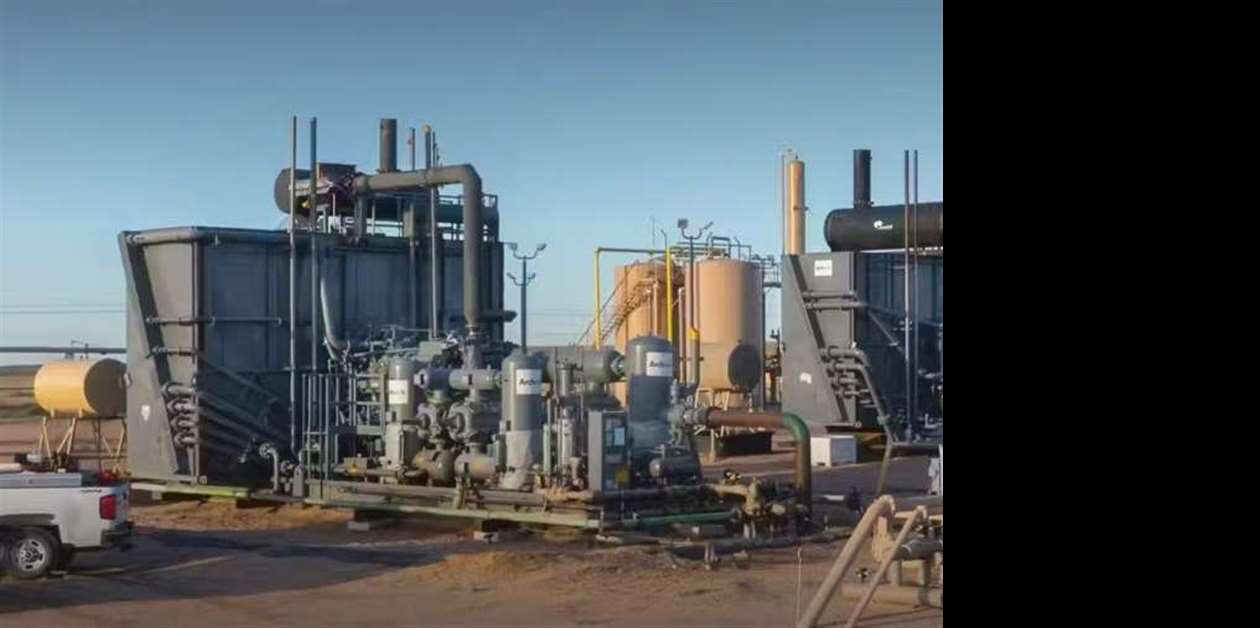
Compression equipment lead times are now a procurement constraint: OEM lead times are stretching (Archrock cites runs approaching 160 weeks), meaning buyers should assume multi-year wait for new compressor builds and plan LTSA timing accordingly

Key takeaways

  • Compression equipment lead times are now a procurement constraint: OEM lead times are stretching (Archrock cites runs approaching 160 weeks), meaning buyers should assume multi-year wait for new compressor builds and plan LTSA timing accordingly.[1]
  • New LNG shipping capacity arrival reduces some transport scarcity for contracted flows but does not free spot capacity — most ADNOC vessels are already committed under long‑term charters, so shipping flexibility for opportunistic cargoes remains limited.[4]
  • Regional LNG flows and prices remain disrupted after the Strait of Hormuz closure; spot volatility and rerouting create pass‑through exposure that can show up in LTSA and freight pricing.[3]
  • State‑backed pipeline support in North Dakota signals incremental midstream build and localized demand for compression and installation services; this is a regional project pipeline buyers should track for future tender timing.[2]
  • Underlying demand drivers (LNG export additions, associated gas growth and new power loads) point to structural tightness in compression and logistics capacity; treat this as a directional backdrop when sizing contingency and staging options.[1]

What changed since last run

  • Archrock publicly reported equipment lead times approaching 160 weeks and fleet utilization at roughly 95%, a sharper supply constraint than flagged in the prior brief.
  • ADNOC completed delivery of its sixth 175,000 m³ LNG carrier, closing a six‑vessel newbuild program and adding contracted shipping capacity.
  • North Dakota moved from planning to a state financial guarantee step for the Bakken East pipeline, signaling clearer demand for compressors and local installation services.

Key facts

  • Lead times approaching 160 weeks
  • Fleet utilization exited the quarter at 95%
  • Fleet growth capex outlook of $250M–$275M
  • More than 10 Bcf/d of LNG supply disrupted through the Strait of Hormuz
  • TTF and JKM front‑month futures rose sharply in response to disrupted flows
  • Sixth 175,000 m³ LNG carrier delivered to ADNOC

Why it matters

Compression equipment lead times are now a procurement constraint: OEM lead times are stretching (Archrock cites runs approaching 160 weeks), meaning buyers should assume multi-year wait for new compressor builds and plan LTSA timing accordingly. New LNG shipping capacity arrival reduces some transport scarcity for contracted flows but does not free spot capacity — most ADNOC vessels are already committed under long‑term charters, so shipping flexibility for opportunistic cargoes remains limited. Regional LNG flows and prices remain disrupted after the Strait of Hormuz closure; spot volatility and rerouting create pass‑through exposure that can show up in LTSA and freight pricing. State‑backed pipeline support in North Dakota signals incremental midstream build and localized demand for compression and installation services; this is a regional project pipeline buyers should track for future tender timing

Cost / money

  • Long OEM lead times force earlier capital commitments and higher contingency planning for equipment budgets; expect longer procurement cycle costs and less flexibility to switch suppliers mid‑procurement.[1]
  • Shipping capacity coming online reduces emergency transport premium for volumes under long-term charters but leaves spot cargoes exposed to higher freight pass‑through claims if buyers need ad-hoc moves.[4]

Supplier / commercial

  • OEMs and large service providers gain commercial leverage to push for longer LTSA terms, longer minimums, and stricter quote validity as capacity tightness becomes visible.[1]
  • Carriers committing newbuild tonnage under long contracts reduce available spot capacity and can press for prioritization language or fuel/freight pass‑throughs in buyer agreements.[4]

Safety / operations

  • Compressed procurement and mobilization windows for compressors increase operational uptime dependency on vendor service teams and spare‑parts staging; without pre‑staged spares, outages risk prolonged downtime.[1][2]
  • LNG rerouting and regional price shocks can force rapid logistics changes that compress crew rotations and acceptance activities—maintain technician continuity and site‑acceptance language in LTSAs to avoid rushed mobilizations.[3]

What to watch

  • Watch for suppliers to narrow quote validity and add pass‑through or prioritization clauses as lead times stretch; early indicators appear in OEM commentary about extreme tightness.[1]
  • Watch whether ADNOC’s added carriers free up spot capacity or remain locked in long charters; initial reporting shows most new capacity already committed which limits immediate relief.[4]

Top stories

Story 1CompressorTECH²May 9, 2026

Archrock sees long-term compression growth as LNG, AI power demand reshape natural gas market

Signal strongSource-grounded

What happened

Archrock reported that the compression market is extremely tight and that some equipment lead times are approaching 160 weeks, reflecting sustained demand from LNG and associated gas growth. The company exited the quarter with fleet utilization near 95% and reiterated a fleet growth capex plan, making the supply constraint operationally real for buyers planning new compressor procurement or LTSA schedules. Watch whether OEMs push longer lead‑time commitments into bids and whether fleet growth plans materially change availability windows

Buyer takeaway

This is a strong, source‑grounded signal that new compressor builds and full rebuilds will require multi‑year lead planning; budget and LTSA phasing must reflect that reality

Cost / money

Directional upward pressure on procurement cost and contingency: longer lead times increase the capital exposure window and can raise mobilization pass‑throughs

Supplier / commercial

OEMs and large service firms gain leverage to request longer-term LTSAs, earlier deposits, and stricter quote validity windows

Safety / operations

High fleet utilization plus long lead times increases uptime dependency on service providers and local spares staging to avoid extended outages

What to watch

Watch for tightened quote validity periods, demands for longer minimum commitments, and supplier requests to move emergency response into premium priced tiers

Key facts

  • Lead times approaching 160 weeks
  • Fleet utilization exited the quarter at 95%
  • Fleet growth capex outlook of $250M–$275M

Source excerpts

“Cat lead times continue to extend out,” Childers said. “We’re seeing an extreme tightness in the supply chain
” Childers said lead times for some equipment are approaching 160 weeks, which he described as evidence of a market preparing for sustained expansion
“Cat lead times continue to extend out,” Childers said
Story 2CompressorTECH²Apr 28, 2026

Europe, Asia LNG prices climb on Hormuz closure

Signal strongSource-grounded

What happened

The Strait of Hormuz closure disrupted major LNG flows, sidelining a significant share of Qatari exports and pushing European and Asian LNG prices sharply higher while U.S. prices remained relatively insulated. The operational detail is that more than 10 Bcf/d of traded LNG was affected, producing a pronounced regional price split and ongoing spot volatility buyers should expect when sourcing outside stable contracted routes

Buyer takeaway

Treat current LNG pricing divergence as an operational risk to freight and fuel pass‑throughs—spot purchases and re‑routing can carry immediate cost consequences

Cost / money

Higher spot cargo prices and rerouting raise potential pass‑through exposure for buyers who cannot rely on firm contracted volumes

Supplier / commercial

Sellers may lean on pass‑through clauses or prioritization to cover higher freight and fuel costs, particularly for short‑notice moves

Safety / operations

Rerouted voyages and compressed logistics can shorten preparation and acceptance windows for field teams, increasing operational strain

What to watch

Watch for supplier change notices and force majeure claims that could shift cost and scheduling risk into buyer contracts

Key facts

  • More than 10 Bcf/d of LNG supply disrupted through the Strait of Hormuz
  • TTF and JKM front‑month futures rose sharply in response to disrupted flows

Source excerpts

The closure of the Strait of Hormuz has disrupted more than 10 Bcf/d of global LNG supply, or about 20% of the world’s traded LNG, largely tied to Qatar’s Ras Laffan export complex. According to Kpler, no laden LNG tankers crossed the strait between March 1 and April 24, effectively sidelining a major share of Qatari exports and tightening global spot markets
In Asia, tighter storage capacity and weather-driven demand swings continue to support elevated JKM pricing, with buyers remaining exposed to spot market volatility. The United States has seen little of that price pressure spill into the domestic market
Disruption to LNG flows through the Strait of Hormuz has driven a sharp divergence in global natural gas pricing, lifting benchmark gas prices in Europe and Asia while leaving U
Story 3CompressorTECH²Apr 27, 2026

ADNOC completes six-vessel LNG carrier program

Signal strongSource-grounded

What happened

ADNOC has completed delivery of the sixth 175,000 m³ newbuild LNG carrier in its program, expanding the company’s ability to move LNG and modernizing fleet efficiency. Important procurement detail: most of the added capacity is already committed under long‑term contracts, which improves contracted availability but limits immediate spot relief for buyers seeking ad‑hoc freight options

Buyer takeaway

This is a clear operational improvement in contracted shipping capacity, but buyers should verify charter status before assuming spot availability

Cost / money

Contracted vessel additions reduce some emergency freight premiums for volumes with contracted access but do not relieve spot freight pressure

Supplier / commercial

Carriers with modern fleets can negotiate long‑term rates and prioritization clauses backed by newer, more efficient tonnage

Safety / operations

Newer dual‑fuel and lower‑emission vessels can reduce operational fuel variability risks but do not remove scheduling constraints tied to charter terms

What to watch

Confirm whether individual vessels are available under short‑term contracts or tied up under long charters; don’t assume delivery equals immediate spot capacity

Key facts

  • Sixth 175,000 m³ LNG carrier delivered to ADNOC
  • Program delivered under a six‑vessel order that expands long‑term contracted shipping capacity

Source excerpts

He said ADNOC L&S is expanding fleet capacity in line with customer demand while securing long-term earnings visibility through disciplined contracting. Most of the additional LNG shipping capacity has already been committed under long-term contracts with third-party customers and ADNOC Group companies, according to the company
Newbuild vessel expands LNG shipping capacity as ADNOC advances broader gas and maritime growth strategy ADNOC has taken delivery of its sixth 175,000 m³ new-build LNG carrier from Jiangnan Shipyard in China
Most of the additional LNG shipping capacity has already been committed under long-term contracts with third-party customers and ADNOC Group companies, according to the company
Story 4CompressorTECH²May 9, 2026

N.D. readies pipeline funding

Signal moderateDirectional

What happened

In August, the state’s Industrial Commission directed the North Dakota Pipeline Authority to start talks with WBI Energy for the potential purchase of transport capacity. To make this happen, the state is willing to put up to US$500 million on the table to help finance construction of a new pipeline

Buyer takeaway

Treat this as a moderate, directional demand signal for midstream compression and installation services in the region—plan supplier outreach and pre‑qualification early

Cost / money

State backing can accelerate project procurement spending cycles in the region, increasing near‑term competition for local services and installation crews

Supplier / commercial

Local contractors and suppliers may gain negotiating leverage for regional work packages; pre‑qualifying local bidders will matter

Safety / operations

New pipeline construction increases demand for qualified crews and testing resources; ensure vendor safety and testing capabilities are contractually defined

What to watch

Watch project permitting, final financing transfers, and potential schedule slips that could shift when procurement spend flows to the market

Key facts

  • State prepared to provide up to $500 million financial guarantee
  • Planned pipeline design includes ~350 miles of mainline plus ~90 miles of lateral

Source excerpts

) State officials in North Dakota are keen to see more natural gas move east from the oil and gas-bearing Bakken Formation in the northwestern part of the state. To make this happen, the state is willing to put up to US$500 million on the table to help finance construction of a new pipeline
In August, the state’s Industrial Commission directed the North Dakota Pipeline Authority to start talks with WBI Energy for the potential purchase of transport capacity
The state’s support is intended to serve as a financial backstop for the project, with plans for the state to eventually transfer its share of the pipeline capacity to private businesses. The Pipeline Authority’s Justin Kringstad was quoted as saying if the state is unable to transfer its pipeline capacity, the authority could work with a gas marketing firm to try to recoup the investment

VP Snapshot

Executive Risk & Action View

Compression equipment lead times are now a procurement constraint: OEM lead times are stretching (Archrock cites runs approaching 160 weeks), meaning buyers should assume multi-year wait for new compressor builds and plan LTSA timing accordingly.

Overall
51
Cost
79
Supply
79
Schedule
38
Compliance
15

Top signals

180d+cost

Signal 1: Cost / money

Long OEM lead times force earlier capital commitments and higher contingency planning for equipment budgets; expect longer procurement cycle costs and less flexibility to switch suppliers mid‑procurement.

30-180dcost

Signal 2: Cost / money

Shipping capacity coming online reduces emergency transport premium for volumes under long-term charters but leaves spot cargoes exposed to higher freight pass‑through claims if buyers need ad-hoc moves.

Signal 6: Safety / operations

LNG rerouting and regional price shocks can force rapid logistics changes that compress crew rotations and acceptance activities—maintain technician continuity and site‑acceptance language in LTSAs to avoid rushed mobilizations.

180d+supply

Signal 3: Supplier / commercial

OEMs and large service providers gain commercial leverage to push for longer LTSA terms, longer minimums, and stricter quote validity as capacity tightness becomes visible.

30-180dsupply

Signal 4: Supplier / commercial

Carriers committing newbuild tonnage under long contracts reduce available spot capacity and can press for prioritization language or fuel/freight pass‑throughs in buyer agreements.

30-180dschedule

Signal 5: Safety / operations

Compressed procurement and mobilization windows for compressors increase operational uptime dependency on vendor service teams and spare‑parts staging; without pre‑staged spares, outages risk prolonged downtime.

Recommended actions

ContractsDue 3d

Tag upcoming compressor RFQs, LTSA renewals, and critical spares solicitations for immediate clause review.

Prioritized list of RFQs/LTSAs flagged for clause updates and a short guidance memo for buyers.

CategoryDue 21d

Host a supplier workshop with compressor OEMs, field‑service providers, and freight partners to map realistic lead times, staging options, and shipping commitments.

Supplier capacity matrix and agreed language options for RFQs and LTSAs (lead-time, mobilization, and pass‑through rules).

OpsDue 60d

Scope a VMI or consigned‑spare pilot for critical compressor components tied to high‑uptime assets and identify candidate local service partners near emerging pipelines.

VMI pilot plan with prioritized SKUs, candidate suppliers, and contractual uptime SLAs for review.

Risk register

RiskTriggerMitigation
Watch for suppliers to narrow quote validity and add pass‑through or prioritization clauses as lead times stretch; early indicators appear in OEM commentary about extreme tightness.Watch for suppliers to narrow quote validity and add pass‑through or prioritization clauses as lead times stretch; early indicators appear in OEM commentary about extreme tightness.Confirm exposure with category, contracts, and operations before the next supplier commitment.
Watch whether ADNOC’s added carriers free up spot capacity or remain locked in long charters; initial reporting shows most new capacity already committed which limits immediate relief.Watch whether ADNOC’s added carriers free up spot capacity or remain locked in long charters; initial reporting shows most new capacity already committed which limits immediate relief.Confirm exposure with category, contracts, and operations before the next supplier commitment.

CM Snapshot

Category Manager Decision Detail

Today's priorities

Tag upcoming compressor RFQs, LTSA renewals, and critical spares solicitations for immediate clause review.

because Archrock’s reported lead times (approaching 160 weeks) change the commercial levers you should use now—pass‑through, quote validity, and technician continuity clauses ne...

Due 3d

high

CM move

Use this as the immediate supplier or contract action to move before the next sourcing gate.

Host a supplier workshop with compressor OEMs, field‑service providers, and freight partners to map realistic lead times, staging options, and shipping commitments.

because stretched OEM lead times and already‑committed vessel capacity make informal assumptions dangerous; documented allocation and staging options reduce bid ambiguity and ne...

Due 21d

high

CM move

Use this as the immediate supplier or contract action to move before the next sourcing gate.

Scope a VMI or consigned‑spare pilot for critical compressor components tied to high‑uptime assets and identify candidate local service partners near emerging pipelines.

because long OEM build times and new regional pipeline projects increase outage exposure; pre‑staged spares and local partners shorten repair windows and reduce pass‑through eme...

Due 60d

high

CM move

Use this as the immediate supplier or contract action to move before the next sourcing gate.

Supplier radar

CompressorTECH²

high

Observed supplier signal

OEMs and large service providers gain commercial leverage to push for longer LTSA terms, longer minimums, and stricter quote validity as capacity tightness becomes visible.

Commercial implication

OEMs and large service providers gain commercial leverage to push for longer LTSA terms, longer minimums, and stricter quote validity as capacity tightness becomes visible.

Next step: Validate the source-backed signal with incumbents and alternates before the next award or pricing decision.

CompressorTECH²

high

Observed supplier signal

Carriers committing newbuild tonnage under long contracts reduce available spot capacity and can press for prioritization language or fuel/freight pass‑throughs in buyer agreements.

Commercial implication

Carriers committing newbuild tonnage under long contracts reduce available spot capacity and can press for prioritization language or fuel/freight pass‑throughs in buyer agreements.

Next step: Validate the source-backed signal with incumbents and alternates before the next award or pricing decision.

Negotiation levers

Tag upcoming compressor RFQs, LTSA renewals, and critical spares solicitations for immediate clause review.

When to use: because Archrock’s reported lead times (approaching 160 weeks) change the commercial levers you should use now—pass‑through, quote validity, and technician continuity clauses ne...

Expected outcome: Prioritized list of RFQs/LTSAs flagged for clause updates and a short guidance memo for buyers.

Commercial mechanism to carry into the next supplier conversation

Host a supplier workshop with compressor OEMs, field‑service providers, and freight partners to map realistic lead times, staging options, and shipping commitments.

When to use: because stretched OEM lead times and already‑committed vessel capacity make informal assumptions dangerous; documented allocation and staging options reduce bid ambiguity and ne...

Expected outcome: Supplier capacity matrix and agreed language options for RFQs and LTSAs (lead-time, mobilization, and pass‑through rules).

Commercial mechanism to carry into the next supplier conversation

Scope a VMI or consigned‑spare pilot for critical compressor components tied to high‑uptime assets and identify candidate local service partners near emerging pipelines.

When to use: because long OEM build times and new regional pipeline projects increase outage exposure; pre‑staged spares and local partners shorten repair windows and reduce pass‑through eme...

Expected outcome: VMI pilot plan with prioritized SKUs, candidate suppliers, and contractual uptime SLAs for review.

Commercial mechanism to carry into the next supplier conversation

Talking points

Compression equipment lead times are now a procurement constraint: OEM lead times are stretching (Archrock cites runs approaching 160 weeks), meaning buyers should assume multi-year wait for new compressor builds and plan LTSA timing accordingly.
New LNG shipping capacity arrival reduces some transport scarcity for contracted flows but does not free spot capacity — most ADNOC vessels are already committed under long‑term charters, so shipping flexibility for opportunistic cargoes remains limited.
Regional LNG flows and prices remain disrupted after the Strait of Hormuz closure; spot volatility and rerouting create pass‑through exposure that can show up in LTSA and freight pricing.
State‑backed pipeline support in North Dakota signals incremental midstream build and localized demand for compression and installation services; this is a regional project pipeline buyers should track for future tender timing.

Supplier radar

SupplierSignalImplicationNext stepConfidence
CompressorTECH²OEMs and large service providers gain commercial leverage to push for longer LTSA terms, longer minimums, and stricter quote validity as capacity tightness becomes visible.OEMs and large service providers gain commercial leverage to push for longer LTSA terms, longer minimums, and stricter quote validity as capacity tightness becomes visible.Validate the source-backed signal with incumbents and alternates before the next award or pricing decision.high
CompressorTECH²Carriers committing newbuild tonnage under long contracts reduce available spot capacity and can press for prioritization language or fuel/freight pass‑throughs in buyer agreements.Carriers committing newbuild tonnage under long contracts reduce available spot capacity and can press for prioritization language or fuel/freight pass‑throughs in buyer agreements.Validate the source-backed signal with incumbents and alternates before the next award or pricing decision.high

Negotiation levers

  • Tag upcoming compressor RFQs, LTSA renewals, and critical spares solicitations for immediate clause review.because Archrock’s reported lead times (approaching 160 weeks) change the commercial levers you should use now—pass‑through, quote validity, and technician continuity clauses ne...Prioritized list of RFQs/LTSAs flagged for clause updates and a short guidance memo for buyers.

    high confidence

  • Host a supplier workshop with compressor OEMs, field‑service providers, and freight partners to map realistic lead times, staging options, and shipping commitments.because stretched OEM lead times and already‑committed vessel capacity make informal assumptions dangerous; documented allocation and staging options reduce bid ambiguity and ne...Supplier capacity matrix and agreed language options for RFQs and LTSAs (lead-time, mobilization, and pass‑through rules).

    high confidence

  • Scope a VMI or consigned‑spare pilot for critical compressor components tied to high‑uptime assets and identify candidate local service partners near emerging pipelines.because long OEM build times and new regional pipeline projects increase outage exposure; pre‑staged spares and local partners shorten repair windows and reduce pass‑through eme...VMI pilot plan with prioritized SKUs, candidate suppliers, and contractual uptime SLAs for review.

    high confidence

What to do / What to watch

What to do now

  • Tag upcoming compressor RFQs, LTSA renewals, and critical spares solicitations for immediate clause review.

    Why: because Archrock’s reported lead times (approaching 160 weeks) change the commercial levers you should use now—pass‑through, quote validity, and technician continuity clauses ne...

    Owner: Contracts

    Expected outcome: Prioritized list of RFQs/LTSAs flagged for clause updates and a short guidance memo for buyers.

    [1]

Next few weeks

  • Host a supplier workshop with compressor OEMs, field‑service providers, and freight partners to map realistic lead times, staging options, and shipping commitments.

    Why: because stretched OEM lead times and already‑committed vessel capacity make informal assumptions dangerous; documented allocation and staging options reduce bid ambiguity and ne...

    Owner: Category

    Expected outcome: Supplier capacity matrix and agreed language options for RFQs and LTSAs (lead-time, mobilization, and pass‑through rules).

    [1][4]

Longer view

  • Scope a VMI or consigned‑spare pilot for critical compressor components tied to high‑uptime assets and identify candidate local service partners near emerging pipelines.

    Why: because long OEM build times and new regional pipeline projects increase outage exposure; pre‑staged spares and local partners shorten repair windows and reduce pass‑through eme...

    Owner: Ops

    Expected outcome: VMI pilot plan with prioritized SKUs, candidate suppliers, and contractual uptime SLAs for review.

    [1][2]

What to watch

  • Watch for suppliers to narrow quote validity and add pass‑through or prioritization clauses as lead times stretch; early indicators appear in OEM commentary about extreme tightness
  • Watch whether ADNOC’s added carriers free up spot capacity or remain locked in long charters; initial reporting shows most new capacity already committed which limits immediate relief
  • Watch for suppliers to narrow quote validity and add pass‑through or prioritization clauses as lead times stretch; early indicators appear in OEM commentary about extreme tightness.: Watch for suppliers to narrow quote validity and add pass‑through or prioritization clauses as lead times stretch; early indicators appear in OEM commentary about extreme tightness
  • Watch whether ADNOC’s added carriers free up spot capacity or remain locked in long charters; initial reporting shows most new capacity already committed which limits immediate relief.: Watch whether ADNOC’s added carriers free up spot capacity or remain locked in long charters; initial reporting shows most new capacity already committed which limits immediate relief
  • Compression equipment lead times are now a procurement constraint: OEM lead times are stretching (Archrock cites runs approaching 160 weeks), meaning buyers should assume multi-year wait for new compressor builds and plan LTSA timing accordingly
  • New LNG shipping capacity arrival reduces some transport scarcity for contracted flows but does not free spot capacity — most ADNOC vessels are already committed under long‑term charters, so shipping flexibility for opportunistic cargoes remains limited
  • Regional LNG flows and prices remain disrupted after the Strait of Hormuz closure; spot volatility and rerouting create pass‑through exposure that can show up in LTSA and freight pricing
  • State‑backed pipeline support in North Dakota signals incremental midstream build and localized demand for compression and installation services; this is a regional project pipeline buyers should track for future tender timing

Market pulse

IndexLatestChangeAs of
WTI Crude (WTI)71.23 /bbl+0.00 (+0.00%)May 13, 2026, 10:10 AM
Brent Crude (BRENT)74.89 /bbl+0.00 (+0.00%)May 13, 2026, 10:10 AM
Natural Gas (NG)3.12 /MMBtu+0.00 (+0.00%)May 13, 2026, 10:10 AM
Baker Hughes (BKR)32 +0.00 (+0.00%)May 13, 2026, 10:10 AM
GE Vernova (GEV)175 +0.00 (+0.00%)May 13, 2026, 10:10 AM
  • Baker Hughes: Compression market tightness and OEM lead‑time signal (Archrock) imply aftermarket and service availability pressure that tracks with Baker Hughes capacity indicators
  • Natural Gas: Regional natural gas and LNG price divergence from Hormuz closure increases spot volatility and pass‑through risk for procurement and freight

Sources

Inline citations jump here. Expand a source to read the excerpt, the AI interpretation, and the original link.

[1] Archrock sees long-term compression growth as LNG, AI power demand reshape natural gas market

compressortech2.com · May 9, 2026

Expand

AI reading

Archrock reported that the compression market is extremely tight and that some equipment lead times are approaching 160 weeks, reflecting sustained demand from LNG and associated gas growth. The company exited the quarter with fleet utilization near 95% and reiterated a fleet growth capex plan, making the supply constraint operationally real for buyers planning new compressor procurement or LTSA schedules. Watch whether OEMs push longer lead‑time commitments into bids and whether fleet growth plans materially change availability windows

Buyer takeaway

This is a strong, source‑grounded signal that new compressor builds and full rebuilds will require multi‑year lead planning; budget and LTSA phasing must reflect that reality

Cost / money

Directional upward pressure on procurement cost and contingency: longer lead times increase the capital exposure window and can raise mobilization pass‑throughs

Supplier / commercial

OEMs and large service firms gain leverage to request longer-term LTSAs, earlier deposits, and stricter quote validity windows

Safety / operations

High fleet utilization plus long lead times increases uptime dependency on service providers and local spares staging to avoid extended outages

What to watch

Watch for tightened quote validity periods, demands for longer minimum commitments, and supplier requests to move emergency response into premium priced tiers

Key facts

  • Lead times approaching 160 weeks
  • Fleet utilization exited the quarter at 95%
  • Fleet growth capex outlook of $250M–$275M

Source excerpts

“Cat lead times continue to extend out,” Childers said. “We’re seeing an extreme tightness in the supply chain
” Childers said lead times for some equipment are approaching 160 weeks, which he described as evidence of a market preparing for sustained expansion
“Cat lead times continue to extend out,” Childers said

Used in this brief

  • What to watch: Watch for suppliers to narrow quote validity and add pass‑through or prioritization clauses as lead times stretch; early indicators appear in OEM commentary about extreme tightness
  • Next 72 hours — Tag upcoming compressor RFQs, LTSA renewals, and critical spares solicitations for immediate clause review.. Rationale: because Archrock’s reported lead times (approaching 160 weeks) change the commercial levers you should use now—pass‑through, quote validity, and technician continuity clauses ne.... Owner: Contracts. KPI: Prioritized list of RFQs/LTSAs flagged for clause updates and a short guidance memo for buyers
  • Next 2-4 weeks — Host a supplier workshop with compressor OEMs, field‑service providers, and freight partners to map realistic lead times, staging options, and shipping commitments.. Rationale: because stretched OEM lead times and already‑committed vessel capacity make informal assumptions dangerous; documented allocation and staging options reduce bid ambiguity and ne.... Owner: Category. KPI: Supplier capacity matrix and agreed language options for RFQs and LTSAs (lead-time, mobilization, and pass‑through rules)
Open original source

[2] N.D. readies pipeline funding

compressortech2.com · May 9, 2026

Expand

AI reading

In August, the state’s Industrial Commission directed the North Dakota Pipeline Authority to start talks with WBI Energy for the potential purchase of transport capacity. To make this happen, the state is willing to put up to US$500 million on the table to help finance construction of a new pipeline

Buyer takeaway

Treat this as a moderate, directional demand signal for midstream compression and installation services in the region—plan supplier outreach and pre‑qualification early

Cost / money

State backing can accelerate project procurement spending cycles in the region, increasing near‑term competition for local services and installation crews

Supplier / commercial

Local contractors and suppliers may gain negotiating leverage for regional work packages; pre‑qualifying local bidders will matter

Safety / operations

New pipeline construction increases demand for qualified crews and testing resources; ensure vendor safety and testing capabilities are contractually defined

What to watch

Watch project permitting, final financing transfers, and potential schedule slips that could shift when procurement spend flows to the market

Key facts

  • State prepared to provide up to $500 million financial guarantee
  • Planned pipeline design includes ~350 miles of mainline plus ~90 miles of lateral

Source excerpts

) State officials in North Dakota are keen to see more natural gas move east from the oil and gas-bearing Bakken Formation in the northwestern part of the state. To make this happen, the state is willing to put up to US$500 million on the table to help finance construction of a new pipeline
In August, the state’s Industrial Commission directed the North Dakota Pipeline Authority to start talks with WBI Energy for the potential purchase of transport capacity
The state’s support is intended to serve as a financial backstop for the project, with plans for the state to eventually transfer its share of the pipeline capacity to private businesses. The Pipeline Authority’s Justin Kringstad was quoted as saying if the state is unable to transfer its pipeline capacity, the authority could work with a gas marketing firm to try to recoup the investment

Used in this brief

  • North Dakota moved from planning to a state financial guarantee step for the Bakken East pipeline, signaling clearer demand for compressors and local installation services
  • In August, the state’s Industrial Commission directed the North Dakota Pipeline Authority to start talks with WBI Energy for the potential purchase of transport capacity. To make this happen, the state is willing to put up to US$500 million on the table to help finance construction of a new pipeline
  • Buyer bottom line: regional pipeline support creates a near‑term project pipeline for compressors and field services that buyers should track for upcoming sourcing and local content needs
Open original source

[3] Europe, Asia LNG prices climb on Hormuz closure

compressortech2.com · Apr 28, 2026

Expand

AI reading

The Strait of Hormuz closure disrupted major LNG flows, sidelining a significant share of Qatari exports and pushing European and Asian LNG prices sharply higher while U.S. prices remained relatively insulated. The operational detail is that more than 10 Bcf/d of traded LNG was affected, producing a pronounced regional price split and ongoing spot volatility buyers should expect when sourcing outside stable contracted routes

Buyer takeaway

Treat current LNG pricing divergence as an operational risk to freight and fuel pass‑throughs—spot purchases and re‑routing can carry immediate cost consequences

Cost / money

Higher spot cargo prices and rerouting raise potential pass‑through exposure for buyers who cannot rely on firm contracted volumes

Supplier / commercial

Sellers may lean on pass‑through clauses or prioritization to cover higher freight and fuel costs, particularly for short‑notice moves

Safety / operations

Rerouted voyages and compressed logistics can shorten preparation and acceptance windows for field teams, increasing operational strain

What to watch

Watch for supplier change notices and force majeure claims that could shift cost and scheduling risk into buyer contracts

Key facts

  • More than 10 Bcf/d of LNG supply disrupted through the Strait of Hormuz
  • TTF and JKM front‑month futures rose sharply in response to disrupted flows

Source excerpts

The closure of the Strait of Hormuz has disrupted more than 10 Bcf/d of global LNG supply, or about 20% of the world’s traded LNG, largely tied to Qatar’s Ras Laffan export complex. According to Kpler, no laden LNG tankers crossed the strait between March 1 and April 24, effectively sidelining a major share of Qatari exports and tightening global spot markets
In Asia, tighter storage capacity and weather-driven demand swings continue to support elevated JKM pricing, with buyers remaining exposed to spot market volatility. The United States has seen little of that price pressure spill into the domestic market
Disruption to LNG flows through the Strait of Hormuz has driven a sharp divergence in global natural gas pricing, lifting benchmark gas prices in Europe and Asia while leaving U

Used in this brief

  • The Strait of Hormuz closure disrupted major LNG flows, sidelining a significant share of Qatari exports and pushing European and Asian LNG prices sharply higher while U.S. prices remained relatively insulated. The operational detail is that more than 10 Bcf/d of traded LNG was affected, producing a pronounced regional price split and ongoing spot volatility buyers should expect when sourcing outside stable contracted routes
  • Buyer bottom line: regionalized LNG supply shocks increase spot market volatility and raise the risk that freight and fuel pass‑throughs will be claimed or repriced in LTSAs and logistics contracts
  • Treat current LNG pricing divergence as an operational risk to freight and fuel pass‑throughs—spot purchases and re‑routing can carry immediate cost consequences
Open original source

[4] ADNOC completes six-vessel LNG carrier program

compressortech2.com · Apr 27, 2026

Expand

AI reading

ADNOC has completed delivery of the sixth 175,000 m³ newbuild LNG carrier in its program, expanding the company’s ability to move LNG and modernizing fleet efficiency. Important procurement detail: most of the added capacity is already committed under long‑term contracts, which improves contracted availability but limits immediate spot relief for buyers seeking ad‑hoc freight options

Buyer takeaway

This is a clear operational improvement in contracted shipping capacity, but buyers should verify charter status before assuming spot availability

Cost / money

Contracted vessel additions reduce some emergency freight premiums for volumes with contracted access but do not relieve spot freight pressure

Supplier / commercial

Carriers with modern fleets can negotiate long‑term rates and prioritization clauses backed by newer, more efficient tonnage

Safety / operations

Newer dual‑fuel and lower‑emission vessels can reduce operational fuel variability risks but do not remove scheduling constraints tied to charter terms

What to watch

Confirm whether individual vessels are available under short‑term contracts or tied up under long charters; don’t assume delivery equals immediate spot capacity

Key facts

  • Sixth 175,000 m³ LNG carrier delivered to ADNOC
  • Program delivered under a six‑vessel order that expands long‑term contracted shipping capacity

Source excerpts

He said ADNOC L&S is expanding fleet capacity in line with customer demand while securing long-term earnings visibility through disciplined contracting. Most of the additional LNG shipping capacity has already been committed under long-term contracts with third-party customers and ADNOC Group companies, according to the company
Newbuild vessel expands LNG shipping capacity as ADNOC advances broader gas and maritime growth strategy ADNOC has taken delivery of its sixth 175,000 m³ new-build LNG carrier from Jiangnan Shipyard in China
Most of the additional LNG shipping capacity has already been committed under long-term contracts with third-party customers and ADNOC Group companies, according to the company

Used in this brief

  • Compression equipment lead times are now a procurement constraint: OEM lead times are stretching (Archrock cites runs approaching 160 weeks), meaning buyers should assume multi-year wait for new compressor builds and plan LTSA timing accordingly. New LNG shipping capacity arrival reduces some transport scarcity for contracted flows but does not free spot capacity — most ADNOC vessels are already committed under long‑term charters, so shipping flexibility for opportunistic cargoes remains limited. Regional LNG flows and prices remain disrupted after the Strait of Hormuz closure; spot volatility and rerouting create pass‑through exposure that can show up in LTSA and freight pricing. State‑backed pipeline support in North Dakota signals incremental midstream build and localized demand for compression and installation services; this is a regional project pipeline buyers should track for future tender timing
  • Cost / money: Shipping capacity coming online reduces emergency transport premium for volumes under long-term charters but leaves spot cargoes exposed to higher freight pass‑through claims if buyers need ad-hoc moves
  • What to watch: Watch whether ADNOC’s added carriers free up spot capacity or remain locked in long charters; initial reporting shows most new capacity already committed which limits immediate relief
Open original source

[5] Baker Hughes

finance.yahoo.com · n.d.

Expand

[6] Natural Gas

finance.yahoo.com · n.d.

Expand