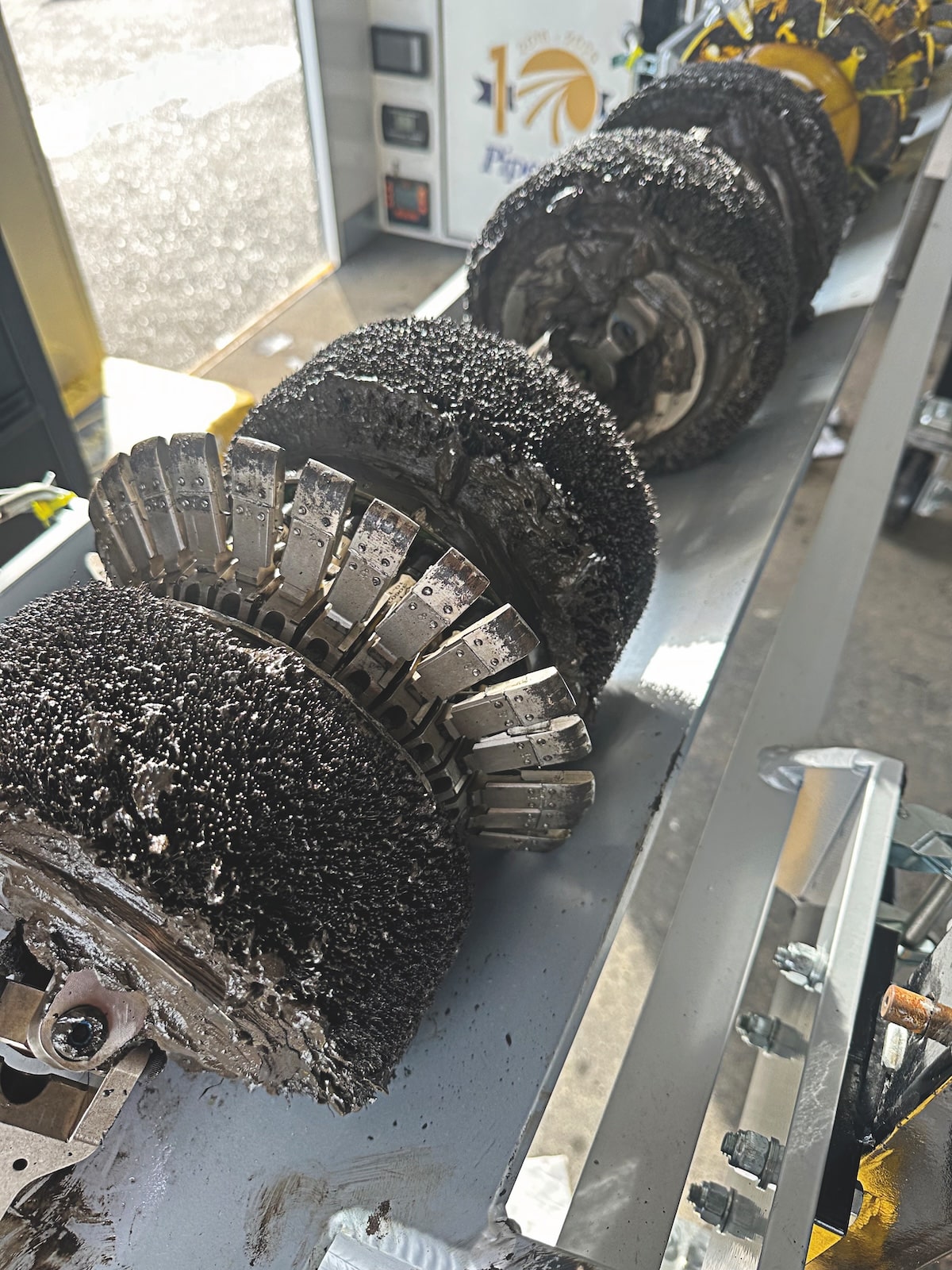
Is your pipeline ready for ILI?
What happened
Pipe Tek explains that accurate ILI depends on pipeline preparation: poor cleaning and debris in pigging runs lead to unreliable data and costly reruns. The article emphasises that inspection tools must operate within defined speed ranges and that large returns of wax, scale or sediment indicate the line is not ready. Watch whether contractors begin to require documented pigging outcomes as a precondition to tool deployment
Buyer takeaway
Treat documented pigging and a supplier sign-off on ILI speed windows as mandatory pre-mobilisation evidence rather than optional supporting material
Cost / money
Reruns or re-cleaning are direct cost drivers that can blow inspection budgets and create pass-through demand for added pigging services
Supplier / commercial
Turnkey integrity contractors who bundle cleaning, testing and inspection can offer lower execution risk and therefore should score higher on mobilisation reliability
Safety / operations
Poor prep increases tool hang-ups and unplanned recovery work; operations need clear go/no-go criteria based on pigging outputs
What to watch
Watch for suppliers to carve out cleaning or re-cleaning as separate charging lines or tighten quote validity tied to documented pigging outcomes
Key facts
- Pigging returns used as primary readiness indicator
- Inspection tools need defined tool-speed windows for accurate data
Source excerpts
Pipe Tek Managing Director Myles Brannelly explains some of the common pitfalls when preparing a pipeline for inspection. Accurate inline inspection (ILI) data is the cornerstone of any effective integrity management program, but even the most advanced inspection tools can deliver poor results if the pipeline isn’t properly prepared
“If cleaning pigs can’t travel smoothly, an ILI tool is unlikely to perform optimally,” said Brannelly
” Pressure fluctuations during pigging are often a result of partial blockages or debris in front of the tool. These conditions not only increase operational risk but can also affect tool performance and data resolution