Operations & Maintenance Services · Australia (Perth)

Lock In Mobilisation and Contract Terms for Offshore O&M Demand

Published May 13, 2026, 6:04 AM AWSTAPACFull category signal
Ask AI
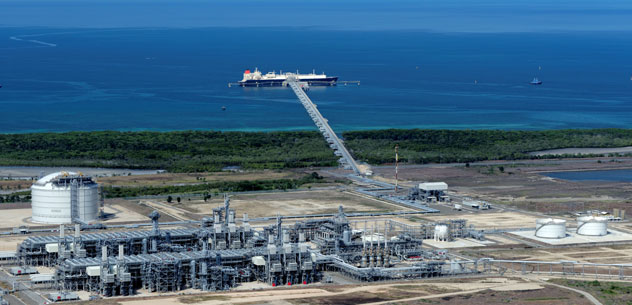
LNG capacity boost emerging in Oceania as new gas project gets the green light

In 60 seconds

Top move

Long-term extension for Bass Strait services creates sustained local O&M demand and onshore fabrication requirements that will shape mobilisation windows and spare-parts plans

Key takeaways

  • Long-term extension for Bass Strait services creates sustained local O&M demand and onshore fabrication requirements that will shape mobilisation windows and spare-parts plans.[2]
  • Santos’ APF tie-in final investment decision (FID) moves a construction programme into detailed design and contracting, creating near-term demand for heavy fabrication, temporary camps, and pipeline tie‑ins.[3]
  • Petronas’ 20-year time charters for five new LNG carriers signal multi-year shipping commitments that will affect vessel availability and long-term logistics for regional gas flows.[1]
  • Together these items shift some O&M exposure from spot sourcing to longer-term schedule and pass‑through risk; expect suppliers to press for staged commitments and limited-validity quotes as awards progress.[2]
  • The APF FID and Bass Strait extension are operationally immediate; the Petronas shipping deal is strategically important but its operational pressure is farther out.[3]

What changed since last run

  • Added long-term service extension for Bass Strait (OEG contract extension) not present in prior brief.
  • Recorded Santos APF tie-in reaching FID and advancing to detailed design and contractor awards.
  • Noted Petronas–MISC 20-year LNG time-charter deal introducing long-horizon vessel commitments.

Key facts

  • Provides and services ~700 CCUs in-region
  • Manufacture of 200 DNV 2.7‑1 certified CCUs at Barry Beach
  • Six personnel allocated to inspection, maintenance and crane services
  • Project advances with FID to detailed design
  • Includes two new wells and a 19‑kilometre pipeline tie‑in
  • Santos to progress awards for two main construction contracts

Why it matters

Long-term extension for Bass Strait services creates sustained local O&M demand and onshore fabrication requirements that will shape mobilisation windows and spare-parts plans. Santos’ APF tie-in final investment decision (FID) moves a construction programme into detailed design and contracting, creating near-term demand for heavy fabrication, temporary camps, and pipeline tie‑ins. Petronas’ 20-year time charters for five new LNG carriers signal multi-year shipping commitments that will affect vessel availability and long-term logistics for regional gas flows. Together these items shift some O&M exposure from spot sourcing to longer-term schedule and pass‑through risk; expect suppliers to press for staged commitments and limited-validity quotes as awards progress

Cost / money

  • Long contract term and local manufacture of CCUs concentrates spend into regional suppliers, reducing spot leverage and increasing risk of day‑rate or pass-through increases for specialised fabrication and repair.[2]
  • APF FID pushes near-term capital spend toward local construction camps, two wells and a 19-km pipeline tie-in, raising demand for heavy fabrication and temporary accommodation that lifts local cost pressure during execution windows.[3]

Supplier / commercial

  • Regional fabricators and service houses (e.g., Barry Beach facility) gain negotiating leverage on delivery windows and short-validity quotes when multi-year contracts or sequences are announced.[2]
  • Multi-decade LNG charters and shipbuilding commitments reduce available large-vessel capacity in the open market, making long-term charter terms and indexed pricing more important for buyers needing future logistics certainty.[1]

Safety / operations

  • An expanded CCU fleet and ongoing inspection, maintenance and restoration work in Bass Strait increase uptime dependency on certified lifting, inspection and emergency‑response services—alignment between contractors and operations is necessary to avoid downtime.[2][3]
  • APF construction activity (temporary camp, pipeline tie-in) will overlap with existing operations; maintenance and HSE teams should plan protected windows and contractor interfaces to avoid execution conflicts.[3]

What to watch

  • Watch for forthcoming FEED awards and main-contractor notices for APF; those documents will define mobilisation dates, long‑lead items and pass‑through risks.[3]
  • Watch supplier communications for limited-validity quotes or capacity statements from regional fabricators and shipyards as they react to the new work pipeline.[2][1]

Top stories

Story 1Offshore EnergyMay 12, 2026

Scottish player remains on support duty for Australian offshore drilling ops until 2036

Signal strongSource-grounded

What happened

OEG secured a multi-year contract extension to support Bass Strait offshore drilling operations through field end‑of‑life. The deal includes manufacturing 200 DNV 2.7‑1 certified cargo carrying units (CCUs) at its Barry Beach facility and expands OEG’s serviced units to roughly 700 with six personnel providing inspection, maintenance and crane services. This is operationally real for buyers because it creates sustained local servicing and fabrication demand; watch whether suppliers begin issuing limited‑validity quotes or capacity notices

Buyer takeaway

Treat this as a real, sustained local demand signal because expanded CCU manufacture and service commitments tighten regional mobilisation and spare‑parts windows

Cost / money

Directionally increases exposure to premium pass‑throughs and higher dayrates for specialised fabrication and certified lifting services due to concentrated regional demand

Supplier / commercial

Gives local fabricators and service providers stronger negotiating posture on lead times, delivery windows and limited‑validity pricing; consider requalification and contingency clauses

Safety / operations

Increases uptime dependency on certified inspection and lifting services; ensure contractor HSE competencies and equipment certifications are enforced before mobilisations

What to watch

Watch for supplier capacity notices, limited-validity quotes and mobilisation scheduling that compresses buyer response windows

Key facts

  • Provides and services ~700 CCUs in-region
  • Manufacture of 200 DNV 2.7‑1 certified CCUs at Barry Beach
  • Six personnel allocated to inspection, maintenance and crane services

Source excerpts

Commenting on the contract extension, Beau Robins, Regional Director for Australia and New Zealand at OEG, underlined: “This contract extension reflects a longstanding relationship built over many years. “It also highlights the value of long-term rental agreements in supporting operational planning and equipment availability, reducing unplanned maintenance and helping operators improve efficiency while preserving capital through to end of field life
Thanks to the latest extension, six personnel from the company will provide full-service inspection, maintenance, and repair of the units when required, as well as crane and lifting services. As a result, the total number of OEG CCUs and serviced units supporting the operator’s offshore operations in the region will increase to approximately 700
Bass Strait; Source: Woodside With a multi-year contract extension in hand, OEG will support offshore drilling operations in Australia’s Bass Strait field until the end of field life, which is expected in 2036. Following an agreement with ExxonMobil, Woodside was set to become the operator of the Bass Strait assets
Story 2Offshore EnergyMay 12, 2026

LNG capacity boost emerging in Oceania as new gas project gets the green light

Signal strongSource-grounded

What happened

Santos and partners approved final investment to proceed with the Agogo Production Facility (APF) tie‑in project in Papua New Guinea. The programme includes two new wells, a 19‑kilometre pipeline tie‑in and facility modifications, and the partners plan to progress detailed design and award two main construction contracts as they prepare for construction and a temporary camp. Operationally this converts reserves into near-term construction work and buyers should watch FEED and main‑contract tender notices to lock mobilisation and long‑lead terms

Buyer takeaway

Consider this a high-probability, near-term demand trigger because FID moves the programme into detailed design and procurement

Cost / money

Expected to raise near-term local cost pressure for heavy fabrication, camps and accommodation as construction contracts are awarded

Supplier / commercial

Main contractors and local suppliers will seek staged commitments and pass‑through terms; buyers should insist on milestone-based payments and objective acceptance criteria

Safety / operations

Construction and tie‑in activities will interact with operations; maintenance windows and emergency response must be coordinated to protect uptime

What to watch

Watch for FEED award notices and main-contractor tender documents that will define mobilisation and long‑lead requirements

Key facts

  • Project advances with FID to detailed design
  • Includes two new wells and a 19‑kilometre pipeline tie‑in
  • Santos to progress awards for two main construction contracts

Source excerpts

“With an expected IRR of greater than 50 per cent and a payback period less than four years from FID, and approximately two years from first gas, the project is expected to be strongly value accretive, support our long-term production profile and sustain feed gas supply to PNG LNG. ” This development will deliver gas from the Santos-operated APF to the PNG LNG gas pipeline via a new 19-kilometre pipeline, together with two new wells and associated production facility modifications
Gallagher emphasized: “The APF tie-in project is a high-quality development with strong economics and a clear role in our strategy to build and grow portfolio production
Through the Santos Foundation and our broader community partnerships, we continue to invest in stronger, more resilient communities in the Highlands and long-term, cooperative relationships with landholders and local stakeholders. “Our focus is now on progressing detailed design for the facility modification, awarding the two main construction contracts and progressing the temporary construction camp to drive towards first gas in the second quarter of 2028
Story 3Offshore EnergyMay 12, 2026

Petronas seals 20-year deal with MISC for newbuild LNG vessel quintet

Signal moderateDirectional

What happened

Petronas’ LNG unit signed a 20‑year time charter agreement with MISC for five newbuild 174,000‑cbm LNG carriers, with deliveries expected to begin in the 2029–2030 window. The deal includes shipbuilding in Shanghai and onboard efficiency technologies, and MISC will provide project management through construction into operation. For buyers this is a strategic signal about long-horizon vessel availability and the importance of forward freight planning; its operational effect is real but occurs later in the planning horizon

Buyer takeaway

Treat this as a strategic supply‑chain development because long-term charters change future vessel availability and commercial terms in the region

Cost / money

Shifts freight exposure toward long‑term charter markets and may reduce short-term open-market availability for large-vessel requirements

Supplier / commercial

Shipyards and ship managers obtain long revenue visibility, reducing their incentive to offer short-term charters or spot availability later in the decade

Safety / operations

Modern vessel technology and reliquefaction capabilities can improve voyage reliability and boil‑off management; operational benefits require integration into logistics planning

What to watch

This is a multi‑year driver—monitor shipbuilding progress and delivery slots rather than expecting immediate operational impacts

Key facts

  • 20‑year time charter agreement for five newbuild LNG carriers
  • Each vessel sized at 174,000 cbm with delivery starting in 2029–2030
  • Project management and shipbuilding handled through MISC and Hudong‑Zhonghua

Source excerpts

Illustration; Courtesy of Petronas PLL has signed a 20-year time charter agreement with MISC for five newbuild 174,000-cbm LNG carriers, which will be constructed in Shanghai, China, with charter commencement expected between 2029 and 2030. This move is perceived to reinforce Petronas’ long-term LNG supply reliability, while supporting customers’ energy transition towards a lower-carbon future
Home Fossil Energy Petronas seals 20-year deal with MISC for newbuild LNG vessel quintet May 12, 2026, by Malaysia’s owner and operator of offshore floating and energy-related maritime solutions and services MISC Group, a member of the Petronas Group of Companies, has struck a multi-year charter with Petronas LNG Ltd
Illustration; Courtesy of Petronas PLL has signed a 20-year time charter agreement with MISC for five newbuild 174,000-cbm LNG carriers, which will be constructed in Shanghai, China, with charter commencement expected between 2029 and 2030

VP Snapshot

Executive Risk & Action View

Long-term extension for Bass Strait services creates sustained local O&M demand and onshore fabrication requirements that will shape mobilisation windows and spare-parts plans.

Overall
55
Cost
61
Supply
79
Schedule
38
Compliance
15

Top signals

30-180dcost

Signal 1: Cost / money

Long contract term and local manufacture of CCUs concentrates spend into regional suppliers, reducing spot leverage and increasing risk of day‑rate or pass-through increases for specialised fabrication and repair.

0-30dcost

Signal 2: Cost / money

APF FID pushes near-term capital spend toward local construction camps, two wells and a 19-km pipeline tie-in, raising demand for heavy fabrication and temporary accommodation that lifts local cost pressure during execution windows.

30-180dschedule

Signal 3: Supplier / commercial

Regional fabricators and service houses (e.g., Barry Beach facility) gain negotiating leverage on delivery windows and short-validity quotes when multi-year contracts or sequences are announced.

30-180dsupply

Signal 4: Supplier / commercial

Multi-decade LNG charters and shipbuilding commitments reduce available large-vessel capacity in the open market, making long-term charter terms and indexed pricing more important for buyers needing future logistics certainty.

Signal 5: Safety / operations

An expanded CCU fleet and ongoing inspection, maintenance and restoration work in Bass Strait increase uptime dependency on certified lifting, inspection and emergency‑response services—alignment between contractors and operations is necessary to avoid downtime.

30-180dsupplier

Signal 6: Safety / operations

APF construction activity (temporary camp, pipeline tie-in) will overlap with existing operations; maintenance and HSE teams should plan protected windows and contractor interfaces to avoid execution conflicts.

Recommended actions

CategoryDue 3d

Flag OEG and Santos entries in the supplier register and add mobilisation, long‑lead and local‑content checkpoints to RFx templates.

Supplier register updated and RFx templates include mobilisation, long‑lead and local‑content checkpoints to inform sourcing decisions.

ContractsDue 3d

Request written capacity and lead‑time statements from key regional fabricators and the shipyards identified in recent shipping announcements.

Documented supplier capacity and lead‑time statements attached to vendor records for contingency planning.

OpsDue 21d

Run a cross-functional mobilisation alignment workshop (Ops, HSE, Category) to map maintenance windows, emergency response coverage and contractor interfaces around APF activities.

Agreed maintenance windows and updated emergency response annex that reflect APF mobilisation scenarios.

ContractsDue 21d

Draft a FEED‑readiness contract annex that defines staged commitments, milestone payments, long‑lead procurement terms and transparent pass‑through clauses.

FEED‑readiness annex available for inclusion in upcoming RFx packages to speed contracting and control pass‑through risk.

CategoryDue 60d

Reassess freight and large‑vessel strategy (preferred vendors, indexed pricing options) for future LNG and heavy‑lift needs.

Updated freight/charter strategy and candidate vendor shortlist to manage long-term vessel availability risk.

Risk register

RiskTriggerMitigation
Watch for forthcoming FEED awards and main-contractor notices for APF; those documents will define mobilisation dates, long‑lead items and pass‑through risks.Watch for forthcoming FEED awards and main-contractor notices for APF; those documents will define mobilisation dates, long‑lead items and pass‑through risks.Confirm exposure with category, contracts, and operations before the next supplier commitment.
Watch supplier communications for limited-validity quotes or capacity statements from regional fabricators and shipyards as they react to the new work pipeline.Watch supplier communications for limited-validity quotes or capacity statements from regional fabricators and shipyards as they react to the new work pipeline.Confirm exposure with category, contracts, and operations before the next supplier commitment.

CM Snapshot

Category Manager Decision Detail

Today's priorities

Flag OEG and Santos entries in the supplier register and add mobilisation, long‑lead and local‑content checkpoints to RFx templates.

Do this because the Bass Strait extension and APF FID create sustained local demand and because early RFx controls capture mobilisation constraints and limit pass‑through exposure.

Due 3d

high

CM move

Use this as the immediate supplier or contract action to move before the next sourcing gate.

Request written capacity and lead‑time statements from key regional fabricators and the shipyards identified in recent shipping announcements.

Do this because confirmed manufacturing programmes and long-term shipbuilding/charter deals reduce open capacity and because documented capacity reduces single-source surprise d...

Due 3d

high

CM move

Use this as the immediate supplier or contract action to move before the next sourcing gate.

Run a cross-functional mobilisation alignment workshop (Ops, HSE, Category) to map maintenance windows, emergency response coverage and contractor interfaces around APF activities.

Do this because APF’s planned pipeline tie‑in and temporary camp will interact with ongoing operations and because alignment reduces the risk of execution conflicts and unplanne...

Due 21d

high

CM move

Use this as the immediate supplier or contract action to move before the next sourcing gate.

Draft a FEED‑readiness contract annex that defines staged commitments, milestone payments, long‑lead procurement terms and transparent pass‑through clauses.

Do this because FID indicates awards are imminent and because a ready annex shortens negotiation time and limits buyer exposure to pass‑throughs when main contracts are issued.

Due 21d

high

CM move

Use this as the immediate supplier or contract action to move before the next sourcing gate.

Supplier radar

Offshore Energy

high

Observed supplier signal

Regional fabricators and service houses (e.g., Barry Beach facility) gain negotiating leverage on delivery windows and short-validity quotes when multi-year contracts or sequences are announced.

Commercial implication

Regional fabricators and service houses (e.g., Barry Beach facility) gain negotiating leverage on delivery windows and short-validity quotes when multi-year contracts or sequences are announced.

Next step: Validate the source-backed signal with incumbents and alternates before the next award or pricing decision.

Offshore Energy

high

Observed supplier signal

Multi-decade LNG charters and shipbuilding commitments reduce available large-vessel capacity in the open market, making long-term charter terms and indexed pricing more important for buyers needing future logistics certainty.

Commercial implication

Multi-decade LNG charters and shipbuilding commitments reduce available large-vessel capacity in the open market, making long-term charter terms and indexed pricing more important for buyers needing future logistics certainty.

Next step: Validate the source-backed signal with incumbents and alternates before the next award or pricing decision.

Negotiation levers

Flag OEG and Santos entries in the supplier register and add mobilisation, long‑lead and local‑content checkpoints to RFx templates.

When to use: Do this because the Bass Strait extension and APF FID create sustained local demand and because early RFx controls capture mobilisation constraints and limit pass‑through exposure.

Expected outcome: Supplier register updated and RFx templates include mobilisation, long‑lead and local‑content checkpoints to inform sourcing decisions.

Commercial mechanism to carry into the next supplier conversation

Request written capacity and lead‑time statements from key regional fabricators and the shipyards identified in recent shipping announcements.

When to use: Do this because confirmed manufacturing programmes and long-term shipbuilding/charter deals reduce open capacity and because documented capacity reduces single-source surprise d...

Expected outcome: Documented supplier capacity and lead‑time statements attached to vendor records for contingency planning.

Commercial mechanism to carry into the next supplier conversation

Run a cross-functional mobilisation alignment workshop (Ops, HSE, Category) to map maintenance windows, emergency response coverage and contractor interfaces around APF activities.

When to use: Do this because APF’s planned pipeline tie‑in and temporary camp will interact with ongoing operations and because alignment reduces the risk of execution conflicts and unplanne...

Expected outcome: Agreed maintenance windows and updated emergency response annex that reflect APF mobilisation scenarios.

Commercial mechanism to carry into the next supplier conversation

Draft a FEED‑readiness contract annex that defines staged commitments, milestone payments, long‑lead procurement terms and transparent pass‑through clauses.

When to use: Do this because FID indicates awards are imminent and because a ready annex shortens negotiation time and limits buyer exposure to pass‑throughs when main contracts are issued.

Expected outcome: FEED‑readiness annex available for inclusion in upcoming RFx packages to speed contracting and control pass‑through risk.

Commercial mechanism to carry into the next supplier conversation

Talking points

Long-term extension for Bass Strait services creates sustained local O&M demand and onshore fabrication requirements that will shape mobilisation windows and spare-parts plans.
Santos’ APF tie-in final investment decision (FID) moves a construction programme into detailed design and contracting, creating near-term demand for heavy fabrication, temporary camps, and pipeline tie‑ins.
Petronas’ 20-year time charters for five new LNG carriers signal multi-year shipping commitments that will affect vessel availability and long-term logistics for regional gas flows.
Together these items shift some O&M exposure from spot sourcing to longer-term schedule and pass‑through risk; expect suppliers to press for staged commitments and limited-validity quotes as awards progress.

Supplier radar

SupplierSignalImplicationNext stepConfidence
Offshore EnergyRegional fabricators and service houses (e.g., Barry Beach facility) gain negotiating leverage on delivery windows and short-validity quotes when multi-year contracts or sequences are announced.Regional fabricators and service houses (e.g., Barry Beach facility) gain negotiating leverage on delivery windows and short-validity quotes when multi-year contracts or sequences are announced.Validate the source-backed signal with incumbents and alternates before the next award or pricing decision.high
Offshore EnergyMulti-decade LNG charters and shipbuilding commitments reduce available large-vessel capacity in the open market, making long-term charter terms and indexed pricing more important for buyers needing future logistics certainty.Multi-decade LNG charters and shipbuilding commitments reduce available large-vessel capacity in the open market, making long-term charter terms and indexed pricing more important for buyers needing future logistics certainty.Validate the source-backed signal with incumbents and alternates before the next award or pricing decision.high

Negotiation levers

  • Flag OEG and Santos entries in the supplier register and add mobilisation, long‑lead and local‑content checkpoints to RFx templates.Do this because the Bass Strait extension and APF FID create sustained local demand and because early RFx controls capture mobilisation constraints and limit pass‑through exposure.Supplier register updated and RFx templates include mobilisation, long‑lead and local‑content checkpoints to inform sourcing decisions.

    high confidence

  • Request written capacity and lead‑time statements from key regional fabricators and the shipyards identified in recent shipping announcements.Do this because confirmed manufacturing programmes and long-term shipbuilding/charter deals reduce open capacity and because documented capacity reduces single-source surprise d...Documented supplier capacity and lead‑time statements attached to vendor records for contingency planning.

    high confidence

  • Run a cross-functional mobilisation alignment workshop (Ops, HSE, Category) to map maintenance windows, emergency response coverage and contractor interfaces around APF activities.Do this because APF’s planned pipeline tie‑in and temporary camp will interact with ongoing operations and because alignment reduces the risk of execution conflicts and unplanne...Agreed maintenance windows and updated emergency response annex that reflect APF mobilisation scenarios.

    high confidence

  • Draft a FEED‑readiness contract annex that defines staged commitments, milestone payments, long‑lead procurement terms and transparent pass‑through clauses.Do this because FID indicates awards are imminent and because a ready annex shortens negotiation time and limits buyer exposure to pass‑throughs when main contracts are issued.FEED‑readiness annex available for inclusion in upcoming RFx packages to speed contracting and control pass‑through risk.

    high confidence

What to do / What to watch

What to do now

  • Flag OEG and Santos entries in the supplier register and add mobilisation, long‑lead and local‑content checkpoints to RFx templates.

    Why: Do this because the Bass Strait extension and APF FID create sustained local demand and because early RFx controls capture mobilisation constraints and limit pass‑through exposure.

    Owner: Category

    Expected outcome: Supplier register updated and RFx templates include mobilisation, long‑lead and local‑content checkpoints to inform sourcing decisions.

    [2][3]
  • Request written capacity and lead‑time statements from key regional fabricators and the shipyards identified in recent shipping announcements.

    Why: Do this because confirmed manufacturing programmes and long-term shipbuilding/charter deals reduce open capacity and because documented capacity reduces single-source surprise d...

    Owner: Contracts

    Expected outcome: Documented supplier capacity and lead‑time statements attached to vendor records for contingency planning.

    [2][1]

Next few weeks

  • Run a cross-functional mobilisation alignment workshop (Ops, HSE, Category) to map maintenance windows, emergency response coverage and contractor interfaces around APF activities.

    Why: Do this because APF’s planned pipeline tie‑in and temporary camp will interact with ongoing operations and because alignment reduces the risk of execution conflicts and unplanne...

    Owner: Ops

    Expected outcome: Agreed maintenance windows and updated emergency response annex that reflect APF mobilisation scenarios.

    [3]
  • Draft a FEED‑readiness contract annex that defines staged commitments, milestone payments, long‑lead procurement terms and transparent pass‑through clauses.

    Why: Do this because FID indicates awards are imminent and because a ready annex shortens negotiation time and limits buyer exposure to pass‑throughs when main contracts are issued.

    Owner: Contracts

    Expected outcome: FEED‑readiness annex available for inclusion in upcoming RFx packages to speed contracting and control pass‑through risk.

    [3]

Longer view

  • Reassess freight and large‑vessel strategy (preferred vendors, indexed pricing options) for future LNG and heavy‑lift needs.

    Why: Do this because the Petronas–MISC shipbuilding and time‑charter deal signals long‑horizon vessel commitments and because early strategy work preserves flexibility and pricing le...

    Owner: Category

    Expected outcome: Updated freight/charter strategy and candidate vendor shortlist to manage long-term vessel availability risk.

    [1]

What to watch

  • Watch for forthcoming FEED awards and main-contractor notices for APF; those documents will define mobilisation dates, long‑lead items and pass‑through risks
  • Watch supplier communications for limited-validity quotes or capacity statements from regional fabricators and shipyards as they react to the new work pipeline
  • Watch for forthcoming FEED awards and main-contractor notices for APF; those documents will define mobilisation dates, long‑lead items and pass‑through risks.: Watch for forthcoming FEED awards and main-contractor notices for APF; those documents will define mobilisation dates, long‑lead items and pass‑through risks
  • Watch supplier communications for limited-validity quotes or capacity statements from regional fabricators and shipyards as they react to the new work pipeline.: Watch supplier communications for limited-validity quotes or capacity statements from regional fabricators and shipyards as they react to the new work pipeline
  • Long-term extension for Bass Strait services creates sustained local O&M demand and onshore fabrication requirements that will shape mobilisation windows and spare-parts plans
  • Santos’ APF tie-in final investment decision (FID) moves a construction programme into detailed design and contracting, creating near-term demand for heavy fabrication, temporary camps, and pipeline tie‑ins
  • Petronas’ 20-year time charters for five new LNG carriers signal multi-year shipping commitments that will affect vessel availability and long-term logistics for regional gas flows
  • Together these items shift some O&M exposure from spot sourcing to longer-term schedule and pass‑through risk; expect suppliers to press for staged commitments and limited-validity quotes as awards progress

Market pulse

IndexLatestChangeAs of
WTI Crude (WTI)71.23 /bbl+0.00 (+0.00%)May 12, 2026, 10:06 PM
Brent Crude (BRENT)74.89 /bbl+0.00 (+0.00%)May 12, 2026, 10:06 PM
Natural Gas (NG)3.12 /MMBtu+0.00 (+0.00%)May 12, 2026, 10:06 PM
Johnson Controls (JCI)65 +0.00 (+0.00%)May 12, 2026, 10:06 PM
  • Natural Gas: APF FID increases near-term regional gas activity, which can tighten service and fabrication demand for O&M contractors supporting gas infrastructure
  • Brent Crude: Sustained offshore drilling and long-term service contracts in Bass Strait keep crude-linked operational demand relevant for logistics and fabrication planning

Sources

Inline citations jump here. Expand a source to read the excerpt, the AI interpretation, and the original link.

[1] Petronas seals 20-year deal with MISC for newbuild LNG vessel quintet

offshore-energy.biz · May 12, 2026

Expand

AI reading

Petronas’ LNG unit signed a 20‑year time charter agreement with MISC for five newbuild 174,000‑cbm LNG carriers, with deliveries expected to begin in the 2029–2030 window. The deal includes shipbuilding in Shanghai and onboard efficiency technologies, and MISC will provide project management through construction into operation. For buyers this is a strategic signal about long-horizon vessel availability and the importance of forward freight planning; its operational effect is real but occurs later in the planning horizon

Buyer takeaway

Treat this as a strategic supply‑chain development because long-term charters change future vessel availability and commercial terms in the region

Cost / money

Shifts freight exposure toward long‑term charter markets and may reduce short-term open-market availability for large-vessel requirements

Supplier / commercial

Shipyards and ship managers obtain long revenue visibility, reducing their incentive to offer short-term charters or spot availability later in the decade

Safety / operations

Modern vessel technology and reliquefaction capabilities can improve voyage reliability and boil‑off management; operational benefits require integration into logistics planning

What to watch

This is a multi‑year driver—monitor shipbuilding progress and delivery slots rather than expecting immediate operational impacts

Key facts

  • 20‑year time charter agreement for five newbuild LNG carriers
  • Each vessel sized at 174,000 cbm with delivery starting in 2029–2030
  • Project management and shipbuilding handled through MISC and Hudong‑Zhonghua

Source excerpts

Illustration; Courtesy of Petronas PLL has signed a 20-year time charter agreement with MISC for five newbuild 174,000-cbm LNG carriers, which will be constructed in Shanghai, China, with charter commencement expected between 2029 and 2030. This move is perceived to reinforce Petronas’ long-term LNG supply reliability, while supporting customers’ energy transition towards a lower-carbon future
Home Fossil Energy Petronas seals 20-year deal with MISC for newbuild LNG vessel quintet May 12, 2026, by Malaysia’s owner and operator of offshore floating and energy-related maritime solutions and services MISC Group, a member of the Petronas Group of Companies, has struck a multi-year charter with Petronas LNG Ltd
Illustration; Courtesy of Petronas PLL has signed a 20-year time charter agreement with MISC for five newbuild 174,000-cbm LNG carriers, which will be constructed in Shanghai, China, with charter commencement expected between 2029 and 2030

Used in this brief

  • Next quarter — Reassess freight and large‑vessel strategy (preferred vendors, indexed pricing options) for future LNG and heavy‑lift needs.. Rationale: Do this because the Petronas–MISC shipbuilding and time‑charter deal signals long‑horizon vessel commitments and because early strategy work preserves flexibility and pricing le.... Owner: Category. KPI: Updated freight/charter strategy and candidate vendor shortlist to manage long-term vessel availability risk
  • Noted Petronas–MISC 20-year LNG time-charter deal introducing long-horizon vessel commitments
  • Petronas’ LNG unit signed a 20‑year time charter agreement with MISC for five newbuild 174,000‑cbm LNG carriers, with deliveries expected to begin in the 2029–2030 window. The deal includes shipbuilding in Shanghai and onboard efficiency technologies, and MISC will provide project management through construction into operation. For buyers this is a strategic signal about long-horizon vessel availability and the importance of forward freight planning; its operational effect is real but occurs later in the planning horizon
Open original source

[2] Scottish player remains on support duty for Australian offshore drilling ops until 2036

offshore-energy.biz · May 12, 2026

Expand

AI reading

OEG secured a multi-year contract extension to support Bass Strait offshore drilling operations through field end‑of‑life. The deal includes manufacturing 200 DNV 2.7‑1 certified cargo carrying units (CCUs) at its Barry Beach facility and expands OEG’s serviced units to roughly 700 with six personnel providing inspection, maintenance and crane services. This is operationally real for buyers because it creates sustained local servicing and fabrication demand; watch whether suppliers begin issuing limited‑validity quotes or capacity notices

Buyer takeaway

Treat this as a real, sustained local demand signal because expanded CCU manufacture and service commitments tighten regional mobilisation and spare‑parts windows

Cost / money

Directionally increases exposure to premium pass‑throughs and higher dayrates for specialised fabrication and certified lifting services due to concentrated regional demand

Supplier / commercial

Gives local fabricators and service providers stronger negotiating posture on lead times, delivery windows and limited‑validity pricing; consider requalification and contingency clauses

Safety / operations

Increases uptime dependency on certified inspection and lifting services; ensure contractor HSE competencies and equipment certifications are enforced before mobilisations

What to watch

Watch for supplier capacity notices, limited-validity quotes and mobilisation scheduling that compresses buyer response windows

Key facts

  • Provides and services ~700 CCUs in-region
  • Manufacture of 200 DNV 2.7‑1 certified CCUs at Barry Beach
  • Six personnel allocated to inspection, maintenance and crane services

Source excerpts

Commenting on the contract extension, Beau Robins, Regional Director for Australia and New Zealand at OEG, underlined: “This contract extension reflects a longstanding relationship built over many years. “It also highlights the value of long-term rental agreements in supporting operational planning and equipment availability, reducing unplanned maintenance and helping operators improve efficiency while preserving capital through to end of field life
Thanks to the latest extension, six personnel from the company will provide full-service inspection, maintenance, and repair of the units when required, as well as crane and lifting services. As a result, the total number of OEG CCUs and serviced units supporting the operator’s offshore operations in the region will increase to approximately 700
Bass Strait; Source: Woodside With a multi-year contract extension in hand, OEG will support offshore drilling operations in Australia’s Bass Strait field until the end of field life, which is expected in 2036. Following an agreement with ExxonMobil, Woodside was set to become the operator of the Bass Strait assets

Used in this brief

  • Cost / money: Long contract term and local manufacture of CCUs concentrates spend into regional suppliers, reducing spot leverage and increasing risk of day‑rate or pass-through increases for specialised fabrication and repair
  • Safety / operations: An expanded CCU fleet and ongoing inspection, maintenance and restoration work in Bass Strait increase uptime dependency on certified lifting, inspection and emergency‑response services—alignment between contractors and operations is necessary to avoid downtime
  • Next 72 hours — Flag OEG and Santos entries in the supplier register and add mobilisation, long‑lead and local‑content checkpoints to RFx templates.. Rationale: Do this because the Bass Strait extension and APF FID create sustained local demand and because early RFx controls capture mobilisation constraints and limit pass‑through exposure.. Owner: Category. KPI: Supplier register updated and RFx templates include mobilisation, long‑lead and local‑content checkpoints to inform sourcing decisions
Open original source

[3] LNG capacity boost emerging in Oceania as new gas project gets the green light

offshore-energy.biz · May 12, 2026

Expand

AI reading

Santos and partners approved final investment to proceed with the Agogo Production Facility (APF) tie‑in project in Papua New Guinea. The programme includes two new wells, a 19‑kilometre pipeline tie‑in and facility modifications, and the partners plan to progress detailed design and award two main construction contracts as they prepare for construction and a temporary camp. Operationally this converts reserves into near-term construction work and buyers should watch FEED and main‑contract tender notices to lock mobilisation and long‑lead terms

Buyer takeaway

Consider this a high-probability, near-term demand trigger because FID moves the programme into detailed design and procurement

Cost / money

Expected to raise near-term local cost pressure for heavy fabrication, camps and accommodation as construction contracts are awarded

Supplier / commercial

Main contractors and local suppliers will seek staged commitments and pass‑through terms; buyers should insist on milestone-based payments and objective acceptance criteria

Safety / operations

Construction and tie‑in activities will interact with operations; maintenance windows and emergency response must be coordinated to protect uptime

What to watch

Watch for FEED award notices and main-contractor tender documents that will define mobilisation and long‑lead requirements

Key facts

  • Project advances with FID to detailed design
  • Includes two new wells and a 19‑kilometre pipeline tie‑in
  • Santos to progress awards for two main construction contracts

Source excerpts

“With an expected IRR of greater than 50 per cent and a payback period less than four years from FID, and approximately two years from first gas, the project is expected to be strongly value accretive, support our long-term production profile and sustain feed gas supply to PNG LNG. ” This development will deliver gas from the Santos-operated APF to the PNG LNG gas pipeline via a new 19-kilometre pipeline, together with two new wells and associated production facility modifications
Gallagher emphasized: “The APF tie-in project is a high-quality development with strong economics and a clear role in our strategy to build and grow portfolio production
Through the Santos Foundation and our broader community partnerships, we continue to invest in stronger, more resilient communities in the Highlands and long-term, cooperative relationships with landholders and local stakeholders. “Our focus is now on progressing detailed design for the facility modification, awarding the two main construction contracts and progressing the temporary construction camp to drive towards first gas in the second quarter of 2028

Used in this brief

  • Long-term extension for Bass Strait services creates sustained local O&M demand and onshore fabrication requirements that will shape mobilisation windows and spare-parts plans. Santos’ APF tie-in final investment decision (FID) moves a construction programme into detailed design and contracting, creating near-term demand for heavy fabrication, temporary camps, and pipeline tie‑ins. Petronas’ 20-year time charters for five new LNG carriers signal multi-year shipping commitments that will affect vessel availability and long-term logistics for regional gas flows. Together these items shift some O&M exposure from spot sourcing to longer-term schedule and pass‑through risk; expect suppliers to press for staged commitments and limited-validity quotes as awards progress
  • Next 2-4 weeks — Run a cross-functional mobilisation alignment workshop (Ops, HSE, Category) to map maintenance windows, emergency response coverage and contractor interfaces around APF activities.. Rationale: Do this because APF’s planned pipeline tie‑in and temporary camp will interact with ongoing operations and because alignment reduces the risk of execution conflicts and unplanne.... Owner: Ops. KPI: Agreed maintenance windows and updated emergency response annex that reflect APF mobilisation scenarios
  • Next 2-4 weeks — Draft a FEED‑readiness contract annex that defines staged commitments, milestone payments, long‑lead procurement terms and transparent pass‑through clauses.. Rationale: Do this because FID indicates awards are imminent and because a ready annex shortens negotiation time and limits buyer exposure to pass‑throughs when main contracts are issued.. Owner: Contracts. KPI: FEED‑readiness annex available for inclusion in upcoming RFx packages to speed contracting and control pass‑through risk
Open original source

[4] Natural Gas

finance.yahoo.com · n.d.

Expand

[5] Brent Crude

finance.yahoo.com · n.d.

Expand