Drilling Services · Australia (Perth)

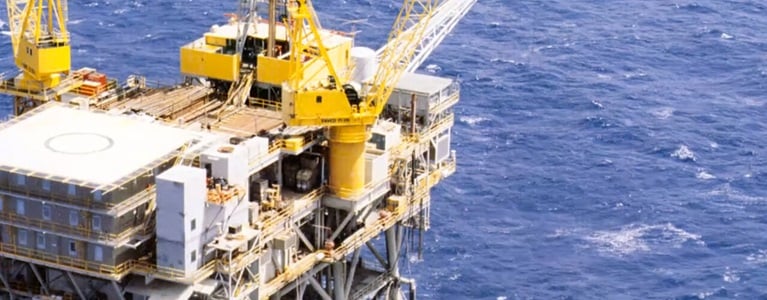
Rebalance Drilling Supply Plans for New APAC Offshore Work

Published May 13, 2026, 6:02 AM AWSTAPACFull category signal
Ask AI
Scottish player remains on support duty for Australian offshore drilling ops until 2036

In 60 seconds

Top move

Long-term local support in Bass Strait creates real demand for CCU fabrication, inspection, and onshore servicing capacity — treat this as a sustained supplier commitment, not a one-off service order

Key takeaways

  • Long-term local support in Bass Strait creates real demand for CCU fabrication, inspection, and onshore servicing capacity — treat this as a sustained supplier commitment, not a one-off service order.[1]
  • PNG APF final investment decision moves two new wells and a tie-in into execution planning, which will press construction, drilling and temporary-camp procurement windows.[3]
  • Dolphin Drilling’s newly firmed contract and backlog growth strengthen rig-owner commercial posture, lowering short-term buyer flexibility for rapid mobilisation or spot rig sourcing.[2]
  • Operational detail: OEG will supply 200 DNV-certified cargo-carrying units (CCUs), expand its serviced fleet to about 700 units, and embed service personnel — this shifts where lifting and inspection risk sits.[1]
  • Procurement implication: PNG partners are moving toward awarding main construction and camp contracts next, making contract scope, mobilization terms, and local-content clauses the primary levers for buyers.[3]

What changed since last run

  • Added a confirmed long-term support and CCU manufacturing extension in Australia’s Bass Strait that increases regional lifting-equipment supply dependency (Article 2).
  • Recorded a final investment decision for the PNG APF tie-in project, advancing two wells and a pipeline toward execution and near-term contracting (Article 3).
  • Noted a material rig backlog increase for Dolphin Drilling after a new North Sea contract, reinforcing industry-wide mobilisation pressure signals (Article 5).

Key facts

  • Support extended to Bass Strait through expected field life to 2036
  • Supply and manufacture 200 DNV-certified CCUs from Barry Beach
  • Total CCUs and serviced units in region increase to approximately 700
  • Six personnel embedded for inspection, maintenance and crane/lifting services
  • FID approved for Agogo Production Facility (APF) tie-in
  • Project includes two new wells and a 19-kilometre pipeline

Why it matters

Long-term local support in Bass Strait creates real demand for CCU fabrication, inspection, and onshore servicing capacity — treat this as a sustained supplier commitment, not a one-off service order. PNG APF final investment decision moves two new wells and a tie-in into execution planning, which will press construction, drilling and temporary-camp procurement windows. Dolphin Drilling’s newly firmed contract and backlog growth strengthen rig-owner commercial posture, lowering short-term buyer flexibility for rapid mobilisation or spot rig sourcing. Operational detail: OEG will supply 200 DNV-certified cargo-carrying units (CCUs), expand its serviced fleet to about 700 units, and embed service personnel — this shifts where lifting and inspection risk sits

Cost / money

  • Local maintenance and inspection pass-throughs are likely to rise as OEG embeds service personnel and grows the CCU fleet; buyers should expect these costs to appear in support scopes.[1]
  • PNG’s APF FID shifts capital spend into near execution (wells, pipeline, facility mods and temporary camps), tightening budget slack for other APAC drilling campaigns.[3]

Supplier / commercial

  • OEG’s expanded CCU manufacture and service role increases supplier leverage over short-lead-time quotes and availability for lifting equipment.[1]
  • Dolphin Drilling’s added firm backlog strengthens rig owners’ negotiation position, making mobilisation deposits, shorter quote validity, or conditional-availability clauses more likely in RFP responses.[2]

Safety / operations

  • A larger regional CCU fleet with attached maintenance teams can reduce operational safety risk if inspection regimes are maintained; procurement must lock in inspection gates and marine warranty survey (MWS) responsibilities.[1]
  • PNG APF tie-in and new wells raise marine and onshore installation oversight needs—contractors will need clear HSE deliverables and defined hold points for tie-in activities.[3]

What to watch

  • Suppliers may shorten quote‑validity windows or push mobilisation deposits as backlog and FIDs firm up — this would force buyers to revise tender guardrails and deposit governance.[2]
  • Local fabrication and servicing capacity at Barry Beach and nearby yards could become a bottleneck if multiple projects compete for CCU builds and inspection slots.[1]

Top stories

Story 1Offshore EnergyMay 12, 2026

Scottish player remains on support duty for Australian offshore drilling ops until 2036

Signal strongSource-grounded

What happened

OEG secured a long-term contract extension to support offshore drilling operations in Australia’s Bass Strait, committing to supply and manufacture 200 DNV-certified cargo-carrying units (CCUs) and provide ongoing inspection and maintenance services. The deal embeds a small dedicated service team and raises the serviced CCU fleet to about 700 units, making this a structural change to local lifting and inspection capacity. Watch whether fabrication and inspection schedules at Barry Beach scale to match other regional project demands

Buyer takeaway

Treat this as a persistent local demand driver: OEG is not just supplying units but embedding service capability, which reduces buyer control over short‑notice CCU availability

Cost / money

Cost exposure will shift into maintenance and service pass‑throughs; expect support fees and mobilisation-related charges to appear in service scopes rather than one-time equipment invoices

Supplier / commercial

OEG gains leverage on lead times and quote validity for CCUs and lifting services; bidders may narrow availability windows or favour multi-year pricing structures

Safety / operations

Embedding dedicated maintenance teams can improve inspection currency and reduce lift-related incidents if inspection gates and MWS are enforced in contracts

What to watch

Watch whether Barry Beach capacity and local fabrication slots become constrained as other projects bid for CCU builds and inspection slots; this is an operational bottleneck risk

Key facts

  • Support extended to Bass Strait through expected field life to 2036
  • Supply and manufacture 200 DNV-certified CCUs from Barry Beach
  • Total CCUs and serviced units in region increase to approximately 700
  • Six personnel embedded for inspection, maintenance and crane/lifting services

Source excerpts

7-1) certified offshore cargo carrying units (CCUs) from its Barry Beach facility in Victoria, Australia. Thanks to the latest extension, six personnel from the company will provide full-service inspection, maintenance, and repair of the units when required, as well as crane and lifting services
Thanks to the latest extension, six personnel from the company will provide full-service inspection, maintenance, and repair of the units when required, as well as crane and lifting services
Commenting on the contract extension, Beau Robins, Regional Director for Australia and New Zealand at OEG, underlined: “This contract extension reflects a longstanding relationship built over many years. “It also highlights the value of long-term rental agreements in supporting operational planning and equipment availability, reducing unplanned maintenance and helping operators improve efficiency while preserving capital through to end of field life
Story 2Offshore EnergyMay 12, 2026

LNG capacity boost emerging in Oceania as new gas project gets the green light

Signal strongSource-grounded

What happened

The PNG APF tie-in project received final investment decision and will proceed with two new wells, a 19-kilometre pipeline, and facility modifications to feed into PNG LNG. First gas is targeted in the second quarter of 2028, and the partners are moving toward awarding main construction and camp contracts to meet that schedule. Procurement should watch award timing and contractor availability for camps, pipeline tie-ins and drilling services

Buyer takeaway

This FID means contracts will move from design to award: buyers need pre-qualified contractors and clear contract scopes to avoid schedule-driven cost escalation

Cost / money

Capital will shift into construction and drilling spend quickly, constraining discretionary budgets and increasing the chance of premium pricing for tight-schedule awards

Supplier / commercial

Contractors will likely push for clear mobilisation terms, possible mobilisation deposits, and defined change‑order governance given the tight tie-in schedule

Safety / operations

Tie-in and well works raise marine and onshore HSE complexity; procurement must require defined HSE deliverables, offshore installation oversight and MWS provisions in scopes

What to watch

Watch award timing for main construction contracts and the establishment of temporary camp arrangements; late awards risk premium fees and schedule slippage

Key facts

  • FID approved for Agogo Production Facility (APF) tie-in
  • Project includes two new wells and a 19-kilometre pipeline
  • First gas targeted in the second quarter of 2028
  • Santos’ share of capex approx $160 million of roughly $400 million gross

Source excerpts

” This development will deliver gas from the Santos-operated APF to the PNG LNG gas pipeline via a new 19-kilometre pipeline, together with two new wells and associated production facility modifications
PNG LNG Following approval by the PNG LNG joint venture, a final investment decision has been made to proceed with the Agogo Production Facility (APF) tie-in project in Papua New Guinea
Kevin Gallagher, Santos’ Chief Executive Officer and Managing Director, described the APF tie-in project as a highly value-accretive investment that meets the company’s capital allocation criteria and will support its long-term production profile with an approximate 12-year production plateau, and the potential to continue production beyond 2050. Gallagher emphasized: “The APF tie-in project is a high-quality development with strong economics and a clear role in our strategy to build and grow portfolio product
Story 3Offshore EnergyMay 12, 2026

Dolphin Drilling’s 1990-built rig scores North Sea job as 1974-built semi-sub stays in India

Signal strongSource-grounded

What happened

Dolphin Drilling secured a contract for the Paul B. rig with Harbour Energy in the North Sea, increasing the owner’s firm backlog and options to extend the engagement. The firm term runs through to late 2030 and materially raises the company’s backlog, strengthening rig‑owner commercial posture and reducing spot availability in the market. Buyers should monitor how this backlog and associated LOIs affect short-notice rig availability in APAC campaigns

Buyer takeaway

Treat rising backlog figures as a demand signal: more committed rig days globally reduce optionality for short-start APAC campaigns

Cost / money

Stronger backlog supports firmer day rates and mobilisation fees, constraining buyers who need rapid starts

Supplier / commercial

Rig owners with growing backlog can justify shorter quote validity, conditional availability language, and mobilisation deposits in responses to RFPs

Safety / operations

Longer committed campaigns improve maintenance predictability but increase execution dependency on confirmed spare-part plans and crew rotations to protect uptime

What to watch

Watch for suppliers to actively reprioritise LOIs into firm awards and to tighten commercial windows for spot work as backlog converts to contracts

Key facts

  • Paul B. rig has a firm term through to 30 August 2030 (per award notice)
  • The firm term represents approximately $150 million in firm contract backlog

Source excerpts

The 1974-built Blackford Dolphin is a semi-submersible drilling rig of an enhanced Aker H-3 design, which can accommodate 120 people. Michael Boyd, Chief Executive Officer of Dolphin Drilling, emphasized: “Dolphin Drilling now has USD 362 million in firm contract backlog with a further 849 million in LOI (as advised 14th April 2026) and options, materially improving future revenue and earnings visibility since the turn of the year
” Meanwhile, the rig owner’s Blackford Dolphin deepwater-capable semi-submersible rig will continue its drilling contract for Oil India Limited. The rig is expected to remain on contract until the end of July 2026 to complete drilling, testing, and abandonment work at locations East of India
The additional firm term runs through to August 30, 2030, representing approximately $150 million in firm contract backlog

VP Snapshot

Executive Risk & Action View

Long-term local support in Bass Strait creates real demand for CCU fabrication, inspection, and onshore servicing capacity — treat this as a sustained supplier commitment, not a one-off service order.

Overall
49
Cost
61
Supply
100
Schedule
20
Compliance
15

Top signals

30-180dcost

Signal 1: Cost / money

Local maintenance and inspection pass-throughs are likely to rise as OEG embeds service personnel and grows the CCU fleet; buyers should expect these costs to appear in support scopes.

Signal 2: Cost / money

PNG’s APF FID shifts capital spend into near execution (wells, pipeline, facility mods and temporary camps), tightening budget slack for other APAC drilling campaigns.

0-30dsupply

Signal 3: Supplier / commercial

OEG’s expanded CCU manufacture and service role increases supplier leverage over short-lead-time quotes and availability for lifting equipment.

Signal 4: Supplier / commercial

Dolphin Drilling’s added firm backlog strengthens rig owners’ negotiation position, making mobilisation deposits, shorter quote validity, or conditional-availability clauses more likely in RFP responses.

30-180dsupply

Signal 5: Safety / operations

A larger regional CCU fleet with attached maintenance teams can reduce operational safety risk if inspection regimes are maintained; procurement must lock in inspection gates and marine warranty survey (MWS) responsibilities.

30-180dsupplier

Signal 6: Safety / operations

PNG APF tie-in and new wells raise marine and onshore installation oversight needs—contractors will need clear HSE deliverables and defined hold points for tie-in activities.

Recommended actions

CategoryDue 3d

Update the mobilisation register to flag the PNG APF tie-in and Bass Strait CCU campaigns and list potential resource conflicts and contingency suppliers.

Register updated with flagged conflicts and recommended contingency suppliers to inform scheduling choices.

ContractsDue 3d

Request written confirmation from OEG on CCU delivery windows, inspection coverage, and onsite maintenance scope and availability.

Documented supplier positions on delivery, inspection gates, and service availability to inform immediate contract redlines.

CategoryDue 21d

Run a supplier capacity and capability check for PNG temporary camps, pipeline tie-in contractors, and drilling subcontractors; shortlist firms with realistic lead times and com...

Shortlist of contractors with lead‑time, pricing posture, and capacity notes to support imminent awards.

ContractsDue 21d

Engage top drilling contractors bilaterally to test quote-validity lengths, mobilisation-deposit expectations, and conditional-availability clauses.

Inventory of supplier positions and recommended contract clause language to include in upcoming RFPs.

LegalDue 60d

Update drilling and lifting‑equipment contract templates to include explicit mobilisation deposit governance, owner‑equipment transfer clauses, defined mobilisation milestones,...

Revised contract templates with mobilisation, owner-equipment transfer, and inspection governance ready for upcoming tenders.

Risk register

RiskTriggerMitigation
Suppliers may shorten quote‑validity windows or push mobilisation deposits as backlog and FIDs firm up — this would force buyers to revise tender guardrails and deposit governance.Suppliers may shorten quote‑validity windows or push mobilisation deposits as backlog and FIDs firm up — this would force buyers to revise tender guardrails and deposit governance.Confirm exposure with category, contracts, and operations before the next supplier commitment.
Local fabrication and servicing capacity at Barry Beach and nearby yards could become a bottleneck if multiple projects compete for CCU builds and inspection slots.Local fabrication and servicing capacity at Barry Beach and nearby yards could become a bottleneck if multiple projects compete for CCU builds and inspection slots.Confirm exposure with category, contracts, and operations before the next supplier commitment.

CM Snapshot

Category Manager Decision Detail

Today's priorities

Update the mobilisation register to flag the PNG APF tie-in and Bass Strait CCU campaigns and list potential resource conflicts and contingency suppliers.

because the APF FID and the Bass Strait contract extension indicate overlapping near-term demand for drilling support, lifting units, and temporary-camp services that could crea...

Due 3d

high

CM move

Use this as the immediate supplier or contract action to move before the next sourcing gate.

Request written confirmation from OEG on CCU delivery windows, inspection coverage, and onsite maintenance scope and availability.

because OEG’s manufacturing and embedded-service commitments change availability and pass‑through risk for CCUs that should be reflected in contract terms and tender evaluation.

Due 3d

high

CM move

Use this as the immediate supplier or contract action to move before the next sourcing gate.

Run a supplier capacity and capability check for PNG temporary camps, pipeline tie-in contractors, and drilling subcontractors; shortlist firms with realistic lead times and com...

because the APF tie-in is moving into execution and buyers need to lock contractors that can meet schedule and local-content requirements without premium surprises.

Due 21d

high

CM move

Use this as the immediate supplier or contract action to move before the next sourcing gate.

Engage top drilling contractors bilaterally to test quote-validity lengths, mobilisation-deposit expectations, and conditional-availability clauses.

because rig-owner backlog growth increases the chance suppliers will shorten validities or require deposits; testing positions now lets Contracts build stronger tender guardrails.

Due 21d

high

CM move

Use this as the immediate supplier or contract action to move before the next sourcing gate.

Supplier radar

Offshore Energy

high

Observed supplier signal

OEG’s expanded CCU manufacture and service role increases supplier leverage over short-lead-time quotes and availability for lifting equipment.

Commercial implication

OEG’s expanded CCU manufacture and service role increases supplier leverage over short-lead-time quotes and availability for lifting equipment.

Next step: Validate the source-backed signal with incumbents and alternates before the next award or pricing decision.

Offshore Energy

high

Observed supplier signal

Dolphin Drilling’s added firm backlog strengthens rig owners’ negotiation position, making mobilisation deposits, shorter quote validity, or conditional-availability clauses more likely in RFP responses.

Commercial implication

Dolphin Drilling’s added firm backlog strengthens rig owners’ negotiation position, making mobilisation deposits, shorter quote validity, or conditional-availability clauses more likely in RFP responses.

Next step: Validate the source-backed signal with incumbents and alternates before the next award or pricing decision.

Negotiation levers

Update the mobilisation register to flag the PNG APF tie-in and Bass Strait CCU campaigns and list potential resource conflicts and contingency suppliers.

When to use: because the APF FID and the Bass Strait contract extension indicate overlapping near-term demand for drilling support, lifting units, and temporary-camp services that could crea...

Expected outcome: Register updated with flagged conflicts and recommended contingency suppliers to inform scheduling choices.

Commercial mechanism to carry into the next supplier conversation

Request written confirmation from OEG on CCU delivery windows, inspection coverage, and onsite maintenance scope and availability.

When to use: because OEG’s manufacturing and embedded-service commitments change availability and pass‑through risk for CCUs that should be reflected in contract terms and tender evaluation.

Expected outcome: Documented supplier positions on delivery, inspection gates, and service availability to inform immediate contract redlines.

Commercial mechanism to carry into the next supplier conversation

Run a supplier capacity and capability check for PNG temporary camps, pipeline tie-in contractors, and drilling subcontractors; shortlist firms with realistic lead times and com...

When to use: because the APF tie-in is moving into execution and buyers need to lock contractors that can meet schedule and local-content requirements without premium surprises.

Expected outcome: Shortlist of contractors with lead‑time, pricing posture, and capacity notes to support imminent awards.

Commercial mechanism to carry into the next supplier conversation

Engage top drilling contractors bilaterally to test quote-validity lengths, mobilisation-deposit expectations, and conditional-availability clauses.

When to use: because rig-owner backlog growth increases the chance suppliers will shorten validities or require deposits; testing positions now lets Contracts build stronger tender guardrails.

Expected outcome: Inventory of supplier positions and recommended contract clause language to include in upcoming RFPs.

Commercial mechanism to carry into the next supplier conversation

Talking points

Long-term local support in Bass Strait creates real demand for CCU fabrication, inspection, and onshore servicing capacity — treat this as a sustained supplier commitment, not a one-off service order.
PNG APF final investment decision moves two new wells and a tie-in into execution planning, which will press construction, drilling and temporary-camp procurement windows.
Dolphin Drilling’s newly firmed contract and backlog growth strengthen rig-owner commercial posture, lowering short-term buyer flexibility for rapid mobilisation or spot rig sourcing.
Operational detail: OEG will supply 200 DNV-certified cargo-carrying units (CCUs), expand its serviced fleet to about 700 units, and embed service personnel — this shifts where lifting and inspection risk sits.

Supplier radar

SupplierSignalImplicationNext stepConfidence
Offshore EnergyOEG’s expanded CCU manufacture and service role increases supplier leverage over short-lead-time quotes and availability for lifting equipment.OEG’s expanded CCU manufacture and service role increases supplier leverage over short-lead-time quotes and availability for lifting equipment.Validate the source-backed signal with incumbents and alternates before the next award or pricing decision.high
Offshore EnergyDolphin Drilling’s added firm backlog strengthens rig owners’ negotiation position, making mobilisation deposits, shorter quote validity, or conditional-availability clauses more likely in RFP responses.Dolphin Drilling’s added firm backlog strengthens rig owners’ negotiation position, making mobilisation deposits, shorter quote validity, or conditional-availability clauses more likely in RFP responses.Validate the source-backed signal with incumbents and alternates before the next award or pricing decision.high

Negotiation levers

  • Update the mobilisation register to flag the PNG APF tie-in and Bass Strait CCU campaigns and list potential resource conflicts and contingency suppliers.because the APF FID and the Bass Strait contract extension indicate overlapping near-term demand for drilling support, lifting units, and temporary-camp services that could crea...Register updated with flagged conflicts and recommended contingency suppliers to inform scheduling choices.

    high confidence

  • Request written confirmation from OEG on CCU delivery windows, inspection coverage, and onsite maintenance scope and availability.because OEG’s manufacturing and embedded-service commitments change availability and pass‑through risk for CCUs that should be reflected in contract terms and tender evaluation.Documented supplier positions on delivery, inspection gates, and service availability to inform immediate contract redlines.

    high confidence

  • Run a supplier capacity and capability check for PNG temporary camps, pipeline tie-in contractors, and drilling subcontractors; shortlist firms with realistic lead times and com...because the APF tie-in is moving into execution and buyers need to lock contractors that can meet schedule and local-content requirements without premium surprises.Shortlist of contractors with lead‑time, pricing posture, and capacity notes to support imminent awards.

    high confidence

  • Engage top drilling contractors bilaterally to test quote-validity lengths, mobilisation-deposit expectations, and conditional-availability clauses.because rig-owner backlog growth increases the chance suppliers will shorten validities or require deposits; testing positions now lets Contracts build stronger tender guardrails.Inventory of supplier positions and recommended contract clause language to include in upcoming RFPs.

    high confidence

What to do / What to watch

What to do now

  • Update the mobilisation register to flag the PNG APF tie-in and Bass Strait CCU campaigns and list potential resource conflicts and contingency suppliers.

    Why: because the APF FID and the Bass Strait contract extension indicate overlapping near-term demand for drilling support, lifting units, and temporary-camp services that could crea...

    Owner: Category

    Expected outcome: Register updated with flagged conflicts and recommended contingency suppliers to inform scheduling choices.

    [3][1]
  • Request written confirmation from OEG on CCU delivery windows, inspection coverage, and onsite maintenance scope and availability.

    Why: because OEG’s manufacturing and embedded-service commitments change availability and pass‑through risk for CCUs that should be reflected in contract terms and tender evaluation.

    Owner: Contracts

    Expected outcome: Documented supplier positions on delivery, inspection gates, and service availability to inform immediate contract redlines.

    [1]

Next few weeks

  • Run a supplier capacity and capability check for PNG temporary camps, pipeline tie-in contractors, and drilling subcontractors; shortlist firms with realistic lead times and com...

    Why: because the APF tie-in is moving into execution and buyers need to lock contractors that can meet schedule and local-content requirements without premium surprises.

    Owner: Category

    Expected outcome: Shortlist of contractors with lead‑time, pricing posture, and capacity notes to support imminent awards.

    [3]
  • Engage top drilling contractors bilaterally to test quote-validity lengths, mobilisation-deposit expectations, and conditional-availability clauses.

    Why: because rig-owner backlog growth increases the chance suppliers will shorten validities or require deposits; testing positions now lets Contracts build stronger tender guardrails.

    Owner: Contracts

    Expected outcome: Inventory of supplier positions and recommended contract clause language to include in upcoming RFPs.

    [2]

Longer view

  • Update drilling and lifting‑equipment contract templates to include explicit mobilisation deposit governance, owner‑equipment transfer clauses, defined mobilisation milestones,...

    Why: because concurrent CCU scale-up and FID-driven awards increase the chance suppliers will seek deposits or pass‑through terms unless templates pre‑empt these commercial shifts.

    Owner: Legal

    Expected outcome: Revised contract templates with mobilisation, owner-equipment transfer, and inspection governance ready for upcoming tenders.

    [1][3]

What to watch

  • Suppliers may shorten quote‑validity windows or push mobilisation deposits as backlog and FIDs firm up — this would force buyers to revise tender guardrails and deposit governance
  • Local fabrication and servicing capacity at Barry Beach and nearby yards could become a bottleneck if multiple projects compete for CCU builds and inspection slots
  • Suppliers may shorten quote‑validity windows or push mobilisation deposits as backlog and FIDs firm up — this would force buyers to revise tender guardrails and deposit governance.: Suppliers may shorten quote‑validity windows or push mobilisation deposits as backlog and FIDs firm up — this would force buyers to revise tender guardrails and deposit governance
  • Local fabrication and servicing capacity at Barry Beach and nearby yards could become a bottleneck if multiple projects compete for CCU builds and inspection slots.: Local fabrication and servicing capacity at Barry Beach and nearby yards could become a bottleneck if multiple projects compete for CCU builds and inspection slots
  • Long-term local support in Bass Strait creates real demand for CCU fabrication, inspection, and onshore servicing capacity — treat this as a sustained supplier commitment, not a one-off service order
  • PNG APF final investment decision moves two new wells and a tie-in into execution planning, which will press construction, drilling and temporary-camp procurement windows
  • Dolphin Drilling’s newly firmed contract and backlog growth strengthen rig-owner commercial posture, lowering short-term buyer flexibility for rapid mobilisation or spot rig sourcing
  • Operational detail: OEG will supply 200 DNV-certified cargo-carrying units (CCUs), expand its serviced fleet to about 700 units, and embed service personnel — this shifts where lifting and inspection risk sits

Market pulse

IndexLatestChangeAs of
WTI Crude (WTI)71.23 /bbl+0.00 (+0.00%)May 12, 2026, 10:04 PM
Brent Crude (BRENT)74.89 /bbl+0.00 (+0.00%)May 12, 2026, 10:04 PM
Natural Gas (NG)3.12 /MMBtu+0.00 (+0.00%)May 12, 2026, 10:04 PM
Schlumberger (SLB)48 +0.00 (+0.00%)May 12, 2026, 10:04 PM
Halliburton (HAL)35 +0.00 (+0.00%)May 12, 2026, 10:04 PM
Baker Hughes (BKR)32 +0.00 (+0.00%)May 12, 2026, 10:04 PM
  • WTI Crude: Oil price movements affect rig-owner backlog and day-rate appetite; monitor price trends for upward pressure on mobilisation costs and supplier commercial posture
  • Schlumberger: Service‑provider stock/sector indicators reflect broader contractor capacity and investment appetite, which can influence subcontractor availability for APAC campaigns

Sources

Inline citations jump here. Expand a source to read the excerpt, the AI interpretation, and the original link.

[1] Scottish player remains on support duty for Australian offshore drilling ops until 2036

offshore-energy.biz · May 12, 2026

Expand

AI reading

OEG secured a long-term contract extension to support offshore drilling operations in Australia’s Bass Strait, committing to supply and manufacture 200 DNV-certified cargo-carrying units (CCUs) and provide ongoing inspection and maintenance services. The deal embeds a small dedicated service team and raises the serviced CCU fleet to about 700 units, making this a structural change to local lifting and inspection capacity. Watch whether fabrication and inspection schedules at Barry Beach scale to match other regional project demands

Buyer takeaway

Treat this as a persistent local demand driver: OEG is not just supplying units but embedding service capability, which reduces buyer control over short‑notice CCU availability

Cost / money

Cost exposure will shift into maintenance and service pass‑throughs; expect support fees and mobilisation-related charges to appear in service scopes rather than one-time equipment invoices

Supplier / commercial

OEG gains leverage on lead times and quote validity for CCUs and lifting services; bidders may narrow availability windows or favour multi-year pricing structures

Safety / operations

Embedding dedicated maintenance teams can improve inspection currency and reduce lift-related incidents if inspection gates and MWS are enforced in contracts

What to watch

Watch whether Barry Beach capacity and local fabrication slots become constrained as other projects bid for CCU builds and inspection slots; this is an operational bottleneck risk

Key facts

  • Support extended to Bass Strait through expected field life to 2036
  • Supply and manufacture 200 DNV-certified CCUs from Barry Beach
  • Total CCUs and serviced units in region increase to approximately 700
  • Six personnel embedded for inspection, maintenance and crane/lifting services

Source excerpts

7-1) certified offshore cargo carrying units (CCUs) from its Barry Beach facility in Victoria, Australia. Thanks to the latest extension, six personnel from the company will provide full-service inspection, maintenance, and repair of the units when required, as well as crane and lifting services
Thanks to the latest extension, six personnel from the company will provide full-service inspection, maintenance, and repair of the units when required, as well as crane and lifting services
Commenting on the contract extension, Beau Robins, Regional Director for Australia and New Zealand at OEG, underlined: “This contract extension reflects a longstanding relationship built over many years. “It also highlights the value of long-term rental agreements in supporting operational planning and equipment availability, reducing unplanned maintenance and helping operators improve efficiency while preserving capital through to end of field life

Used in this brief

  • Long-term local support in Bass Strait creates real demand for CCU fabrication, inspection, and onshore servicing capacity — treat this as a sustained supplier commitment, not a one-off service order. PNG APF final investment decision moves two new wells and a tie-in into execution planning, which will press construction, drilling and temporary-camp procurement windows. Dolphin Drilling’s newly firmed contract and backlog growth strengthen rig-owner commercial posture, lowering short-term buyer flexibility for rapid mobilisation or spot rig sourcing. Operational detail: OEG will supply 200 DNV-certified cargo-carrying units (CCUs), expand its serviced fleet to about 700 units, and embed service personnel — this shifts where lifting and inspection risk sits
  • Cost / money: Local maintenance and inspection pass-throughs are likely to rise as OEG embeds service personnel and grows the CCU fleet; buyers should expect these costs to appear in support scopes
  • Next 72 hours — Request written confirmation from OEG on CCU delivery windows, inspection coverage, and onsite maintenance scope and availability.. Rationale: because OEG’s manufacturing and embedded-service commitments change availability and pass‑through risk for CCUs that should be reflected in contract terms and tender evaluation.. Owner: Contracts. KPI: Documented supplier positions on delivery, inspection gates, and service availability to inform immediate contract redlines
Open original source

[2] Dolphin Drilling’s 1990-built rig scores North Sea job as 1974-built semi-sub stays in India

offshore-energy.biz · May 12, 2026

Expand

AI reading

Dolphin Drilling secured a contract for the Paul B. rig with Harbour Energy in the North Sea, increasing the owner’s firm backlog and options to extend the engagement. The firm term runs through to late 2030 and materially raises the company’s backlog, strengthening rig‑owner commercial posture and reducing spot availability in the market. Buyers should monitor how this backlog and associated LOIs affect short-notice rig availability in APAC campaigns

Buyer takeaway

Treat rising backlog figures as a demand signal: more committed rig days globally reduce optionality for short-start APAC campaigns

Cost / money

Stronger backlog supports firmer day rates and mobilisation fees, constraining buyers who need rapid starts

Supplier / commercial

Rig owners with growing backlog can justify shorter quote validity, conditional availability language, and mobilisation deposits in responses to RFPs

Safety / operations

Longer committed campaigns improve maintenance predictability but increase execution dependency on confirmed spare-part plans and crew rotations to protect uptime

What to watch

Watch for suppliers to actively reprioritise LOIs into firm awards and to tighten commercial windows for spot work as backlog converts to contracts

Key facts

  • Paul B. rig has a firm term through to 30 August 2030 (per award notice)
  • The firm term represents approximately $150 million in firm contract backlog

Source excerpts

The 1974-built Blackford Dolphin is a semi-submersible drilling rig of an enhanced Aker H-3 design, which can accommodate 120 people. Michael Boyd, Chief Executive Officer of Dolphin Drilling, emphasized: “Dolphin Drilling now has USD 362 million in firm contract backlog with a further 849 million in LOI (as advised 14th April 2026) and options, materially improving future revenue and earnings visibility since the turn of the year
” Meanwhile, the rig owner’s Blackford Dolphin deepwater-capable semi-submersible rig will continue its drilling contract for Oil India Limited. The rig is expected to remain on contract until the end of July 2026 to complete drilling, testing, and abandonment work at locations East of India
The additional firm term runs through to August 30, 2030, representing approximately $150 million in firm contract backlog

Used in this brief

  • Supplier / commercial: Dolphin Drilling’s added firm backlog strengthens rig owners’ negotiation position, making mobilisation deposits, shorter quote validity, or conditional-availability clauses more likely in RFP responses
  • Next 2-4 weeks — Engage top drilling contractors bilaterally to test quote-validity lengths, mobilisation-deposit expectations, and conditional-availability clauses.. Rationale: because rig-owner backlog growth increases the chance suppliers will shorten validities or require deposits; testing positions now lets Contracts build stronger tender guardrails.. Owner: Contracts. KPI: Inventory of supplier positions and recommended contract clause language to include in upcoming RFPs
  • Suppliers may shorten quote‑validity windows or push mobilisation deposits as backlog and FIDs firm up — this would force buyers to revise tender guardrails and deposit governance
Open original source

[3] LNG capacity boost emerging in Oceania as new gas project gets the green light

offshore-energy.biz · May 12, 2026

Expand

AI reading

The PNG APF tie-in project received final investment decision and will proceed with two new wells, a 19-kilometre pipeline, and facility modifications to feed into PNG LNG. First gas is targeted in the second quarter of 2028, and the partners are moving toward awarding main construction and camp contracts to meet that schedule. Procurement should watch award timing and contractor availability for camps, pipeline tie-ins and drilling services

Buyer takeaway

This FID means contracts will move from design to award: buyers need pre-qualified contractors and clear contract scopes to avoid schedule-driven cost escalation

Cost / money

Capital will shift into construction and drilling spend quickly, constraining discretionary budgets and increasing the chance of premium pricing for tight-schedule awards

Supplier / commercial

Contractors will likely push for clear mobilisation terms, possible mobilisation deposits, and defined change‑order governance given the tight tie-in schedule

Safety / operations

Tie-in and well works raise marine and onshore HSE complexity; procurement must require defined HSE deliverables, offshore installation oversight and MWS provisions in scopes

What to watch

Watch award timing for main construction contracts and the establishment of temporary camp arrangements; late awards risk premium fees and schedule slippage

Key facts

  • FID approved for Agogo Production Facility (APF) tie-in
  • Project includes two new wells and a 19-kilometre pipeline
  • First gas targeted in the second quarter of 2028
  • Santos’ share of capex approx $160 million of roughly $400 million gross

Source excerpts

” This development will deliver gas from the Santos-operated APF to the PNG LNG gas pipeline via a new 19-kilometre pipeline, together with two new wells and associated production facility modifications
PNG LNG Following approval by the PNG LNG joint venture, a final investment decision has been made to proceed with the Agogo Production Facility (APF) tie-in project in Papua New Guinea
Kevin Gallagher, Santos’ Chief Executive Officer and Managing Director, described the APF tie-in project as a highly value-accretive investment that meets the company’s capital allocation criteria and will support its long-term production profile with an approximate 12-year production plateau, and the potential to continue production beyond 2050. Gallagher emphasized: “The APF tie-in project is a high-quality development with strong economics and a clear role in our strategy to build and grow portfolio product

Used in this brief

  • Cost / money: PNG’s APF FID shifts capital spend into near execution (wells, pipeline, facility mods and temporary camps), tightening budget slack for other APAC drilling campaigns
  • Safety / operations: PNG APF tie-in and new wells raise marine and onshore installation oversight needs—contractors will need clear HSE deliverables and defined hold points for tie-in activities
  • Next 72 hours — Update the mobilisation register to flag the PNG APF tie-in and Bass Strait CCU campaigns and list potential resource conflicts and contingency suppliers.. Rationale: because the APF FID and the Bass Strait contract extension indicate overlapping near-term demand for drilling support, lifting units, and temporary-camp services that could crea.... Owner: Category. KPI: Register updated with flagged conflicts and recommended contingency suppliers to inform scheduling choices
Open original source

[4] WTI Crude

finance.yahoo.com · n.d.

Expand

[5] Schlumberger

finance.yahoo.com · n.d.

Expand