OTC 2026: Panel traces 40 years of deepwater floating production designs
What happened
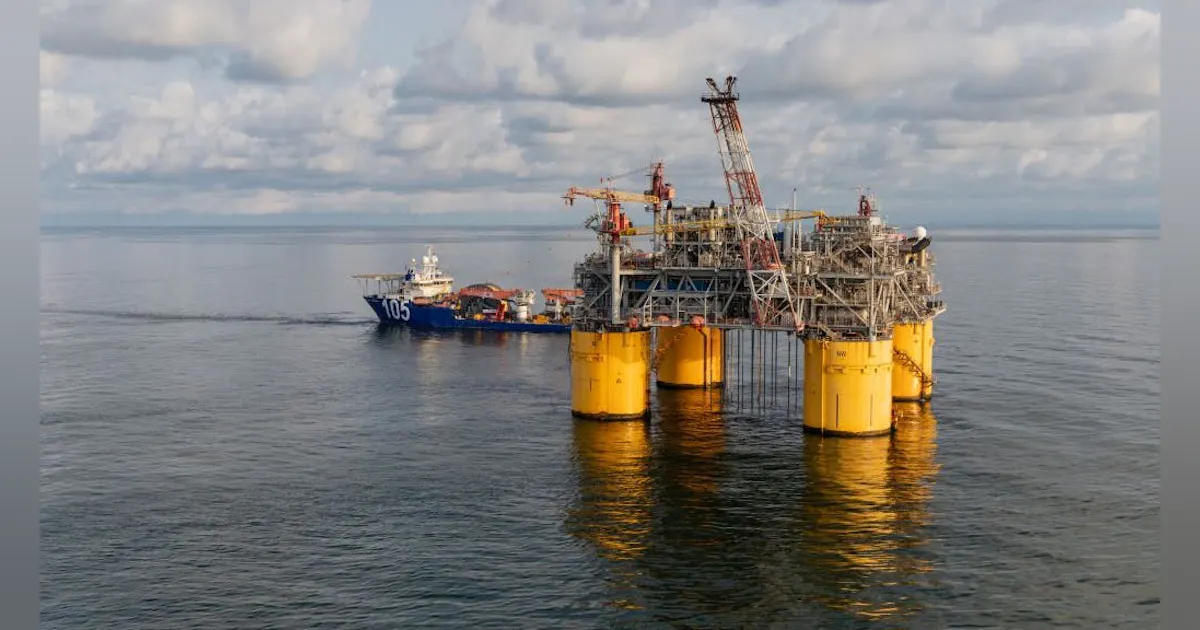
An OTC panel reviewed forty years of floating production evolution and highlighted a shift toward semisubmersibles and repeatable, modular designs to control cost and schedule. The most operational detail: since 2015 new FPUs in the Gulf have trended to semis because they offer cost and schedule advantages and suit standardised replication. Watch whether project owners specify repeatable standards in upcoming FEEDs, which would concentrate demand on yards that already support those designs
Buyer takeaway
Treat the conference trend as a procurement opportunity to push for standard specs that enable multi-project discounts, but also as a capacity risk if yards consolidate repeat-design work
Cost / money
Standardisation tends to lower engineering and per-unit build cost over time, but can raise near-term fabrication demand on preferred yards, tightening pricing and slot availability
Supplier / commercial
Yards that support repeat designs gain leverage to shorten quote validity and demand deposits when multiple projects seek the same build slots
Safety / operations
Repeatable designs can improve installation predictability and reduce bespoke HSE interface issues, assuming shore-to-offshore procedures are harmonised early
What to watch
Limited relevance for projects that require bespoke topsides; watch whether FEEDs move to standard templates which would alter preferred-supplier lists
Key facts
- Industry shift to semis for newbuild FPUs since 2015
- Trend toward standardised, repeatable designs to reduce cost and schedule
Source excerpts
This shift has been driven by the superior cost and schedule advantages of semis, their suitability for standardized “replicable” designs (e
After the 2014 price crash, operators focused on replication and cost control, moving from customized platforms to modular, repeatable solutions
Larry Cutburth (Wood Plc) described the move away from bespoke “stickbuilding” toward modular and standardized designs. After the 2014 price crash, operators focused on replication and cost control, moving from customized platforms to modular, repeatable solutions