Major Equipment OEM & LTSA · International (Houston)

Rebalance Sourcing After New U.S. LNG Volume And Regional Hubs

Published May 12, 2026, 5:08 AM CSTINTERNATIONALFull category signal
Ask AI
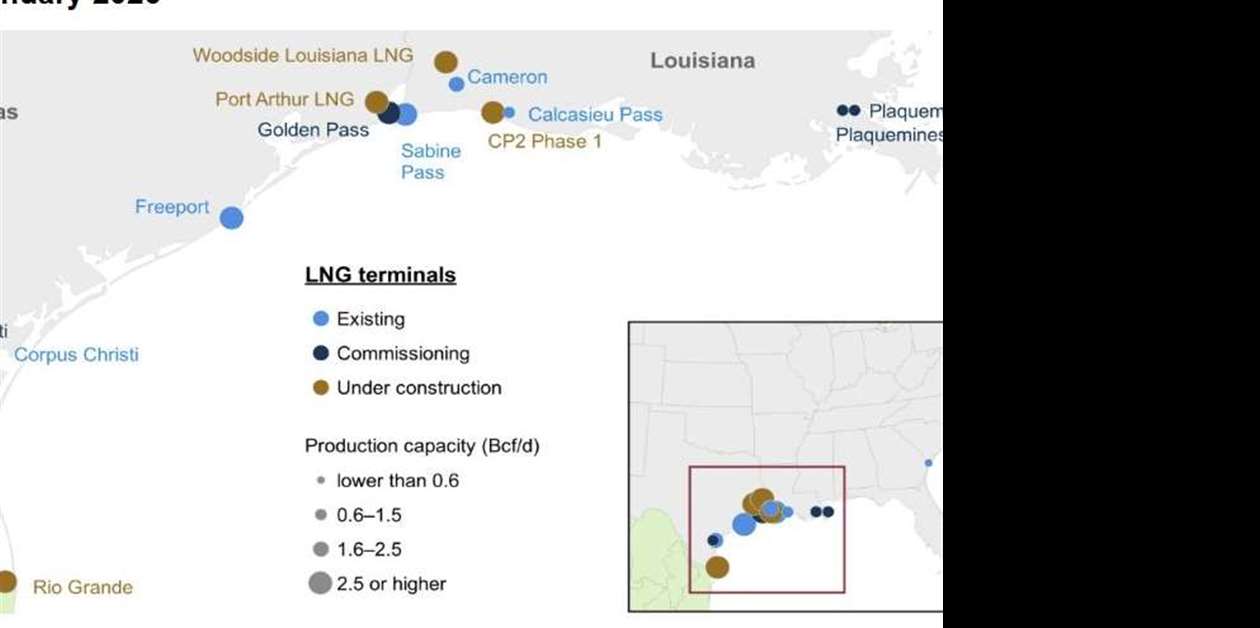
Golden Pass LNG ships first cargo from Train 1

In 60 seconds

Top move

Golden Pass Train 1 has started commercial exports, creating a new non‑Middle‑East LNG feedstock line buyers can use to reduce some spot‑charter and mobilization pressure

Key takeaways

  • Golden Pass Train 1 has started commercial exports, creating a new non‑Middle‑East LNG feedstock line buyers can use to reduce some spot‑charter and mobilization pressure.[4]
  • TotalEnergies warns the Strait of Hormuz disruption tightens LNG markets and is pushing buyers toward longer-term contracts — expect suppliers to press for clearer pass‑through and prioritization language in bids and LTSAs.[2]
  • Canada approved Enbridge’s Sunrise expansion, adding pipeline and compression spending that will create real demand for compressors, onsite field service, and regional construction contractors.[3]
  • Baker Hughes opened a large subsea services and manufacturing hub in Norway, giving buyers an option to shorten subsea repair and test cycles for North Sea and global offshore work.[1]
  • Directional risk remains: company outlooks and new cargo flows reduce some supply concentration risk but geopolitics and liquefaction restart timing can still re‑tighten availability — monitor cargo cadence and any Qatar restart signals.[2]

What changed since last run

  • New concrete developments since last brief: Golden Pass shipped its first cargo (adds U.S. export supply), Baker Hughes opened a subsea hub in Norway (expands regional lifecycle support), and Canada approved Enbridge’...
  • TotalEnergies made public comments tying tighter LNG balances to the Strait of Hormuz closure, sharpening the buy/sell rationale for longer‑term contract discussions.

Key facts

  • Company cites European gas prices near $15/MMBtu
  • CFO expects average LNG selling price to rise to about $10/MMBtu in the next quarter
  • TotalEnergies highlights inability to quickly restart liquefaction and extended shipping delays
  • 49,000 square meter facility with a 12,000 square meter workshop
  • Testing capabilities up to 22,500 psi
  • Designed to support manufacturing, repair, intervention and decommissioning

Why it matters

Golden Pass Train 1 has started commercial exports, creating a new non‑Middle‑East LNG feedstock line buyers can use to reduce some spot‑charter and mobilization pressure. TotalEnergies warns the Strait of Hormuz disruption tightens LNG markets and is pushing buyers toward longer-term contracts — expect suppliers to press for clearer pass‑through and prioritization language in bids and LTSAs. Canada approved Enbridge’s Sunrise expansion, adding pipeline and compression spending that will create real demand for compressors, onsite field service, and regional construction contractors. Baker Hughes opened a large subsea services and manufacturing hub in Norway, giving buyers an option to shorten subsea repair and test cycles for North Sea and global offshore work

Cost / money

  • New U.S. export volume from Golden Pass can reduce reliance on long shipping legs from the Middle East, lowering one component of expedited mobilization pass‑through risk for transactions that can access that supply route.[4]
  • Enbridge’s approved expansion unlocks large local project spend on compression and looping work, increasing near‑term procurement budgets for compressors, installation services and local contractors.[3]

Supplier / commercial

  • TotalEnergies’ view that markets will stay tight is already strengthening buyer interest in long‑term LNG contracts — suppliers may use this to negotiate longer terms, higher minimums, or stricter pass‑through language.[2]
  • A new Baker Hughes subsea hub improves regional service capacity for subsea equipment, which buyers can use to negotiate tighter SLAs, local staging, or reduced transit cost pass‑throughs for offshore work.[1]

Safety / operations

  • Faster LNG start‑ups and additional cargo flows compress logistics windows and technician scheduling; ensure LTSA language covers technician continuity and site acceptance to avoid rushed mobilizations that raise safety risk.[4][2]
  • Local lifecycle and high‑pressure test capabilities at Baker Hughes’ Dusavik site reduce the need for long sea transits for testing, lowering offshore exposure and enabling safer, more controlled validation cycles.[1]

What to watch

  • Watch for suppliers to propose tightened pass‑throughs tied to fuel, shipping or prioritization as they react to perceived longer tightness — this may shift cost risk back to buyers unless contract language is updated.[2]
  • Watch local content and Indigenous engagement clauses tied to the Sunrise expansion; these can restrict bidder pools or add contractual obligations that change pricing and lead times for compression scopes.[3]

Top stories

Story 1CompressorTECH²Apr 29, 2026

TotalEnergies sees tighter LNG markets, firmer gas pricing through 2026

Signal strongSource-grounded

What happened

TotalEnergies says the Strait of Hormuz closure has tightened LNG balances and will keep gas prices firmer through the rest of 2026. The company notes liquefaction plants and shipping delays prevent quick restarts, stressing stronger buyer interest in long‑term supply contracts. Watch whether cargo rerouting and Qatar restart signals materially change shipping and pricing dynamics

Buyer takeaway

Market tightness is being framed by a major producer; treat this as a real commercial rationale suppliers will use to ask for longer terms and stricter pass‑throughs

Cost / money

Directional upward pressure on LNG contract pricing and pass‑throughs is likely; expect suppliers to bake this into quotes and LTSA renewals

Supplier / commercial

Suppliers may prefer prioritizing long‑term buyers and add clauses that favor LTSA holders during constrained windows

Safety / operations

If buyers accept shorter mobilization windows or punitive clauses to secure supply, operational pressure and rushed logistics can increase safety risk

What to watch

Monitor cargo rerouting and any statements about Qatari restart timing as triggers for reopening commercial negotiating posture

Key facts

  • Company cites European gas prices near $15/MMBtu
  • CFO expects average LNG selling price to rise to about $10/MMBtu in the next quarter
  • TotalEnergies highlights inability to quickly restart liquefaction and extended shipping delays

Source excerpts

Executives said the market disruption is already strengthening buyer interest in long-term, oil-linked LNG contracts, particularly in Asia, where affordability and supply security have become top priorities. Pouyanné said the latest disruption could accelerate support for long-term LNG contracting while also improving the commercial outlook for new export projects such as Papua LNG, which TotalEnergies is targeting for sanction before year-end
Pouyanné said the latest disruption could accelerate support for long-term LNG contracting while also improving the commercial outlook for new export projects such as Papua LNG, which TotalEnergies is targeting for sanction before year-end. He said Asian buyers are showing stronger interest in Papua LNG not only because of its contract structure, but also because of its location outside the Middle East chokepoint
Pouyanné said LNG markets could remain tight even if the regional conflict eases soon because liquefaction plants cannot be turned on and off quickly and shipping delays will extend the market impact
Story 2CompressorTECH²May 4, 2026

Baker Hughes opens subsea services hub in Norway

Signal strongSource-grounded

What happened

Baker Hughes opened a new subsea services center and manufacturing plant in Dusavik, Norway, designed to support subsea production systems and high‑pressure testing. The facility includes large workshops and testing bays and is powered by renewable energy, expanding regional lifecycle support for offshore projects. Buyers should watch capacity utilization and whether the hub is offered as part of commercial service bundles that change local pricing and lead times

Buyer takeaway

This hub is operationally real and can be used to shorten turnaround for subsea repairs and validation work

Cost / money

Local testing and repair options can lower transit and expedited freight pass‑throughs, improving total landed maintenance cost

Supplier / commercial

Buyers can negotiate local staging, prioritized testing slots, or fixed hourly rates tied to the hub’s capabilities

Safety / operations

Reduced offshore transit and controlled testing environments support safer validation and lower offshore exposure

What to watch

Watch how Baker Hughes allocates capacity to third parties vs internal projects and whether local pricing premiums emerge

Key facts

  • 49,000 square meter facility with a 12,000 square meter workshop
  • Testing capabilities up to 22,500 psi
  • Designed to support manufacturing, repair, intervention and decommissioning

Source excerpts

Image: Baker Hughes Baker Hughes has opened a new Subsea Services Center of Excellence and manufacturing plant in Dusavik, near Stavanger, expanding its support for North Sea and global offshore energy projects
(Image: Baker Hughes has opened a new Subsea Services Center of Excellence and manufacturing plant in Dusavik, near Stavanger, expanding its support for North Sea and global offshore energy projects. The 49,000-sq-m facility is designed to support the full lifecycle of subsea developments, from manufacturing subsea production trees and wellheads to repair, maintenance and upgrades of subsea equipment and control systems
Baker Hughes said the purpose-built facility strengthens its ability to deliver advanced subsea production systems and infrastructure as offshore operators continue to prioritize efficiency, reliability and lower-emissions operations. The Dusavik site includes a 12,000-sq-m workshop, multiple testing bays and equipment testing capabilities up to 22,500 psi, allowing engineers to validate systems for high-pressure subsea applications
Story 3CompressorTECH²Apr 25, 2026

Golden Pass LNG ships first cargo from Train 1

Signal strongSource-grounded

What happened

Golden Pass LNG shipped its first cargo from Train 1, marking the start of commercial exports from a major new U.S. terminal. The project’s Train 1 reached first cargo within weeks of first production, adding incremental U.S. export volume that buyers can access to diversify feedstock away from Middle East chokepoints. Watch cargo cadence and how quickly additional trains reach commercial service, as that affects regional shipping and mobilization assumptions

Buyer takeaway

Treat this as an operational change in supply geography; buyers with access to U.S. cargoes gain optionality

Cost / money

Access to additional U.S. export cargo can lower some spot shipping and mobilization premiums for buyers who can rearrange routing

Supplier / commercial

Shippers and freight providers may reprice lane availability; suppliers could reallocate equipment to routes with new cargoes

Safety / operations

New cargo lines change scheduling and vessel rotations; ensure crew and maintenance windows are accounted for in LTSA uptime clauses

What to watch

Watch cargo frequency and owner routing decisions before reassigning long term procurement commitments

Key facts

  • First cargo shipped from Train 1 on April 22
  • Project designed with three liquefaction trains and significant peak capacity to add U.S. exp
  • Train 1 shipped cargo 23 days after first LNG production

Source excerpts

Located in Sabine Pass, Texas, Golden Pass LNG is a joint venture between QatarEnergy, which holds a 70% stake, and ExxonMobil, which owns the remaining 30%. The partners reached final investment decision on the project in February 2019, positioning Golden Pass as one of the largest LNG export developments under construction on the U
S. LNG export volumes of 2026 as global markets navigate supply risk Golden Pass LNG shipped its first cargo from Train 1 on April 22, marking the start of commercial exports from the ninth U
According to project data, more than 10 Bcf/d of global LNG supply—about 20% of worldwide volumes—has been exposed to disruption tied to developments in the region, underscoring the importance of new export capacity entering service outside the Middle East
Story 4CompressorTECH²Apr 27, 2026

Canada approves Enbridge’s $4 billion Sunrise expansion to boost B.C. gas capacity

Signal strongSource-grounded

What happened

Canada approved Enbridge’s Sunrise Expansion to add pipeline looping and compression in British Columbia, enabling increased feedgas transport and support for future LNG facilities. Construction is expected to begin soon and includes major compression modifications that will require equipment and contractor engagement. Watch procurement windows for compressor equipment and installation contracts as the project moves to execution

Buyer takeaway

Sunrise is a shovel‑ready source of demand for compressors, drivers and field services; it will pull local contractor capacity during execution

Cost / money

Local construction and compression procurement will increase competitive pressure and can raise price for mobilization and specialty equipment

Supplier / commercial

Contractors may require local content, Indigenous engagement commitments, and higher progress payment terms—review commercial impacts early

Safety / operations

Large pipeline builds increase the value of proven safety programs and experienced onsite teams; prioritize suppliers with robust field safety records

What to watch

Watch binding regulatory conditions and indigenous procurement obligations that will shape bidder eligibility and commercial terms

Key facts

  • Project value reported at $4 billion
  • Adds up to 300 MMcf/d of incremental transportation capacity
  • Includes roughly 139 kilometers of pipeline looping and major compression work

Source excerpts

Greg Ebel, Enbridge’s president and CEO, said the Sunrise Expansion is a shovel-ready project that supports Canada’s ambition to strengthen energy security and expand export capacity. He said the project will play an important role in improving economic competitiveness while supporting long-term natural gas demand growth
The Sunrise Expansion Program will add roughly 139 kilometers of new pipeline through 11 looping segments installed parallel to the existing Westcoast system. The project also includes additional natural gas compression and modifications to existing facilities, making it one of the most significant recent expansions of pipeline and compression infrastructure in western Canada
The project also includes additional natural gas compression and modifications to existing facilities, making it one of the most significant recent expansions of pipeline and compression infrastructure in western Canada. Construction is expected to begin this summer

VP Snapshot

Executive Risk & Action View

Golden Pass Train 1 has started commercial exports, creating a new non‑Middle‑East LNG feedstock line buyers can use to reduce some spot‑charter and mobilization pressure.

Overall
66
Cost
97
Supply
25
Schedule
20
Compliance
15

Top signals

30-180dcost

Signal 1: Cost / money

New U.S. export volume from Golden Pass can reduce reliance on long shipping legs from the Middle East, lowering one component of expedited mobilization pass‑through risk for transactions that can access that supply route.

Signal 2: Cost / money

Enbridge’s approved expansion unlocks large local project spend on compression and looping work, increasing near‑term procurement budgets for compressors, installation services and local contractors.

Signal 4: Supplier / commercial

A new Baker Hughes subsea hub improves regional service capacity for subsea equipment, which buyers can use to negotiate tighter SLAs, local staging, or reduced transit cost pass‑throughs for offshore work.

180d+commercial

Signal 3: Supplier / commercial

TotalEnergies’ view that markets will stay tight is already strengthening buyer interest in long‑term LNG contracts — suppliers may use this to negotiate longer terms, higher minimums, or stricter pass‑through language.

30-180dsupplier

Signal 5: Safety / operations

Faster LNG start‑ups and additional cargo flows compress logistics windows and technician scheduling; ensure LTSA language covers technician continuity and site acceptance to avoid rushed mobilizations that raise safety risk.

Signal 6: Safety / operations

Local lifecycle and high‑pressure test capabilities at Baker Hughes’ Dusavik site reduce the need for long sea transits for testing, lowering offshore exposure and enabling safer, more controlled validation cycles.

Recommended actions

ContractsDue 3d

Tag active RFQs and LTSA renewals that touch LNG sourcing, feedgas routes, or compressor overhauls for clause review.

Prioritized list of RFQs/LTSAs needing updated pass‑through and technician continuity language

CategoryDue 21d

Host a supplier workshop with OEMs, field‑service providers, and freight partners to document realistic capacity, technician allocation rules, and routing options for assets exp...

Supplier capacity matrix with agreed minimum staffing, local staging options, and routing commitments

ContractsDue 21d

Update RFQ and LTSA templates to add explicit pass‑through language for shipping and fuel, and a clear technician continuity clause for critical uptime work.

Revised RFQ/LTSA templates ready for upcoming solicitations and renewals

OpsDue 60d

Pilot a vendor‑managed inventory (VMI) or consigned‑spare staging option aligned to assets exposed to long shipping legs or new export flows.

VMI pilot plan with prioritized SKUs and candidate suppliers to shorten repair response time

CategoryDue 60d

Shortlist and qualify local subsea service providers and test vendors around the Dusavik hub to capture faster turnaround options for subsea repairs.

Shortlist of qualified local subsea service partners and recommended contract levers

Risk register

RiskTriggerMitigation
Watch for suppliers to propose tightened pass‑throughs tied to fuel, shipping or prioritization as they react to perceived longer tightness — this may shift cost risk back to buyers unless contract language is updated.Watch for suppliers to propose tightened pass‑throughs tied to fuel, shipping or prioritization as they react to perceived longer tightness — this may shift cost risk back to buyers unless contract language is updated.Confirm exposure with category, contracts, and operations before the next supplier commitment.
Watch local content and Indigenous engagement clauses tied to the Sunrise expansion; these can restrict bidder pools or add contractual obligations that change pricing and lead times for compression scopes.Watch local content and Indigenous engagement clauses tied to the Sunrise expansion; these can restrict bidder pools or add contractual obligations that change pricing and lead times for compression scopes.Confirm exposure with category, contracts, and operations before the next supplier commitment.

CM Snapshot

Category Manager Decision Detail

Today's priorities

Tag active RFQs and LTSA renewals that touch LNG sourcing, feedgas routes, or compressor overhauls for clause review.

because TotalEnergies’ market outlook and new U.S. cargo bring shifting leverage around pass‑throughs, prioritization, and technician continuity that should be captured before n...

Due 3d

high

CM move

Use this as the immediate supplier or contract action to move before the next sourcing gate.

Host a supplier workshop with OEMs, field‑service providers, and freight partners to document realistic capacity, technician allocation rules, and routing options for assets exp...

because Baker Hughes’ new regional hub and changing cargo patterns alter where and how suppliers will allocate technicians and boats, and documented rules reduce bid ambiguity a...

Due 21d

high

CM move

Use this as the immediate supplier or contract action to move before the next sourcing gate.

Update RFQ and LTSA templates to add explicit pass‑through language for shipping and fuel, and a clear technician continuity clause for critical uptime work.

because supplier leverage on pricing and prioritization increases when markets tighten, and clearer templates shorten negotiations and protect operational uptime.

Due 21d

high

CM move

Use this as the immediate supplier or contract action to move before the next sourcing gate.

Pilot a vendor‑managed inventory (VMI) or consigned‑spare staging option aligned to assets exposed to long shipping legs or new export flows.

because the Enbridge expansion and new export capacity change feed‑gas routing and could lengthen lead times for critical spares; staged inventory reduces outage exposure and ex...

Due 60d

high

CM move

Use this as the immediate supplier or contract action to move before the next sourcing gate.

Supplier radar

CompressorTECH²

high

Observed supplier signal

TotalEnergies’ view that markets will stay tight is already strengthening buyer interest in long‑term LNG contracts — suppliers may use this to negotiate longer terms, higher minimums, or stricter pass‑through language.

Commercial implication

TotalEnergies’ view that markets will stay tight is already strengthening buyer interest in long‑term LNG contracts — suppliers may use this to negotiate longer terms, higher minimums, or stricter pass‑through language.

Next step: Validate the source-backed signal with incumbents and alternates before the next award or pricing decision.

CompressorTECH²

high

Observed supplier signal

A new Baker Hughes subsea hub improves regional service capacity for subsea equipment, which buyers can use to negotiate tighter SLAs, local staging, or reduced transit cost pass‑throughs for offshore work.

Commercial implication

A new Baker Hughes subsea hub improves regional service capacity for subsea equipment, which buyers can use to negotiate tighter SLAs, local staging, or reduced transit cost pass‑throughs for offshore work.

Next step: Validate the source-backed signal with incumbents and alternates before the next award or pricing decision.

Negotiation levers

Tag active RFQs and LTSA renewals that touch LNG sourcing, feedgas routes, or compressor overhauls for clause review.

When to use: because TotalEnergies’ market outlook and new U.S. cargo bring shifting leverage around pass‑throughs, prioritization, and technician continuity that should be captured before n...

Expected outcome: Prioritized list of RFQs/LTSAs needing updated pass‑through and technician continuity language

Commercial mechanism to carry into the next supplier conversation

Host a supplier workshop with OEMs, field‑service providers, and freight partners to document realistic capacity, technician allocation rules, and routing options for assets exp...

When to use: because Baker Hughes’ new regional hub and changing cargo patterns alter where and how suppliers will allocate technicians and boats, and documented rules reduce bid ambiguity a...

Expected outcome: Supplier capacity matrix with agreed minimum staffing, local staging options, and routing commitments

Commercial mechanism to carry into the next supplier conversation

Update RFQ and LTSA templates to add explicit pass‑through language for shipping and fuel, and a clear technician continuity clause for critical uptime work.

When to use: because supplier leverage on pricing and prioritization increases when markets tighten, and clearer templates shorten negotiations and protect operational uptime.

Expected outcome: Revised RFQ/LTSA templates ready for upcoming solicitations and renewals

Commercial mechanism to carry into the next supplier conversation

Pilot a vendor‑managed inventory (VMI) or consigned‑spare staging option aligned to assets exposed to long shipping legs or new export flows.

When to use: because the Enbridge expansion and new export capacity change feed‑gas routing and could lengthen lead times for critical spares; staged inventory reduces outage exposure and ex...

Expected outcome: VMI pilot plan with prioritized SKUs and candidate suppliers to shorten repair response time

Commercial mechanism to carry into the next supplier conversation

Talking points

Golden Pass Train 1 has started commercial exports, creating a new non‑Middle‑East LNG feedstock line buyers can use to reduce some spot‑charter and mobilization pressure.
TotalEnergies warns the Strait of Hormuz disruption tightens LNG markets and is pushing buyers toward longer-term contracts — expect suppliers to press for clearer pass‑through and prioritization language in bids and LTSAs.
Canada approved Enbridge’s Sunrise expansion, adding pipeline and compression spending that will create real demand for compressors, onsite field service, and regional construction contractors.
Baker Hughes opened a large subsea services and manufacturing hub in Norway, giving buyers an option to shorten subsea repair and test cycles for North Sea and global offshore work.

Supplier radar

SupplierSignalImplicationNext stepConfidence
CompressorTECH²TotalEnergies’ view that markets will stay tight is already strengthening buyer interest in long‑term LNG contracts — suppliers may use this to negotiate longer terms, higher minimums, or stricter pass‑through language.TotalEnergies’ view that markets will stay tight is already strengthening buyer interest in long‑term LNG contracts — suppliers may use this to negotiate longer terms, higher minimums, or stricter pass‑through language.Validate the source-backed signal with incumbents and alternates before the next award or pricing decision.high
CompressorTECH²A new Baker Hughes subsea hub improves regional service capacity for subsea equipment, which buyers can use to negotiate tighter SLAs, local staging, or reduced transit cost pass‑throughs for offshore work.A new Baker Hughes subsea hub improves regional service capacity for subsea equipment, which buyers can use to negotiate tighter SLAs, local staging, or reduced transit cost pass‑throughs for offshore work.Validate the source-backed signal with incumbents and alternates before the next award or pricing decision.high

Negotiation levers

  • Tag active RFQs and LTSA renewals that touch LNG sourcing, feedgas routes, or compressor overhauls for clause review.because TotalEnergies’ market outlook and new U.S. cargo bring shifting leverage around pass‑throughs, prioritization, and technician continuity that should be captured before n...Prioritized list of RFQs/LTSAs needing updated pass‑through and technician continuity language

    high confidence

  • Host a supplier workshop with OEMs, field‑service providers, and freight partners to document realistic capacity, technician allocation rules, and routing options for assets exp...because Baker Hughes’ new regional hub and changing cargo patterns alter where and how suppliers will allocate technicians and boats, and documented rules reduce bid ambiguity a...Supplier capacity matrix with agreed minimum staffing, local staging options, and routing commitments

    high confidence

  • Update RFQ and LTSA templates to add explicit pass‑through language for shipping and fuel, and a clear technician continuity clause for critical uptime work.because supplier leverage on pricing and prioritization increases when markets tighten, and clearer templates shorten negotiations and protect operational uptime.Revised RFQ/LTSA templates ready for upcoming solicitations and renewals

    high confidence

  • Pilot a vendor‑managed inventory (VMI) or consigned‑spare staging option aligned to assets exposed to long shipping legs or new export flows.because the Enbridge expansion and new export capacity change feed‑gas routing and could lengthen lead times for critical spares; staged inventory reduces outage exposure and ex...VMI pilot plan with prioritized SKUs and candidate suppliers to shorten repair response time

    high confidence

What to do / What to watch

What to do now

  • Tag active RFQs and LTSA renewals that touch LNG sourcing, feedgas routes, or compressor overhauls for clause review.

    Why: because TotalEnergies’ market outlook and new U.S. cargo bring shifting leverage around pass‑throughs, prioritization, and technician continuity that should be captured before n...

    Owner: Contracts

    Expected outcome: Prioritized list of RFQs/LTSAs needing updated pass‑through and technician continuity language

    [2]

Next few weeks

  • Host a supplier workshop with OEMs, field‑service providers, and freight partners to document realistic capacity, technician allocation rules, and routing options for assets exp...

    Why: because Baker Hughes’ new regional hub and changing cargo patterns alter where and how suppliers will allocate technicians and boats, and documented rules reduce bid ambiguity a...

    Owner: Category

    Expected outcome: Supplier capacity matrix with agreed minimum staffing, local staging options, and routing commitments

    [1]
  • Update RFQ and LTSA templates to add explicit pass‑through language for shipping and fuel, and a clear technician continuity clause for critical uptime work.

    Why: because supplier leverage on pricing and prioritization increases when markets tighten, and clearer templates shorten negotiations and protect operational uptime.

    Owner: Contracts

    Expected outcome: Revised RFQ/LTSA templates ready for upcoming solicitations and renewals

    [2]

Longer view

  • Pilot a vendor‑managed inventory (VMI) or consigned‑spare staging option aligned to assets exposed to long shipping legs or new export flows.

    Why: because the Enbridge expansion and new export capacity change feed‑gas routing and could lengthen lead times for critical spares; staged inventory reduces outage exposure and ex...

    Owner: Ops

    Expected outcome: VMI pilot plan with prioritized SKUs and candidate suppliers to shorten repair response time

    [3]
  • Shortlist and qualify local subsea service providers and test vendors around the Dusavik hub to capture faster turnaround options for subsea repairs.

    Why: because Baker Hughes’ facility increases local testing and repair capacity and buyers can trade scope for improved SLAs and lower transit pass‑throughs if suppliers are pre‑qual...

    Owner: Category

    Expected outcome: Shortlist of qualified local subsea service partners and recommended contract levers

    [1]

What to watch

  • Watch for suppliers to propose tightened pass‑throughs tied to fuel, shipping or prioritization as they react to perceived longer tightness — this may shift cost risk back to buyers unless contract language is updated
  • Watch local content and Indigenous engagement clauses tied to the Sunrise expansion; these can restrict bidder pools or add contractual obligations that change pricing and lead times for compression scopes
  • Watch for suppliers to propose tightened pass‑throughs tied to fuel, shipping or prioritization as they react to perceived longer tightness — this may shift cost risk back to buyers unless contract language is updated.: Watch for suppliers to propose tightened pass‑throughs tied to fuel, shipping or prioritization as they react to perceived longer tightness — this may shift cost risk back to buyers unless contract language is updated
  • Watch local content and Indigenous engagement clauses tied to the Sunrise expansion; these can restrict bidder pools or add contractual obligations that change pricing and lead times for compression scopes.: Watch local content and Indigenous engagement clauses tied to the Sunrise expansion; these can restrict bidder pools or add contractual obligations that change pricing and lead times for compression scopes
  • Golden Pass Train 1 has started commercial exports, creating a new non‑Middle‑East LNG feedstock line buyers can use to reduce some spot‑charter and mobilization pressure
  • TotalEnergies warns the Strait of Hormuz disruption tightens LNG markets and is pushing buyers toward longer-term contracts — expect suppliers to press for clearer pass‑through and prioritization language in bids and LTSAs
  • Canada approved Enbridge’s Sunrise expansion, adding pipeline and compression spending that will create real demand for compressors, onsite field service, and regional construction contractors
  • Baker Hughes opened a large subsea services and manufacturing hub in Norway, giving buyers an option to shorten subsea repair and test cycles for North Sea and global offshore work

Market pulse

IndexLatestChangeAs of
WTI Crude (WTI)71.23 /bbl+0.00 (+0.00%)May 12, 2026, 10:10 AM
Brent Crude (BRENT)74.89 /bbl+0.00 (+0.00%)May 12, 2026, 10:10 AM
Natural Gas (NG)3.12 /MMBtu+0.00 (+0.00%)May 12, 2026, 10:10 AM
Baker Hughes (BKR)32 +0.00 (+0.00%)May 12, 2026, 10:10 AM
GE Vernova (GEV)175 +0.00 (+0.00%)May 12, 2026, 10:10 AM
  • Natural Gas: Natural gas price direction will affect LNG cargo economics and mobilization pass‑throughs that vendors may try to impose
  • Baker Hughes: Baker Hughes’ regional activity and stock can be used as a proxy for offshore services capacity and pricing pressure

Sources

Inline citations jump here. Expand a source to read the excerpt, the AI interpretation, and the original link.

[1] Baker Hughes opens subsea services hub in Norway

compressortech2.com · May 4, 2026

Expand

AI reading

Baker Hughes opened a new subsea services center and manufacturing plant in Dusavik, Norway, designed to support subsea production systems and high‑pressure testing. The facility includes large workshops and testing bays and is powered by renewable energy, expanding regional lifecycle support for offshore projects. Buyers should watch capacity utilization and whether the hub is offered as part of commercial service bundles that change local pricing and lead times

Buyer takeaway

This hub is operationally real and can be used to shorten turnaround for subsea repairs and validation work

Cost / money

Local testing and repair options can lower transit and expedited freight pass‑throughs, improving total landed maintenance cost

Supplier / commercial

Buyers can negotiate local staging, prioritized testing slots, or fixed hourly rates tied to the hub’s capabilities

Safety / operations

Reduced offshore transit and controlled testing environments support safer validation and lower offshore exposure

What to watch

Watch how Baker Hughes allocates capacity to third parties vs internal projects and whether local pricing premiums emerge

Key facts

  • 49,000 square meter facility with a 12,000 square meter workshop
  • Testing capabilities up to 22,500 psi
  • Designed to support manufacturing, repair, intervention and decommissioning

Source excerpts

Image: Baker Hughes Baker Hughes has opened a new Subsea Services Center of Excellence and manufacturing plant in Dusavik, near Stavanger, expanding its support for North Sea and global offshore energy projects
(Image: Baker Hughes has opened a new Subsea Services Center of Excellence and manufacturing plant in Dusavik, near Stavanger, expanding its support for North Sea and global offshore energy projects. The 49,000-sq-m facility is designed to support the full lifecycle of subsea developments, from manufacturing subsea production trees and wellheads to repair, maintenance and upgrades of subsea equipment and control systems
Baker Hughes said the purpose-built facility strengthens its ability to deliver advanced subsea production systems and infrastructure as offshore operators continue to prioritize efficiency, reliability and lower-emissions operations. The Dusavik site includes a 12,000-sq-m workshop, multiple testing bays and equipment testing capabilities up to 22,500 psi, allowing engineers to validate systems for high-pressure subsea applications

Used in this brief

  • Golden Pass Train 1 has started commercial exports, creating a new non‑Middle‑East LNG feedstock line buyers can use to reduce some spot‑charter and mobilization pressure. TotalEnergies warns the Strait of Hormuz disruption tightens LNG markets and is pushing buyers toward longer-term contracts — expect suppliers to press for clearer pass‑through and prioritization language in bids and LTSAs. Canada approved Enbridge’s Sunrise expansion, adding pipeline and compression spending that will create real demand for compressors, onsite field service, and regional construction contractors. Baker Hughes opened a large subsea services and manufacturing hub in Norway, giving buyers an option to shorten subsea repair and test cycles for North Sea and global offshore work
  • Supplier / commercial: A new Baker Hughes subsea hub improves regional service capacity for subsea equipment, which buyers can use to negotiate tighter SLAs, local staging, or reduced transit cost pass‑throughs for offshore work
  • Safety / operations: Local lifecycle and high‑pressure test capabilities at Baker Hughes’ Dusavik site reduce the need for long sea transits for testing, lowering offshore exposure and enabling safer, more controlled validation cycles
Open original source

[2] TotalEnergies sees tighter LNG markets, firmer gas pricing through 2026

compressortech2.com · Apr 29, 2026

Expand

AI reading

TotalEnergies says the Strait of Hormuz closure has tightened LNG balances and will keep gas prices firmer through the rest of 2026. The company notes liquefaction plants and shipping delays prevent quick restarts, stressing stronger buyer interest in long‑term supply contracts. Watch whether cargo rerouting and Qatar restart signals materially change shipping and pricing dynamics

Buyer takeaway

Market tightness is being framed by a major producer; treat this as a real commercial rationale suppliers will use to ask for longer terms and stricter pass‑throughs

Cost / money

Directional upward pressure on LNG contract pricing and pass‑throughs is likely; expect suppliers to bake this into quotes and LTSA renewals

Supplier / commercial

Suppliers may prefer prioritizing long‑term buyers and add clauses that favor LTSA holders during constrained windows

Safety / operations

If buyers accept shorter mobilization windows or punitive clauses to secure supply, operational pressure and rushed logistics can increase safety risk

What to watch

Monitor cargo rerouting and any statements about Qatari restart timing as triggers for reopening commercial negotiating posture

Key facts

  • Company cites European gas prices near $15/MMBtu
  • CFO expects average LNG selling price to rise to about $10/MMBtu in the next quarter
  • TotalEnergies highlights inability to quickly restart liquefaction and extended shipping delays

Source excerpts

Executives said the market disruption is already strengthening buyer interest in long-term, oil-linked LNG contracts, particularly in Asia, where affordability and supply security have become top priorities. Pouyanné said the latest disruption could accelerate support for long-term LNG contracting while also improving the commercial outlook for new export projects such as Papua LNG, which TotalEnergies is targeting for sanction before year-end
Pouyanné said the latest disruption could accelerate support for long-term LNG contracting while also improving the commercial outlook for new export projects such as Papua LNG, which TotalEnergies is targeting for sanction before year-end. He said Asian buyers are showing stronger interest in Papua LNG not only because of its contract structure, but also because of its location outside the Middle East chokepoint
Pouyanné said LNG markets could remain tight even if the regional conflict eases soon because liquefaction plants cannot be turned on and off quickly and shipping delays will extend the market impact

Used in this brief

  • Supplier / commercial: TotalEnergies’ view that markets will stay tight is already strengthening buyer interest in long‑term LNG contracts — suppliers may use this to negotiate longer terms, higher minimums, or stricter pass‑through language
  • Next 72 hours — Tag active RFQs and LTSA renewals that touch LNG sourcing, feedgas routes, or compressor overhauls for clause review.. Rationale: because TotalEnergies’ market outlook and new U.S. cargo bring shifting leverage around pass‑throughs, prioritization, and technician continuity that should be captured before n.... Owner: Contracts. KPI: Prioritized list of RFQs/LTSAs needing updated pass‑through and technician continuity language
  • Next 2-4 weeks — Update RFQ and LTSA templates to add explicit pass‑through language for shipping and fuel, and a clear technician continuity clause for critical uptime work.. Rationale: because supplier leverage on pricing and prioritization increases when markets tighten, and clearer templates shorten negotiations and protect operational uptime.. Owner: Contracts. KPI: Revised RFQ/LTSA templates ready for upcoming solicitations and renewals
Open original source

[3] Canada approves Enbridge’s $4 billion Sunrise expansion to boost B.C. gas capacity

compressortech2.com · Apr 27, 2026

Expand

AI reading

Canada approved Enbridge’s Sunrise Expansion to add pipeline looping and compression in British Columbia, enabling increased feedgas transport and support for future LNG facilities. Construction is expected to begin soon and includes major compression modifications that will require equipment and contractor engagement. Watch procurement windows for compressor equipment and installation contracts as the project moves to execution

Buyer takeaway

Sunrise is a shovel‑ready source of demand for compressors, drivers and field services; it will pull local contractor capacity during execution

Cost / money

Local construction and compression procurement will increase competitive pressure and can raise price for mobilization and specialty equipment

Supplier / commercial

Contractors may require local content, Indigenous engagement commitments, and higher progress payment terms—review commercial impacts early

Safety / operations

Large pipeline builds increase the value of proven safety programs and experienced onsite teams; prioritize suppliers with robust field safety records

What to watch

Watch binding regulatory conditions and indigenous procurement obligations that will shape bidder eligibility and commercial terms

Key facts

  • Project value reported at $4 billion
  • Adds up to 300 MMcf/d of incremental transportation capacity
  • Includes roughly 139 kilometers of pipeline looping and major compression work

Source excerpts

Greg Ebel, Enbridge’s president and CEO, said the Sunrise Expansion is a shovel-ready project that supports Canada’s ambition to strengthen energy security and expand export capacity. He said the project will play an important role in improving economic competitiveness while supporting long-term natural gas demand growth
The Sunrise Expansion Program will add roughly 139 kilometers of new pipeline through 11 looping segments installed parallel to the existing Westcoast system. The project also includes additional natural gas compression and modifications to existing facilities, making it one of the most significant recent expansions of pipeline and compression infrastructure in western Canada
The project also includes additional natural gas compression and modifications to existing facilities, making it one of the most significant recent expansions of pipeline and compression infrastructure in western Canada. Construction is expected to begin this summer

Used in this brief

  • Next quarter — Pilot a vendor‑managed inventory (VMI) or consigned‑spare staging option aligned to assets exposed to long shipping legs or new export flows.. Rationale: because the Enbridge expansion and new export capacity change feed‑gas routing and could lengthen lead times for critical spares; staged inventory reduces outage exposure and ex.... Owner: Ops. KPI: VMI pilot plan with prioritized SKUs and candidate suppliers to shorten repair response time
  • Watch local content and Indigenous engagement clauses tied to the Sunrise expansion; these can restrict bidder pools or add contractual obligations that change pricing and lead times for compression scopes
  • Canada approved Enbridge’s Sunrise Expansion to add pipeline looping and compression in British Columbia, enabling increased feedgas transport and support for future LNG facilities. Construction is expected to begin soon and includes major compression modifications that will require equipment and contractor engagement. Watch procurement windows for compressor equipment and installation contracts as the project moves to execution
Open original source

[4] Golden Pass LNG ships first cargo from Train 1

compressortech2.com · Apr 25, 2026

Expand

AI reading

Golden Pass LNG shipped its first cargo from Train 1, marking the start of commercial exports from a major new U.S. terminal. The project’s Train 1 reached first cargo within weeks of first production, adding incremental U.S. export volume that buyers can access to diversify feedstock away from Middle East chokepoints. Watch cargo cadence and how quickly additional trains reach commercial service, as that affects regional shipping and mobilization assumptions

Buyer takeaway

Treat this as an operational change in supply geography; buyers with access to U.S. cargoes gain optionality

Cost / money

Access to additional U.S. export cargo can lower some spot shipping and mobilization premiums for buyers who can rearrange routing

Supplier / commercial

Shippers and freight providers may reprice lane availability; suppliers could reallocate equipment to routes with new cargoes

Safety / operations

New cargo lines change scheduling and vessel rotations; ensure crew and maintenance windows are accounted for in LTSA uptime clauses

What to watch

Watch cargo frequency and owner routing decisions before reassigning long term procurement commitments

Key facts

  • First cargo shipped from Train 1 on April 22
  • Project designed with three liquefaction trains and significant peak capacity to add U.S. exp
  • Train 1 shipped cargo 23 days after first LNG production

Source excerpts

Located in Sabine Pass, Texas, Golden Pass LNG is a joint venture between QatarEnergy, which holds a 70% stake, and ExxonMobil, which owns the remaining 30%. The partners reached final investment decision on the project in February 2019, positioning Golden Pass as one of the largest LNG export developments under construction on the U
S. LNG export volumes of 2026 as global markets navigate supply risk Golden Pass LNG shipped its first cargo from Train 1 on April 22, marking the start of commercial exports from the ninth U
According to project data, more than 10 Bcf/d of global LNG supply—about 20% of worldwide volumes—has been exposed to disruption tied to developments in the region, underscoring the importance of new export capacity entering service outside the Middle East

Used in this brief

  • Cost / money: New U.S. export volume from Golden Pass can reduce reliance on long shipping legs from the Middle East, lowering one component of expedited mobilization pass‑through risk for transactions that can access that supply route
  • Golden Pass LNG shipped its first cargo from Train 1, marking the start of commercial exports from a major new U.S. terminal. The project’s Train 1 reached first cargo within weeks of first production, adding incremental U.S. export volume that buyers can access to diversify feedstock away from Middle East chokepoints. Watch cargo cadence and how quickly additional trains reach commercial service, as that affects regional shipping and mobilization assumptions
  • Buyer bottom line: new U.S. export volume is an actionable supply alternative that can be used in sourcing and negotiation to reduce some weathering of Middle East shipping risk
Open original source

[5] Natural Gas

finance.yahoo.com · n.d.

Expand

[6] Baker Hughes

finance.yahoo.com · n.d.

Expand