Logistics, Marine & Aviation · Australia (Perth)

Triage Offshore Supplier Exposure After New MPD Awards

Published May 11, 2026, 6:08 AM AWSTAPACLight-signal edition
Ask AI
Weatherford picks up new jobs with Noble and Constellation Oil Services

Coverage note

No material category-specific items detected today; relevant oil & gas context that could affect this category is: Weatherford picks up new jobs with Noble and Constellation Oil Services (Offshore Energy); Norway gives its blessing for $1.8 billion subsea redevelopment project (Offshore Energy). Procurement implication: keep supplier-risk monitoring active, maintain contract flexibility, and use index-linked guardrails until category-specific volume improves.

In 60 seconds

Top move

Weatherford’s announced managed‑pressure drilling (MPD) awards to Noble and Constellation are a confirmed operational demand signal for specialist offshore services and aftermarket support in deepwater campaigns

Key takeaways

  • Weatherford’s announced managed‑pressure drilling (MPD) awards to Noble and Constellation are a confirmed operational demand signal for specialist offshore services and aftermarket support in deepwater campaigns.
  • Those awards include delivery timing and global aftermarket terms that increase buyer exposure to mobilisation timing, spare‑parts pass‑throughs, and vendor‑operated equipment dependency.
  • Norway’s approval of a large subsea redevelopment (Previously Produced Fields) is a confirmed, capacity‑pull for subsea engineering, vessels and contractors that can reallocate specialised resources globally — limited direct APAC flow but relevant for supplier availability.[1]
  • This is a light‑signal briefing for APAC: coverage is thin today, so prioritise verification and readiness rather than reactive sourcing moves.
  • Compared with earlier, event‑driven leads, the Weatherford announcements convert an earlier early‑signal into confirmed contract scope and timing that buyers should validate against local mobilisation plans.

What changed since last run

  • The Weatherford MPD developments that were an early signal in the prior brief are now public awards with delivery timing and aftermarket terms detailed in the press coverage (confirmed scope and timing).
  • No new APAC‑specific supplier failures or port/logistics disruptions surfaced; today’s coverage remains light and verification is the priority.

Key facts

  • Two deepwater MPD systems allocated to support Guyana operations
  • Delivery expected before year‑end for those systems
  • Brazil contracts include equipment provision and operate‑and‑maintain scope, starting March a
  • Project includes 11 new wells across multiple subsea templates tied back via a shared pipeline
  • Capital investment cited in the approval documents (project‑level figures in NOK)
  • First production planned in the fourth quarter of 2028

Why it matters

Weatherford’s announced managed‑pressure drilling (MPD) awards to Noble and Constellation are a confirmed operational demand signal for specialist offshore services and aftermarket support in deepwater campaigns. Those awards include delivery timing and global aftermarket terms that increase buyer exposure to mobilisation timing, spare‑parts pass‑throughs, and vendor‑operated equipment dependency. Norway’s approval of a large subsea redevelopment (Previously Produced Fields) is a confirmed, capacity‑pull for subsea engineering, vessels and contractors that can reallocate specialised resources globally — limited direct APAC flow but relevant for supplier availability. This is a light‑signal briefing for APAC: coverage is thin today, so prioritise verification and readiness rather than reactive sourcing moves

Cost / money

  • Higher near‑term pass‑through risk: global aftermarket agreements and firm delivery windows increase the chance of suppliers charging mobilisation and spare‑parts premiums that flow to buyers.
  • Project re‑use of existing infrastructure in the Norway redevelopment reduces capex per barrel but still drives sustained demand for subsea services and specialised vessels, which can lift day‑rates for charter and support services.[1]

Supplier / commercial

  • Supplier leverage increases where vendors combine equipment delivery with operated aftermarket services; expect tighter quote validity, conditional pricing, and stronger negotiation on liability and downtime terms.
  • Integrated service models (supplier runs equipment and maintenance on rig) shift commercial scope toward longer service commitments and may require different contracting (service level agreements, uptime clauses) than traditional hire models.

Safety / operations

  • MPD systems improve pressure control but create operational dependence on supplier maintenance and trained operators; gaps in SLAs or training certificates increase operational risk if not validated.
  • Large subsea campaigns increase uptime dependency on contractors, vessel scheduling and pipeline tie‑backs, making logistics sequencing and spares planning more critical during mobilisation.[1]

What to watch

  • Regional supplier allocation risk — watch whether supplier commitments in Brazil and Guyana absorb crews, equipment, or build slots that would otherwise support APAC projects (early indicator of constrained availability).
  • Track contractual model shifts: contracts where suppliers operate equipment on‑rig change risk transfer and insurance exposure and will require different warranty/indemnity language.
  • Norway redevelopment timelines and local content expectations may create sustained demand for subsea contractors that indirectly tightens global capacity — relevant to long‑lead vessel and specialist equipment sourcing.[1]

Top stories

Story 1Offshore EnergyMay 8, 2026

Weatherford picks up new jobs with Noble and Constellation Oil Services

Signal strongSource-grounded

What happened

Weatherford announced multiple MPD awards and a global aftermarket agreement covering work with Noble and Constellation, including deliveries for Guyana and expanded services in Brazil. The deals specify equipment delivery timing and long‑term aftermarket support tied to rig contracts, making the announcements operationally real for mobilisation and spare‑parts planning. Watch whether suppliers narrow quote validity or reprice mobilisation as these scopes move from award to execution

Buyer takeaway

Treat the announcements as confirmed demand — suppliers are moving into multi‑year aftermarket roles, which increases buyer dependency and exposure unless contracts are adapted

Cost / money

Directional increase in pass‑through and mobilisation exposure is likely because delivery windows and aftermarket commitments reduce supplier flexibility on pricing and timing

Supplier / commercial

Suppliers with integrated service and aftermarket offers gain leverage on delivery terms, quote validity and liability allocation; renegotiate pass‑through caps and uptime remedies

Safety / operations

MPD improves drilling safety but increases reliance on supplier maintenance and trained operators; validate SLAs, training and spare parts availability before mobilisation

What to watch

Watch for shortened quote validity, increased conditional pricing, and reallocation of crews/equipment to Brazil/Guyana that can tighten APAC availability

Key facts

  • Two deepwater MPD systems allocated to support Guyana operations
  • Delivery expected before year‑end for those systems
  • Brazil contracts include equipment provision and operate‑and‑maintain scope, starting March a

Source excerpts

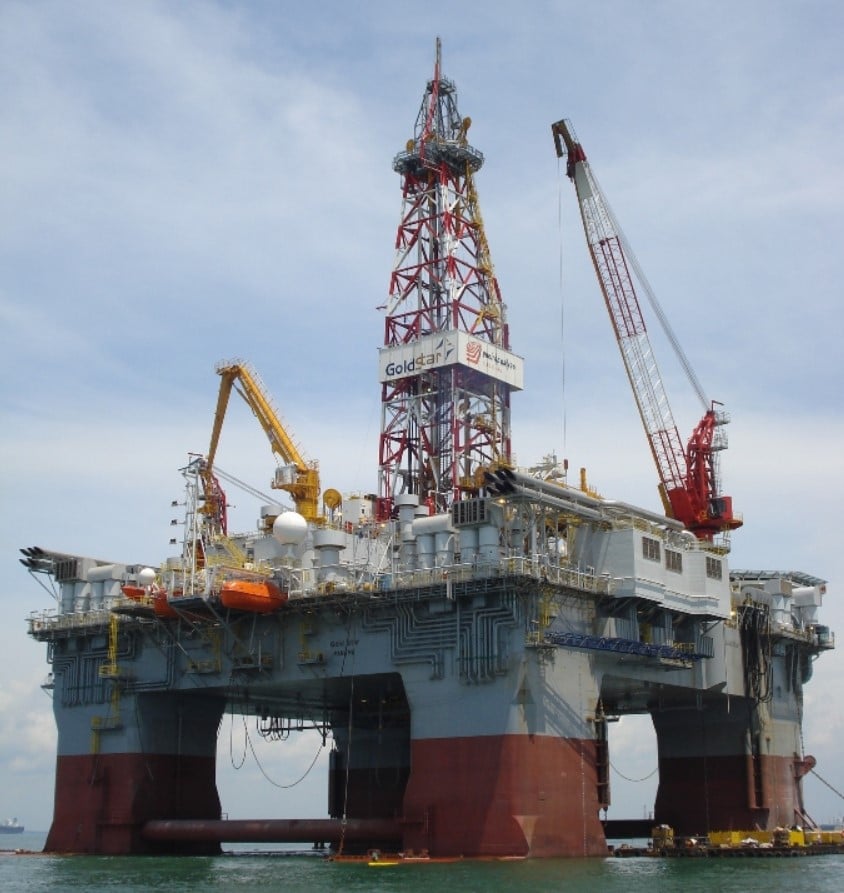
Gold Star rig; Source Keppel Weatherford has been awarded multiple managed pressure drilling (MPD) contracts and a global aftermarket agreement with Noble, strengthening the duo’s long-standing relationship. These awards entail the delivery of two deepwater managed pressure drilling systems to support the rig owner’s Guyana operations, with delivery expected before year-end
“This marks the first time such an integrated service has been incorporated into the rig’s scope of work and the first instance of this model being contracted by the end client directly through the rig,” elaborated Weatherford
These awards entail the delivery of two deepwater managed pressure drilling systems to support the rig owner’s Guyana operations, with delivery expected before year-end. Girish Saligram, Weatherford’s President and Chief Executive Officer, commented: “Our MPD systems are designed to provide precise pressure control, enhance safety, and improve drilling efficiency, and our global manufacturing and aftermarket capabilities ensure consistent performance throughout the asset lifecycle
Story 2Offshore EnergyMay 8, 2026

Norway gives its blessing for $1.8 billion subsea redevelopment project

Signal moderateSource-grounded

What happened

Norway approved the Previously Produced Fields (PPF) subsea redevelopment, a sizable project with an approved plan for new wells tied back to existing infrastructure. The approval and planned multi‑well execution make this a credible, multi‑year demand source for subsea contractors and specialised vessels. For APAC buyers this is mainly a capacity signal: watch vendor scheduling and local content requirements that can shift skilled resource allocation internationally

Buyer takeaway

This is a confirmed large subsea campaign that sustains long‑lead demand for vessels, ROVs and subsea contractors — expect global supplier allocation effects

Cost / money

Sustained subsea work can raise day‑rates and long‑lead charter costs for specialised vessels, which may filter into project logistics budgets

Supplier / commercial

Contractors engaged on large redevelopments may prioritise long‑term partners and allocate limited fabrication or vessel slots accordingly; early engagement helps secure capacity

Safety / operations

Extended subsea campaigns increase the importance of maintenance cycles, spares provisioning and safe mobilisation sequencing to protect uptime

What to watch

Track local content and scheduling details that could shift skilled crews and fabrication capacity away from APAC work (early warning of constrained supply)

Key facts

  • Project includes 11 new wells across multiple subsea templates tied back via a shared pipeline
  • Capital investment cited in the approval documents (project‑level figures in NOK)
  • First production planned in the fourth quarter of 2028

Source excerpts

Home Fossil Energy Norway gives its blessing for $1. 8 billion subsea redevelopment project May 8, 2026, by ConocoPhillips Skandinavia, a subsidiary of the U
8 billion subsea redevelopment project May 8, 2026, by ConocoPhillips Skandinavia, a subsidiary of the U
The first production is planned for the fourth quarter of 2028

VP Snapshot

Executive Risk & Action View

Weatherford’s announced managed‑pressure drilling (MPD) awards to Noble and Constellation are a confirmed operational demand signal for specialist offshore services and aftermarket support in deepwater campaigns.

Overall
60
Cost
61
Supply
61
Schedule
38
Compliance
15

Top signals

30-180dcost

Signal 1: Cost / money

Higher near‑term pass‑through risk: global aftermarket agreements and firm delivery windows increase the chance of suppliers charging mobilisation and spare‑parts premiums that flow to buyers.

Signal 2: Cost / money

Project re‑use of existing infrastructure in the Norway redevelopment reduces capex per barrel but still drives sustained demand for subsea services and specialised vessels, which can lift day‑rates for charter and support services.

30-180dschedule

Signal 3: Supplier / commercial

Supplier leverage increases where vendors combine equipment delivery with operated aftermarket services; expect tighter quote validity, conditional pricing, and stronger negotiation on liability and downtime terms.

180d+commercial

Signal 4: Supplier / commercial

Integrated service models (supplier runs equipment and maintenance on rig) shift commercial scope toward longer service commitments and may require different contracting (service level agreements, uptime clauses) than traditional hire models.

30-180dsupplier

Signal 5: Safety / operations

MPD systems improve pressure control but create operational dependence on supplier maintenance and trained operators; gaps in SLAs or training certificates increase operational risk if not validated.

Signal 6: Safety / operations

Large subsea campaigns increase uptime dependency on contractors, vessel scheduling and pipeline tie‑backs, making logistics sequencing and spares planning more critical during mobilisation.

Recommended actions

CategoryDue 3d

Confirm lead times and spare‑parts availability with primary offshore equipment and MPD suppliers.

Updated supplier lead‑time and spare‑parts risk register for near‑term sourcing choices.

OpsDue 3d

Request verified maintenance SLAs, operator training records, and mobilisation plans from suppliers being considered for MPD or subsea support.

Shortlist of suppliers with verified SLAs and training evidence for contingency deployment.

ContractsDue 21d

Update RFx and short‑form contracts to include uptime commitments, parts‑availability clauses, and capped pass‑through pricing for specialist offshore services.

Amended RFx and contract clauses that reduce buyer exposure to unplanned aftermarket cost escalation.

CategoryDue 21d

Run a focused supplier capability and staffing check on shortlisted vendors to map offshore/onshore staffing exposure and mobilisation readiness.

Staffing and capability matrix to inform tender weighting and contingency planning.

OpsDue 60d

Plan supplier audits or tabletop mobilisation exercises that test spare‑parts provisioning, crew availability, and uptime remedies for high‑dependency services.

Audit findings and remediation plan to lower mobilisation and downtime risk during deepwater campaigns.

CategoryDue 60d

Build sourcing scenarios that recognise a potential tightening of specialised vessel and subsea equipment markets.

Scenario playbook to guide procurement levers (longer terms, rate locks, preferred vendor lists) if capacity tightens.

Risk register

RiskTriggerMitigation
Regional supplier allocation risk — watch whether supplier commitments in Brazil and Guyana absorb crews, equipment, or build slots that would otherwise support APAC projects (early indicator of constrained availability).Regional supplier allocation risk — watch whether supplier commitments in Brazil and Guyana absorb crews, equipment, or build slots that would otherwise support APAC projects (early indicator of constrained availability).Confirm exposure with category, contracts, and operations before the next supplier commitment.
Track contractual model shifts: contracts where suppliers operate equipment on‑rig change risk transfer and insurance exposure and will require different warranty/indemnity language.Track contractual model shifts: contracts where suppliers operate equipment on‑rig change risk transfer and insurance exposure and will require different warranty/indemnity language.Confirm exposure with category, contracts, and operations before the next supplier commitment.
Norway redevelopment timelines and local content expectations may create sustained demand for subsea contractors that indirectly tightens global capacity — relevant to long‑lead vessel and specialist equipment sourcing.Norway redevelopment timelines and local content expectations may create sustained demand for subsea contractors that indirectly tightens global capacity — relevant to long‑lead vessel and specialist equipment sourcing.Confirm exposure with category, contracts, and operations before the next supplier commitment.

CM Snapshot

Category Manager Decision Detail

Today's priorities

Confirm lead times and spare‑parts availability with primary offshore equipment and MPD suppliers.

because Weatherford’s public MPD awards show delivery windows and aftermarket commitments that can compress supplier availability and expose buyers to mobilisation and spare‑par...

Due 3d

high

CM move

Use this as the immediate supplier or contract action to move before the next sourcing gate.

Request verified maintenance SLAs, operator training records, and mobilisation plans from suppliers being considered for MPD or subsea support.

because MPD and supplier‑operated models increase operational dependency on vendor competence and maintenance reliability.

Due 3d

high

CM move

Use this as the immediate supplier or contract action to move before the next sourcing gate.

Update RFx and short‑form contracts to include uptime commitments, parts‑availability clauses, and capped pass‑through pricing for specialist offshore services.

because the shift toward integrated aftermarket agreements can transfer spare‑parts and mobilisation costs to buyers unless contracts explicitly limit pass‑through exposure.

Due 21d

high

CM move

Use this as the immediate supplier or contract action to move before the next sourcing gate.

Run a focused supplier capability and staffing check on shortlisted vendors to map offshore/onshore staffing exposure and mobilisation readiness.

because suppliers with multi‑region commitments (Brazil, Guyana, Norway) may reallocate crews or equipment, affecting availability for APAC operations.

Due 21d

high

CM move

Use this as the immediate supplier or contract action to move before the next sourcing gate.

Supplier radar

Offshore Energy

high

Observed supplier signal

Supplier leverage increases where vendors combine equipment delivery with operated aftermarket services; expect tighter quote validity, conditional pricing, and stronger negotiation on liability and downtime terms.

Commercial implication

Supplier leverage increases where vendors combine equipment delivery with operated aftermarket services; expect tighter quote validity, conditional pricing, and stronger negotiation on liability and downtime terms.

Next step: Validate the source-backed signal with incumbents and alternates before the next award or pricing decision.

Offshore Energy

high

Observed supplier signal

Integrated service models (supplier runs equipment and maintenance on rig) shift commercial scope toward longer service commitments and may require different contracting (service level agreements, uptime clauses) than traditional hire models.

Commercial implication

Integrated service models (supplier runs equipment and maintenance on rig) shift commercial scope toward longer service commitments and may require different contracting (service level agreements, uptime clauses) than traditional hire models.

Next step: Validate the source-backed signal with incumbents and alternates before the next award or pricing decision.

Negotiation levers

Confirm lead times and spare‑parts availability with primary offshore equipment and MPD suppliers.

When to use: because Weatherford’s public MPD awards show delivery windows and aftermarket commitments that can compress supplier availability and expose buyers to mobilisation and spare‑par...

Expected outcome: Updated supplier lead‑time and spare‑parts risk register for near‑term sourcing choices.

Commercial mechanism to carry into the next supplier conversation

Request verified maintenance SLAs, operator training records, and mobilisation plans from suppliers being considered for MPD or subsea support.

When to use: because MPD and supplier‑operated models increase operational dependency on vendor competence and maintenance reliability.

Expected outcome: Shortlist of suppliers with verified SLAs and training evidence for contingency deployment.

Commercial mechanism to carry into the next supplier conversation

Update RFx and short‑form contracts to include uptime commitments, parts‑availability clauses, and capped pass‑through pricing for specialist offshore services.

When to use: because the shift toward integrated aftermarket agreements can transfer spare‑parts and mobilisation costs to buyers unless contracts explicitly limit pass‑through exposure.

Expected outcome: Amended RFx and contract clauses that reduce buyer exposure to unplanned aftermarket cost escalation.

Commercial mechanism to carry into the next supplier conversation

Run a focused supplier capability and staffing check on shortlisted vendors to map offshore/onshore staffing exposure and mobilisation readiness.

When to use: because suppliers with multi‑region commitments (Brazil, Guyana, Norway) may reallocate crews or equipment, affecting availability for APAC operations.

Expected outcome: Staffing and capability matrix to inform tender weighting and contingency planning.

Commercial mechanism to carry into the next supplier conversation

Talking points

Weatherford’s announced managed‑pressure drilling (MPD) awards to Noble and Constellation are a confirmed operational demand signal for specialist offshore services and aftermarket support in deepwater campaigns.
Those awards include delivery timing and global aftermarket terms that increase buyer exposure to mobilisation timing, spare‑parts pass‑throughs, and vendor‑operated equipment dependency.
Norway’s approval of a large subsea redevelopment (Previously Produced Fields) is a confirmed, capacity‑pull for subsea engineering, vessels and contractors that can reallocate specialised resources globally — limited direct APAC flow but relevant for supplier availability.
This is a light‑signal briefing for APAC: coverage is thin today, so prioritise verification and readiness rather than reactive sourcing moves.

Supplier radar

SupplierSignalImplicationNext stepConfidence
Offshore EnergySupplier leverage increases where vendors combine equipment delivery with operated aftermarket services; expect tighter quote validity, conditional pricing, and stronger negotiation on liability and downtime terms.Supplier leverage increases where vendors combine equipment delivery with operated aftermarket services; expect tighter quote validity, conditional pricing, and stronger negotiation on liability and downtime terms.Validate the source-backed signal with incumbents and alternates before the next award or pricing decision.high
Offshore EnergyIntegrated service models (supplier runs equipment and maintenance on rig) shift commercial scope toward longer service commitments and may require different contracting (service level agreements, uptime clauses) than traditional hire models.Integrated service models (supplier runs equipment and maintenance on rig) shift commercial scope toward longer service commitments and may require different contracting (service level agreements, uptime clauses) than traditional hire models.Validate the source-backed signal with incumbents and alternates before the next award or pricing decision.high

Negotiation levers

  • Confirm lead times and spare‑parts availability with primary offshore equipment and MPD suppliers.because Weatherford’s public MPD awards show delivery windows and aftermarket commitments that can compress supplier availability and expose buyers to mobilisation and spare‑par...Updated supplier lead‑time and spare‑parts risk register for near‑term sourcing choices.

    high confidence

  • Request verified maintenance SLAs, operator training records, and mobilisation plans from suppliers being considered for MPD or subsea support.because MPD and supplier‑operated models increase operational dependency on vendor competence and maintenance reliability.Shortlist of suppliers with verified SLAs and training evidence for contingency deployment.

    high confidence

  • Update RFx and short‑form contracts to include uptime commitments, parts‑availability clauses, and capped pass‑through pricing for specialist offshore services.because the shift toward integrated aftermarket agreements can transfer spare‑parts and mobilisation costs to buyers unless contracts explicitly limit pass‑through exposure.Amended RFx and contract clauses that reduce buyer exposure to unplanned aftermarket cost escalation.

    high confidence

  • Run a focused supplier capability and staffing check on shortlisted vendors to map offshore/onshore staffing exposure and mobilisation readiness.because suppliers with multi‑region commitments (Brazil, Guyana, Norway) may reallocate crews or equipment, affecting availability for APAC operations.Staffing and capability matrix to inform tender weighting and contingency planning.

    high confidence

What to do / What to watch

What to do now

  • Confirm lead times and spare‑parts availability with primary offshore equipment and MPD suppliers.

    Why: because Weatherford’s public MPD awards show delivery windows and aftermarket commitments that can compress supplier availability and expose buyers to mobilisation and spare‑par...

    Owner: Category

    Expected outcome: Updated supplier lead‑time and spare‑parts risk register for near‑term sourcing choices.

  • Request verified maintenance SLAs, operator training records, and mobilisation plans from suppliers being considered for MPD or subsea support.

    Why: because MPD and supplier‑operated models increase operational dependency on vendor competence and maintenance reliability.

    Owner: Ops

    Expected outcome: Shortlist of suppliers with verified SLAs and training evidence for contingency deployment.

Next few weeks

  • Update RFx and short‑form contracts to include uptime commitments, parts‑availability clauses, and capped pass‑through pricing for specialist offshore services.

    Why: because the shift toward integrated aftermarket agreements can transfer spare‑parts and mobilisation costs to buyers unless contracts explicitly limit pass‑through exposure.

    Owner: Contracts

    Expected outcome: Amended RFx and contract clauses that reduce buyer exposure to unplanned aftermarket cost escalation.

  • Run a focused supplier capability and staffing check on shortlisted vendors to map offshore/onshore staffing exposure and mobilisation readiness.

    Why: because suppliers with multi‑region commitments (Brazil, Guyana, Norway) may reallocate crews or equipment, affecting availability for APAC operations.

    Owner: Category

    Expected outcome: Staffing and capability matrix to inform tender weighting and contingency planning.

    [1]

Longer view

  • Plan supplier audits or tabletop mobilisation exercises that test spare‑parts provisioning, crew availability, and uptime remedies for high‑dependency services.

    Why: because longer term subsea redevelopment and integrated service contracts increase uptime dependency and the business impact of supplier failures.

    Owner: Ops

    Expected outcome: Audit findings and remediation plan to lower mobilisation and downtime risk during deepwater campaigns.

    [1]
  • Build sourcing scenarios that recognise a potential tightening of specialised vessel and subsea equipment markets.

    Why: because sustained large projects and equipment commitments overseas can reduce regional slack and push day‑rates or lead times.

    Owner: Category

    Expected outcome: Scenario playbook to guide procurement levers (longer terms, rate locks, preferred vendor lists) if capacity tightens.

    [1]

What to watch

  • Regional supplier allocation risk — watch whether supplier commitments in Brazil and Guyana absorb crews, equipment, or build slots that would otherwise support APAC projects (early indicator of constrained availability)
  • Track contractual model shifts: contracts where suppliers operate equipment on‑rig change risk transfer and insurance exposure and will require different warranty/indemnity language
  • Norway redevelopment timelines and local content expectations may create sustained demand for subsea contractors that indirectly tightens global capacity — relevant to long‑lead vessel and specialist equipment sourcing
  • Regional supplier allocation risk — watch whether supplier commitments in Brazil and Guyana absorb crews, equipment, or build slots that would otherwise support APAC projects (early indicator of constrained availability).: Regional supplier allocation risk — watch whether supplier commitments in Brazil and Guyana absorb crews, equipment, or build slots that would otherwise support APAC projects (early indicator of constrained availability)
  • Track contractual model shifts: contracts where suppliers operate equipment on‑rig change risk transfer and insurance exposure and will require different warranty/indemnity language.: Track contractual model shifts: contracts where suppliers operate equipment on‑rig change risk transfer and insurance exposure and will require different warranty/indemnity language
  • Norway redevelopment timelines and local content expectations may create sustained demand for subsea contractors that indirectly tightens global capacity — relevant to long‑lead vessel and specialist equipment sourcing.: Norway redevelopment timelines and local content expectations may create sustained demand for subsea contractors that indirectly tightens global capacity — relevant to long‑lead vessel and specialist equipment sourcing
  • Weatherford’s announced managed‑pressure drilling (MPD) awards to Noble and Constellation are a confirmed operational demand signal for specialist offshore services and aftermarket support in deepwater campaigns
  • Those awards include delivery timing and global aftermarket terms that increase buyer exposure to mobilisation timing, spare‑parts pass‑throughs, and vendor‑operated equipment dependency

Market pulse

IndexLatestChangeAs of
Dry Bulk Shipping (BDRY) (BDRY)0 +0.00 (+0.00%)May 10, 2026, 10:11 PM
WTI (Fuel) (WTI)71.23 /bbl+0.00 (+0.00%)May 10, 2026, 10:11 PM
FedEx (FDX)285 +0.00 (+0.00%)May 10, 2026, 10:11 PM
UPS (UPS)142 +0.00 (+0.00%)May 10, 2026, 10:11 PM
Maersk (MAERSK)9.5 +0.00 (+0.00%)May 10, 2026, 10:11 PM
  • Dry Bulk Shipping (BDRY): Dry bulk shipping rates affect mobilisation and heavy‑equipment transit costs; sustained subsea demand can lift vessel availability pressure
  • WTI (Fuel): Fuel price direction alters bunker and mobilisation costs, which affect spot vessel rates and pass‑through calculations for offshore logistics

Sources

Inline citations jump here. Expand a source to read the excerpt, the AI interpretation, and the original link.

[1] Norway gives its blessing for $1.8 billion subsea redevelopment project

offshore-energy.biz · May 8, 2026

Expand

AI reading

Norway approved the Previously Produced Fields (PPF) subsea redevelopment, a sizable project with an approved plan for new wells tied back to existing infrastructure. The approval and planned multi‑well execution make this a credible, multi‑year demand source for subsea contractors and specialised vessels. For APAC buyers this is mainly a capacity signal: watch vendor scheduling and local content requirements that can shift skilled resource allocation internationally

Buyer takeaway

This is a confirmed large subsea campaign that sustains long‑lead demand for vessels, ROVs and subsea contractors — expect global supplier allocation effects

Cost / money

Sustained subsea work can raise day‑rates and long‑lead charter costs for specialised vessels, which may filter into project logistics budgets

Supplier / commercial

Contractors engaged on large redevelopments may prioritise long‑term partners and allocate limited fabrication or vessel slots accordingly; early engagement helps secure capacity

Safety / operations

Extended subsea campaigns increase the importance of maintenance cycles, spares provisioning and safe mobilisation sequencing to protect uptime

What to watch

Track local content and scheduling details that could shift skilled crews and fabrication capacity away from APAC work (early warning of constrained supply)

Key facts

  • Project includes 11 new wells across multiple subsea templates tied back via a shared pipeline
  • Capital investment cited in the approval documents (project‑level figures in NOK)
  • First production planned in the fourth quarter of 2028

Source excerpts

Home Fossil Energy Norway gives its blessing for $1. 8 billion subsea redevelopment project May 8, 2026, by ConocoPhillips Skandinavia, a subsidiary of the U
8 billion subsea redevelopment project May 8, 2026, by ConocoPhillips Skandinavia, a subsidiary of the U
The first production is planned for the fourth quarter of 2028

Used in this brief

  • What to watch: Norway redevelopment timelines and local content expectations may create sustained demand for subsea contractors that indirectly tightens global capacity — relevant to long‑lead vessel and specialist equipment sourcing
  • Next quarter — Plan supplier audits or tabletop mobilisation exercises that test spare‑parts provisioning, crew availability, and uptime remedies for high‑dependency services.. Rationale: because longer term subsea redevelopment and integrated service contracts increase uptime dependency and the business impact of supplier failures.. Owner: Ops. KPI: Audit findings and remediation plan to lower mobilisation and downtime risk during deepwater campaigns
  • Next quarter — Build sourcing scenarios that recognise a potential tightening of specialised vessel and subsea equipment markets.. Rationale: because sustained large projects and equipment commitments overseas can reduce regional slack and push day‑rates or lead times.. Owner: Category. KPI: Scenario playbook to guide procurement levers (longer terms, rate locks, preferred vendor lists) if capacity tightens
Open original source

[2] Weatherford picks up new jobs with Noble and Constellation Oil Services

offshore-energy.biz · May 8, 2026

Expand

AI reading

Weatherford announced multiple MPD awards and a global aftermarket agreement covering work with Noble and Constellation, including deliveries for Guyana and expanded services in Brazil. The deals specify equipment delivery timing and long‑term aftermarket support tied to rig contracts, making the announcements operationally real for mobilisation and spare‑parts planning. Watch whether suppliers narrow quote validity or reprice mobilisation as these scopes move from award to execution

Buyer takeaway

Treat the announcements as confirmed demand — suppliers are moving into multi‑year aftermarket roles, which increases buyer dependency and exposure unless contracts are adapted

Cost / money

Directional increase in pass‑through and mobilisation exposure is likely because delivery windows and aftermarket commitments reduce supplier flexibility on pricing and timing

Supplier / commercial

Suppliers with integrated service and aftermarket offers gain leverage on delivery terms, quote validity and liability allocation; renegotiate pass‑through caps and uptime remedies

Safety / operations

MPD improves drilling safety but increases reliance on supplier maintenance and trained operators; validate SLAs, training and spare parts availability before mobilisation

What to watch

Watch for shortened quote validity, increased conditional pricing, and reallocation of crews/equipment to Brazil/Guyana that can tighten APAC availability

Key facts

  • Two deepwater MPD systems allocated to support Guyana operations
  • Delivery expected before year‑end for those systems
  • Brazil contracts include equipment provision and operate‑and‑maintain scope, starting March a

Source excerpts

Gold Star rig; Source Keppel Weatherford has been awarded multiple managed pressure drilling (MPD) contracts and a global aftermarket agreement with Noble, strengthening the duo’s long-standing relationship. These awards entail the delivery of two deepwater managed pressure drilling systems to support the rig owner’s Guyana operations, with delivery expected before year-end
“This marks the first time such an integrated service has been incorporated into the rig’s scope of work and the first instance of this model being contracted by the end client directly through the rig,” elaborated Weatherford
These awards entail the delivery of two deepwater managed pressure drilling systems to support the rig owner’s Guyana operations, with delivery expected before year-end. Girish Saligram, Weatherford’s President and Chief Executive Officer, commented: “Our MPD systems are designed to provide precise pressure control, enhance safety, and improve drilling efficiency, and our global manufacturing and aftermarket capabilities ensure consistent performance throughout the asset lifecycle

Used in this brief

  • Weatherford’s announced managed‑pressure drilling (MPD) awards to Noble and Constellation are a confirmed operational demand signal for specialist offshore services and aftermarket support in deepwater campaigns. Those awards include delivery timing and global aftermarket terms that increase buyer exposure to mobilisation timing, spare‑parts pass‑throughs, and vendor‑operated equipment dependency. Norway’s approval of a large subsea redevelopment (Previously Produced Fields) is a confirmed, capacity‑pull for subsea engineering, vessels and contractors that can reallocate specialised resources globally — limited direct APAC flow but relevant for supplier availability. This is a light‑signal briefing for APAC: coverage is thin today, so prioritise verification and readiness rather than reactive sourcing moves
  • Supplier / commercial: Integrated service models (supplier runs equipment and maintenance on rig) shift commercial scope toward longer service commitments and may require different contracting (service level agreements, uptime clauses) than traditional hire models
  • Safety / operations: MPD systems improve pressure control but create operational dependence on supplier maintenance and trained operators; gaps in SLAs or training certificates increase operational risk if not validated
Open original source

[3] Dry Bulk Shipping (BDRY)

finance.yahoo.com · n.d.

Expand

[4] WTI (Fuel)

finance.yahoo.com · n.d.

Expand