Plug & Abandonment / Decommissioning · International (Houston)

Lock in supplier access as subsea and FPSO demand tightens

Published May 10, 2026, 5:06 AM CSTINTERNATIONALFull category signal
Ask AI
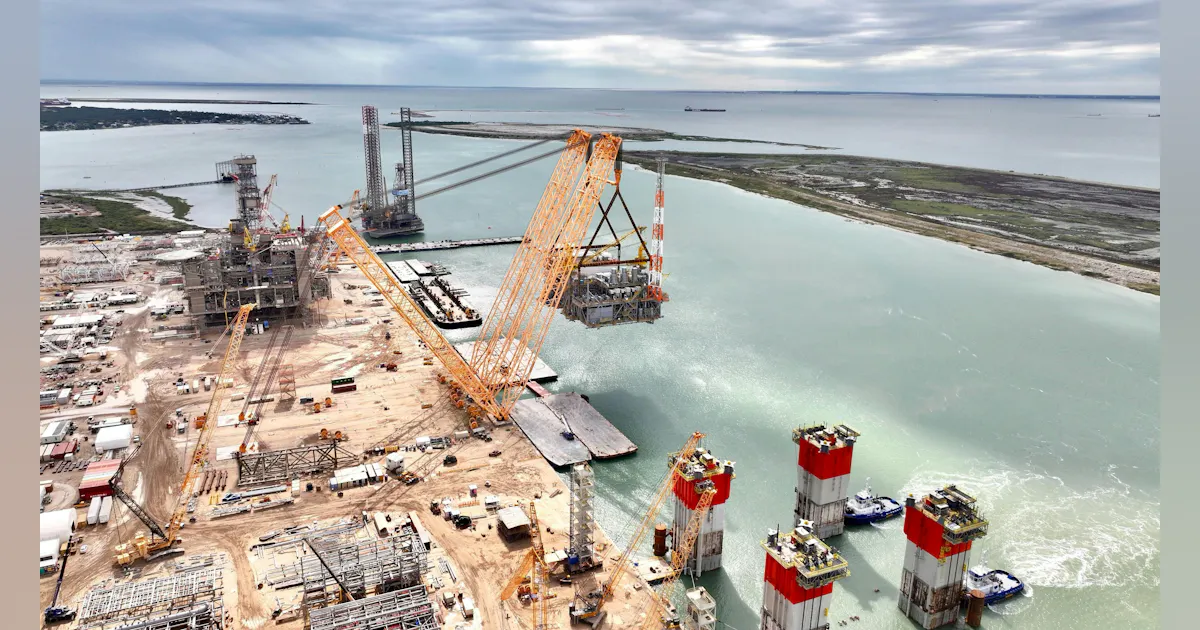
May 8 2026ID 155728952 Hyotographics Dreamstime Procurement pressure builds across supplier terms

In 60 seconds

Top move

A confirmed umbilical award to JDR represents a real fabrication and installation capacity claim that can eat into yards and vessel slots P&A needs; expect less slack in supplier schedules

Key takeaways

  • A confirmed umbilical award to JDR represents a real fabrication and installation capacity claim that can eat into yards and vessel slots P&A needs; expect less slack in supplier schedules.[2]
  • Regional reporting shows active P&A and intervention jobs (Bass Strait, Otway), which turns theoretical scheduling risk into near-term mobilization demand that will compete for local vessels, ROVs and crews.[1]
  • Industry panels reinforce a move toward semisubmersible and repeatable FPSO builds, concentrating installation demand on a smaller set of yards and vessel types and raising the bar for booking heavy‑lift resources.[3]
  • Technical and digital trends (digital twins and PLM adoption by subsea vendors) are emerging efficiencies but are indirect for current P&A scheduling—useful for longer-term supplier selection, not for immediate slot planning.[4]
  • If FEED or fabrication windows accelerate on these development projects, buyer leverage on mobilization fees, dayrates, and quote validity will fall—monitor supplier slot confirmations and conditional quote terms closely.[2]

What changed since last run

  • New confirmed umbilical award to JDR (article 3) adds a specific fabrication slot that can compete with P&A mobilization and was not in last run.
  • Regional reporting now lists active P&A/intervention jobs in Bass Strait and Otway (article 1), converting earlier schedule risk flags into visible near-term execution demand.

Key facts

  • Regional roundup cites P&A and intervention work in Bass Strait and Otway
  • Local rigs and intervention campaigns referenced as active
  • Multiple regional contract awards and starts noted
  • JDR contracted to supply up to 31 km of control umbilicals
  • Named as the umbilical supplier for a specific Amplitude Energy project
  • Fabrication and installation will occupy yard and vessel planning capacity

Why it matters

A confirmed umbilical award to JDR represents a real fabrication and installation capacity claim that can eat into yards and vessel slots P&A needs; expect less slack in supplier schedules. Regional reporting shows active P&A and intervention jobs (Bass Strait, Otway), which turns theoretical scheduling risk into near-term mobilization demand that will compete for local vessels, ROVs and crews. Industry panels reinforce a move toward semisubmersible and repeatable FPSO builds, concentrating installation demand on a smaller set of yards and vessel types and raising the bar for booking heavy‑lift resources. Technical and digital trends (digital twins and PLM adoption by subsea vendors) are emerging efficiencies but are indirect for current P&A scheduling—useful for longer-term supplier selection, not for immediate slot planning

Cost / money

  • Umbilical fabrication tied to awarded contracts increases the likelihood that yards will pass mobilization and fabrication costs through to buyers when slots are scarce.[2]
  • Concentration on semisubmersible and repeatable FPSO builds reduces the pool of suitable installation vessels and can push baseline dayrates and mobilization premiums for shared heavy‑lift assets.[3]
  • Active regional P&A/intervention work raises short-term spot pricing pressure on local logistics, travel and offshore staffing as suppliers prioritize nearby repeat jobs.[1]

Supplier / commercial

  • Suppliers awarded long-lead fabrications are likely to shorten quote validity, require deposits, or add cancellation/repurpose fees once yards and vessels are earmarked.[2]
  • Local suppliers and yards with existing footprint will gain scheduling preference, increasing offshore/onshore staffing exposure for nonlocal vendors and reducing bidder competitiveness.[1]
  • Vendors adopting digital twins and PLM may offer efficiency gains but can create supplier concentration for specialized engineering or lifecycle services—assess dependency risks during sourcing.[4]

Safety / operations

  • Compressed mobilization and tight fabrication windows increase uptime dependency on critical vessels and ROVs, which raises the operational risk of condensed pre‑mobilization and spare‑parts timelines.[2][3]
  • Visible regional P&A activity emphasizes the need to validate crew fatigue management, permit sequencing and interface checks when schedules shorten across overlapping campaigns.[1]

What to watch

  • Watch for suppliers to publish conditional availability statements or shorten quote windows and to introduce deposit or cancellation fees before formal re‑pricing notices appear.[2]
  • Watch for yard booking announcements, AiP approvals, or vessel charter notices that effectively lock fabrication and installation capacity and materially reduce buyer flexibility.[3]

Top stories

Story 1Offshore-mag

Regional Reports

Signal moderateSource-grounded

What happened

Offshore regional reporting highlights active upstream items including explicit P&A and intervention work in basins such as Bass Strait and Otway. The coverage shows these campaigns are operationally live, meaning local mobilization, ROV and crew scheduling are already in play; watch whether these jobs reduce local supplier availability for nearby decommissioning campaigns

Buyer takeaway

Treat regional P&A mentions as active mobilization demand that will compete for local vessels, ROVs and crews

Cost / money

Local activity increases the chance of spot mobilization premiums and compressed spare‑parts timelines, raising execution cost risk if not planned

Supplier / commercial

Local suppliers with yards or vessels will be prioritized; nonlocal bidders can face higher travel and logistics exposure

Safety / operations

Tighter schedules increase the need to validate permit sequencing and crew rotations to avoid nonproductive time and safety gaps

What to watch

Watch whether local operators publish conditional availability updates or shorten quote validity for nearby services

Key facts

  • Regional roundup cites P&A and intervention work in Bass Strait and Otway
  • Local rigs and intervention campaigns referenced as active
  • Multiple regional contract awards and starts noted

Source excerpts

Courtesy INPEXThe proposed site offshore the east coast would store emissions from the local branch of Nippon Steel and other industrial companies. Courtesy TGSTGS is advancing multiple offshore data initiatives, including expanded seismic and geological products in Southeast Asia and long‑running measurement campaigns supporting offshore
Courtesy INPEXThe proposed site offshore the east coast would store emissions from the local branch of Nippon Steel and other industrial companies
Courtesy bpThe field management strategy has led to increases at Pluto and Sangomar
Story 2Offshore-mag

May 8 2026ID 155728952 Hyotographics Dreamstime Procurement pressure builds across supplier terms

Signal strongSource-grounded

What happened

reporting confirms JDR Cable Systems was contracted to supply control umbilicals for an Amplitude Energy project, which is a concrete fabrication award. The work ties many kilometers of umbilical fabrication and installation planning to specific yards and vessels, making this an operational capacity claim; watch for deposit requests, shortened quote windows, or conditional availability from suppliers

Buyer takeaway

Treat this award as a real capacity claim on umbilical fabrication and associated installation vessels; expect reduced slack in supplier schedules

Cost / money

Directional upward pressure on mobilization and fabrication pass‑throughs is likely as yards allocate capacity to awarded projects

Supplier / commercial

Suppliers may shorten quote validity, require deposits, or add cancellation/repurpose fees once fabrication slots are committed

Safety / operations

Long‑lead fabrication and tight schedule windows increase dependency on supplier uptime and may compress safety prep timelines

What to watch

Watch for conditional availability statements, shorter validity and new deposit clauses in supplier offers

Key facts

  • JDR contracted to supply up to 31 km of control umbilicals
  • Named as the umbilical supplier for a specific Amplitude Energy project
  • Fabrication and installation will occupy yard and vessel planning capacity

Source excerpts

com/channel/UCy4hHphyg7qfjoI9EaEiOFACourtesy JDR Cable SystemsSubseaAmplitude Energy commissions JDR for umbilicals for Australia’s East Coast Supply ProjectJDR Cable Systems will supply up to 31 km of control umbilicals for Amplitude Energy’s offshore Victoria gas development as drilling results continue to shape the project’s path
comAsiaOffshore Indonesia: Mako subsea contract awarded and Eni confirms strong Geliga-1 flow ratesMay 8, 2026Courtesy EquinorSubseaEquinor advances North Sea tiebacks with Eirin startup and Atlantis FEED awardMay 7, 2026Courtesy BSEEUS & Gulf of MexicoOTC 2026 panel highlights HP/HT challenges, advancesMay 5, 2026Courtesy StrohmSubseaOTC 2026: Baker Hughes, Strohm to develop hybrid flexible pipe for ultradeepwater flowlines and risersMay 5, 2026Courtesy OceaneeringSubseaOTC 2026: Electric work class ROV targets
Offshore energy industry news, trends, insights and outlooksGeosciencesDrilling & CompletionField DevelopmentSubseaProduction Sections GeosciencesDrilling & CompletionField DevelopmentSubseaProductionPipelinesVesselsRenewable EnergyRegional Reports Special Exclusive ContentVideosMagazineWebcastsMaps & PostersWhat Is...?
Story 3Offshore-mag

OTC 2026: Panel traces 40 years of deepwater floating production designs

Signal moderateDirectional

What happened

An OTC panel traced the evolution of deepwater floating production and emphasized the industry shift toward semisubmersible and repeatable FPSO designs. That trend concentrates installation and fabrication demand on yards and vessel types that can replicate builds, making those assets strategic and potentially scarce for overlapping P&A work; watch yard booking and AiP announcements that lock multi‑year capacity

Buyer takeaway

Assume the fleet of preferred installation vessels will be a primary constraint during execution windows and plan to secure access early

Cost / money

Concentration on semisubmersibles can raise baseline rates for those vessel types when demand overlaps P&A schedules

Supplier / commercial

Yards and operators that offer repeatable designs may seek longer‑term agreements or priority bookings, reducing ad‑hoc supplier options

Safety / operations

Standardized builds reduce project variability but can create single‑point dependence on specific yards or vessel classes

What to watch

Watch for yard and vessel booking announcements or approvals that effectively lock capacity for multi‑project campaigns

Key facts

  • OTC panel highlighted shift to semisubmersible FPUs and repeatable designs
  • Panel linked replication to cost and schedule advantages and yard concentration
  • Speakers noted historical shifts that concentrate demand on specific vessel types

Source excerpts

Operator and historical perspectives Ram Gopalkrishnan (Shell, retired) drew on Shell’s extensive track record, from the early Auger TLP (1994) to recent projects such as Whale and Sparta. He noted the “chutzpah” required for deepwater development but emphasized the reason for it: cheap, reliable energy improves living standards
These innovations greatly reduced weight, cost, and installation complexity
A panel of industry experts and veterans traced the remarkable 40-year journey of deepwater floating production in the US Gulf of Mexico at Wednesday’s OTC 2026 event in Houston
Story 4Offshore-mag

Case Study: Optime Subsea Innovates 3km Underwater with Siemens PLM & SLM

Signal limitedDirectional

What happened

A case study shows a subsea services firm using Siemens PLM and digital twin workflows to standardize product development and accelerate time‑to‑market. The operational detail is that lifecycle and service management tools compressed engineering timelines and improved repeatability; watch whether broader supplier adoption creates single‑vendor dependency or opens opportunities to standardize bidder evaluation

Buyer takeaway

Validate whether supplier digital workflows reduce execution risk or create concentration that limits alternative sourcing

Cost / money

Efficiency gains may lower lifecycle costs, but procurement should verify whether they come with vendor lock‑in or premium services

Supplier / commercial

Vendors offering integrated PLM/digital twin services may ask for longer engagements or premium pricing for lifecycle support

Safety / operations

Better engineering repeatability can reduce design errors and rework, improving operational safety margins

What to watch

Watch for single‑vendor dependencies and ensure data/export provisions are part of contracting to retain future supplier options

Key facts

  • Case study describes PLM and digital twin adoption to speed development
  • Firm used tools to standardize designs and improve service lifecycle management
  • Result cited as faster time‑to‑market and reduced engineering rework

Source excerpts

April 23, 2026Explore how Optime Subsea, a leader in subsea oil and gas solutions, leverages Siemens Teamcenter and NX to standardize innovation and deliver fail-proof product quality in extreme deep-sea environments. This case study reveals how they transformed a risk-averse industry by establishing a profitable servitization business model, achieving faster time-to-market, and turning challenges into opportunities with a robust digital twin and Service Lifecycle Management (SLM) process
This case study reveals how they transformed a risk-averse industry by establishing a profitable servitization business model, achieving faster time-to-market, and turning challenges into opportunities with a robust digital twin and Service Lifecycle Management (SLM) process
From deep-sea challenges to market leadership—Optime Subsea leverages Siemens Teamcenter and Siemens NX to accelerate innovation, ensure quality, and unlock new service-driven revenue streams

VP Snapshot

Executive Risk & Action View

A confirmed umbilical award to JDR represents a real fabrication and installation capacity claim that can eat into yards and vessel slots P&A needs; expect less slack in supplier schedules.

Overall
51
Cost
79
Supply
79
Schedule
38
Compliance
15

Top signals

30-180dcost

Signal 1: Cost / money

Umbilical fabrication tied to awarded contracts increases the likelihood that yards will pass mobilization and fabrication costs through to buyers when slots are scarce.

Signal 2: Cost / money

Concentration on semisubmersible and repeatable FPSO builds reduces the pool of suitable installation vessels and can push baseline dayrates and mobilization premiums for shared heavy‑lift assets.

Signal 3: Cost / money

Active regional P&A/intervention work raises short-term spot pricing pressure on local logistics, travel and offshore staffing as suppliers prioritize nearby repeat jobs.

30-180dcommercial

Signal 4: Supplier / commercial

Suppliers awarded long-lead fabrications are likely to shorten quote validity, require deposits, or add cancellation/repurpose fees once yards and vessels are earmarked.

Signal 5: Supplier / commercial

Local suppliers and yards with existing footprint will gain scheduling preference, increasing offshore/onshore staffing exposure for nonlocal vendors and reducing bidder competitiveness.

Signal 6: Supplier / commercial

Vendors adopting digital twins and PLM may offer efficiency gains but can create supplier concentration for specialized engineering or lifecycle services—assess dependency risks during sourcing.

Recommended actions

CategoryDue 3d

Request written availability and provisional slot statements from JDR, primary fabrication yards and key installation vessel operators.

Documented supplier availability matrix to inform RFQ timing and mobilization clauses

CategoryDue 3d

Map prioritized P&A job dates against known FEED and vessel windows for nearby development projects.

Prioritized P&A schedule with flagged conflicts versus FEED/fabrication windows

ContractsDue 21d

Update RFQ and MSA templates to require explicit mobilization windows, quote‑validity periods, and cancellation/repurpose fee mechanics for long‑lead suppliers.

Revised RFQ/MSA templates that limit unexpected mobilization and repurposing costs

CategoryDue 21d

Run targeted commercial probes with umbilical, fabrication yard and installation vessel suppliers on lead times, deposit requests and change‑order pass‑through mechanics.

Supplier intelligence brief with lead‑time ranges, deposit practices and pass‑through terms

CategoryDue 60d

Negotiate provisional slot holds or framework commitments with preferred installation vessels, ROV providers and fabrication yards for prioritized P&A windows.

List of provisional slot commitments or MOUs that reduce supplier reallocation and mobilization risk

ContractsDue 60d

Pilot mobilization repurpose and flexible‑call clauses in a subset of P&A tenders to test supplier acceptance and commercial impact.

Tested contract language and supplier responses to repurpose/cancellation mechanics

Risk register

RiskTriggerMitigation
Watch for suppliers to publish conditional availability statements or shorten quote windows and to introduce deposit or cancellation fees before formal re‑pricing notices appear.Watch for suppliers to publish conditional availability statements or shorten quote windows and to introduce deposit or cancellation fees before formal re‑pricing notices appear.Confirm exposure with category, contracts, and operations before the next supplier commitment.
Watch for yard booking announcements, AiP approvals, or vessel charter notices that effectively lock fabrication and installation capacity and materially reduce buyer flexibility.Watch for yard booking announcements, AiP approvals, or vessel charter notices that effectively lock fabrication and installation capacity and materially reduce buyer flexibility.Confirm exposure with category, contracts, and operations before the next supplier commitment.

CM Snapshot

Category Manager Decision Detail

Today's priorities

Request written availability and provisional slot statements from JDR, primary fabrication yards and key installation vessel operators.

because the JDR umbilical award and active regional P&A jobs create overlapping demand for yards and vessels, written statements will clarify mobilization exposure and pass‑thro...

Due 3d

high

CM move

Use this as the immediate supplier or contract action to move before the next sourcing gate.

Map prioritized P&A job dates against known FEED and vessel windows for nearby development projects.

because overlapping FEED-to-execution schedules concentrate vessel and yard demand, mapping will reveal direct conflicts that require timing or contingency changes to contracts.

Due 3d

high

CM move

Use this as the immediate supplier or contract action to move before the next sourcing gate.

Update RFQ and MSA templates to require explicit mobilization windows, quote‑validity periods, and cancellation/repurpose fee mechanics for long‑lead suppliers.

because suppliers are likely to shorten quote validity and request deposits as fabrication and vessel slots are claimed, tighter contractual language reduces buyer pass‑through...

Due 21d

high

CM move

Use this as the immediate supplier or contract action to move before the next sourcing gate.

Run targeted commercial probes with umbilical, fabrication yard and installation vessel suppliers on lead times, deposit requests and change‑order pass‑through mechanics.

because concentration of fabrication demand gives suppliers leverage on timing and change orders, direct probes will surface negotiation levers and realistic lead‑time cushions...

Due 21d

high

CM move

Use this as the immediate supplier or contract action to move before the next sourcing gate.

Supplier radar

Offshore-mag

high

Observed supplier signal

Suppliers awarded long-lead fabrications are likely to shorten quote validity, require deposits, or add cancellation/repurpose fees once yards and vessels are earmarked.

Commercial implication

Suppliers awarded long-lead fabrications are likely to shorten quote validity, require deposits, or add cancellation/repurpose fees once yards and vessels are earmarked.

Next step: Validate the source-backed signal with incumbents and alternates before the next award or pricing decision.

Offshore-mag

high

Observed supplier signal

Local suppliers and yards with existing footprint will gain scheduling preference, increasing offshore/onshore staffing exposure for nonlocal vendors and reducing bidder competitiveness.

Commercial implication

Local suppliers and yards with existing footprint will gain scheduling preference, increasing offshore/onshore staffing exposure for nonlocal vendors and reducing bidder competitiveness.

Next step: Validate the source-backed signal with incumbents and alternates before the next award or pricing decision.

Offshore-mag

high

Observed supplier signal

Vendors adopting digital twins and PLM may offer efficiency gains but can create supplier concentration for specialized engineering or lifecycle services—assess dependency risks during sourcing.

Commercial implication

Vendors adopting digital twins and PLM may offer efficiency gains but can create supplier concentration for specialized engineering or lifecycle services—assess dependency risks during sourcing.

Next step: Validate the source-backed signal with incumbents and alternates before the next award or pricing decision.

Negotiation levers

Request written availability and provisional slot statements from JDR, primary fabrication yards and key installation vessel operators.

When to use: because the JDR umbilical award and active regional P&A jobs create overlapping demand for yards and vessels, written statements will clarify mobilization exposure and pass‑thro...

Expected outcome: Documented supplier availability matrix to inform RFQ timing and mobilization clauses

Commercial mechanism to carry into the next supplier conversation

Map prioritized P&A job dates against known FEED and vessel windows for nearby development projects.

When to use: because overlapping FEED-to-execution schedules concentrate vessel and yard demand, mapping will reveal direct conflicts that require timing or contingency changes to contracts.

Expected outcome: Prioritized P&A schedule with flagged conflicts versus FEED/fabrication windows

Commercial mechanism to carry into the next supplier conversation

Update RFQ and MSA templates to require explicit mobilization windows, quote‑validity periods, and cancellation/repurpose fee mechanics for long‑lead suppliers.

When to use: because suppliers are likely to shorten quote validity and request deposits as fabrication and vessel slots are claimed, tighter contractual language reduces buyer pass‑through...

Expected outcome: Revised RFQ/MSA templates that limit unexpected mobilization and repurposing costs

Commercial mechanism to carry into the next supplier conversation

Run targeted commercial probes with umbilical, fabrication yard and installation vessel suppliers on lead times, deposit requests and change‑order pass‑through mechanics.

When to use: because concentration of fabrication demand gives suppliers leverage on timing and change orders, direct probes will surface negotiation levers and realistic lead‑time cushions...

Expected outcome: Supplier intelligence brief with lead‑time ranges, deposit practices and pass‑through terms

Commercial mechanism to carry into the next supplier conversation

Talking points

A confirmed umbilical award to JDR represents a real fabrication and installation capacity claim that can eat into yards and vessel slots P&A needs; expect less slack in supplier schedules.
Regional reporting shows active P&A and intervention jobs (Bass Strait, Otway), which turns theoretical scheduling risk into near-term mobilization demand that will compete for local vessels, ROVs and crews.
Industry panels reinforce a move toward semisubmersible and repeatable FPSO builds, concentrating installation demand on a smaller set of yards and vessel types and raising the bar for booking heavy‑lift resources.
Technical and digital trends (digital twins and PLM adoption by subsea vendors) are emerging efficiencies but are indirect for current P&A scheduling—useful for longer-term supplier selection, not for immediate slot planning.

Supplier radar

SupplierSignalImplicationNext stepConfidence
Offshore-magSuppliers awarded long-lead fabrications are likely to shorten quote validity, require deposits, or add cancellation/repurpose fees once yards and vessels are earmarked.Suppliers awarded long-lead fabrications are likely to shorten quote validity, require deposits, or add cancellation/repurpose fees once yards and vessels are earmarked.Validate the source-backed signal with incumbents and alternates before the next award or pricing decision.high
Offshore-magLocal suppliers and yards with existing footprint will gain scheduling preference, increasing offshore/onshore staffing exposure for nonlocal vendors and reducing bidder competitiveness.Local suppliers and yards with existing footprint will gain scheduling preference, increasing offshore/onshore staffing exposure for nonlocal vendors and reducing bidder competitiveness.Validate the source-backed signal with incumbents and alternates before the next award or pricing decision.high
Offshore-magVendors adopting digital twins and PLM may offer efficiency gains but can create supplier concentration for specialized engineering or lifecycle services—assess dependency risks during sourcing.Vendors adopting digital twins and PLM may offer efficiency gains but can create supplier concentration for specialized engineering or lifecycle services—assess dependency risks during sourcing.Validate the source-backed signal with incumbents and alternates before the next award or pricing decision.high

Negotiation levers

  • Request written availability and provisional slot statements from JDR, primary fabrication yards and key installation vessel operators.because the JDR umbilical award and active regional P&A jobs create overlapping demand for yards and vessels, written statements will clarify mobilization exposure and pass‑thro...Documented supplier availability matrix to inform RFQ timing and mobilization clauses

    high confidence

  • Map prioritized P&A job dates against known FEED and vessel windows for nearby development projects.because overlapping FEED-to-execution schedules concentrate vessel and yard demand, mapping will reveal direct conflicts that require timing or contingency changes to contracts.Prioritized P&A schedule with flagged conflicts versus FEED/fabrication windows

    high confidence

  • Update RFQ and MSA templates to require explicit mobilization windows, quote‑validity periods, and cancellation/repurpose fee mechanics for long‑lead suppliers.because suppliers are likely to shorten quote validity and request deposits as fabrication and vessel slots are claimed, tighter contractual language reduces buyer pass‑through...Revised RFQ/MSA templates that limit unexpected mobilization and repurposing costs

    high confidence

  • Run targeted commercial probes with umbilical, fabrication yard and installation vessel suppliers on lead times, deposit requests and change‑order pass‑through mechanics.because concentration of fabrication demand gives suppliers leverage on timing and change orders, direct probes will surface negotiation levers and realistic lead‑time cushions...Supplier intelligence brief with lead‑time ranges, deposit practices and pass‑through terms

    high confidence

What to do / What to watch

What to do now

  • Request written availability and provisional slot statements from JDR, primary fabrication yards and key installation vessel operators.

    Why: because the JDR umbilical award and active regional P&A jobs create overlapping demand for yards and vessels, written statements will clarify mobilization exposure and pass‑thro...

    Owner: Category

    Expected outcome: Documented supplier availability matrix to inform RFQ timing and mobilization clauses

    [2][1]
  • Map prioritized P&A job dates against known FEED and vessel windows for nearby development projects.

    Why: because overlapping FEED-to-execution schedules concentrate vessel and yard demand, mapping will reveal direct conflicts that require timing or contingency changes to contracts.

    Owner: Category

    Expected outcome: Prioritized P&A schedule with flagged conflicts versus FEED/fabrication windows

    [3][1]

Next few weeks

  • Update RFQ and MSA templates to require explicit mobilization windows, quote‑validity periods, and cancellation/repurpose fee mechanics for long‑lead suppliers.

    Why: because suppliers are likely to shorten quote validity and request deposits as fabrication and vessel slots are claimed, tighter contractual language reduces buyer pass‑through...

    Owner: Contracts

    Expected outcome: Revised RFQ/MSA templates that limit unexpected mobilization and repurposing costs

    [2]
  • Run targeted commercial probes with umbilical, fabrication yard and installation vessel suppliers on lead times, deposit requests and change‑order pass‑through mechanics.

    Why: because concentration of fabrication demand gives suppliers leverage on timing and change orders, direct probes will surface negotiation levers and realistic lead‑time cushions...

    Owner: Category

    Expected outcome: Supplier intelligence brief with lead‑time ranges, deposit practices and pass‑through terms

    [2][3]

Longer view

  • Negotiate provisional slot holds or framework commitments with preferred installation vessels, ROV providers and fabrication yards for prioritized P&A windows.

    Why: because the move to repeatable FPSO builds and confirmed umbilical awards concentrate demand on a smaller asset pool, provisional commitments preserve execution options and redu...

    Owner: Category

    Expected outcome: List of provisional slot commitments or MOUs that reduce supplier reallocation and mobilization risk

    [3][2]
  • Pilot mobilization repurpose and flexible‑call clauses in a subset of P&A tenders to test supplier acceptance and commercial impact.

    Why: because suppliers are likely to protect scarce slots with fees and tighter terms, piloting clauses reveals commercial tolerance and informs scalable contract language.

    Owner: Contracts

    Expected outcome: Tested contract language and supplier responses to repurpose/cancellation mechanics

    [2]

What to watch

  • Watch for suppliers to publish conditional availability statements or shorten quote windows and to introduce deposit or cancellation fees before formal re‑pricing notices appear
  • Watch for yard booking announcements, AiP approvals, or vessel charter notices that effectively lock fabrication and installation capacity and materially reduce buyer flexibility
  • Watch for suppliers to publish conditional availability statements or shorten quote windows and to introduce deposit or cancellation fees before formal re‑pricing notices appear.: Watch for suppliers to publish conditional availability statements or shorten quote windows and to introduce deposit or cancellation fees before formal re‑pricing notices appear
  • Watch for yard booking announcements, AiP approvals, or vessel charter notices that effectively lock fabrication and installation capacity and materially reduce buyer flexibility.: Watch for yard booking announcements, AiP approvals, or vessel charter notices that effectively lock fabrication and installation capacity and materially reduce buyer flexibility
  • A confirmed umbilical award to JDR represents a real fabrication and installation capacity claim that can eat into yards and vessel slots P&A needs; expect less slack in supplier schedules
  • Regional reporting shows active P&A and intervention jobs (Bass Strait, Otway), which turns theoretical scheduling risk into near-term mobilization demand that will compete for local vessels, ROVs and crews
  • Industry panels reinforce a move toward semisubmersible and repeatable FPSO builds, concentrating installation demand on a smaller set of yards and vessel types and raising the bar for booking heavy‑lift resources
  • Technical and digital trends (digital twins and PLM adoption by subsea vendors) are emerging efficiencies but are indirect for current P&A scheduling—useful for longer-term supplier selection, not for immediate slot planning

Market pulse

IndexLatestChangeAs of
WTI Crude (WTI)71.23 /bbl+0.00 (+0.00%)May 10, 2026, 10:09 AM
Brent Crude (BRENT)74.89 /bbl+0.00 (+0.00%)May 10, 2026, 10:09 AM
Natural Gas (NG)3.12 /MMBtu+0.00 (+0.00%)May 10, 2026, 10:09 AM
Baltic Dry (BDI)1,245 pts+0.00 (+0.00%)May 10, 2026, 10:09 AM
  • Baltic Dry: Baltic Dry movements affect heavy transport and logistics availability, which influences costs for large‑module and yard transport for P&A and fabrication
  • WTI Crude: WTI price direction can shift operator decisions on timing for decommissioning versus restart, affecting P&A scheduling demand

Sources

Inline citations jump here. Expand a source to read the excerpt, the AI interpretation, and the original link.

[1] Regional Reports

offshore-mag.com · n.d.

Expand

AI reading

Offshore regional reporting highlights active upstream items including explicit P&A and intervention work in basins such as Bass Strait and Otway. The coverage shows these campaigns are operationally live, meaning local mobilization, ROV and crew scheduling are already in play; watch whether these jobs reduce local supplier availability for nearby decommissioning campaigns

Buyer takeaway

Treat regional P&A mentions as active mobilization demand that will compete for local vessels, ROVs and crews

Cost / money

Local activity increases the chance of spot mobilization premiums and compressed spare‑parts timelines, raising execution cost risk if not planned

Supplier / commercial

Local suppliers with yards or vessels will be prioritized; nonlocal bidders can face higher travel and logistics exposure

Safety / operations

Tighter schedules increase the need to validate permit sequencing and crew rotations to avoid nonproductive time and safety gaps

What to watch

Watch whether local operators publish conditional availability updates or shorten quote validity for nearby services

Key facts

  • Regional roundup cites P&A and intervention work in Bass Strait and Otway
  • Local rigs and intervention campaigns referenced as active
  • Multiple regional contract awards and starts noted

Source excerpts

Courtesy INPEXThe proposed site offshore the east coast would store emissions from the local branch of Nippon Steel and other industrial companies. Courtesy TGSTGS is advancing multiple offshore data initiatives, including expanded seismic and geological products in Southeast Asia and long‑running measurement campaigns supporting offshore
Courtesy INPEXThe proposed site offshore the east coast would store emissions from the local branch of Nippon Steel and other industrial companies
Courtesy bpThe field management strategy has led to increases at Pluto and Sangomar

Used in this brief

  • Offshore regional reporting highlights active upstream items including explicit P&A and intervention work in basins such as Bass Strait and Otway. The coverage shows these campaigns are operationally live, meaning local mobilization, ROV and crew scheduling are already in play; watch whether these jobs reduce local supplier availability for nearby decommissioning campaigns
  • Buyer bottom line: visible regional P&A activity converts schedule risk into immediate mobilization exposure that must be reconciled with other local campaigns
  • Treat regional P&A mentions as active mobilization demand that will compete for local vessels, ROVs and crews
Open original source

[2] May 8 2026ID 155728952 Hyotographics Dreamstime Procurement pressure builds across supplier terms

offshore-mag.com · n.d.

Expand

AI reading

reporting confirms JDR Cable Systems was contracted to supply control umbilicals for an Amplitude Energy project, which is a concrete fabrication award. The work ties many kilometers of umbilical fabrication and installation planning to specific yards and vessels, making this an operational capacity claim; watch for deposit requests, shortened quote windows, or conditional availability from suppliers

Buyer takeaway

Treat this award as a real capacity claim on umbilical fabrication and associated installation vessels; expect reduced slack in supplier schedules

Cost / money

Directional upward pressure on mobilization and fabrication pass‑throughs is likely as yards allocate capacity to awarded projects

Supplier / commercial

Suppliers may shorten quote validity, require deposits, or add cancellation/repurpose fees once fabrication slots are committed

Safety / operations

Long‑lead fabrication and tight schedule windows increase dependency on supplier uptime and may compress safety prep timelines

What to watch

Watch for conditional availability statements, shorter validity and new deposit clauses in supplier offers

Key facts

  • JDR contracted to supply up to 31 km of control umbilicals
  • Named as the umbilical supplier for a specific Amplitude Energy project
  • Fabrication and installation will occupy yard and vessel planning capacity

Source excerpts

com/channel/UCy4hHphyg7qfjoI9EaEiOFACourtesy JDR Cable SystemsSubseaAmplitude Energy commissions JDR for umbilicals for Australia’s East Coast Supply ProjectJDR Cable Systems will supply up to 31 km of control umbilicals for Amplitude Energy’s offshore Victoria gas development as drilling results continue to shape the project’s path
comAsiaOffshore Indonesia: Mako subsea contract awarded and Eni confirms strong Geliga-1 flow ratesMay 8, 2026Courtesy EquinorSubseaEquinor advances North Sea tiebacks with Eirin startup and Atlantis FEED awardMay 7, 2026Courtesy BSEEUS & Gulf of MexicoOTC 2026 panel highlights HP/HT challenges, advancesMay 5, 2026Courtesy StrohmSubseaOTC 2026: Baker Hughes, Strohm to develop hybrid flexible pipe for ultradeepwater flowlines and risersMay 5, 2026Courtesy OceaneeringSubseaOTC 2026: Electric work class ROV targets
Offshore energy industry news, trends, insights and outlooksGeosciencesDrilling & CompletionField DevelopmentSubseaProduction Sections GeosciencesDrilling & CompletionField DevelopmentSubseaProductionPipelinesVesselsRenewable EnergyRegional Reports Special Exclusive ContentVideosMagazineWebcastsMaps & PostersWhat Is...?

Used in this brief

  • Next 72 hours — Request written availability and provisional slot statements from JDR, primary fabrication yards and key installation vessel operators.. Rationale: because the JDR umbilical award and active regional P&A jobs create overlapping demand for yards and vessels, written statements will clarify mobilization exposure and pass‑thro.... Owner: Category. KPI: Documented supplier availability matrix to inform RFQ timing and mobilization clauses
  • Next 2-4 weeks — Update RFQ and MSA templates to require explicit mobilization windows, quote‑validity periods, and cancellation/repurpose fee mechanics for long‑lead suppliers.. Rationale: because suppliers are likely to shorten quote validity and request deposits as fabrication and vessel slots are claimed, tighter contractual language reduces buyer pass‑through.... Owner: Contracts. KPI: Revised RFQ/MSA templates that limit unexpected mobilization and repurposing costs
  • Next 2-4 weeks — Run targeted commercial probes with umbilical, fabrication yard and installation vessel suppliers on lead times, deposit requests and change‑order pass‑through mechanics.. Rationale: because concentration of fabrication demand gives suppliers leverage on timing and change orders, direct probes will surface negotiation levers and realistic lead‑time cushions.... Owner: Category. KPI: Supplier intelligence brief with lead‑time ranges, deposit practices and pass‑through terms
Open original source

[3] OTC 2026: Panel traces 40 years of deepwater floating production designs

offshore-mag.com · n.d.

Expand

AI reading

An OTC panel traced the evolution of deepwater floating production and emphasized the industry shift toward semisubmersible and repeatable FPSO designs. That trend concentrates installation and fabrication demand on yards and vessel types that can replicate builds, making those assets strategic and potentially scarce for overlapping P&A work; watch yard booking and AiP announcements that lock multi‑year capacity

Buyer takeaway

Assume the fleet of preferred installation vessels will be a primary constraint during execution windows and plan to secure access early

Cost / money

Concentration on semisubmersibles can raise baseline rates for those vessel types when demand overlaps P&A schedules

Supplier / commercial

Yards and operators that offer repeatable designs may seek longer‑term agreements or priority bookings, reducing ad‑hoc supplier options

Safety / operations

Standardized builds reduce project variability but can create single‑point dependence on specific yards or vessel classes

What to watch

Watch for yard and vessel booking announcements or approvals that effectively lock capacity for multi‑project campaigns

Key facts

  • OTC panel highlighted shift to semisubmersible FPUs and repeatable designs
  • Panel linked replication to cost and schedule advantages and yard concentration
  • Speakers noted historical shifts that concentrate demand on specific vessel types

Source excerpts

Operator and historical perspectives Ram Gopalkrishnan (Shell, retired) drew on Shell’s extensive track record, from the early Auger TLP (1994) to recent projects such as Whale and Sparta. He noted the “chutzpah” required for deepwater development but emphasized the reason for it: cheap, reliable energy improves living standards
These innovations greatly reduced weight, cost, and installation complexity
A panel of industry experts and veterans traced the remarkable 40-year journey of deepwater floating production in the US Gulf of Mexico at Wednesday’s OTC 2026 event in Houston

Used in this brief

  • Next 72 hours — Map prioritized P&A job dates against known FEED and vessel windows for nearby development projects.. Rationale: because overlapping FEED-to-execution schedules concentrate vessel and yard demand, mapping will reveal direct conflicts that require timing or contingency changes to contracts.. Owner: Category. KPI: Prioritized P&A schedule with flagged conflicts versus FEED/fabrication windows
  • Next quarter — Negotiate provisional slot holds or framework commitments with preferred installation vessels, ROV providers and fabrication yards for prioritized P&A windows.. Rationale: because the move to repeatable FPSO builds and confirmed umbilical awards concentrate demand on a smaller asset pool, provisional commitments preserve execution options and redu.... Owner: Category. KPI: List of provisional slot commitments or MOUs that reduce supplier reallocation and mobilization risk
  • Watch for yard booking announcements, AiP approvals, or vessel charter notices that effectively lock fabrication and installation capacity and materially reduce buyer flexibility
Open original source

[4] Case Study: Optime Subsea Innovates 3km Underwater with Siemens PLM & SLM

offshore-mag.com · n.d.

Expand

AI reading

A case study shows a subsea services firm using Siemens PLM and digital twin workflows to standardize product development and accelerate time‑to‑market. The operational detail is that lifecycle and service management tools compressed engineering timelines and improved repeatability; watch whether broader supplier adoption creates single‑vendor dependency or opens opportunities to standardize bidder evaluation

Buyer takeaway

Validate whether supplier digital workflows reduce execution risk or create concentration that limits alternative sourcing

Cost / money

Efficiency gains may lower lifecycle costs, but procurement should verify whether they come with vendor lock‑in or premium services

Supplier / commercial

Vendors offering integrated PLM/digital twin services may ask for longer engagements or premium pricing for lifecycle support

Safety / operations

Better engineering repeatability can reduce design errors and rework, improving operational safety margins

What to watch

Watch for single‑vendor dependencies and ensure data/export provisions are part of contracting to retain future supplier options

Key facts

  • Case study describes PLM and digital twin adoption to speed development
  • Firm used tools to standardize designs and improve service lifecycle management
  • Result cited as faster time‑to‑market and reduced engineering rework

Source excerpts

April 23, 2026Explore how Optime Subsea, a leader in subsea oil and gas solutions, leverages Siemens Teamcenter and NX to standardize innovation and deliver fail-proof product quality in extreme deep-sea environments. This case study reveals how they transformed a risk-averse industry by establishing a profitable servitization business model, achieving faster time-to-market, and turning challenges into opportunities with a robust digital twin and Service Lifecycle Management (SLM) process
This case study reveals how they transformed a risk-averse industry by establishing a profitable servitization business model, achieving faster time-to-market, and turning challenges into opportunities with a robust digital twin and Service Lifecycle Management (SLM) process
From deep-sea challenges to market leadership—Optime Subsea leverages Siemens Teamcenter and Siemens NX to accelerate innovation, ensure quality, and unlock new service-driven revenue streams

Used in this brief

  • A case study shows a subsea services firm using Siemens PLM and digital twin workflows to standardize product development and accelerate time‑to‑market. The operational detail is that lifecycle and service management tools compressed engineering timelines and improved repeatability; watch whether broader supplier adoption creates single‑vendor dependency or opens opportunities to standardize bidder evaluation
  • Buyer bottom line: digital twins and PLM can deliver supplier efficiency and repeatability, but they also shift negotiation levers toward vendors with proprietary lifecycle tooling
  • Validate whether supplier digital workflows reduce execution risk or create concentration that limits alternative sourcing
Open original source

[5] Baltic Dry

finance.yahoo.com · n.d.

Expand

[6] WTI Crude

finance.yahoo.com · n.d.

Expand