Oil & Gas / LNG Market Dashboard · Australia (Perth)

Act on APAC SURF award and offshore service availability risks

Published May 10, 2026, 6:07 AM AWSTAPACFull category signal
Ask AI
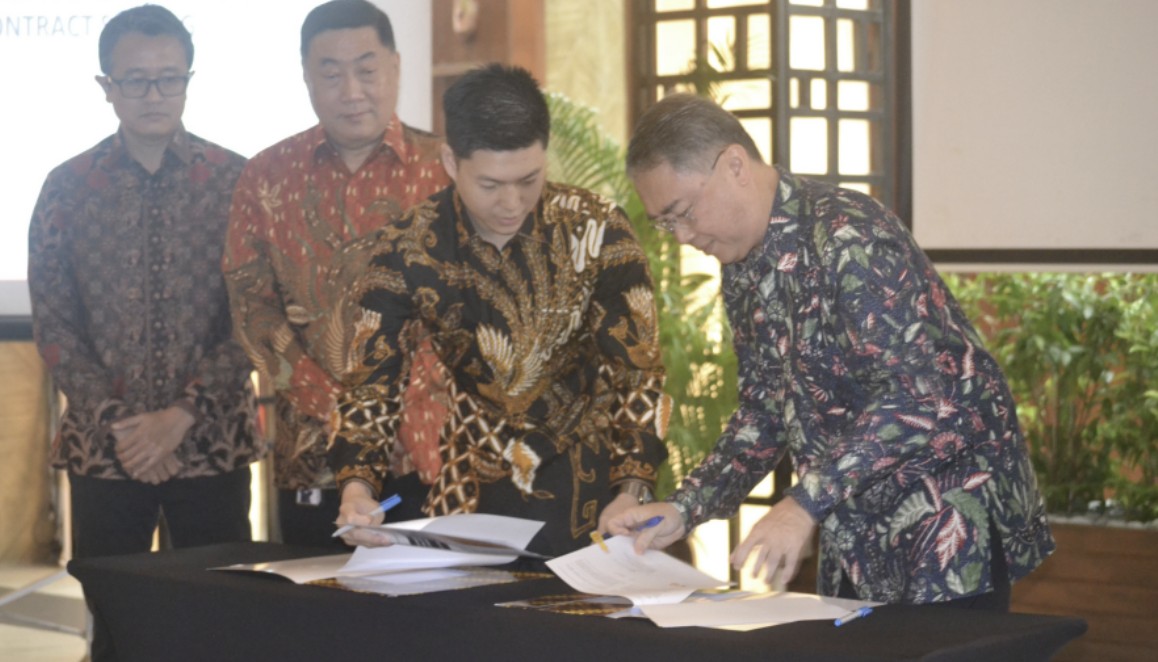
Local private firm to deliver SURF EPCI for Indonesian gas project

In 60 seconds

Top move

A local contractor won the SURF EPCI for the Mako gas project in Indonesia, shifting fabrication and installation exposure onto regional yards and leased MOPU logistics — treat this as an active procurement execution item, not a concept stage

Key takeaways

  • A local contractor won the SURF EPCI for the Mako gas project in Indonesia, shifting fabrication and installation exposure onto regional yards and leased MOPU logistics — treat this as an active procurement execution item, not a concept stage.[3]
  • Weatherford’s new managed pressure drilling (MPD) and aftermarket deals with rig owners increase demand for MPD systems and integrated services, which changes delivery and maintenance dependency for deepwater rigs used across regions.[2]
  • Equinor’s booked COSL Innovator rig and scheduled North Sea well for June locks in semi-sub availability and underlines that long-term rig bookings can reduce short-term re-deploy options for semi-subs and specialist vessels.[4]
  • ConocoPhillips’ PDO approval for the Norway subsea redevelopment moves a multi-template, multi-well redevelopment toward execution — it will compete for subsea trees, templates and tie-back engineering in the marketplace, though direct APAC effects are indirect.[1]
  • Taken together, these items increase directional pressure on specialist supply (fabrication yards, MPD providers, heavy-lift and MOPU slots) across markets; this is an early cross-regional capacity signal to monitor rather than an immediate procurement crisis.[3]

What changed since last run

  • Added confirmed SURF EPCI award and fabrication/execution scope for the Mako gas project in Indonesia (article 3).
  • Added Weatherford MPD and aftermarket contract wins with Noble and Constellation, increasing demand for MPD systems and spares (article 5).
  • Added confirmed rig mobilisation schedule for Equinor’s June North Sea drilling with COSL Innovator (article 1).

Key facts

  • Drilling operations scheduled to begin in June
  • COSL Innovator semi-sub is 2012-built and rated to ~750m water depth
  • Rig was booked under a two-year contract with extension options
  • SURF EPCI includes flowlines, export pipeline, risers, subsea structures and umbilicals
  • Sales gas routed ~59-km via an 18-inch pipeline to the KF platform
  • Project ties six wells to a leased MOPU with 172 mmscfd design capacity

Why it matters

A local contractor won the SURF EPCI for the Mako gas project in Indonesia, shifting fabrication and installation exposure onto regional yards and leased MOPU logistics — treat this as an active procurement execution item, not a concept stage. Weatherford’s new managed pressure drilling (MPD) and aftermarket deals with rig owners increase demand for MPD systems and integrated services, which changes delivery and maintenance dependency for deepwater rigs used across regions. Equinor’s booked COSL Innovator rig and scheduled North Sea well for June locks in semi-sub availability and underlines that long-term rig bookings can reduce short-term re-deploy options for semi-subs and specialist vessels. ConocoPhillips’ PDO approval for the Norway subsea redevelopment moves a multi-template, multi-well redevelopment toward execution — it will compete for subsea trees, templates and tie-back engineering in the marketplace, though direct APAC effects are indirect

Cost / money

  • Mako’s SURF EPCI and pipeline tie-in rely on a leased MOPU and onshore fabrication — expect pass-through mobilisation and transport exposure in awarded contracts unless buyer clauses specify otherwise.[3]
  • ConocoPhillips’ approved subsea redevelopment unlocks large capital ordering cycles for subsea hardware and may push subsea vendors to prioritise higher-margin, larger redevelopments — upward pressure on pricing for long‑lead items is directional.[1]
  • Weatherford’s integrated service and aftermarket agreements can alter total cost of ownership: bundled service models may lower some operating cost but shorten single-supplier competition windows for new MPD purchases.[2]

Supplier / commercial

  • Local yard fabrication for Mako gives buyers an opportunity to require local content and clearer mobilisation windows, but it also concentrates commercial risk if that single yard is capacity-constrained.[3]
  • Weatherford being contracted directly into rig scopes (integrated MPD + aftermarket) changes negotiation posture — expect longer-term service commitments and narrower quote validity from specialist vendors.[2]
  • Long-term bookings and extension options for rigs (COSL Innovator) reduce short-term availability for re-deployment, decreasing buyer leverage when competing for semi-sub or deepwater rig slots.[4]

Safety / operations

  • MPD systems tied to Weatherford contracts are a safety and drilling-efficiency tool; procurement must explicitly state uptime, maintenance and spare parts responsibilities to avoid operational interruptions.[2]
  • SURF EPCI scopes (flowlines, risers, umbilicals, tie-ins) create SIMOPS and offshore installation interface points; contracting needs clear SIMOPS ownership and HSE interface plans between fabricator, MOPU operator and installation contractor.[3]
  • Redevelopment projects that reuse legacy infrastructure (Norway PPF) reduce new-build risk but increase the need to re-verify emergency response and process safety interfaces between old and new subsea systems.[1]

What to watch

  • Watch whether regional fabrication yards start prioritising Mako or other local projects and decline external bids — that would narrow supplier choice for APAC buyers relying on the same yards.[3]
  • Watch for shortened quote validity and earlier mobilisation asks from specialised vendors once large redevelopments or multi-well programmes reach execution — this can force quicker award windows.[1]
  • Watch whether integrated service models (MPD + aftermarket) become the default commercial posture for rig owners — that shifts negotiation leverage toward equipment-service providers.[2]

Top stories

Story 1Offshore EnergyMay 8, 2026

North Sea wildcat on COSL rig’s drilling agenda for June

Signal strongSource-grounded

What happened

Equinor secured a permit and plans to spud a North Sea well in June using the COSL Innovator semi-submersible. The rig was previously booked under a two-year contract with extension options, which concretely ties up semi-sub capacity and influences re-deployment choices. Watch whether the rig’s extension options and booked schedule reduce available semi-sub slots for nearby or competing campaigns

Buyer takeaway

Treat the booked rig schedule as a real constraint on semi-sub availability — it can limit re-contracting or rapid mobilisation of similar rigs into nearby markets

Cost / money

Rig bookings with extension options reduce short-term supply and can push day-rate negotiations in favour of rig owners; expect less room for last-minute rate reductions

Supplier / commercial

Rig owners with booked contracts gain leverage to prioritise repeat customers and demand clearer commitment windows before offering re-deployment

Safety / operations

Long-term rig assignments require confirmation of maintenance windows and HSE handover plans to avoid unexpected downtime when re-deploying between campaigns

What to watch

Watch whether booked rigs invoke extension options close to campaign starts, which can block redeployment and compress the market for specialist installation vessels

Key facts

  • Drilling operations scheduled to begin in June
  • COSL Innovator semi-sub is 2012-built and rated to ~750m water depth
  • Rig was booked under a two-year contract with extension options

Source excerpts

The rig deal entails extension options for three additional years. The 2012-built COSL Innovator semi-submersible rig is designed to operate in water depths of up to 750 meters
Home Fossil Energy North Sea wildcat on COSL rig’s drilling agenda for June May 8, 2026, by Norway’s state-owned energy giant Equinor has secured a drilling permit for operations in the North Sea on the Norwegian Continental Shelf (NCS), which will be conducted with a semi-submersible rig owned by COSL Drilling Europe, an offshore drilling contractor. COSL Innovator rig; Source: COSL The Norwegian Offshore Directorate has granted Equinor a drilling permit for the wellbore 34/10-56 S in production licence 050 HS
The well will be spud with COSL Drilling Europe’s COSL Innovator drilling rig, which Equinor booked in August 2023 for a two-year contract starting in the second quarter of 2025. The rig deal entails extension options for three additional years
Story 2Offshore EnergyMay 8, 2026

Local private firm to deliver SURF EPCI for Indonesian gas project

Signal strongSource-grounded

What happened

A local private firm (Timas) has been contracted to deliver SURF EPCI for the Mako gas project in the Natuna Sea, covering flowlines, export pipeline, risers, subsea structures, umbilicals and tie-ins. The project uses a leased MOPU and an export route to the KF platform, making onshore fabrication, transportation and MOPU logistics operationally real near-term constraints. Watch supplier readiness for fabrication, coating, load‑out and offshore tie-ins as those activities will determine final mobilisation windows

Buyer takeaway

This is a live execution contract: local fabrication and a leased MOPU make the schedule and yard capacity the critical procurement levers for on-time delivery

Cost / money

The reliance on local fabrication and MOPU lease terms creates pass-through and mobilisation cost exposure that buyers must cap or define in award contracts

Supplier / commercial

Concentrating SURF scope with one local fabricator increases single-supplier risk; include performance bonds, holdbacks and clear acceptance milestones

Safety / operations

Complex tie-ins and offshore installations increase SIMOPS points; require explicit contractor HSE interfaces, installation sequencing and emergency response responsibilities

What to watch

Watch yard load-out dates and MOPU mobilisation commitments; slippage in either will materially affect offshore tie-in windows

Key facts

  • SURF EPCI includes flowlines, export pipeline, risers, subsea structures and umbilicals
  • Sales gas routed ~59-km via an 18-inch pipeline to the KF platform
  • Project ties six wells to a leased MOPU with 172 mmscfd design capacity

Source excerpts

5%) and Coro Energy (15%), secured a final investment decision (FID) in March for the Mako gas project in the Natuna Sea. The project will initially comprise six development wells tied back to a leased mobile offshore production unit (MOPU), with a design capacity of 172 mmscfd
The sales gas will be transported via an approximately 59-kilometer, 18-inch pipeline to the KF platform in the adjoining Kakap PSC, then through the WNTS pipeline for delivery to the Indonesian domestic market
The project will initially comprise six development wells tied back to a leased mobile offshore production unit (MOPU), with a design capacity of 172 mmscfd
Story 3Offshore EnergyMay 8, 2026

Norway gives its blessing for $1.8 billion subsea redevelopment project

Signal strongSource-grounded

What happened

Norway approved the PDO for ConocoPhillips’ Previously Produced Fields redevelopment, moving an 11-well, multi-template subsea redevelopment into execution. The approval and FID mean a multi-field procurement cycle will allocate subsea trees, templates and pipeline tie-backs into vendor pipelines over coming planning rounds. Watch whether vendors earmark capacity for this redevelopment and shorten quote windows for other buyers seeking similar subsea hardware

Buyer takeaway

This approval turns planning into a predictable demand stream for subsea suppliers, which can tighten supply for similar projects elsewhere

Cost / money

The move to execution will prompt large hardware orders and can push pricing pressure for long-lead components if vendor capacity is finite

Supplier / commercial

Vendors may prioritise larger redevelopments or clients with clearer credit/contract terms, reducing spot availability for smaller buyers

Safety / operations

Redeployment and tie-back integration require updated HSE and interface checks between legacy systems and new subsea equipment

What to watch

Watch vendor allocation decisions and whether lead times are extended as suppliers favour larger scoped redevelopments

Key facts

  • PDO approved for a multi-field subsea redevelopment
  • Project comprises 11 new wells from four subsea templates tied via a shared pipeline
  • First production planned in the fourth quarter (project moving to execution)

Source excerpts

8 billion subsea redevelopment project May 8, 2026, by ConocoPhillips Skandinavia, a subsidiary of the U
Steinar Våge, ConocoPhillips’ President, Europe and North Africa, commented: “By utilizing existing infrastructure, we can produce substantial resources at low cost, and these approvals are important milestones for the PPF project and our long-term commitment in the Ekofisk area, while at the same time strengthening gas exports to Europe
These fields will be brought back on stream through a subsea development solution tied back to the Ekofisk Complex using existing infrastructure, strengthening gas exports to Europe
Story 4Offshore EnergyMay 8, 2026

Weatherford picks up new jobs with Noble and Constellation Oil Services

Signal strongSource-grounded

What happened

Weatherford secured MPD contracts and a global aftermarket agreement with Noble and two contracts with Constellation Oil Services, expanding MPD support across several deepwater programs. The deals include MPD system deliveries and integrated service models, shifting maintenance and uptime responsibilities onto the supplier and indicating increased demand for MPD kit and spares. Watch delivery windows and aftermarket commitments, as integrated contracts can change spare provisioning and service response times for buyers

Buyer takeaway

Integrated MPD + aftermarket deals reduce buyer workload but increase dependence on supplier SLAs; negotiate explicit uptime and spares terms

Cost / money

Bundled service agreements can change pricing dynamics — some operating costs may shift from capex to opex, and vendors may push for longer service commitments

Supplier / commercial

Suppliers offering integrated models gain leverage to cross-sell spares and maintenance, and may narrow bidding windows for standalone equipment purchases

Safety / operations

MPD improves pressure control and reduces certain drilling risks, but buyers must ensure clear responsibilities for maintenance to preserve safety gains

What to watch

Watch clauses that obscure spare-part ownership or extend vendor liability windows without commensurate pricing concessions

Key facts

  • Awards include MPD systems deliveries and a global aftermarket agreement with Noble
  • Weatherford’s delivery for some MPD systems expected before year-end (delivery timing noted)
  • Contracts span support for deepwater rigs and integrated service scopes

Source excerpts

Gold Star rig; Source Keppel Weatherford has been awarded multiple managed pressure drilling (MPD) contracts and a global aftermarket agreement with Noble, strengthening the duo’s long-standing relationship. These awards entail the delivery of two deepwater managed pressure drilling systems to support the rig owner’s Guyana operations, with delivery expected before year-end
“This marks the first time such an integrated service has been incorporated into the rig’s scope of work and the first instance of this model being contracted by the end client directly through the rig,” elaborated Weatherford
These awards entail the delivery of two deepwater managed pressure drilling systems to support the rig owner’s Guyana operations, with delivery expected before year-end. Girish Saligram, Weatherford’s President and Chief Executive Officer, commented: “Our MPD systems are designed to provide precise pressure control, enhance safety, and improve drilling efficiency, and our global manufacturing and aftermarket capabilities ensure consistent performance throughout the asset lifecycle

VP Snapshot

Executive Risk & Action View

A local contractor won the SURF EPCI for the Mako gas project in Indonesia, shifting fabrication and installation exposure onto regional yards and leased MOPU logistics — treat this as an active procurement execution item, not a concept stage.

Overall
60
Cost
79
Supply
61
Schedule
20
Compliance
15

Top signals

30-180dcost

Signal 1: Cost / money

Mako’s SURF EPCI and pipeline tie-in rely on a leased MOPU and onshore fabrication — expect pass-through mobilisation and transport exposure in awarded contracts unless buyer clauses specify otherwise.

Signal 2: Cost / money

ConocoPhillips’ approved subsea redevelopment unlocks large capital ordering cycles for subsea hardware and may push subsea vendors to prioritise higher-margin, larger redevelopments — upward pressure on pricing for long‑lead items is directional.

Signal 3: Cost / money

Weatherford’s integrated service and aftermarket agreements can alter total cost of ownership: bundled service models may lower some operating cost but shorten single-supplier competition windows for new MPD purchases.

30-180dsupply

Signal 4: Supplier / commercial

Local yard fabrication for Mako gives buyers an opportunity to require local content and clearer mobilisation windows, but it also concentrates commercial risk if that single yard is capacity-constrained.

180d+commercial

Signal 5: Supplier / commercial

Weatherford being contracted directly into rig scopes (integrated MPD + aftermarket) changes negotiation posture — expect longer-term service commitments and narrower quote validity from specialist vendors.

0-30dsupply

Signal 6: Supplier / commercial

Long-term bookings and extension options for rigs (COSL Innovator) reduce short-term availability for re-deployment, decreasing buyer leverage when competing for semi-sub or deepwater rig slots.

Recommended actions

CategoryDue 3d

Request confirmed fabrication and mobilisation windows from the awarded SURF fabricator and the MOPU lessor for the Mako project.

Supplier availability schedule and mobilisation risk flags to inform sequencing decisions.

OpsDue 3d

Verify MPD delivery and maintenance responsibilities with current MPD suppliers and rig operators.

Confirmed delivery dates, maintenance scope and spare-parts ownership to reduce operational downtime risk.

ContractsDue 21d

Update SURF and pipeline contract templates to tighten mobilisation triggers, pass-through cost rules and acceptance tests.

Revised contract clauses and a short list of active contracts needing amendment before fabrication starts.

CategoryDue 21d

Issue a targeted RFI to regional fabrication yards and heavy-lift/installation vessel operators to map lead times and blackout windows.

Lead-time matrix and availability heatmap to support award sequencing and contingency planning.

OpsDue 60d

Build a vetted contingency roster of alternate SURF fabricators, MOPU providers and heavy-lift charters with pre-agreed commercial levers (holdbacks, mobilisation caps).

Contingency roster with nominated alternates, mobilisation lead-time estimates and recommended contract levers.

ContractsDue 60d

Negotiate template addenda for specialist equipment (MPD systems, subsea trees) that define aftermarket support, spare provisioning and warranty handovers.

Template addenda ready for inclusion in future awards that reduce lifecycle supplier dependency.

Risk register

RiskTriggerMitigation
Watch whether regional fabrication yards start prioritising Mako or other local projects and decline external bids — that would narrow supplier choice for APAC buyers relying on the same yards.Watch whether regional fabrication yards start prioritising Mako or other local projects and decline external bids — that would narrow supplier choice for APAC buyers relying on the same yards.Confirm exposure with category, contracts, and operations before the next supplier commitment.
Watch for shortened quote validity and earlier mobilisation asks from specialised vendors once large redevelopments or multi-well programmes reach execution — this can force quicker award windows.Watch for shortened quote validity and earlier mobilisation asks from specialised vendors once large redevelopments or multi-well programmes reach execution — this can force quicker award windows.Confirm exposure with category, contracts, and operations before the next supplier commitment.
Watch whether integrated service models (MPD + aftermarket) become the default commercial posture for rig owners — that shifts negotiation leverage toward equipment-service providers.Watch whether integrated service models (MPD + aftermarket) become the default commercial posture for rig owners — that shifts negotiation leverage toward equipment-service providers.Confirm exposure with category, contracts, and operations before the next supplier commitment.

CM Snapshot

Category Manager Decision Detail

Today's priorities

Request confirmed fabrication and mobilisation windows from the awarded SURF fabricator and the MOPU lessor for the Mako project.

Do this because the SURF scope and leased MOPU create direct mobilisation dependencies that determine whether buyer timing and contingency plans are realistic.

Due 3d

high

CM move

Use this as the immediate supplier or contract action to move before the next sourcing gate.

Verify MPD delivery and maintenance responsibilities with current MPD suppliers and rig operators.

Do this because Weatherford’s integrated MPD and aftermarket deals change uptime dependency and spares responsibility for deepwater rigs.

Due 3d

high

CM move

Use this as the immediate supplier or contract action to move before the next sourcing gate.

Update SURF and pipeline contract templates to tighten mobilisation triggers, pass-through cost rules and acceptance tests.

Do this because the Mako pipeline tie-in and leased MOPU arrangements raise pass-through exposure and mobilisation risk that need contractual limits.

Due 21d

high

CM move

Use this as the immediate supplier or contract action to move before the next sourcing gate.

Issue a targeted RFI to regional fabrication yards and heavy-lift/installation vessel operators to map lead times and blackout windows.

Do this because nearby redevelopments and multi-well programmes can concentrate demand for long‑lead subsea components and heavy-lift slots.

Due 21d

high

CM move

Use this as the immediate supplier or contract action to move before the next sourcing gate.

Supplier radar

Offshore Energy

high

Observed supplier signal

Local yard fabrication for Mako gives buyers an opportunity to require local content and clearer mobilisation windows, but it also concentrates commercial risk if that single yard is capacity-constrained.

Commercial implication

Local yard fabrication for Mako gives buyers an opportunity to require local content and clearer mobilisation windows, but it also concentrates commercial risk if that single yard is capacity-constrained.

Next step: Validate the source-backed signal with incumbents and alternates before the next award or pricing decision.

Offshore Energy

high

Observed supplier signal

Weatherford being contracted directly into rig scopes (integrated MPD + aftermarket) changes negotiation posture — expect longer-term service commitments and narrower quote validity from specialist vendors.

Commercial implication

Weatherford being contracted directly into rig scopes (integrated MPD + aftermarket) changes negotiation posture — expect longer-term service commitments and narrower quote validity from specialist vendors.

Next step: Validate the source-backed signal with incumbents and alternates before the next award or pricing decision.

Offshore Energy

high

Observed supplier signal

Long-term bookings and extension options for rigs (COSL Innovator) reduce short-term availability for re-deployment, decreasing buyer leverage when competing for semi-sub or deepwater rig slots.

Commercial implication

Long-term bookings and extension options for rigs (COSL Innovator) reduce short-term availability for re-deployment, decreasing buyer leverage when competing for semi-sub or deepwater rig slots.

Next step: Validate the source-backed signal with incumbents and alternates before the next award or pricing decision.

Negotiation levers

Request confirmed fabrication and mobilisation windows from the awarded SURF fabricator and the MOPU lessor for the Mako project.

When to use: Do this because the SURF scope and leased MOPU create direct mobilisation dependencies that determine whether buyer timing and contingency plans are realistic.

Expected outcome: Supplier availability schedule and mobilisation risk flags to inform sequencing decisions.

Commercial mechanism to carry into the next supplier conversation

Verify MPD delivery and maintenance responsibilities with current MPD suppliers and rig operators.

When to use: Do this because Weatherford’s integrated MPD and aftermarket deals change uptime dependency and spares responsibility for deepwater rigs.

Expected outcome: Confirmed delivery dates, maintenance scope and spare-parts ownership to reduce operational downtime risk.

Commercial mechanism to carry into the next supplier conversation

Update SURF and pipeline contract templates to tighten mobilisation triggers, pass-through cost rules and acceptance tests.

When to use: Do this because the Mako pipeline tie-in and leased MOPU arrangements raise pass-through exposure and mobilisation risk that need contractual limits.

Expected outcome: Revised contract clauses and a short list of active contracts needing amendment before fabrication starts.

Commercial mechanism to carry into the next supplier conversation

Issue a targeted RFI to regional fabrication yards and heavy-lift/installation vessel operators to map lead times and blackout windows.

When to use: Do this because nearby redevelopments and multi-well programmes can concentrate demand for long‑lead subsea components and heavy-lift slots.

Expected outcome: Lead-time matrix and availability heatmap to support award sequencing and contingency planning.

Commercial mechanism to carry into the next supplier conversation

Talking points

A local contractor won the SURF EPCI for the Mako gas project in Indonesia, shifting fabrication and installation exposure onto regional yards and leased MOPU logistics — treat this as an active procurement execution item, not a concept stage.
Weatherford’s new managed pressure drilling (MPD) and aftermarket deals with rig owners increase demand for MPD systems and integrated services, which changes delivery and maintenance dependency for deepwater rigs used across regions.
Equinor’s booked COSL Innovator rig and scheduled North Sea well for June locks in semi-sub availability and underlines that long-term rig bookings can reduce short-term re-deploy options for semi-subs and specialist vessels.
ConocoPhillips’ PDO approval for the Norway subsea redevelopment moves a multi-template, multi-well redevelopment toward execution — it will compete for subsea trees, templates and tie-back engineering in the marketplace, though direct APAC effects are indirect.

Supplier radar

SupplierSignalImplicationNext stepConfidence
Offshore EnergyLocal yard fabrication for Mako gives buyers an opportunity to require local content and clearer mobilisation windows, but it also concentrates commercial risk if that single yard is capacity-constrained.Local yard fabrication for Mako gives buyers an opportunity to require local content and clearer mobilisation windows, but it also concentrates commercial risk if that single yard is capacity-constrained.Validate the source-backed signal with incumbents and alternates before the next award or pricing decision.high
Offshore EnergyWeatherford being contracted directly into rig scopes (integrated MPD + aftermarket) changes negotiation posture — expect longer-term service commitments and narrower quote validity from specialist vendors.Weatherford being contracted directly into rig scopes (integrated MPD + aftermarket) changes negotiation posture — expect longer-term service commitments and narrower quote validity from specialist vendors.Validate the source-backed signal with incumbents and alternates before the next award or pricing decision.high
Offshore EnergyLong-term bookings and extension options for rigs (COSL Innovator) reduce short-term availability for re-deployment, decreasing buyer leverage when competing for semi-sub or deepwater rig slots.Long-term bookings and extension options for rigs (COSL Innovator) reduce short-term availability for re-deployment, decreasing buyer leverage when competing for semi-sub or deepwater rig slots.Validate the source-backed signal with incumbents and alternates before the next award or pricing decision.high

Negotiation levers

  • Request confirmed fabrication and mobilisation windows from the awarded SURF fabricator and the MOPU lessor for the Mako project.Do this because the SURF scope and leased MOPU create direct mobilisation dependencies that determine whether buyer timing and contingency plans are realistic.Supplier availability schedule and mobilisation risk flags to inform sequencing decisions.

    high confidence

  • Verify MPD delivery and maintenance responsibilities with current MPD suppliers and rig operators.Do this because Weatherford’s integrated MPD and aftermarket deals change uptime dependency and spares responsibility for deepwater rigs.Confirmed delivery dates, maintenance scope and spare-parts ownership to reduce operational downtime risk.

    high confidence

  • Update SURF and pipeline contract templates to tighten mobilisation triggers, pass-through cost rules and acceptance tests.Do this because the Mako pipeline tie-in and leased MOPU arrangements raise pass-through exposure and mobilisation risk that need contractual limits.Revised contract clauses and a short list of active contracts needing amendment before fabrication starts.

    high confidence

  • Issue a targeted RFI to regional fabrication yards and heavy-lift/installation vessel operators to map lead times and blackout windows.Do this because nearby redevelopments and multi-well programmes can concentrate demand for long‑lead subsea components and heavy-lift slots.Lead-time matrix and availability heatmap to support award sequencing and contingency planning.

    high confidence

What to do / What to watch

What to do now

  • Request confirmed fabrication and mobilisation windows from the awarded SURF fabricator and the MOPU lessor for the Mako project.

    Why: Do this because the SURF scope and leased MOPU create direct mobilisation dependencies that determine whether buyer timing and contingency plans are realistic.

    Owner: Category

    Expected outcome: Supplier availability schedule and mobilisation risk flags to inform sequencing decisions.

    [3]
  • Verify MPD delivery and maintenance responsibilities with current MPD suppliers and rig operators.

    Why: Do this because Weatherford’s integrated MPD and aftermarket deals change uptime dependency and spares responsibility for deepwater rigs.

    Owner: Ops

    Expected outcome: Confirmed delivery dates, maintenance scope and spare-parts ownership to reduce operational downtime risk.

    [2]

Next few weeks

  • Update SURF and pipeline contract templates to tighten mobilisation triggers, pass-through cost rules and acceptance tests.

    Why: Do this because the Mako pipeline tie-in and leased MOPU arrangements raise pass-through exposure and mobilisation risk that need contractual limits.

    Owner: Contracts

    Expected outcome: Revised contract clauses and a short list of active contracts needing amendment before fabrication starts.

    [3]
  • Issue a targeted RFI to regional fabrication yards and heavy-lift/installation vessel operators to map lead times and blackout windows.

    Why: Do this because nearby redevelopments and multi-well programmes can concentrate demand for long‑lead subsea components and heavy-lift slots.

    Owner: Category

    Expected outcome: Lead-time matrix and availability heatmap to support award sequencing and contingency planning.

    [1]

Longer view

  • Build a vetted contingency roster of alternate SURF fabricators, MOPU providers and heavy-lift charters with pre-agreed commercial levers (holdbacks, mobilisation caps).

    Why: Do this because multiple projects moving toward execution compress specialist capacity and a named-alternate list shortens replacement time and preserves continuity.

    Owner: Ops

    Expected outcome: Contingency roster with nominated alternates, mobilisation lead-time estimates and recommended contract levers.

    [3]
  • Negotiate template addenda for specialist equipment (MPD systems, subsea trees) that define aftermarket support, spare provisioning and warranty handovers.

    Why: Do this because integrated service deals and large subsea redeployments change total-cost exposure and post-delivery service dependencies.

    Owner: Contracts

    Expected outcome: Template addenda ready for inclusion in future awards that reduce lifecycle supplier dependency.

    [2]

What to watch

  • Watch whether regional fabrication yards start prioritising Mako or other local projects and decline external bids — that would narrow supplier choice for APAC buyers relying on the same yards
  • Watch for shortened quote validity and earlier mobilisation asks from specialised vendors once large redevelopments or multi-well programmes reach execution — this can force quicker award windows
  • Watch whether integrated service models (MPD + aftermarket) become the default commercial posture for rig owners — that shifts negotiation leverage toward equipment-service providers
  • Watch whether regional fabrication yards start prioritising Mako or other local projects and decline external bids — that would narrow supplier choice for APAC buyers relying on the same yards.: Watch whether regional fabrication yards start prioritising Mako or other local projects and decline external bids — that would narrow supplier choice for APAC buyers relying on the same yards
  • Watch for shortened quote validity and earlier mobilisation asks from specialised vendors once large redevelopments or multi-well programmes reach execution — this can force quicker award windows.: Watch for shortened quote validity and earlier mobilisation asks from specialised vendors once large redevelopments or multi-well programmes reach execution — this can force quicker award windows
  • Watch whether integrated service models (MPD + aftermarket) become the default commercial posture for rig owners — that shifts negotiation leverage toward equipment-service providers.: Watch whether integrated service models (MPD + aftermarket) become the default commercial posture for rig owners — that shifts negotiation leverage toward equipment-service providers
  • A local contractor won the SURF EPCI for the Mako gas project in Indonesia, shifting fabrication and installation exposure onto regional yards and leased MOPU logistics — treat this as an active procurement execution item, not a concept stage
  • Weatherford’s new managed pressure drilling (MPD) and aftermarket deals with rig owners increase demand for MPD systems and integrated services, which changes delivery and maintenance dependency for deepwater rigs used across regions

Market pulse

IndexLatestChangeAs of
WTI Crude (WTI)71.23 /bbl+0.00 (+0.00%)May 9, 2026, 10:10 PM
Brent Crude (BRENT)74.89 /bbl+0.00 (+0.00%)May 9, 2026, 10:10 PM
Natural Gas (NG)3.12 /MMBtu+0.00 (+0.00%)May 9, 2026, 10:10 PM
Henry Hub Gas (NG)3.12 /MMBtu+0.00 (+0.00%)May 9, 2026, 10:10 PM
Cheniere (LNG) (LNG)185 +0.00 (+0.00%)May 9, 2026, 10:10 PM
Brent Crude (BRENT)74.89 /bbl+0.00 (+0.00%)May 9, 2026, 10:10 PM
  • Natural Gas: Natural gas price direction affects domestic gas project economics and offtake appetite for projects like Mako; monitor for shifts in buyer offtake and capex timing
  • Cheniere (LNG): LNG chartering and long-term time-charter dynamics influence fleet availability and charter rates for carriers and MOPU logistics tied to regional gas projects

Sources

Inline citations jump here. Expand a source to read the excerpt, the AI interpretation, and the original link.

[1] Norway gives its blessing for $1.8 billion subsea redevelopment project

offshore-energy.biz · May 8, 2026

Expand

AI reading

Norway approved the PDO for ConocoPhillips’ Previously Produced Fields redevelopment, moving an 11-well, multi-template subsea redevelopment into execution. The approval and FID mean a multi-field procurement cycle will allocate subsea trees, templates and pipeline tie-backs into vendor pipelines over coming planning rounds. Watch whether vendors earmark capacity for this redevelopment and shorten quote windows for other buyers seeking similar subsea hardware

Buyer takeaway

This approval turns planning into a predictable demand stream for subsea suppliers, which can tighten supply for similar projects elsewhere

Cost / money

The move to execution will prompt large hardware orders and can push pricing pressure for long-lead components if vendor capacity is finite

Supplier / commercial

Vendors may prioritise larger redevelopments or clients with clearer credit/contract terms, reducing spot availability for smaller buyers

Safety / operations

Redeployment and tie-back integration require updated HSE and interface checks between legacy systems and new subsea equipment

What to watch

Watch vendor allocation decisions and whether lead times are extended as suppliers favour larger scoped redevelopments

Key facts

  • PDO approved for a multi-field subsea redevelopment
  • Project comprises 11 new wells from four subsea templates tied via a shared pipeline
  • First production planned in the fourth quarter (project moving to execution)

Source excerpts

8 billion subsea redevelopment project May 8, 2026, by ConocoPhillips Skandinavia, a subsidiary of the U
Steinar Våge, ConocoPhillips’ President, Europe and North Africa, commented: “By utilizing existing infrastructure, we can produce substantial resources at low cost, and these approvals are important milestones for the PPF project and our long-term commitment in the Ekofisk area, while at the same time strengthening gas exports to Europe
These fields will be brought back on stream through a subsea development solution tied back to the Ekofisk Complex using existing infrastructure, strengthening gas exports to Europe

Used in this brief

  • Cost / money: ConocoPhillips’ approved subsea redevelopment unlocks large capital ordering cycles for subsea hardware and may push subsea vendors to prioritise higher-margin, larger redevelopments — upward pressure on pricing for long‑lead items is directional
  • Next 2-4 weeks — Issue a targeted RFI to regional fabrication yards and heavy-lift/installation vessel operators to map lead times and blackout windows.. Rationale: Do this because nearby redevelopments and multi-well programmes can concentrate demand for long‑lead subsea components and heavy-lift slots.. Owner: Category. KPI: Lead-time matrix and availability heatmap to support award sequencing and contingency planning
  • Watch for shortened quote validity and earlier mobilisation asks from specialised vendors once large redevelopments or multi-well programmes reach execution — this can force quicker award windows
Open original source

[2] Weatherford picks up new jobs with Noble and Constellation Oil Services

offshore-energy.biz · May 8, 2026

Expand

AI reading

Weatherford secured MPD contracts and a global aftermarket agreement with Noble and two contracts with Constellation Oil Services, expanding MPD support across several deepwater programs. The deals include MPD system deliveries and integrated service models, shifting maintenance and uptime responsibilities onto the supplier and indicating increased demand for MPD kit and spares. Watch delivery windows and aftermarket commitments, as integrated contracts can change spare provisioning and service response times for buyers

Buyer takeaway

Integrated MPD + aftermarket deals reduce buyer workload but increase dependence on supplier SLAs; negotiate explicit uptime and spares terms

Cost / money

Bundled service agreements can change pricing dynamics — some operating costs may shift from capex to opex, and vendors may push for longer service commitments

Supplier / commercial

Suppliers offering integrated models gain leverage to cross-sell spares and maintenance, and may narrow bidding windows for standalone equipment purchases

Safety / operations

MPD improves pressure control and reduces certain drilling risks, but buyers must ensure clear responsibilities for maintenance to preserve safety gains

What to watch

Watch clauses that obscure spare-part ownership or extend vendor liability windows without commensurate pricing concessions

Key facts

  • Awards include MPD systems deliveries and a global aftermarket agreement with Noble
  • Weatherford’s delivery for some MPD systems expected before year-end (delivery timing noted)
  • Contracts span support for deepwater rigs and integrated service scopes

Source excerpts

Gold Star rig; Source Keppel Weatherford has been awarded multiple managed pressure drilling (MPD) contracts and a global aftermarket agreement with Noble, strengthening the duo’s long-standing relationship. These awards entail the delivery of two deepwater managed pressure drilling systems to support the rig owner’s Guyana operations, with delivery expected before year-end
“This marks the first time such an integrated service has been incorporated into the rig’s scope of work and the first instance of this model being contracted by the end client directly through the rig,” elaborated Weatherford
These awards entail the delivery of two deepwater managed pressure drilling systems to support the rig owner’s Guyana operations, with delivery expected before year-end. Girish Saligram, Weatherford’s President and Chief Executive Officer, commented: “Our MPD systems are designed to provide precise pressure control, enhance safety, and improve drilling efficiency, and our global manufacturing and aftermarket capabilities ensure consistent performance throughout the asset lifecycle

Used in this brief

  • A local contractor won the SURF EPCI for the Mako gas project in Indonesia, shifting fabrication and installation exposure onto regional yards and leased MOPU logistics — treat this as an active procurement execution item, not a concept stage. Weatherford’s new managed pressure drilling (MPD) and aftermarket deals with rig owners increase demand for MPD systems and integrated services, which changes delivery and maintenance dependency for deepwater rigs used across regions. Equinor’s booked COSL Innovator rig and scheduled North Sea well for June locks in semi-sub availability and underlines that long-term rig bookings can reduce short-term re-deploy options for semi-subs and specialist vessels. ConocoPhillips’ PDO approval for the Norway subsea redevelopment moves a multi-template, multi-well redevelopment toward execution — it will compete for subsea trees, templates and tie-back engineering in the marketplace, though direct APAC effects are indirect
  • Supplier / commercial: Weatherford being contracted directly into rig scopes (integrated MPD + aftermarket) changes negotiation posture — expect longer-term service commitments and narrower quote validity from specialist vendors
  • Safety / operations: MPD systems tied to Weatherford contracts are a safety and drilling-efficiency tool; procurement must explicitly state uptime, maintenance and spare parts responsibilities to avoid operational interruptions
Open original source

[3] Local private firm to deliver SURF EPCI for Indonesian gas project

offshore-energy.biz · May 8, 2026

Expand

AI reading

A local private firm (Timas) has been contracted to deliver SURF EPCI for the Mako gas project in the Natuna Sea, covering flowlines, export pipeline, risers, subsea structures, umbilicals and tie-ins. The project uses a leased MOPU and an export route to the KF platform, making onshore fabrication, transportation and MOPU logistics operationally real near-term constraints. Watch supplier readiness for fabrication, coating, load‑out and offshore tie-ins as those activities will determine final mobilisation windows

Buyer takeaway

This is a live execution contract: local fabrication and a leased MOPU make the schedule and yard capacity the critical procurement levers for on-time delivery

Cost / money

The reliance on local fabrication and MOPU lease terms creates pass-through and mobilisation cost exposure that buyers must cap or define in award contracts

Supplier / commercial

Concentrating SURF scope with one local fabricator increases single-supplier risk; include performance bonds, holdbacks and clear acceptance milestones

Safety / operations

Complex tie-ins and offshore installations increase SIMOPS points; require explicit contractor HSE interfaces, installation sequencing and emergency response responsibilities

What to watch

Watch yard load-out dates and MOPU mobilisation commitments; slippage in either will materially affect offshore tie-in windows

Key facts

  • SURF EPCI includes flowlines, export pipeline, risers, subsea structures and umbilicals
  • Sales gas routed ~59-km via an 18-inch pipeline to the KF platform
  • Project ties six wells to a leased MOPU with 172 mmscfd design capacity

Source excerpts

5%) and Coro Energy (15%), secured a final investment decision (FID) in March for the Mako gas project in the Natuna Sea. The project will initially comprise six development wells tied back to a leased mobile offshore production unit (MOPU), with a design capacity of 172 mmscfd
The sales gas will be transported via an approximately 59-kilometer, 18-inch pipeline to the KF platform in the adjoining Kakap PSC, then through the WNTS pipeline for delivery to the Indonesian domestic market
The project will initially comprise six development wells tied back to a leased mobile offshore production unit (MOPU), with a design capacity of 172 mmscfd

Used in this brief

  • Next 72 hours — Request confirmed fabrication and mobilisation windows from the awarded SURF fabricator and the MOPU lessor for the Mako project.. Rationale: Do this because the SURF scope and leased MOPU create direct mobilisation dependencies that determine whether buyer timing and contingency plans are realistic.. Owner: Category. KPI: Supplier availability schedule and mobilisation risk flags to inform sequencing decisions
  • Next 2-4 weeks — Update SURF and pipeline contract templates to tighten mobilisation triggers, pass-through cost rules and acceptance tests.. Rationale: Do this because the Mako pipeline tie-in and leased MOPU arrangements raise pass-through exposure and mobilisation risk that need contractual limits.. Owner: Contracts. KPI: Revised contract clauses and a short list of active contracts needing amendment before fabrication starts
  • Next quarter — Build a vetted contingency roster of alternate SURF fabricators, MOPU providers and heavy-lift charters with pre-agreed commercial levers (holdbacks, mobilisation caps).. Rationale: Do this because multiple projects moving toward execution compress specialist capacity and a named-alternate list shortens replacement time and preserves continuity.. Owner: Ops. KPI: Contingency roster with nominated alternates, mobilisation lead-time estimates and recommended contract levers
Open original source

[4] North Sea wildcat on COSL rig’s drilling agenda for June

offshore-energy.biz · May 8, 2026

Expand

AI reading

Equinor secured a permit and plans to spud a North Sea well in June using the COSL Innovator semi-submersible. The rig was previously booked under a two-year contract with extension options, which concretely ties up semi-sub capacity and influences re-deployment choices. Watch whether the rig’s extension options and booked schedule reduce available semi-sub slots for nearby or competing campaigns

Buyer takeaway

Treat the booked rig schedule as a real constraint on semi-sub availability — it can limit re-contracting or rapid mobilisation of similar rigs into nearby markets

Cost / money

Rig bookings with extension options reduce short-term supply and can push day-rate negotiations in favour of rig owners; expect less room for last-minute rate reductions

Supplier / commercial

Rig owners with booked contracts gain leverage to prioritise repeat customers and demand clearer commitment windows before offering re-deployment

Safety / operations

Long-term rig assignments require confirmation of maintenance windows and HSE handover plans to avoid unexpected downtime when re-deploying between campaigns

What to watch

Watch whether booked rigs invoke extension options close to campaign starts, which can block redeployment and compress the market for specialist installation vessels

Key facts

  • Drilling operations scheduled to begin in June
  • COSL Innovator semi-sub is 2012-built and rated to ~750m water depth
  • Rig was booked under a two-year contract with extension options

Source excerpts

The rig deal entails extension options for three additional years. The 2012-built COSL Innovator semi-submersible rig is designed to operate in water depths of up to 750 meters
Home Fossil Energy North Sea wildcat on COSL rig’s drilling agenda for June May 8, 2026, by Norway’s state-owned energy giant Equinor has secured a drilling permit for operations in the North Sea on the Norwegian Continental Shelf (NCS), which will be conducted with a semi-submersible rig owned by COSL Drilling Europe, an offshore drilling contractor. COSL Innovator rig; Source: COSL The Norwegian Offshore Directorate has granted Equinor a drilling permit for the wellbore 34/10-56 S in production licence 050 HS
The well will be spud with COSL Drilling Europe’s COSL Innovator drilling rig, which Equinor booked in August 2023 for a two-year contract starting in the second quarter of 2025. The rig deal entails extension options for three additional years

Used in this brief

  • Supplier / commercial: Long-term bookings and extension options for rigs (COSL Innovator) reduce short-term availability for re-deployment, decreasing buyer leverage when competing for semi-sub or deepwater rig slots
  • Added confirmed rig mobilisation schedule for Equinor’s June North Sea drilling with COSL Innovator (article 1)
  • Equinor secured a permit and plans to spud a North Sea well in June using the COSL Innovator semi-submersible. The rig was previously booked under a two-year contract with extension options, which concretely ties up semi-sub capacity and influences re-deployment choices. Watch whether the rig’s extension options and booked schedule reduce available semi-sub slots for nearby or competing campaigns
Open original source

[5] Natural Gas

finance.yahoo.com · n.d.

Expand

[6] Cheniere (LNG)

finance.yahoo.com · n.d.

Expand