IT, Telecom & Cyber · Australia (Perth)

Strengthen Monitoring and Contracts for Telecom and Cyber Resilience

Published May 10, 2026, 6:07 AM AWSTAPACFull category signal
Ask AI
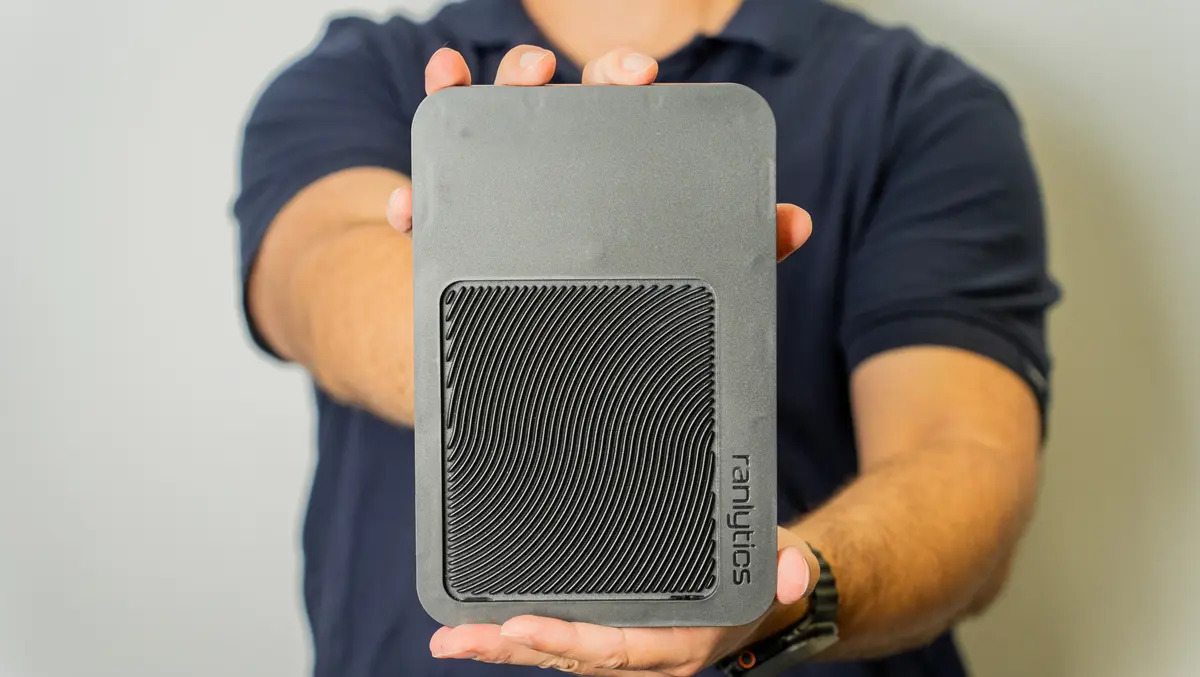
Ranlytics adds P25 monitoring to KALLO network tester

In 60 seconds

Top move

A low-cost KALLO unit now monitors both cellular and P25 public-safety radio continuously, making in-building resilience checks affordable and operational rather than periodic; consider this a new deployable telemetry option for hospitals, stadiums and critical sites

Key takeaways

  • A low-cost KALLO unit now monitors both cellular and P25 public-safety radio continuously, making in-building resilience checks affordable and operational rather than periodic; consider this a new deployable telemetry option for hospitals, stadiums and critical sites.[1]
  • Ransomware remains extensive but mostly undisclosed: a recent report shows thousands of incidents, widespread data exfiltration and large average volumes stolen, which raises real exposure for suppliers and buyer data held by third parties.[2]
  • AI is detecting issues in production but organisations still stop short of granting automated remediation authority; procurement should bake human-validation, traceability and rollback triggers into managed‑service and tooling contracts.[3]
  • Coding agents (Codex) can now run inside Chrome with access to signed‑in sessions — that expands the attack surface for enterprise developer tooling and changes how browser-access permissions should be tendered and controlled.[4]
  • Taken together these items shift attention toward continuous telemetry, stricter incident disclosure/backup clauses, and clearer contractual controls for agentic AI and developer extensions in procurement evaluations.[1]

What changed since last run

  • Added a practical, low-cost continuous monitoring option for P25/public-safety and cellular inside buildings (Ranlytics KALLO) that was not in the prior brief.
  • New ransomware analysis (BlackFog) emphasises undisclosed incidents and high-volume data exfiltration, increasing the case for stronger disclosure and backup immutability clauses.
  • OpenAI expanded Codex with a Chrome extension enabling signed-in browser workflows, surfacing fresh procurement controls for developer agent tooling.

Key facts

  • KALLO now supports both cellular and P25 public‑safety radio
  • Positioned for buildings, hospitals and stadiums with cloud analytics
  • Designed as a low‑cost, automated 'set and forget' monitoring device
  • 2,160 undisclosed ransomware incidents reported in the quarter
  • 264 publicly disclosed incidents; data exfiltration in 96% of cases
  • Average volume stolen reported as 743GB in undisclosed incidents

Why it matters

A low-cost KALLO unit now monitors both cellular and P25 public-safety radio continuously, making in-building resilience checks affordable and operational rather than periodic; consider this a new deployable telemetry option for hospitals, stadiums and critical sites. Ransomware remains extensive but mostly undisclosed: a recent report shows thousands of incidents, widespread data exfiltration and large average volumes stolen, which raises real exposure for suppliers and buyer data held by third parties. AI is detecting issues in production but organisations still stop short of granting automated remediation authority; procurement should bake human-validation, traceability and rollback triggers into managed‑service and tooling contracts. Coding agents (Codex) can now run inside Chrome with access to signed‑in sessions — that expands the attack surface for enterprise developer tooling and changes how browser-access permissions should be tendered and controlled

Cost / money

  • Moving from periodic manual coverage checks to continuous set‑and‑forget devices can reallocate budget from expensive on‑site drive tests to lower‑cost telemetry OPEX, changing supplier sourcing and maintenance assumptions.[1]
  • Undisclosed ransomware and large data exfiltration increase potential recovery, forensic and insurance costs for buyers and their suppliers; expect higher commercial pressure on incident response SLAs and cost‑sharing terms.[2]

Supplier / commercial

  • Monitoring vendors that bundle edge devices with cloud analytics may seek managed‑service upsell and longer support contracts once buyers prefer continuous telemetry over ad‑hoc checks.[1]
  • Providers offering AI‑driven operations may push for broader access and longer pilot windows; procurement should anticipate negotiation on auditability, human‑in‑loop controls and acceptance gates.[3]

Safety / operations

  • Continuous P25 and cellular monitoring makes in‑building public‑safety coverage an operational dependency; site owners (hospitals, stadiums) will need defined alert-to‑response paths and supplier escalation SLAs.[1]
  • The prevalence of data exfiltration in ransomware incidents means operations must validate backup immutability, restore playbooks and third‑party access controls rather than assuming backups are sufficient.[2]

What to watch

  • Developer agent extensions that run in browsers with signed‑in sessions create new data‑exposure vectors; watch supplier proposals that request browser-level permissions without clear controls.[4]
  • Vendors may market fully autonomous remediation as a product differentiator even where customers lack trust; watch for contract language that shifts rollback or human‑validation responsibility to the buyer.[3]

Top stories

Story 1SecurityBrief Australia

Ranlytics adds P25 monitoring to KALLO network tester

Signal strongSource-grounded

What happened

Ranlytics added P25 public‑safety radio monitoring to its KALLO network tester, extending continuous monitoring from cellular into mission‑critical radio used by police, ambulance and fire services. The compact, low‑cost device pairs with cloud analytics and is intended for buildings like hospitals and stadiums where ongoing visibility matters rather than periodic manual checks. Watch whether buyers adopt this as a replacement for drive‑tests and how suppliers price bundled analytics and managed monitoring

Buyer takeaway

This is an operationally real telemetry option: low unit cost and automation make wider deployment feasible and shift the decision from occasional audits to continuous monitoring budgets

Cost / money

Directionally reduces the per‑site monitoring cost versus labour‑intensive checks, which can free OPEX for analytics and managed‑service fees

Supplier / commercial

Vendors may push bundled analytics or managed monitoring contracts; expect proposals that combine device supply with recurring cloud/alerting fees

Safety / operations

Continuous P25 monitoring creates a new operational dependency — integrate alerts with on‑call and supplier escalation SLAs for public‑safety sites

What to watch

Confirm device accuracy and false‑positive rates in operational conditions and whether proof‑of‑coverage signals meet insurance or occupancy approval requirements

Key facts

  • KALLO now supports both cellular and P25 public‑safety radio
  • Positioned for buildings, hospitals and stadiums with cloud analytics
  • Designed as a low‑cost, automated 'set and forget' monitoring device

Source excerpts

"With KALLO, rather than having infrequent check-points, building owners and tenants can maintain continuous visibility of coverage and be made aware of any degradation or issue quickly so it can be rectified. " Cost and scale One of the main challenges in building the product was reducing the cost enough to allow wider deployment
Ranlytics has added P25 public safety radio monitoring to its KALLO network testing device, enabling continuous monitoring of both cellular and P25 networks
" Cost and scale One of the main challenges in building the product was reducing the cost enough to allow wider deployment
Story 2SecurityBrief Australia

BlackFog says only one in nine ransomware attacks go public

Signal strongSource-grounded

What happened

BlackFog's quarterly report found a large majority of ransomware incidents are not publicly disclosed, with many attacks including data exfiltration and significant average volumes taken. The report highlights sector impacts (healthcare, government, tech) and shows data exfiltration is present in most incidents, making undisclosed events a major hidden exposure for buyers and suppliers. Watch for supplier reluctance to disclose incidents and for contract language that fails to address third‑party data loss

Buyer takeaway

Treat undisclosed incident prevalence as a contractual risk — require clear disclosure timelines, forensic cooperation and restoration commitments from suppliers

Cost / money

Raises likely incident recovery and insurance exposure; buyers should expect to negotiate shared forensic and restoration cost responsibilities

Supplier / commercial

Suppliers will try to limit contractual liability and disclosure obligations; procurement should push for visibility and service credits tied to response performance

Safety / operations

High data exfiltration rates mean backups alone aren't enough — validate immutability, offline restores and zero‑trust access controls for supplier‑managed data

What to watch

Watch for suppliers that claim 'no recent incidents' without independent attestations; treat non‑disclosure as a red flag during renewal

Key facts

  • 2,160 undisclosed ransomware incidents reported in the quarter
  • 264 publicly disclosed incidents; data exfiltration in 96% of cases
  • Average volume stolen reported as 743GB in undisclosed incidents

Source excerpts

Data exfiltration featured in 96% of attacks during the quarter, a level BlackFog described as critically high. The average volume of data stolen in each undisclosed incident reached 743GB
Data theft BlackFog's findings suggest data theft remains central to ransomware operations
The report drew in part on data collected through BlackFog's console across hundreds of organisations. The analysis covered endpoint data movement and focused on incidents that either led to ransomware or increased the risk of a data breach
Story 3SecurityBrief Australia

Why trust is the bottleneck for AI-driven operations

Signal moderateSource-grounded

What happened

A trends report shows AI is already spotting risks and correlating telemetry in production but most organisations stop short of allowing autonomous remediation because they don't trust the systems. The key operational detail is that trust, transparency and defined boundaries — not capability — are the main barriers to granting AI authority. Watch supplier pilots to see whether they deliver traceable decision logs and explicit rollback mechanisms

Buyer takeaway

Require human‑in‑loop controls, traceable decision logs and acceptance gates when buying AI‑enabled ops or managed‑service offerings

Cost / money

AI can lower incident OPEX, but only if contracts capture measurable performance and validation rights that justify pass‑throughs or premium fees

Supplier / commercial

Vendors will push for broader autonomy in pilots; procurement can use acceptance gates and staged rights to limit commercial exposure

Safety / operations

Operational safety improves only when decisions are transparent and reversible; ensure contracts mandate rollback and escalation processes

What to watch

Beware vendors offering 'autonomous remediation' without audit logs or human‑validation options in the SLA

Key facts

  • Report: AI detects anomalies across hybrid and multi‑cloud but rarely given remedial authority
  • High telemetry volumes make manual analysis impractical; trust is the limiting factor
  • High‑performing teams integrate AI with clear traceability and shared ownership

Source excerpts

AI-driven operations underpin broader initiatives such as cloud expansion and digital services
The shift from reactive troubleshooting to predictive and autonomous operations is already underway. Most organisations are not held back by tooling or technical capability
The constraint is trust
Story 4SecurityBrief Australia

OpenAI adds Chrome extension to Codex as Australia surges

Signal moderateSource-grounded

What happened

OpenAI released a Chrome extension for Codex that lets the coding agent run inside the browser using the user's signed‑in session, enabling workflows across sites like Gmail, Salesforce and internal tools. The important detail is that the extension can access sessioned resources and perform multi‑tab tasks in the background, which changes how enterprise permissions and developer tooling must be controlled. Watch for vendor requests for browser permissions and for supplier attestations about session scoping and logs

Buyer takeaway

Treat browser‑hosted coding agents like a new class of privileged tool — enforce least‑privilege, explicit permissions and logging before approval

Cost / money

May push additional compliance and vendor‑control costs to manage session access, logging and data handling requirements

Supplier / commercial

Vendors will request broader access to be useful; procurement should insist on scoping statements, allowed domains and revocation mechanisms

Safety / operations

Agent access to signed‑in sessions raises operational risk for sensitive systems; require testing and controls before use in production environments

What to watch

Watch proposals that lack explicit session‑scoping, audit trails or revocation controls for browser extensions

Key facts

  • Codex Chrome extension enables background tasks using signed‑in browser state
  • Extension groups tasks into Chrome tab groups and can access sites like Gmail or Salesforce
  • OpenAI reports multi‑fold adoption growth in Australia for consumer and enterprise users

Source excerpts

Data controls Browser history can contain sensitive telemetry, internal URLs, search terms and activity from Chrome sessions on signed-in devices. If users let Codex access browser history, relevant entries can become part of the context it uses for a task
Data controls Browser history can contain sensitive telemetry, internal URLs, search terms and activity from Chrome sessions on signed-in devices
Browser access The Chrome extension is intended for tasks that need access to websites where a user is already signed in

VP Snapshot

Executive Risk & Action View

A low-cost KALLO unit now monitors both cellular and P25 public-safety radio continuously, making in-building resilience checks affordable and operational rather than periodic; consider this a new deployable telemetry option for hospitals, stadiums and critical sites.

Overall
74
Cost
61
Supply
25
Schedule
20
Compliance
15

Top signals

30-180dcost

Signal 1: Cost / money

Moving from periodic manual coverage checks to continuous set‑and‑forget devices can reallocate budget from expensive on‑site drive tests to lower‑cost telemetry OPEX, changing supplier sourcing and maintenance assumptions.

Signal 2: Cost / money

Undisclosed ransomware and large data exfiltration increase potential recovery, forensic and insurance costs for buyers and their suppliers; expect higher commercial pressure on incident response SLAs and cost‑sharing terms.

180d+commercial

Signal 3: Supplier / commercial

Monitoring vendors that bundle edge devices with cloud analytics may seek managed‑service upsell and longer support contracts once buyers prefer continuous telemetry over ad‑hoc checks.

Signal 4: Supplier / commercial

Providers offering AI‑driven operations may push for broader access and longer pilot windows; procurement should anticipate negotiation on auditability, human‑in‑loop controls and acceptance gates.

30-180dsupplier

Signal 5: Safety / operations

Continuous P25 and cellular monitoring makes in‑building public‑safety coverage an operational dependency; site owners (hospitals, stadiums) will need defined alert-to‑response paths and supplier escalation SLAs.

Signal 6: Safety / operations

The prevalence of data exfiltration in ransomware incidents means operations must validate backup immutability, restore playbooks and third‑party access controls rather than assuming backups are sufficient.

Recommended actions

CategoryDue 3d

Map critical sites (hospitals, stadiums, key office buildings) where public‑safety radio or in‑building cellular coverage is contractually relevant.

Prioritised list of sites and recommended monitoring spec for pilot procurement

ContractsDue 3d

Ask critical suppliers for current incident disclosure timelines, backup immutability proofs, and their forensic engagement process.

Documented supplier commitments to disclosure and forensic support ready to attach to renewals

ContractsDue 21d

Add human‑validation, traceable decision logs and rollback clauses to SOWs or SLAs for AI‑driven operations and managed‑service pilots.

SLA addendum with human‑in‑loop and audit requirements to apply to upcoming renewals and pilots

OpsDue 21d

Run a one‑site pilot deploying continuous P25/cellular monitoring and integrate its alerts into the on‑call and supplier escalation chain.

Pilot report showing alert performance, integration effort and recommended procurement model for roll‑out

CategoryDue 60d

Define procurement controls for developer AI agents and browser extensions: require least‑privilege, session‑scoping, logging and vendor attestations before approval.

Procurement checklist and contract clauses for agentic developer tools ready for RFX and supplier evaluations

ContractsDue 60d

Negotiate stronger backup immutability and incident cost allocations into renewals for cloud backup and MSP contracts.

Updated contract language specifying immutability proofs, restoration obligations and cost‑sharing for incident response

Risk register

RiskTriggerMitigation
Developer agent extensions that run in browsers with signed‑in sessions create new data‑exposure vectors; watch supplier proposals that request browser-level permissions without clear controls.Developer agent extensions that run in browsers with signed‑in sessions create new data‑exposure vectors; watch supplier proposals that request browser-level permissions without clear controls.Confirm exposure with category, contracts, and operations before the next supplier commitment.
Vendors may market fully autonomous remediation as a product differentiator even where customers lack trust; watch for contract language that shifts rollback or human‑validation responsibility to the buyer.Vendors may market fully autonomous remediation as a product differentiator even where customers lack trust; watch for contract language that shifts rollback or human‑validation responsibility to the buyer.Confirm exposure with category, contracts, and operations before the next supplier commitment.

CM Snapshot

Category Manager Decision Detail

Today's priorities

Map critical sites (hospitals, stadiums, key office buildings) where public‑safety radio or in‑building cellular coverage is contractually relevant.

because Ranlytics' low‑cost continuous KALLO monitoring makes a practical telemetry option and you need a prioritized site list before seeking pilots or specifications.

Due 3d

high

CM move

Use this as the immediate supplier or contract action to move before the next sourcing gate.

Ask critical suppliers for current incident disclosure timelines, backup immutability proofs, and their forensic engagement process.

because the BlackFog report shows many attacks remain undisclosed and data exfiltration is common, and buyers need explicit disclosure and response commitments.

Due 3d

high

CM move

Use this as the immediate supplier or contract action to move before the next sourcing gate.

Add human‑validation, traceable decision logs and rollback clauses to SOWs or SLAs for AI‑driven operations and managed‑service pilots.

because organisations stop short of granting autonomous remediation and contracts must enforce transparency, auditability and clear escalation gates.

Due 21d

high

CM move

Use this as the immediate supplier or contract action to move before the next sourcing gate.

Run a one‑site pilot deploying continuous P25/cellular monitoring and integrate its alerts into the on‑call and supplier escalation chain.

because KALLO is designed for automated, low‑cost deployment and testing in a single operational environment will show integration effort and alert fidelity.

Due 21d

high

CM move

Use this as the immediate supplier or contract action to move before the next sourcing gate.

Supplier radar

SecurityBrief Australia

high

Observed supplier signal

Monitoring vendors that bundle edge devices with cloud analytics may seek managed‑service upsell and longer support contracts once buyers prefer continuous telemetry over ad‑hoc checks.

Commercial implication

Monitoring vendors that bundle edge devices with cloud analytics may seek managed‑service upsell and longer support contracts once buyers prefer continuous telemetry over ad‑hoc checks.

Next step: Validate the source-backed signal with incumbents and alternates before the next award or pricing decision.

SecurityBrief Australia

high

Observed supplier signal

Providers offering AI‑driven operations may push for broader access and longer pilot windows; procurement should anticipate negotiation on auditability, human‑in‑loop controls and acceptance gates.

Commercial implication

Providers offering AI‑driven operations may push for broader access and longer pilot windows; procurement should anticipate negotiation on auditability, human‑in‑loop controls and acceptance gates.

Next step: Validate the source-backed signal with incumbents and alternates before the next award or pricing decision.

Negotiation levers

Map critical sites (hospitals, stadiums, key office buildings) where public‑safety radio or in‑building cellular coverage is contractually relevant.

When to use: because Ranlytics' low‑cost continuous KALLO monitoring makes a practical telemetry option and you need a prioritized site list before seeking pilots or specifications.

Expected outcome: Prioritised list of sites and recommended monitoring spec for pilot procurement

Commercial mechanism to carry into the next supplier conversation

Ask critical suppliers for current incident disclosure timelines, backup immutability proofs, and their forensic engagement process.

When to use: because the BlackFog report shows many attacks remain undisclosed and data exfiltration is common, and buyers need explicit disclosure and response commitments.

Expected outcome: Documented supplier commitments to disclosure and forensic support ready to attach to renewals

Commercial mechanism to carry into the next supplier conversation

Add human‑validation, traceable decision logs and rollback clauses to SOWs or SLAs for AI‑driven operations and managed‑service pilots.

When to use: because organisations stop short of granting autonomous remediation and contracts must enforce transparency, auditability and clear escalation gates.

Expected outcome: SLA addendum with human‑in‑loop and audit requirements to apply to upcoming renewals and pilots

Commercial mechanism to carry into the next supplier conversation

Run a one‑site pilot deploying continuous P25/cellular monitoring and integrate its alerts into the on‑call and supplier escalation chain.

When to use: because KALLO is designed for automated, low‑cost deployment and testing in a single operational environment will show integration effort and alert fidelity.

Expected outcome: Pilot report showing alert performance, integration effort and recommended procurement model for roll‑out

Commercial mechanism to carry into the next supplier conversation

Talking points

A low-cost KALLO unit now monitors both cellular and P25 public-safety radio continuously, making in-building resilience checks affordable and operational rather than periodic; consider this a new deployable telemetry option for hospitals, stadiums and critical sites.
Ransomware remains extensive but mostly undisclosed: a recent report shows thousands of incidents, widespread data exfiltration and large average volumes stolen, which raises real exposure for suppliers and buyer data held by third parties.
AI is detecting issues in production but organisations still stop short of granting automated remediation authority; procurement should bake human-validation, traceability and rollback triggers into managed‑service and tooling contracts.
Coding agents (Codex) can now run inside Chrome with access to signed‑in sessions — that expands the attack surface for enterprise developer tooling and changes how browser-access permissions should be tendered and controlled.

Supplier radar

SupplierSignalImplicationNext stepConfidence
SecurityBrief AustraliaMonitoring vendors that bundle edge devices with cloud analytics may seek managed‑service upsell and longer support contracts once buyers prefer continuous telemetry over ad‑hoc checks.Monitoring vendors that bundle edge devices with cloud analytics may seek managed‑service upsell and longer support contracts once buyers prefer continuous telemetry over ad‑hoc checks.Validate the source-backed signal with incumbents and alternates before the next award or pricing decision.high
SecurityBrief AustraliaProviders offering AI‑driven operations may push for broader access and longer pilot windows; procurement should anticipate negotiation on auditability, human‑in‑loop controls and acceptance gates.Providers offering AI‑driven operations may push for broader access and longer pilot windows; procurement should anticipate negotiation on auditability, human‑in‑loop controls and acceptance gates.Validate the source-backed signal with incumbents and alternates before the next award or pricing decision.high

Negotiation levers

  • Map critical sites (hospitals, stadiums, key office buildings) where public‑safety radio or in‑building cellular coverage is contractually relevant.because Ranlytics' low‑cost continuous KALLO monitoring makes a practical telemetry option and you need a prioritized site list before seeking pilots or specifications.Prioritised list of sites and recommended monitoring spec for pilot procurement

    high confidence

  • Ask critical suppliers for current incident disclosure timelines, backup immutability proofs, and their forensic engagement process.because the BlackFog report shows many attacks remain undisclosed and data exfiltration is common, and buyers need explicit disclosure and response commitments.Documented supplier commitments to disclosure and forensic support ready to attach to renewals

    high confidence

  • Add human‑validation, traceable decision logs and rollback clauses to SOWs or SLAs for AI‑driven operations and managed‑service pilots.because organisations stop short of granting autonomous remediation and contracts must enforce transparency, auditability and clear escalation gates.SLA addendum with human‑in‑loop and audit requirements to apply to upcoming renewals and pilots

    high confidence

  • Run a one‑site pilot deploying continuous P25/cellular monitoring and integrate its alerts into the on‑call and supplier escalation chain.because KALLO is designed for automated, low‑cost deployment and testing in a single operational environment will show integration effort and alert fidelity.Pilot report showing alert performance, integration effort and recommended procurement model for roll‑out

    high confidence

What to do / What to watch

What to do now

  • Map critical sites (hospitals, stadiums, key office buildings) where public‑safety radio or in‑building cellular coverage is contractually relevant.

    Why: because Ranlytics' low‑cost continuous KALLO monitoring makes a practical telemetry option and you need a prioritized site list before seeking pilots or specifications.

    Owner: Category

    Expected outcome: Prioritised list of sites and recommended monitoring spec for pilot procurement

    [1]
  • Ask critical suppliers for current incident disclosure timelines, backup immutability proofs, and their forensic engagement process.

    Why: because the BlackFog report shows many attacks remain undisclosed and data exfiltration is common, and buyers need explicit disclosure and response commitments.

    Owner: Contracts

    Expected outcome: Documented supplier commitments to disclosure and forensic support ready to attach to renewals

    [2]

Next few weeks

  • Add human‑validation, traceable decision logs and rollback clauses to SOWs or SLAs for AI‑driven operations and managed‑service pilots.

    Why: because organisations stop short of granting autonomous remediation and contracts must enforce transparency, auditability and clear escalation gates.

    Owner: Contracts

    Expected outcome: SLA addendum with human‑in‑loop and audit requirements to apply to upcoming renewals and pilots

    [3]
  • Run a one‑site pilot deploying continuous P25/cellular monitoring and integrate its alerts into the on‑call and supplier escalation chain.

    Why: because KALLO is designed for automated, low‑cost deployment and testing in a single operational environment will show integration effort and alert fidelity.

    Owner: Ops

    Expected outcome: Pilot report showing alert performance, integration effort and recommended procurement model for roll‑out

    [1]

Longer view

  • Define procurement controls for developer AI agents and browser extensions: require least‑privilege, session‑scoping, logging and vendor attestations before approval.

    Why: because Codex's Chrome extension can access signed‑in sessions and developer tooling that runs in browsers expands data access risks unless constrained contractually.

    Owner: Category

    Expected outcome: Procurement checklist and contract clauses for agentic developer tools ready for RFX and supplier evaluations

    [4]
  • Negotiate stronger backup immutability and incident cost allocations into renewals for cloud backup and MSP contracts.

    Why: because the scale and volume of data exfiltration in recent ransomware reporting increases the buyer's exposure and requires clear cost and restoration responsibilities.

    Owner: Contracts

    Expected outcome: Updated contract language specifying immutability proofs, restoration obligations and cost‑sharing for incident response

    [2]

What to watch

  • Developer agent extensions that run in browsers with signed‑in sessions create new data‑exposure vectors; watch supplier proposals that request browser-level permissions without clear controls
  • Vendors may market fully autonomous remediation as a product differentiator even where customers lack trust; watch for contract language that shifts rollback or human‑validation responsibility to the buyer
  • Developer agent extensions that run in browsers with signed‑in sessions create new data‑exposure vectors; watch supplier proposals that request browser-level permissions without clear controls.: Developer agent extensions that run in browsers with signed‑in sessions create new data‑exposure vectors; watch supplier proposals that request browser-level permissions without clear controls
  • Vendors may market fully autonomous remediation as a product differentiator even where customers lack trust; watch for contract language that shifts rollback or human‑validation responsibility to the buyer.: Vendors may market fully autonomous remediation as a product differentiator even where customers lack trust; watch for contract language that shifts rollback or human‑validation responsibility to the buyer
  • A low-cost KALLO unit now monitors both cellular and P25 public-safety radio continuously, making in-building resilience checks affordable and operational rather than periodic; consider this a new deployable telemetry option for hospitals, stadiums and critical sites
  • Ransomware remains extensive but mostly undisclosed: a recent report shows thousands of incidents, widespread data exfiltration and large average volumes stolen, which raises real exposure for suppliers and buyer data held by third parties
  • AI is detecting issues in production but organisations still stop short of granting automated remediation authority; procurement should bake human-validation, traceability and rollback triggers into managed‑service and tooling contracts
  • Coding agents (Codex) can now run inside Chrome with access to signed‑in sessions — that expands the attack surface for enterprise developer tooling and changes how browser-access permissions should be tendered and controlled

Market pulse

IndexLatestChangeAs of
Palo Alto (PANW)320 +0.00 (+0.00%)May 9, 2026, 10:09 PM
CrowdStrike (CRWD)285 +0.00 (+0.00%)May 9, 2026, 10:09 PM
Zscaler (ZS)195 +0.00 (+0.00%)May 9, 2026, 10:09 PM
Fortinet (FTNT)72 +0.00 (+0.00%)May 9, 2026, 10:09 PM
  • Palo Alto: Network security appliance demand and telemetry integration remain relevant procurement signals for network and in‑building protection
  • CrowdStrike: Endpoint and detection posture remain procurement priorities given ransomware prevalence and undisclosed incidents

Sources

Inline citations jump here. Expand a source to read the excerpt, the AI interpretation, and the original link.

[1] Ranlytics adds P25 monitoring to KALLO network tester

securitybrief.com.au · n.d.

Expand

AI reading

Ranlytics added P25 public‑safety radio monitoring to its KALLO network tester, extending continuous monitoring from cellular into mission‑critical radio used by police, ambulance and fire services. The compact, low‑cost device pairs with cloud analytics and is intended for buildings like hospitals and stadiums where ongoing visibility matters rather than periodic manual checks. Watch whether buyers adopt this as a replacement for drive‑tests and how suppliers price bundled analytics and managed monitoring

Buyer takeaway

This is an operationally real telemetry option: low unit cost and automation make wider deployment feasible and shift the decision from occasional audits to continuous monitoring budgets

Cost / money

Directionally reduces the per‑site monitoring cost versus labour‑intensive checks, which can free OPEX for analytics and managed‑service fees

Supplier / commercial

Vendors may push bundled analytics or managed monitoring contracts; expect proposals that combine device supply with recurring cloud/alerting fees

Safety / operations

Continuous P25 monitoring creates a new operational dependency — integrate alerts with on‑call and supplier escalation SLAs for public‑safety sites

What to watch

Confirm device accuracy and false‑positive rates in operational conditions and whether proof‑of‑coverage signals meet insurance or occupancy approval requirements

Key facts

  • KALLO now supports both cellular and P25 public‑safety radio
  • Positioned for buildings, hospitals and stadiums with cloud analytics
  • Designed as a low‑cost, automated 'set and forget' monitoring device

Source excerpts

"With KALLO, rather than having infrequent check-points, building owners and tenants can maintain continuous visibility of coverage and be made aware of any degradation or issue quickly so it can be rectified. " Cost and scale One of the main challenges in building the product was reducing the cost enough to allow wider deployment
Ranlytics has added P25 public safety radio monitoring to its KALLO network testing device, enabling continuous monitoring of both cellular and P25 networks
" Cost and scale One of the main challenges in building the product was reducing the cost enough to allow wider deployment

Used in this brief

  • Cost / money: Moving from periodic manual coverage checks to continuous set‑and‑forget devices can reallocate budget from expensive on‑site drive tests to lower‑cost telemetry OPEX, changing supplier sourcing and maintenance assumptions
  • Safety / operations: Continuous P25 and cellular monitoring makes in‑building public‑safety coverage an operational dependency; site owners (hospitals, stadiums) will need defined alert-to‑response paths and supplier escalation SLAs
  • Next 72 hours — Map critical sites (hospitals, stadiums, key office buildings) where public‑safety radio or in‑building cellular coverage is contractually relevant.. Rationale: because Ranlytics' low‑cost continuous KALLO monitoring makes a practical telemetry option and you need a prioritized site list before seeking pilots or specifications.. Owner: Category. KPI: Prioritised list of sites and recommended monitoring spec for pilot procurement
Open original source

[2] BlackFog says only one in nine ransomware attacks go public

securitybrief.com.au · n.d.

Expand

AI reading

BlackFog's quarterly report found a large majority of ransomware incidents are not publicly disclosed, with many attacks including data exfiltration and significant average volumes taken. The report highlights sector impacts (healthcare, government, tech) and shows data exfiltration is present in most incidents, making undisclosed events a major hidden exposure for buyers and suppliers. Watch for supplier reluctance to disclose incidents and for contract language that fails to address third‑party data loss

Buyer takeaway

Treat undisclosed incident prevalence as a contractual risk — require clear disclosure timelines, forensic cooperation and restoration commitments from suppliers

Cost / money

Raises likely incident recovery and insurance exposure; buyers should expect to negotiate shared forensic and restoration cost responsibilities

Supplier / commercial

Suppliers will try to limit contractual liability and disclosure obligations; procurement should push for visibility and service credits tied to response performance

Safety / operations

High data exfiltration rates mean backups alone aren't enough — validate immutability, offline restores and zero‑trust access controls for supplier‑managed data

What to watch

Watch for suppliers that claim 'no recent incidents' without independent attestations; treat non‑disclosure as a red flag during renewal

Key facts

  • 2,160 undisclosed ransomware incidents reported in the quarter
  • 264 publicly disclosed incidents; data exfiltration in 96% of cases
  • Average volume stolen reported as 743GB in undisclosed incidents

Source excerpts

Data exfiltration featured in 96% of attacks during the quarter, a level BlackFog described as critically high. The average volume of data stolen in each undisclosed incident reached 743GB
Data theft BlackFog's findings suggest data theft remains central to ransomware operations
The report drew in part on data collected through BlackFog's console across hundreds of organisations. The analysis covered endpoint data movement and focused on incidents that either led to ransomware or increased the risk of a data breach

Used in this brief

  • Cost / money: Undisclosed ransomware and large data exfiltration increase potential recovery, forensic and insurance costs for buyers and their suppliers; expect higher commercial pressure on incident response SLAs and cost‑sharing terms
  • Safety / operations: The prevalence of data exfiltration in ransomware incidents means operations must validate backup immutability, restore playbooks and third‑party access controls rather than assuming backups are sufficient
  • Next 72 hours — Ask critical suppliers for current incident disclosure timelines, backup immutability proofs, and their forensic engagement process.. Rationale: because the BlackFog report shows many attacks remain undisclosed and data exfiltration is common, and buyers need explicit disclosure and response commitments.. Owner: Contracts. KPI: Documented supplier commitments to disclosure and forensic support ready to attach to renewals
Open original source

[3] Why trust is the bottleneck for AI-driven operations

securitybrief.com.au · n.d.

Expand

AI reading

A trends report shows AI is already spotting risks and correlating telemetry in production but most organisations stop short of allowing autonomous remediation because they don't trust the systems. The key operational detail is that trust, transparency and defined boundaries — not capability — are the main barriers to granting AI authority. Watch supplier pilots to see whether they deliver traceable decision logs and explicit rollback mechanisms

Buyer takeaway

Require human‑in‑loop controls, traceable decision logs and acceptance gates when buying AI‑enabled ops or managed‑service offerings

Cost / money

AI can lower incident OPEX, but only if contracts capture measurable performance and validation rights that justify pass‑throughs or premium fees

Supplier / commercial

Vendors will push for broader autonomy in pilots; procurement can use acceptance gates and staged rights to limit commercial exposure

Safety / operations

Operational safety improves only when decisions are transparent and reversible; ensure contracts mandate rollback and escalation processes

What to watch

Beware vendors offering 'autonomous remediation' without audit logs or human‑validation options in the SLA

Key facts

  • Report: AI detects anomalies across hybrid and multi‑cloud but rarely given remedial authority
  • High telemetry volumes make manual analysis impractical; trust is the limiting factor
  • High‑performing teams integrate AI with clear traceability and shared ownership

Source excerpts

AI-driven operations underpin broader initiatives such as cloud expansion and digital services
The shift from reactive troubleshooting to predictive and autonomous operations is already underway. Most organisations are not held back by tooling or technical capability
The constraint is trust

Used in this brief

  • Supplier / commercial: Providers offering AI‑driven operations may push for broader access and longer pilot windows; procurement should anticipate negotiation on auditability, human‑in‑loop controls and acceptance gates
  • Next 2-4 weeks — Add human‑validation, traceable decision logs and rollback clauses to SOWs or SLAs for AI‑driven operations and managed‑service pilots.. Rationale: because organisations stop short of granting autonomous remediation and contracts must enforce transparency, auditability and clear escalation gates.. Owner: Contracts. KPI: SLA addendum with human‑in‑loop and audit requirements to apply to upcoming renewals and pilots
  • Vendors may market fully autonomous remediation as a product differentiator even where customers lack trust; watch for contract language that shifts rollback or human‑validation responsibility to the buyer
Open original source

[4] OpenAI adds Chrome extension to Codex as Australia surges

securitybrief.com.au · n.d.

Expand

AI reading

OpenAI released a Chrome extension for Codex that lets the coding agent run inside the browser using the user's signed‑in session, enabling workflows across sites like Gmail, Salesforce and internal tools. The important detail is that the extension can access sessioned resources and perform multi‑tab tasks in the background, which changes how enterprise permissions and developer tooling must be controlled. Watch for vendor requests for browser permissions and for supplier attestations about session scoping and logs

Buyer takeaway

Treat browser‑hosted coding agents like a new class of privileged tool — enforce least‑privilege, explicit permissions and logging before approval

Cost / money

May push additional compliance and vendor‑control costs to manage session access, logging and data handling requirements

Supplier / commercial

Vendors will request broader access to be useful; procurement should insist on scoping statements, allowed domains and revocation mechanisms

Safety / operations

Agent access to signed‑in sessions raises operational risk for sensitive systems; require testing and controls before use in production environments

What to watch

Watch proposals that lack explicit session‑scoping, audit trails or revocation controls for browser extensions

Key facts

  • Codex Chrome extension enables background tasks using signed‑in browser state
  • Extension groups tasks into Chrome tab groups and can access sites like Gmail or Salesforce
  • OpenAI reports multi‑fold adoption growth in Australia for consumer and enterprise users

Source excerpts

Data controls Browser history can contain sensitive telemetry, internal URLs, search terms and activity from Chrome sessions on signed-in devices. If users let Codex access browser history, relevant entries can become part of the context it uses for a task
Data controls Browser history can contain sensitive telemetry, internal URLs, search terms and activity from Chrome sessions on signed-in devices
Browser access The Chrome extension is intended for tasks that need access to websites where a user is already signed in

Used in this brief

  • A low-cost KALLO unit now monitors both cellular and P25 public-safety radio continuously, making in-building resilience checks affordable and operational rather than periodic; consider this a new deployable telemetry option for hospitals, stadiums and critical sites. Ransomware remains extensive but mostly undisclosed: a recent report shows thousands of incidents, widespread data exfiltration and large average volumes stolen, which raises real exposure for suppliers and buyer data held by third parties. AI is detecting issues in production but organisations still stop short of granting automated remediation authority; procurement should bake human-validation, traceability and rollback triggers into managed‑service and tooling contracts. Coding agents (Codex) can now run inside Chrome with access to signed‑in sessions — that expands the attack surface for enterprise developer tooling and changes how browser-access permissions should be tendered and controlled
  • What to watch: Developer agent extensions that run in browsers with signed‑in sessions create new data‑exposure vectors; watch supplier proposals that request browser-level permissions without clear controls
  • Next quarter — Define procurement controls for developer AI agents and browser extensions: require least‑privilege, session‑scoping, logging and vendor attestations before approval.. Rationale: because Codex's Chrome extension can access signed‑in sessions and developer tooling that runs in browsers expands data access risks unless constrained contractually.. Owner: Category. KPI: Procurement checklist and contract clauses for agentic developer tools ready for RFX and supplier evaluations
Open original source

[5] Palo Alto

finance.yahoo.com · n.d.

Expand

[6] CrowdStrike

finance.yahoo.com · n.d.

Expand