Subsea, SURF & Offshore · Australia (Perth)

Address immediate SURF mobilisation and vessel availability risks in APAC

Published May 9, 2026, 6:06 AM AWSTAPACFull category signal
Ask AI
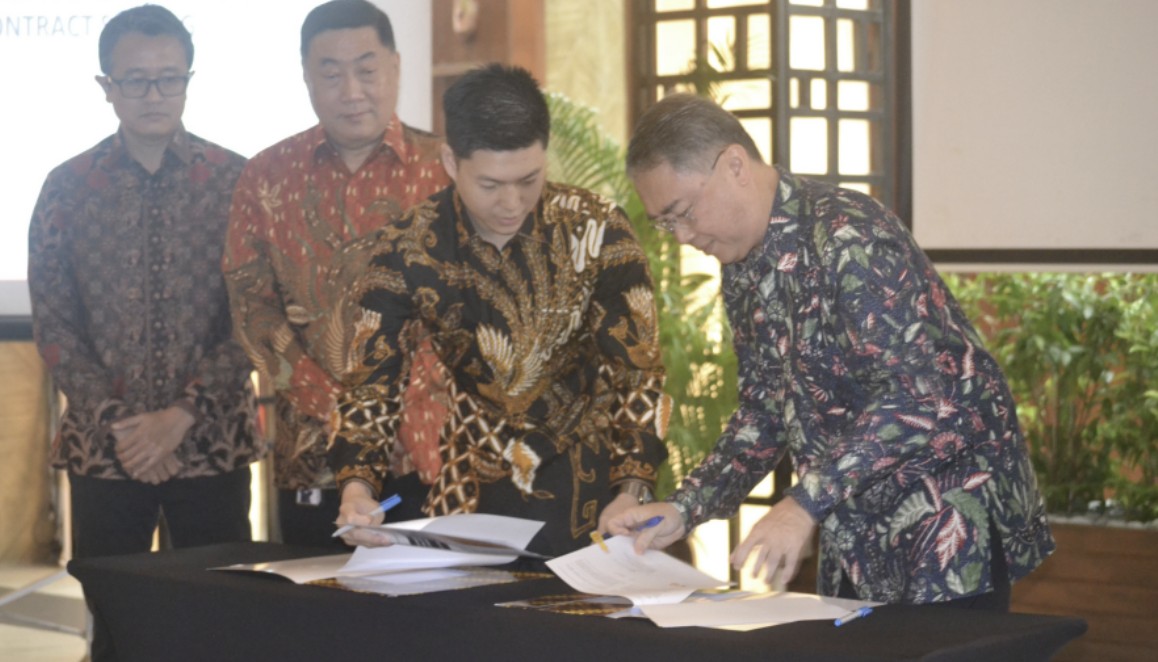
Local private firm to deliver SURF EPCI for Indonesian gas project

In 60 seconds

Top move

Confirmed SURF EPCI for the Indonesian Mako gas project creates near‑term local demand for fabrication, load‑out and offshore installation services that buyers must include in capacity planning

Key takeaways

  • Confirmed SURF EPCI for the Indonesian Mako gas project creates near‑term local demand for fabrication, load‑out and offshore installation services that buyers must include in capacity planning.[5]
  • Construction has started on two methanol‑ready, battery‑hybrid subsea vessels in Shenzhen — this expands future regional vessel options but does not relieve present mobilisation pressure.[4]
  • An MoU between ABS, HD Hyundai and Anduril signals early progress on certification and autonomy frameworks for unmanned/semiautonomous surface vessels that will change technical acceptance and cyber/connectivity requirements over time.[2]
  • Lloyd’s Register endorsement (AiP) for Wison’s internal-turret FPSO concept reduces technical uncertainty for standardized FPSO designs and may speed vendor selection for harsh‑environment floating production solutions.[1]
  • Naming of two new-generation LNG carriers for MISC is a limited operational signal for regional FPU and LNG logistics reliability but has only indirect relevance to SURF mobilisation and vessel charters.[3]

What changed since last run

  • New confirmed SURF EPCI award for the Mako gas project in Indonesia adds concrete local fabrication and offshore installation demand not present in the prior brief (article 1).
  • Olympic Subsea’s methanol‑ready subsea vessel construction in China provides a new future supply node for DP‑capable subsea workboats, updating vessel availability outlooks vs prior assumptions (article 4).
  • ABS–HD Hyundai–Anduril MoU introduces an early certification pathway for autonomous surface vessels that was not part of the previous watchlist and affects future contract and cyber clauses (article 6).

Key facts

  • Six development wells tied back to a leased MOPU
  • Design capacity noted at 172 mmscfd
  • ~59 km, 18‑inch export pipeline to adjoining platform
  • Keel laid for first vessel and first steel cut for second at CMHI Shenzhen
  • Delivery reported on track for summer 2027
  • Design follows Kongsberg Maritime UT7623 SEV sustainable energy vessel concept

Why it matters

Confirmed SURF EPCI for the Indonesian Mako gas project creates near‑term local demand for fabrication, load‑out and offshore installation services that buyers must include in capacity planning. Construction has started on two methanol‑ready, battery‑hybrid subsea vessels in Shenzhen — this expands future regional vessel options but does not relieve present mobilisation pressure. An MoU between ABS, HD Hyundai and Anduril signals early progress on certification and autonomy frameworks for unmanned/semiautonomous surface vessels that will change technical acceptance and cyber/connectivity requirements over time. Lloyd’s Register endorsement (AiP) for Wison’s internal-turret FPSO concept reduces technical uncertainty for standardized FPSO designs and may speed vendor selection for harsh‑environment floating production solutions

Cost / money

  • Local fabrication and EPCI scope for Mako shifts spend on subsea structures, umbilicals and load‑out to regional yards — expect procurement to absorb fabrication lead times into project budgets.[5]
  • New methanol‑ready subsea vessels reduce medium‑term exposure to charter scarcity, but current project windows remain constrained so near‑term day‑rate pressure is unaffected.[4]
  • LR AiP for Wison’s FPSO concept lowers frontend technical contingency, which can reduce contingency budget lines during FEED and shorten vendor selection cost uncertainty.[1]

Supplier / commercial

  • Local EPCI contractor involvement increases the chance suppliers will require mobilisation pass‑throughs and short quote validity as yards sequence load‑outs and installation windows.[5]
  • Shipbuilders and classification partners are moving on autonomy and dual‑fuel vessel specs, which will create new qualification criteria and may change bid weighting toward tech‑certified yards.[2]

Safety / operations

  • EPCI scopes that include risers, umbilicals and tie‑ins raise uptime dependency on inspection, ROV coverage and spares planning during hook‑up and early production; buyers should validate spares and inspection windows.[5][1]
  • Methanol‑ready and hybrid vessel designs change onboard fuel handling and battery safety profiles; contracting parties should confirm fuel‑switch procedures and battery emergency plans during mobilisations.[4]

What to watch

  • Watch whether Mako’s planned multi‑well tie‑backs compress installation windows and cause suppliers to shorten RFQ validity or demand pass‑throughs — this is an early commercial squeeze signal.[5]
  • Watch classification and certification outputs from the ABS–HD Hyundai–Anduril collaboration for specifics on cyber, autonomy assurance and acceptance tests that could create new contract tech gates.[2]

Top stories

Story 1Offshore EnergyMay 8, 2026

Local private firm to deliver SURF EPCI for Indonesian gas project

Signal strongSource-grounded

What happened

A local private firm (Timas) has been appointed to deliver SURF EPCI for the Mako gas project in the Natuna Sea. The contract covers fabrication, coating, inspection, load‑out, transport and offshore installation for flowlines, risers, umbilicals and subsea structures tied back to a leased MOPU. Watch whether yard load‑out timing and multi‑well tie‑ins force suppliers to shorten quote validity or demand mobilisation pass‑throughs

Buyer takeaway

This is a real, actionable demand signal for APAC SURF buyers — local fabrication plus offshore installation creates hard sequencing needs that affect vessel and yard bookings

Cost / money

Directional increase in mobilisation and sequencing costs: yard lead time and offshore installation windows will reduce buyer flexibility on price and timing

Supplier / commercial

Expect suppliers and yards to insist on mobilisation pass‑throughs, short RFQ validity and firm load‑out dates; plan clauses accordingly

Safety / operations

Higher uptime dependency on ROVs, tie‑in sequencing and spares during commissioning; buyers must validate inspection and contingency spares before award

What to watch

Watch for compressed load‑out schedules and tightened RFQ windows; confirm yard availability and provisional holds before final awards

Key facts

  • Six development wells tied back to a leased MOPU
  • Design capacity noted at 172 mmscfd
  • ~59 km, 18‑inch export pipeline to adjoining platform

Source excerpts

5%) and Coro Energy (15%), secured a final investment decision (FID) in March for the Mako gas project in the Natuna Sea. The project will initially comprise six development wells tied back to a leased mobile offshore production unit (MOPU), with a design capacity of 172 mmscfd
Home Fossil Energy Local private firm to deliver SURF EPCI for Indonesian gas project May 8, 2026, by West Natuna Exploration Limited (WNEL), a majority-owned subsidiary of Singapore-headquartered natural gas exploration and development company Conrad Asia Energy, has awarded Indonesian Timas Suplindo with an engineering, procurement, construction, and installation (EPCI) contract for the subsea umbilical, flowline, and riser (SURF) scope at its natural gas field off the coast of Indonesia
Furthermore, the company shall fabricate, assemble, coat, inspect and test subsea structures and associated SURF components, load out, transport and install flowlines, export pipeline, subsea structures, risers, umbilical, and tie-ins offshore, and finally perform pre-commissioning activities, including cleaning, gauging, hydrotesting, dewatering, and leak testing, and provide support to WNEL during commissioning and start-up. Conrad’s Managing Director and Chief Executive Officer, Miltos Xynogalas, said: “Sec
Story 2Offshore EnergyMay 8, 2026

Olympic Subsea's methanol-ready vessel duo enters construction

Signal moderateDirectional

What happened

CMHI Shenzhen has started construction of two methanol‑ready, battery‑hybrid subsea vessels for Olympic Subsea. The ships are designed for dual‑fuel operation and advanced electric hybrid propulsion, with delivery on track for summer 2027. For APAC buyers, this is a positive medium‑term increase in DP‑capable tonnage but does not solve near‑term charter competition

Buyer takeaway

Treat these vessels as a medium‑term supply change: useful for future campaigns but limited impact on immediate mobilisation pressure

Cost / money

May ease long‑term day‑rate pressure as greener vessels enter the market, but near‑term charters remain supply constrained

Supplier / commercial

Shipyards and owners will price premium features (dual‑fuel, batteries) into future charter terms; expect spec‑based commercial adjustments

Safety / operations

New fuel types and battery systems require verification of shipboard emergency procedures and integration with offshore HSE plans

What to watch

Watch for long lead times on specialized vessel builds and confirm whether green‑fuel capability affects charter availability or premiums

Key facts

  • Keel laid for first vessel and first steel cut for second at CMHI Shenzhen
  • Delivery reported on track for summer 2027
  • Design follows Kongsberg Maritime UT7623 SEV sustainable energy vessel concept

Source excerpts

Home Subsea Olympic Subsea’s methanol-ready vessel duo enters construction May 8, 2026, by The CMHI shipyard in Shenzhen, China, has begun the construction of two methanol-ready dual-fuel multipurpose subsea vessels for Norway’s Olympic Subsea
The vessels will be ready to run on methanol and will feature battery hybrid technology, with delivery on track for the summer of 2027
Home Subsea Olympic Subsea’s methanol-ready vessel duo enters construction May 8, 2026, by The CMHI shipyard in Shenzhen, China, has begun the construction of two methanol-ready dual-fuel multipurpose subsea vessels for Norway’s Olympic Subsea. Source: Olympic Subsea via LinkedIn Olympic Subsea reported that earlier in April the keel laying for the first vessel and the first steel cutting for the second vessel took place at the CMHI Shenzhen shipyard
Story 3Offshore EnergyMay 8, 2026

ABS, HD Hyundai and Anduril partner on autonomous surface vessels

Signal limitedDirectional

What happened

ABS, HD Hyundai and Anduril signed an MoU to develop a framework for autonomous surface vessels covering design, production, autonomy and classification. The collaboration aims to create certification pathways and end‑to‑end assurance for unmanned vessels. Buyers should watch classification outputs and emerging acceptance tests that will influence future contract and cyber requirements

Buyer takeaway

This is an early signal that classification and certification pathways for autonomy will be standardized; procurement should prepare technical and cyber acceptance gates

Cost / money

Potential for new certification fees and testing costs to be passed through during procurement of autonomous or remotely operated vessels

Supplier / commercial

Vendors achieving early classification assurance will gain competitive advantage; include certification credentials in pre‑qualification

Safety / operations

Autonomy introduces new connectivity and cyber dependencies — operations must define fallback procedures and shore‑control responsibilities

What to watch

Monitor ABS outputs for required acceptance tests, cyber assurance levels and liability allocation between shipbuilder, autonomy provider and operator

Key facts

  • MoU between ABS, HD Hyundai and Anduril to create end‑to‑end frameworks
  • Partnership spans design, production, autonomy and classification
  • Focus on scalable adoption and certification processes

Source excerpts

” The partnership will see the combination of HD Hyundai’s shipbuilding capabilities, ABS’ classification, certification and assurance expertise and Anduril’s know-how in autonomous systems and artificial intelligence
Source: ABS The deal is said to establish a framework for the partners to enable end-to-end solutions covering vessel design, production, autonomy and classification for autonomous surface vessels. Cory Emmons, General Manager, Anduril Industries Surface Dominance Division, said: “We have high expectations for the certification process for the unmanned vessel to be developed by HD Hyundai and Anduril through our collaboration with ABS
Home Green Marine ABS, HD Hyundai and Anduril partner on autonomous surface vessels May 8, 2026, by American Bureau of Shipping (ABS), HD Hyundai and Anduril Industries have signed a memorandum of understanding (MoU) for the development of a framework for autonomous maritime systems and related certification
Story 4Offshore EnergyMay 8, 2026

Wison New Energies’ internal turret FPSO design wins endorsment from Lloyd’s Register

Signal moderateSource-grounded

What happened

Lloyd’s Register granted an approval‑in‑principle (AiP) for Wison New Energies’ internal‑turret FPSO design, marking an early technical milestone for a standardized floating production concept. The AiP reduces concept‑stage uncertainty and supports earlier decisions on technical interfaces for hull, mooring and risers. Buyers should watch next steps on detailed design acceptance and vendor verification checkpoints

Buyer takeaway

Use AiP outputs to shorten vendor QA gates and reduce technical contingency in FEEDs for harsh‑environment FPSO options

Cost / money

Lower technical uncertainty at concept stage can reduce FEED contingency lines and speed decision‑making for award packages

Supplier / commercial

Classification endorsement increases vendor confidence and may accelerate yard and equipment procurements

Safety / operations

AiP clarifies safety interfaces early, reducing rework risk during detailed design and integration phases

What to watch

Confirm which technical assumptions underlay the AiP and verify them against local metocean and mooring plans

Key facts

  • AiP granted by Lloyd’s Register for internal‑turret FPSO concept
  • AiP intended to clarify interfaces between hull, mooring and risers
  • AiP positioned as early milestone to reduce concept‑stage uncertainty

Source excerpts

Andrew McKeran, Chief Growth Officer at Lloyd’s Register; Loy Wee Meng, Senior Product Manager of Wison New Energies FPSO Product Center; and Li Chaoyan, President of Americas at Wison New Energies; Courtesy of Lloyd’s Register Lloyd’s Register has granted approval in principle (AiP) to Wison New Energies for a new harsh environment internal turret FPSO design, following an independent concept stage review by LR. This AiP is interpreted to mark an early technical milestone for a standardized floating productio
By completing an independent concept-stage review, the AiP is said to help demonstrate that the FPSO concept can progress with a clearer view of key technical and safety considerations, supporting earlier, more confident decision-making by project stakeholders. Loy Wee Meng, Senior Product Manager of Wison New Energies’ FPSO Product Center, highlighted: “With design for harsh environment FPSO now completed, Wison has in addition to standard FPSO as well as gas type FPSO designs already developed, possessed the
Independent assurance at concept stage helps reduce uncertainty and allows projects to move forward with greater technical confidence
Story 5Offshore EnergyMay 8, 2026

LNG vessel pair enriches MISC’s fleet

Signal limitedDirectional

What happened

MISC named two new-generation LNG carriers built by Hanwha Ocean and equipped with energy‑efficient systems, adding to its LNG fleet and long‑term charters. The announcement signals continued regional LNG shipping reliability and historic O&M performance but has only indirect implications for SURF procurement. Buyers of FPUs and LNG‑linked logistics should note strengthened O&M credentials

Buyer takeaway

This is a limited operational signal for SURF buyers but useful for FPU and logistics planning where LNG shipping continuity matters

Cost / money

Indirect: better LNG shipping reliability can stabilise downstream offtake commitments but does not materially change SURF costs

Supplier / commercial

LNG owners with strong O&M records may be preferred partners for FPU lease and operation scopes

Safety / operations

The vessels’ energy‑efficiency and containment improvements slightly reduce operational boil‑off risk during transfers and long transits

What to watch

Limited relevance to SURF mobilisation; watch only if LNG shipping schedules intersect with FPU installation windows

Key facts

  • Two 174,000 cbm LNG carriers added to MISC fleet
  • Designed with intelligent exhaust recycling and reduced boil‑off containment
  • Adds to MISC’s long‑term time charters and O&M experience

Source excerpts

” With the addition of the Seri Dian and Seri Dayang LNG carriers, MISC now operates four LNG carriers under long-term time charter with SeaRiver Maritime. The Asian firm’s LNG fleet stands at 32 vessels with the arrival of these two ships, solidifying its position among the world’s leading owner-operators of LNG carriers
The Asian firm’s LNG fleet stands at 32 vessels with the arrival of these two ships, solidifying its position among the world’s leading owner-operators of LNG carriers. MISC secured the lease, operate, and maintain (O&M) scope of work last year for a floating production unit (FPU) set to be used at a natural gas development project off the coast of Brunei
These ships are equipped with smart, energy-efficient technologies, including the intelligent control by exhaust recycling (ICER) system and an enhanced cargo containment system with reduced boil-off rates to improve efficiency and support safer operations. The naming ceremony was graced by Hanh Nguyen, who served as Lady Sponsor for both vessels

VP Snapshot

Executive Risk & Action View

Confirmed SURF EPCI for the Indonesian Mako gas project creates near‑term local demand for fabrication, load‑out and offshore installation services that buyers must include in capacity planning.

Overall
70
Cost
79
Supply
25
Schedule
20
Compliance
15

Top signals

30-180dcost

Signal 1: Cost / money

Local fabrication and EPCI scope for Mako shifts spend on subsea structures, umbilicals and load‑out to regional yards — expect procurement to absorb fabrication lead times into project budgets.

Signal 2: Cost / money

New methanol‑ready subsea vessels reduce medium‑term exposure to charter scarcity, but current project windows remain constrained so near‑term day‑rate pressure is unaffected.

Signal 3: Cost / money

LR AiP for Wison’s FPSO concept lowers frontend technical contingency, which can reduce contingency budget lines during FEED and shorten vendor selection cost uncertainty.

30-180dcommercial

Signal 4: Supplier / commercial

Local EPCI contractor involvement increases the chance suppliers will require mobilisation pass‑throughs and short quote validity as yards sequence load‑outs and installation windows.

Signal 5: Supplier / commercial

Shipbuilders and classification partners are moving on autonomy and dual‑fuel vessel specs, which will create new qualification criteria and may change bid weighting toward tech‑certified yards.

30-180dsupplier

Signal 6: Safety / operations

EPCI scopes that include risers, umbilicals and tie‑ins raise uptime dependency on inspection, ROV coverage and spares planning during hook‑up and early production; buyers should validate spares and inspection windows.

Recommended actions

CategoryDue 3d

Map current APAC SURF, pipelay and heavy‑lift vessel bookings against Mako project windows and local yard load‑out schedules.

Shortlist of booking overlaps and at‑risk scopes to inform provisional holds or sequencing decisions

ContractsDue 21d

Direct Contracts to prepare mobilisation/demobilisation pass‑through and shortened quote‑validity clause templates for SURF and load‑out scopes.

Clause package ready for inclusion in RFQs and LoIs to limit last‑minute commercial exposure

CategoryDue 21d

Engage shortlisted shipyards and vessel owners about provisional charter options and early reservation notices for DP‑capable subsea vessels.

Documented provisional holds or capacity statements to reduce award sequencing risk

OpsDue 21d

Ask Ops to run a safety and fuel‑handling checklist with shortlisted vessel suppliers to verify methanol and battery emergency procedures.

Verified supplier checklists and acceptance confirmations for fuel and battery safety integration

OpsDue 60d

Initiate Ops‑led supplier qualification for local fabrication yards, load‑out contractors and ROV/spare‑parts providers focused on Mako execution readiness.

Preferred‑supplier shortlist with validated capacity statements, spares plans and ROV coverage commitments

LegalDue 60d

Ask Legal to review and update contract templates to include autonomy, classification and cyber assurance gates aligned with emerging ABS frameworks.

Amended contract clauses covering autonomy acceptance tests, cyber/connectivity responsibilities and classification preconditions

Risk register

RiskTriggerMitigation
Watch whether Mako’s planned multi‑well tie‑backs compress installation windows and cause suppliers to shorten RFQ validity or demand pass‑throughs — this is an early commercial squeeze signal.Watch whether Mako’s planned multi‑well tie‑backs compress installation windows and cause suppliers to shorten RFQ validity or demand pass‑throughs — this is an early commercial squeeze signal.Confirm exposure with category, contracts, and operations before the next supplier commitment.
Watch classification and certification outputs from the ABS–HD Hyundai–Anduril collaboration for specifics on cyber, autonomy assurance and acceptance tests that could create new contract tech gates.Watch classification and certification outputs from the ABS–HD Hyundai–Anduril collaboration for specifics on cyber, autonomy assurance and acceptance tests that could create new contract tech gates.Confirm exposure with category, contracts, and operations before the next supplier commitment.

CM Snapshot

Category Manager Decision Detail

Today's priorities

Map current APAC SURF, pipelay and heavy‑lift vessel bookings against Mako project windows and local yard load‑out schedules.

Do this because the confirmed Mako EPCI involves regional fabrication and offshore installation that can overlap existing vessel bookings and create mobilisation conflicts.

Due 3d

high

CM move

Use this as the immediate supplier or contract action to move before the next sourcing gate.

Direct Contracts to prepare mobilisation/demobilisation pass‑through and shortened quote‑validity clause templates for SURF and load‑out scopes.

Do this because local EPCI contractors and yards commonly protect scarce yard and vessel slots with pass‑throughs and short‑validity quotes during busy campaigns.

Due 21d

high

CM move

Use this as the immediate supplier or contract action to move before the next sourcing gate.

Engage shortlisted shipyards and vessel owners about provisional charter options and early reservation notices for DP‑capable subsea vessels.

Do this because Olympic Subsea’s new vessel builds point to changing vessel supply in the medium term but current project demand will still compete for existing tonnage.

Due 21d

high

CM move

Use this as the immediate supplier or contract action to move before the next sourcing gate.

Ask Ops to run a safety and fuel‑handling checklist with shortlisted vessel suppliers to verify methanol and battery emergency procedures.

Do this because methanol‑ready and hybrid vessels introduce different fuel and battery safety considerations that must be integrated into offshore HSE plans.

Due 21d

high

CM move

Use this as the immediate supplier or contract action to move before the next sourcing gate.

Supplier radar

Offshore Energy

high

Observed supplier signal

Local EPCI contractor involvement increases the chance suppliers will require mobilisation pass‑throughs and short quote validity as yards sequence load‑outs and installation windows.

Commercial implication

Local EPCI contractor involvement increases the chance suppliers will require mobilisation pass‑throughs and short quote validity as yards sequence load‑outs and installation windows.

Next step: Validate the source-backed signal with incumbents and alternates before the next award or pricing decision.

Offshore Energy

high

Observed supplier signal

Shipbuilders and classification partners are moving on autonomy and dual‑fuel vessel specs, which will create new qualification criteria and may change bid weighting toward tech‑certified yards.

Commercial implication

Shipbuilders and classification partners are moving on autonomy and dual‑fuel vessel specs, which will create new qualification criteria and may change bid weighting toward tech‑certified yards.

Next step: Validate the source-backed signal with incumbents and alternates before the next award or pricing decision.

Negotiation levers

Map current APAC SURF, pipelay and heavy‑lift vessel bookings against Mako project windows and local yard load‑out schedules.

When to use: Do this because the confirmed Mako EPCI involves regional fabrication and offshore installation that can overlap existing vessel bookings and create mobilisation conflicts.

Expected outcome: Shortlist of booking overlaps and at‑risk scopes to inform provisional holds or sequencing decisions

Commercial mechanism to carry into the next supplier conversation

Direct Contracts to prepare mobilisation/demobilisation pass‑through and shortened quote‑validity clause templates for SURF and load‑out scopes.

When to use: Do this because local EPCI contractors and yards commonly protect scarce yard and vessel slots with pass‑throughs and short‑validity quotes during busy campaigns.

Expected outcome: Clause package ready for inclusion in RFQs and LoIs to limit last‑minute commercial exposure

Commercial mechanism to carry into the next supplier conversation

Engage shortlisted shipyards and vessel owners about provisional charter options and early reservation notices for DP‑capable subsea vessels.

When to use: Do this because Olympic Subsea’s new vessel builds point to changing vessel supply in the medium term but current project demand will still compete for existing tonnage.

Expected outcome: Documented provisional holds or capacity statements to reduce award sequencing risk

Commercial mechanism to carry into the next supplier conversation

Ask Ops to run a safety and fuel‑handling checklist with shortlisted vessel suppliers to verify methanol and battery emergency procedures.

When to use: Do this because methanol‑ready and hybrid vessels introduce different fuel and battery safety considerations that must be integrated into offshore HSE plans.

Expected outcome: Verified supplier checklists and acceptance confirmations for fuel and battery safety integration

Commercial mechanism to carry into the next supplier conversation

Talking points

Confirmed SURF EPCI for the Indonesian Mako gas project creates near‑term local demand for fabrication, load‑out and offshore installation services that buyers must include in capacity planning.
Construction has started on two methanol‑ready, battery‑hybrid subsea vessels in Shenzhen — this expands future regional vessel options but does not relieve present mobilisation pressure.
An MoU between ABS, HD Hyundai and Anduril signals early progress on certification and autonomy frameworks for unmanned/semiautonomous surface vessels that will change technical acceptance and cyber/connectivity requirements over time.
Lloyd’s Register endorsement (AiP) for Wison’s internal-turret FPSO concept reduces technical uncertainty for standardized FPSO designs and may speed vendor selection for harsh‑environment floating production solutions.

Supplier radar

SupplierSignalImplicationNext stepConfidence
Offshore EnergyLocal EPCI contractor involvement increases the chance suppliers will require mobilisation pass‑throughs and short quote validity as yards sequence load‑outs and installation windows.Local EPCI contractor involvement increases the chance suppliers will require mobilisation pass‑throughs and short quote validity as yards sequence load‑outs and installation windows.Validate the source-backed signal with incumbents and alternates before the next award or pricing decision.high
Offshore EnergyShipbuilders and classification partners are moving on autonomy and dual‑fuel vessel specs, which will create new qualification criteria and may change bid weighting toward tech‑certified yards.Shipbuilders and classification partners are moving on autonomy and dual‑fuel vessel specs, which will create new qualification criteria and may change bid weighting toward tech‑certified yards.Validate the source-backed signal with incumbents and alternates before the next award or pricing decision.high

Negotiation levers

  • Map current APAC SURF, pipelay and heavy‑lift vessel bookings against Mako project windows and local yard load‑out schedules.Do this because the confirmed Mako EPCI involves regional fabrication and offshore installation that can overlap existing vessel bookings and create mobilisation conflicts.Shortlist of booking overlaps and at‑risk scopes to inform provisional holds or sequencing decisions

    high confidence

  • Direct Contracts to prepare mobilisation/demobilisation pass‑through and shortened quote‑validity clause templates for SURF and load‑out scopes.Do this because local EPCI contractors and yards commonly protect scarce yard and vessel slots with pass‑throughs and short‑validity quotes during busy campaigns.Clause package ready for inclusion in RFQs and LoIs to limit last‑minute commercial exposure

    high confidence

  • Engage shortlisted shipyards and vessel owners about provisional charter options and early reservation notices for DP‑capable subsea vessels.Do this because Olympic Subsea’s new vessel builds point to changing vessel supply in the medium term but current project demand will still compete for existing tonnage.Documented provisional holds or capacity statements to reduce award sequencing risk

    high confidence

  • Ask Ops to run a safety and fuel‑handling checklist with shortlisted vessel suppliers to verify methanol and battery emergency procedures.Do this because methanol‑ready and hybrid vessels introduce different fuel and battery safety considerations that must be integrated into offshore HSE plans.Verified supplier checklists and acceptance confirmations for fuel and battery safety integration

    high confidence

What to do / What to watch

What to do now

  • Map current APAC SURF, pipelay and heavy‑lift vessel bookings against Mako project windows and local yard load‑out schedules.

    Why: Do this because the confirmed Mako EPCI involves regional fabrication and offshore installation that can overlap existing vessel bookings and create mobilisation conflicts.

    Owner: Category

    Expected outcome: Shortlist of booking overlaps and at‑risk scopes to inform provisional holds or sequencing decisions

    [5]

Next few weeks

  • Direct Contracts to prepare mobilisation/demobilisation pass‑through and shortened quote‑validity clause templates for SURF and load‑out scopes.

    Why: Do this because local EPCI contractors and yards commonly protect scarce yard and vessel slots with pass‑throughs and short‑validity quotes during busy campaigns.

    Owner: Contracts

    Expected outcome: Clause package ready for inclusion in RFQs and LoIs to limit last‑minute commercial exposure

    [5]
  • Engage shortlisted shipyards and vessel owners about provisional charter options and early reservation notices for DP‑capable subsea vessels.

    Why: Do this because Olympic Subsea’s new vessel builds point to changing vessel supply in the medium term but current project demand will still compete for existing tonnage.

    Owner: Category

    Expected outcome: Documented provisional holds or capacity statements to reduce award sequencing risk

    [4]
  • Ask Ops to run a safety and fuel‑handling checklist with shortlisted vessel suppliers to verify methanol and battery emergency procedures.

    Why: Do this because methanol‑ready and hybrid vessels introduce different fuel and battery safety considerations that must be integrated into offshore HSE plans.

    Owner: Ops

    Expected outcome: Verified supplier checklists and acceptance confirmations for fuel and battery safety integration

    [4]

Longer view

  • Initiate Ops‑led supplier qualification for local fabrication yards, load‑out contractors and ROV/spare‑parts providers focused on Mako execution readiness.

    Why: Do this because the EPCI award centralises fabrication and installation locally and buyers benefit from pre‑qualifying yards and spares chains to protect uptime and schedule.

    Owner: Ops

    Expected outcome: Preferred‑supplier shortlist with validated capacity statements, spares plans and ROV coverage commitments

    [5]
  • Ask Legal to review and update contract templates to include autonomy, classification and cyber assurance gates aligned with emerging ABS frameworks.

    Why: Do this because the ABS–HD Hyundai–Anduril MoU signals evolving certification and autonomy expectations that should be reflected in acceptance and liability clauses.

    Owner: Legal

    Expected outcome: Amended contract clauses covering autonomy acceptance tests, cyber/connectivity responsibilities and classification preconditions

    [2]

What to watch

  • Watch whether Mako’s planned multi‑well tie‑backs compress installation windows and cause suppliers to shorten RFQ validity or demand pass‑throughs — this is an early commercial squeeze signal
  • Watch classification and certification outputs from the ABS–HD Hyundai–Anduril collaboration for specifics on cyber, autonomy assurance and acceptance tests that could create new contract tech gates
  • Watch whether Mako’s planned multi‑well tie‑backs compress installation windows and cause suppliers to shorten RFQ validity or demand pass‑throughs — this is an early commercial squeeze signal.: Watch whether Mako’s planned multi‑well tie‑backs compress installation windows and cause suppliers to shorten RFQ validity or demand pass‑throughs — this is an early commercial squeeze signal
  • Watch classification and certification outputs from the ABS–HD Hyundai–Anduril collaboration for specifics on cyber, autonomy assurance and acceptance tests that could create new contract tech gates.: Watch classification and certification outputs from the ABS–HD Hyundai–Anduril collaboration for specifics on cyber, autonomy assurance and acceptance tests that could create new contract tech gates
  • Confirmed SURF EPCI for the Indonesian Mako gas project creates near‑term local demand for fabrication, load‑out and offshore installation services that buyers must include in capacity planning
  • Construction has started on two methanol‑ready, battery‑hybrid subsea vessels in Shenzhen — this expands future regional vessel options but does not relieve present mobilisation pressure
  • An MoU between ABS, HD Hyundai and Anduril signals early progress on certification and autonomy frameworks for unmanned/semiautonomous surface vessels that will change technical acceptance and cyber/connectivity requirements over time
  • Lloyd’s Register endorsement (AiP) for Wison’s internal-turret FPSO concept reduces technical uncertainty for standardized FPSO designs and may speed vendor selection for harsh‑environment floating production solutions

Market pulse

IndexLatestChangeAs of
WTI Crude (WTI)71.23 /bbl+0.00 (+0.00%)May 8, 2026, 10:09 PM
Brent Crude (BRENT)74.89 /bbl+0.00 (+0.00%)May 8, 2026, 10:09 PM
Natural Gas (NG)3.12 /MMBtu+0.00 (+0.00%)May 8, 2026, 10:09 PM
Dry Bulk Shipping (BDRY) (BDRY)0 +0.00 (+0.00%)May 8, 2026, 10:09 PM
WTI (Fuel) (WTI)71.23 /bbl+0.00 (+0.00%)May 8, 2026, 10:09 PM
TechnipFMC (FTI)22 +0.00 (+0.00%)May 8, 2026, 10:09 PM
  • WTI Crude: Fuel price direction affects vessel charter day‑rates and O&M pass‑throughs for DP‑capable tonnage
  • Natural Gas: Natural gas market strength supports development projects and can accelerate FIDs that compete for SURF resources
  • Dry Bulk Shipping (BDRY): Dry bulk shipping conditions influence load‑out, transport and heavy‑lift vessel availability for fabrication and pipeline export works

Sources

Inline citations jump here. Expand a source to read the excerpt, the AI interpretation, and the original link.

[1] Wison New Energies’ internal turret FPSO design wins endorsment from Lloyd’s Register

offshore-energy.biz · May 8, 2026

Expand

AI reading

Lloyd’s Register granted an approval‑in‑principle (AiP) for Wison New Energies’ internal‑turret FPSO design, marking an early technical milestone for a standardized floating production concept. The AiP reduces concept‑stage uncertainty and supports earlier decisions on technical interfaces for hull, mooring and risers. Buyers should watch next steps on detailed design acceptance and vendor verification checkpoints

Buyer takeaway

Use AiP outputs to shorten vendor QA gates and reduce technical contingency in FEEDs for harsh‑environment FPSO options

Cost / money

Lower technical uncertainty at concept stage can reduce FEED contingency lines and speed decision‑making for award packages

Supplier / commercial

Classification endorsement increases vendor confidence and may accelerate yard and equipment procurements

Safety / operations

AiP clarifies safety interfaces early, reducing rework risk during detailed design and integration phases

What to watch

Confirm which technical assumptions underlay the AiP and verify them against local metocean and mooring plans

Key facts

  • AiP granted by Lloyd’s Register for internal‑turret FPSO concept
  • AiP intended to clarify interfaces between hull, mooring and risers
  • AiP positioned as early milestone to reduce concept‑stage uncertainty

Source excerpts

Andrew McKeran, Chief Growth Officer at Lloyd’s Register; Loy Wee Meng, Senior Product Manager of Wison New Energies FPSO Product Center; and Li Chaoyan, President of Americas at Wison New Energies; Courtesy of Lloyd’s Register Lloyd’s Register has granted approval in principle (AiP) to Wison New Energies for a new harsh environment internal turret FPSO design, following an independent concept stage review by LR. This AiP is interpreted to mark an early technical milestone for a standardized floating productio
By completing an independent concept-stage review, the AiP is said to help demonstrate that the FPSO concept can progress with a clearer view of key technical and safety considerations, supporting earlier, more confident decision-making by project stakeholders. Loy Wee Meng, Senior Product Manager of Wison New Energies’ FPSO Product Center, highlighted: “With design for harsh environment FPSO now completed, Wison has in addition to standard FPSO as well as gas type FPSO designs already developed, possessed the
Independent assurance at concept stage helps reduce uncertainty and allows projects to move forward with greater technical confidence

Used in this brief

  • Confirmed SURF EPCI for the Indonesian Mako gas project creates near‑term local demand for fabrication, load‑out and offshore installation services that buyers must include in capacity planning. Construction has started on two methanol‑ready, battery‑hybrid subsea vessels in Shenzhen — this expands future regional vessel options but does not relieve present mobilisation pressure. An MoU between ABS, HD Hyundai and Anduril signals early progress on certification and autonomy frameworks for unmanned/semiautonomous surface vessels that will change technical acceptance and cyber/connectivity requirements over time. Lloyd’s Register endorsement (AiP) for Wison’s internal-turret FPSO concept reduces technical uncertainty for standardized FPSO designs and may speed vendor selection for harsh‑environment floating production solutions
  • Cost / money: LR AiP for Wison’s FPSO concept lowers frontend technical contingency, which can reduce contingency budget lines during FEED and shorten vendor selection cost uncertainty
  • Lloyd’s Register granted an approval‑in‑principle (AiP) for Wison New Energies’ internal‑turret FPSO design, marking an early technical milestone for a standardized floating production concept. The AiP reduces concept‑stage uncertainty and supports earlier decisions on technical interfaces for hull, mooring and risers. Buyers should watch next steps on detailed design acceptance and vendor verification checkpoints
Open original source

[2] ABS, HD Hyundai and Anduril partner on autonomous surface vessels

offshore-energy.biz · May 8, 2026

Expand

AI reading

ABS, HD Hyundai and Anduril signed an MoU to develop a framework for autonomous surface vessels covering design, production, autonomy and classification. The collaboration aims to create certification pathways and end‑to‑end assurance for unmanned vessels. Buyers should watch classification outputs and emerging acceptance tests that will influence future contract and cyber requirements

Buyer takeaway

This is an early signal that classification and certification pathways for autonomy will be standardized; procurement should prepare technical and cyber acceptance gates

Cost / money

Potential for new certification fees and testing costs to be passed through during procurement of autonomous or remotely operated vessels

Supplier / commercial

Vendors achieving early classification assurance will gain competitive advantage; include certification credentials in pre‑qualification

Safety / operations

Autonomy introduces new connectivity and cyber dependencies — operations must define fallback procedures and shore‑control responsibilities

What to watch

Monitor ABS outputs for required acceptance tests, cyber assurance levels and liability allocation between shipbuilder, autonomy provider and operator

Key facts

  • MoU between ABS, HD Hyundai and Anduril to create end‑to‑end frameworks
  • Partnership spans design, production, autonomy and classification
  • Focus on scalable adoption and certification processes

Source excerpts

” The partnership will see the combination of HD Hyundai’s shipbuilding capabilities, ABS’ classification, certification and assurance expertise and Anduril’s know-how in autonomous systems and artificial intelligence
Source: ABS The deal is said to establish a framework for the partners to enable end-to-end solutions covering vessel design, production, autonomy and classification for autonomous surface vessels. Cory Emmons, General Manager, Anduril Industries Surface Dominance Division, said: “We have high expectations for the certification process for the unmanned vessel to be developed by HD Hyundai and Anduril through our collaboration with ABS
Home Green Marine ABS, HD Hyundai and Anduril partner on autonomous surface vessels May 8, 2026, by American Bureau of Shipping (ABS), HD Hyundai and Anduril Industries have signed a memorandum of understanding (MoU) for the development of a framework for autonomous maritime systems and related certification

Used in this brief

  • What to watch: Watch classification and certification outputs from the ABS–HD Hyundai–Anduril collaboration for specifics on cyber, autonomy assurance and acceptance tests that could create new contract tech gates
  • Next quarter — Ask Legal to review and update contract templates to include autonomy, classification and cyber assurance gates aligned with emerging ABS frameworks.. Rationale: Do this because the ABS–HD Hyundai–Anduril MoU signals evolving certification and autonomy expectations that should be reflected in acceptance and liability clauses.. Owner: Legal. KPI: Amended contract clauses covering autonomy acceptance tests, cyber/connectivity responsibilities and classification preconditions
  • Watch classification and certification outputs from the ABS–HD Hyundai–Anduril collaboration for specifics on cyber, autonomy assurance and acceptance tests that could create new contract tech gates
Open original source

[3] LNG vessel pair enriches MISC’s fleet

offshore-energy.biz · May 8, 2026

Expand

AI reading

MISC named two new-generation LNG carriers built by Hanwha Ocean and equipped with energy‑efficient systems, adding to its LNG fleet and long‑term charters. The announcement signals continued regional LNG shipping reliability and historic O&M performance but has only indirect implications for SURF procurement. Buyers of FPUs and LNG‑linked logistics should note strengthened O&M credentials

Buyer takeaway

This is a limited operational signal for SURF buyers but useful for FPU and logistics planning where LNG shipping continuity matters

Cost / money

Indirect: better LNG shipping reliability can stabilise downstream offtake commitments but does not materially change SURF costs

Supplier / commercial

LNG owners with strong O&M records may be preferred partners for FPU lease and operation scopes

Safety / operations

The vessels’ energy‑efficiency and containment improvements slightly reduce operational boil‑off risk during transfers and long transits

What to watch

Limited relevance to SURF mobilisation; watch only if LNG shipping schedules intersect with FPU installation windows

Key facts

  • Two 174,000 cbm LNG carriers added to MISC fleet
  • Designed with intelligent exhaust recycling and reduced boil‑off containment
  • Adds to MISC’s long‑term time charters and O&M experience

Source excerpts

” With the addition of the Seri Dian and Seri Dayang LNG carriers, MISC now operates four LNG carriers under long-term time charter with SeaRiver Maritime. The Asian firm’s LNG fleet stands at 32 vessels with the arrival of these two ships, solidifying its position among the world’s leading owner-operators of LNG carriers
The Asian firm’s LNG fleet stands at 32 vessels with the arrival of these two ships, solidifying its position among the world’s leading owner-operators of LNG carriers. MISC secured the lease, operate, and maintain (O&M) scope of work last year for a floating production unit (FPU) set to be used at a natural gas development project off the coast of Brunei
These ships are equipped with smart, energy-efficient technologies, including the intelligent control by exhaust recycling (ICER) system and an enhanced cargo containment system with reduced boil-off rates to improve efficiency and support safer operations. The naming ceremony was graced by Hanh Nguyen, who served as Lady Sponsor for both vessels

Used in this brief

  • MISC named two new-generation LNG carriers built by Hanwha Ocean and equipped with energy‑efficient systems, adding to its LNG fleet and long‑term charters. The announcement signals continued regional LNG shipping reliability and historic O&M performance but has only indirect implications for SURF procurement. Buyers of FPUs and LNG‑linked logistics should note strengthened O&M credentials
  • Buyer bottom line: stronger LNG shipping capacity supports FPU logistics and gas off‑take reliability, but effects on SURF mobilisation or vessel charters are indirect and limited
  • This is a limited operational signal for SURF buyers but useful for FPU and logistics planning where LNG shipping continuity matters
Open original source

[4] Olympic Subsea's methanol-ready vessel duo enters construction

offshore-energy.biz · May 8, 2026

Expand

AI reading

CMHI Shenzhen has started construction of two methanol‑ready, battery‑hybrid subsea vessels for Olympic Subsea. The ships are designed for dual‑fuel operation and advanced electric hybrid propulsion, with delivery on track for summer 2027. For APAC buyers, this is a positive medium‑term increase in DP‑capable tonnage but does not solve near‑term charter competition

Buyer takeaway

Treat these vessels as a medium‑term supply change: useful for future campaigns but limited impact on immediate mobilisation pressure

Cost / money

May ease long‑term day‑rate pressure as greener vessels enter the market, but near‑term charters remain supply constrained

Supplier / commercial

Shipyards and owners will price premium features (dual‑fuel, batteries) into future charter terms; expect spec‑based commercial adjustments

Safety / operations

New fuel types and battery systems require verification of shipboard emergency procedures and integration with offshore HSE plans

What to watch

Watch for long lead times on specialized vessel builds and confirm whether green‑fuel capability affects charter availability or premiums

Key facts

  • Keel laid for first vessel and first steel cut for second at CMHI Shenzhen
  • Delivery reported on track for summer 2027
  • Design follows Kongsberg Maritime UT7623 SEV sustainable energy vessel concept

Source excerpts

Home Subsea Olympic Subsea’s methanol-ready vessel duo enters construction May 8, 2026, by The CMHI shipyard in Shenzhen, China, has begun the construction of two methanol-ready dual-fuel multipurpose subsea vessels for Norway’s Olympic Subsea
The vessels will be ready to run on methanol and will feature battery hybrid technology, with delivery on track for the summer of 2027
Home Subsea Olympic Subsea’s methanol-ready vessel duo enters construction May 8, 2026, by The CMHI shipyard in Shenzhen, China, has begun the construction of two methanol-ready dual-fuel multipurpose subsea vessels for Norway’s Olympic Subsea. Source: Olympic Subsea via LinkedIn Olympic Subsea reported that earlier in April the keel laying for the first vessel and the first steel cutting for the second vessel took place at the CMHI Shenzhen shipyard

Used in this brief

  • Cost / money: New methanol‑ready subsea vessels reduce medium‑term exposure to charter scarcity, but current project windows remain constrained so near‑term day‑rate pressure is unaffected
  • Safety / operations: Methanol‑ready and hybrid vessel designs change onboard fuel handling and battery safety profiles; contracting parties should confirm fuel‑switch procedures and battery emergency plans during mobilisations
  • Next 2-4 weeks — Engage shortlisted shipyards and vessel owners about provisional charter options and early reservation notices for DP‑capable subsea vessels.. Rationale: Do this because Olympic Subsea’s new vessel builds point to changing vessel supply in the medium term but current project demand will still compete for existing tonnage.. Owner: Category. KPI: Documented provisional holds or capacity statements to reduce award sequencing risk
Open original source

[5] Local private firm to deliver SURF EPCI for Indonesian gas project

offshore-energy.biz · May 8, 2026

Expand

AI reading

A local private firm (Timas) has been appointed to deliver SURF EPCI for the Mako gas project in the Natuna Sea. The contract covers fabrication, coating, inspection, load‑out, transport and offshore installation for flowlines, risers, umbilicals and subsea structures tied back to a leased MOPU. Watch whether yard load‑out timing and multi‑well tie‑ins force suppliers to shorten quote validity or demand mobilisation pass‑throughs

Buyer takeaway

This is a real, actionable demand signal for APAC SURF buyers — local fabrication plus offshore installation creates hard sequencing needs that affect vessel and yard bookings

Cost / money

Directional increase in mobilisation and sequencing costs: yard lead time and offshore installation windows will reduce buyer flexibility on price and timing

Supplier / commercial

Expect suppliers and yards to insist on mobilisation pass‑throughs, short RFQ validity and firm load‑out dates; plan clauses accordingly

Safety / operations

Higher uptime dependency on ROVs, tie‑in sequencing and spares during commissioning; buyers must validate inspection and contingency spares before award

What to watch

Watch for compressed load‑out schedules and tightened RFQ windows; confirm yard availability and provisional holds before final awards

Key facts

  • Six development wells tied back to a leased MOPU
  • Design capacity noted at 172 mmscfd
  • ~59 km, 18‑inch export pipeline to adjoining platform

Source excerpts

5%) and Coro Energy (15%), secured a final investment decision (FID) in March for the Mako gas project in the Natuna Sea. The project will initially comprise six development wells tied back to a leased mobile offshore production unit (MOPU), with a design capacity of 172 mmscfd
Home Fossil Energy Local private firm to deliver SURF EPCI for Indonesian gas project May 8, 2026, by West Natuna Exploration Limited (WNEL), a majority-owned subsidiary of Singapore-headquartered natural gas exploration and development company Conrad Asia Energy, has awarded Indonesian Timas Suplindo with an engineering, procurement, construction, and installation (EPCI) contract for the subsea umbilical, flowline, and riser (SURF) scope at its natural gas field off the coast of Indonesia
Furthermore, the company shall fabricate, assemble, coat, inspect and test subsea structures and associated SURF components, load out, transport and install flowlines, export pipeline, subsea structures, risers, umbilical, and tie-ins offshore, and finally perform pre-commissioning activities, including cleaning, gauging, hydrotesting, dewatering, and leak testing, and provide support to WNEL during commissioning and start-up. Conrad’s Managing Director and Chief Executive Officer, Miltos Xynogalas, said: “Sec

Used in this brief

  • Next 72 hours — Map current APAC SURF, pipelay and heavy‑lift vessel bookings against Mako project windows and local yard load‑out schedules.. Rationale: Do this because the confirmed Mako EPCI involves regional fabrication and offshore installation that can overlap existing vessel bookings and create mobilisation conflicts.. Owner: Category. KPI: Shortlist of booking overlaps and at‑risk scopes to inform provisional holds or sequencing decisions
  • Next 2-4 weeks — Direct Contracts to prepare mobilisation/demobilisation pass‑through and shortened quote‑validity clause templates for SURF and load‑out scopes.. Rationale: Do this because local EPCI contractors and yards commonly protect scarce yard and vessel slots with pass‑throughs and short‑validity quotes during busy campaigns.. Owner: Contracts. KPI: Clause package ready for inclusion in RFQs and LoIs to limit last‑minute commercial exposure
  • Next quarter — Initiate Ops‑led supplier qualification for local fabrication yards, load‑out contractors and ROV/spare‑parts providers focused on Mako execution readiness.. Rationale: Do this because the EPCI award centralises fabrication and installation locally and buyers benefit from pre‑qualifying yards and spares chains to protect uptime and schedule.. Owner: Ops. KPI: Preferred‑supplier shortlist with validated capacity statements, spares plans and ROV coverage commitments
Open original source

[6] WTI Crude

finance.yahoo.com · n.d.

Expand

[7] Natural Gas

finance.yahoo.com · n.d.

Expand

[8] Dry Bulk Shipping (BDRY)

finance.yahoo.com · n.d.

Expand