Plug & Abandonment / Decommissioning · Australia (Perth)

Reprioritize APAC P&A Sourcing Ahead of Indonesian SURF Demand

Published May 9, 2026, 6:06 AM AWSTAPACFull category signal
Ask AI
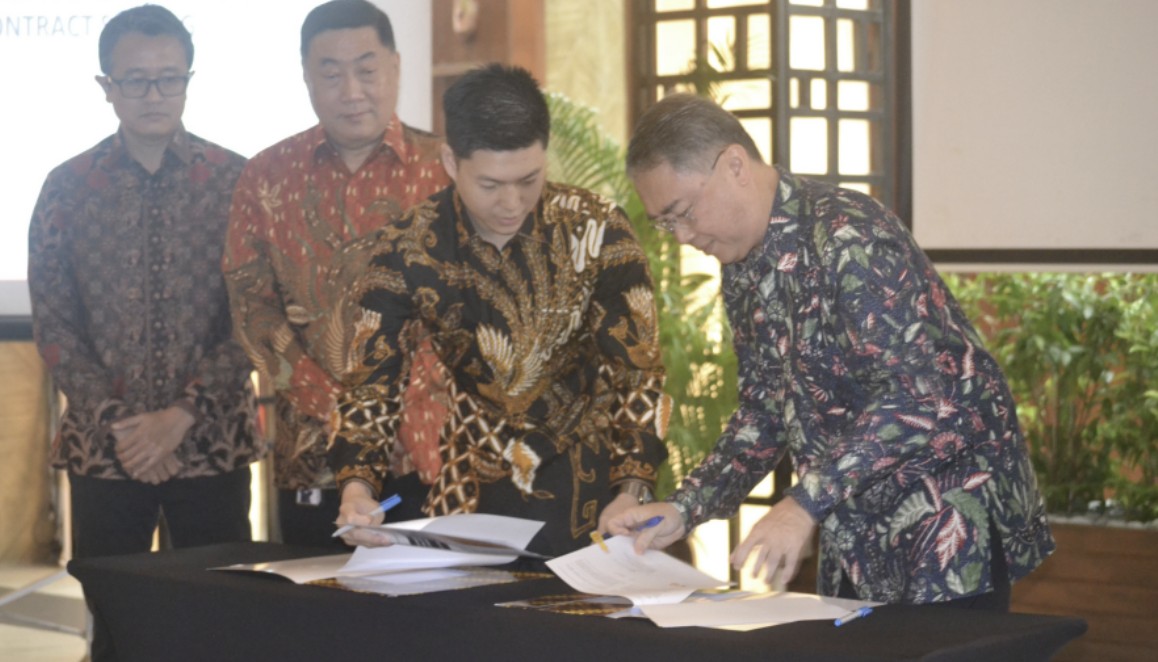
Local private firm to deliver SURF EPCI for Indonesian gas project

In 60 seconds

Top move

A local firm won the SURF EPCI for the Mako gas project in Indonesia and the project reached FID, creating immediate demand for subsea fabrication, installation and MOPU capacity in-region

Key takeaways

  • A local firm won the SURF EPCI for the Mako gas project in Indonesia and the project reached FID, creating immediate demand for subsea fabrication, installation and MOPU capacity in-region.[2]
  • Eni’s large Geliga gas discovery off Indonesia confirms a multi-hub development path that will keep subsea installation and heavy-lift vessel demand elevated in the medium term.[3]
  • New methanol-ready, hybrid-capable subsea vessels have started construction in China — they expand future installation capacity but will only relieve pressure once delivered.[1]
  • For procurement, the combination of local EPCI awards plus big upstream discoveries tightens competition for yards, SURF fabrication slots and subsea installation vessels in APAC.[2]
  • These developments create clear levers: require mobilisation transparency in tenders, qualify new fuel/tech vessel types, and map local fabricator capacity to avoid late mobilisation premiums.[1]

What changed since last run

  • Added concrete APAC development demand: Indonesian Mako SURF EPCI reached FID and was awarded to a local firm, increasing near-term SURF and MOPU bookings versus the prior run (which focused on vessel consolidation ri...
  • New long-run demand signal: Eni confirmed a major gas discovery in Indonesia that strengthens the case for sustained subsea installation demand beyond the short term.
  • New supply-side movement: two methanol-capable subsea vessels entered construction in China, introducing a future source of dual-fuel installation capacity not present in the previous brief.

Key facts

  • DST confirmed high deliverability for Geliga-1
  • Discovery adjacent to Gula increases cluster development potential
  • Plans discussed to add substantial gas and condensate to Indonesian output
  • Mako project FID awarded and SURF EPCI contracted locally
  • Scope: six wells tied back to a leased MOPU with export pipeline tie-in
  • Sales gas routed to existing platform and domestic pipeline network

Why it matters

A local firm won the SURF EPCI for the Mako gas project in Indonesia and the project reached FID, creating immediate demand for subsea fabrication, installation and MOPU capacity in-region. Eni’s large Geliga gas discovery off Indonesia confirms a multi-hub development path that will keep subsea installation and heavy-lift vessel demand elevated in the medium term. New methanol-ready, hybrid-capable subsea vessels have started construction in China — they expand future installation capacity but will only relieve pressure once delivered. For procurement, the combination of local EPCI awards plus big upstream discoveries tightens competition for yards, SURF fabrication slots and subsea installation vessels in APAC

Cost / money

  • Local SURF EPCI and associated fabrication work will push regional yard utilisation higher, increasing mobilisation premiums and potential upward pressure on day rates for P&A support vessels.[2]
  • A confirmed large gas discovery raises the likelihood of competing capital projects booking long-lead vessels and fabrication slots, which can increase spot premiums for decommissioning windows.[3]

Supplier / commercial

  • Awarding SURF work to a local firm strengthens supplier bargaining power on scope and timing where local content or in-country execution matters; contract terms should reflect that shift.[2]
  • Vessel builders and owners are investing in methanol/dual-fuel capability, changing commercial evaluation criteria — contracts should recognise fuel profile and O&M differences when comparing bids.[1]

Safety / operations

  • SURF installation and MOPU tie-in operations add execution overlap risks with P&A campaigns—shared seabed work, vessels and diving/ROV resources create schedule fragility.[2]
  • New propulsion and hybrid battery systems on upcoming vessels can improve safety and emissions but introduce unfamiliar maintenance regimes and fuel logistics that must be vetted before mobilisation.[1]

What to watch

  • Watch whether Indonesian local yards and fabricators are already fully booked after the Mako award — capacity stretch could cascade delays into P&A scopes (early indicator of schedule risk).[2]
  • Monitor whether Eni’s development schedule moves to fast-track execution that draws in regional heavy-lift vessels and FPSO contractors, tightening redeployment options for decommissioning units.[3]

Top stories

Story 1RigzoneMay 7, 2026

Eni Confirms Size of 'Giant' Gas Discovery offshore Indonesia

Signal strongSource-grounded

What happened

Eni confirmed a large gas discovery (Geliga-1) off Indonesia after a drill stem test that showed strong deliverability. The test and early evaluations position Geliga and nearby discoveries to underpin a multi-hub development strategy with significant subsea and FPSO work ahead. Watch whether project sponsors fast-track development contracts that would absorb regional subsea and installation capacity

Buyer takeaway

Treat this as a sustained development demand signal that will compete for the same installation and fabrication resources we use for P&A work

Cost / money

Directional increase in long-lead vessel and fabrication demand should be expected; this will make mobilisation premiums and slot-protection fees more likely

Supplier / commercial

Large developments increase supplier leverage on multi-year bookings and redeployment clauses; buyers should push for explicit slot confirmation and fallback commitments

Safety / operations

High-intensity development activity raises the risk of schedule collisions with P&A windows and compresses statutory inspection cycles for shared vessels and crews

What to watch

Watch for fast-tracked contracting or cluster development announcements that would convert a demand signal into binding bookings

Key facts

  • DST confirmed high deliverability for Geliga-1
  • Discovery adjacent to Gula increases cluster development potential
  • Plans discussed to add substantial gas and condensate to Indonesian output

Source excerpts

"The Gendalo and Gandang development plan, in water depths ranging from 1,000-1,800 meters, includes the drilling of seven producing wells and the installation of deepwater subsea production systems tied back to Jangkrik FPU [floating production unit]", Eni said
For the Geliga discovery, Eni expects to submit a plan of development (POD) to the government "in the coming weeks". "The POD aims to enable the fast‑track development of a third production hub in the prolific Kutei Basin, alongside the Gendalo and Gandang gas project (South Hub) and the Geng North and Gehem fields (North Hub), by leveraging the development concept currently being implemented for the North Hub project", Eni added
"The new discovery is located next to the undeveloped Gula gas discovery, estimated at approximately 2 Tcf of gas in place and 75 million barrels of condensate
Story 2Offshore EnergyMay 8, 2026

Local private firm to deliver SURF EPCI for Indonesian gas project

Signal strongSource-grounded

What happened

A local private firm won the SURF EPCI contract for the Mako gas project in the Natuna Sea after the project reached final investment decision. The scope includes six development wells tied back to a leased MOPU and an export pipeline to an adjacent platform, meaning significant in-region SURF fabrication and installation work is imminent. Watch supplier schedules and local yard bookings for signs of capacity stretch that could affect P&A mobilisations

Buyer takeaway

Treat local SURF awards as a near-term capacity risk for P&A: fabricators and MOPU slots will be committed early and may reduce late-available options

Cost / money

Near-term upward pressure on fabrication and installation day rates is likely as local yards and installation assets are allocated to the Mako scope

Supplier / commercial

Local suppliers may demand broader scope and earlier deposits; contract templates should force mobilisation transparency and slot-confirmation mechanics

Safety / operations

SURF and tie-in operations increase simultaneous seabed work and vessel density; coordination between installation and decommissioning schedules is critical to avoid unsafe overlaps

What to watch

Limited evidence yet on full yard booking status—verify local fabricator capacity and recent booking history to detect knock-on schedule risk

Key facts

  • Mako project FID awarded and SURF EPCI contracted locally
  • Scope: six wells tied back to a leased MOPU with export pipeline tie-in
  • Sales gas routed to existing platform and domestic pipeline network

Source excerpts

Home Fossil Energy Local private firm to deliver SURF EPCI for Indonesian gas project May 8, 2026, by West Natuna Exploration Limited (WNEL), a majority-owned subsidiary of Singapore-headquartered natural gas exploration and development company Conrad Asia Energy, has awarded Indonesian Timas Suplindo with an engineering, procurement, construction, and installation (EPCI) contract for the subsea umbilical, flowline, and riser (SURF) scope at its natural gas field off the coast of Indonesia
The project will initially comprise six development wells tied back to a leased mobile offshore production unit (MOPU), with a design capacity of 172 mmscfd
5%) and Coro Energy (15%), secured a final investment decision (FID) in March for the Mako gas project in the Natuna Sea. The project will initially comprise six development wells tied back to a leased mobile offshore production unit (MOPU), with a design capacity of 172 mmscfd
Story 3Offshore EnergyMay 8, 2026

Olympic Subsea's methanol-ready vessel duo enters construction

Signal strongSource-grounded

What happened

Construction has started on two methanol-ready, dual-fuel subsea vessels at a Chinese yard for Olympic Subsea, with delivery on track for the stated timetable. The vessels feature hybrid battery systems and energy-efficient designs, which changes the technical profile of future installation fleets and fuel logistics. Buyers should watch delivery timing and certification as a medium-term source of lower-emission installation capacity

Buyer takeaway

This adds a future supply source for installation work, but buyers must verify fuel supply chains and maintenance regimes before relying on these vessels for P&A windows

Cost / money

New build vessels can reduce long-term charter costs or introduce premium pricing during early deployment; fuel-profile differences may change OPEX comparisons

Supplier / commercial

Owners of new-tech vessels may seek premium pricing during initial years or negotiate favourable long term charters tied to their new capability

Safety / operations

Hybrid and methanol systems improve emissions and may reduce some safety risks, but they introduce new maintenance and bunkering dependencies that require technical verification

What to watch

Delivery schedules and certification are on-track per the source, but buyers should confirm classification and operational readiness prior to mobilisation commitments

Key facts

  • Keel laying and first steel cutting completed at CMHI Shenzhen
  • Vessels designed for methanol dual-fuel and hybrid battery operation
  • Delivery on track for the yard’s published timetable

Source excerpts

Home Subsea Olympic Subsea’s methanol-ready vessel duo enters construction May 8, 2026, by The CMHI shipyard in Shenzhen, China, has begun the construction of two methanol-ready dual-fuel multipurpose subsea vessels for Norway’s Olympic Subsea. Source: Olympic Subsea via LinkedIn Olympic Subsea reported that earlier in April the keel laying for the first vessel and the first steel cutting for the second vessel took place at the CMHI Shenzhen shipyard
Home Subsea Olympic Subsea’s methanol-ready vessel duo enters construction May 8, 2026, by The CMHI shipyard in Shenzhen, China, has begun the construction of two methanol-ready dual-fuel multipurpose subsea vessels for Norway’s Olympic Subsea
Source: Olympic Subsea via LinkedIn Olympic Subsea reported that earlier in April the keel laying for the first vessel and the first steel cutting for the second vessel took place at the CMHI Shenzhen shipyard. The vessels will be ready to run on methanol and will feature battery hybrid technology, with delivery on track for the summer of 2027

VP Snapshot

Executive Risk & Action View

A local firm won the SURF EPCI for the Mako gas project in Indonesia and the project reached FID, creating immediate demand for subsea fabrication, installation and MOPU capacity in-region.

Overall
61
Cost
61
Supply
43
Schedule
56
Compliance
15

Top signals

30-180dcost

Signal 1: Cost / money

Local SURF EPCI and associated fabrication work will push regional yard utilisation higher, increasing mobilisation premiums and potential upward pressure on day rates for P&A support vessels.

Signal 2: Cost / money

A confirmed large gas discovery raises the likelihood of competing capital projects booking long-lead vessels and fabrication slots, which can increase spot premiums for decommissioning windows.

30-180dcommercial

Signal 3: Supplier / commercial

Awarding SURF work to a local firm strengthens supplier bargaining power on scope and timing where local content or in-country execution matters; contract terms should reflect that shift.

Signal 4: Supplier / commercial

Vessel builders and owners are investing in methanol/dual-fuel capability, changing commercial evaluation criteria — contracts should recognise fuel profile and O&M differences when comparing bids.

30-180dschedule

Signal 5: Safety / operations

SURF installation and MOPU tie-in operations add execution overlap risks with P&A campaigns—shared seabed work, vessels and diving/ROV resources create schedule fragility.

30-180dsupplier

Signal 6: Safety / operations

New propulsion and hybrid battery systems on upcoming vessels can improve safety and emissions but introduce unfamiliar maintenance regimes and fuel logistics that must be vetted before mobilisation.

Recommended actions

CategoryDue 3d

Update APAC yard and vessel availability register and flag Indonesian SURF/MOPU impact on upcoming P&A windows.

Availability register refreshed with named at-risk mobilisation windows and candidate fallback vessels or yards.

ContractsDue 21d

Require explicit mobilisation cost disclosure, slot-confirmation terms and quote-validity minimums in all live P&A tenders.

Tender templates updated to mandate mobilisation line items, slot-confirmation mechanics and minimum quote-validity.

ContractsDue 21d

Run a supplier qualification focused on vessel tech (methanol/dual-fuel, hybrid systems) and maintenance provenance for candidates supporting P&A mobilisations.

Shortlist of vessel suppliers with vetted fuel/tech capability and maintenance histories for P&A charters.

CategoryDue 60d

Scope a framework agreement for SURF, heavy-lift and subsea installation services that embeds slot-confirmation, fallback mobilisation and capped quote-validity windows.

Draft framework RFP that includes slot confirmation, fallback mobilisation responsibilities and capped quote-validity.

CategoryDue 60d

Engage with named Indonesian fabricators and installation contractors to map capacity, lead times and potential priority booking options.

Named supplier capacity map and written statements on availability and booking horizons.

Risk register

RiskTriggerMitigation
Watch whether Indonesian local yards and fabricators are already fully booked after the Mako award — capacity stretch could cascade delays into P&A scopes (early indicator of schedule risk).Watch whether Indonesian local yards and fabricators are already fully booked after the Mako award — capacity stretch could cascade delays into P&A scopes (early indicator of schedule risk).Confirm exposure with category, contracts, and operations before the next supplier commitment.
Monitor whether Eni’s development schedule moves to fast-track execution that draws in regional heavy-lift vessels and FPSO contractors, tightening redeployment options for decommissioning units.Monitor whether Eni’s development schedule moves to fast-track execution that draws in regional heavy-lift vessels and FPSO contractors, tightening redeployment options for decommissioning units.Confirm exposure with category, contracts, and operations before the next supplier commitment.

CM Snapshot

Category Manager Decision Detail

Today's priorities

Update APAC yard and vessel availability register and flag Indonesian SURF/MOPU impact on upcoming P&A windows.

Do this because the Mako SURF EPCI FID and award change local fabrication and MOPU booking risk and therefore affect our near-term mobilisation planning.

Due 3d

high

CM move

Use this as the immediate supplier or contract action to move before the next sourcing gate.

Require explicit mobilisation cost disclosure, slot-confirmation terms and quote-validity minimums in all live P&A tenders.

Do this because local EPCI awards and rising regional development demand make mobilisation premiums and shortened quote-validity more likely unless contracts force transparency.

Due 21d

high

CM move

Use this as the immediate supplier or contract action to move before the next sourcing gate.

Run a supplier qualification focused on vessel tech (methanol/dual-fuel, hybrid systems) and maintenance provenance for candidates supporting P&A mobilisations.

Do this because new vessel designs entering construction introduce different fuel and maintenance dependencies that can affect uptime and mobilisation readiness.

Due 21d

high

CM move

Use this as the immediate supplier or contract action to move before the next sourcing gate.

Scope a framework agreement for SURF, heavy-lift and subsea installation services that embeds slot-confirmation, fallback mobilisation and capped quote-validity windows.

Do this because confirmed large developments and local EPCI awards increase competition for long‑lead assets, and a framework preserves buyer priority and reduces spot premiums.

Due 60d

high

CM move

Use this as the immediate supplier or contract action to move before the next sourcing gate.

Supplier radar

Offshore Energy

high

Observed supplier signal

Awarding SURF work to a local firm strengthens supplier bargaining power on scope and timing where local content or in-country execution matters; contract terms should reflect that shift.

Commercial implication

Awarding SURF work to a local firm strengthens supplier bargaining power on scope and timing where local content or in-country execution matters; contract terms should reflect that shift.

Next step: Validate the source-backed signal with incumbents and alternates before the next award or pricing decision.

Offshore Energy

high

Observed supplier signal

Vessel builders and owners are investing in methanol/dual-fuel capability, changing commercial evaluation criteria — contracts should recognise fuel profile and O&M differences when comparing bids.

Commercial implication

Vessel builders and owners are investing in methanol/dual-fuel capability, changing commercial evaluation criteria — contracts should recognise fuel profile and O&M differences when comparing bids.

Next step: Validate the source-backed signal with incumbents and alternates before the next award or pricing decision.

Negotiation levers

Update APAC yard and vessel availability register and flag Indonesian SURF/MOPU impact on upcoming P&A windows.

When to use: Do this because the Mako SURF EPCI FID and award change local fabrication and MOPU booking risk and therefore affect our near-term mobilisation planning.

Expected outcome: Availability register refreshed with named at-risk mobilisation windows and candidate fallback vessels or yards.

Commercial mechanism to carry into the next supplier conversation

Require explicit mobilisation cost disclosure, slot-confirmation terms and quote-validity minimums in all live P&A tenders.

When to use: Do this because local EPCI awards and rising regional development demand make mobilisation premiums and shortened quote-validity more likely unless contracts force transparency.

Expected outcome: Tender templates updated to mandate mobilisation line items, slot-confirmation mechanics and minimum quote-validity.

Commercial mechanism to carry into the next supplier conversation

Run a supplier qualification focused on vessel tech (methanol/dual-fuel, hybrid systems) and maintenance provenance for candidates supporting P&A mobilisations.

When to use: Do this because new vessel designs entering construction introduce different fuel and maintenance dependencies that can affect uptime and mobilisation readiness.

Expected outcome: Shortlist of vessel suppliers with vetted fuel/tech capability and maintenance histories for P&A charters.

Commercial mechanism to carry into the next supplier conversation

Scope a framework agreement for SURF, heavy-lift and subsea installation services that embeds slot-confirmation, fallback mobilisation and capped quote-validity windows.

When to use: Do this because confirmed large developments and local EPCI awards increase competition for long‑lead assets, and a framework preserves buyer priority and reduces spot premiums.

Expected outcome: Draft framework RFP that includes slot confirmation, fallback mobilisation responsibilities and capped quote-validity.

Commercial mechanism to carry into the next supplier conversation

Talking points

A local firm won the SURF EPCI for the Mako gas project in Indonesia and the project reached FID, creating immediate demand for subsea fabrication, installation and MOPU capacity in-region.
Eni’s large Geliga gas discovery off Indonesia confirms a multi-hub development path that will keep subsea installation and heavy-lift vessel demand elevated in the medium term.
New methanol-ready, hybrid-capable subsea vessels have started construction in China — they expand future installation capacity but will only relieve pressure once delivered.
For procurement, the combination of local EPCI awards plus big upstream discoveries tightens competition for yards, SURF fabrication slots and subsea installation vessels in APAC.

Supplier radar

SupplierSignalImplicationNext stepConfidence
Offshore EnergyAwarding SURF work to a local firm strengthens supplier bargaining power on scope and timing where local content or in-country execution matters; contract terms should reflect that shift.Awarding SURF work to a local firm strengthens supplier bargaining power on scope and timing where local content or in-country execution matters; contract terms should reflect that shift.Validate the source-backed signal with incumbents and alternates before the next award or pricing decision.high
Offshore EnergyVessel builders and owners are investing in methanol/dual-fuel capability, changing commercial evaluation criteria — contracts should recognise fuel profile and O&M differences when comparing bids.Vessel builders and owners are investing in methanol/dual-fuel capability, changing commercial evaluation criteria — contracts should recognise fuel profile and O&M differences when comparing bids.Validate the source-backed signal with incumbents and alternates before the next award or pricing decision.high

Negotiation levers

  • Update APAC yard and vessel availability register and flag Indonesian SURF/MOPU impact on upcoming P&A windows.Do this because the Mako SURF EPCI FID and award change local fabrication and MOPU booking risk and therefore affect our near-term mobilisation planning.Availability register refreshed with named at-risk mobilisation windows and candidate fallback vessels or yards.

    high confidence

  • Require explicit mobilisation cost disclosure, slot-confirmation terms and quote-validity minimums in all live P&A tenders.Do this because local EPCI awards and rising regional development demand make mobilisation premiums and shortened quote-validity more likely unless contracts force transparency.Tender templates updated to mandate mobilisation line items, slot-confirmation mechanics and minimum quote-validity.

    high confidence

  • Run a supplier qualification focused on vessel tech (methanol/dual-fuel, hybrid systems) and maintenance provenance for candidates supporting P&A mobilisations.Do this because new vessel designs entering construction introduce different fuel and maintenance dependencies that can affect uptime and mobilisation readiness.Shortlist of vessel suppliers with vetted fuel/tech capability and maintenance histories for P&A charters.

    high confidence

  • Scope a framework agreement for SURF, heavy-lift and subsea installation services that embeds slot-confirmation, fallback mobilisation and capped quote-validity windows.Do this because confirmed large developments and local EPCI awards increase competition for long‑lead assets, and a framework preserves buyer priority and reduces spot premiums.Draft framework RFP that includes slot confirmation, fallback mobilisation responsibilities and capped quote-validity.

    high confidence

What to do / What to watch

What to do now

  • Update APAC yard and vessel availability register and flag Indonesian SURF/MOPU impact on upcoming P&A windows.

    Why: Do this because the Mako SURF EPCI FID and award change local fabrication and MOPU booking risk and therefore affect our near-term mobilisation planning.

    Owner: Category

    Expected outcome: Availability register refreshed with named at-risk mobilisation windows and candidate fallback vessels or yards.

    [2]

Next few weeks

  • Require explicit mobilisation cost disclosure, slot-confirmation terms and quote-validity minimums in all live P&A tenders.

    Why: Do this because local EPCI awards and rising regional development demand make mobilisation premiums and shortened quote-validity more likely unless contracts force transparency.

    Owner: Contracts

    Expected outcome: Tender templates updated to mandate mobilisation line items, slot-confirmation mechanics and minimum quote-validity.

    [2]
  • Run a supplier qualification focused on vessel tech (methanol/dual-fuel, hybrid systems) and maintenance provenance for candidates supporting P&A mobilisations.

    Why: Do this because new vessel designs entering construction introduce different fuel and maintenance dependencies that can affect uptime and mobilisation readiness.

    Owner: Contracts

    Expected outcome: Shortlist of vessel suppliers with vetted fuel/tech capability and maintenance histories for P&A charters.

    [1]

Longer view

  • Scope a framework agreement for SURF, heavy-lift and subsea installation services that embeds slot-confirmation, fallback mobilisation and capped quote-validity windows.

    Why: Do this because confirmed large developments and local EPCI awards increase competition for long‑lead assets, and a framework preserves buyer priority and reduces spot premiums.

    Owner: Category

    Expected outcome: Draft framework RFP that includes slot confirmation, fallback mobilisation responsibilities and capped quote-validity.

    [3]
  • Engage with named Indonesian fabricators and installation contractors to map capacity, lead times and potential priority booking options.

    Why: Do this because the local SURF award suggests fabricators will start booking capacity, and early engagement preserves negotiation leverage and visibility into schedule risk.

    Owner: Category

    Expected outcome: Named supplier capacity map and written statements on availability and booking horizons.

    [2]

What to watch

  • Watch whether Indonesian local yards and fabricators are already fully booked after the Mako award — capacity stretch could cascade delays into P&A scopes (early indicator of schedule risk)
  • Monitor whether Eni’s development schedule moves to fast-track execution that draws in regional heavy-lift vessels and FPSO contractors, tightening redeployment options for decommissioning units
  • Watch whether Indonesian local yards and fabricators are already fully booked after the Mako award — capacity stretch could cascade delays into P&A scopes (early indicator of schedule risk).: Watch whether Indonesian local yards and fabricators are already fully booked after the Mako award — capacity stretch could cascade delays into P&A scopes (early indicator of schedule risk)
  • Monitor whether Eni’s development schedule moves to fast-track execution that draws in regional heavy-lift vessels and FPSO contractors, tightening redeployment options for decommissioning units.: Monitor whether Eni’s development schedule moves to fast-track execution that draws in regional heavy-lift vessels and FPSO contractors, tightening redeployment options for decommissioning units
  • A local firm won the SURF EPCI for the Mako gas project in Indonesia and the project reached FID, creating immediate demand for subsea fabrication, installation and MOPU capacity in-region
  • Eni’s large Geliga gas discovery off Indonesia confirms a multi-hub development path that will keep subsea installation and heavy-lift vessel demand elevated in the medium term
  • New methanol-ready, hybrid-capable subsea vessels have started construction in China — they expand future installation capacity but will only relieve pressure once delivered
  • For procurement, the combination of local EPCI awards plus big upstream discoveries tightens competition for yards, SURF fabrication slots and subsea installation vessels in APAC

Market pulse

IndexLatestChangeAs of
WTI Crude (WTI)71.23 /bbl+0.00 (+0.00%)May 8, 2026, 10:09 PM
Brent Crude (BRENT)74.89 /bbl+0.00 (+0.00%)May 8, 2026, 10:09 PM
Natural Gas (NG)3.12 /MMBtu+0.00 (+0.00%)May 8, 2026, 10:09 PM
Baltic Dry (BDI)1,245 pts+0.00 (+0.00%)May 8, 2026, 10:09 PM
  • Baltic Dry: Baltic Dry movements affect heavy-lift and transport availability and cost for yard-to-site movements; rising BDI implies tighter transport capacity for large modules
  • Natural Gas: Natural gas market strength underpins development economics in Indonesia; stronger gas signals increase likelihood of competing upstream projects that absorb installation capacity

Sources

Inline citations jump here. Expand a source to read the excerpt, the AI interpretation, and the original link.

[1] Olympic Subsea's methanol-ready vessel duo enters construction

offshore-energy.biz · May 8, 2026

Expand

AI reading

Construction has started on two methanol-ready, dual-fuel subsea vessels at a Chinese yard for Olympic Subsea, with delivery on track for the stated timetable. The vessels feature hybrid battery systems and energy-efficient designs, which changes the technical profile of future installation fleets and fuel logistics. Buyers should watch delivery timing and certification as a medium-term source of lower-emission installation capacity

Buyer takeaway

This adds a future supply source for installation work, but buyers must verify fuel supply chains and maintenance regimes before relying on these vessels for P&A windows

Cost / money

New build vessels can reduce long-term charter costs or introduce premium pricing during early deployment; fuel-profile differences may change OPEX comparisons

Supplier / commercial

Owners of new-tech vessels may seek premium pricing during initial years or negotiate favourable long term charters tied to their new capability

Safety / operations

Hybrid and methanol systems improve emissions and may reduce some safety risks, but they introduce new maintenance and bunkering dependencies that require technical verification

What to watch

Delivery schedules and certification are on-track per the source, but buyers should confirm classification and operational readiness prior to mobilisation commitments

Key facts

  • Keel laying and first steel cutting completed at CMHI Shenzhen
  • Vessels designed for methanol dual-fuel and hybrid battery operation
  • Delivery on track for the yard’s published timetable

Source excerpts

Home Subsea Olympic Subsea’s methanol-ready vessel duo enters construction May 8, 2026, by The CMHI shipyard in Shenzhen, China, has begun the construction of two methanol-ready dual-fuel multipurpose subsea vessels for Norway’s Olympic Subsea. Source: Olympic Subsea via LinkedIn Olympic Subsea reported that earlier in April the keel laying for the first vessel and the first steel cutting for the second vessel took place at the CMHI Shenzhen shipyard
Home Subsea Olympic Subsea’s methanol-ready vessel duo enters construction May 8, 2026, by The CMHI shipyard in Shenzhen, China, has begun the construction of two methanol-ready dual-fuel multipurpose subsea vessels for Norway’s Olympic Subsea
Source: Olympic Subsea via LinkedIn Olympic Subsea reported that earlier in April the keel laying for the first vessel and the first steel cutting for the second vessel took place at the CMHI Shenzhen shipyard. The vessels will be ready to run on methanol and will feature battery hybrid technology, with delivery on track for the summer of 2027

Used in this brief

  • Next 2-4 weeks — Run a supplier qualification focused on vessel tech (methanol/dual-fuel, hybrid systems) and maintenance provenance for candidates supporting P&A mobilisations.. Rationale: Do this because new vessel designs entering construction introduce different fuel and maintenance dependencies that can affect uptime and mobilisation readiness.. Owner: Contracts. KPI: Shortlist of vessel suppliers with vetted fuel/tech capability and maintenance histories for P&A charters
  • New supply-side movement: two methanol-capable subsea vessels entered construction in China, introducing a future source of dual-fuel installation capacity not present in the previous brief
  • Construction has started on two methanol-ready, dual-fuel subsea vessels at a Chinese yard for Olympic Subsea, with delivery on track for the stated timetable. The vessels feature hybrid battery systems and energy-efficient designs, which changes the technical profile of future installation fleets and fuel logistics. Buyers should watch delivery timing and certification as a medium-term source of lower-emission installation capacity
Open original source

[2] Local private firm to deliver SURF EPCI for Indonesian gas project

offshore-energy.biz · May 8, 2026

Expand

AI reading

A local private firm won the SURF EPCI contract for the Mako gas project in the Natuna Sea after the project reached final investment decision. The scope includes six development wells tied back to a leased MOPU and an export pipeline to an adjacent platform, meaning significant in-region SURF fabrication and installation work is imminent. Watch supplier schedules and local yard bookings for signs of capacity stretch that could affect P&A mobilisations

Buyer takeaway

Treat local SURF awards as a near-term capacity risk for P&A: fabricators and MOPU slots will be committed early and may reduce late-available options

Cost / money

Near-term upward pressure on fabrication and installation day rates is likely as local yards and installation assets are allocated to the Mako scope

Supplier / commercial

Local suppliers may demand broader scope and earlier deposits; contract templates should force mobilisation transparency and slot-confirmation mechanics

Safety / operations

SURF and tie-in operations increase simultaneous seabed work and vessel density; coordination between installation and decommissioning schedules is critical to avoid unsafe overlaps

What to watch

Limited evidence yet on full yard booking status—verify local fabricator capacity and recent booking history to detect knock-on schedule risk

Key facts

  • Mako project FID awarded and SURF EPCI contracted locally
  • Scope: six wells tied back to a leased MOPU with export pipeline tie-in
  • Sales gas routed to existing platform and domestic pipeline network

Source excerpts

Home Fossil Energy Local private firm to deliver SURF EPCI for Indonesian gas project May 8, 2026, by West Natuna Exploration Limited (WNEL), a majority-owned subsidiary of Singapore-headquartered natural gas exploration and development company Conrad Asia Energy, has awarded Indonesian Timas Suplindo with an engineering, procurement, construction, and installation (EPCI) contract for the subsea umbilical, flowline, and riser (SURF) scope at its natural gas field off the coast of Indonesia
The project will initially comprise six development wells tied back to a leased mobile offshore production unit (MOPU), with a design capacity of 172 mmscfd
5%) and Coro Energy (15%), secured a final investment decision (FID) in March for the Mako gas project in the Natuna Sea. The project will initially comprise six development wells tied back to a leased mobile offshore production unit (MOPU), with a design capacity of 172 mmscfd

Used in this brief

  • A local firm won the SURF EPCI for the Mako gas project in Indonesia and the project reached FID, creating immediate demand for subsea fabrication, installation and MOPU capacity in-region. Eni’s large Geliga gas discovery off Indonesia confirms a multi-hub development path that will keep subsea installation and heavy-lift vessel demand elevated in the medium term. New methanol-ready, hybrid-capable subsea vessels have started construction in China — they expand future installation capacity but will only relieve pressure once delivered. For procurement, the combination of local EPCI awards plus big upstream discoveries tightens competition for yards, SURF fabrication slots and subsea installation vessels in APAC
  • Next 72 hours — Update APAC yard and vessel availability register and flag Indonesian SURF/MOPU impact on upcoming P&A windows.. Rationale: Do this because the Mako SURF EPCI FID and award change local fabrication and MOPU booking risk and therefore affect our near-term mobilisation planning.. Owner: Category. KPI: Availability register refreshed with named at-risk mobilisation windows and candidate fallback vessels or yards
  • Next 2-4 weeks — Require explicit mobilisation cost disclosure, slot-confirmation terms and quote-validity minimums in all live P&A tenders.. Rationale: Do this because local EPCI awards and rising regional development demand make mobilisation premiums and shortened quote-validity more likely unless contracts force transparency.. Owner: Contracts. KPI: Tender templates updated to mandate mobilisation line items, slot-confirmation mechanics and minimum quote-validity
Open original source

[3] Eni Confirms Size of 'Giant' Gas Discovery offshore Indonesia

rigzone.com · May 7, 2026

Expand

AI reading

Eni confirmed a large gas discovery (Geliga-1) off Indonesia after a drill stem test that showed strong deliverability. The test and early evaluations position Geliga and nearby discoveries to underpin a multi-hub development strategy with significant subsea and FPSO work ahead. Watch whether project sponsors fast-track development contracts that would absorb regional subsea and installation capacity

Buyer takeaway

Treat this as a sustained development demand signal that will compete for the same installation and fabrication resources we use for P&A work

Cost / money

Directional increase in long-lead vessel and fabrication demand should be expected; this will make mobilisation premiums and slot-protection fees more likely

Supplier / commercial

Large developments increase supplier leverage on multi-year bookings and redeployment clauses; buyers should push for explicit slot confirmation and fallback commitments

Safety / operations

High-intensity development activity raises the risk of schedule collisions with P&A windows and compresses statutory inspection cycles for shared vessels and crews

What to watch

Watch for fast-tracked contracting or cluster development announcements that would convert a demand signal into binding bookings

Key facts

  • DST confirmed high deliverability for Geliga-1
  • Discovery adjacent to Gula increases cluster development potential
  • Plans discussed to add substantial gas and condensate to Indonesian output

Source excerpts

"The Gendalo and Gandang development plan, in water depths ranging from 1,000-1,800 meters, includes the drilling of seven producing wells and the installation of deepwater subsea production systems tied back to Jangkrik FPU [floating production unit]", Eni said
For the Geliga discovery, Eni expects to submit a plan of development (POD) to the government "in the coming weeks". "The POD aims to enable the fast‑track development of a third production hub in the prolific Kutei Basin, alongside the Gendalo and Gandang gas project (South Hub) and the Geng North and Gehem fields (North Hub), by leveraging the development concept currently being implemented for the North Hub project", Eni added
"The new discovery is located next to the undeveloped Gula gas discovery, estimated at approximately 2 Tcf of gas in place and 75 million barrels of condensate

Used in this brief

  • Next quarter — Scope a framework agreement for SURF, heavy-lift and subsea installation services that embeds slot-confirmation, fallback mobilisation and capped quote-validity windows.. Rationale: Do this because confirmed large developments and local EPCI awards increase competition for long‑lead assets, and a framework preserves buyer priority and reduces spot premiums.. Owner: Category. KPI: Draft framework RFP that includes slot confirmation, fallback mobilisation responsibilities and capped quote-validity
  • Monitor whether Eni’s development schedule moves to fast-track execution that draws in regional heavy-lift vessels and FPSO contractors, tightening redeployment options for decommissioning units
  • New long-run demand signal: Eni confirmed a major gas discovery in Indonesia that strengthens the case for sustained subsea installation demand beyond the short term
Open original source

[4] Baltic Dry

finance.yahoo.com · n.d.

Expand

[5] Natural Gas

finance.yahoo.com · n.d.

Expand