Operations & Maintenance Services · Australia (Perth)

Rework O&M Mobilisation and Contract Terms for Emerging Offshore Work

Published May 9, 2026, 6:04 AM AWSTAPACFull category signal
Ask AI
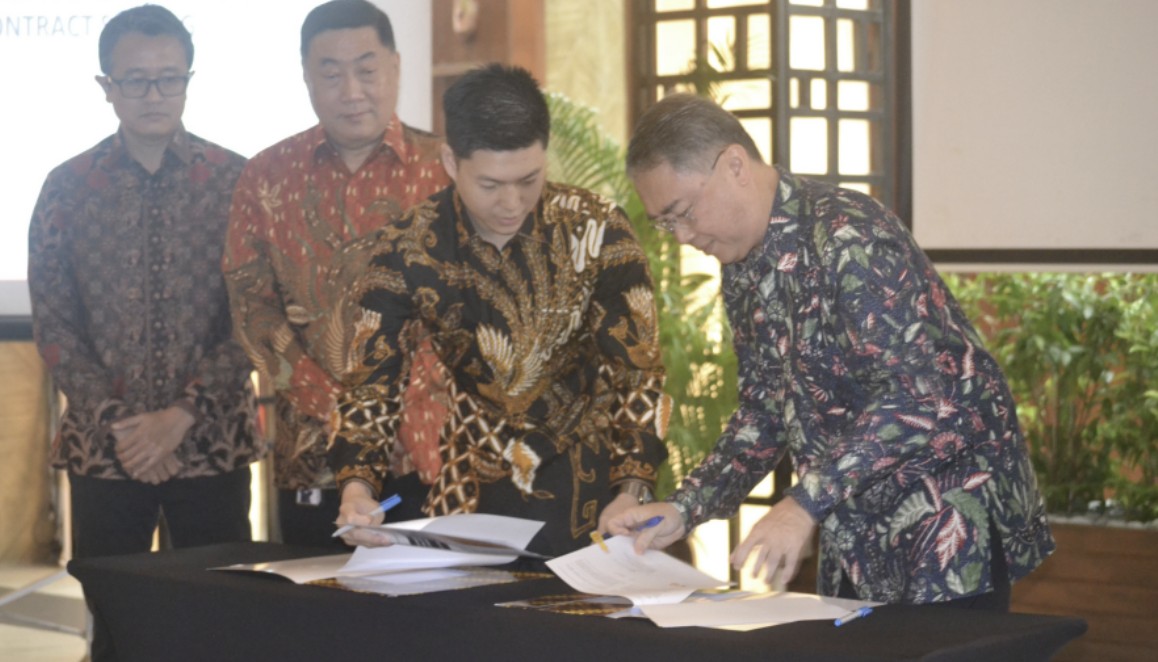
Local private firm to deliver SURF EPCI for Indonesian gas project

In 60 seconds

Top move

A final investment decision and local SURF EPCI award in Indonesia creates an immediate onshore fabrication and offshore installation workload that will drive mobilisation, load‑out and yard scheduling decisions for nearby maintenance and installation services

Key takeaways

  • A final investment decision and local SURF EPCI award in Indonesia creates an immediate onshore fabrication and offshore installation workload that will drive mobilisation, load‑out and yard scheduling decisions for nearby maintenance and installation services.[4]
  • A North Sea FPSO contract amendment clarifies end‑of‑term and changes dayrate/tariff mechanics, which tightens redeployment windows and demonstrates how commercial tweaks can shift O&M cashflow and supplier leverage.[3]
  • OEMs are bundling equipment delivery and aftermarket services into longer scope agreements for drilling and rig systems, which can push spare‑parts and warranty obligations into supplier workstreams unless contract scope is tightened.[2]
  • A large subsea redevelopment on the Norwegian Continental Shelf was approved and expects multiple subsea templates and tie‑backs, signalling sizeable future subsea execution that can compete for specialised crews and spreads.[1]
  • A North Sea rig booking and drilling permit show continued rig activity; this is more of a global capacity indicator than an APAC signal but could indirectly affect vessel and crew availability if schedules tighten.[5]

What changed since last run

  • New: Final investment decision and award of the SURF EPCI contract for the Mako gas project in Indonesian waters adds concrete onshore fabrication and offshore installation demand not listed in the prior brief (Articl...
  • New: BW Offshore’s FPSO contract amendment now defines an end‑of‑term and adjusts dayrate/tariff mechanics, clarifying redeployment and O&M cashflow implications that were not present in the prior run (Article 5).
  • New: Norway’s PPF subsea redevelopment received regulatory approval and will proceed with multiple subsea templates and tie‑backs, creating an additional large subsea workload relevant to specialised crew and vessel a...

Key facts

  • Six development wells tied back to a leased MOPU
  • Export pipeline tie‑in to nearby KF platform and WNTS delivery route
  • Contract covers fabrication, coating, transport, install and subsea tie‑ins
  • Contract amended to a defined end‑of‑term to Dec 31, 2030
  • Amendment applies a discount offset against O&M dayrate and adds a production tariff cap
  • Change removes previous unilateral one‑year extension options

Why it matters

A final investment decision and local SURF EPCI award in Indonesia creates an immediate onshore fabrication and offshore installation workload that will drive mobilisation, load‑out and yard scheduling decisions for nearby maintenance and installation services. A North Sea FPSO contract amendment clarifies end‑of‑term and changes dayrate/tariff mechanics, which tightens redeployment windows and demonstrates how commercial tweaks can shift O&M cashflow and supplier leverage. OEMs are bundling equipment delivery and aftermarket services into longer scope agreements for drilling and rig systems, which can push spare‑parts and warranty obligations into supplier workstreams unless contract scope is tightened. A large subsea redevelopment on the Norwegian Continental Shelf was approved and expects multiple subsea templates and tie‑backs, signalling sizeable future subsea execution that can compete for specialised crews and spreads

Cost / money

  • Onshore SURF fabrication and load‑out shifts costs toward mobilisation, transport and yard pass‑throughs, increasing near‑term project cashflow tied to load‑out windows.[4]
  • Defined FPSO contract end‑terms and production tariff adjustments change the timing and structure of O&M revenue and can reduce buyer bargaining space for redeployment or early termination.[3]
  • Integrated equipment and aftermarket deals for drilling systems tend to bundle capex and lifecycle services, which can move O&M spend into longer‑term vendor commitments and reduce short‑term competitive sourcing options.[2]

Supplier / commercial

  • Local yards winning SURF EPCI work gain scheduling leverage and may shorten RFx validity or request mobilisation deposits as schedules fill.[4]
  • An FPSO operator with a clearer contract window can actively market the unit for redeployment later, changing the competitive landscape for future O&M bids and supplier pipeline planning.[3]
  • OEMs delivering systems plus aftermarket support (managed pressure drilling systems and global aftermarket agreements) indicate suppliers are moving to bundled commercial models that shift negotiation focus from unit price to lifecycle terms.[2]

Safety / operations

  • SURF EPCI execution, including subsea fabrications, risers, umbilicals and tie‑ins, increases sequencing and marine spread uptime dependencies — poor sequencing or yard delays can directly delay commissioning and revenue uplift.[4][1]
  • Changes to FPSO commercial terms that alter operating incentives can indirectly affect maintenance windows and planned turnarounds; contract‑driven production incentives may compress maintenance planning.[3]
  • Vendor‑operated drilling systems improve pressure control and safety but create an operational dependency on supplier technicians and spares availability during mobilisations and interventions.[2]

What to watch

  • Watch for local yards to shorten RFx validity and ask for mobilisation deposits as SURF schedules firm up — this is a probable commercial response where yard capacity tightens.[4]
  • Watch for equipment OEMs embedding extended aftermarket and warranty clauses that transfer spare‑parts and response obligations to buyers unless contract scope is explicit.[2]
  • Early-signal: rising rig bookings in other basins could tighten global crew and vessel availability, which may indirectly affect APAC mobilisation windows if demand concentrates in overlapping timeframes.[5]

Top stories

Story 1Offshore EnergyMay 8, 2026

Local private firm to deliver SURF EPCI for Indonesian gas project

Signal strongSource-grounded

What happened

A local private firm was awarded the SURF EPCI contract for the Mako gas project in the Natuna Sea, covering fabrication, coating, testing, transport and offshore installation. The scope is tied into existing pipelines and a leased mobile production unit, creating an onshore‑to‑offshore execution chain that requires coordinated load‑out and yard slots. Watch yard schedules, deposit requests and whether follow‑on tie‑ins reuse the same local supply chain

Buyer takeaway

Treat this award as a tangible local demand surge that stresses yard slots and transport services; early supplier engagement matters

Cost / money

Mobilisation, load‑out and onshore fabrication create pass‑through costs and potential deposit requests that increase near‑term project cashflow needs

Supplier / commercial

Local yards gain leverage on scheduling and may shorten quote validity or ask for mobilisation deposits; collect standard mobilisation terms before negotiations

Safety / operations

Subsea tie‑ins and flowline installs increase sequencing and commissioning dependencies; require explicit HSE and commissioning hold points

What to watch

Signal is strong: watch for shortened RFx windows and mobilisation deposits as fabrication schedules firm

Key facts

  • Six development wells tied back to a leased MOPU
  • Export pipeline tie‑in to nearby KF platform and WNTS delivery route
  • Contract covers fabrication, coating, transport, install and subsea tie‑ins

Source excerpts

Related Article Timas has been put in charge of the verification of front-end engineering and design (FEED) and execution of detailed engineering design for the SURF system, including flowlines, export pipeline, risers, subsea structures, umbilical, and installation engineering, as well as procurement of all contractor furnished materials and management, storage, and integration of line pipes, umbilical, SPCS, and subsea valves. Furthermore, the company shall fabricate, assemble, coat, inspect and test subsea
Furthermore, the company shall fabricate, assemble, coat, inspect and test subsea structures and associated SURF components, load out, transport and install flowlines, export pipeline, subsea structures, risers, umbilical, and tie-ins offshore, and finally perform pre-commissioning activities, including cleaning, gauging, hydrotesting, dewatering, and leak testing, and provide support to WNEL during commissioning and start-up. Conrad’s Managing Director and Chief Executive Officer, Miltos Xynogalas, said: “Sec
5%) and Coro Energy (15%), secured a final investment decision (FID) in March for the Mako gas project in the Natuna Sea. The project will initially comprise six development wells tied back to a leased mobile offshore production unit (MOPU), with a design capacity of 172 mmscfd
Story 2Offshore EnergyMay 8, 2026

BW Offshore’s FPSO staying until 2030’s end at North Sea field

Signal strongSource-grounded

What happened

BW Offshore amended the contract for an FPSO to define a firm end‑of‑term and adjusted the tariff/dayrate mechanics, removing unilateral extension options. The change converts the contract into a defined‑term arrangement and applied a dayrate offset that alters O&M cashflow and redeployment clarity. Monitor how the new structure affects spare‑parts obligations and opportunities to market the unit for redeployment

Buyer takeaway

Defined end‑terms increase commercial clarity but reduce flexibility for buyers seeking redeployment or renegotiation mid‑term

Cost / money

Tariff and dayrate adjustments reframe O&M cashflow and may limit upside for buyers when negotiating replacements or early exit

Supplier / commercial

A clearer commercial backlog enables the operator to market the unit later; suppliers should track redeployment windows for future bid opportunities

Safety / operations

Contractual incentives tied to production tariffs may compress maintenance windows; ensure maintenance hold points are protected in O&M scopes

What to watch

Confirmed: check how tariff caps and offsets change who pays for spares and exceptional maintenance

Key facts

  • Contract amended to a defined end‑of‑term to Dec 31, 2030
  • Amendment applies a discount offset against O&M dayrate and adds a production tariff cap
  • Change removes previous unilateral one‑year extension options

Source excerpts

Since the revised contract structure provides BW Offshore with clarity on the end-of-contract timeline, it is interpreted to enable active marketing of the FPSO for new redeployment projects
Marco Beenen, CEO of BW Offshore, commented: “We are strengthening the long‑term commercial framework for BW Catcher, adding material cash-flow visibility, while also improving our ability to market the unit for future opportunities. “The Catcher FPSO is a high-specification, harsh-environment asset, making it a highly valuable redeployment unit
Since the revised contract structure provides BW Offshore with clarity on the end-of-contract timeline, it is interpreted to enable active marketing of the FPSO for new redeployment projects. The updated terms are perceived to reflect a discount equivalent to 10% of the current bareboat charter day rate, applied as an offset against the operations and maintenance (O&M) day rate
Story 3Offshore EnergyMay 8, 2026

Weatherford picks up new jobs with Noble and Constellation Oil Services

Signal strongSource-grounded

What happened

Weatherford secured managed pressure drilling (MPD) contracts and a global aftermarket agreement with drilling contractors, delivering MPD systems for deepwater rigs and committing to extended aftermarket support. Delivery and operations overlap with rig campaigns and include long‑term aftermarket responsibilities, which ties equipment supply to ongoing service obligations. Watch contract wording on spare parts, response times and who bears lifecycle maintenance costs

Buyer takeaway

Expect suppliers to offer integrated equipment + aftermarket packages that change where spares and service liabilities sit

Cost / money

Bundled agreements can move O&M spend into vendor commitments and reduce short‑term competitive sourcing for parts and services

Supplier / commercial

Suppliers using integrated models increase switching costs and may demand longer commitments or minimum purchase terms

Safety / operations

MPD systems improve drilling control but make operational uptime dependent on vendor technicians and spare availability

What to watch

Confirmed: clarify spare‑parts ownership and vendor response SLAs before accepting bundled aftermarket terms

Key facts

  • MPD systems being delivered to deepwater rigs and supported through aftermarket agreements
  • One delivery tranche linked to rig operations and longer‑term service commitments through to
  • Model includes integrated equipment operation and lifecycle support

Source excerpts

These awards entail the delivery of two deepwater managed pressure drilling systems to support the rig owner’s Guyana operations, with delivery expected before year-end. Girish Saligram, Weatherford’s President and Chief Executive Officer, commented: “Our MPD systems are designed to provide precise pressure control, enhance safety, and improve drilling efficiency, and our global manufacturing and aftermarket capabilities ensure consistent performance throughout the asset lifecycle
The duo has also entered into a global aftermarket agreement covering MPD systems across Noble’s fleet, providing standardized life-cycle support, parts, and services to enhance operational reliability worldwide
Gold Star rig; Source Keppel Weatherford has been awarded multiple managed pressure drilling (MPD) contracts and a global aftermarket agreement with Noble, strengthening the duo’s long-standing relationship. These awards entail the delivery of two deepwater managed pressure drilling systems to support the rig owner’s Guyana operations, with delivery expected before year-end
Story 4Offshore EnergyMay 8, 2026

Norway gives its blessing for $1.8 billion subsea redevelopment project

Signal strongSource-grounded

What happened

Norway approved a substantial subsea redevelopment that includes multiple subsea templates and tied‑back wells under a joint operator model. The project expects extensive subsea construction and tie‑ins with a significant capex footprint, creating demand for specialized vessels and subsea crews. Track template delivery schedules and whether the program competes for shared marine spreads with APAC projects

Buyer takeaway

Treat large redevelopments as a regional demand driver for subsea spreads and specialist contractors

Cost / money

Concentrated subsea work drives dayrate pressure on specialized vessels and subcontracted crews

Supplier / commercial

Vendors with proven subsea execution will be prioritized; expect tighter quote windows and conditional mobilisations

Safety / operations

Complex tie‑backs amplify sequencing and HSE requirements — enforce explicit hold points and contingency spreads

What to watch

Confirmed: monitor whether template and spread bookings overlap with APAC schedules, creating mobilization conflicts

Key facts

  • Redevelopment comprises multiple previously produced fields tied back via new subsea templates
  • Project includes 11 new wells from four subsea templates tied back through shared pipeline in
  • Approval follows a confirmed final investment decision and aims to use existing infrastructur

Source excerpts

The first production is planned for the fourth quarter of 2028
8 billion subsea redevelopment project May 8, 2026, by ConocoPhillips Skandinavia, a subsidiary of the U
S. energy giant ConocoPhillips, has made inroads in clearing regulatory requirements for its redevelopment project on the Norwegian Continental Shelf (NCS)
Story 5Offshore EnergyMay 8, 2026

North Sea wildcat on COSL rig’s drilling agenda for June

Signal limitedDirectional

What happened

Equinor secured a drilling permit and booked a semi‑submersible rig for a North Sea wildcat scheduled to start in June, reflecting continued rig utilisation in mature basins. The rig was contracted under a multi‑year deal with extension options, showing how long bookings influence global rig availability and redeployment timelines. This is an indirect indicator for APAC mobilisation risk—watch for cross‑basin schedule congestion

Buyer takeaway

Use rig booking activity as a background indicator of global capacity risks that could affect APAC mobilisation

Cost / money

High global utilisation tightens dayrates and can increase mobilisation premiums when spreads are scarce

Supplier / commercial

Long rig contracts reduce near‑term availability for redeployment and can force buyers into earlier commitments

Safety / operations

Intense rig schedules can compress crew rest and readiness windows—factor this into HSE planning

What to watch

Limited: this is a global capacity indicator rather than a direct APAC event; treat as background pressure

Key facts

  • Drilling permit granted for a North Sea well with operations scheduled to start in June
  • Semi‑submersible rig booked under a multi‑year contract with extension options
  • Rig capable of operating in water depths up to 750 meters

Source excerpts

The rig deal entails extension options for three additional years. The 2012-built COSL Innovator semi-submersible rig is designed to operate in water depths of up to 750 meters
Home Fossil Energy North Sea wildcat on COSL rig’s drilling agenda for June May 8, 2026, by Norway’s state-owned energy giant Equinor has secured a drilling permit for operations in the North Sea on the Norwegian Continental Shelf (NCS), which will be conducted with a semi-submersible rig owned by COSL Drilling Europe, an offshore drilling contractor
The drilling operations are scheduled to begin in June 2026

VP Snapshot

Executive Risk & Action View

A final investment decision and local SURF EPCI award in Indonesia creates an immediate onshore fabrication and offshore installation workload that will drive mobilisation, load‑out and yard scheduling decisions for nearby maintenance and installation services.

Overall
47
Cost
97
Supply
79
Schedule
38
Compliance
15

Top signals

30-180dcost

Signal 1: Cost / money

Onshore SURF fabrication and load‑out shifts costs toward mobilisation, transport and yard pass‑throughs, increasing near‑term project cashflow tied to load‑out windows.

Signal 2: Cost / money

Defined FPSO contract end‑terms and production tariff adjustments change the timing and structure of O&M revenue and can reduce buyer bargaining space for redeployment or early termination.

Signal 6: Supplier / commercial

OEMs delivering systems plus aftermarket support (managed pressure drilling systems and global aftermarket agreements) indicate suppliers are moving to bundled commercial models that shift negotiation focus from unit price to lifecycle terms.

180d+cost

Signal 3: Cost / money

Integrated equipment and aftermarket deals for drilling systems tend to bundle capex and lifecycle services, which can move O&M spend into longer‑term vendor commitments and reduce short‑term competitive sourcing options.

30-180dcommercial

Signal 4: Supplier / commercial

Local yards winning SURF EPCI work gain scheduling leverage and may shorten RFx validity or request mobilisation deposits as schedules fill.

Signal 5: Supplier / commercial

An FPSO operator with a clearer contract window can actively market the unit for redeployment later, changing the competitive landscape for future O&M bids and supplier pipeline planning.

Recommended actions

CategoryDue 3d

Update the regional mobilisation and yard‑capacity register to flag Indonesian yards, load‑out options and known constraints for the Mako SURF scope.

Supplier register reflects yard proximity, load‑out capabilities and earliest realistic mobilisation constraints.

ContractsDue 3d

Confirm current O&M spare‑parts ownership and acceptance points with vessel and FPU providers in APAC contracts on file.

Clear list of spares ownership and acceptance hold points appended to active O&M arrangements.

ContractsDue 21d

Issue a targeted RFI to shortlisted local fabrication yards and load‑out service providers requesting standard mobilisation terms, deposit policies and quote‑validity windows.

Comparable mobilisation, deposit and quote‑validity responses to inform RFx templates and negotiation posture.

LegalDue 21d

Review vendor aftermarket and bundled service clauses in upcoming RFx templates and require explicit spare‑parts, response time and warranty boundaries.

Revised RFx templates that limit unexpected pass‑throughs and define spare‑parts and warranty handoffs.

ContractsDue 60d

Negotiate a contract annex for offshore O&M and SURF scopes that standardises mobilisation windows, quote‑validity, deposit handling and spare‑parts traceability for regional aw...

Template annex that enforces mobilisation terms, parts provenance and limits on supplier deposit requests to protect buyer cashflow and scheduling.

OpsDue 60d

Run an Ops capability and sequencing review for subsea tie‑ins and marine spread availability to identify critical crew, spread and equipment bottlenecks.

Capability matrix showing crew and spread constraints with mitigation options (alternate suppliers, staging windows, or scoped hold points).

Risk register

RiskTriggerMitigation
Watch for local yards to shorten RFx validity and ask for mobilisation deposits as SURF schedules firm up — this is a probable commercial response where yard capacity tightens.Watch for local yards to shorten RFx validity and ask for mobilisation deposits as SURF schedules firm up — this is a probable commercial response where yard capacity tightens.Confirm exposure with category, contracts, and operations before the next supplier commitment.
Watch for equipment OEMs embedding extended aftermarket and warranty clauses that transfer spare‑parts and response obligations to buyers unless contract scope is explicit.Watch for equipment OEMs embedding extended aftermarket and warranty clauses that transfer spare‑parts and response obligations to buyers unless contract scope is explicit.Confirm exposure with category, contracts, and operations before the next supplier commitment.
Early-signal: rising rig bookings in other basins could tighten global crew and vessel availability, which may indirectly affect APAC mobilisation windows if demand concentrates in overlapping timeframes.Early-signal: rising rig bookings in other basins could tighten global crew and vessel availability, which may indirectly affect APAC mobilisation windows if demand concentrates in overlapping timeframes.Confirm exposure with category, contracts, and operations before the next supplier commitment.

CM Snapshot

Category Manager Decision Detail

Today's priorities

Update the regional mobilisation and yard‑capacity register to flag Indonesian yards, load‑out options and known constraints for the Mako SURF scope.

Act because the cited source changes the timing, capacity, or commercial assumptions behind the next sourcing decision.

Due 3d

high

CM move

Use this as the immediate supplier or contract action to move before the next sourcing gate.

Confirm current O&M spare‑parts ownership and acceptance points with vessel and FPU providers in APAC contracts on file.

Act because the cited source changes the timing, capacity, or commercial assumptions behind the next sourcing decision.

Due 3d

high

CM move

Use this as the immediate supplier or contract action to move before the next sourcing gate.

Issue a targeted RFI to shortlisted local fabrication yards and load‑out service providers requesting standard mobilisation terms, deposit policies and quote‑validity windows.

Act because the cited source changes the timing, capacity, or commercial assumptions behind the next sourcing decision.

Due 21d

high

CM move

Use this as the immediate supplier or contract action to move before the next sourcing gate.

Review vendor aftermarket and bundled service clauses in upcoming RFx templates and require explicit spare‑parts, response time and warranty boundaries.

Act because the cited source changes the timing, capacity, or commercial assumptions behind the next sourcing decision.

Due 21d

high

CM move

Use this as the immediate supplier or contract action to move before the next sourcing gate.

Supplier radar

Offshore Energy

high

Observed supplier signal

Local yards winning SURF EPCI work gain scheduling leverage and may shorten RFx validity or request mobilisation deposits as schedules fill.

Commercial implication

Local yards winning SURF EPCI work gain scheduling leverage and may shorten RFx validity or request mobilisation deposits as schedules fill.

Next step: Validate the source-backed signal with incumbents and alternates before the next award or pricing decision.

Offshore Energy

high

Observed supplier signal

An FPSO operator with a clearer contract window can actively market the unit for redeployment later, changing the competitive landscape for future O&M bids and supplier pipeline planning.

Commercial implication

An FPSO operator with a clearer contract window can actively market the unit for redeployment later, changing the competitive landscape for future O&M bids and supplier pipeline planning.

Next step: Validate the source-backed signal with incumbents and alternates before the next award or pricing decision.

Offshore Energy

high

Observed supplier signal

OEMs delivering systems plus aftermarket support (managed pressure drilling systems and global aftermarket agreements) indicate suppliers are moving to bundled commercial models that shift negotiation focus from unit price to lifecycle terms.

Commercial implication

OEMs delivering systems plus aftermarket support (managed pressure drilling systems and global aftermarket agreements) indicate suppliers are moving to bundled commercial models that shift negotiation focus from unit price to lifecycle terms.

Next step: Validate the source-backed signal with incumbents and alternates before the next award or pricing decision.

Negotiation levers

Update the regional mobilisation and yard‑capacity register to flag Indonesian yards, load‑out options and known constraints for the Mako SURF scope.

When to use: Act because the cited source changes the timing, capacity, or commercial assumptions behind the next sourcing decision.

Expected outcome: Supplier register reflects yard proximity, load‑out capabilities and earliest realistic mobilisation constraints.

Commercial mechanism to carry into the next supplier conversation

Confirm current O&M spare‑parts ownership and acceptance points with vessel and FPU providers in APAC contracts on file.

When to use: Act because the cited source changes the timing, capacity, or commercial assumptions behind the next sourcing decision.

Expected outcome: Clear list of spares ownership and acceptance hold points appended to active O&M arrangements.

Commercial mechanism to carry into the next supplier conversation

Issue a targeted RFI to shortlisted local fabrication yards and load‑out service providers requesting standard mobilisation terms, deposit policies and quote‑validity windows.

When to use: Act because the cited source changes the timing, capacity, or commercial assumptions behind the next sourcing decision.

Expected outcome: Comparable mobilisation, deposit and quote‑validity responses to inform RFx templates and negotiation posture.

Commercial mechanism to carry into the next supplier conversation

Review vendor aftermarket and bundled service clauses in upcoming RFx templates and require explicit spare‑parts, response time and warranty boundaries.

When to use: Act because the cited source changes the timing, capacity, or commercial assumptions behind the next sourcing decision.

Expected outcome: Revised RFx templates that limit unexpected pass‑throughs and define spare‑parts and warranty handoffs.

Commercial mechanism to carry into the next supplier conversation

Talking points

A final investment decision and local SURF EPCI award in Indonesia creates an immediate onshore fabrication and offshore installation workload that will drive mobilisation, load‑out and yard scheduling decisions for nearby maintenance and installation services.
A North Sea FPSO contract amendment clarifies end‑of‑term and changes dayrate/tariff mechanics, which tightens redeployment windows and demonstrates how commercial tweaks can shift O&M cashflow and supplier leverage.
OEMs are bundling equipment delivery and aftermarket services into longer scope agreements for drilling and rig systems, which can push spare‑parts and warranty obligations into supplier workstreams unless contract scope is tightened.
A large subsea redevelopment on the Norwegian Continental Shelf was approved and expects multiple subsea templates and tie‑backs, signalling sizeable future subsea execution that can compete for specialised crews and spreads.

Supplier radar

SupplierSignalImplicationNext stepConfidence
Offshore EnergyLocal yards winning SURF EPCI work gain scheduling leverage and may shorten RFx validity or request mobilisation deposits as schedules fill.Local yards winning SURF EPCI work gain scheduling leverage and may shorten RFx validity or request mobilisation deposits as schedules fill.Validate the source-backed signal with incumbents and alternates before the next award or pricing decision.high
Offshore EnergyAn FPSO operator with a clearer contract window can actively market the unit for redeployment later, changing the competitive landscape for future O&M bids and supplier pipeline planning.An FPSO operator with a clearer contract window can actively market the unit for redeployment later, changing the competitive landscape for future O&M bids and supplier pipeline planning.Validate the source-backed signal with incumbents and alternates before the next award or pricing decision.high
Offshore EnergyOEMs delivering systems plus aftermarket support (managed pressure drilling systems and global aftermarket agreements) indicate suppliers are moving to bundled commercial models that shift negotiation focus from unit price to lifecycle terms.OEMs delivering systems plus aftermarket support (managed pressure drilling systems and global aftermarket agreements) indicate suppliers are moving to bundled commercial models that shift negotiation focus from unit price to lifecycle terms.Validate the source-backed signal with incumbents and alternates before the next award or pricing decision.high

Negotiation levers

  • Update the regional mobilisation and yard‑capacity register to flag Indonesian yards, load‑out options and known constraints for the Mako SURF scope.Act because the cited source changes the timing, capacity, or commercial assumptions behind the next sourcing decision.Supplier register reflects yard proximity, load‑out capabilities and earliest realistic mobilisation constraints.

    high confidence

  • Confirm current O&M spare‑parts ownership and acceptance points with vessel and FPU providers in APAC contracts on file.Act because the cited source changes the timing, capacity, or commercial assumptions behind the next sourcing decision.Clear list of spares ownership and acceptance hold points appended to active O&M arrangements.

    high confidence

  • Issue a targeted RFI to shortlisted local fabrication yards and load‑out service providers requesting standard mobilisation terms, deposit policies and quote‑validity windows.Act because the cited source changes the timing, capacity, or commercial assumptions behind the next sourcing decision.Comparable mobilisation, deposit and quote‑validity responses to inform RFx templates and negotiation posture.

    high confidence

  • Review vendor aftermarket and bundled service clauses in upcoming RFx templates and require explicit spare‑parts, response time and warranty boundaries.Act because the cited source changes the timing, capacity, or commercial assumptions behind the next sourcing decision.Revised RFx templates that limit unexpected pass‑throughs and define spare‑parts and warranty handoffs.

    high confidence

What to do / What to watch

What to do now

  • Update the regional mobilisation and yard‑capacity register to flag Indonesian yards, load‑out options and known constraints for the Mako SURF scope.

    Why: Act because the cited source changes the timing, capacity, or commercial assumptions behind the next sourcing decision.

    Owner: Category

    Expected outcome: Supplier register reflects yard proximity, load‑out capabilities and earliest realistic mobilisation constraints.

    [4]
  • Confirm current O&M spare‑parts ownership and acceptance points with vessel and FPU providers in APAC contracts on file.

    Why: Act because the cited source changes the timing, capacity, or commercial assumptions behind the next sourcing decision.

    Owner: Contracts

    Expected outcome: Clear list of spares ownership and acceptance hold points appended to active O&M arrangements.

    [3]

Next few weeks

  • Issue a targeted RFI to shortlisted local fabrication yards and load‑out service providers requesting standard mobilisation terms, deposit policies and quote‑validity windows.

    Why: Act because the cited source changes the timing, capacity, or commercial assumptions behind the next sourcing decision.

    Owner: Contracts

    Expected outcome: Comparable mobilisation, deposit and quote‑validity responses to inform RFx templates and negotiation posture.

    [4]
  • Review vendor aftermarket and bundled service clauses in upcoming RFx templates and require explicit spare‑parts, response time and warranty boundaries.

    Why: Act because the cited source changes the timing, capacity, or commercial assumptions behind the next sourcing decision.

    Owner: Legal

    Expected outcome: Revised RFx templates that limit unexpected pass‑throughs and define spare‑parts and warranty handoffs.

    [2]

Longer view

  • Negotiate a contract annex for offshore O&M and SURF scopes that standardises mobilisation windows, quote‑validity, deposit handling and spare‑parts traceability for regional aw...

    Why: Act because the cited source changes the timing, capacity, or commercial assumptions behind the next sourcing decision.

    Owner: Contracts

    Expected outcome: Template annex that enforces mobilisation terms, parts provenance and limits on supplier deposit requests to protect buyer cashflow and scheduling.

    [4][3]
  • Run an Ops capability and sequencing review for subsea tie‑ins and marine spread availability to identify critical crew, spread and equipment bottlenecks.

    Why: Act because the cited source changes the timing, capacity, or commercial assumptions behind the next sourcing decision.

    Owner: Ops

    Expected outcome: Capability matrix showing crew and spread constraints with mitigation options (alternate suppliers, staging windows, or scoped hold points).

    [1][4]

What to watch

  • Watch for local yards to shorten RFx validity and ask for mobilisation deposits as SURF schedules firm up — this is a probable commercial response where yard capacity tightens
  • Watch for equipment OEMs embedding extended aftermarket and warranty clauses that transfer spare‑parts and response obligations to buyers unless contract scope is explicit
  • Early-signal: rising rig bookings in other basins could tighten global crew and vessel availability, which may indirectly affect APAC mobilisation windows if demand concentrates in overlapping timeframes
  • Watch for local yards to shorten RFx validity and ask for mobilisation deposits as SURF schedules firm up — this is a probable commercial response where yard capacity tightens.: Watch for local yards to shorten RFx validity and ask for mobilisation deposits as SURF schedules firm up — this is a probable commercial response where yard capacity tightens
  • Watch for equipment OEMs embedding extended aftermarket and warranty clauses that transfer spare‑parts and response obligations to buyers unless contract scope is explicit.: Watch for equipment OEMs embedding extended aftermarket and warranty clauses that transfer spare‑parts and response obligations to buyers unless contract scope is explicit
  • Early-signal: rising rig bookings in other basins could tighten global crew and vessel availability, which may indirectly affect APAC mobilisation windows if demand concentrates in overlapping timeframes.: Early-signal: rising rig bookings in other basins could tighten global crew and vessel availability, which may indirectly affect APAC mobilisation windows if demand concentrates in overlapping timeframes
  • A final investment decision and local SURF EPCI award in Indonesia creates an immediate onshore fabrication and offshore installation workload that will drive mobilisation, load‑out and yard scheduling decisions for nearby maintenance and installation services
  • A North Sea FPSO contract amendment clarifies end‑of‑term and changes dayrate/tariff mechanics, which tightens redeployment windows and demonstrates how commercial tweaks can shift O&M cashflow and supplier leverage

Market pulse

IndexLatestChangeAs of
WTI Crude (WTI)71.23 /bbl+0.00 (+0.00%)May 8, 2026, 10:09 PM
Brent Crude (BRENT)74.89 /bbl+0.00 (+0.00%)May 8, 2026, 10:09 PM
Natural Gas (NG)3.12 /MMBtu+0.00 (+0.00%)May 8, 2026, 10:09 PM
Johnson Controls (JCI)65 +0.00 (+0.00%)May 8, 2026, 10:09 PM
  • Natural Gas: Natural gas project activity in the region supports stronger pipeline and FPU O&M demand, affecting mobilisation and parts planning
  • WTI Crude: Oil price direction influences vessel redeployment economics and dayrate appetite for offshore maintenance spreads

Sources

Inline citations jump here. Expand a source to read the excerpt, the AI interpretation, and the original link.

[1] Norway gives its blessing for $1.8 billion subsea redevelopment project

offshore-energy.biz · May 8, 2026

Expand

AI reading

Norway approved a substantial subsea redevelopment that includes multiple subsea templates and tied‑back wells under a joint operator model. The project expects extensive subsea construction and tie‑ins with a significant capex footprint, creating demand for specialized vessels and subsea crews. Track template delivery schedules and whether the program competes for shared marine spreads with APAC projects

Buyer takeaway

Treat large redevelopments as a regional demand driver for subsea spreads and specialist contractors

Cost / money

Concentrated subsea work drives dayrate pressure on specialized vessels and subcontracted crews

Supplier / commercial

Vendors with proven subsea execution will be prioritized; expect tighter quote windows and conditional mobilisations

Safety / operations

Complex tie‑backs amplify sequencing and HSE requirements — enforce explicit hold points and contingency spreads

What to watch

Confirmed: monitor whether template and spread bookings overlap with APAC schedules, creating mobilization conflicts

Key facts

  • Redevelopment comprises multiple previously produced fields tied back via new subsea templates
  • Project includes 11 new wells from four subsea templates tied back through shared pipeline in
  • Approval follows a confirmed final investment decision and aims to use existing infrastructur

Source excerpts

The first production is planned for the fourth quarter of 2028
8 billion subsea redevelopment project May 8, 2026, by ConocoPhillips Skandinavia, a subsidiary of the U
S. energy giant ConocoPhillips, has made inroads in clearing regulatory requirements for its redevelopment project on the Norwegian Continental Shelf (NCS)

Used in this brief

  • Next quarter — Run an Ops capability and sequencing review for subsea tie‑ins and marine spread availability to identify critical crew, spread and equipment bottlenecks.. Rationale: Act because the cited source changes the timing, capacity, or commercial assumptions behind the next sourcing decision.. Owner: Ops. KPI: Capability matrix showing crew and spread constraints with mitigation options (alternate suppliers, staging windows, or scoped hold points)
  • New: Norway’s PPF subsea redevelopment received regulatory approval and will proceed with multiple subsea templates and tie‑backs, creating an additional large subsea workload relevant to specialised crew and vessel a
  • Norway approved a substantial subsea redevelopment that includes multiple subsea templates and tied‑back wells under a joint operator model. The project expects extensive subsea construction and tie‑ins with a significant capex footprint, creating demand for specialized vessels and subsea crews. Track template delivery schedules and whether the program competes for shared marine spreads with APAC projects
Open original source

[2] Weatherford picks up new jobs with Noble and Constellation Oil Services

offshore-energy.biz · May 8, 2026

Expand

AI reading

Weatherford secured managed pressure drilling (MPD) contracts and a global aftermarket agreement with drilling contractors, delivering MPD systems for deepwater rigs and committing to extended aftermarket support. Delivery and operations overlap with rig campaigns and include long‑term aftermarket responsibilities, which ties equipment supply to ongoing service obligations. Watch contract wording on spare parts, response times and who bears lifecycle maintenance costs

Buyer takeaway

Expect suppliers to offer integrated equipment + aftermarket packages that change where spares and service liabilities sit

Cost / money

Bundled agreements can move O&M spend into vendor commitments and reduce short‑term competitive sourcing for parts and services

Supplier / commercial

Suppliers using integrated models increase switching costs and may demand longer commitments or minimum purchase terms

Safety / operations

MPD systems improve drilling control but make operational uptime dependent on vendor technicians and spare availability

What to watch

Confirmed: clarify spare‑parts ownership and vendor response SLAs before accepting bundled aftermarket terms

Key facts

  • MPD systems being delivered to deepwater rigs and supported through aftermarket agreements
  • One delivery tranche linked to rig operations and longer‑term service commitments through to
  • Model includes integrated equipment operation and lifecycle support

Source excerpts

These awards entail the delivery of two deepwater managed pressure drilling systems to support the rig owner’s Guyana operations, with delivery expected before year-end. Girish Saligram, Weatherford’s President and Chief Executive Officer, commented: “Our MPD systems are designed to provide precise pressure control, enhance safety, and improve drilling efficiency, and our global manufacturing and aftermarket capabilities ensure consistent performance throughout the asset lifecycle
The duo has also entered into a global aftermarket agreement covering MPD systems across Noble’s fleet, providing standardized life-cycle support, parts, and services to enhance operational reliability worldwide
Gold Star rig; Source Keppel Weatherford has been awarded multiple managed pressure drilling (MPD) contracts and a global aftermarket agreement with Noble, strengthening the duo’s long-standing relationship. These awards entail the delivery of two deepwater managed pressure drilling systems to support the rig owner’s Guyana operations, with delivery expected before year-end

Used in this brief

  • Supplier / commercial: OEMs delivering systems plus aftermarket support (managed pressure drilling systems and global aftermarket agreements) indicate suppliers are moving to bundled commercial models that shift negotiation focus from unit price to lifecycle terms
  • Safety / operations: Vendor‑operated drilling systems improve pressure control and safety but create an operational dependency on supplier technicians and spares availability during mobilisations and interventions
  • Next 2-4 weeks — Review vendor aftermarket and bundled service clauses in upcoming RFx templates and require explicit spare‑parts, response time and warranty boundaries.. Rationale: Act because the cited source changes the timing, capacity, or commercial assumptions behind the next sourcing decision.. Owner: Legal. KPI: Revised RFx templates that limit unexpected pass‑throughs and define spare‑parts and warranty handoffs
Open original source

[3] BW Offshore’s FPSO staying until 2030’s end at North Sea field

offshore-energy.biz · May 8, 2026

Expand

AI reading

BW Offshore amended the contract for an FPSO to define a firm end‑of‑term and adjusted the tariff/dayrate mechanics, removing unilateral extension options. The change converts the contract into a defined‑term arrangement and applied a dayrate offset that alters O&M cashflow and redeployment clarity. Monitor how the new structure affects spare‑parts obligations and opportunities to market the unit for redeployment

Buyer takeaway

Defined end‑terms increase commercial clarity but reduce flexibility for buyers seeking redeployment or renegotiation mid‑term

Cost / money

Tariff and dayrate adjustments reframe O&M cashflow and may limit upside for buyers when negotiating replacements or early exit

Supplier / commercial

A clearer commercial backlog enables the operator to market the unit later; suppliers should track redeployment windows for future bid opportunities

Safety / operations

Contractual incentives tied to production tariffs may compress maintenance windows; ensure maintenance hold points are protected in O&M scopes

What to watch

Confirmed: check how tariff caps and offsets change who pays for spares and exceptional maintenance

Key facts

  • Contract amended to a defined end‑of‑term to Dec 31, 2030
  • Amendment applies a discount offset against O&M dayrate and adds a production tariff cap
  • Change removes previous unilateral one‑year extension options

Source excerpts

Since the revised contract structure provides BW Offshore with clarity on the end-of-contract timeline, it is interpreted to enable active marketing of the FPSO for new redeployment projects
Marco Beenen, CEO of BW Offshore, commented: “We are strengthening the long‑term commercial framework for BW Catcher, adding material cash-flow visibility, while also improving our ability to market the unit for future opportunities. “The Catcher FPSO is a high-specification, harsh-environment asset, making it a highly valuable redeployment unit
Since the revised contract structure provides BW Offshore with clarity on the end-of-contract timeline, it is interpreted to enable active marketing of the FPSO for new redeployment projects. The updated terms are perceived to reflect a discount equivalent to 10% of the current bareboat charter day rate, applied as an offset against the operations and maintenance (O&M) day rate

Used in this brief

  • Cost / money: Defined FPSO contract end‑terms and production tariff adjustments change the timing and structure of O&M revenue and can reduce buyer bargaining space for redeployment or early termination
  • Supplier / commercial: An FPSO operator with a clearer contract window can actively market the unit for redeployment later, changing the competitive landscape for future O&M bids and supplier pipeline planning
  • Safety / operations: Changes to FPSO commercial terms that alter operating incentives can indirectly affect maintenance windows and planned turnarounds; contract‑driven production incentives may compress maintenance planning
Open original source

[4] Local private firm to deliver SURF EPCI for Indonesian gas project

offshore-energy.biz · May 8, 2026

Expand

AI reading

A local private firm was awarded the SURF EPCI contract for the Mako gas project in the Natuna Sea, covering fabrication, coating, testing, transport and offshore installation. The scope is tied into existing pipelines and a leased mobile production unit, creating an onshore‑to‑offshore execution chain that requires coordinated load‑out and yard slots. Watch yard schedules, deposit requests and whether follow‑on tie‑ins reuse the same local supply chain

Buyer takeaway

Treat this award as a tangible local demand surge that stresses yard slots and transport services; early supplier engagement matters

Cost / money

Mobilisation, load‑out and onshore fabrication create pass‑through costs and potential deposit requests that increase near‑term project cashflow needs

Supplier / commercial

Local yards gain leverage on scheduling and may shorten quote validity or ask for mobilisation deposits; collect standard mobilisation terms before negotiations

Safety / operations

Subsea tie‑ins and flowline installs increase sequencing and commissioning dependencies; require explicit HSE and commissioning hold points

What to watch

Signal is strong: watch for shortened RFx windows and mobilisation deposits as fabrication schedules firm

Key facts

  • Six development wells tied back to a leased MOPU
  • Export pipeline tie‑in to nearby KF platform and WNTS delivery route
  • Contract covers fabrication, coating, transport, install and subsea tie‑ins

Source excerpts

Related Article Timas has been put in charge of the verification of front-end engineering and design (FEED) and execution of detailed engineering design for the SURF system, including flowlines, export pipeline, risers, subsea structures, umbilical, and installation engineering, as well as procurement of all contractor furnished materials and management, storage, and integration of line pipes, umbilical, SPCS, and subsea valves. Furthermore, the company shall fabricate, assemble, coat, inspect and test subsea
Furthermore, the company shall fabricate, assemble, coat, inspect and test subsea structures and associated SURF components, load out, transport and install flowlines, export pipeline, subsea structures, risers, umbilical, and tie-ins offshore, and finally perform pre-commissioning activities, including cleaning, gauging, hydrotesting, dewatering, and leak testing, and provide support to WNEL during commissioning and start-up. Conrad’s Managing Director and Chief Executive Officer, Miltos Xynogalas, said: “Sec
5%) and Coro Energy (15%), secured a final investment decision (FID) in March for the Mako gas project in the Natuna Sea. The project will initially comprise six development wells tied back to a leased mobile offshore production unit (MOPU), with a design capacity of 172 mmscfd

Used in this brief

  • Safety / operations: SURF EPCI execution, including subsea fabrications, risers, umbilicals and tie‑ins, increases sequencing and marine spread uptime dependencies — poor sequencing or yard delays can directly delay commissioning and revenue uplift
  • Next 72 hours — Update the regional mobilisation and yard‑capacity register to flag Indonesian yards, load‑out options and known constraints for the Mako SURF scope.. Rationale: Act because the cited source changes the timing, capacity, or commercial assumptions behind the next sourcing decision.. Owner: Category. KPI: Supplier register reflects yard proximity, load‑out capabilities and earliest realistic mobilisation constraints
  • Next 2-4 weeks — Issue a targeted RFI to shortlisted local fabrication yards and load‑out service providers requesting standard mobilisation terms, deposit policies and quote‑validity windows.. Rationale: Act because the cited source changes the timing, capacity, or commercial assumptions behind the next sourcing decision.. Owner: Contracts. KPI: Comparable mobilisation, deposit and quote‑validity responses to inform RFx templates and negotiation posture
Open original source

[5] North Sea wildcat on COSL rig’s drilling agenda for June

offshore-energy.biz · May 8, 2026

Expand

AI reading

Equinor secured a drilling permit and booked a semi‑submersible rig for a North Sea wildcat scheduled to start in June, reflecting continued rig utilisation in mature basins. The rig was contracted under a multi‑year deal with extension options, showing how long bookings influence global rig availability and redeployment timelines. This is an indirect indicator for APAC mobilisation risk—watch for cross‑basin schedule congestion

Buyer takeaway

Use rig booking activity as a background indicator of global capacity risks that could affect APAC mobilisation

Cost / money

High global utilisation tightens dayrates and can increase mobilisation premiums when spreads are scarce

Supplier / commercial

Long rig contracts reduce near‑term availability for redeployment and can force buyers into earlier commitments

Safety / operations

Intense rig schedules can compress crew rest and readiness windows—factor this into HSE planning

What to watch

Limited: this is a global capacity indicator rather than a direct APAC event; treat as background pressure

Key facts

  • Drilling permit granted for a North Sea well with operations scheduled to start in June
  • Semi‑submersible rig booked under a multi‑year contract with extension options
  • Rig capable of operating in water depths up to 750 meters

Source excerpts

The rig deal entails extension options for three additional years. The 2012-built COSL Innovator semi-submersible rig is designed to operate in water depths of up to 750 meters
Home Fossil Energy North Sea wildcat on COSL rig’s drilling agenda for June May 8, 2026, by Norway’s state-owned energy giant Equinor has secured a drilling permit for operations in the North Sea on the Norwegian Continental Shelf (NCS), which will be conducted with a semi-submersible rig owned by COSL Drilling Europe, an offshore drilling contractor
The drilling operations are scheduled to begin in June 2026

Used in this brief

  • Early-signal: rising rig bookings in other basins could tighten global crew and vessel availability, which may indirectly affect APAC mobilisation windows if demand concentrates in overlapping timeframes
  • Equinor secured a drilling permit and booked a semi‑submersible rig for a North Sea wildcat scheduled to start in June, reflecting continued rig utilisation in mature basins. The rig was contracted under a multi‑year deal with extension options, showing how long bookings influence global rig availability and redeployment timelines. This is an indirect indicator for APAC mobilisation risk—watch for cross‑basin schedule congestion
  • Buyer bottom line: global rig bookings affect crew and vessel allocation; use them as an input when planning APAC mobilisation windows
Open original source

[6] Natural Gas

finance.yahoo.com · n.d.

Expand

[7] WTI Crude

finance.yahoo.com · n.d.

Expand