Logistics, Marine & Aviation · Australia (Perth)

Prioritise Port Capacity, Depot Verification, and Ferry Safety Controls

Published May 9, 2026, 6:11 AM AWSTAPACFull category signal
Ask AI
Bunbury Port main winner in modest budget port funding

In 60 seconds

Top move

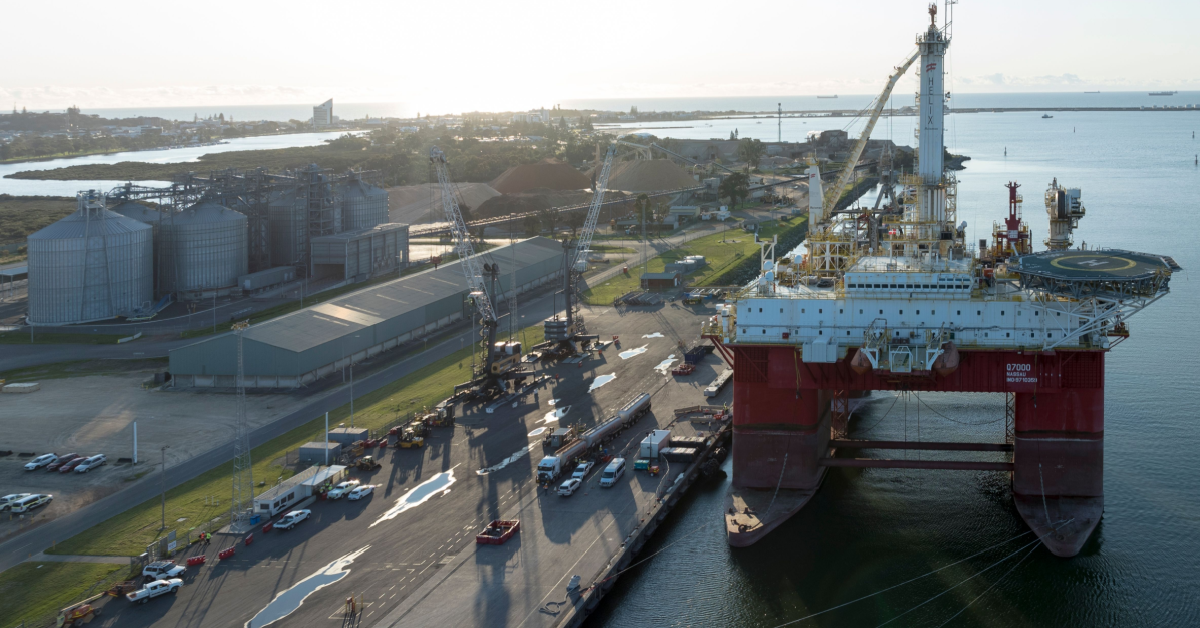
Western Australia’s budget includes a modest new capital tranche for Bunbury port and planning funds for additional capacity; this creates discrete planning and mobilisation windows for local suppliers and contractors

Key takeaways

  • Western Australia’s budget includes a modest new capital tranche for Bunbury port and planning funds for additional capacity; this creates discrete planning and mobilisation windows for local suppliers and contractors.[1]
  • Price & Speed’s Sydney container depots advertise authorised biosecurity and fumigation capability close to Sydney Ports—operationally useful, but operators and schedulers must verify certificates, operating hours and inflow handling before routing regulated consignments.[2]
  • A final safety inquiry into the Kaitaki ro-pax breakdown flags a near-miss that should prompt lane-level contingency and maintenance checks for ferry and roll-on/roll-off services.[4]
  • Separately, a global fleet equipment-failures report highlights recurring failure points across vessels; the article is member-restricted, so treat broader fleet implications as an early operational signal to validate vendor maintenance practices.[3]
  • Overall port funding in the state budget remains small and concentrated in roads; Bunbury’s allocation is targeted rather than systemic port funding, so expect incremental capacity steps rather than immediate lane-wide throughput changes.[1]

What changed since last run

  • Added concrete state-budget funding for Bunbury port and a separate planning allocation for capacity at Bunbury (new since prior brief).
  • Added a final accident/investigation report for the Kaitaki ro-pax breakdown that raises ferry maintenance and contingency concerns.
  • Flagged a member-only global fleet equipment-failures report as an early operational signal to validate supplier maintenance practices.

Key facts

  • New capital tranche for Transforming Bunbury’s Waterfront project
  • Dedicated planning funding for additional Bunbury Port capacity
  • Other statewide maritime maintenance listed as ongoing program, not new investment
  • Two depot locations serving sea and air cargo handling
  • Authorised facility for commercial operations and biosecurity activities
  • Advertised services include fumigation, out-of-gauge handling, and fresh produce

Why it matters

Western Australia’s budget includes a modest new capital tranche for Bunbury port and planning funds for additional capacity; this creates discrete planning and mobilisation windows for local suppliers and contractors. Price & Speed’s Sydney container depots advertise authorised biosecurity and fumigation capability close to Sydney Ports—operationally useful, but operators and schedulers must verify certificates, operating hours and inflow handling before routing regulated consignments. A final safety inquiry into the Kaitaki ro-pax breakdown flags a near-miss that should prompt lane-level contingency and maintenance checks for ferry and roll-on/roll-off services. Separately, a global fleet equipment-failures report highlights recurring failure points across vessels; the article is member-restricted, so treat broader fleet implications as an early operational signal to validate vendor maintenance practices

Cost / money

  • Targeted port capital in Bunbury can create short-term demand for local civil contractors and boat-pen suppliers, which may push spot rates for mobilisation and specialised equipment if procurement timelines compress.[1]
  • Using authorised depots (e.g., Price & Speed) for biosecurity work can move spend into pass-through lines (fumigation, certificates, handling) unless contracts or SOWs explicitly fix invoicing and cost allocation.[2]
  • Recurring equipment failures across vessels raise maintenance spend risk: expect higher absorbable spare-parts and emergency repair costs if vendor maintenance regimes are weak or parts lead-times are long.[3]

Supplier / commercial

  • Local contractors around Bunbury gain leverage for near-port work packages during construction phases; buyers should expect narrower availability windows and possibly shorter bid validity from small local suppliers.[1]
  • Depot operators with documented biosecurity capability hold commercial leverage on slot availability and short-notice handling; contract SLAs or slot booking terms are the main levers to control that behaviour.[2]
  • Ferry and ro-pax operators may face commercial scrutiny post-reporting; expect requests for stronger maintenance warranties or risk-transfer clauses in short-term renewals or ad hoc procurements.[4]

Safety / operations

  • Bunbury waterfront works and outer-seawall upgrades create localized safety and access constraints during construction—coordinate cargo routing, berth windows and emergency-response plans with port authorities ahead of mobilisation.[1]
  • Depot biosecurity capability reduces regulatory hold risk operationally only if certificates, SOPs and insurer evidence are verified; otherwise routing regulated consignments still carries compliance hold risk.[2]
  • The Kaitaki breakdown final report underscores mechanical-failure risk on ro-pax services; operators should verify maintenance records, crew training evidence and emergency response drills before relying on lanes for critical movements.[4]

What to watch

  • Budget language calling out planning funds is not the same as construction certainty—watch forward procurement notices or planning approvals for firm timelines.[1]
  • Public depot claims like 'open 7 days' are marketing; verify operating hours, blackout dates and on-site biosecurity permits before committing regulated consignments to avoid last-minute rerouting.[2]
  • The global equipment-failure report is member-access restricted; treat fleet-wide findings as directional and validate any supplier-level maintenance claims directly with vendors and classification societies.[3]

Top stories

Story 1Thedcn

Bunbury Port main winner in modest budget port funding

Signal strongSource-grounded

What happened

Western Australia’s state budget assigns a modest new capital tranche to Bunbury Port and separate planning funds for additional capacity. The funding is targeted—new money for a waterfront transformation and planning rather than a broad port-capacity program, meaning effects will be localized and phased. Operational teams should watch procurement notices and planning approvals to translate planning funds into firm mobilisation windows

Buyer takeaway

Treat the Bunbury allocations as a real local demand signal that can tighten mobilisation and contractor availability for near-port works

Cost / money

Expect upward pressure on mobilisation and local specialised services during construction phases; spot rates can rise if timelines compress

Supplier / commercial

Local contractors will gain leverage on timing and short-validity quotes; use scope clarity and pre-qualified rosters to preserve pricing leverage

Safety / operations

Construction and seawall works will create access and safety constraints—coordinate berth windows, exclusion zones and emergency response with the port authority

What to watch

Watch for planning approvals and tender notices that convert planning funds into procurement packages and mobilise suppliers

Key facts

  • New capital tranche for Transforming Bunbury’s Waterfront project
  • Dedicated planning funding for additional Bunbury Port capacity
  • Other statewide maritime maintenance listed as ongoing program, not new investment

Source excerpts

News Bunbury Port main winner in modest budget port funding Port of Bunbury
The headline port item is $89. 1 million for the next phase of the Transforming Bunbury’s Waterfront project, funding a new recreation precinct, additional boat pens and upgrades to the outer seawall
1 million for the next phase of the Transforming Bunbury’s Waterfront project, funding a new recreation precinct, additional boat pens and upgrades to the outer seawall
Story 2Price & Speed

Sydney Container Depot

Signal strongSource-grounded

What happened

Price & Speed advertises two Sydney depots with authorised commercial operations and on-site biosecurity services, including fumigation and fresh-produce handling. Their proximity to Sydney Ports and claimed 'open 7 days' convenience is operationally useful, but the public listing is not contract evidence—verify certificates, operating hours and insurance before routing regulated consignments. If verified, these depots can shorten routing times for biosecurity-controlled cargo; if not, they are a routing risk

Buyer takeaway

Use depot operators to reduce regulatory hold risk only after verifying their biosecurity credentials and billing practices

Cost / money

Depot services commonly reclassify fees into pass-through lines; clarify invoicing mechanics to avoid surprise charge reallocation

Supplier / commercial

Depots with biosecurity capability can limit booking windows and hold short-validity slots; contract SLAs and slot booking terms are primary levers

Safety / operations

On-site fumigation and handling reduce compliance risk operationally but depend on valid SOPs and insurance evidence for insurer acceptance

What to watch

Marketing claims (e.g., 'open 7 days') are not contract evidence—obtain documentary proof of hours and blackout dates

Key facts

  • Two depot locations serving sea and air cargo handling
  • Authorised facility for commercial operations and biosecurity activities
  • Advertised services include fumigation, out-of-gauge handling, and fresh produce

Source excerpts

Located close to Sydney Ports, Price & Speed is an authorised facility for commercial operations and biosecurity activities
We strive to provide a service that reflects our name in that all of our services and products are both cost effective and timely. Located close to Sydney Ports, Price & Speed is an authorised facility for commercial operations and biosecurity activities
+61 2 9666 6565Open 7 dayscheck our contact page for depot operating hours
Story 3Thedcn

Report highlights equipment failures in global fleet

Signal limitedDirectional

What happened

A member-only report highlights critical and recurring equipment failure points across the global merchant fleet. The article summary indicates systemic failure modes, but access is restricted—treat the findings as a directional signal requiring validation with suppliers and class societies. Procurement should use this as a prompt to audit maintenance regimes and parts-supply arrangements rather than assume fleet-wide statistics

Buyer takeaway

Treat the report as an early operational signal to verify supplier maintenance and parts-supply readiness, not as definitive fleet-wide proof

Cost / money

Weak maintenance regimes imply higher emergency repair and spare-part costs; plan contractual mechanisms to share or cap those risks

Supplier / commercial

Vendors with poor reliability can shift risk into expedited repairs and premium parts pricing; use contract uptime clauses to manage leverage

Safety / operations

Recurring equipment failures degrade safety and increase downtime risk—require maintenance logs and class certificates for critical suppliers

What to watch

Because the report is member-restricted, corroborate signals through supplier records and classification society notices before taking broad procurement action

Key facts

  • Report identifies recurring critical equipment failure points across vessels
  • Content is available to members only—public summary is limited
  • Authors flag systemic maintenance and equipment reliability concerns

Source excerpts

News Report highlights equipment failures in global fleet Image: Supplied Posted by Caroline Tung | 8 May, 2026 A REPORT detailing “critical and recurring equipment failure points” within ships across the world has been released by the International Association of Classification Societies (IACS)
News Report highlights equipment failures in global fleet Image: Supplied Posted by Caroline Tung | 8 May, 2026 A REPORT detailing “critical and recurring equipment failure points” within ships across the world has been released by the International Association of Classification Societies (IACS). This content is for members only Create a free account with www
This content is for members only Create a free account with www
Story 4Thedcn

Kaitaki breakdown report: “Serious casualty narrowly avoided”

Signal moderateSource-grounded

What happened

The final investigation into the Kaitaki ro-pax breakdown concludes that a serious casualty was narrowly avoided, highlighting operational and mechanical risks on ro-pax services. The report’s findings make vessel reliability and operator maintenance practices an immediate supplier-level concern for any lanes using similar ferry services. Expect renewals or short-term contract negotiations to reference the report when buyers request stronger maintenance evidence or contingency commitments

Buyer takeaway

Treat the Kaitaki report as confirmation to raise maintenance and contingency expectations with ferry operators used on critical lanes

Cost / money

Buyers may face higher short-term costs if operators pass through maintenance or insurance premium increases; negotiate clearer pass-through clauses

Supplier / commercial

Ferry operators may seek contract protections post-report; use performance and maintenance evidence to preserve negotiating leverage

Safety / operations

The near-miss increases the need for verified maintenance records, crew training evidence, and emergency-drill documentation before routing critical consignments

What to watch

Because the report is specific to a ro-pax operator, focus supplier questions on similar fleet types and avoid overgeneralising to unrelated vessel classes

Key facts

  • Final report labels the event a near-miss for a serious casualty
  • Investigation focuses on mechanical/breakdown root causes and crew response
  • Report outcomes are likely to influence operator maintenance and compliance expectations

Source excerpts

News Kaitaki breakdown report: “Serious casualty narrowly avoided” Image: jon lyall / Shutterstock Posted by Dale Crisp | 8 May, 2026 THE NEW Zealand Transport Accident Investigation Commission’s final report into the breakdown of KiwiRail’s ro-pax Kaitaki in January 2023 has set out in stark detail six major system failures and “organised chaos” on board
thedcn

VP Snapshot

Executive Risk & Action View

Western Australia’s budget includes a modest new capital tranche for Bunbury port and planning funds for additional capacity; this creates discrete planning and mobilisation windows for local suppliers and contractors.

Overall
41
Cost
97
Supply
97
Schedule
20
Compliance
35

Top signals

30-180dcost

Signal 1: Cost / money

Targeted port capital in Bunbury can create short-term demand for local civil contractors and boat-pen suppliers, which may push spot rates for mobilisation and specialised equipment if procurement timelines compress.

Signal 2: Cost / money

Using authorised depots (e.g., Price & Speed) for biosecurity work can move spend into pass-through lines (fumigation, certificates, handling) unless contracts or SOWs explicitly fix invoicing and cost allocation.

Signal 3: Cost / money

Recurring equipment failures across vessels raise maintenance spend risk: expect higher absorbable spare-parts and emergency repair costs if vendor maintenance regimes are weak or parts lead-times are long.

0-30dsupply

Signal 4: Supplier / commercial

Local contractors around Bunbury gain leverage for near-port work packages during construction phases; buyers should expect narrower availability windows and possibly shorter bid validity from small local suppliers.

Signal 5: Supplier / commercial

Depot operators with documented biosecurity capability hold commercial leverage on slot availability and short-notice handling; contract SLAs or slot booking terms are the main levers to control that behaviour.

30-180dcommercial

Signal 6: Supplier / commercial

Ferry and ro-pax operators may face commercial scrutiny post-reporting; expect requests for stronger maintenance warranties or risk-transfer clauses in short-term renewals or ad hoc procurements.

Recommended actions

OpsDue 3d

Request current biosecurity certificates, fumigation SOPs, insurance contacts and verified operating hours from Price & Speed for lanes you route through Sydney.

Verified depot pack (certificates and hours) to support immediate routing decisions and reduce compliance holds.

CategoryDue 3d

Notify lane planners and schedulers of the Kaitaki final report and require proof of recent maintenance checks and emergency-drill records from any ferry operator used for freig...

Maintenance and drill evidence collected to inform immediate lane contingency decisions.

ContractsDue 21d

Open a short-form contract addendum template for depot services that codifies pass-through invoicing treatment, slot booking SLAs and liability for fumigation-related delays.

Addendum template ready to standardise invoicing treatment and slot commitments with depot suppliers.

CategoryDue 21d

Engage local civil procurement and supplier lists around Bunbury to map availability, lead times and mobilisation constraints ahead of planned works.

Supplier availability map to shape tender timing and mitigate spot-rate exposure.

ContractsDue 60d

Run a maintenance and spare-parts audit across contracted vessel suppliers and ferry operators, adding contractual uptime or parts-availability clauses where gaps are found.

Audit results and contract amendments that improve uptime guarantees or parts-supply commitments.

OpsDue 60d

Develop a lane-contingency playbook for coastal and ro-pax services that includes alternate routing, substitution triggers, and supplier-leverage strategies for mobilising repla...

Contingency playbook ready for activation to reduce disruption impact on critical lanes.

Risk register

RiskTriggerMitigation
Budget language calling out planning funds is not the same as construction certainty—watch forward procurement notices or planning approvals for firm timelines.Budget language calling out planning funds is not the same as construction certainty—watch forward procurement notices or planning approvals for firm timelines.Confirm exposure with category, contracts, and operations before the next supplier commitment.
Public depot claims like 'open 7 days' are marketing; verify operating hours, blackout dates and on-site biosecurity permits before committing regulated consignments to avoid last-minute rerouting.Public depot claims like 'open 7 days' are marketing; verify operating hours, blackout dates and on-site biosecurity permits before committing regulated consignments to avoid last-minute rerouting.Confirm exposure with category, contracts, and operations before the next supplier commitment.
The global equipment-failure report is member-access restricted; treat fleet-wide findings as directional and validate any supplier-level maintenance claims directly with vendors and classification societies.The global equipment-failure report is member-access restricted; treat fleet-wide findings as directional and validate any supplier-level maintenance claims directly with vendors and classification societies.Confirm exposure with category, contracts, and operations before the next supplier commitment.

CM Snapshot

Category Manager Decision Detail

Today's priorities

Request current biosecurity certificates, fumigation SOPs, insurance contacts and verified operating hours from Price & Speed for lanes you route through Sydney.

because routing regulated consignments via a depot is only reliable if documentary evidence proves they can accept consignments without unexpected holds or pass-through surprises.

Due 3d

high

CM move

Use this as the immediate supplier or contract action to move before the next sourcing gate.

Notify lane planners and schedulers of the Kaitaki final report and require proof of recent maintenance checks and emergency-drill records from any ferry operator used for freig...

because a near-miss report increases operational risk for ro-pax services and demands verified maintenance readiness before scheduling critical cargo.

Due 3d

high

CM move

Use this as the immediate supplier or contract action to move before the next sourcing gate.

Open a short-form contract addendum template for depot services that codifies pass-through invoicing treatment, slot booking SLAs and liability for fumigation-related delays.

because depot biosecurity and fumigation services can shift cost and timing risk into pass-through lines unless contract scope and invoicing mechanics are explicit.

Due 21d

high

CM move

Use this as the immediate supplier or contract action to move before the next sourcing gate.

Engage local civil procurement and supplier lists around Bunbury to map availability, lead times and mobilisation constraints ahead of planned works.

because targeted port capital will create local demand that can tighten mobilisation windows and supplier availability for port works.

Due 21d

high

CM move

Use this as the immediate supplier or contract action to move before the next sourcing gate.

Supplier radar

Thedcn

high

Observed supplier signal

Local contractors around Bunbury gain leverage for near-port work packages during construction phases; buyers should expect narrower availability windows and possibly shorter bid validity from small local suppliers.

Commercial implication

Local contractors around Bunbury gain leverage for near-port work packages during construction phases; buyers should expect narrower availability windows and possibly shorter bid validity from small local suppliers.

Next step: Validate the source-backed signal with incumbents and alternates before the next award or pricing decision.

Price & Speed

high

Observed supplier signal

Depot operators with documented biosecurity capability hold commercial leverage on slot availability and short-notice handling; contract SLAs or slot booking terms are the main levers to control that behaviour.

Commercial implication

Depot operators with documented biosecurity capability hold commercial leverage on slot availability and short-notice handling; contract SLAs or slot booking terms are the main levers to control that behaviour.

Next step: Validate the source-backed signal with incumbents and alternates before the next award or pricing decision.

Thedcn

high

Observed supplier signal

Ferry and ro-pax operators may face commercial scrutiny post-reporting; expect requests for stronger maintenance warranties or risk-transfer clauses in short-term renewals or ad hoc procurements.

Commercial implication

Ferry and ro-pax operators may face commercial scrutiny post-reporting; expect requests for stronger maintenance warranties or risk-transfer clauses in short-term renewals or ad hoc procurements.

Next step: Validate the source-backed signal with incumbents and alternates before the next award or pricing decision.

Negotiation levers

Request current biosecurity certificates, fumigation SOPs, insurance contacts and verified operating hours from Price & Speed for lanes you route through Sydney.

When to use: because routing regulated consignments via a depot is only reliable if documentary evidence proves they can accept consignments without unexpected holds or pass-through surprises.

Expected outcome: Verified depot pack (certificates and hours) to support immediate routing decisions and reduce compliance holds.

Commercial mechanism to carry into the next supplier conversation

Notify lane planners and schedulers of the Kaitaki final report and require proof of recent maintenance checks and emergency-drill records from any ferry operator used for freig...

When to use: because a near-miss report increases operational risk for ro-pax services and demands verified maintenance readiness before scheduling critical cargo.

Expected outcome: Maintenance and drill evidence collected to inform immediate lane contingency decisions.

Commercial mechanism to carry into the next supplier conversation

Open a short-form contract addendum template for depot services that codifies pass-through invoicing treatment, slot booking SLAs and liability for fumigation-related delays.

When to use: because depot biosecurity and fumigation services can shift cost and timing risk into pass-through lines unless contract scope and invoicing mechanics are explicit.

Expected outcome: Addendum template ready to standardise invoicing treatment and slot commitments with depot suppliers.

Commercial mechanism to carry into the next supplier conversation

Engage local civil procurement and supplier lists around Bunbury to map availability, lead times and mobilisation constraints ahead of planned works.

When to use: because targeted port capital will create local demand that can tighten mobilisation windows and supplier availability for port works.

Expected outcome: Supplier availability map to shape tender timing and mitigate spot-rate exposure.

Commercial mechanism to carry into the next supplier conversation

Talking points

Western Australia’s budget includes a modest new capital tranche for Bunbury port and planning funds for additional capacity; this creates discrete planning and mobilisation windows for local suppliers and contractors.
Price & Speed’s Sydney container depots advertise authorised biosecurity and fumigation capability close to Sydney Ports—operationally useful, but operators and schedulers must verify certificates, operating hours and inflow handling before routing regulated consignments.
A final safety inquiry into the Kaitaki ro-pax breakdown flags a near-miss that should prompt lane-level contingency and maintenance checks for ferry and roll-on/roll-off services.
Separately, a global fleet equipment-failures report highlights recurring failure points across vessels; the article is member-restricted, so treat broader fleet implications as an early operational signal to validate vendor maintenance practices.

Supplier radar

SupplierSignalImplicationNext stepConfidence
ThedcnLocal contractors around Bunbury gain leverage for near-port work packages during construction phases; buyers should expect narrower availability windows and possibly shorter bid validity from small local suppliers.Local contractors around Bunbury gain leverage for near-port work packages during construction phases; buyers should expect narrower availability windows and possibly shorter bid validity from small local suppliers.Validate the source-backed signal with incumbents and alternates before the next award or pricing decision.high
Price & SpeedDepot operators with documented biosecurity capability hold commercial leverage on slot availability and short-notice handling; contract SLAs or slot booking terms are the main levers to control that behaviour.Depot operators with documented biosecurity capability hold commercial leverage on slot availability and short-notice handling; contract SLAs or slot booking terms are the main levers to control that behaviour.Validate the source-backed signal with incumbents and alternates before the next award or pricing decision.high
ThedcnFerry and ro-pax operators may face commercial scrutiny post-reporting; expect requests for stronger maintenance warranties or risk-transfer clauses in short-term renewals or ad hoc procurements.Ferry and ro-pax operators may face commercial scrutiny post-reporting; expect requests for stronger maintenance warranties or risk-transfer clauses in short-term renewals or ad hoc procurements.Validate the source-backed signal with incumbents and alternates before the next award or pricing decision.high

Negotiation levers

  • Request current biosecurity certificates, fumigation SOPs, insurance contacts and verified operating hours from Price & Speed for lanes you route through Sydney.because routing regulated consignments via a depot is only reliable if documentary evidence proves they can accept consignments without unexpected holds or pass-through surprises.Verified depot pack (certificates and hours) to support immediate routing decisions and reduce compliance holds.

    high confidence

  • Notify lane planners and schedulers of the Kaitaki final report and require proof of recent maintenance checks and emergency-drill records from any ferry operator used for freig...because a near-miss report increases operational risk for ro-pax services and demands verified maintenance readiness before scheduling critical cargo.Maintenance and drill evidence collected to inform immediate lane contingency decisions.

    high confidence

  • Open a short-form contract addendum template for depot services that codifies pass-through invoicing treatment, slot booking SLAs and liability for fumigation-related delays.because depot biosecurity and fumigation services can shift cost and timing risk into pass-through lines unless contract scope and invoicing mechanics are explicit.Addendum template ready to standardise invoicing treatment and slot commitments with depot suppliers.

    high confidence

  • Engage local civil procurement and supplier lists around Bunbury to map availability, lead times and mobilisation constraints ahead of planned works.because targeted port capital will create local demand that can tighten mobilisation windows and supplier availability for port works.Supplier availability map to shape tender timing and mitigate spot-rate exposure.

    high confidence

What to do / What to watch

What to do now

  • Request current biosecurity certificates, fumigation SOPs, insurance contacts and verified operating hours from Price & Speed for lanes you route through Sydney.

    Why: because routing regulated consignments via a depot is only reliable if documentary evidence proves they can accept consignments without unexpected holds or pass-through surprises.

    Owner: Ops

    Expected outcome: Verified depot pack (certificates and hours) to support immediate routing decisions and reduce compliance holds.

    [2]
  • Notify lane planners and schedulers of the Kaitaki final report and require proof of recent maintenance checks and emergency-drill records from any ferry operator used for freig...

    Why: because a near-miss report increases operational risk for ro-pax services and demands verified maintenance readiness before scheduling critical cargo.

    Owner: Category

    Expected outcome: Maintenance and drill evidence collected to inform immediate lane contingency decisions.

    [4]

Next few weeks

  • Open a short-form contract addendum template for depot services that codifies pass-through invoicing treatment, slot booking SLAs and liability for fumigation-related delays.

    Why: because depot biosecurity and fumigation services can shift cost and timing risk into pass-through lines unless contract scope and invoicing mechanics are explicit.

    Owner: Contracts

    Expected outcome: Addendum template ready to standardise invoicing treatment and slot commitments with depot suppliers.

    [2]
  • Engage local civil procurement and supplier lists around Bunbury to map availability, lead times and mobilisation constraints ahead of planned works.

    Why: because targeted port capital will create local demand that can tighten mobilisation windows and supplier availability for port works.

    Owner: Category

    Expected outcome: Supplier availability map to shape tender timing and mitigate spot-rate exposure.

    [1]

Longer view

  • Run a maintenance and spare-parts audit across contracted vessel suppliers and ferry operators, adding contractual uptime or parts-availability clauses where gaps are found.

    Why: because recurring equipment-failure signals increase the probability of unplanned downtime and emergency repairs that impact lane continuity and costs.

    Owner: Contracts

    Expected outcome: Audit results and contract amendments that improve uptime guarantees or parts-supply commitments.

    [3]
  • Develop a lane-contingency playbook for coastal and ro-pax services that includes alternate routing, substitution triggers, and supplier-leverage strategies for mobilising repla...

    Why: because single-operator dependency and mechanical-failure risks require a documented playbook to preserve mobilisation options and control commercial exposure.

    Owner: Ops

    Expected outcome: Contingency playbook ready for activation to reduce disruption impact on critical lanes.

    [1][4]

What to watch

  • Budget language calling out planning funds is not the same as construction certainty—watch forward procurement notices or planning approvals for firm timelines
  • Public depot claims like 'open 7 days' are marketing; verify operating hours, blackout dates and on-site biosecurity permits before committing regulated consignments to avoid last-minute rerouting
  • The global equipment-failure report is member-access restricted; treat fleet-wide findings as directional and validate any supplier-level maintenance claims directly with vendors and classification societies
  • Budget language calling out planning funds is not the same as construction certainty—watch forward procurement notices or planning approvals for firm timelines.: Budget language calling out planning funds is not the same as construction certainty—watch forward procurement notices or planning approvals for firm timelines
  • Public depot claims like 'open 7 days' are marketing; verify operating hours, blackout dates and on-site biosecurity permits before committing regulated consignments to avoid last-minute rerouting.: Public depot claims like 'open 7 days' are marketing; verify operating hours, blackout dates and on-site biosecurity permits before committing regulated consignments to avoid last-minute rerouting
  • The global equipment-failure report is member-access restricted; treat fleet-wide findings as directional and validate any supplier-level maintenance claims directly with vendors and classification societies.: The global equipment-failure report is member-access restricted; treat fleet-wide findings as directional and validate any supplier-level maintenance claims directly with vendors and classification societies
  • Western Australia’s budget includes a modest new capital tranche for Bunbury port and planning funds for additional capacity; this creates discrete planning and mobilisation windows for local suppliers and contractors
  • Price & Speed’s Sydney container depots advertise authorised biosecurity and fumigation capability close to Sydney Ports—operationally useful, but operators and schedulers must verify certificates, operating hours and inflow handling before routing regulated consignments

Market pulse

IndexLatestChangeAs of
Dry Bulk Shipping (BDRY) (BDRY)0 +0.00 (+0.00%)May 8, 2026, 10:14 PM
WTI (Fuel) (WTI)71.23 /bbl+0.00 (+0.00%)May 8, 2026, 10:14 PM
FedEx (FDX)285 +0.00 (+0.00%)May 8, 2026, 10:14 PM
UPS (UPS)142 +0.00 (+0.00%)May 8, 2026, 10:14 PM
Maersk (MAERSK)9.5 +0.00 (+0.00%)May 8, 2026, 10:14 PM
  • WTI (Fuel): Fuel price trends affect bunker cost pass-throughs for near-port mobilisation and emergency reroutes; monitor for higher short-term vessel operating costs
  • Dry Bulk Shipping (BDRY): Dry-bulk shipping moves influence local port demand and contractor mobilisation costs near resource-export hubs; useful context for Bunbury contractor planning

Sources

Inline citations jump here. Expand a source to read the excerpt, the AI interpretation, and the original link.

[1] Bunbury Port main winner in modest budget port funding

thedcn.com.au · n.d.

Expand

AI reading

Western Australia’s state budget assigns a modest new capital tranche to Bunbury Port and separate planning funds for additional capacity. The funding is targeted—new money for a waterfront transformation and planning rather than a broad port-capacity program, meaning effects will be localized and phased. Operational teams should watch procurement notices and planning approvals to translate planning funds into firm mobilisation windows

Buyer takeaway

Treat the Bunbury allocations as a real local demand signal that can tighten mobilisation and contractor availability for near-port works

Cost / money

Expect upward pressure on mobilisation and local specialised services during construction phases; spot rates can rise if timelines compress

Supplier / commercial

Local contractors will gain leverage on timing and short-validity quotes; use scope clarity and pre-qualified rosters to preserve pricing leverage

Safety / operations

Construction and seawall works will create access and safety constraints—coordinate berth windows, exclusion zones and emergency response with the port authority

What to watch

Watch for planning approvals and tender notices that convert planning funds into procurement packages and mobilise suppliers

Key facts

  • New capital tranche for Transforming Bunbury’s Waterfront project
  • Dedicated planning funding for additional Bunbury Port capacity
  • Other statewide maritime maintenance listed as ongoing program, not new investment

Source excerpts

News Bunbury Port main winner in modest budget port funding Port of Bunbury
The headline port item is $89. 1 million for the next phase of the Transforming Bunbury’s Waterfront project, funding a new recreation precinct, additional boat pens and upgrades to the outer seawall
1 million for the next phase of the Transforming Bunbury’s Waterfront project, funding a new recreation precinct, additional boat pens and upgrades to the outer seawall

Used in this brief

  • Cost / money: Targeted port capital in Bunbury can create short-term demand for local civil contractors and boat-pen suppliers, which may push spot rates for mobilisation and specialised equipment if procurement timelines compress
  • Supplier / commercial: Local contractors around Bunbury gain leverage for near-port work packages during construction phases; buyers should expect narrower availability windows and possibly shorter bid validity from small local suppliers
  • Safety / operations: Bunbury waterfront works and outer-seawall upgrades create localized safety and access constraints during construction—coordinate cargo routing, berth windows and emergency-response plans with port authorities ahead of mobilisation
Open original source

[2] Sydney Container Depot

thedcn.com.au · n.d.

Expand

AI reading

Price & Speed advertises two Sydney depots with authorised commercial operations and on-site biosecurity services, including fumigation and fresh-produce handling. Their proximity to Sydney Ports and claimed 'open 7 days' convenience is operationally useful, but the public listing is not contract evidence—verify certificates, operating hours and insurance before routing regulated consignments. If verified, these depots can shorten routing times for biosecurity-controlled cargo; if not, they are a routing risk

Buyer takeaway

Use depot operators to reduce regulatory hold risk only after verifying their biosecurity credentials and billing practices

Cost / money

Depot services commonly reclassify fees into pass-through lines; clarify invoicing mechanics to avoid surprise charge reallocation

Supplier / commercial

Depots with biosecurity capability can limit booking windows and hold short-validity slots; contract SLAs and slot booking terms are primary levers

Safety / operations

On-site fumigation and handling reduce compliance risk operationally but depend on valid SOPs and insurance evidence for insurer acceptance

What to watch

Marketing claims (e.g., 'open 7 days') are not contract evidence—obtain documentary proof of hours and blackout dates

Key facts

  • Two depot locations serving sea and air cargo handling
  • Authorised facility for commercial operations and biosecurity activities
  • Advertised services include fumigation, out-of-gauge handling, and fresh produce

Source excerpts

Located close to Sydney Ports, Price & Speed is an authorised facility for commercial operations and biosecurity activities
We strive to provide a service that reflects our name in that all of our services and products are both cost effective and timely. Located close to Sydney Ports, Price & Speed is an authorised facility for commercial operations and biosecurity activities
+61 2 9666 6565Open 7 dayscheck our contact page for depot operating hours

Used in this brief

  • Western Australia’s budget includes a modest new capital tranche for Bunbury port and planning funds for additional capacity; this creates discrete planning and mobilisation windows for local suppliers and contractors. Price & Speed’s Sydney container depots advertise authorised biosecurity and fumigation capability close to Sydney Ports—operationally useful, but operators and schedulers must verify certificates, operating hours and inflow handling before routing regulated consignments. A final safety inquiry into the Kaitaki ro-pax breakdown flags a near-miss that should prompt lane-level contingency and maintenance checks for ferry and roll-on/roll-off services. Separately, a global fleet equipment-failures report highlights recurring failure points across vessels; the article is member-restricted, so treat broader fleet implications as an early operational signal to validate vendor maintenance practices
  • Cost / money: Using authorised depots (e.g., Price & Speed) for biosecurity work can move spend into pass-through lines (fumigation, certificates, handling) unless contracts or SOWs explicitly fix invoicing and cost allocation
  • What to watch: Public depot claims like 'open 7 days' are marketing; verify operating hours, blackout dates and on-site biosecurity permits before committing regulated consignments to avoid last-minute rerouting
Open original source

[3] Report highlights equipment failures in global fleet

thedcn.com.au · n.d.

Expand

AI reading

A member-only report highlights critical and recurring equipment failure points across the global merchant fleet. The article summary indicates systemic failure modes, but access is restricted—treat the findings as a directional signal requiring validation with suppliers and class societies. Procurement should use this as a prompt to audit maintenance regimes and parts-supply arrangements rather than assume fleet-wide statistics

Buyer takeaway

Treat the report as an early operational signal to verify supplier maintenance and parts-supply readiness, not as definitive fleet-wide proof

Cost / money

Weak maintenance regimes imply higher emergency repair and spare-part costs; plan contractual mechanisms to share or cap those risks

Supplier / commercial

Vendors with poor reliability can shift risk into expedited repairs and premium parts pricing; use contract uptime clauses to manage leverage

Safety / operations

Recurring equipment failures degrade safety and increase downtime risk—require maintenance logs and class certificates for critical suppliers

What to watch

Because the report is member-restricted, corroborate signals through supplier records and classification society notices before taking broad procurement action

Key facts

  • Report identifies recurring critical equipment failure points across vessels
  • Content is available to members only—public summary is limited
  • Authors flag systemic maintenance and equipment reliability concerns

Source excerpts

News Report highlights equipment failures in global fleet Image: Supplied Posted by Caroline Tung | 8 May, 2026 A REPORT detailing “critical and recurring equipment failure points” within ships across the world has been released by the International Association of Classification Societies (IACS)
News Report highlights equipment failures in global fleet Image: Supplied Posted by Caroline Tung | 8 May, 2026 A REPORT detailing “critical and recurring equipment failure points” within ships across the world has been released by the International Association of Classification Societies (IACS). This content is for members only Create a free account with www
This content is for members only Create a free account with www

Used in this brief

  • What to watch: The global equipment-failure report is member-access restricted; treat fleet-wide findings as directional and validate any supplier-level maintenance claims directly with vendors and classification societies
  • Next quarter — Run a maintenance and spare-parts audit across contracted vessel suppliers and ferry operators, adding contractual uptime or parts-availability clauses where gaps are found.. Rationale: because recurring equipment-failure signals increase the probability of unplanned downtime and emergency repairs that impact lane continuity and costs.. Owner: Contracts. KPI: Audit results and contract amendments that improve uptime guarantees or parts-supply commitments
  • The global equipment-failure report is member-access restricted; treat fleet-wide findings as directional and validate any supplier-level maintenance claims directly with vendors and classification societies
Open original source

[4] Kaitaki breakdown report: “Serious casualty narrowly avoided”

thedcn.com.au · n.d.

Expand

AI reading

The final investigation into the Kaitaki ro-pax breakdown concludes that a serious casualty was narrowly avoided, highlighting operational and mechanical risks on ro-pax services. The report’s findings make vessel reliability and operator maintenance practices an immediate supplier-level concern for any lanes using similar ferry services. Expect renewals or short-term contract negotiations to reference the report when buyers request stronger maintenance evidence or contingency commitments

Buyer takeaway

Treat the Kaitaki report as confirmation to raise maintenance and contingency expectations with ferry operators used on critical lanes

Cost / money

Buyers may face higher short-term costs if operators pass through maintenance or insurance premium increases; negotiate clearer pass-through clauses

Supplier / commercial

Ferry operators may seek contract protections post-report; use performance and maintenance evidence to preserve negotiating leverage

Safety / operations

The near-miss increases the need for verified maintenance records, crew training evidence, and emergency-drill documentation before routing critical consignments

What to watch

Because the report is specific to a ro-pax operator, focus supplier questions on similar fleet types and avoid overgeneralising to unrelated vessel classes

Key facts

  • Final report labels the event a near-miss for a serious casualty
  • Investigation focuses on mechanical/breakdown root causes and crew response
  • Report outcomes are likely to influence operator maintenance and compliance expectations

Source excerpts

News Kaitaki breakdown report: “Serious casualty narrowly avoided” Image: jon lyall / Shutterstock Posted by Dale Crisp | 8 May, 2026 THE NEW Zealand Transport Accident Investigation Commission’s final report into the breakdown of KiwiRail’s ro-pax Kaitaki in January 2023 has set out in stark detail six major system failures and “organised chaos” on board
thedcn

Used in this brief

  • Safety / operations: The Kaitaki breakdown final report underscores mechanical-failure risk on ro-pax services; operators should verify maintenance records, crew training evidence and emergency response drills before relying on lanes for critical movements
  • Next 72 hours — Notify lane planners and schedulers of the Kaitaki final report and require proof of recent maintenance checks and emergency-drill records from any ferry operator used for freig.... Rationale: because a near-miss report increases operational risk for ro-pax services and demands verified maintenance readiness before scheduling critical cargo.. Owner: Category. KPI: Maintenance and drill evidence collected to inform immediate lane contingency decisions
  • Added a final accident/investigation report for the Kaitaki ro-pax breakdown that raises ferry maintenance and contingency concerns
Open original source

[5] WTI (Fuel)

finance.yahoo.com · n.d.

Expand

[6] Dry Bulk Shipping (BDRY)

finance.yahoo.com · n.d.

Expand