Completions & Intervention · Australia (Perth)

Secure Mobilisation Terms for Indonesian SURF and Vessel Schedules

Published May 9, 2026, 6:00 AM AWSTAPACFull category signal
Ask AI
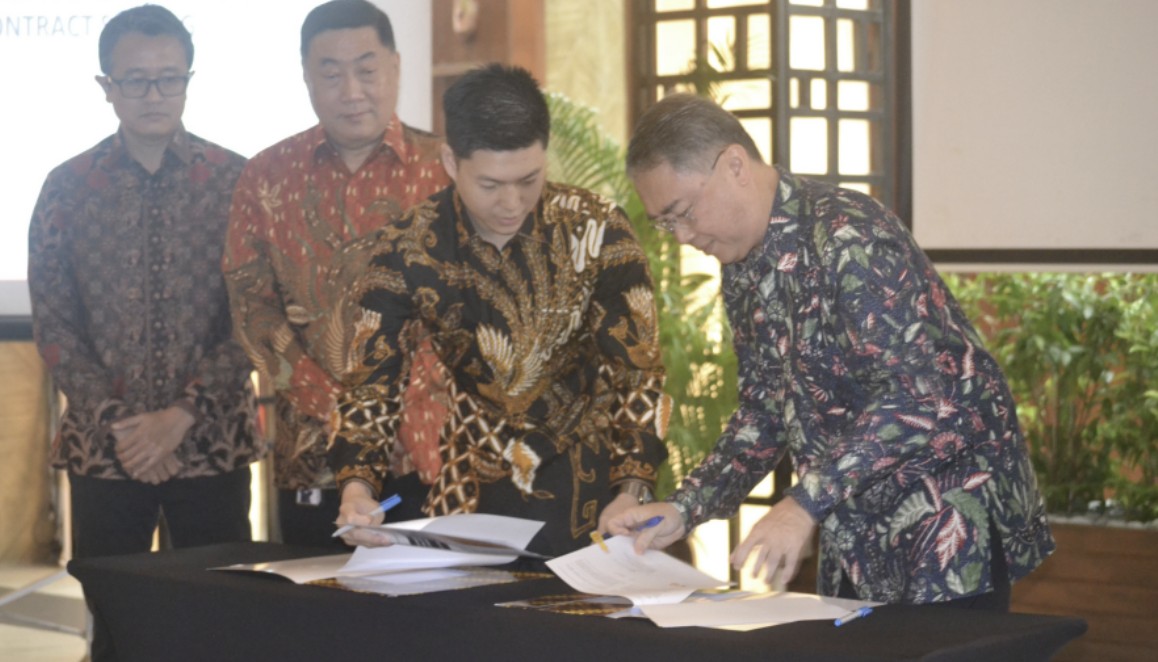
Local private firm to deliver SURF EPCI for Indonesian gas project

In 60 seconds

Top move

Confirmed FID and a local award for the Mako SURF EPCI converts planning into real mobilisation exposure for yards, pipelay and load‑out windows; procurement must treat those windows as contracting constraints rather than optional timing

Key takeaways

  • Confirmed FID and a local award for the Mako SURF EPCI converts planning into real mobilisation exposure for yards, pipelay and load‑out windows; procurement must treat those windows as contracting constraints rather than optional timing.
  • Concentrated scope (six wells, leased MOPU, export pipeline) shifts cost pressure toward short‑campaign items—vessels, installation crews and yard slots—so price and availability will be decided by mobilisation mechanics more than long‑lead fabrications.
  • Operator appointment of a local EPCI contractor to own FEED and execution increases supplier commercial leverage on bid validity, mobilisation deposits and re‑mobilisation terms; buyers should expect conditional offers.
  • Regional maritime capacity has modestly improved with two new MISC LNG carriers entering service, giving options for general logistics and FPU support but not for specialist pipelay or heavy‑lift needs.[1]
  • New methanol‑ready subsea vessels entering construction are a medium‑term fleet signal that may ease day‑rate pressure later, but delivery timing makes them a limited factor for current mobilisation planning.[2]

What changed since last run

  • Mako gas project reached FID and awarded the SURF EPCI package to a local firm, converting a planning signal into concrete mobilisation and yard load‑out demands (article 4).
  • MISC named two newly delivered LNG carriers that expand regional general‑logistics and FPU support capacity but do not affect specialist pipelay availability (article 6).
  • Olympic Subsea started construction on two methanol‑ready subsea vessels, adding a medium‑term fleet development to monitor for delivery timing and regional deployment (article 10).

Key facts

  • SURF EPCI covers six development wells tied to a leased MOPU
  • Approximately 59‑kilometer, 18‑inch export pipeline to adjoining platform
  • Scope includes fabrication, load‑out, transport and offshore installation
  • Two new‑generation LNG carriers added to MISC's fleet
  • Ships built with energy‑efficient systems and enhanced cargo containment
  • MISC operates four LNG carriers under long‑term time charter with SeaRiver Maritime

Why it matters

Confirmed FID and a local award for the Mako SURF EPCI converts planning into real mobilisation exposure for yards, pipelay and load‑out windows; procurement must treat those windows as contracting constraints rather than optional timing. Concentrated scope (six wells, leased MOPU, export pipeline) shifts cost pressure toward short‑campaign items—vessels, installation crews and yard slots—so price and availability will be decided by mobilisation mechanics more than long‑lead fabrications. Operator appointment of a local EPCI contractor to own FEED and execution increases supplier commercial leverage on bid validity, mobilisation deposits and re‑mobilisation terms; buyers should expect conditional offers. Regional maritime capacity has modestly improved with two new MISC LNG carriers entering service, giving options for general logistics and FPU support but not for specialist pipelay or heavy‑lift needs

Cost / money

  • Mobilisation and yard load‑out windows become the primary cost driver for the Mako SURF package; expect suppliers to price mobilisation premiums into bids where blackout dates exist.
  • Campaign concentration around a leased MOPU and pipeline tie‑ins makes variable costs (vessel day‑rates, specialist crews, re‑mobilisation) the lever suppliers use to recover uncertainty.

Supplier / commercial

  • With the local contractor responsible for FEED and execution, suppliers have more leverage to attach conditional commercial terms—short bid validity, mobilisation deposits and cancellation fees become likely negotiation points.
  • Added LNG carrier capacity gives procurement limited alternative suppliers for non‑specialist logistics and FPU support tasks, improving commercial flexibility for those specific scopes.[1]

Safety / operations

  • Integrated onshore fabrication, load‑out and offshore tie‑ins increase HSE integration risk during transport and installation; buyer verification of class approvals and supplier HSE procedures is operationally necessary before mobilisation.
  • Newer vessel designs with hybrid power and improved systems can reduce emissions and improve onboard safety systems over time, but they will not change immediate offshore execution risk profiles.[2]

What to watch

  • Watch for compressed mobilisation windows between the Natuna SURF schedule and other regional campaigns; overlapping slots are an early indicator that suppliers will push mobilisation premiums and short bid validity.
  • Watch supplier proposals that shift execution onshore or to shore‑managed models without explicit uptime, connectivity or re‑mobilisation SLAs—those clauses transfer operational response risk to the buyer during offshore tie‑ins.

Top stories

Story 1Offshore EnergyMay 8, 2026

Local private firm to deliver SURF EPCI for Indonesian gas project

Signal strongSource-grounded

What happened

WNEL and partners reached FID for the Mako gas project in the Natuna Sea and selected a local private firm to deliver the SURF EPCI package. The scope includes six development wells tied to a leased MOPU, fabrication, load‑out, transport and a 59‑kilometer export pipeline, which turns prior planning signals into concrete mobilisation tasks. Watch whether the operator and contractor publish firm load‑out windows and supplier mobilisation notices that lock in yard and vessel demand

Buyer takeaway

Treat this as a firm execution signal: mobilisation windows and yard availability are now primary contracting levers

Cost / money

Expect cost pressure to concentrate on mobilisation, yard slots and specialist installation windows rather than only long‑lead fabrications

Supplier / commercial

A local EPCI contractor leading FEED and execution increases supplier leverage on scope and schedule; expect conditional offers with short bid validity or mobilisation deposits

Safety / operations

Fabrication, load‑out and subsea tie‑ins raise integration and HSE demands; verify class approvals and supplier HSE procedures before mobilisation

What to watch

Watch for compressed mobilisation windows and commercial terms that shift re‑mobilisation risk to the buyer

Key facts

  • SURF EPCI covers six development wells tied to a leased MOPU
  • Approximately 59‑kilometer, 18‑inch export pipeline to adjoining platform
  • Scope includes fabrication, load‑out, transport and offshore installation

Source excerpts

Home Fossil Energy Local private firm to deliver SURF EPCI for Indonesian gas project May 8, 2026, by West Natuna Exploration Limited (WNEL), a majority-owned subsidiary of Singapore-headquartered natural gas exploration and development company Conrad Asia Energy, has awarded Indonesian Timas Suplindo with an engineering, procurement, construction, and installation (EPCI) contract for the subsea umbilical, flowline, and riser (SURF) scope at its natural gas field off the coast of Indonesia
” View post tag: Conrad View post tag: Conrad Asia Energy View post tag: Duyung PSC View post tag: Indonesia View post tag: Mako field View post tag: Timas Suplindo View post tag: West Natuna Sea
Related Article Timas has been put in charge of the verification of front-end engineering and design (FEED) and execution of detailed engineering design for the SURF system, including flowlines, export pipeline, risers, subsea structures, umbilical, and installation engineering, as well as procurement of all contractor furnished materials and management, storage, and integration of line pipes, umbilical, SPCS, and subsea valves. Furthermore, the company shall fabricate, assemble, coat, inspect and test subsea
Story 2Offshore EnergyMay 8, 2026

LNG vessel pair enriches MISC’s fleet

Signal moderateDirectional

What happened

MISC named two new‑generation LNG carriers that have entered its fleet under long‑term time charters and are equipped with energy‑efficient systems. The vessels increase regional shipping and FPU support capacity and offer options for non‑specialist logistics and O&M tasks. This is useful for general logistics planning, but it does not substitute for specialised pipelay or heavy‑lift vessel availability required for SURF execution

Buyer takeaway

Use this for non‑specialist logistics and FPU support planning, but don’t rely on it for SURF pipelay capacity

Cost / money

Marginal easing of logistics day‑rates for general cargo, but no direct downward pressure on specialist SURF vessel pricing

Supplier / commercial

Shipowners may offer short‑term charter flexibility for support tasks, but specialised pipelay markets are separate and remain tight

Safety / operations

Established O&M experience on LNG carriers can provide crewing and safety practice benchmarks for floating unit logistics

What to watch

Do not assume LNG carrier availability reduces the need to secure specialist pipelay/heavy‑lift vessels—those remain scarce

Key facts

  • Two new‑generation LNG carriers added to MISC's fleet
  • Ships built with energy‑efficient systems and enhanced cargo containment
  • MISC operates four LNG carriers under long‑term time charter with SeaRiver Maritime

Source excerpts

” With the addition of the Seri Dian and Seri Dayang LNG carriers, MISC now operates four LNG carriers under long-term time charter with SeaRiver Maritime. The Asian firm’s LNG fleet stands at 32 vessels with the arrival of these two ships, solidifying its position among the world’s leading owner-operators of LNG carriers
MISC secured the lease, operate, and maintain (O&M) scope of work last year for a floating production unit (FPU) set to be used at a natural gas development project off the coast of Brunei
These ships are equipped with smart, energy-efficient technologies, including the intelligent control by exhaust recycling (ICER) system and an enhanced cargo containment system with reduced boil-off rates to improve efficiency and support safer operations
Story 3Offshore EnergyMay 8, 2026

Olympic Subsea's methanol-ready vessel duo enters construction

Signal limitedDirectional

What happened

Olympic Subsea has started construction on two methanol‑ready, dual‑fuel multipurpose subsea vessels at a Chinese shipyard with delivery on track for next year. The design includes hybrid battery technology and advanced propulsion to improve efficiency and emissions profiles. Treat this as a medium‑term fleet development to watch—delivery timing and chartering plans will determine whether these vessels relieve regional SURF pressure

Buyer takeaway

A useful medium‑term fleet addition, but timing limits short‑term impact on mobilisation

Cost / money

Potential medium‑term downward pressure on vessel day‑rates if newbuilds enter the regional market and are available for charters

Supplier / commercial

New‑build owners may seek long charters or premium rates initially; evaluate charter terms and early commercial commitments carefully

Safety / operations

Newer vessels typically offer improved systems and emissions profiles that reduce operational risk over time

What to watch

Monitor delivery schedule and regional deployment; late deliveries will blunt intended relief for upcoming campaigns

Key facts

  • Two methanol‑ready dual‑fuel multipurpose subsea vessels under construction
  • Designed with hybrid battery technology and advanced propulsion
  • Shipyard reports delivery on track for next year

Source excerpts

Home Subsea Olympic Subsea’s methanol-ready vessel duo enters construction May 8, 2026, by The CMHI shipyard in Shenzhen, China, has begun the construction of two methanol-ready dual-fuel multipurpose subsea vessels for Norway’s Olympic Subsea. Source: Olympic Subsea via LinkedIn Olympic Subsea reported that earlier in April the keel laying for the first vessel and the first steel cutting for the second vessel took place at the CMHI Shenzhen shipyard
Home Subsea Olympic Subsea’s methanol-ready vessel duo enters construction May 8, 2026, by The CMHI shipyard in Shenzhen, China, has begun the construction of two methanol-ready dual-fuel multipurpose subsea vessels for Norway’s Olympic Subsea
Source: Olympic Subsea via LinkedIn Olympic Subsea reported that earlier in April the keel laying for the first vessel and the first steel cutting for the second vessel took place at the CMHI Shenzhen shipyard

VP Snapshot

Executive Risk & Action View

Confirmed FID and a local award for the Mako SURF EPCI converts planning into real mobilisation exposure for yards, pipelay and load‑out windows; procurement must treat those windows as contracting constraints rather than optional timing.

Overall
65
Cost
61
Supply
43
Schedule
38
Compliance
15

Top signals

30-180dcost

Signal 1: Cost / money

Mobilisation and yard load‑out windows become the primary cost driver for the Mako SURF package; expect suppliers to price mobilisation premiums into bids where blackout dates exist.

Signal 2: Cost / money

Campaign concentration around a leased MOPU and pipeline tie‑ins makes variable costs (vessel day‑rates, specialist crews, re‑mobilisation) the lever suppliers use to recover uncertainty.

30-180dcommercial

Signal 3: Supplier / commercial

With the local contractor responsible for FEED and execution, suppliers have more leverage to attach conditional commercial terms—short bid validity, mobilisation deposits and cancellation fees become likely negotiation points.

30-180dsupply

Signal 4: Supplier / commercial

Added LNG carrier capacity gives procurement limited alternative suppliers for non‑specialist logistics and FPU support tasks, improving commercial flexibility for those specific scopes.

30-180dsupplier

Signal 5: Safety / operations

Integrated onshore fabrication, load‑out and offshore tie‑ins increase HSE integration risk during transport and installation; buyer verification of class approvals and supplier HSE procedures is operationally necessary before mobilisation.

0-30dsupplier

Signal 6: Safety / operations

Newer vessel designs with hybrid power and improved systems can reduce emissions and improve onboard safety systems over time, but they will not change immediate offshore execution risk profiles.

Recommended actions

CategoryDue 3d

Run a focused supplier availability sweep for SURF fabricators, pipelay and installation vessels and for load‑out yards in Indonesia and Singapore.

Updated supplier availability log with confirmed blackout dates and tentative mobilisation windows to inform shortlists and commercial posture.

ContractsDue 21d

Amend tender templates and pre‑qualification questionnaires to require explicit mobilisation SLAs, stated bid‑validity windows and re‑mobilisation pass‑through mechanics for SUR...

Tender documents force bidders to declare mobilisation dates, bid‑validity and re‑mobilisation terms to reduce post‑award disputes and limit hidden pass‑throughs.

OpsDue 21d

Issue a capability questionnaire to shortlisted SURF suppliers requiring FEED verification plans, class approval timelines, load‑out logistics and HSE records.

Supplier dossiers include class approval timelines and load‑out plans that feed mobilisation sign‑off and operational readiness checks.

ContractsDue 60d

Negotiate a reusable contract addendum standardising mobilisation deposits, minimum bid‑validity and re‑mobilisation pass‑through mechanics for APAC completions and SURF awards.

A reusable addendum reduces mobilisation disputes, shortens negotiation cycles and limits surprise pass‑through costs on award.

CategoryDue 60d

Build a regional capacity map that tracks yard load‑out slots, specialist vessel availability and scheduled deliveries of new subsea vessels to identify alternative mobilisation...

Capacity map highlighting alternative mobilisation paths, yard constraints and delivery windows to inform sourcing and scheduling decisions.

Risk register

RiskTriggerMitigation
Watch for compressed mobilisation windows between the Natuna SURF schedule and other regional campaigns; overlapping slots are an early indicator that suppliers will push mobilisation premiums and short bid validity.Watch for compressed mobilisation windows between the Natuna SURF schedule and other regional campaigns; overlapping slots are an early indicator that suppliers will push mobilisation premiums and short bid validity.Confirm exposure with category, contracts, and operations before the next supplier commitment.
Watch supplier proposals that shift execution onshore or to shore‑managed models without explicit uptime, connectivity or re‑mobilisation SLAs—those clauses transfer operational response risk to the buyer during offshore tie‑ins.Watch supplier proposals that shift execution onshore or to shore‑managed models without explicit uptime, connectivity or re‑mobilisation SLAs—those clauses transfer operational response risk to the buyer during offshore tie‑ins.Confirm exposure with category, contracts, and operations before the next supplier commitment.

CM Snapshot

Category Manager Decision Detail

Today's priorities

Run a focused supplier availability sweep for SURF fabricators, pipelay and installation vessels and for load‑out yards in Indonesia and Singapore.

because the Mako EPCI award converts planning into confirmed mobilisation demand and shortlist sizing must reflect yard and vessel blackout dates before issuing tenders.

Due 3d

high

CM move

Use this as the immediate supplier or contract action to move before the next sourcing gate.

Amend tender templates and pre‑qualification questionnaires to require explicit mobilisation SLAs, stated bid‑validity windows and re‑mobilisation pass‑through mechanics for SUR...

because the local EPCI execution increases supplier leverage and missing mobilisation clauses will expose the buyer to premiums and cancellation costs during award negotiations.

Due 21d

high

CM move

Use this as the immediate supplier or contract action to move before the next sourcing gate.

Issue a capability questionnaire to shortlisted SURF suppliers requiring FEED verification plans, class approval timelines, load‑out logistics and HSE records.

because the contractor owns FEED and execution responsibilities and buyers must align approval and HSE steps with mobilisation to avoid late offshore rework or hold‑ups.

Due 21d

high

CM move

Use this as the immediate supplier or contract action to move before the next sourcing gate.

Negotiate a reusable contract addendum standardising mobilisation deposits, minimum bid‑validity and re‑mobilisation pass‑through mechanics for APAC completions and SURF awards.

because confirmed regional developments increase the probability of constrained specialist capacity and a standard addendum reduces negotiation time and financial exposure at aw...

Due 60d

high

CM move

Use this as the immediate supplier or contract action to move before the next sourcing gate.

Supplier radar

Offshore Energy

high

Observed supplier signal

With the local contractor responsible for FEED and execution, suppliers have more leverage to attach conditional commercial terms—short bid validity, mobilisation deposits and cancellation fees become likely negotiation points.

Commercial implication

With the local contractor responsible for FEED and execution, suppliers have more leverage to attach conditional commercial terms—short bid validity, mobilisation deposits and cancellation fees become likely negotiation points.

Next step: Validate the source-backed signal with incumbents and alternates before the next award or pricing decision.

Offshore Energy

high

Observed supplier signal

Added LNG carrier capacity gives procurement limited alternative suppliers for non‑specialist logistics and FPU support tasks, improving commercial flexibility for those specific scopes.

Commercial implication

Added LNG carrier capacity gives procurement limited alternative suppliers for non‑specialist logistics and FPU support tasks, improving commercial flexibility for those specific scopes.

Next step: Validate the source-backed signal with incumbents and alternates before the next award or pricing decision.

Negotiation levers

Run a focused supplier availability sweep for SURF fabricators, pipelay and installation vessels and for load‑out yards in Indonesia and Singapore.

When to use: because the Mako EPCI award converts planning into confirmed mobilisation demand and shortlist sizing must reflect yard and vessel blackout dates before issuing tenders.

Expected outcome: Updated supplier availability log with confirmed blackout dates and tentative mobilisation windows to inform shortlists and commercial posture.

Commercial mechanism to carry into the next supplier conversation

Amend tender templates and pre‑qualification questionnaires to require explicit mobilisation SLAs, stated bid‑validity windows and re‑mobilisation pass‑through mechanics for SUR...

When to use: because the local EPCI execution increases supplier leverage and missing mobilisation clauses will expose the buyer to premiums and cancellation costs during award negotiations.

Expected outcome: Tender documents force bidders to declare mobilisation dates, bid‑validity and re‑mobilisation terms to reduce post‑award disputes and limit hidden pass‑throughs.

Commercial mechanism to carry into the next supplier conversation

Issue a capability questionnaire to shortlisted SURF suppliers requiring FEED verification plans, class approval timelines, load‑out logistics and HSE records.

When to use: because the contractor owns FEED and execution responsibilities and buyers must align approval and HSE steps with mobilisation to avoid late offshore rework or hold‑ups.

Expected outcome: Supplier dossiers include class approval timelines and load‑out plans that feed mobilisation sign‑off and operational readiness checks.

Commercial mechanism to carry into the next supplier conversation

Negotiate a reusable contract addendum standardising mobilisation deposits, minimum bid‑validity and re‑mobilisation pass‑through mechanics for APAC completions and SURF awards.

When to use: because confirmed regional developments increase the probability of constrained specialist capacity and a standard addendum reduces negotiation time and financial exposure at aw...

Expected outcome: A reusable addendum reduces mobilisation disputes, shortens negotiation cycles and limits surprise pass‑through costs on award.

Commercial mechanism to carry into the next supplier conversation

Talking points

Confirmed FID and a local award for the Mako SURF EPCI converts planning into real mobilisation exposure for yards, pipelay and load‑out windows; procurement must treat those windows as contracting constraints rather than optional timing.
Concentrated scope (six wells, leased MOPU, export pipeline) shifts cost pressure toward short‑campaign items—vessels, installation crews and yard slots—so price and availability will be decided by mobilisation mechanics more than long‑lead fabrications.
Operator appointment of a local EPCI contractor to own FEED and execution increases supplier commercial leverage on bid validity, mobilisation deposits and re‑mobilisation terms; buyers should expect conditional offers.
Regional maritime capacity has modestly improved with two new MISC LNG carriers entering service, giving options for general logistics and FPU support but not for specialist pipelay or heavy‑lift needs.

Supplier radar

SupplierSignalImplicationNext stepConfidence
Offshore EnergyWith the local contractor responsible for FEED and execution, suppliers have more leverage to attach conditional commercial terms—short bid validity, mobilisation deposits and cancellation fees become likely negotiation points.With the local contractor responsible for FEED and execution, suppliers have more leverage to attach conditional commercial terms—short bid validity, mobilisation deposits and cancellation fees become likely negotiation points.Validate the source-backed signal with incumbents and alternates before the next award or pricing decision.high
Offshore EnergyAdded LNG carrier capacity gives procurement limited alternative suppliers for non‑specialist logistics and FPU support tasks, improving commercial flexibility for those specific scopes.Added LNG carrier capacity gives procurement limited alternative suppliers for non‑specialist logistics and FPU support tasks, improving commercial flexibility for those specific scopes.Validate the source-backed signal with incumbents and alternates before the next award or pricing decision.high

Negotiation levers

  • Run a focused supplier availability sweep for SURF fabricators, pipelay and installation vessels and for load‑out yards in Indonesia and Singapore.because the Mako EPCI award converts planning into confirmed mobilisation demand and shortlist sizing must reflect yard and vessel blackout dates before issuing tenders.Updated supplier availability log with confirmed blackout dates and tentative mobilisation windows to inform shortlists and commercial posture.

    high confidence

  • Amend tender templates and pre‑qualification questionnaires to require explicit mobilisation SLAs, stated bid‑validity windows and re‑mobilisation pass‑through mechanics for SUR...because the local EPCI execution increases supplier leverage and missing mobilisation clauses will expose the buyer to premiums and cancellation costs during award negotiations.Tender documents force bidders to declare mobilisation dates, bid‑validity and re‑mobilisation terms to reduce post‑award disputes and limit hidden pass‑throughs.

    high confidence

  • Issue a capability questionnaire to shortlisted SURF suppliers requiring FEED verification plans, class approval timelines, load‑out logistics and HSE records.because the contractor owns FEED and execution responsibilities and buyers must align approval and HSE steps with mobilisation to avoid late offshore rework or hold‑ups.Supplier dossiers include class approval timelines and load‑out plans that feed mobilisation sign‑off and operational readiness checks.

    high confidence

  • Negotiate a reusable contract addendum standardising mobilisation deposits, minimum bid‑validity and re‑mobilisation pass‑through mechanics for APAC completions and SURF awards.because confirmed regional developments increase the probability of constrained specialist capacity and a standard addendum reduces negotiation time and financial exposure at aw...A reusable addendum reduces mobilisation disputes, shortens negotiation cycles and limits surprise pass‑through costs on award.

    high confidence

What to do / What to watch

What to do now

  • Run a focused supplier availability sweep for SURF fabricators, pipelay and installation vessels and for load‑out yards in Indonesia and Singapore.

    Why: because the Mako EPCI award converts planning into confirmed mobilisation demand and shortlist sizing must reflect yard and vessel blackout dates before issuing tenders.

    Owner: Category

    Expected outcome: Updated supplier availability log with confirmed blackout dates and tentative mobilisation windows to inform shortlists and commercial posture.

Next few weeks

  • Amend tender templates and pre‑qualification questionnaires to require explicit mobilisation SLAs, stated bid‑validity windows and re‑mobilisation pass‑through mechanics for SUR...

    Why: because the local EPCI execution increases supplier leverage and missing mobilisation clauses will expose the buyer to premiums and cancellation costs during award negotiations.

    Owner: Contracts

    Expected outcome: Tender documents force bidders to declare mobilisation dates, bid‑validity and re‑mobilisation terms to reduce post‑award disputes and limit hidden pass‑throughs.

  • Issue a capability questionnaire to shortlisted SURF suppliers requiring FEED verification plans, class approval timelines, load‑out logistics and HSE records.

    Why: because the contractor owns FEED and execution responsibilities and buyers must align approval and HSE steps with mobilisation to avoid late offshore rework or hold‑ups.

    Owner: Ops

    Expected outcome: Supplier dossiers include class approval timelines and load‑out plans that feed mobilisation sign‑off and operational readiness checks.

Longer view

  • Negotiate a reusable contract addendum standardising mobilisation deposits, minimum bid‑validity and re‑mobilisation pass‑through mechanics for APAC completions and SURF awards.

    Why: because confirmed regional developments increase the probability of constrained specialist capacity and a standard addendum reduces negotiation time and financial exposure at aw...

    Owner: Contracts

    Expected outcome: A reusable addendum reduces mobilisation disputes, shortens negotiation cycles and limits surprise pass‑through costs on award.

  • Build a regional capacity map that tracks yard load‑out slots, specialist vessel availability and scheduled deliveries of new subsea vessels to identify alternative mobilisation...

    Why: because vessel deliveries and fleet changes affect medium‑term mobilisation options and a capacity map supports contingency sourcing and timeline decisions.

    Owner: Category

    Expected outcome: Capacity map highlighting alternative mobilisation paths, yard constraints and delivery windows to inform sourcing and scheduling decisions.

    [2]

What to watch

  • Watch for compressed mobilisation windows between the Natuna SURF schedule and other regional campaigns; overlapping slots are an early indicator that suppliers will push mobilisation premiums and short bid validity
  • Watch supplier proposals that shift execution onshore or to shore‑managed models without explicit uptime, connectivity or re‑mobilisation SLAs—those clauses transfer operational response risk to the buyer during offshore tie‑ins
  • Watch for compressed mobilisation windows between the Natuna SURF schedule and other regional campaigns; overlapping slots are an early indicator that suppliers will push mobilisation premiums and short bid validity.: Watch for compressed mobilisation windows between the Natuna SURF schedule and other regional campaigns; overlapping slots are an early indicator that suppliers will push mobilisation premiums and short bid validity
  • Watch supplier proposals that shift execution onshore or to shore‑managed models without explicit uptime, connectivity or re‑mobilisation SLAs—those clauses transfer operational response risk to the buyer during offshore tie‑ins.: Watch supplier proposals that shift execution onshore or to shore‑managed models without explicit uptime, connectivity or re‑mobilisation SLAs—those clauses transfer operational response risk to the buyer during offshore tie‑ins
  • Confirmed FID and a local award for the Mako SURF EPCI converts planning into real mobilisation exposure for yards, pipelay and load‑out windows; procurement must treat those windows as contracting constraints rather than optional timing
  • Concentrated scope (six wells, leased MOPU, export pipeline) shifts cost pressure toward short‑campaign items—vessels, installation crews and yard slots—so price and availability will be decided by mobilisation mechanics more than long‑lead fabrications
  • Operator appointment of a local EPCI contractor to own FEED and execution increases supplier commercial leverage on bid validity, mobilisation deposits and re‑mobilisation terms; buyers should expect conditional offers
  • Regional maritime capacity has modestly improved with two new MISC LNG carriers entering service, giving options for general logistics and FPU support but not for specialist pipelay or heavy‑lift needs

Market pulse

IndexLatestChangeAs of
WTI Crude (WTI)71.23 /bbl+0.00 (+0.00%)May 8, 2026, 10:03 PM
Brent Crude (BRENT)74.89 /bbl+0.00 (+0.00%)May 8, 2026, 10:03 PM
Natural Gas (NG)3.12 /MMBtu+0.00 (+0.00%)May 8, 2026, 10:03 PM
Schlumberger (SLB)48 +0.00 (+0.00%)May 8, 2026, 10:03 PM
Halliburton (HAL)35 +0.00 (+0.00%)May 8, 2026, 10:03 PM
  • Natural Gas: Mako is a domestic gas development; movements in natural gas pricing can influence supplier activity and pricing for gas‑linked completions and tie‑ins
  • Brent Crude: Crude price direction can affect offshore campaign appetite and service provider utilisation decisions that influence vessel and crew availability

Sources

Inline citations jump here. Expand a source to read the excerpt, the AI interpretation, and the original link.

[1] LNG vessel pair enriches MISC’s fleet

offshore-energy.biz · May 8, 2026

Expand

AI reading

MISC named two new‑generation LNG carriers that have entered its fleet under long‑term time charters and are equipped with energy‑efficient systems. The vessels increase regional shipping and FPU support capacity and offer options for non‑specialist logistics and O&M tasks. This is useful for general logistics planning, but it does not substitute for specialised pipelay or heavy‑lift vessel availability required for SURF execution

Buyer takeaway

Use this for non‑specialist logistics and FPU support planning, but don’t rely on it for SURF pipelay capacity

Cost / money

Marginal easing of logistics day‑rates for general cargo, but no direct downward pressure on specialist SURF vessel pricing

Supplier / commercial

Shipowners may offer short‑term charter flexibility for support tasks, but specialised pipelay markets are separate and remain tight

Safety / operations

Established O&M experience on LNG carriers can provide crewing and safety practice benchmarks for floating unit logistics

What to watch

Do not assume LNG carrier availability reduces the need to secure specialist pipelay/heavy‑lift vessels—those remain scarce

Key facts

  • Two new‑generation LNG carriers added to MISC's fleet
  • Ships built with energy‑efficient systems and enhanced cargo containment
  • MISC operates four LNG carriers under long‑term time charter with SeaRiver Maritime

Source excerpts

” With the addition of the Seri Dian and Seri Dayang LNG carriers, MISC now operates four LNG carriers under long-term time charter with SeaRiver Maritime. The Asian firm’s LNG fleet stands at 32 vessels with the arrival of these two ships, solidifying its position among the world’s leading owner-operators of LNG carriers
MISC secured the lease, operate, and maintain (O&M) scope of work last year for a floating production unit (FPU) set to be used at a natural gas development project off the coast of Brunei
These ships are equipped with smart, energy-efficient technologies, including the intelligent control by exhaust recycling (ICER) system and an enhanced cargo containment system with reduced boil-off rates to improve efficiency and support safer operations

Used in this brief

  • MISC named two newly delivered LNG carriers that expand regional general‑logistics and FPU support capacity but do not affect specialist pipelay availability (article 6)
  • MISC named two new‑generation LNG carriers that have entered its fleet under long‑term time charters and are equipped with energy‑efficient systems. The vessels increase regional shipping and FPU support capacity and offer options for non‑specialist logistics and O&M tasks. This is useful for general logistics planning, but it does not substitute for specialised pipelay or heavy‑lift vessel availability required for SURF execution
  • Buyer bottom line: extra LNG shipping and O&M capacity gives procurement modest flexibility for logistics and support tasks, but not for specialist SURF installation needs
Open original source

[2] Olympic Subsea's methanol-ready vessel duo enters construction

offshore-energy.biz · May 8, 2026

Expand

AI reading

Olympic Subsea has started construction on two methanol‑ready, dual‑fuel multipurpose subsea vessels at a Chinese shipyard with delivery on track for next year. The design includes hybrid battery technology and advanced propulsion to improve efficiency and emissions profiles. Treat this as a medium‑term fleet development to watch—delivery timing and chartering plans will determine whether these vessels relieve regional SURF pressure

Buyer takeaway

A useful medium‑term fleet addition, but timing limits short‑term impact on mobilisation

Cost / money

Potential medium‑term downward pressure on vessel day‑rates if newbuilds enter the regional market and are available for charters

Supplier / commercial

New‑build owners may seek long charters or premium rates initially; evaluate charter terms and early commercial commitments carefully

Safety / operations

Newer vessels typically offer improved systems and emissions profiles that reduce operational risk over time

What to watch

Monitor delivery schedule and regional deployment; late deliveries will blunt intended relief for upcoming campaigns

Key facts

  • Two methanol‑ready dual‑fuel multipurpose subsea vessels under construction
  • Designed with hybrid battery technology and advanced propulsion
  • Shipyard reports delivery on track for next year

Source excerpts

Home Subsea Olympic Subsea’s methanol-ready vessel duo enters construction May 8, 2026, by The CMHI shipyard in Shenzhen, China, has begun the construction of two methanol-ready dual-fuel multipurpose subsea vessels for Norway’s Olympic Subsea. Source: Olympic Subsea via LinkedIn Olympic Subsea reported that earlier in April the keel laying for the first vessel and the first steel cutting for the second vessel took place at the CMHI Shenzhen shipyard
Home Subsea Olympic Subsea’s methanol-ready vessel duo enters construction May 8, 2026, by The CMHI shipyard in Shenzhen, China, has begun the construction of two methanol-ready dual-fuel multipurpose subsea vessels for Norway’s Olympic Subsea
Source: Olympic Subsea via LinkedIn Olympic Subsea reported that earlier in April the keel laying for the first vessel and the first steel cutting for the second vessel took place at the CMHI Shenzhen shipyard

Used in this brief

  • Next quarter — Build a regional capacity map that tracks yard load‑out slots, specialist vessel availability and scheduled deliveries of new subsea vessels to identify alternative mobilisation.... Rationale: because vessel deliveries and fleet changes affect medium‑term mobilisation options and a capacity map supports contingency sourcing and timeline decisions.. Owner: Category. KPI: Capacity map highlighting alternative mobilisation paths, yard constraints and delivery windows to inform sourcing and scheduling decisions
  • Olympic Subsea started construction on two methanol‑ready subsea vessels, adding a medium‑term fleet development to monitor for delivery timing and regional deployment (article 10)
  • Olympic Subsea has started construction on two methanol‑ready, dual‑fuel multipurpose subsea vessels at a Chinese shipyard with delivery on track for next year. The design includes hybrid battery technology and advanced propulsion to improve efficiency and emissions profiles. Treat this as a medium‑term fleet development to watch—delivery timing and chartering plans will determine whether these vessels relieve regional SURF pressure
Open original source

[3] Local private firm to deliver SURF EPCI for Indonesian gas project

offshore-energy.biz · May 8, 2026

Expand

AI reading

WNEL and partners reached FID for the Mako gas project in the Natuna Sea and selected a local private firm to deliver the SURF EPCI package. The scope includes six development wells tied to a leased MOPU, fabrication, load‑out, transport and a 59‑kilometer export pipeline, which turns prior planning signals into concrete mobilisation tasks. Watch whether the operator and contractor publish firm load‑out windows and supplier mobilisation notices that lock in yard and vessel demand

Buyer takeaway

Treat this as a firm execution signal: mobilisation windows and yard availability are now primary contracting levers

Cost / money

Expect cost pressure to concentrate on mobilisation, yard slots and specialist installation windows rather than only long‑lead fabrications

Supplier / commercial

A local EPCI contractor leading FEED and execution increases supplier leverage on scope and schedule; expect conditional offers with short bid validity or mobilisation deposits

Safety / operations

Fabrication, load‑out and subsea tie‑ins raise integration and HSE demands; verify class approvals and supplier HSE procedures before mobilisation

What to watch

Watch for compressed mobilisation windows and commercial terms that shift re‑mobilisation risk to the buyer

Key facts

  • SURF EPCI covers six development wells tied to a leased MOPU
  • Approximately 59‑kilometer, 18‑inch export pipeline to adjoining platform
  • Scope includes fabrication, load‑out, transport and offshore installation

Source excerpts

Home Fossil Energy Local private firm to deliver SURF EPCI for Indonesian gas project May 8, 2026, by West Natuna Exploration Limited (WNEL), a majority-owned subsidiary of Singapore-headquartered natural gas exploration and development company Conrad Asia Energy, has awarded Indonesian Timas Suplindo with an engineering, procurement, construction, and installation (EPCI) contract for the subsea umbilical, flowline, and riser (SURF) scope at its natural gas field off the coast of Indonesia
” View post tag: Conrad View post tag: Conrad Asia Energy View post tag: Duyung PSC View post tag: Indonesia View post tag: Mako field View post tag: Timas Suplindo View post tag: West Natuna Sea
Related Article Timas has been put in charge of the verification of front-end engineering and design (FEED) and execution of detailed engineering design for the SURF system, including flowlines, export pipeline, risers, subsea structures, umbilical, and installation engineering, as well as procurement of all contractor furnished materials and management, storage, and integration of line pipes, umbilical, SPCS, and subsea valves. Furthermore, the company shall fabricate, assemble, coat, inspect and test subsea

Used in this brief

  • Next 72 hours — Run a focused supplier availability sweep for SURF fabricators, pipelay and installation vessels and for load‑out yards in Indonesia and Singapore.. Rationale: because the Mako EPCI award converts planning into confirmed mobilisation demand and shortlist sizing must reflect yard and vessel blackout dates before issuing tenders.. Owner: Category. KPI: Updated supplier availability log with confirmed blackout dates and tentative mobilisation windows to inform shortlists and commercial posture
  • Next 2-4 weeks — Amend tender templates and pre‑qualification questionnaires to require explicit mobilisation SLAs, stated bid‑validity windows and re‑mobilisation pass‑through mechanics for SUR.... Rationale: because the local EPCI execution increases supplier leverage and missing mobilisation clauses will expose the buyer to premiums and cancellation costs during award negotiations.. Owner: Contracts. KPI: Tender documents force bidders to declare mobilisation dates, bid‑validity and re‑mobilisation terms to reduce post‑award disputes and limit hidden pass‑throughs
  • Next 2-4 weeks — Issue a capability questionnaire to shortlisted SURF suppliers requiring FEED verification plans, class approval timelines, load‑out logistics and HSE records.. Rationale: because the contractor owns FEED and execution responsibilities and buyers must align approval and HSE steps with mobilisation to avoid late offshore rework or hold‑ups.. Owner: Ops. KPI: Supplier dossiers include class approval timelines and load‑out plans that feed mobilisation sign‑off and operational readiness checks
Open original source

[4] Natural Gas

finance.yahoo.com · n.d.

Expand

[5] Brent Crude

finance.yahoo.com · n.d.

Expand