Plug & Abandonment / Decommissioning · International (Houston)

Reassess P&A Timing As Tiebacks And Fleet Demand Shift Priorities

Published May 8, 2026, 5:06 AM CSTINTERNATIONALFull category signal
Ask AI
Equinor advances North Sea tiebacks with Eirin startup and Atlantis FEED award

In 60 seconds

Top move

Equinor brought the Eirin subsea tieback onstream and awarded FEED for another North Sea tieback, which shifts near‑term supplier demand from decommissioning to tieback/production work in that basin

Key takeaways

  • Equinor brought the Eirin subsea tieback onstream and awarded FEED for another North Sea tieback, which shifts near‑term supplier demand from decommissioning to tieback/production work in that basin.
  • Industry survey and market commentary show a large floating production pipeline and positive sentiment, implying sustained demand for hulls, vessels and fabrication that competes with decommissioning mobilization.[2]
  • New pipeline / hybrid flexible-pipe development and ongoing drilling restarts are early indicators that specialized fabrication and vessel capacity could tighten, creating scheduling and pricing pressure for P&A campaigns.[3]
  • For procurement: FEED awards create discrete windows for subcontracting and mobilization commitments — those windows are where buyers can lock scope, timeline and cancellation protections.
  • For operations: a growing pipeline of floating systems means longer lead times for vessels and topside/fabrication work; watch supplier calendars when planning P&A starts.[2]

What changed since last run

  • New operational signal: Equinor’s Eirin field started via a subsea tieback and Aker Solutions received a FEED award for a nearby tieback, adding immediate FEED/subcontract demand in the North Sea (article 3).
  • Market update: the floating production pipeline data from the industry survey adds concrete breadth to vessel and fabrication demand forecasts versus the prior brief (article 4).
  • Technology note: reporting on hybrid flexible pipe development introduces a potential new supply-side constraint for subsea flowline work distinct from prior ROV/residency themes (article 5).

Key facts

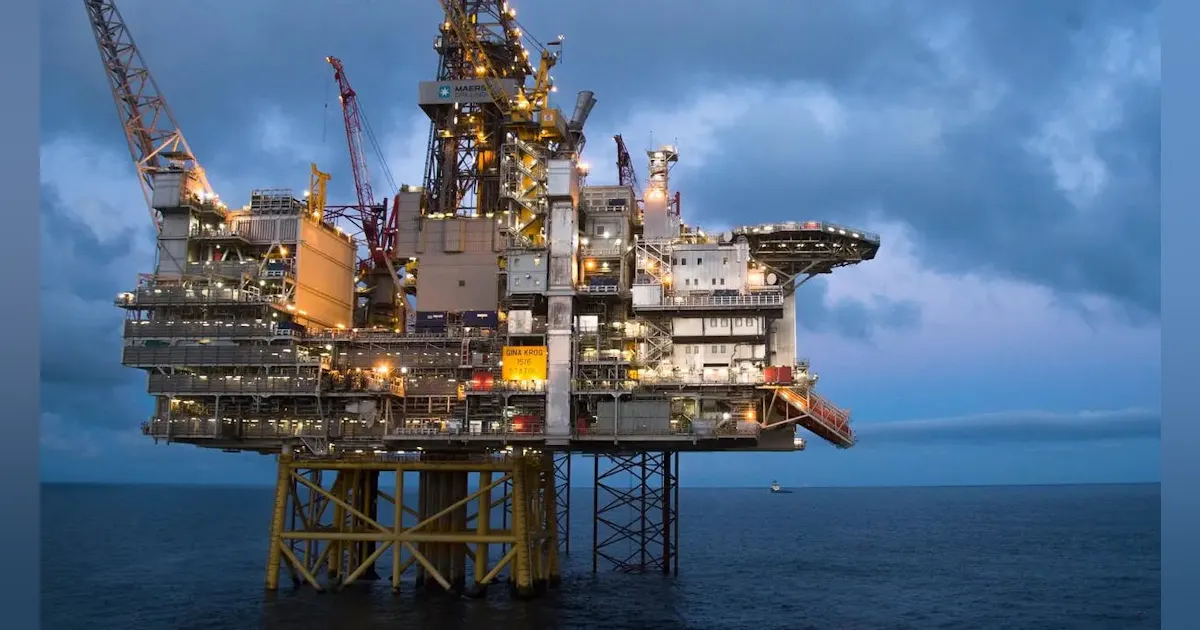
  • Eirin onstream via Gina Krog subsea tieback
  • FEED awarded to Aker Solutions for Atlantis tieback
  • Eirin extension materially changes local production timeline
  • Survey shows a multi-year pipeline for floating production projects
  • Industry sentiment remains positive though slightly reduced from peak
  • Session content highlights hundreds of systems in planning and delivery pipelines

Why it matters

Equinor brought the Eirin subsea tieback onstream and awarded FEED for another North Sea tieback, which shifts near‑term supplier demand from decommissioning to tieback/production work in that basin. Industry survey and market commentary show a large floating production pipeline and positive sentiment, implying sustained demand for hulls, vessels and fabrication that competes with decommissioning mobilization. New pipeline / hybrid flexible-pipe development and ongoing drilling restarts are early indicators that specialized fabrication and vessel capacity could tighten, creating scheduling and pricing pressure for P&A campaigns. For procurement: FEED awards create discrete windows for subcontracting and mobilization commitments — those windows are where buyers can lock scope, timeline and cancellation protections

Cost / money

  • Tiebacks shift capital spend toward production FEED and construction, which can delay or re-prioritize P&A budgets and change the timing of decommissioning cash outflows.
  • A larger floating production pipeline and stronger sentiment tends to raise vessel and fabrication dayrates and mobilization costs, increasing the cost baseline bidders will use for P&A work.[2]

Supplier / commercial

  • FEED awards create near-term subcontracting windows where suppliers will ask for early commitments, shorter quote validity and tighter delivery dates — buyers must clarify commitment terms before awarding.
  • Emerging hybrid flexible-pipe technology can concentrate fabrication work with a smaller supplier set, reducing buyer leverage for flowline removal or reuse contracts.[3]
  • Drilling and field activity restarts (regional drilling updates) are reallocating crew and vessel availability, so suppliers may prioritize E&P production work over P&A scopes unless commercial incentives match.[4]

Safety / operations

  • Bringing tiebacks onstream extends platform life and increases inspection, integrity and intervention scope before any P&A decision — acceptance and inspection requirements will likely expand.
  • Higher vessel utilization for floating projects increases dependency on vessel uptime for ROV and subsea interventions, raising operational risk if contingency vessels are scarce.[2]

What to watch

  • Watch whether FEED schedules compress supplier quote windows and push for earlier mobilization deposits; compressed windows reduce negotiation leverage.
  • Watch for single-supplier concentration around new flexible-pipe systems or specialized fabrication that could create long lead times for decommissioning tiebacks and flowline removals.[3]

Top stories

Story 1Offshore-mag

Equinor advances North Sea tiebacks with Eirin startup and Atlantis FEED award

Signal strongSource-grounded

What happened

Equinor started production from the Eirin subsea tieback to Gina Krog and has awarded Aker Solutions a FEED contract for the Atlantis tieback. The Eirin tieback extends Gina Krog’s production life and creates an immediate FEED and subcontracting pipeline for topside and subsea work. Watch whether FEED contracting cadence accelerates further awards that will consume vessel, ROV and fabrication capacity

Buyer takeaway

Treat the tieback and FEED award as an active re-prioritization of supplier demand in the North Sea; buyers should expect tighter windows for mobilization and shorter quote validity from vendors

Cost / money

Shifts capex toward production projects, which can push P&A budgets later and raise vessel/ROV dayrate baselines during overlapping campaigns

Supplier / commercial

FEED creates immediate subcontract scopes; suppliers will press for early commitments, minimum durations and faster payment/mobilization terms

Safety / operations

Extended field life increases inspection and integrity tasks pre-P&A; more inspections and tie-in interfaces raise acceptance-test scope

What to watch

Watch FEED schedule announcements for compressed tender windows and supplier requests for deposit or minimum commitment terms

Key facts

  • Eirin onstream via Gina Krog subsea tieback
  • FEED awarded to Aker Solutions for Atlantis tieback
  • Eirin extension materially changes local production timeline

Source excerpts

North Sea Eirin-Gina Krog tieback starts upEquinor has brought onstream the Eirin field in the Norwegian North Sea via a subsea tieback to the Gina Krog platform
Equinor has also just contracted Aker Solutions to perform front-end engineering and design (FEED) contract related to another gas-condensate tieback in the northern Norwegian North Sea
Equinor has also just contracted Aker Solutions to perform front-end engineering and design (FEED) contract related to another gas-condensate tieback in the northern Norwegian North Sea. The Atlantis discovery, 35 km, will likely have three production wells, and will be developed with a pressure depletion recovery strategy
Story 2Offshore-mag

Video: Global floating production market sentiments survey 2026

Signal moderateDirectional

What happened

An industry survey on floating production market sentiment shows broadly positive outlook and highlights a multi-year pipeline of floating systems. That pipeline increases demand for hulls, FPSOs and associated support vessels, which competes with decommissioning vessel needs and mobilization slots

Buyer takeaway

Expect longer lead times and upward pressure on vessel and fabrication costs as floating projects move into execution; plan procurement windows accordingly

Cost / money

Sustained hull and vessel demand is likely to increase mobilization and dayrate assumptions for P&A bids

Supplier / commercial

Vendors servicing floating projects may prioritize longer-duration FPU contracts over short P&A jobs unless commercial terms compensate

Safety / operations

Higher utilization of specialist vessels raises dependence on contingency and redundancy planning for critical ROV and lifting tasks

What to watch

Watch vessel and fabrication booking calendars for clashes with planned P&A dates; early booking may be needed to secure slots

Key facts

  • Survey shows a multi-year pipeline for floating production projects
  • Industry sentiment remains positive though slightly reduced from peak
  • Session content highlights hundreds of systems in planning and delivery pipelines

Source excerpts

These sentiments, and data provided here, were obtained from Energy Maritime Associates’ recent Global Floating Production Market Sentiments Survey. The survey, now in its thirteenth year, gauges the current global market sentiment as well as where the industry is heading in the future
COMING SOON: Offshore floating production systems forecastThe offshore floating production market is revving up as the demand for energy resources continues to drive demand for new oil and gas supplies. Engineering and construction activities are underway on a range of new floating production systems including semisubmersibles, FPSOs, FSOs and FLNGs
COMING SOON: Offshore floating production systems forecastThe offshore floating production market is revving up as the demand for energy resources continues to drive demand for new oil and gas supplies
Story 3Offshore-mag

Pipelines

Signal limitedDirectional

What happened

Reporting highlights development work on a hybrid flexible pipe for ultradeepwater flowlines by equipment and service partners. New flowline technologies can change fabrication sourcing and create specialized supplier clusters that affect removal, reuse or replacement during decommissioning

Buyer takeaway

Probe suppliers early about hybrid-pipe availability and removal options; don't assume standard flowline contractors can support new systems

Cost / money

Specialized fabrication and handling for hybrid pipes can increase cost and mobilization complexity versus conventional flowlines

Supplier / commercial

Technology partnerships may produce single-source suppliers or constrained supply, limiting competitive leverage

Safety / operations

New pipe materials and configurations change handling, lift plans and acceptance testing for removal or tie-in operations

What to watch

Watch for long lead times and proprietary handling equipment that could be excluded from standard P&A scopes

Key facts

  • Industry development of hybrid flexible pipe for deepwater flowlines
  • Partnerships between major service and equipment firms on new pipe systems
  • Tech aimed at deeper water and extended reach applications

Source excerpts

com/channel/UCy4hHphyg7qfjoI9EaEiOFACourtesy StrohmSubseaOTC 2026: Baker Hughes, Strohm to develop hybrid flexible pipe for ultradeepwater flowlines and risersThe partners are developing a lightweight hybrid flexible pipe designed for flowline and riser applications in water depths beyond 3,000 m, with commercial availability targeted
May 5, 2026Courtesy MapSearch/OffshoreMaps & Posters2026 US Gulf Coast Oil & Gas Infrastructure MapApril 21, 2026Courtesy VallourecPipelinesVallourec books multiple orders for pipes, connections for drilling programs offshore IndonesiaMarch 27, 2026Courtesy Strohm PipelinesStrohm to deliver composite pipes jumpers for deepwater oil project offshore SabahMarch 26, 2026Courtesy Reach SubseaPipelinesEquinor brings in Reach Subsea for Norwegian subsea export trunkline inspectionsMarch 16, 2026Courtesy TechnipFMCDeep
Offshore energy industry news, trends, insights and outlooksGeosciencesDrilling & CompletionField DevelopmentSubseaProduction Sections GeosciencesDrilling & CompletionField DevelopmentSubseaProductionPipelinesVesselsRenewable EnergyRegional Reports Special Exclusive ContentVideosMagazineWebcastsMaps & PostersWhat Is...?
Story 4Offshore-mag

Drilling & Completion

Signal limitedDirectional

What happened

A drilling and completion roundup notes renewed drilling activity and field work in multiple regions, signalling that operators are restarting upstream activity. Active drilling increases demand for rigs, crew and support vessels which can reduce slack in the supply chain available for decommissioning

Buyer takeaway

Treat drilling restarts as a supply-demand pressure that can shorten available mobilization windows for P&A resources

Cost / money

Renewed drilling programs raise baseline dayrates and decrease short-notice availability for decommissioning suppliers

Supplier / commercial

Suppliers servicing drilling and completion may reallocate crews and vessels to higher-return production work unless P&A offers comparable certainty

Safety / operations

Concurrent drilling and decommissioning operations amplify coordination needs for shared marine assets and safety zones

What to watch

Watch supplier calendars for overlap between drilling campaigns and planned P&A mobilizations

Key facts

  • Regional drilling restarts and contract awards across multiple basins
  • Publications highlight continued upstream project activity and rig bookings
  • Restarted programs create near-term demand for support services

Source excerpts

com/channel/UCy4hHphyg7qfjoI9EaEiOFACourtesy Microsoft Copilot (AI‑generated image)AfricaOffshore Africa: Drilling restarts in Congo, Bouri gas scope expands, Tano Basin reimaging advancesNew drilling, contract awards and seismic reprocessing signal continued upstream activity offshore Republic of Congo, Libya and Côte d’Ivoire
May 7, 2026Courtesy Divulgação PetrobrasLatin AmericaOTC 2026: Petrobras outlines next phase of Brazil offshore growthMay 4, 2026Courtesy Noble Corp. RigsNoble books further work for deepwater rig fleetMay 1, 2026Courtesy MODECProductionTullow addressing water cut, production management at Jubilee Field offshore GhanaApril 28, 2026ID 67450590 © Alexpolo | Dreamstime
comRigsValeura snaps up ADES rig for long-term drilling offshore ThailandApril 23, 2026 Looking for Something?

VP Snapshot

Executive Risk & Action View

Equinor brought the Eirin subsea tieback onstream and awarded FEED for another North Sea tieback, which shifts near‑term supplier demand from decommissioning to tieback/production work in that basin.

Overall
61
Cost
61
Supply
43
Schedule
56
Compliance
15

Top signals

0-30dcost

Signal 1: Cost / money

Tiebacks shift capital spend toward production FEED and construction, which can delay or re-prioritize P&A budgets and change the timing of decommissioning cash outflows.

30-180dcost

Signal 2: Cost / money

A larger floating production pipeline and stronger sentiment tends to raise vessel and fabrication dayrates and mobilization costs, increasing the cost baseline bidders will use for P&A work.

0-30dschedule

Signal 3: Supplier / commercial

FEED awards create near-term subcontracting windows where suppliers will ask for early commitments, shorter quote validity and tighter delivery dates — buyers must clarify commitment terms before awarding.

30-180dcommercial

Signal 4: Supplier / commercial

Emerging hybrid flexible-pipe technology can concentrate fabrication work with a smaller supplier set, reducing buyer leverage for flowline removal or reuse contracts.

0-30dsupply

Signal 5: Supplier / commercial

Drilling and field activity restarts (regional drilling updates) are reallocating crew and vessel availability, so suppliers may prioritize E&P production work over P&A scopes unless commercial incentives match.

30-180dsupplier

Signal 6: Safety / operations

Bringing tiebacks onstream extends platform life and increases inspection, integrity and intervention scope before any P&A decision — acceptance and inspection requirements will likely expand.

Recommended actions

CategoryDue 3d

Map upcoming P&A candidates against confirmed and announced tieback/FEED projects in relevant basins.

Prioritized list of P&A jobs with high/medium/low supplier competition risk and flagged conflict windows.

CategoryDue 3d

Contact primary vessel and ROV suppliers to confirm current FEED commitments and near-term availability windows.

Documented supplier availability statements to feed RFQ timing and mobilization clauses.

ContractsDue 21d

Amend RFQ and MSA templates to require explicit mobilization windows, cancellation/repurposing fees, and quote validity tied to FEED/production schedules.

RFQ/MSA templates that limit buyer exposure to compressed supplier quote windows and mobilization cost shifts.

CategoryDue 21d

Run bilateral commercial probes with preferred flexible-pipe and fabrication vendors to assess lead times, single-source exposure and pass-through cost mechanics.

Supplier intelligence report showing single-source risks, lead-time ranges and negotiation levers for flowline work.

ContractsDue 60d

Pilot an updated service agreement clause set that enforces data access, acceptance tests, and explicit resource‑allocation commitments for campaigns overlapping with FEED/tieba...

Pilot contract that secures data and mobilization protections and a template for wider rollout into P&A sourcing.

Risk register

RiskTriggerMitigation
Watch whether FEED schedules compress supplier quote windows and push for earlier mobilization deposits; compressed windows reduce negotiation leverage.Watch whether FEED schedules compress supplier quote windows and push for earlier mobilization deposits; compressed windows reduce negotiation leverage.Confirm exposure with category, contracts, and operations before the next supplier commitment.
Watch for single-supplier concentration around new flexible-pipe systems or specialized fabrication that could create long lead times for decommissioning tiebacks and flowline removals.Watch for single-supplier concentration around new flexible-pipe systems or specialized fabrication that could create long lead times for decommissioning tiebacks and flowline removals.Confirm exposure with category, contracts, and operations before the next supplier commitment.

CM Snapshot

Category Manager Decision Detail

Today's priorities

Map upcoming P&A candidates against confirmed and announced tieback/FEED projects in relevant basins.

because FEED awards and tieback startups change supplier priorities and can create schedule conflicts for vessels and ROVs, so mapping identifies where P&A will face capacity co...

Due 3d

high

CM move

Use this as the immediate supplier or contract action to move before the next sourcing gate.

Contact primary vessel and ROV suppliers to confirm current FEED commitments and near-term availability windows.

because announced tiebacks and the floating production pipeline suggest suppliers may have reduced availability, and written confirmations prevent surprise mobilization gaps.

Due 3d

high

CM move

Use this as the immediate supplier or contract action to move before the next sourcing gate.

Amend RFQ and MSA templates to require explicit mobilization windows, cancellation/repurposing fees, and quote validity tied to FEED/production schedules.

because FEED-driven subcontracting windows and higher vessel demand shift risk to buyers unless contract terms lock mobilization and cancellation protections.

Due 21d

high

CM move

Use this as the immediate supplier or contract action to move before the next sourcing gate.

Run bilateral commercial probes with preferred flexible-pipe and fabrication vendors to assess lead times, single-source exposure and pass-through cost mechanics.

because new hybrid pipe tech and specialized fabrication can concentrate supply risk and hide pass-throughs, so probing reveals where contractual cover is needed.

Due 21d

high

CM move

Use this as the immediate supplier or contract action to move before the next sourcing gate.

Supplier radar

Offshore-mag

high

Observed supplier signal

FEED awards create near-term subcontracting windows where suppliers will ask for early commitments, shorter quote validity and tighter delivery dates — buyers must clarify commitment terms before awarding.

Commercial implication

FEED awards create near-term subcontracting windows where suppliers will ask for early commitments, shorter quote validity and tighter delivery dates — buyers must clarify commitment terms before awarding.

Next step: Validate the source-backed signal with incumbents and alternates before the next award or pricing decision.

Offshore-mag

high

Observed supplier signal

Emerging hybrid flexible-pipe technology can concentrate fabrication work with a smaller supplier set, reducing buyer leverage for flowline removal or reuse contracts.

Commercial implication

Emerging hybrid flexible-pipe technology can concentrate fabrication work with a smaller supplier set, reducing buyer leverage for flowline removal or reuse contracts.

Next step: Validate the source-backed signal with incumbents and alternates before the next award or pricing decision.

Offshore-mag

high

Observed supplier signal

Drilling and field activity restarts (regional drilling updates) are reallocating crew and vessel availability, so suppliers may prioritize E&P production work over P&A scopes unless commercial incentives match.

Commercial implication

Drilling and field activity restarts (regional drilling updates) are reallocating crew and vessel availability, so suppliers may prioritize E&P production work over P&A scopes unless commercial incentives match.

Next step: Validate the source-backed signal with incumbents and alternates before the next award or pricing decision.

Negotiation levers

Map upcoming P&A candidates against confirmed and announced tieback/FEED projects in relevant basins.

When to use: because FEED awards and tieback startups change supplier priorities and can create schedule conflicts for vessels and ROVs, so mapping identifies where P&A will face capacity co...

Expected outcome: Prioritized list of P&A jobs with high/medium/low supplier competition risk and flagged conflict windows.

Commercial mechanism to carry into the next supplier conversation

Contact primary vessel and ROV suppliers to confirm current FEED commitments and near-term availability windows.

When to use: because announced tiebacks and the floating production pipeline suggest suppliers may have reduced availability, and written confirmations prevent surprise mobilization gaps.

Expected outcome: Documented supplier availability statements to feed RFQ timing and mobilization clauses.

Commercial mechanism to carry into the next supplier conversation

Amend RFQ and MSA templates to require explicit mobilization windows, cancellation/repurposing fees, and quote validity tied to FEED/production schedules.

When to use: because FEED-driven subcontracting windows and higher vessel demand shift risk to buyers unless contract terms lock mobilization and cancellation protections.

Expected outcome: RFQ/MSA templates that limit buyer exposure to compressed supplier quote windows and mobilization cost shifts.

Commercial mechanism to carry into the next supplier conversation

Run bilateral commercial probes with preferred flexible-pipe and fabrication vendors to assess lead times, single-source exposure and pass-through cost mechanics.

When to use: because new hybrid pipe tech and specialized fabrication can concentrate supply risk and hide pass-throughs, so probing reveals where contractual cover is needed.

Expected outcome: Supplier intelligence report showing single-source risks, lead-time ranges and negotiation levers for flowline work.

Commercial mechanism to carry into the next supplier conversation

Talking points

Equinor brought the Eirin subsea tieback onstream and awarded FEED for another North Sea tieback, which shifts near‑term supplier demand from decommissioning to tieback/production work in that basin.
Industry survey and market commentary show a large floating production pipeline and positive sentiment, implying sustained demand for hulls, vessels and fabrication that competes with decommissioning mobilization.
New pipeline / hybrid flexible-pipe development and ongoing drilling restarts are early indicators that specialized fabrication and vessel capacity could tighten, creating scheduling and pricing pressure for P&A campaigns.
For procurement: FEED awards create discrete windows for subcontracting and mobilization commitments — those windows are where buyers can lock scope, timeline and cancellation protections.

Supplier radar

SupplierSignalImplicationNext stepConfidence
Offshore-magFEED awards create near-term subcontracting windows where suppliers will ask for early commitments, shorter quote validity and tighter delivery dates — buyers must clarify commitment terms before awarding.FEED awards create near-term subcontracting windows where suppliers will ask for early commitments, shorter quote validity and tighter delivery dates — buyers must clarify commitment terms before awarding.Validate the source-backed signal with incumbents and alternates before the next award or pricing decision.high
Offshore-magEmerging hybrid flexible-pipe technology can concentrate fabrication work with a smaller supplier set, reducing buyer leverage for flowline removal or reuse contracts.Emerging hybrid flexible-pipe technology can concentrate fabrication work with a smaller supplier set, reducing buyer leverage for flowline removal or reuse contracts.Validate the source-backed signal with incumbents and alternates before the next award or pricing decision.high
Offshore-magDrilling and field activity restarts (regional drilling updates) are reallocating crew and vessel availability, so suppliers may prioritize E&P production work over P&A scopes unless commercial incentives match.Drilling and field activity restarts (regional drilling updates) are reallocating crew and vessel availability, so suppliers may prioritize E&P production work over P&A scopes unless commercial incentives match.Validate the source-backed signal with incumbents and alternates before the next award or pricing decision.high

Negotiation levers

  • Map upcoming P&A candidates against confirmed and announced tieback/FEED projects in relevant basins.because FEED awards and tieback startups change supplier priorities and can create schedule conflicts for vessels and ROVs, so mapping identifies where P&A will face capacity co...Prioritized list of P&A jobs with high/medium/low supplier competition risk and flagged conflict windows.

    high confidence

  • Contact primary vessel and ROV suppliers to confirm current FEED commitments and near-term availability windows.because announced tiebacks and the floating production pipeline suggest suppliers may have reduced availability, and written confirmations prevent surprise mobilization gaps.Documented supplier availability statements to feed RFQ timing and mobilization clauses.

    high confidence

  • Amend RFQ and MSA templates to require explicit mobilization windows, cancellation/repurposing fees, and quote validity tied to FEED/production schedules.because FEED-driven subcontracting windows and higher vessel demand shift risk to buyers unless contract terms lock mobilization and cancellation protections.RFQ/MSA templates that limit buyer exposure to compressed supplier quote windows and mobilization cost shifts.

    high confidence

  • Run bilateral commercial probes with preferred flexible-pipe and fabrication vendors to assess lead times, single-source exposure and pass-through cost mechanics.because new hybrid pipe tech and specialized fabrication can concentrate supply risk and hide pass-throughs, so probing reveals where contractual cover is needed.Supplier intelligence report showing single-source risks, lead-time ranges and negotiation levers for flowline work.

    high confidence

What to do / What to watch

What to do now

  • Map upcoming P&A candidates against confirmed and announced tieback/FEED projects in relevant basins.

    Why: because FEED awards and tieback startups change supplier priorities and can create schedule conflicts for vessels and ROVs, so mapping identifies where P&A will face capacity co...

    Owner: Category

    Expected outcome: Prioritized list of P&A jobs with high/medium/low supplier competition risk and flagged conflict windows.

  • Contact primary vessel and ROV suppliers to confirm current FEED commitments and near-term availability windows.

    Why: because announced tiebacks and the floating production pipeline suggest suppliers may have reduced availability, and written confirmations prevent surprise mobilization gaps.

    Owner: Category

    Expected outcome: Documented supplier availability statements to feed RFQ timing and mobilization clauses.

Next few weeks

  • Amend RFQ and MSA templates to require explicit mobilization windows, cancellation/repurposing fees, and quote validity tied to FEED/production schedules.

    Why: because FEED-driven subcontracting windows and higher vessel demand shift risk to buyers unless contract terms lock mobilization and cancellation protections.

    Owner: Contracts

    Expected outcome: RFQ/MSA templates that limit buyer exposure to compressed supplier quote windows and mobilization cost shifts.

  • Run bilateral commercial probes with preferred flexible-pipe and fabrication vendors to assess lead times, single-source exposure and pass-through cost mechanics.

    Why: because new hybrid pipe tech and specialized fabrication can concentrate supply risk and hide pass-throughs, so probing reveals where contractual cover is needed.

    Owner: Category

    Expected outcome: Supplier intelligence report showing single-source risks, lead-time ranges and negotiation levers for flowline work.

    [3]

Longer view

  • Pilot an updated service agreement clause set that enforces data access, acceptance tests, and explicit resource‑allocation commitments for campaigns overlapping with FEED/tieba...

    Why: because tiebacks and an expanding floating production pipeline increase competing demands on vessels, fabrication and engineering, and contractual clarity reduces schedule and c...

    Owner: Contracts

    Expected outcome: Pilot contract that secures data and mobilization protections and a template for wider rollout into P&A sourcing.

What to watch

  • Watch whether FEED schedules compress supplier quote windows and push for earlier mobilization deposits; compressed windows reduce negotiation leverage
  • Watch for single-supplier concentration around new flexible-pipe systems or specialized fabrication that could create long lead times for decommissioning tiebacks and flowline removals
  • Watch whether FEED schedules compress supplier quote windows and push for earlier mobilization deposits; compressed windows reduce negotiation leverage.: Watch whether FEED schedules compress supplier quote windows and push for earlier mobilization deposits; compressed windows reduce negotiation leverage
  • Watch for single-supplier concentration around new flexible-pipe systems or specialized fabrication that could create long lead times for decommissioning tiebacks and flowline removals.: Watch for single-supplier concentration around new flexible-pipe systems or specialized fabrication that could create long lead times for decommissioning tiebacks and flowline removals
  • Equinor brought the Eirin subsea tieback onstream and awarded FEED for another North Sea tieback, which shifts near‑term supplier demand from decommissioning to tieback/production work in that basin
  • Industry survey and market commentary show a large floating production pipeline and positive sentiment, implying sustained demand for hulls, vessels and fabrication that competes with decommissioning mobilization
  • New pipeline / hybrid flexible-pipe development and ongoing drilling restarts are early indicators that specialized fabrication and vessel capacity could tighten, creating scheduling and pricing pressure for P&A campaigns
  • For procurement: FEED awards create discrete windows for subcontracting and mobilization commitments — those windows are where buyers can lock scope, timeline and cancellation protections

Market pulse

IndexLatestChangeAs of
WTI Crude (WTI)71.23 /bbl+0.00 (+0.00%)May 8, 2026, 10:08 AM
Brent Crude (BRENT)74.89 /bbl+0.00 (+0.00%)May 8, 2026, 10:08 AM
Natural Gas (NG)3.12 /MMBtu+0.00 (+0.00%)May 8, 2026, 10:08 AM
Baltic Dry (BDI)1,245 pts+0.00 (+0.00%)May 8, 2026, 10:08 AM
  • Baltic Dry: Baltic Dry trends are a proxy for heavy-lift and transport vessel tightness; elevated shipping demand from floating projects can constrain logistics for decommissioning
  • WTI Crude: Crude price direction influences operator choices between investing in tiebacks/production and accelerating decommissioning spend; sustained prices support production-first decisions

Sources

Inline citations jump here. Expand a source to read the excerpt, the AI interpretation, and the original link.

[1] Equinor advances North Sea tiebacks with Eirin startup and Atlantis FEED award

offshore-mag.com · n.d.

Expand

AI reading

Equinor started production from the Eirin subsea tieback to Gina Krog and has awarded Aker Solutions a FEED contract for the Atlantis tieback. The Eirin tieback extends Gina Krog’s production life and creates an immediate FEED and subcontracting pipeline for topside and subsea work. Watch whether FEED contracting cadence accelerates further awards that will consume vessel, ROV and fabrication capacity

Buyer takeaway

Treat the tieback and FEED award as an active re-prioritization of supplier demand in the North Sea; buyers should expect tighter windows for mobilization and shorter quote validity from vendors

Cost / money

Shifts capex toward production projects, which can push P&A budgets later and raise vessel/ROV dayrate baselines during overlapping campaigns

Supplier / commercial

FEED creates immediate subcontract scopes; suppliers will press for early commitments, minimum durations and faster payment/mobilization terms

Safety / operations

Extended field life increases inspection and integrity tasks pre-P&A; more inspections and tie-in interfaces raise acceptance-test scope

What to watch

Watch FEED schedule announcements for compressed tender windows and supplier requests for deposit or minimum commitment terms

Key facts

  • Eirin onstream via Gina Krog subsea tieback
  • FEED awarded to Aker Solutions for Atlantis tieback
  • Eirin extension materially changes local production timeline

Source excerpts

North Sea Eirin-Gina Krog tieback starts upEquinor has brought onstream the Eirin field in the Norwegian North Sea via a subsea tieback to the Gina Krog platform
Equinor has also just contracted Aker Solutions to perform front-end engineering and design (FEED) contract related to another gas-condensate tieback in the northern Norwegian North Sea
Equinor has also just contracted Aker Solutions to perform front-end engineering and design (FEED) contract related to another gas-condensate tieback in the northern Norwegian North Sea. The Atlantis discovery, 35 km, will likely have three production wells, and will be developed with a pressure depletion recovery strategy

Used in this brief

  • Equinor brought the Eirin subsea tieback onstream and awarded FEED for another North Sea tieback, which shifts near‑term supplier demand from decommissioning to tieback/production work in that basin. Industry survey and market commentary show a large floating production pipeline and positive sentiment, implying sustained demand for hulls, vessels and fabrication that competes with decommissioning mobilization. New pipeline / hybrid flexible-pipe development and ongoing drilling restarts are early indicators that specialized fabrication and vessel capacity could tighten, creating scheduling and pricing pressure for P&A campaigns. For procurement: FEED awards create discrete windows for subcontracting and mobilization commitments — those windows are where buyers can lock scope, timeline and cancellation protections
  • Next 72 hours — Map upcoming P&A candidates against confirmed and announced tieback/FEED projects in relevant basins.. Rationale: because FEED awards and tieback startups change supplier priorities and can create schedule conflicts for vessels and ROVs, so mapping identifies where P&A will face capacity co.... Owner: Category. KPI: Prioritized list of P&A jobs with high/medium/low supplier competition risk and flagged conflict windows
  • Next 72 hours — Contact primary vessel and ROV suppliers to confirm current FEED commitments and near-term availability windows.. Rationale: because announced tiebacks and the floating production pipeline suggest suppliers may have reduced availability, and written confirmations prevent surprise mobilization gaps.. Owner: Category. KPI: Documented supplier availability statements to feed RFQ timing and mobilization clauses
Open original source

[2] Video: Global floating production market sentiments survey 2026

offshore-mag.com · n.d.

Expand

AI reading

An industry survey on floating production market sentiment shows broadly positive outlook and highlights a multi-year pipeline of floating systems. That pipeline increases demand for hulls, FPSOs and associated support vessels, which competes with decommissioning vessel needs and mobilization slots

Buyer takeaway

Expect longer lead times and upward pressure on vessel and fabrication costs as floating projects move into execution; plan procurement windows accordingly

Cost / money

Sustained hull and vessel demand is likely to increase mobilization and dayrate assumptions for P&A bids

Supplier / commercial

Vendors servicing floating projects may prioritize longer-duration FPU contracts over short P&A jobs unless commercial terms compensate

Safety / operations

Higher utilization of specialist vessels raises dependence on contingency and redundancy planning for critical ROV and lifting tasks

What to watch

Watch vessel and fabrication booking calendars for clashes with planned P&A dates; early booking may be needed to secure slots

Key facts

  • Survey shows a multi-year pipeline for floating production projects
  • Industry sentiment remains positive though slightly reduced from peak
  • Session content highlights hundreds of systems in planning and delivery pipelines

Source excerpts

These sentiments, and data provided here, were obtained from Energy Maritime Associates’ recent Global Floating Production Market Sentiments Survey. The survey, now in its thirteenth year, gauges the current global market sentiment as well as where the industry is heading in the future
COMING SOON: Offshore floating production systems forecastThe offshore floating production market is revving up as the demand for energy resources continues to drive demand for new oil and gas supplies. Engineering and construction activities are underway on a range of new floating production systems including semisubmersibles, FPSOs, FSOs and FLNGs
COMING SOON: Offshore floating production systems forecastThe offshore floating production market is revving up as the demand for energy resources continues to drive demand for new oil and gas supplies

Used in this brief

  • Market update: the floating production pipeline data from the industry survey adds concrete breadth to vessel and fabrication demand forecasts versus the prior brief (article 4)
  • An industry survey on floating production market sentiment shows broadly positive outlook and highlights a multi-year pipeline of floating systems. That pipeline increases demand for hulls, FPSOs and associated support vessels, which competes with decommissioning vessel needs and mobilization slots
  • Buyer bottom line: a healthy floating-production pipeline raises vessel and fabrication demand that de-risks new builds but tightens availability for P&A campaigns
Open original source

[3] Pipelines

offshore-mag.com · n.d.

Expand

AI reading

Reporting highlights development work on a hybrid flexible pipe for ultradeepwater flowlines by equipment and service partners. New flowline technologies can change fabrication sourcing and create specialized supplier clusters that affect removal, reuse or replacement during decommissioning

Buyer takeaway

Probe suppliers early about hybrid-pipe availability and removal options; don't assume standard flowline contractors can support new systems

Cost / money

Specialized fabrication and handling for hybrid pipes can increase cost and mobilization complexity versus conventional flowlines

Supplier / commercial

Technology partnerships may produce single-source suppliers or constrained supply, limiting competitive leverage

Safety / operations

New pipe materials and configurations change handling, lift plans and acceptance testing for removal or tie-in operations

What to watch

Watch for long lead times and proprietary handling equipment that could be excluded from standard P&A scopes

Key facts

  • Industry development of hybrid flexible pipe for deepwater flowlines
  • Partnerships between major service and equipment firms on new pipe systems
  • Tech aimed at deeper water and extended reach applications

Source excerpts

com/channel/UCy4hHphyg7qfjoI9EaEiOFACourtesy StrohmSubseaOTC 2026: Baker Hughes, Strohm to develop hybrid flexible pipe for ultradeepwater flowlines and risersThe partners are developing a lightweight hybrid flexible pipe designed for flowline and riser applications in water depths beyond 3,000 m, with commercial availability targeted
May 5, 2026Courtesy MapSearch/OffshoreMaps & Posters2026 US Gulf Coast Oil & Gas Infrastructure MapApril 21, 2026Courtesy VallourecPipelinesVallourec books multiple orders for pipes, connections for drilling programs offshore IndonesiaMarch 27, 2026Courtesy Strohm PipelinesStrohm to deliver composite pipes jumpers for deepwater oil project offshore SabahMarch 26, 2026Courtesy Reach SubseaPipelinesEquinor brings in Reach Subsea for Norwegian subsea export trunkline inspectionsMarch 16, 2026Courtesy TechnipFMCDeep
Offshore energy industry news, trends, insights and outlooksGeosciencesDrilling & CompletionField DevelopmentSubseaProduction Sections GeosciencesDrilling & CompletionField DevelopmentSubseaProductionPipelinesVesselsRenewable EnergyRegional Reports Special Exclusive ContentVideosMagazineWebcastsMaps & PostersWhat Is...?

Used in this brief

  • Supplier / commercial: Emerging hybrid flexible-pipe technology can concentrate fabrication work with a smaller supplier set, reducing buyer leverage for flowline removal or reuse contracts
  • Next 2-4 weeks — Run bilateral commercial probes with preferred flexible-pipe and fabrication vendors to assess lead times, single-source exposure and pass-through cost mechanics.. Rationale: because new hybrid pipe tech and specialized fabrication can concentrate supply risk and hide pass-throughs, so probing reveals where contractual cover is needed.. Owner: Category. KPI: Supplier intelligence report showing single-source risks, lead-time ranges and negotiation levers for flowline work
  • Watch for single-supplier concentration around new flexible-pipe systems or specialized fabrication that could create long lead times for decommissioning tiebacks and flowline removals
Open original source

[4] Drilling & Completion

offshore-mag.com · n.d.

Expand

AI reading

A drilling and completion roundup notes renewed drilling activity and field work in multiple regions, signalling that operators are restarting upstream activity. Active drilling increases demand for rigs, crew and support vessels which can reduce slack in the supply chain available for decommissioning

Buyer takeaway

Treat drilling restarts as a supply-demand pressure that can shorten available mobilization windows for P&A resources

Cost / money

Renewed drilling programs raise baseline dayrates and decrease short-notice availability for decommissioning suppliers

Supplier / commercial

Suppliers servicing drilling and completion may reallocate crews and vessels to higher-return production work unless P&A offers comparable certainty

Safety / operations

Concurrent drilling and decommissioning operations amplify coordination needs for shared marine assets and safety zones

What to watch

Watch supplier calendars for overlap between drilling campaigns and planned P&A mobilizations

Key facts

  • Regional drilling restarts and contract awards across multiple basins
  • Publications highlight continued upstream project activity and rig bookings
  • Restarted programs create near-term demand for support services

Source excerpts

com/channel/UCy4hHphyg7qfjoI9EaEiOFACourtesy Microsoft Copilot (AI‑generated image)AfricaOffshore Africa: Drilling restarts in Congo, Bouri gas scope expands, Tano Basin reimaging advancesNew drilling, contract awards and seismic reprocessing signal continued upstream activity offshore Republic of Congo, Libya and Côte d’Ivoire
May 7, 2026Courtesy Divulgação PetrobrasLatin AmericaOTC 2026: Petrobras outlines next phase of Brazil offshore growthMay 4, 2026Courtesy Noble Corp. RigsNoble books further work for deepwater rig fleetMay 1, 2026Courtesy MODECProductionTullow addressing water cut, production management at Jubilee Field offshore GhanaApril 28, 2026ID 67450590 © Alexpolo | Dreamstime
comRigsValeura snaps up ADES rig for long-term drilling offshore ThailandApril 23, 2026 Looking for Something?

Used in this brief

  • A drilling and completion roundup notes renewed drilling activity and field work in multiple regions, signalling that operators are restarting upstream activity. Active drilling increases demand for rigs, crew and support vessels which can reduce slack in the supply chain available for decommissioning
  • Buyer bottom line: regional drilling restarts are an early operational squeeze on shared resources (vessels, crews, ROV time) that should be checked against P&A schedules
  • Treat drilling restarts as a supply-demand pressure that can shorten available mobilization windows for P&A resources
Open original source

[5] Baltic Dry

finance.yahoo.com · n.d.

Expand

[6] WTI Crude

finance.yahoo.com · n.d.

Expand