Oil & Gas / LNG Market Dashboard · International (Houston)

Recalibrate subsea sourcing as tie‑ins and pipelay accelerate

Published May 7, 2026, 5:02 AM CSTINTERNATIONALFull category signal
Ask AI
First gas on track before 2026 ends with Southeast Asian project’s subsea ops in full swing

In 60 seconds

Top move

Subsea pipelay and flowline installation in the Philippines is now in active execution, tightening near‑term demand for pipelay vessels, umbilical installers and commissioning specialists

Key takeaways

  • Subsea pipelay and flowline installation in the Philippines is now in active execution, tightening near‑term demand for pipelay vessels, umbilical installers and commissioning specialists.[3]
  • Continuous drilling programs in the US Gulf (Monument) and planned appraisals signal multi‑well schedules that can compress mobilisation windows and raise contractor availability pressure for deepwater support services.[4]
  • An onshore‑drilled shallow gas discovery in Egypt is close to existing facilities, creating a real quick‑tie opportunity that will likely require fast turnarounds from tie‑in crews and nearby pipeline/connection vendors.[2]
  • New FEED work with an EPCIC option (Atlantis to Kvitebjørn) suggests operators are again packaging tie‑ins and modifications under single contractors, which can reduce spot sourcing and shift leverage to prime contractors.[5]
  • A recent vessel engine fire traced to substitute parts highlights spare‑parts traceability and vendor QA risks for chartered survey and construction vessels; this is an operational reliability issue to verify against vessel suppliers.[1]

What changed since last run

  • Added multiple confirmed subsea execution updates (Malampaya pipelay and flowline completion) that move projects from planning into on‑water activity versus prior run focused on Mexico deepwater planning.
  • Added new onshore‑to‑offshore shallow gas discovery in Egypt that enables faster tie‑ins and earlier production potential compared with prior run observations about longer mobilization lead times.
  • Noted Aker Solutions FEED award introducing an EPCIC option in the North Sea tie‑in market — a concrete new supplier contracting posture since the previous brief.

Key facts

  • Continuous drilling and completion planned for Monument
  • Appraisal (Daenerys) scheduled to start late in the second quarter
  • Well drilled from onshore using directional drilling
  • Located about 3 km offshore in shallow waters (~10 m depth)
  • Reported proximity to production facilities enabling rapid connection
  • Flowlines installed and connected to main production system

Why it matters

Subsea pipelay and flowline installation in the Philippines is now in active execution, tightening near‑term demand for pipelay vessels, umbilical installers and commissioning specialists. Continuous drilling programs in the US Gulf (Monument) and planned appraisals signal multi‑well schedules that can compress mobilisation windows and raise contractor availability pressure for deepwater support services. An onshore‑drilled shallow gas discovery in Egypt is close to existing facilities, creating a real quick‑tie opportunity that will likely require fast turnarounds from tie‑in crews and nearby pipeline/connection vendors. New FEED work with an EPCIC option (Atlantis to Kvitebjørn) suggests operators are again packaging tie‑ins and modifications under single contractors, which can reduce spot sourcing and shift leverage to prime contractors

Cost / money

  • Active pipelay and umbilical installation work increases near‑term spend profile on offshore construction contractors and specialised vessel time, reducing buyer flexibility to rebid scopes later.[3]
  • Multi‑well continuous drilling in the US Gulf will keep mobilisation and rig scheduling costs elevated as operators consolidate drilling slots and commit specialist spread support.[4]

Supplier / commercial

  • FEED contracts with an EPCIC assistance option make it more likely operators will prefer integrated prime contractors, concentrating commercial leverage and limiting spot subcontracting opportunities for smaller vendors.[5]
  • Rapid tie‑in prospects (Egypt shallow gas) favour local suppliers and near‑facility crews, which can shorten procurement windows and advantage vendors able to mobilise from nearby bases.[2]
  • On‑water progress (Malampaya) elevates the value of vendors who can provide end‑to‑end commissioning services (pressure testing, nitrogen drying), incentivising package bids rather than single‑line quotes.[3]

Safety / operations

  • A survey vessel fire caused by substitute engine parts shows supplier QA and spare‑parts provenance are real uptime risks for chartered vessels, with direct implications for mobilisation continuity and insurance conversations.[1]
  • Commissioning and hook‑up stages for subsea systems create SIMOPS and uptime dependency on timely specialist crews (pressure testing, jumpers, nitrogen drying) that, if delayed, can push broader campaign schedules.[3]

What to watch

  • Verify whether the US Gulf appraisal wells proceed on the current cadence; if they do, expect further compression of sourcing windows for rigs, ROVs and pipelay vessels.[4]
  • Watch for prime contractors to bundle tie‑in and modification scopes under EPCIC terms, which could reduce buyer access to competitive spot subcontracting for equipment and services.[5]

Top stories

Story 1Offshore EnergyMay 6, 2026

Oil & gas search in US Gulf: Drilling ops underway at one project with appraisal coming up soon at another

Signal strongSource-grounded

What happened

Drilling operations have begun at the Monument discovery in the US Gulf with continuous drilling and completion activities planned, and an appraisal (Daenerys) scheduled soon. The Monument program is being run as a multi‑well sequence tied to FPS infrastructure, which makes contractor mobilisation and rig scheduling an operational priority to watch next

Buyer takeaway

Treat this as an ongoing programme-level demand signal; expect mobilisation windows to firm and spot options to narrow as wells progress

Cost / money

Tighter drilling cadence can raise mobilisation and scheduling costs as operators commit vessel and rig time earlier

Supplier / commercial

Suppliers capable of sustained campaign support (ROV, mudlogging, deepwater support) gain leverage and may shorten quote validity

Safety / operations

Extended drilling sequences increase SIMOPS coordination needs and maintenance alignment to avoid unscheduled downtime

What to watch

Verify planned well cadence and confirm whether appraisal timing is unchanged to avoid last‑minute supplier shortfalls

Key facts

  • Continuous drilling and completion planned for Monument
  • Appraisal (Daenerys) scheduled to start late in the second quarter

Source excerpts

While drilling activities are ongoing at one development in the Gulf of America (U
The company also drilled the CPN well and finished well completion operations in the first quarter of 2026, with first production from the well expected in the third quarter of 2026
S. Gulf of Mexico
Story 2Offshore EnergyMay 6, 2026

Fresh gas discovery unveiled as Eni and BP drill offshore well from onshore

Signal strongSource-grounded

What happened

Eni and BP reported a natural gas discovery drilled from onshore into shallow offshore waters near existing facilities in Egypt. The well sits very close to production infrastructure and the report says connection to the network could happen within weeks, creating short‑notice tie‑in demand

Buyer takeaway

Expect accelerated vendor mobilisations for tie‑ins; prioritise local connection crews and pipeline contractors who can respond quickly

Cost / money

Fast tie‑in potential shifts cost toward short‑lead mobilisation and local contractor rates rather than long‑lead offshore construction bids

Supplier / commercial

Local contractors and nearby facilities providers gain selection advantage; long‑distance vendors may be disadvantaged on response time

Safety / operations

Short mobilisation cycles increase the need to verify local HSE credentials and permit readiness before award

What to watch

Confirm the stated rapid connection timeline with operators and check counterparty payment/clearance promises tied to restored partner dues

Key facts

  • Well drilled from onshore using directional drilling
  • Located about 3 km offshore in shallow waters (~10 m depth)
  • Reported proximity to production facilities enabling rapid connection

Source excerpts

As it is situated less than 2 kilometers away from the nearest production facilities, the well’s proximity to existing infrastructure is perceived to enable rapid connection to the network within the coming weeks and the start of early production, enhancing capital efficiency. Egypt’s Minister of Petroleum and Mineral Resources further emphasizes that the discovery represents a model for maximizing the utilization of existing infrastructure, increasing production rates, and supporting gas supply to the domesti
The latest gas discovery comes a month after the Italian giant made a gas and condensate discovery offshore Egypt, said to have fast-track development potential
The well is situated approximately 3 kilometers offshore in shallow waters with a depth of around 10 meters
Story 3Offshore EnergyMay 6, 2026

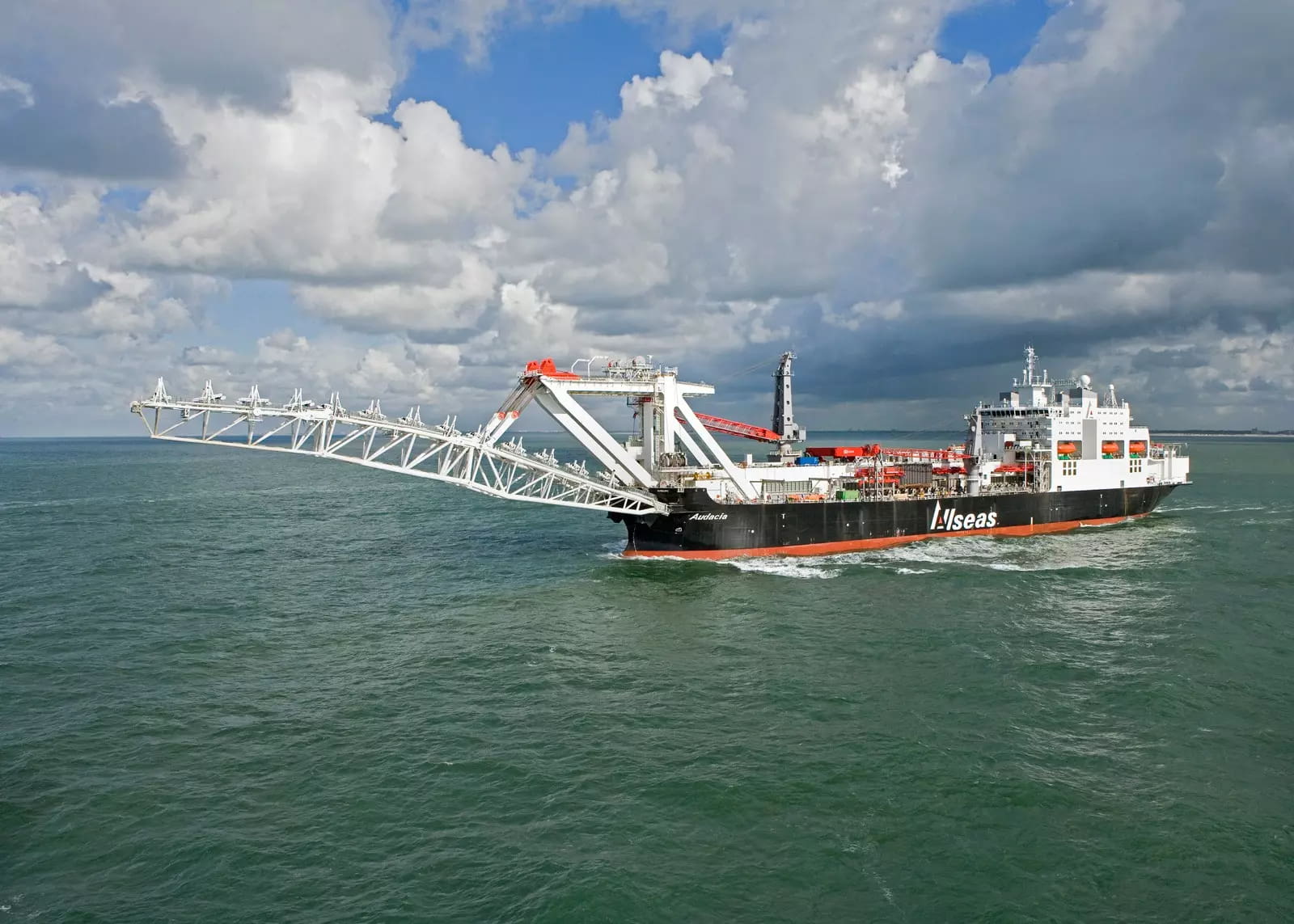
First gas on track before 2026 ends with Southeast Asian project’s subsea ops in full swing

Signal strongSource-grounded

What happened

Prime Energy's Malampaya Phase 4 subsea works have completed major pipelay and flowline installation and are progressing to commissioning and hook‑up tasks. The next steps include flowline pressure testing, nitrogen drying and subsea jumper installations that will require specialist commissioning services and vessel time

Buyer takeaway

Treat commissioning and hook‑up as a distinct procurement wave requiring different skills and equipment than pipelay; line up commissioning specialists now

Cost / money

Commissioning phase drives concentrated spend on specialist services (pressure testing, nitrogen drying) and can command premium billing if slots are scarce

Supplier / commercial

Vendors offering end‑to‑end commissioning plus spare parts availability will be preferred; package bids are likely to be advantaged

Safety / operations

Hook‑up and pressure testing bring SIMOPS complexity and require coordinated contractor competence to avoid delays and integrity issues

What to watch

Monitor umbilical delivery, testing equipment availability and whether vendors start limiting quote validity as commissioning dates approach

Key facts

  • Flowlines installed and connected to main production system
  • Piles driven and umbilicals to be installed in upcoming months
  • Next stage: commissioning, pressure testing, nitrogen drying, and jumper installation

Source excerpts

The next major stage under MP4 is commissioning and hook-up, which will involve flowline pressure testing, nitrogen drying, and the installation of subsea jumpers to connect the Christmas trees on each well to the flowlines and these to the Malampaya main manifold
Audacia pipelay vessel; Source: Allseas President Ferdinand R
The Malampaya Phase 4 project is now progressing with subsea pipelaying and offshore construction activities offshore Palawan, following the completion of the drilling campaign under the government’s extension of Service Contract No
Story 4Offshore TechnologyMay 6, 2026

Aker Solutions wins FEED contract for Atlantis tie-in to Kvitebjørn

Signal moderateDirectional

What happened

Aker Solutions won a FEED contract to modify the Kvitebjørn platform to accept an Atlantis subsea tie‑in and included an EPCIC assistance option. The FEED starts immediately and Equinor may activate the EPCIC option, indicating potential integrated contracting for modifications

Buyer takeaway

Anticipate bundling of engineering, procurement and installation work; prepare for negotiations with primes that may insist on broad scope coverage

Cost / money

Integrated EPCIC scopes can shift cost and risk profiles toward the prime contractor and may reduce opportunities for competitive component bids

Supplier / commercial

Subcontractors should position for package sub‑work under a main contractor rather than expect standalone awards

Safety / operations

Topsides modifications require close coordination with existing operations to avoid production impacts during tie‑in

What to watch

Confirm whether EPCIC activation will include long lead items that could lock in suppliers early and reduce competition

Key facts

  • FEED includes an EPCIC assistance provision
  • FEED work to start immediately with potential EPCIC activation next year

Source excerpts

The FEED agreement contains a provision for EPCIC assistance
Aker Solutions has secured a front-end engineering and design (FEED) contract from Equinor for the preparation of the Kvitebjørn platform to enable production from the Atlantis subsea tie-in project in the North Sea. The FEED agreement contains a provision for engineering, procurement, construction, installation and commissioning (EPCIC) assistance
Find out more Aker Solutions plans to begin the FEED activities immediately and Equinor is expected to activate the EPCIC option at the start of 2027
Story 5Offshore EnergyMay 7, 2026

Substitute engine parts cause of fire on board UK survey vessel, report says

Signal strongSource-grounded

What happened

An investigation found substitute engine parts fitted during a major overhaul caused an engine failure and engine‑room fire on a UK survey vessel, leading to a total power blackout and lost propulsion. The incident shows how poor spare‑parts quality or undocumented substitutions can cause major operational downtime on survey and support vessels

Buyer takeaway

Require proof of OEM or approved parts and overhaul records from vessel suppliers to reduce risk of latent failures during campaigns

Cost / money

Latent failures increase cost through lost vessel days, unplanned recovery charges and potential insurance exposure

Supplier / commercial

Vessel operators using substituted parts may face higher scrutiny and shorter contract terms or conditional mobilisation approvals

Safety / operations

Substandard parts can cause total power loss and compromise crew safety, anchor operations and emergency response

What to watch

Ask charters for documented overhaul histories and parts traceability for critical genset components before mobilising

Key facts

  • Engine failure led to total power blackout during sea trials
  • Incident traced to premature bearing wear from substitute parts fitted in a 2019 overhaul
  • No injuries reported but vessel drifted and anchor systems were inoperable during the event

Source excerpts

Home Subsea Substitute engine parts cause of fire on board UK survey vessel, report says May 7, 2026, by The diesel generator engine failure that sparked an engine room fire and total power blackout on board the UK-flagged site investigation vessel Kommandor Susan in January 2025 was caused by substitute engine components installed during a 2019 overhaul, the investigation report issued by the UK government organization Marine Accident Investigation Branch (MAIB) states
According to MAIB, Hays Ships Limited, the former owner of the vessel, had minimal oversight of the overhaul process and assumed that OEM parts were used, which meant that the presence of substitute components remained undiscovered and was not communicated to subsequent owners. Additionally, the vessel’s anchoring procedure did not account for the risk of power loss, leaving the anchors inoperable during the emergency
Due to a complete power blackout, the vessel lost propulsion and began drifting eastwards, while attempts to deploy anchors failed because the anchor winches required electrical power to operate. Limited propulsion was then restored, allowing the vessel to return to Leith Harbour

VP Snapshot

Executive Risk & Action View

Subsea pipelay and flowline installation in the Philippines is now in active execution, tightening near‑term demand for pipelay vessels, umbilical installers and commissioning specialists.

Overall
66
Cost
61
Supply
25
Schedule
56
Compliance
15

Top signals

30-180dcost

Signal 1: Cost / money

Active pipelay and umbilical installation work increases near‑term spend profile on offshore construction contractors and specialised vessel time, reducing buyer flexibility to rebid scopes later.

Signal 2: Cost / money

Multi‑well continuous drilling in the US Gulf will keep mobilisation and rig scheduling costs elevated as operators consolidate drilling slots and commit specialist spread support.

30-180dcommercial

Signal 3: Supplier / commercial

FEED contracts with an EPCIC assistance option make it more likely operators will prefer integrated prime contractors, concentrating commercial leverage and limiting spot subcontracting opportunities for smaller vendors.

Signal 4: Supplier / commercial

Rapid tie‑in prospects (Egypt shallow gas) favour local suppliers and near‑facility crews, which can shorten procurement windows and advantage vendors able to mobilise from nearby bases.

30-180dschedule

Signal 5: Supplier / commercial

On‑water progress (Malampaya) elevates the value of vendors who can provide end‑to‑end commissioning services (pressure testing, nitrogen drying), incentivising package bids rather than single‑line quotes.

30-180dsupplier

Signal 6: Safety / operations

A survey vessel fire caused by substitute engine parts shows supplier QA and spare‑parts provenance are real uptime risks for chartered vessels, with direct implications for mobilisation continuity and insurance conversations.

Recommended actions

CategoryDue 3d

Contact incumbent pipelay, umbilical and commissioning vendors to confirm current vessel schedules and mobilisation lead times.

Confirmed supplier availability and mobilisation flags

OpsDue 3d

Require vessel suppliers and charter parties to provide recent maintenance and parts provenance documentation for any vessels planned for our campaigns.

QA packets for chartered vessels with spare‑parts provenance verified

ContractsDue 21d

Ask Contracts to prepare standard mobilisation‑deposit and short‑quote‑validity clauses for subsea installation and tie‑in packages to preserve buyer leverage.

Contract clause templates ready to insert into upcoming awards

CategoryDue 21d

Run a focused capacity check on local tie‑in crews and near‑shore pipeline contractors in Egypt and the Philippines to identify who can mobilise rapidly.

Shortlist of near‑facility contractors with mobilisation readiness

OpsDue 60d

Build a contingency roster of alternate pipelay and ROV suppliers with provisional commercial terms and activation triggers tied to project milestones.

Contingency roster with activation criteria and provisional terms

Risk register

RiskTriggerMitigation
Verify whether the US Gulf appraisal wells proceed on the current cadence; if they do, expect further compression of sourcing windows for rigs, ROVs and pipelay vessels.Verify whether the US Gulf appraisal wells proceed on the current cadence; if they do, expect further compression of sourcing windows for rigs, ROVs and pipelay vessels.Confirm exposure with category, contracts, and operations before the next supplier commitment.
Watch for prime contractors to bundle tie‑in and modification scopes under EPCIC terms, which could reduce buyer access to competitive spot subcontracting for equipment and services.Watch for prime contractors to bundle tie‑in and modification scopes under EPCIC terms, which could reduce buyer access to competitive spot subcontracting for equipment and services.Confirm exposure with category, contracts, and operations before the next supplier commitment.

CM Snapshot

Category Manager Decision Detail

Today's priorities

Contact incumbent pipelay, umbilical and commissioning vendors to confirm current vessel schedules and mobilisation lead times.

Do this because Malampaya's on‑water pipelay and upcoming commissioning tighten windows for flowline hook‑up and will expose gaps quickly if vessel or crew slots are unavailable.

Due 3d

high

CM move

Use this as the immediate supplier or contract action to move before the next sourcing gate.

Require vessel suppliers and charter parties to provide recent maintenance and parts provenance documentation for any vessels planned for our campaigns.

Do this because the reported engine failure from substitute parts shows spare‑parts traceability can cause total power loss and drift events affecting mobilisation and safety.

Due 3d

high

CM move

Use this as the immediate supplier or contract action to move before the next sourcing gate.

Ask Contracts to prepare standard mobilisation‑deposit and short‑quote‑validity clauses for subsea installation and tie‑in packages to preserve buyer leverage.

Do this because active on‑water schedules and FEEDs with EPCIC options increase the chance suppliers shorten validity and ask for deposits as they allocate limited vessel and cr...

Due 21d

high

CM move

Use this as the immediate supplier or contract action to move before the next sourcing gate.

Run a focused capacity check on local tie‑in crews and near‑shore pipeline contractors in Egypt and the Philippines to identify who can mobilise rapidly.

Do this because the Egypt shallow discovery is close to existing facilities and Malampaya commissioning needs will prioritise nearby crews, creating short windows where local av...

Due 21d

high

CM move

Use this as the immediate supplier or contract action to move before the next sourcing gate.

Supplier radar

Offshore Technology

high

Observed supplier signal

FEED contracts with an EPCIC assistance option make it more likely operators will prefer integrated prime contractors, concentrating commercial leverage and limiting spot subcontracting opportunities for smaller vendors.

Commercial implication

FEED contracts with an EPCIC assistance option make it more likely operators will prefer integrated prime contractors, concentrating commercial leverage and limiting spot subcontracting opportunities for smaller vendors.

Next step: Validate the source-backed signal with incumbents and alternates before the next award or pricing decision.

Offshore Energy

high

Observed supplier signal

Rapid tie‑in prospects (Egypt shallow gas) favour local suppliers and near‑facility crews, which can shorten procurement windows and advantage vendors able to mobilise from nearby bases.

Commercial implication

Rapid tie‑in prospects (Egypt shallow gas) favour local suppliers and near‑facility crews, which can shorten procurement windows and advantage vendors able to mobilise from nearby bases.

Next step: Validate the source-backed signal with incumbents and alternates before the next award or pricing decision.

Offshore Energy

high

Observed supplier signal

On‑water progress (Malampaya) elevates the value of vendors who can provide end‑to‑end commissioning services (pressure testing, nitrogen drying), incentivising package bids rather than single‑line quotes.

Commercial implication

On‑water progress (Malampaya) elevates the value of vendors who can provide end‑to‑end commissioning services (pressure testing, nitrogen drying), incentivising package bids rather than single‑line quotes.

Next step: Validate the source-backed signal with incumbents and alternates before the next award or pricing decision.

Negotiation levers

Contact incumbent pipelay, umbilical and commissioning vendors to confirm current vessel schedules and mobilisation lead times.

When to use: Do this because Malampaya's on‑water pipelay and upcoming commissioning tighten windows for flowline hook‑up and will expose gaps quickly if vessel or crew slots are unavailable.

Expected outcome: Confirmed supplier availability and mobilisation flags

Commercial mechanism to carry into the next supplier conversation

Require vessel suppliers and charter parties to provide recent maintenance and parts provenance documentation for any vessels planned for our campaigns.

When to use: Do this because the reported engine failure from substitute parts shows spare‑parts traceability can cause total power loss and drift events affecting mobilisation and safety.

Expected outcome: QA packets for chartered vessels with spare‑parts provenance verified

Commercial mechanism to carry into the next supplier conversation

Ask Contracts to prepare standard mobilisation‑deposit and short‑quote‑validity clauses for subsea installation and tie‑in packages to preserve buyer leverage.

When to use: Do this because active on‑water schedules and FEEDs with EPCIC options increase the chance suppliers shorten validity and ask for deposits as they allocate limited vessel and cr...

Expected outcome: Contract clause templates ready to insert into upcoming awards

Commercial mechanism to carry into the next supplier conversation

Run a focused capacity check on local tie‑in crews and near‑shore pipeline contractors in Egypt and the Philippines to identify who can mobilise rapidly.

When to use: Do this because the Egypt shallow discovery is close to existing facilities and Malampaya commissioning needs will prioritise nearby crews, creating short windows where local av...

Expected outcome: Shortlist of near‑facility contractors with mobilisation readiness

Commercial mechanism to carry into the next supplier conversation

Talking points

Subsea pipelay and flowline installation in the Philippines is now in active execution, tightening near‑term demand for pipelay vessels, umbilical installers and commissioning specialists.
Continuous drilling programs in the US Gulf (Monument) and planned appraisals signal multi‑well schedules that can compress mobilisation windows and raise contractor availability pressure for deepwater support services.
An onshore‑drilled shallow gas discovery in Egypt is close to existing facilities, creating a real quick‑tie opportunity that will likely require fast turnarounds from tie‑in crews and nearby pipeline/connection vendors.
New FEED work with an EPCIC option (Atlantis to Kvitebjørn) suggests operators are again packaging tie‑ins and modifications under single contractors, which can reduce spot sourcing and shift leverage to prime contractors.

Supplier radar

SupplierSignalImplicationNext stepConfidence
Offshore TechnologyFEED contracts with an EPCIC assistance option make it more likely operators will prefer integrated prime contractors, concentrating commercial leverage and limiting spot subcontracting opportunities for smaller vendors.FEED contracts with an EPCIC assistance option make it more likely operators will prefer integrated prime contractors, concentrating commercial leverage and limiting spot subcontracting opportunities for smaller vendors.Validate the source-backed signal with incumbents and alternates before the next award or pricing decision.high
Offshore EnergyRapid tie‑in prospects (Egypt shallow gas) favour local suppliers and near‑facility crews, which can shorten procurement windows and advantage vendors able to mobilise from nearby bases.Rapid tie‑in prospects (Egypt shallow gas) favour local suppliers and near‑facility crews, which can shorten procurement windows and advantage vendors able to mobilise from nearby bases.Validate the source-backed signal with incumbents and alternates before the next award or pricing decision.high
Offshore EnergyOn‑water progress (Malampaya) elevates the value of vendors who can provide end‑to‑end commissioning services (pressure testing, nitrogen drying), incentivising package bids rather than single‑line quotes.On‑water progress (Malampaya) elevates the value of vendors who can provide end‑to‑end commissioning services (pressure testing, nitrogen drying), incentivising package bids rather than single‑line quotes.Validate the source-backed signal with incumbents and alternates before the next award or pricing decision.high

Negotiation levers

  • Contact incumbent pipelay, umbilical and commissioning vendors to confirm current vessel schedules and mobilisation lead times.Do this because Malampaya's on‑water pipelay and upcoming commissioning tighten windows for flowline hook‑up and will expose gaps quickly if vessel or crew slots are unavailable.Confirmed supplier availability and mobilisation flags

    high confidence

  • Require vessel suppliers and charter parties to provide recent maintenance and parts provenance documentation for any vessels planned for our campaigns.Do this because the reported engine failure from substitute parts shows spare‑parts traceability can cause total power loss and drift events affecting mobilisation and safety.QA packets for chartered vessels with spare‑parts provenance verified

    high confidence

  • Ask Contracts to prepare standard mobilisation‑deposit and short‑quote‑validity clauses for subsea installation and tie‑in packages to preserve buyer leverage.Do this because active on‑water schedules and FEEDs with EPCIC options increase the chance suppliers shorten validity and ask for deposits as they allocate limited vessel and cr...Contract clause templates ready to insert into upcoming awards

    high confidence

  • Run a focused capacity check on local tie‑in crews and near‑shore pipeline contractors in Egypt and the Philippines to identify who can mobilise rapidly.Do this because the Egypt shallow discovery is close to existing facilities and Malampaya commissioning needs will prioritise nearby crews, creating short windows where local av...Shortlist of near‑facility contractors with mobilisation readiness

    high confidence

What to do / What to watch

What to do now

  • Contact incumbent pipelay, umbilical and commissioning vendors to confirm current vessel schedules and mobilisation lead times.

    Why: Do this because Malampaya's on‑water pipelay and upcoming commissioning tighten windows for flowline hook‑up and will expose gaps quickly if vessel or crew slots are unavailable.

    Owner: Category

    Expected outcome: Confirmed supplier availability and mobilisation flags

    [3]
  • Require vessel suppliers and charter parties to provide recent maintenance and parts provenance documentation for any vessels planned for our campaigns.

    Why: Do this because the reported engine failure from substitute parts shows spare‑parts traceability can cause total power loss and drift events affecting mobilisation and safety.

    Owner: Ops

    Expected outcome: QA packets for chartered vessels with spare‑parts provenance verified

    [1]

Next few weeks

  • Ask Contracts to prepare standard mobilisation‑deposit and short‑quote‑validity clauses for subsea installation and tie‑in packages to preserve buyer leverage.

    Why: Do this because active on‑water schedules and FEEDs with EPCIC options increase the chance suppliers shorten validity and ask for deposits as they allocate limited vessel and cr...

    Owner: Contracts

    Expected outcome: Contract clause templates ready to insert into upcoming awards

    [3][5]
  • Run a focused capacity check on local tie‑in crews and near‑shore pipeline contractors in Egypt and the Philippines to identify who can mobilise rapidly.

    Why: Do this because the Egypt shallow discovery is close to existing facilities and Malampaya commissioning needs will prioritise nearby crews, creating short windows where local av...

    Owner: Category

    Expected outcome: Shortlist of near‑facility contractors with mobilisation readiness

    [2][3]

Longer view

  • Build a contingency roster of alternate pipelay and ROV suppliers with provisional commercial terms and activation triggers tied to project milestones.

    Why: Do this because sustained subsea execution and multi‑well drilling increase the risk of slot conflicts; pre‑negotiated alternates shorten time to replace or augment suppliers if...

    Owner: Ops

    Expected outcome: Contingency roster with activation criteria and provisional terms

    [4][3]

What to watch

  • Verify whether the US Gulf appraisal wells proceed on the current cadence; if they do, expect further compression of sourcing windows for rigs, ROVs and pipelay vessels
  • Watch for prime contractors to bundle tie‑in and modification scopes under EPCIC terms, which could reduce buyer access to competitive spot subcontracting for equipment and services
  • Verify whether the US Gulf appraisal wells proceed on the current cadence; if they do, expect further compression of sourcing windows for rigs, ROVs and pipelay vessels.: Verify whether the US Gulf appraisal wells proceed on the current cadence; if they do, expect further compression of sourcing windows for rigs, ROVs and pipelay vessels
  • Watch for prime contractors to bundle tie‑in and modification scopes under EPCIC terms, which could reduce buyer access to competitive spot subcontracting for equipment and services.: Watch for prime contractors to bundle tie‑in and modification scopes under EPCIC terms, which could reduce buyer access to competitive spot subcontracting for equipment and services
  • Subsea pipelay and flowline installation in the Philippines is now in active execution, tightening near‑term demand for pipelay vessels, umbilical installers and commissioning specialists
  • Continuous drilling programs in the US Gulf (Monument) and planned appraisals signal multi‑well schedules that can compress mobilisation windows and raise contractor availability pressure for deepwater support services
  • An onshore‑drilled shallow gas discovery in Egypt is close to existing facilities, creating a real quick‑tie opportunity that will likely require fast turnarounds from tie‑in crews and nearby pipeline/connection vendors
  • New FEED work with an EPCIC option (Atlantis to Kvitebjørn) suggests operators are again packaging tie‑ins and modifications under single contractors, which can reduce spot sourcing and shift leverage to prime contractors

Market pulse

IndexLatestChangeAs of
WTI Crude (WTI)71.23 /bbl+0.00 (+0.00%)May 7, 2026, 10:04 AM
Brent Crude (BRENT)74.89 /bbl+0.00 (+0.00%)May 7, 2026, 10:04 AM
Natural Gas (NG)3.12 /MMBtu+0.00 (+0.00%)May 7, 2026, 10:04 AM
Henry Hub Gas (NG)3.12 /MMBtu+0.00 (+0.00%)May 7, 2026, 10:04 AM
Cheniere (LNG) (LNG)185 +0.00 (+0.00%)May 7, 2026, 10:04 AM
Brent Crude (BRENT)74.89 /bbl+0.00 (+0.00%)May 7, 2026, 10:04 AM
  • Brent Crude: Sustained crude price support strengthens operator appetite for offshore projects, which can keep supplier demand and mobilisation pressure elevated
  • Natural Gas: Gas price dynamics support faster tie‑in economics for near‑facility gas finds, reinforcing the commercial case for quick connection and early production

Sources

Inline citations jump here. Expand a source to read the excerpt, the AI interpretation, and the original link.

[1] Substitute engine parts cause of fire on board UK survey vessel, report says

offshore-energy.biz · May 7, 2026

Expand

AI reading

An investigation found substitute engine parts fitted during a major overhaul caused an engine failure and engine‑room fire on a UK survey vessel, leading to a total power blackout and lost propulsion. The incident shows how poor spare‑parts quality or undocumented substitutions can cause major operational downtime on survey and support vessels

Buyer takeaway

Require proof of OEM or approved parts and overhaul records from vessel suppliers to reduce risk of latent failures during campaigns

Cost / money

Latent failures increase cost through lost vessel days, unplanned recovery charges and potential insurance exposure

Supplier / commercial

Vessel operators using substituted parts may face higher scrutiny and shorter contract terms or conditional mobilisation approvals

Safety / operations

Substandard parts can cause total power loss and compromise crew safety, anchor operations and emergency response

What to watch

Ask charters for documented overhaul histories and parts traceability for critical genset components before mobilising

Key facts

  • Engine failure led to total power blackout during sea trials
  • Incident traced to premature bearing wear from substitute parts fitted in a 2019 overhaul
  • No injuries reported but vessel drifted and anchor systems were inoperable during the event

Source excerpts

Home Subsea Substitute engine parts cause of fire on board UK survey vessel, report says May 7, 2026, by The diesel generator engine failure that sparked an engine room fire and total power blackout on board the UK-flagged site investigation vessel Kommandor Susan in January 2025 was caused by substitute engine components installed during a 2019 overhaul, the investigation report issued by the UK government organization Marine Accident Investigation Branch (MAIB) states
According to MAIB, Hays Ships Limited, the former owner of the vessel, had minimal oversight of the overhaul process and assumed that OEM parts were used, which meant that the presence of substitute components remained undiscovered and was not communicated to subsequent owners. Additionally, the vessel’s anchoring procedure did not account for the risk of power loss, leaving the anchors inoperable during the emergency
Due to a complete power blackout, the vessel lost propulsion and began drifting eastwards, while attempts to deploy anchors failed because the anchor winches required electrical power to operate. Limited propulsion was then restored, allowing the vessel to return to Leith Harbour

Used in this brief

  • Safety / operations: A survey vessel fire caused by substitute engine parts shows supplier QA and spare‑parts provenance are real uptime risks for chartered vessels, with direct implications for mobilisation continuity and insurance conversations
  • Next 72 hours — Require vessel suppliers and charter parties to provide recent maintenance and parts provenance documentation for any vessels planned for our campaigns.. Rationale: Do this because the reported engine failure from substitute parts shows spare‑parts traceability can cause total power loss and drift events affecting mobilisation and safety.. Owner: Ops. KPI: QA packets for chartered vessels with spare‑parts provenance verified
  • An investigation found substitute engine parts fitted during a major overhaul caused an engine failure and engine‑room fire on a UK survey vessel, leading to a total power blackout and lost propulsion. The incident shows how poor spare‑parts quality or undocumented substitutions can cause major operational downtime on survey and support vessels
Open original source

[2] Fresh gas discovery unveiled as Eni and BP drill offshore well from onshore

offshore-energy.biz · May 6, 2026

Expand

AI reading

Eni and BP reported a natural gas discovery drilled from onshore into shallow offshore waters near existing facilities in Egypt. The well sits very close to production infrastructure and the report says connection to the network could happen within weeks, creating short‑notice tie‑in demand

Buyer takeaway

Expect accelerated vendor mobilisations for tie‑ins; prioritise local connection crews and pipeline contractors who can respond quickly

Cost / money

Fast tie‑in potential shifts cost toward short‑lead mobilisation and local contractor rates rather than long‑lead offshore construction bids

Supplier / commercial

Local contractors and nearby facilities providers gain selection advantage; long‑distance vendors may be disadvantaged on response time

Safety / operations

Short mobilisation cycles increase the need to verify local HSE credentials and permit readiness before award

What to watch

Confirm the stated rapid connection timeline with operators and check counterparty payment/clearance promises tied to restored partner dues

Key facts

  • Well drilled from onshore using directional drilling
  • Located about 3 km offshore in shallow waters (~10 m depth)
  • Reported proximity to production facilities enabling rapid connection

Source excerpts

As it is situated less than 2 kilometers away from the nearest production facilities, the well’s proximity to existing infrastructure is perceived to enable rapid connection to the network within the coming weeks and the start of early production, enhancing capital efficiency. Egypt’s Minister of Petroleum and Mineral Resources further emphasizes that the discovery represents a model for maximizing the utilization of existing infrastructure, increasing production rates, and supporting gas supply to the domesti
The latest gas discovery comes a month after the Italian giant made a gas and condensate discovery offshore Egypt, said to have fast-track development potential
The well is situated approximately 3 kilometers offshore in shallow waters with a depth of around 10 meters

Used in this brief

  • Next 2-4 weeks — Run a focused capacity check on local tie‑in crews and near‑shore pipeline contractors in Egypt and the Philippines to identify who can mobilise rapidly.. Rationale: Do this because the Egypt shallow discovery is close to existing facilities and Malampaya commissioning needs will prioritise nearby crews, creating short windows where local av.... Owner: Category. KPI: Shortlist of near‑facility contractors with mobilisation readiness
  • Added new onshore‑to‑offshore shallow gas discovery in Egypt that enables faster tie‑ins and earlier production potential compared with prior run observations about longer mobilization lead times
  • Eni and BP reported a natural gas discovery drilled from onshore into shallow offshore waters near existing facilities in Egypt. The well sits very close to production infrastructure and the report says connection to the network could happen within weeks, creating short‑notice tie‑in demand
Open original source

[3] First gas on track before 2026 ends with Southeast Asian project’s subsea ops in full swing

offshore-energy.biz · May 6, 2026

Expand

AI reading

Prime Energy's Malampaya Phase 4 subsea works have completed major pipelay and flowline installation and are progressing to commissioning and hook‑up tasks. The next steps include flowline pressure testing, nitrogen drying and subsea jumper installations that will require specialist commissioning services and vessel time

Buyer takeaway

Treat commissioning and hook‑up as a distinct procurement wave requiring different skills and equipment than pipelay; line up commissioning specialists now

Cost / money

Commissioning phase drives concentrated spend on specialist services (pressure testing, nitrogen drying) and can command premium billing if slots are scarce

Supplier / commercial

Vendors offering end‑to‑end commissioning plus spare parts availability will be preferred; package bids are likely to be advantaged

Safety / operations

Hook‑up and pressure testing bring SIMOPS complexity and require coordinated contractor competence to avoid delays and integrity issues

What to watch

Monitor umbilical delivery, testing equipment availability and whether vendors start limiting quote validity as commissioning dates approach

Key facts

  • Flowlines installed and connected to main production system
  • Piles driven and umbilicals to be installed in upcoming months
  • Next stage: commissioning, pressure testing, nitrogen drying, and jumper installation

Source excerpts

The next major stage under MP4 is commissioning and hook-up, which will involve flowline pressure testing, nitrogen drying, and the installation of subsea jumpers to connect the Christmas trees on each well to the flowlines and these to the Malampaya main manifold
Audacia pipelay vessel; Source: Allseas President Ferdinand R
The Malampaya Phase 4 project is now progressing with subsea pipelaying and offshore construction activities offshore Palawan, following the completion of the drilling campaign under the government’s extension of Service Contract No

Used in this brief

  • Supplier / commercial: On‑water progress (Malampaya) elevates the value of vendors who can provide end‑to‑end commissioning services (pressure testing, nitrogen drying), incentivising package bids rather than single‑line quotes
  • Safety / operations: Commissioning and hook‑up stages for subsea systems create SIMOPS and uptime dependency on timely specialist crews (pressure testing, jumpers, nitrogen drying) that, if delayed, can push broader campaign schedules
  • Next 72 hours — Contact incumbent pipelay, umbilical and commissioning vendors to confirm current vessel schedules and mobilisation lead times.. Rationale: Do this because Malampaya's on‑water pipelay and upcoming commissioning tighten windows for flowline hook‑up and will expose gaps quickly if vessel or crew slots are unavailable.. Owner: Category. KPI: Confirmed supplier availability and mobilisation flags
Open original source

[4] Oil & gas search in US Gulf: Drilling ops underway at one project with appraisal coming up soon at another

offshore-energy.biz · May 6, 2026

Expand

AI reading

Drilling operations have begun at the Monument discovery in the US Gulf with continuous drilling and completion activities planned, and an appraisal (Daenerys) scheduled soon. The Monument program is being run as a multi‑well sequence tied to FPS infrastructure, which makes contractor mobilisation and rig scheduling an operational priority to watch next

Buyer takeaway

Treat this as an ongoing programme-level demand signal; expect mobilisation windows to firm and spot options to narrow as wells progress

Cost / money

Tighter drilling cadence can raise mobilisation and scheduling costs as operators commit vessel and rig time earlier

Supplier / commercial

Suppliers capable of sustained campaign support (ROV, mudlogging, deepwater support) gain leverage and may shorten quote validity

Safety / operations

Extended drilling sequences increase SIMOPS coordination needs and maintenance alignment to avoid unscheduled downtime

What to watch

Verify planned well cadence and confirm whether appraisal timing is unchanged to avoid last‑minute supplier shortfalls

Key facts

  • Continuous drilling and completion planned for Monument
  • Appraisal (Daenerys) scheduled to start late in the second quarter

Source excerpts

While drilling activities are ongoing at one development in the Gulf of America (U
The company also drilled the CPN well and finished well completion operations in the first quarter of 2026, with first production from the well expected in the third quarter of 2026
S. Gulf of Mexico

Used in this brief

  • Cost / money: Multi‑well continuous drilling in the US Gulf will keep mobilisation and rig scheduling costs elevated as operators consolidate drilling slots and commit specialist spread support
  • Next quarter — Build a contingency roster of alternate pipelay and ROV suppliers with provisional commercial terms and activation triggers tied to project milestones.. Rationale: Do this because sustained subsea execution and multi‑well drilling increase the risk of slot conflicts; pre‑negotiated alternates shorten time to replace or augment suppliers if.... Owner: Ops. KPI: Contingency roster with activation criteria and provisional terms
  • Verify whether the US Gulf appraisal wells proceed on the current cadence; if they do, expect further compression of sourcing windows for rigs, ROVs and pipelay vessels
Open original source

[5] Aker Solutions wins FEED contract for Atlantis tie-in to Kvitebjørn

offshore-technology.com · May 6, 2026

Expand

AI reading

Aker Solutions won a FEED contract to modify the Kvitebjørn platform to accept an Atlantis subsea tie‑in and included an EPCIC assistance option. The FEED starts immediately and Equinor may activate the EPCIC option, indicating potential integrated contracting for modifications

Buyer takeaway

Anticipate bundling of engineering, procurement and installation work; prepare for negotiations with primes that may insist on broad scope coverage

Cost / money

Integrated EPCIC scopes can shift cost and risk profiles toward the prime contractor and may reduce opportunities for competitive component bids

Supplier / commercial

Subcontractors should position for package sub‑work under a main contractor rather than expect standalone awards

Safety / operations

Topsides modifications require close coordination with existing operations to avoid production impacts during tie‑in

What to watch

Confirm whether EPCIC activation will include long lead items that could lock in suppliers early and reduce competition

Key facts

  • FEED includes an EPCIC assistance provision
  • FEED work to start immediately with potential EPCIC activation next year

Source excerpts

The FEED agreement contains a provision for EPCIC assistance
Aker Solutions has secured a front-end engineering and design (FEED) contract from Equinor for the preparation of the Kvitebjørn platform to enable production from the Atlantis subsea tie-in project in the North Sea. The FEED agreement contains a provision for engineering, procurement, construction, installation and commissioning (EPCIC) assistance
Find out more Aker Solutions plans to begin the FEED activities immediately and Equinor is expected to activate the EPCIC option at the start of 2027

Used in this brief

  • Supplier / commercial: FEED contracts with an EPCIC assistance option make it more likely operators will prefer integrated prime contractors, concentrating commercial leverage and limiting spot subcontracting opportunities for smaller vendors
  • Watch for prime contractors to bundle tie‑in and modification scopes under EPCIC terms, which could reduce buyer access to competitive spot subcontracting for equipment and services
  • Noted Aker Solutions FEED award introducing an EPCIC option in the North Sea tie‑in market — a concrete new supplier contracting posture since the previous brief
Open original source

[6] Brent Crude

finance.yahoo.com · n.d.

Expand

[7] Natural Gas

finance.yahoo.com · n.d.

Expand