Projects (EPC/EPCM & Construction) · Australia (Perth)

Lock Mobilisation Terms and Connectivity SLAs for APAC Projects

Published May 7, 2026, 6:04 AM AWSTAPACFull category signal
Ask AI
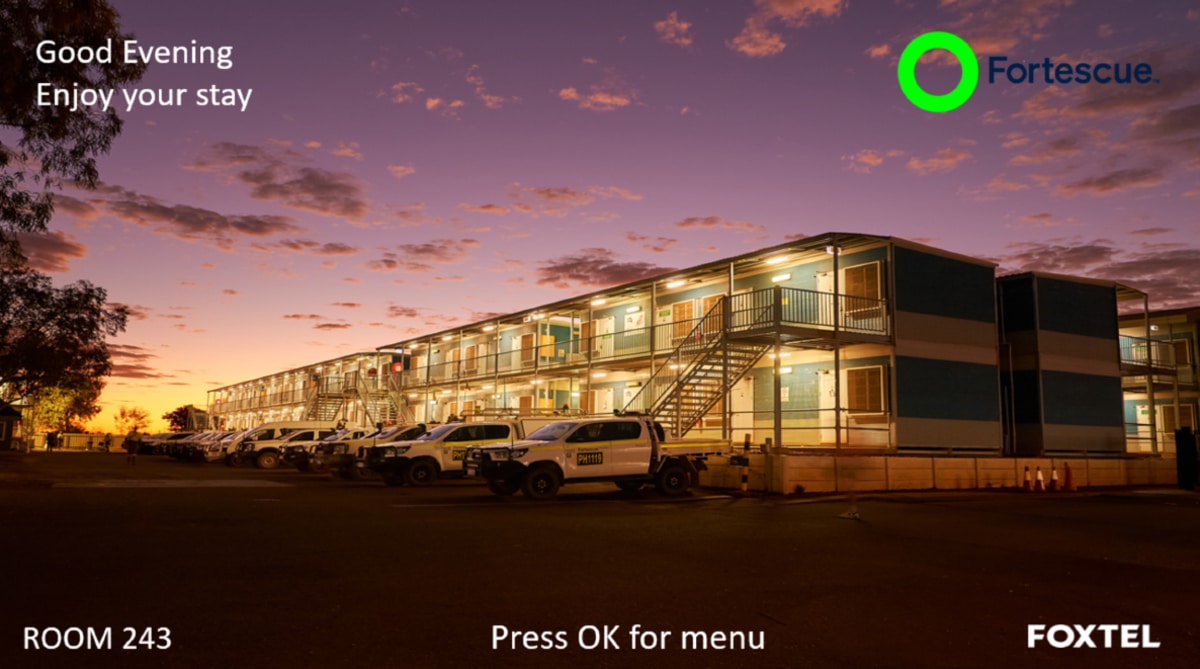
Fortescue rolls out massive remote camp Foxtel upgrade

In 60 seconds

Top move

Large remote‑camp satellite rollouts convert connectivity into an ongoing operational dependency and recurring cost line that must be contracted, not bought ad hoc

Key takeaways

  • Large remote‑camp satellite rollouts convert connectivity into an ongoing operational dependency and recurring cost line that must be contracted, not bought ad hoc.[4]
  • Extended antitrust scrutiny of a major rig merger raises consolidation risk in the deepwater rig market, which can shorten quote validity and push mobilisation premiums.[2]
  • New specialized vessels entering the market increase choice but do not guarantee regional availability or fit‑for‑scope readiness; technical and HSE gaps remain primary mobilisation risks.[1]
  • Ongoing Australian critical‑minerals project progress keeps local EPC workloads firm and supports contractor bargaining power for specialised processing and demo scopes.[3]
  • Taken together, procurement focus should move to explicit mobilisation windows, substitution rights, and clear connectivity SLAs rather than tactical price pushes.[4]

What changed since last run

  • New local signal: Fortescue announced a multi‑year remote‑camp satellite and installation rollout across accommodation villages, creating recurring connectivity and installation exposures (Article 12).
  • Regulatory update: Transocean–Valaris review advanced after a second US regulator information request, extending uncertainty around possible fleet consolidation (Article 9).
  • Asset delivery: A 100‑m cable‑lay/light construction vessel was delivered from Türkiye to a Norwegian owner, adding modern dual‑fuel vessel capacity to the market but requiring fit‑for‑scope checks (Article 5).

Key facts

  • Rollout across multiple remote accommodation villages
  • Approx. 11,500 screens upgraded
  • Delivered via Foxtel’s satellite network with local installation partners
  • Definitive agreement signed between Transocean and Valaris
  • Second regulatory information request received during US review
  • 100‑metre cable‑lay/light construction vessel

Why it matters

Large remote‑camp satellite rollouts convert connectivity into an ongoing operational dependency and recurring cost line that must be contracted, not bought ad hoc. Extended antitrust scrutiny of a major rig merger raises consolidation risk in the deepwater rig market, which can shorten quote validity and push mobilisation premiums. New specialized vessels entering the market increase choice but do not guarantee regional availability or fit‑for‑scope readiness; technical and HSE gaps remain primary mobilisation risks. Ongoing Australian critical‑minerals project progress keeps local EPC workloads firm and supports contractor bargaining power for specialised processing and demo scopes

Cost / money

  • Remote‑camp satellite deployments shift cost from one‑off hardware buys to ongoing service fees and airtime pass‑throughs that can appear late in EPC budgets.[4]
  • Merger‑related consolidation risk creates directional pressure on mobilisation premiums and may shorten quote validity windows from rig owners.[2]
  • New vessel deliveries can moderate asset scarcity over time, but owners frequently recover capex through minimum campaign lengths or mobilisation charges, keeping short‑term cost exposure intact.[1]

Supplier / commercial

  • Suppliers will increasingly propose bundled offers (hardware + install + management) for remote camps; that changes negotiation levers toward service levels and termination rights.[4]
  • Rig owners under merger uncertainty are likely to shorten quote validity, tighten mobilisation windows or request deposits to protect campaign scheduling.[2]
  • Local EPC and processing contractors can press for blended or outcome‑linked commercial models where they offer capacity and execution certainty.[3]

Safety / operations

  • Greater dependence on satellite and remote services raises operational risk if redundancy, escalation routes and tested failover procedures are not contractually required and exercised.[4][1]
  • New vessel designs and heavy‑lift equipment require updated lifting plans, inductions and SIMOPS coordination before mobilisation to avoid execution and safety gaps.[1]

What to watch

  • Watch for rig owners to shorten quote validity or require mobilisation deposits as they manage fleet schedules during the merger review—this is an early sign of reduced buyer leverage.[2]
  • Watch suppliers packaging connectivity and installation as multi‑year, pass‑through services that shift costs into OPEX and reduce one‑time negotiation leverage.[4]

Top stories

Story 1Australian MiningMay 6, 2026

Fortescue rolls out massive remote camp Foxtel upgrade

Signal strongSource-grounded

What happened

Fortescue announced a multi‑year deployment of Foxtel Business iQ across its remote accommodation villages, upgrading thousands of screens delivered via satellite. The rollout is being delivered with local installation partners and satellite networks, creating an ongoing installation and service dependency rather than a one‑off hardware purchase. Watch whether suppliers bundle content, installation and ongoing management as single commercial offers that shift costs into OPEX

Buyer takeaway

Treat connectivity as a recurring service and an execution dependency; require SLAs, redundancy and clear pass‑through cost disclosure

Cost / money

Expect installation charges, satellite airtime and management fees to appear as recurring OPEX unless contracts require upfront pricing transparency

Supplier / commercial

Suppliers will likely offer bundled install+support models; buyers should push for termination rights, uptime SLAs and pricing clarity

Safety / operations

Loss of connectivity can affect welfare and emergency response; require tested failover and escalation procedures in supplier contracts

What to watch

Watch for proposals that bundle content licensing with installation and ongoing management, which changes the negotiation playbook

Key facts

  • Rollout across multiple remote accommodation villages
  • Approx. 11,500 screens upgraded
  • Delivered via Foxtel’s satellite network with local installation partners

Source excerpts

” The installation program will be delivered through an accelerated rollout, supported by technology partner ADB and installation services provider BSA, with the platform designed to scale across large, multi-occupancy environments
Delivered via Foxtel’s satellite network, the service will provide high-definition and 4K Ultra HD streaming capabilities, bringing an at-home viewing experience to remote FIFO environments where connectivity has traditionally been limited. A closer look at the user interface of the Foxtel iQ for Fortescue
Delivered via Foxtel’s satellite network, the service will provide high-definition and 4K Ultra HD streaming capabilities, bringing an at-home viewing experience to remote FIFO environments where connectivity has traditionally been limited
Story 2Offshore EnergyMay 6, 2026

Transocean’s $5.8 billion merger with Valaris pending US antitrust clearance

Signal moderateDirectional

What happened

Transocean’s planned combination with Valaris is facing extended US antitrust review after a second request for information from regulators. The step delays regulatory certainty and implies potential fleet consolidation if approved; buyers should not assume current fleet competition will hold. Monitor whether rig owners begin tightening quote validity or requiring mobilisation deposits while the review proceeds

Buyer takeaway

Do not assume stable rig competition while the merger is reviewed; validate mobilisation and quote terms before awarding work

Cost / money

Consolidation risk creates directional upward pressure on mobilisation premiums and potentially shorter quote validity

Supplier / commercial

Rig owners may shorten quote validity, tighten mobilisation windows or require deposits as they manage fleet schedules during the review

Safety / operations

If campaign sequencing shifts due to consolidation, expect re‑sequencing and SIMOPS risks that require refreshed HSE plans

What to watch

Watch for shortened quote validity and mobilisation deposit requests from rig owners

Key facts

  • Definitive agreement signed between Transocean and Valaris
  • Second regulatory information request received during US review

Source excerpts

Upon completion, the Swiss player will hold 53% of the shareholding on a fully diluted basis, and the Bermuda-based rig owner the remaining 47%
“The parties continue working cooperatively with the DOJ as it reviews the proposed transaction,” emphasized the Swiss offshore drilling player. Upon completion, the Swiss player will hold 53% of the shareholding on a fully diluted basis, and the Bermuda-based rig owner the remaining 47%
8 billion merger with Valaris pending US antitrust clearance May 6, 2026, by Switzerland-based offshore drilling contractor Transocean’s business combination with the Bermuda-incorporated Valaris is facing extended antitrust scrutiny, as the offshore drilling giants’ merger request is under review with the Federal Trade Commission and the Antitrust Division of the United States Department of Justice (DOJ). Deepwater Atlas drillship (for illustration purposes); Source: Transocean The two rig owners signed a defi
Story 3Offshore EnergyMay 6, 2026

Turkish shipyard delivers 100-meter cable lay vessel to Norway

Signal strongSource-grounded

What happened

A Turkish shipyard delivered a 100‑metre cable‑lay and light construction vessel to a Norwegian owner; the vessel is dual‑fuel, has a 70‑ton 3D AHC crane and significant cable capacity. The delivery adds capable shallow‑water cable and light construction capacity to the market but does not remove the need for regional mobilisation and certification checks. Buyers should verify owner availability, certification status and crane/deck fit before assuming the vessel fills campaign needs

Buyer takeaway

Validate delivered vessel specs, certification and commercial availability; delivery alone doesn't equal immediate campaign suitability

Cost / money

New asset supply may reduce scarcity over time, but owners can still recover capex through mobilisation or minimum campaign fees

Supplier / commercial

Vessel owners will likely seek multi‑campaign guarantees or minimum hire periods; include substitution rights in contracts

Safety / operations

Different vessel configurations require updated lifting plans, inductions and SIMOPS coordination

What to watch

Watch owners combining new deliveries with premium commercial terms while they recoup capex

Key facts

  • 100‑metre cable‑lay/light construction vessel
  • 70‑ton 3D AHC crane and 2,800t cable capacity
  • SPS accommodation for 100 persons

Source excerpts

The 100-meter-long vessel has a cable cargo hold capacity of 2,800 tons, an open deck of 1,020 m2, a 70-ton 3D AHC crane, and SPS accommodation for 100 persons
Home Subsea Turkish shipyard delivers 100-meter cable lay vessel to Norway May 6, 2026, by Norwegian Agalas has taken delivery of a cable laying support (CLSV) and light construction vessel built in Türkiye that will operate with compatriot offshore contractor Cecon Contracting
Agalas also has two construction support vessels (CSVs) being built at the Sefine Shipyard, one jointly owned with Eidesvik and another jointly owned with Eidesvik and Reach Subsea
Story 4Australian MiningMay 6, 2026

Quarterly wrap: Nickel and cobalt projects push ahead in March quarter

Signal moderateSource-grounded

What happened

Australian nickel and cobalt developers advanced refinery and demonstration plant work during the quarter, including production campaigns and technology validation. That keeps local EPC workloads steady for processing and demo scopes and sustains demand for specialist contractors and local labour. Buyers should protect capacity by engaging early with processing contractors and locking key skillsets ahead of peak award activity

Buyer takeaway

Plan supplier capacity early and secure critical skillsets because local project progress keeps EPC demand firm

Cost / money

Sustained local activity supports firmer contractor dayrates and blended pricing as suppliers manage backlog

Supplier / commercial

Contractors may push outcome‑linked models or blended rates where they can offer scope bundling and longer commitments

Safety / operations

Commissioning and demo runs require clear handover criteria and test protocols to avoid rework and warranty disputes

What to watch

Limited relevance for pure offshore campaigns but significant for onshore processing scopes and workforce availability

Key facts

  • Advances in refinery and processing technology
  • Demonstration plant production campaigns and installation progress
  • Letters of intent covering a large share of initial output

Source excerpts

Companies including Cobalt Blue Holdings, Latrobe Magnesium and Alliance Nickel reported progress across processing technology, project development and commercialisation pathways as they position assets to support future battery and critical minerals demand. Cobalt Blue advances refinery and US critical minerals partnership Cobalt Blue Holdings progressed key development and technology initiatives during the March 2026 quarter, advancing toward a final investment decision (FID) for the proposed Kwinana Cobalt
” Tong said the Glomar partnership represented a significant opportunity to showcase the company’s processing technology within a secure critical minerals supply chain framework in the US. During the quarter, the Kwinana refinery continued to progress, with letters of intent from buyers in the US, Japan and France now covering around 70 per cent of initial production capacity
Nickel and cobalt developers have continued to advance refining strategies, optimise project economics and strengthen critical minerals supply chain partnerships during the March 2026 quarter. Companies including Cobalt Blue Holdings, Latrobe Magnesium and Alliance Nickel reported progress across processing technology, project development and commercialisation pathways as they position assets to support future battery and critical minerals demand

VP Snapshot

Executive Risk & Action View

Large remote‑camp satellite rollouts convert connectivity into an ongoing operational dependency and recurring cost line that must be contracted, not bought ad hoc.

Overall
60
Cost
79
Supply
61
Schedule
20
Compliance
15

Top signals

30-180dcost

Signal 1: Cost / money

Remote‑camp satellite deployments shift cost from one‑off hardware buys to ongoing service fees and airtime pass‑throughs that can appear late in EPC budgets.

Signal 2: Cost / money

Merger‑related consolidation risk creates directional pressure on mobilisation premiums and may shorten quote validity windows from rig owners.

Signal 3: Cost / money

New vessel deliveries can moderate asset scarcity over time, but owners frequently recover capex through minimum campaign lengths or mobilisation charges, keeping short‑term cost exposure intact.

30-180dcommercial

Signal 4: Supplier / commercial

Suppliers will increasingly propose bundled offers (hardware + install + management) for remote camps; that changes negotiation levers toward service levels and termination rights.

Signal 5: Supplier / commercial

Rig owners under merger uncertainty are likely to shorten quote validity, tighten mobilisation windows or request deposits to protect campaign scheduling.

30-180dsupply

Signal 6: Supplier / commercial

Local EPC and processing contractors can press for blended or outcome‑linked commercial models where they offer capacity and execution certainty.

Recommended actions

CategoryDue 3d

Request written connectivity scope, redundancy and pass‑through cost statements from incumbent remote‑camp and satellite suppliers.

Validated supplier SLA statements and an initial register of recurring connectivity costs

CategoryDue 3d

Run a rapid market check with preferred rig owners to capture current quote validity, mobilisation windows and deposit practices.

Market snapshot of mobilisation terms and any shortening of quote hold periods from rig suppliers

ContractsDue 21d

Update RFQ/SOW templates to require explicit connectivity SLAs, visibility of recurring service fees, and clear acceptance tests for installer scope.

Revised tender templates that lock connectivity SLAs and cost pass‑through rules into procurement documents

OpsDue 21d

Validate technical specs and HSE fit‑for‑scope for newly available cable‑lay and light construction vessels, and capture substitution triggers.

Technical acceptance checklist and mobilisation / substitution criteria for vessel hires

ContractsDue 60d

Prepare an alternate‑supplier shortlist for offshore installation, cable‑lay and remote‑camp connectivity and pre‑agreed mobilisation/substitution clauses for master agreements.

Operationally validated alternate supplier list and contract amendments ready for inclusion in upcoming tenders

Risk register

RiskTriggerMitigation
Watch for rig owners to shorten quote validity or require mobilisation deposits as they manage fleet schedules during the merger review—this is an early sign of reduced buyer leverage.Watch for rig owners to shorten quote validity or require mobilisation deposits as they manage fleet schedules during the merger review—this is an early sign of reduced buyer leverage.Confirm exposure with category, contracts, and operations before the next supplier commitment.
Watch suppliers packaging connectivity and installation as multi‑year, pass‑through services that shift costs into OPEX and reduce one‑time negotiation leverage.Watch suppliers packaging connectivity and installation as multi‑year, pass‑through services that shift costs into OPEX and reduce one‑time negotiation leverage.Confirm exposure with category, contracts, and operations before the next supplier commitment.

CM Snapshot

Category Manager Decision Detail

Today's priorities

Request written connectivity scope, redundancy and pass‑through cost statements from incumbent remote‑camp and satellite suppliers.

Do this because the Fortescue rollout turns connectivity into an execution dependency and suppliers may already be offering bundled ongoing fees that affect budgets.

Due 3d

high

CM move

Use this as the immediate supplier or contract action to move before the next sourcing gate.

Run a rapid market check with preferred rig owners to capture current quote validity, mobilisation windows and deposit practices.

Do this because extended merger review can change how rig owners price and hold availability, and buyers need current terms before locking plans.

Due 3d

high

CM move

Use this as the immediate supplier or contract action to move before the next sourcing gate.

Update RFQ/SOW templates to require explicit connectivity SLAs, visibility of recurring service fees, and clear acceptance tests for installer scope.

Do this because multi‑site satellite rollouts shift recurring costs and operational dependency onto suppliers and contracts must capture SLAs and pass‑through allocation.

Due 21d

high

CM move

Use this as the immediate supplier or contract action to move before the next sourcing gate.

Validate technical specs and HSE fit‑for‑scope for newly available cable‑lay and light construction vessels, and capture substitution triggers.

Do this because delivered vessels can differ in crane capacity, deck layout and accommodation, which affects mobilisation risk and HSE planning.

Due 21d

high

CM move

Use this as the immediate supplier or contract action to move before the next sourcing gate.

Supplier radar

Australian Mining

high

Observed supplier signal

Suppliers will increasingly propose bundled offers (hardware + install + management) for remote camps; that changes negotiation levers toward service levels and termination rights.

Commercial implication

Suppliers will increasingly propose bundled offers (hardware + install + management) for remote camps; that changes negotiation levers toward service levels and termination rights.

Next step: Validate the source-backed signal with incumbents and alternates before the next award or pricing decision.

Offshore Energy

high

Observed supplier signal

Rig owners under merger uncertainty are likely to shorten quote validity, tighten mobilisation windows or request deposits to protect campaign scheduling.

Commercial implication

Rig owners under merger uncertainty are likely to shorten quote validity, tighten mobilisation windows or request deposits to protect campaign scheduling.

Next step: Validate the source-backed signal with incumbents and alternates before the next award or pricing decision.

Australian Mining

high

Observed supplier signal

Local EPC and processing contractors can press for blended or outcome‑linked commercial models where they offer capacity and execution certainty.

Commercial implication

Local EPC and processing contractors can press for blended or outcome‑linked commercial models where they offer capacity and execution certainty.

Next step: Validate the source-backed signal with incumbents and alternates before the next award or pricing decision.

Negotiation levers

Request written connectivity scope, redundancy and pass‑through cost statements from incumbent remote‑camp and satellite suppliers.

When to use: Do this because the Fortescue rollout turns connectivity into an execution dependency and suppliers may already be offering bundled ongoing fees that affect budgets.

Expected outcome: Validated supplier SLA statements and an initial register of recurring connectivity costs

Commercial mechanism to carry into the next supplier conversation

Run a rapid market check with preferred rig owners to capture current quote validity, mobilisation windows and deposit practices.

When to use: Do this because extended merger review can change how rig owners price and hold availability, and buyers need current terms before locking plans.

Expected outcome: Market snapshot of mobilisation terms and any shortening of quote hold periods from rig suppliers

Commercial mechanism to carry into the next supplier conversation

Update RFQ/SOW templates to require explicit connectivity SLAs, visibility of recurring service fees, and clear acceptance tests for installer scope.

When to use: Do this because multi‑site satellite rollouts shift recurring costs and operational dependency onto suppliers and contracts must capture SLAs and pass‑through allocation.

Expected outcome: Revised tender templates that lock connectivity SLAs and cost pass‑through rules into procurement documents

Commercial mechanism to carry into the next supplier conversation

Validate technical specs and HSE fit‑for‑scope for newly available cable‑lay and light construction vessels, and capture substitution triggers.

When to use: Do this because delivered vessels can differ in crane capacity, deck layout and accommodation, which affects mobilisation risk and HSE planning.

Expected outcome: Technical acceptance checklist and mobilisation / substitution criteria for vessel hires

Commercial mechanism to carry into the next supplier conversation

Talking points

Large remote‑camp satellite rollouts convert connectivity into an ongoing operational dependency and recurring cost line that must be contracted, not bought ad hoc.
Extended antitrust scrutiny of a major rig merger raises consolidation risk in the deepwater rig market, which can shorten quote validity and push mobilisation premiums.
New specialized vessels entering the market increase choice but do not guarantee regional availability or fit‑for‑scope readiness; technical and HSE gaps remain primary mobilisation risks.
Ongoing Australian critical‑minerals project progress keeps local EPC workloads firm and supports contractor bargaining power for specialised processing and demo scopes.

Supplier radar

SupplierSignalImplicationNext stepConfidence
Australian MiningSuppliers will increasingly propose bundled offers (hardware + install + management) for remote camps; that changes negotiation levers toward service levels and termination rights.Suppliers will increasingly propose bundled offers (hardware + install + management) for remote camps; that changes negotiation levers toward service levels and termination rights.Validate the source-backed signal with incumbents and alternates before the next award or pricing decision.high
Offshore EnergyRig owners under merger uncertainty are likely to shorten quote validity, tighten mobilisation windows or request deposits to protect campaign scheduling.Rig owners under merger uncertainty are likely to shorten quote validity, tighten mobilisation windows or request deposits to protect campaign scheduling.Validate the source-backed signal with incumbents and alternates before the next award or pricing decision.high
Australian MiningLocal EPC and processing contractors can press for blended or outcome‑linked commercial models where they offer capacity and execution certainty.Local EPC and processing contractors can press for blended or outcome‑linked commercial models where they offer capacity and execution certainty.Validate the source-backed signal with incumbents and alternates before the next award or pricing decision.high

Negotiation levers

  • Request written connectivity scope, redundancy and pass‑through cost statements from incumbent remote‑camp and satellite suppliers.Do this because the Fortescue rollout turns connectivity into an execution dependency and suppliers may already be offering bundled ongoing fees that affect budgets.Validated supplier SLA statements and an initial register of recurring connectivity costs

    high confidence

  • Run a rapid market check with preferred rig owners to capture current quote validity, mobilisation windows and deposit practices.Do this because extended merger review can change how rig owners price and hold availability, and buyers need current terms before locking plans.Market snapshot of mobilisation terms and any shortening of quote hold periods from rig suppliers

    high confidence

  • Update RFQ/SOW templates to require explicit connectivity SLAs, visibility of recurring service fees, and clear acceptance tests for installer scope.Do this because multi‑site satellite rollouts shift recurring costs and operational dependency onto suppliers and contracts must capture SLAs and pass‑through allocation.Revised tender templates that lock connectivity SLAs and cost pass‑through rules into procurement documents

    high confidence

  • Validate technical specs and HSE fit‑for‑scope for newly available cable‑lay and light construction vessels, and capture substitution triggers.Do this because delivered vessels can differ in crane capacity, deck layout and accommodation, which affects mobilisation risk and HSE planning.Technical acceptance checklist and mobilisation / substitution criteria for vessel hires

    high confidence

What to do / What to watch

What to do now

  • Request written connectivity scope, redundancy and pass‑through cost statements from incumbent remote‑camp and satellite suppliers.

    Why: Do this because the Fortescue rollout turns connectivity into an execution dependency and suppliers may already be offering bundled ongoing fees that affect budgets.

    Owner: Category

    Expected outcome: Validated supplier SLA statements and an initial register of recurring connectivity costs

    [4]
  • Run a rapid market check with preferred rig owners to capture current quote validity, mobilisation windows and deposit practices.

    Why: Do this because extended merger review can change how rig owners price and hold availability, and buyers need current terms before locking plans.

    Owner: Category

    Expected outcome: Market snapshot of mobilisation terms and any shortening of quote hold periods from rig suppliers

    [2]

Next few weeks

  • Update RFQ/SOW templates to require explicit connectivity SLAs, visibility of recurring service fees, and clear acceptance tests for installer scope.

    Why: Do this because multi‑site satellite rollouts shift recurring costs and operational dependency onto suppliers and contracts must capture SLAs and pass‑through allocation.

    Owner: Contracts

    Expected outcome: Revised tender templates that lock connectivity SLAs and cost pass‑through rules into procurement documents

    [4]
  • Validate technical specs and HSE fit‑for‑scope for newly available cable‑lay and light construction vessels, and capture substitution triggers.

    Why: Do this because delivered vessels can differ in crane capacity, deck layout and accommodation, which affects mobilisation risk and HSE planning.

    Owner: Ops

    Expected outcome: Technical acceptance checklist and mobilisation / substitution criteria for vessel hires

    [1]

Longer view

  • Prepare an alternate‑supplier shortlist for offshore installation, cable‑lay and remote‑camp connectivity and pre‑agreed mobilisation/substitution clauses for master agreements.

    Why: Do this because consolidation and recurring connectivity exposures create single‑point mobilisation and OPEX risks that are best managed with pre‑validated alternates and contra...

    Owner: Contracts

    Expected outcome: Operationally validated alternate supplier list and contract amendments ready for inclusion in upcoming tenders

    [2]

What to watch

  • Watch for rig owners to shorten quote validity or require mobilisation deposits as they manage fleet schedules during the merger review—this is an early sign of reduced buyer leverage
  • Watch suppliers packaging connectivity and installation as multi‑year, pass‑through services that shift costs into OPEX and reduce one‑time negotiation leverage
  • Watch for rig owners to shorten quote validity or require mobilisation deposits as they manage fleet schedules during the merger review—this is an early sign of reduced buyer leverage.: Watch for rig owners to shorten quote validity or require mobilisation deposits as they manage fleet schedules during the merger review—this is an early sign of reduced buyer leverage
  • Watch suppliers packaging connectivity and installation as multi‑year, pass‑through services that shift costs into OPEX and reduce one‑time negotiation leverage.: Watch suppliers packaging connectivity and installation as multi‑year, pass‑through services that shift costs into OPEX and reduce one‑time negotiation leverage
  • Large remote‑camp satellite rollouts convert connectivity into an ongoing operational dependency and recurring cost line that must be contracted, not bought ad hoc
  • Extended antitrust scrutiny of a major rig merger raises consolidation risk in the deepwater rig market, which can shorten quote validity and push mobilisation premiums
  • New specialized vessels entering the market increase choice but do not guarantee regional availability or fit‑for‑scope readiness; technical and HSE gaps remain primary mobilisation risks
  • Ongoing Australian critical‑minerals project progress keeps local EPC workloads firm and supports contractor bargaining power for specialised processing and demo scopes

Market pulse

IndexLatestChangeAs of
Henry Hub Gas (NG)3.12 /MMBtu+0.00 (+0.00%)May 6, 2026, 10:08 PM
Cheniere (LNG) (LNG)185 +0.00 (+0.00%)May 6, 2026, 10:08 PM
Brent Crude (BRENT)74.89 /bbl+0.00 (+0.00%)May 6, 2026, 10:08 PM
Fluor Corp (FLR)42 +0.00 (+0.00%)May 6, 2026, 10:08 PM
KBR Inc (KBR)58 +0.00 (+0.00%)May 6, 2026, 10:08 PM
  • Fluor Corp: EPC contractor sentiment and stock moves can indicate broader market capacity and award appetite
  • Brent Crude: Fuel price direction affects logistics, vessel fuel costs and heavy‑equipment mobilisation assumptions

Sources

Inline citations jump here. Expand a source to read the excerpt, the AI interpretation, and the original link.

[1] Turkish shipyard delivers 100-meter cable lay vessel to Norway

offshore-energy.biz · May 6, 2026

Expand

AI reading

A Turkish shipyard delivered a 100‑metre cable‑lay and light construction vessel to a Norwegian owner; the vessel is dual‑fuel, has a 70‑ton 3D AHC crane and significant cable capacity. The delivery adds capable shallow‑water cable and light construction capacity to the market but does not remove the need for regional mobilisation and certification checks. Buyers should verify owner availability, certification status and crane/deck fit before assuming the vessel fills campaign needs

Buyer takeaway

Validate delivered vessel specs, certification and commercial availability; delivery alone doesn't equal immediate campaign suitability

Cost / money

New asset supply may reduce scarcity over time, but owners can still recover capex through mobilisation or minimum campaign fees

Supplier / commercial

Vessel owners will likely seek multi‑campaign guarantees or minimum hire periods; include substitution rights in contracts

Safety / operations

Different vessel configurations require updated lifting plans, inductions and SIMOPS coordination

What to watch

Watch owners combining new deliveries with premium commercial terms while they recoup capex

Key facts

  • 100‑metre cable‑lay/light construction vessel
  • 70‑ton 3D AHC crane and 2,800t cable capacity
  • SPS accommodation for 100 persons

Source excerpts

The 100-meter-long vessel has a cable cargo hold capacity of 2,800 tons, an open deck of 1,020 m2, a 70-ton 3D AHC crane, and SPS accommodation for 100 persons
Home Subsea Turkish shipyard delivers 100-meter cable lay vessel to Norway May 6, 2026, by Norwegian Agalas has taken delivery of a cable laying support (CLSV) and light construction vessel built in Türkiye that will operate with compatriot offshore contractor Cecon Contracting
Agalas also has two construction support vessels (CSVs) being built at the Sefine Shipyard, one jointly owned with Eidesvik and another jointly owned with Eidesvik and Reach Subsea

Used in this brief

  • Next 2-4 weeks — Validate technical specs and HSE fit‑for‑scope for newly available cable‑lay and light construction vessels, and capture substitution triggers.. Rationale: Do this because delivered vessels can differ in crane capacity, deck layout and accommodation, which affects mobilisation risk and HSE planning.. Owner: Ops. KPI: Technical acceptance checklist and mobilisation / substitution criteria for vessel hires
  • Asset delivery: A 100‑m cable‑lay/light construction vessel was delivered from Türkiye to a Norwegian owner, adding modern dual‑fuel vessel capacity to the market but requiring fit‑for‑scope checks (Article 5)
  • A Turkish shipyard delivered a 100‑metre cable‑lay and light construction vessel to a Norwegian owner; the vessel is dual‑fuel, has a 70‑ton 3D AHC crane and significant cable capacity. The delivery adds capable shallow‑water cable and light construction capacity to the market but does not remove the need for regional mobilisation and certification checks. Buyers should verify owner availability, certification status and crane/deck fit before assuming the vessel fills campaign needs
Open original source

[2] Transocean’s $5.8 billion merger with Valaris pending US antitrust clearance

offshore-energy.biz · May 6, 2026

Expand

AI reading

Transocean’s planned combination with Valaris is facing extended US antitrust review after a second request for information from regulators. The step delays regulatory certainty and implies potential fleet consolidation if approved; buyers should not assume current fleet competition will hold. Monitor whether rig owners begin tightening quote validity or requiring mobilisation deposits while the review proceeds

Buyer takeaway

Do not assume stable rig competition while the merger is reviewed; validate mobilisation and quote terms before awarding work

Cost / money

Consolidation risk creates directional upward pressure on mobilisation premiums and potentially shorter quote validity

Supplier / commercial

Rig owners may shorten quote validity, tighten mobilisation windows or require deposits as they manage fleet schedules during the review

Safety / operations

If campaign sequencing shifts due to consolidation, expect re‑sequencing and SIMOPS risks that require refreshed HSE plans

What to watch

Watch for shortened quote validity and mobilisation deposit requests from rig owners

Key facts

  • Definitive agreement signed between Transocean and Valaris
  • Second regulatory information request received during US review

Source excerpts

Upon completion, the Swiss player will hold 53% of the shareholding on a fully diluted basis, and the Bermuda-based rig owner the remaining 47%
“The parties continue working cooperatively with the DOJ as it reviews the proposed transaction,” emphasized the Swiss offshore drilling player. Upon completion, the Swiss player will hold 53% of the shareholding on a fully diluted basis, and the Bermuda-based rig owner the remaining 47%
8 billion merger with Valaris pending US antitrust clearance May 6, 2026, by Switzerland-based offshore drilling contractor Transocean’s business combination with the Bermuda-incorporated Valaris is facing extended antitrust scrutiny, as the offshore drilling giants’ merger request is under review with the Federal Trade Commission and the Antitrust Division of the United States Department of Justice (DOJ). Deepwater Atlas drillship (for illustration purposes); Source: Transocean The two rig owners signed a defi

Used in this brief

  • Next 72 hours — Run a rapid market check with preferred rig owners to capture current quote validity, mobilisation windows and deposit practices.. Rationale: Do this because extended merger review can change how rig owners price and hold availability, and buyers need current terms before locking plans.. Owner: Category. KPI: Market snapshot of mobilisation terms and any shortening of quote hold periods from rig suppliers
  • Next quarter — Prepare an alternate‑supplier shortlist for offshore installation, cable‑lay and remote‑camp connectivity and pre‑agreed mobilisation/substitution clauses for master agreements.. Rationale: Do this because consolidation and recurring connectivity exposures create single‑point mobilisation and OPEX risks that are best managed with pre‑validated alternates and contra.... Owner: Contracts. KPI: Operationally validated alternate supplier list and contract amendments ready for inclusion in upcoming tenders
  • Watch for rig owners to shorten quote validity or require mobilisation deposits as they manage fleet schedules during the merger review—this is an early sign of reduced buyer leverage
Open original source

[3] Quarterly wrap: Nickel and cobalt projects push ahead in March quarter

australianmining.com.au · May 6, 2026

Expand

AI reading

Australian nickel and cobalt developers advanced refinery and demonstration plant work during the quarter, including production campaigns and technology validation. That keeps local EPC workloads steady for processing and demo scopes and sustains demand for specialist contractors and local labour. Buyers should protect capacity by engaging early with processing contractors and locking key skillsets ahead of peak award activity

Buyer takeaway

Plan supplier capacity early and secure critical skillsets because local project progress keeps EPC demand firm

Cost / money

Sustained local activity supports firmer contractor dayrates and blended pricing as suppliers manage backlog

Supplier / commercial

Contractors may push outcome‑linked models or blended rates where they can offer scope bundling and longer commitments

Safety / operations

Commissioning and demo runs require clear handover criteria and test protocols to avoid rework and warranty disputes

What to watch

Limited relevance for pure offshore campaigns but significant for onshore processing scopes and workforce availability

Key facts

  • Advances in refinery and processing technology
  • Demonstration plant production campaigns and installation progress
  • Letters of intent covering a large share of initial output

Source excerpts

Companies including Cobalt Blue Holdings, Latrobe Magnesium and Alliance Nickel reported progress across processing technology, project development and commercialisation pathways as they position assets to support future battery and critical minerals demand. Cobalt Blue advances refinery and US critical minerals partnership Cobalt Blue Holdings progressed key development and technology initiatives during the March 2026 quarter, advancing toward a final investment decision (FID) for the proposed Kwinana Cobalt
” Tong said the Glomar partnership represented a significant opportunity to showcase the company’s processing technology within a secure critical minerals supply chain framework in the US. During the quarter, the Kwinana refinery continued to progress, with letters of intent from buyers in the US, Japan and France now covering around 70 per cent of initial production capacity
Nickel and cobalt developers have continued to advance refining strategies, optimise project economics and strengthen critical minerals supply chain partnerships during the March 2026 quarter. Companies including Cobalt Blue Holdings, Latrobe Magnesium and Alliance Nickel reported progress across processing technology, project development and commercialisation pathways as they position assets to support future battery and critical minerals demand

Used in this brief

  • Australian nickel and cobalt developers advanced refinery and demonstration plant work during the quarter, including production campaigns and technology validation. That keeps local EPC workloads steady for processing and demo scopes and sustains demand for specialist contractors and local labour. Buyers should protect capacity by engaging early with processing contractors and locking key skillsets ahead of peak award activity
  • Buyer bottom line: Progress on critical‑minerals projects sustains local EPC demand and means buyers must secure contractor capacity and specialist skills early
  • Plan supplier capacity early and secure critical skillsets because local project progress keeps EPC demand firm
Open original source

[4] Fortescue rolls out massive remote camp Foxtel upgrade

australianmining.com.au · May 6, 2026

Expand

AI reading

Fortescue announced a multi‑year deployment of Foxtel Business iQ across its remote accommodation villages, upgrading thousands of screens delivered via satellite. The rollout is being delivered with local installation partners and satellite networks, creating an ongoing installation and service dependency rather than a one‑off hardware purchase. Watch whether suppliers bundle content, installation and ongoing management as single commercial offers that shift costs into OPEX

Buyer takeaway

Treat connectivity as a recurring service and an execution dependency; require SLAs, redundancy and clear pass‑through cost disclosure

Cost / money

Expect installation charges, satellite airtime and management fees to appear as recurring OPEX unless contracts require upfront pricing transparency

Supplier / commercial

Suppliers will likely offer bundled install+support models; buyers should push for termination rights, uptime SLAs and pricing clarity

Safety / operations

Loss of connectivity can affect welfare and emergency response; require tested failover and escalation procedures in supplier contracts

What to watch

Watch for proposals that bundle content licensing with installation and ongoing management, which changes the negotiation playbook

Key facts

  • Rollout across multiple remote accommodation villages
  • Approx. 11,500 screens upgraded
  • Delivered via Foxtel’s satellite network with local installation partners

Source excerpts

” The installation program will be delivered through an accelerated rollout, supported by technology partner ADB and installation services provider BSA, with the platform designed to scale across large, multi-occupancy environments
Delivered via Foxtel’s satellite network, the service will provide high-definition and 4K Ultra HD streaming capabilities, bringing an at-home viewing experience to remote FIFO environments where connectivity has traditionally been limited. A closer look at the user interface of the Foxtel iQ for Fortescue
Delivered via Foxtel’s satellite network, the service will provide high-definition and 4K Ultra HD streaming capabilities, bringing an at-home viewing experience to remote FIFO environments where connectivity has traditionally been limited

Used in this brief

  • What to watch: Watch suppliers packaging connectivity and installation as multi‑year, pass‑through services that shift costs into OPEX and reduce one‑time negotiation leverage
  • Next 72 hours — Request written connectivity scope, redundancy and pass‑through cost statements from incumbent remote‑camp and satellite suppliers.. Rationale: Do this because the Fortescue rollout turns connectivity into an execution dependency and suppliers may already be offering bundled ongoing fees that affect budgets.. Owner: Category. KPI: Validated supplier SLA statements and an initial register of recurring connectivity costs
  • Next 2-4 weeks — Update RFQ/SOW templates to require explicit connectivity SLAs, visibility of recurring service fees, and clear acceptance tests for installer scope.. Rationale: Do this because multi‑site satellite rollouts shift recurring costs and operational dependency onto suppliers and contracts must capture SLAs and pass‑through allocation.. Owner: Contracts. KPI: Revised tender templates that lock connectivity SLAs and cost pass‑through rules into procurement documents
Open original source

[5] Fluor Corp

finance.yahoo.com · n.d.

Expand

[6] Brent Crude

finance.yahoo.com · n.d.

Expand