Drilling Services · Australia (Perth)

Secure APAC drilling windows; verify mobilisation and remote‑ops readiness

Published May 7, 2026, 6:02 AM AWSTAPACFull category signal
Ask AI
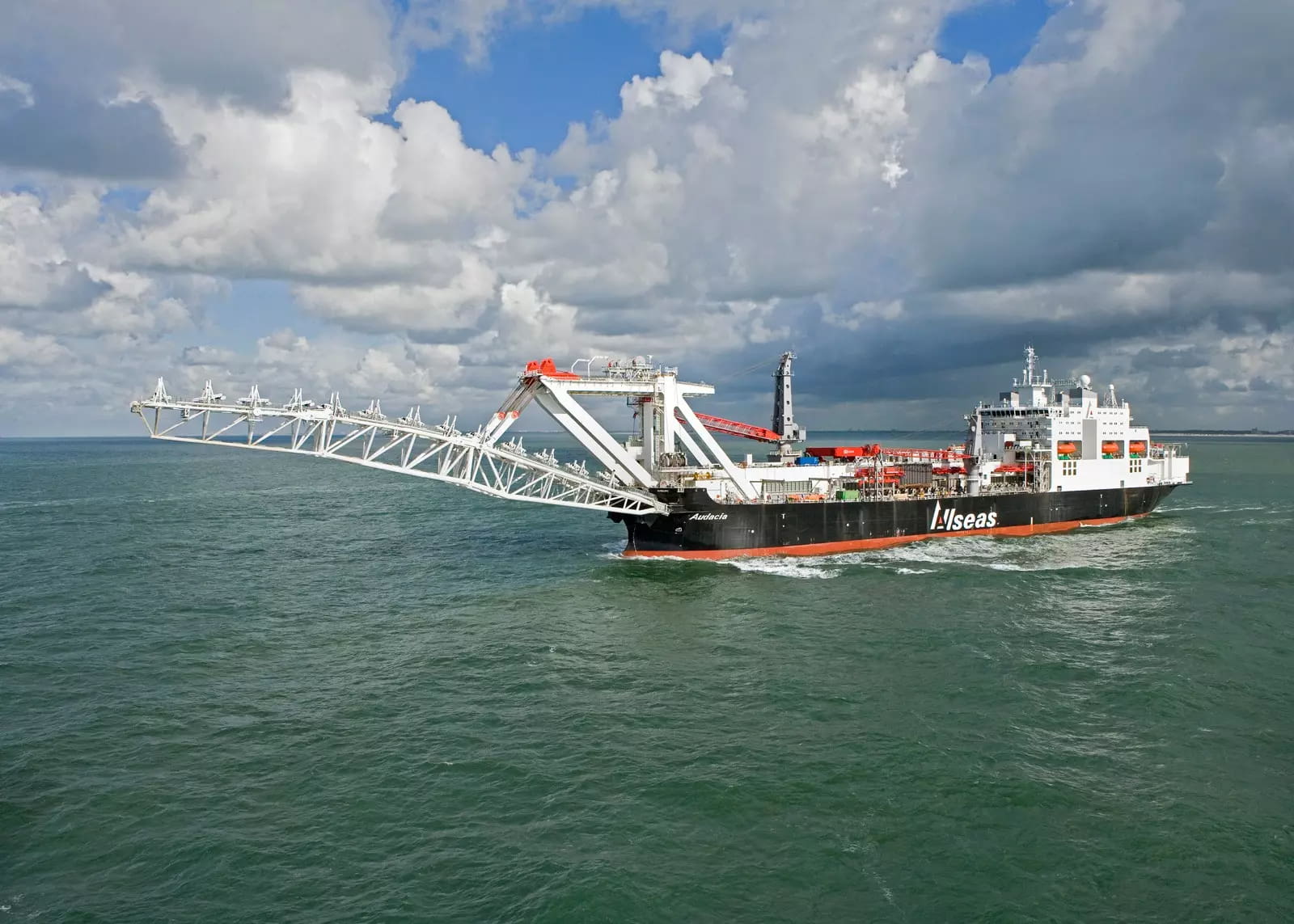
First gas on track before 2026 ends with Southeast Asian project’s subsea ops in full swing

In 60 seconds

Top move

Malampaya Phase 4 has moved from drilling into pipelay and flowline installation, creating firm, date‑sensitive demand for pipelay vessels and subsea contractors in the region

Key takeaways

  • Malampaya Phase 4 has moved from drilling into pipelay and flowline installation, creating firm, date‑sensitive demand for pipelay vessels and subsea contractors in the region.[2]
  • The Transocean–Valaris merger is under a second DOJ information request, extending regulatory timing and keeping deepwater rig availability and mobilisation pricing uncertain.[3]
  • DeepOcean’s shore‑managed subsea intervention demonstrates a practical procurement alternative that reduces offshore headcount but increases connectivity, SLA and liability considerations.[4]
  • Eni and BP’s onshore‑to‑offshore directional drilling shows a nearshore technique that can cut vessel exposure for specific shallow targets, but APAC applicability is limited and case‑by‑case.[1]
  • Procurement takeaway: focus on hardening mobilisation clauses, quote‑validity capture, and connectivity/ROC SLAs in upcoming tenders to avoid last‑minute pass‑through costs and execution gaps.[3]

What changed since last run

  • DOJ issued a second request for Transocean–Valaris, concretely extending regulatory timing versus prior run’s flag that consolidation risk existed .
  • DeepOcean progressed from remote trials to a completed shore‑managed subsea intervention, turning a capability watch item into an executed delivery model to validate in sourcing .
  • Malampaya Phase 4 advanced from drilling completion into active pipelay and flowline installation, making commissioning and hook‑up windows operationally immediate rather than near‑term planning items .

Key facts

  • Subsea pipelay and flowline installations underway offshore Palawan
  • Umbilicals to be installed alongside flowlines in coming months
  • Next stage: commissioning and hook‑up (pressure testing, nitrogen drying, subsea jumper insta
  • Second DOJ information request extends HSR Act waiting period
  • Combined fleet described as diversified across drillships, semi‑subs and jack‑ups
  • First subsea intervention managed from shore at Aker BP’s Idun Nord field

Why it matters

Malampaya Phase 4 has moved from drilling into pipelay and flowline installation, creating firm, date‑sensitive demand for pipelay vessels and subsea contractors in the region. The Transocean–Valaris merger is under a second DOJ information request, extending regulatory timing and keeping deepwater rig availability and mobilisation pricing uncertain. DeepOcean’s shore‑managed subsea intervention demonstrates a practical procurement alternative that reduces offshore headcount but increases connectivity, SLA and liability considerations. Eni and BP’s onshore‑to‑offshore directional drilling shows a nearshore technique that can cut vessel exposure for specific shallow targets, but APAC applicability is limited and case‑by‑case

Cost / money

  • Pipelaying and imminent hook‑up in Malampaya raises near‑term pass‑through risk for specialist installation vessels and commissioning services, tightening buyer room on pricing.[2]
  • Extended merger review for Transocean–Valaris preserves near‑term rig supply uncertainty and can sustain mobilisation premiums and shortened commercial windows from owners.[3]
  • Shore‑managed interventions shift cost mix: lower offshore dayrate exposure but potential new line items for ROC availability, connectivity resilience and contingency charges.[4]

Supplier / commercial

  • Expect suppliers to shorten quote validity and introduce mobilisation deposit clauses as live APAC campaigns and consolidation uncertainty compress available capacity.[3]
  • Subsea contractors holding pipelay and flowline slots can press for conditional holds and premium terms tied to specific hook‑up windows.[2]
  • Vendors offering shore‑managed scopes will propose contract variants that transfer connectivity and cyber risk to buyers or charge surcharges for guaranteed ROC support.[4]

Safety / operations

  • Compressed commissioning and hook‑up schedules increase the chance of late non‑conformances unless pre‑mobilisation HSE and equipment readiness checks are enforced and documented.[2]
  • Moving supervisory roles onshore reduces offshore personnel exposure but increases operational dependency on communications, ROC staffing, and cyber resilience.[4]

What to watch

  • Watch for formal supplier notices that shorten quote validity or demand mobilisation deposits tied to merger outcomes or firm installation windows.[3]
  • Watch contract language from remote‑ops suppliers that shifts liability for degraded comms or ROC failure to the buyer; these clauses can negate offshore headcount savings.[4]

Top stories

Story 1Offshore EnergyMay 6, 2026

First gas on track before 2026 ends with Southeast Asian project’s subsea ops in full swing

Signal strongSource-grounded

What happened

Malampaya Phase 4 has progressed from drilling into active subsea pipelay and flowline installation, with Allseas’ Audacia completing major flowline placements and umbilicals due to follow. The next operational step is commissioning and hook‑up (pressure testing, nitrogen drying, jumper installation), which makes mobilisation windows for pipelay vessels, construction support and commissioning crews immediate and high‑dependency. Watch supplier conditional‑hold notices and shortening quote windows as these stages approach

Buyer takeaway

Treat the installation and hook‑up window as a fixed, high‑dependency period that will consume specialist vessels and crews; avoid assuming easy rescheduling

Cost / money

Near‑term supplier pass‑through risk increases for pipelay, installation vessels and commissioning scopes; expect less room to renegotiate dayrates

Supplier / commercial

Subsea contractors with installation slots can press for shorter quote validity, conditional holds and mobilisation deposits tied to the hook‑up window

Safety / operations

Compressed schedules require stricter pre‑mobilisation HSE checks and validated equipment readiness to avoid costly standby and non‑conformance delays

What to watch

Watch for supplier contract notes on conditional holds and shortened validity during the hook‑up and commissioning stages

Key facts

  • Subsea pipelay and flowline installations underway offshore Palawan
  • Umbilicals to be installed alongside flowlines in coming months
  • Next stage: commissioning and hook‑up (pressure testing, nitrogen drying, subsea jumper insta

Source excerpts

The operator of SC 38 highlighted: “Recent milestones from drilling to subsea installation reflect the steady advancement of Malampaya Phase 4 toward full system integration
The next major stage under MP4 is commissioning and hook-up, which will involve flowline pressure testing, nitrogen drying, and the installation of subsea jumpers to connect the Christmas trees on each well to the flowlines and these to the Malampaya main manifold
From installation to seabed placement: A J-lay flowline end terminal (FLET) is carefully lowered from the Audacia pipelay vessel and precisely installed on the seabed at a depth of 690 meters
Story 2Offshore EnergyMay 6, 2026

Transocean’s $5.8 billion merger with Valaris pending US antitrust clearance

Signal strongSource-grounded

What happened

Transocean’s acquisition of Valaris has triggered a second DOJ information request, extending the HSR waiting period and adding regulatory uncertainty to the deal timeline. That directly affects deployment certainty for a combined fleet and preserves near‑term ambiguity on rig availability and mobilisation timing for major programmes

Buyer takeaway

Plan with constrained rig availability until the transaction clears or owners provide explicit, written deployment commitments

Cost / money

Regulatory delay can maintain upward pressure on dayrates and mobilisation premiums as supply/demand visibility remains limited

Supplier / commercial

Owners may shorten quote validity or attach mobilisation deposits while regulatory timing obscures deployment plans

Safety / operations

Longer contracting cycles or last‑minute owner substitutions increase complexity for pre‑mobilisation readiness and HSE alignment

What to watch

Watch for supplier notices tying availability or conditional allocations to merger outcomes

Key facts

  • Second DOJ information request extends HSR Act waiting period
  • Combined fleet described as diversified across drillships, semi‑subs and jack‑ups

Source excerpts

8 billion merger with Valaris pending US antitrust clearance May 6, 2026, by Switzerland-based offshore drilling contractor Transocean’s business combination with the Bermuda-incorporated Valaris is facing extended antitrust scrutiny, as the offshore drilling giants’ merger request is under review with the Federal Trade Commission and the Antitrust Division of the United States Department of Justice (DOJ). Deepwater Atlas drillship (for illustration purposes); Source: Transocean The two rig owners signed a defi
8 billion merger with Valaris pending US antitrust clearance May 6, 2026, by Switzerland-based offshore drilling contractor Transocean’s business combination with the Bermuda-incorporated Valaris is facing extended antitrust scrutiny, as the offshore drilling giants’ merger request is under review with the Federal Trade Commission and the Antitrust Division of the United States Department of Justice (DOJ)
“The parties continue working cooperatively with the DOJ as it reviews the proposed transaction,” emphasized the Swiss offshore drilling player. Upon completion, the Swiss player will hold 53% of the shareholding on a fully diluted basis, and the Bermuda-based rig owner the remaining 47%
Story 3Offshore EnergyMay 6, 2026

DeepOcean performs first subsea intervention managed from shore

Signal moderateDirectional

What happened

DeepOcean completed a subsea intervention managed from shore using a remote operating centre to supervise ROV operations and vessel positioning that would normally require offshore shift supervisors. The job compressed what might have been a multi‑day offshore campaign into a short onshore‑managed operation, demonstrating cost, emissions and headcount implications for sourcing subsea services

Buyer takeaway

Include ROC delivery options in sourcing evaluations and demand clear connectivity SLAs, failover plans and liability allocation for remote failure

Cost / money

Substitution of onshore supervision will reprice scopes—some offshore cost savings may be offset by ROC fees and investments in connectivity resilience

Supplier / commercial

Suppliers will propose variants that pass connectivity and cyber risk back to buyers or add surcharges for guaranteed ROC availability

Safety / operations

Reduced offshore exposure improves personnel safety metrics but creates new dependencies on telecoms and onshore operational staffing

What to watch

Watch for contract clauses that shift liability for remote‑ops failure to the buyer; require explicit SLA and escalation language

Key facts

  • First subsea intervention managed from shore at Aker BP’s Idun Nord field
  • Operation completed under onshore ROC supervision during a 12‑hour shift
  • Scope included subsea crane operations and close‑proximity vessel positioning

Source excerpts

Home Subsea DeepOcean performs first subsea intervention managed from shore May 6, 2026, by As part of its development of remote subsea capabilities, ocean services provider DeepOcean has performed its first subsea intervention project with offshore management based onshore
“By moving key operational roles onshore, we can reduce offshore personnel requirements, with its inherent cost savings and emissions reductions, while maintaining safe and efficient execution
Home Subsea DeepOcean performs first subsea intervention managed from shore May 6, 2026, by As part of its development of remote subsea capabilities, ocean services provider DeepOcean has performed its first subsea intervention project with offshore management based onshore. Source: DeepOcean The operation was performed at Aker BP’s Idun Nord field in the Norwegian Sea and included a work-class remotely operated vehicle (ROV) managed by offshore leadership from an onshore remote operating centre (ROC) in Haugesu
Story 4Offshore EnergyMay 6, 2026

Fresh gas discovery unveiled as Eni and BP drill offshore well from onshore

Signal limitedDirectional

What happened

Eni and BP drilled a shallow offshore gas well from onshore using advanced directional drilling, enabling a fast connection to nearby facilities and reducing vessel exposure. The execution is operationally real for nearshore, shallow targets where onshore rigs can reach the reservoir, but it is not a broad substitute for ocean campaigns in deeper waters

Buyer takeaway

Evaluate onshore directional drilling as an alternative when assessing nearshore shallow‑water prospects; it can materially change mobilisation and vessel requirements

Cost / money

Directional onshore execution reduces vessel and offshore campaign exposure but requires different contractor capability and logistics

Supplier / commercial

Specialist directional drilling contractors may price these niche shallow tie‑backs differently and limit availability windows

Safety / operations

Onshore operations shift some risks to land‑based logistics and control but can lower offshore personnel exposure

What to watch

Limited APAC applicability today; treat this technique as a case‑by‑case sourcing consideration rather than a general replacement

Key facts

  • Well drilled from onshore using directional drilling into shallow waters (approx. 10m depth)
  • Located within a few kilometres of existing production facilities enabling rapid connection

Source excerpts

The well is situated approximately 3 kilometers offshore in shallow waters with a depth of around 10 meters. The well was drilled from onshore using directional drilling technologies, contributing to cost optimization and enhanced operational efficiency
The well was drilled from onshore using directional drilling technologies, contributing to cost optimization and enhanced operational efficiency
Home Fossil Energy Fresh gas discovery unveiled as Eni and BP drill offshore well from onshore May 6, 2026, by Italy’s energy giant Eni and its partner, UK-headquartered BP, have used advanced directional drilling technologies to spud an offshore well from onshore, which led to a new natural gas discovery off the coast of Egypt, augmenting the Middle East’s hydrocarbon resources

VP Snapshot

Executive Risk & Action View

Malampaya Phase 4 has moved from drilling into pipelay and flowline installation, creating firm, date‑sensitive demand for pipelay vessels and subsea contractors in the region.

Overall
61
Cost
79
Supply
43
Schedule
38
Compliance
15

Top signals

30-180dcost

Signal 1: Cost / money

Pipelaying and imminent hook‑up in Malampaya raises near‑term pass‑through risk for specialist installation vessels and commissioning services, tightening buyer room on pricing.

Signal 2: Cost / money

Extended merger review for Transocean–Valaris preserves near‑term rig supply uncertainty and can sustain mobilisation premiums and shortened commercial windows from owners.

0-30dcost

Signal 3: Cost / money

Shore‑managed interventions shift cost mix: lower offshore dayrate exposure but potential new line items for ROC availability, connectivity resilience and contingency charges.

30-180dsupply

Signal 4: Supplier / commercial

Expect suppliers to shorten quote validity and introduce mobilisation deposit clauses as live APAC campaigns and consolidation uncertainty compress available capacity.

30-180dcommercial

Signal 5: Supplier / commercial

Subsea contractors holding pipelay and flowline slots can press for conditional holds and premium terms tied to specific hook‑up windows.

Signal 6: Supplier / commercial

Vendors offering shore‑managed scopes will propose contract variants that transfer connectivity and cyber risk to buyers or charge surcharges for guaranteed ROC support.

Recommended actions

CategoryDue 3d

Update the APAC rig and specialist vessel availability register to reflect current owner commitments and regulatory timing.

Annotated availability register showing supplier‑committed windows, conditional holds and mobilisation constraints for upcoming APAC campaigns.

ContractsDue 3d

Ask shortlisted drilling and subsea suppliers for written clarifications on quote validity, mobilisation deposit triggers and conditional availability notes.

Supplier responses that state validity windows, deposit rules and conditional holds to use in negotiations and RFPs.

CategoryDue 21d

Negotiate provisional option windows or conditional holds with CSV and rig owners for critical APAC campaigns.

Agreed provisional holds or option terms that preserve mobilisation priority and outline cancellation/penalty rules.

ContractsDue 21d

Insert explicit mobilisation pass‑through, deposit and pre‑mobilisation readiness clauses into upcoming drilling and subsea RFPs and contract templates.

Updated RFP/contract clauses that set expectations for mobilisation fees, deposit triggers and readiness checkpoints.

OpsDue 60d

Run a controlled pilot to integrate shore‑based ROC oversight for a subsea intervention or light construction scope to validate the delivery model and contract language.

Validated ROC playbook, updated scopes of work with connectivity SLAs and liability allocation, and a decision gate for scaling remote‑ops scopes.

Risk register

RiskTriggerMitigation
Watch for formal supplier notices that shorten quote validity or demand mobilisation deposits tied to merger outcomes or firm installation windows.Watch for formal supplier notices that shorten quote validity or demand mobilisation deposits tied to merger outcomes or firm installation windows.Confirm exposure with category, contracts, and operations before the next supplier commitment.
Watch contract language from remote‑ops suppliers that shifts liability for degraded comms or ROC failure to the buyer; these clauses can negate offshore headcount savings.Watch contract language from remote‑ops suppliers that shifts liability for degraded comms or ROC failure to the buyer; these clauses can negate offshore headcount savings.Confirm exposure with category, contracts, and operations before the next supplier commitment.

CM Snapshot

Category Manager Decision Detail

Today's priorities

Update the APAC rig and specialist vessel availability register to reflect current owner commitments and regulatory timing.

because Transocean–Valaris’s extended antitrust review and active pipelay windows change the realistic mobilisation windows for deepwater rigs and specialist vessels, so plannin...

Due 3d

high

CM move

Use this as the immediate supplier or contract action to move before the next sourcing gate.

Ask shortlisted drilling and subsea suppliers for written clarifications on quote validity, mobilisation deposit triggers and conditional availability notes.

because suppliers facing firm hook‑up windows and fleet uncertainty commonly shorten validity windows or request deposits, so documented terms preserve negotiation leverage and...

Due 3d

high

CM move

Use this as the immediate supplier or contract action to move before the next sourcing gate.

Negotiate provisional option windows or conditional holds with CSV and rig owners for critical APAC campaigns.

because committed subsea installation windows and fleet timing uncertainty reduce spot availability, so provisional holds protect mobilisation priority without full financial co...

Due 21d

high

CM move

Use this as the immediate supplier or contract action to move before the next sourcing gate.

Insert explicit mobilisation pass‑through, deposit and pre‑mobilisation readiness clauses into upcoming drilling and subsea RFPs and contract templates.

because contractors are signalling stronger backlog and separate mobilisation economics, so clearer contract language allocates cost and readiness risk before awards.

Due 21d

high

CM move

Use this as the immediate supplier or contract action to move before the next sourcing gate.

Supplier radar

Offshore Energy

high

Observed supplier signal

Expect suppliers to shorten quote validity and introduce mobilisation deposit clauses as live APAC campaigns and consolidation uncertainty compress available capacity.

Commercial implication

Expect suppliers to shorten quote validity and introduce mobilisation deposit clauses as live APAC campaigns and consolidation uncertainty compress available capacity.

Next step: Validate the source-backed signal with incumbents and alternates before the next award or pricing decision.

Offshore Energy

high

Observed supplier signal

Subsea contractors holding pipelay and flowline slots can press for conditional holds and premium terms tied to specific hook‑up windows.

Commercial implication

Subsea contractors holding pipelay and flowline slots can press for conditional holds and premium terms tied to specific hook‑up windows.

Next step: Validate the source-backed signal with incumbents and alternates before the next award or pricing decision.

Offshore Energy

high

Observed supplier signal

Vendors offering shore‑managed scopes will propose contract variants that transfer connectivity and cyber risk to buyers or charge surcharges for guaranteed ROC support.

Commercial implication

Vendors offering shore‑managed scopes will propose contract variants that transfer connectivity and cyber risk to buyers or charge surcharges for guaranteed ROC support.

Next step: Validate the source-backed signal with incumbents and alternates before the next award or pricing decision.

Negotiation levers

Update the APAC rig and specialist vessel availability register to reflect current owner commitments and regulatory timing.

When to use: because Transocean–Valaris’s extended antitrust review and active pipelay windows change the realistic mobilisation windows for deepwater rigs and specialist vessels, so plannin...

Expected outcome: Annotated availability register showing supplier‑committed windows, conditional holds and mobilisation constraints for upcoming APAC campaigns.

Commercial mechanism to carry into the next supplier conversation

Ask shortlisted drilling and subsea suppliers for written clarifications on quote validity, mobilisation deposit triggers and conditional availability notes.

When to use: because suppliers facing firm hook‑up windows and fleet uncertainty commonly shorten validity windows or request deposits, so documented terms preserve negotiation leverage and...

Expected outcome: Supplier responses that state validity windows, deposit rules and conditional holds to use in negotiations and RFPs.

Commercial mechanism to carry into the next supplier conversation

Negotiate provisional option windows or conditional holds with CSV and rig owners for critical APAC campaigns.

When to use: because committed subsea installation windows and fleet timing uncertainty reduce spot availability, so provisional holds protect mobilisation priority without full financial co...

Expected outcome: Agreed provisional holds or option terms that preserve mobilisation priority and outline cancellation/penalty rules.

Commercial mechanism to carry into the next supplier conversation

Insert explicit mobilisation pass‑through, deposit and pre‑mobilisation readiness clauses into upcoming drilling and subsea RFPs and contract templates.

When to use: because contractors are signalling stronger backlog and separate mobilisation economics, so clearer contract language allocates cost and readiness risk before awards.

Expected outcome: Updated RFP/contract clauses that set expectations for mobilisation fees, deposit triggers and readiness checkpoints.

Commercial mechanism to carry into the next supplier conversation

Talking points

Malampaya Phase 4 has moved from drilling into pipelay and flowline installation, creating firm, date‑sensitive demand for pipelay vessels and subsea contractors in the region.
The Transocean–Valaris merger is under a second DOJ information request, extending regulatory timing and keeping deepwater rig availability and mobilisation pricing uncertain.
DeepOcean’s shore‑managed subsea intervention demonstrates a practical procurement alternative that reduces offshore headcount but increases connectivity, SLA and liability considerations.
Eni and BP’s onshore‑to‑offshore directional drilling shows a nearshore technique that can cut vessel exposure for specific shallow targets, but APAC applicability is limited and case‑by‑case.

Supplier radar

SupplierSignalImplicationNext stepConfidence
Offshore EnergyExpect suppliers to shorten quote validity and introduce mobilisation deposit clauses as live APAC campaigns and consolidation uncertainty compress available capacity.Expect suppliers to shorten quote validity and introduce mobilisation deposit clauses as live APAC campaigns and consolidation uncertainty compress available capacity.Validate the source-backed signal with incumbents and alternates before the next award or pricing decision.high
Offshore EnergySubsea contractors holding pipelay and flowline slots can press for conditional holds and premium terms tied to specific hook‑up windows.Subsea contractors holding pipelay and flowline slots can press for conditional holds and premium terms tied to specific hook‑up windows.Validate the source-backed signal with incumbents and alternates before the next award or pricing decision.high
Offshore EnergyVendors offering shore‑managed scopes will propose contract variants that transfer connectivity and cyber risk to buyers or charge surcharges for guaranteed ROC support.Vendors offering shore‑managed scopes will propose contract variants that transfer connectivity and cyber risk to buyers or charge surcharges for guaranteed ROC support.Validate the source-backed signal with incumbents and alternates before the next award or pricing decision.high

Negotiation levers

  • Update the APAC rig and specialist vessel availability register to reflect current owner commitments and regulatory timing.because Transocean–Valaris’s extended antitrust review and active pipelay windows change the realistic mobilisation windows for deepwater rigs and specialist vessels, so plannin...Annotated availability register showing supplier‑committed windows, conditional holds and mobilisation constraints for upcoming APAC campaigns.

    high confidence

  • Ask shortlisted drilling and subsea suppliers for written clarifications on quote validity, mobilisation deposit triggers and conditional availability notes.because suppliers facing firm hook‑up windows and fleet uncertainty commonly shorten validity windows or request deposits, so documented terms preserve negotiation leverage and...Supplier responses that state validity windows, deposit rules and conditional holds to use in negotiations and RFPs.

    high confidence

  • Negotiate provisional option windows or conditional holds with CSV and rig owners for critical APAC campaigns.because committed subsea installation windows and fleet timing uncertainty reduce spot availability, so provisional holds protect mobilisation priority without full financial co...Agreed provisional holds or option terms that preserve mobilisation priority and outline cancellation/penalty rules.

    high confidence

  • Insert explicit mobilisation pass‑through, deposit and pre‑mobilisation readiness clauses into upcoming drilling and subsea RFPs and contract templates.because contractors are signalling stronger backlog and separate mobilisation economics, so clearer contract language allocates cost and readiness risk before awards.Updated RFP/contract clauses that set expectations for mobilisation fees, deposit triggers and readiness checkpoints.

    high confidence

What to do / What to watch

What to do now

  • Update the APAC rig and specialist vessel availability register to reflect current owner commitments and regulatory timing.

    Why: because Transocean–Valaris’s extended antitrust review and active pipelay windows change the realistic mobilisation windows for deepwater rigs and specialist vessels, so plannin...

    Owner: Category

    Expected outcome: Annotated availability register showing supplier‑committed windows, conditional holds and mobilisation constraints for upcoming APAC campaigns.

    [3]
  • Ask shortlisted drilling and subsea suppliers for written clarifications on quote validity, mobilisation deposit triggers and conditional availability notes.

    Why: because suppliers facing firm hook‑up windows and fleet uncertainty commonly shorten validity windows or request deposits, so documented terms preserve negotiation leverage and...

    Owner: Contracts

    Expected outcome: Supplier responses that state validity windows, deposit rules and conditional holds to use in negotiations and RFPs.

    [3]

Next few weeks

  • Negotiate provisional option windows or conditional holds with CSV and rig owners for critical APAC campaigns.

    Why: because committed subsea installation windows and fleet timing uncertainty reduce spot availability, so provisional holds protect mobilisation priority without full financial co...

    Owner: Category

    Expected outcome: Agreed provisional holds or option terms that preserve mobilisation priority and outline cancellation/penalty rules.

    [2]
  • Insert explicit mobilisation pass‑through, deposit and pre‑mobilisation readiness clauses into upcoming drilling and subsea RFPs and contract templates.

    Why: because contractors are signalling stronger backlog and separate mobilisation economics, so clearer contract language allocates cost and readiness risk before awards.

    Owner: Contracts

    Expected outcome: Updated RFP/contract clauses that set expectations for mobilisation fees, deposit triggers and readiness checkpoints.

    [3]

Longer view

  • Run a controlled pilot to integrate shore‑based ROC oversight for a subsea intervention or light construction scope to validate the delivery model and contract language.

    Why: because DeepOcean’s shore‑managed intervention shows reduced offshore headcount is feasible but creates connectivity, SLA and liability dependencies that must be tested operatio...

    Owner: Ops

    Expected outcome: Validated ROC playbook, updated scopes of work with connectivity SLAs and liability allocation, and a decision gate for scaling remote‑ops scopes.

    [4]

What to watch

  • Watch for formal supplier notices that shorten quote validity or demand mobilisation deposits tied to merger outcomes or firm installation windows
  • Watch contract language from remote‑ops suppliers that shifts liability for degraded comms or ROC failure to the buyer; these clauses can negate offshore headcount savings
  • Watch for formal supplier notices that shorten quote validity or demand mobilisation deposits tied to merger outcomes or firm installation windows.: Watch for formal supplier notices that shorten quote validity or demand mobilisation deposits tied to merger outcomes or firm installation windows
  • Watch contract language from remote‑ops suppliers that shifts liability for degraded comms or ROC failure to the buyer; these clauses can negate offshore headcount savings.: Watch contract language from remote‑ops suppliers that shifts liability for degraded comms or ROC failure to the buyer; these clauses can negate offshore headcount savings
  • Malampaya Phase 4 has moved from drilling into pipelay and flowline installation, creating firm, date‑sensitive demand for pipelay vessels and subsea contractors in the region
  • The Transocean–Valaris merger is under a second DOJ information request, extending regulatory timing and keeping deepwater rig availability and mobilisation pricing uncertain
  • DeepOcean’s shore‑managed subsea intervention demonstrates a practical procurement alternative that reduces offshore headcount but increases connectivity, SLA and liability considerations
  • Eni and BP’s onshore‑to‑offshore directional drilling shows a nearshore technique that can cut vessel exposure for specific shallow targets, but APAC applicability is limited and case‑by‑case

Market pulse

IndexLatestChangeAs of
WTI Crude (WTI)71.23 /bbl+0.00 (+0.00%)May 6, 2026, 10:05 PM
Brent Crude (BRENT)74.89 /bbl+0.00 (+0.00%)May 6, 2026, 10:05 PM
Natural Gas (NG)3.12 /MMBtu+0.00 (+0.00%)May 6, 2026, 10:05 PM
Schlumberger (SLB)48 +0.00 (+0.00%)May 6, 2026, 10:05 PM
Halliburton (HAL)35 +0.00 (+0.00%)May 6, 2026, 10:05 PM
Baker Hughes (BKR)32 +0.00 (+0.00%)May 6, 2026, 10:05 PM
  • Baker Hughes: Use Baker Hughes as a leading service‑demand proxy to sense drilling activity and dayrate pressure affecting APAC sourcing
  • Schlumberger: Track Schlumberger index for broader services demand and sentiment shifts that precede supplier commercial tightening

Sources

Inline citations jump here. Expand a source to read the excerpt, the AI interpretation, and the original link.

[1] Fresh gas discovery unveiled as Eni and BP drill offshore well from onshore

offshore-energy.biz · May 6, 2026

Expand

AI reading

Eni and BP drilled a shallow offshore gas well from onshore using advanced directional drilling, enabling a fast connection to nearby facilities and reducing vessel exposure. The execution is operationally real for nearshore, shallow targets where onshore rigs can reach the reservoir, but it is not a broad substitute for ocean campaigns in deeper waters

Buyer takeaway

Evaluate onshore directional drilling as an alternative when assessing nearshore shallow‑water prospects; it can materially change mobilisation and vessel requirements

Cost / money

Directional onshore execution reduces vessel and offshore campaign exposure but requires different contractor capability and logistics

Supplier / commercial

Specialist directional drilling contractors may price these niche shallow tie‑backs differently and limit availability windows

Safety / operations

Onshore operations shift some risks to land‑based logistics and control but can lower offshore personnel exposure

What to watch

Limited APAC applicability today; treat this technique as a case‑by‑case sourcing consideration rather than a general replacement

Key facts

  • Well drilled from onshore using directional drilling into shallow waters (approx. 10m depth)
  • Located within a few kilometres of existing production facilities enabling rapid connection

Source excerpts

The well is situated approximately 3 kilometers offshore in shallow waters with a depth of around 10 meters. The well was drilled from onshore using directional drilling technologies, contributing to cost optimization and enhanced operational efficiency
The well was drilled from onshore using directional drilling technologies, contributing to cost optimization and enhanced operational efficiency
Home Fossil Energy Fresh gas discovery unveiled as Eni and BP drill offshore well from onshore May 6, 2026, by Italy’s energy giant Eni and its partner, UK-headquartered BP, have used advanced directional drilling technologies to spud an offshore well from onshore, which led to a new natural gas discovery off the coast of Egypt, augmenting the Middle East’s hydrocarbon resources

Used in this brief

  • Eni and BP drilled a shallow offshore gas well from onshore using advanced directional drilling, enabling a fast connection to nearby facilities and reducing vessel exposure. The execution is operationally real for nearshore, shallow targets where onshore rigs can reach the reservoir, but it is not a broad substitute for ocean campaigns in deeper waters
  • Buyer bottom line: consider onshore‑directional solutions for nearshore shallow prospects to reduce vessel and offshore mobilisation needs where geology and infrastructure allow
  • Evaluate onshore directional drilling as an alternative when assessing nearshore shallow‑water prospects; it can materially change mobilisation and vessel requirements
Open original source

[2] First gas on track before 2026 ends with Southeast Asian project’s subsea ops in full swing

offshore-energy.biz · May 6, 2026

Expand

AI reading

Malampaya Phase 4 has progressed from drilling into active subsea pipelay and flowline installation, with Allseas’ Audacia completing major flowline placements and umbilicals due to follow. The next operational step is commissioning and hook‑up (pressure testing, nitrogen drying, jumper installation), which makes mobilisation windows for pipelay vessels, construction support and commissioning crews immediate and high‑dependency. Watch supplier conditional‑hold notices and shortening quote windows as these stages approach

Buyer takeaway

Treat the installation and hook‑up window as a fixed, high‑dependency period that will consume specialist vessels and crews; avoid assuming easy rescheduling

Cost / money

Near‑term supplier pass‑through risk increases for pipelay, installation vessels and commissioning scopes; expect less room to renegotiate dayrates

Supplier / commercial

Subsea contractors with installation slots can press for shorter quote validity, conditional holds and mobilisation deposits tied to the hook‑up window

Safety / operations

Compressed schedules require stricter pre‑mobilisation HSE checks and validated equipment readiness to avoid costly standby and non‑conformance delays

What to watch

Watch for supplier contract notes on conditional holds and shortened validity during the hook‑up and commissioning stages

Key facts

  • Subsea pipelay and flowline installations underway offshore Palawan
  • Umbilicals to be installed alongside flowlines in coming months
  • Next stage: commissioning and hook‑up (pressure testing, nitrogen drying, subsea jumper insta

Source excerpts

The operator of SC 38 highlighted: “Recent milestones from drilling to subsea installation reflect the steady advancement of Malampaya Phase 4 toward full system integration
The next major stage under MP4 is commissioning and hook-up, which will involve flowline pressure testing, nitrogen drying, and the installation of subsea jumpers to connect the Christmas trees on each well to the flowlines and these to the Malampaya main manifold
From installation to seabed placement: A J-lay flowline end terminal (FLET) is carefully lowered from the Audacia pipelay vessel and precisely installed on the seabed at a depth of 690 meters

Used in this brief

  • Next 2-4 weeks — Negotiate provisional option windows or conditional holds with CSV and rig owners for critical APAC campaigns.. Rationale: because committed subsea installation windows and fleet timing uncertainty reduce spot availability, so provisional holds protect mobilisation priority without full financial co.... Owner: Category. KPI: Agreed provisional holds or option terms that preserve mobilisation priority and outline cancellation/penalty rules
  • Malampaya Phase 4 advanced from drilling completion into active pipelay and flowline installation, making commissioning and hook‑up windows operationally immediate rather than near‑term planning items
  • Malampaya Phase 4 has progressed from drilling into active subsea pipelay and flowline installation, with Allseas’ Audacia completing major flowline placements and umbilicals due to follow. The next operational step is commissioning and hook‑up (pressure testing, nitrogen drying, jumper installation), which makes mobilisation windows for pipelay vessels, construction support and commissioning crews immediate and high‑dependency. Watch supplier conditional‑hold notices and shortening quote windows as these stages approach
Open original source

[3] Transocean’s $5.8 billion merger with Valaris pending US antitrust clearance

offshore-energy.biz · May 6, 2026

Expand

AI reading

Transocean’s acquisition of Valaris has triggered a second DOJ information request, extending the HSR waiting period and adding regulatory uncertainty to the deal timeline. That directly affects deployment certainty for a combined fleet and preserves near‑term ambiguity on rig availability and mobilisation timing for major programmes

Buyer takeaway

Plan with constrained rig availability until the transaction clears or owners provide explicit, written deployment commitments

Cost / money

Regulatory delay can maintain upward pressure on dayrates and mobilisation premiums as supply/demand visibility remains limited

Supplier / commercial

Owners may shorten quote validity or attach mobilisation deposits while regulatory timing obscures deployment plans

Safety / operations

Longer contracting cycles or last‑minute owner substitutions increase complexity for pre‑mobilisation readiness and HSE alignment

What to watch

Watch for supplier notices tying availability or conditional allocations to merger outcomes

Key facts

  • Second DOJ information request extends HSR Act waiting period
  • Combined fleet described as diversified across drillships, semi‑subs and jack‑ups

Source excerpts

8 billion merger with Valaris pending US antitrust clearance May 6, 2026, by Switzerland-based offshore drilling contractor Transocean’s business combination with the Bermuda-incorporated Valaris is facing extended antitrust scrutiny, as the offshore drilling giants’ merger request is under review with the Federal Trade Commission and the Antitrust Division of the United States Department of Justice (DOJ). Deepwater Atlas drillship (for illustration purposes); Source: Transocean The two rig owners signed a defi
8 billion merger with Valaris pending US antitrust clearance May 6, 2026, by Switzerland-based offshore drilling contractor Transocean’s business combination with the Bermuda-incorporated Valaris is facing extended antitrust scrutiny, as the offshore drilling giants’ merger request is under review with the Federal Trade Commission and the Antitrust Division of the United States Department of Justice (DOJ)
“The parties continue working cooperatively with the DOJ as it reviews the proposed transaction,” emphasized the Swiss offshore drilling player. Upon completion, the Swiss player will hold 53% of the shareholding on a fully diluted basis, and the Bermuda-based rig owner the remaining 47%

Used in this brief

  • Cost / money: Extended merger review for Transocean–Valaris preserves near‑term rig supply uncertainty and can sustain mobilisation premiums and shortened commercial windows from owners
  • Next 72 hours — Update the APAC rig and specialist vessel availability register to reflect current owner commitments and regulatory timing.. Rationale: because Transocean–Valaris’s extended antitrust review and active pipelay windows change the realistic mobilisation windows for deepwater rigs and specialist vessels, so plannin.... Owner: Category. KPI: Annotated availability register showing supplier‑committed windows, conditional holds and mobilisation constraints for upcoming APAC campaigns
  • Next 72 hours — Ask shortlisted drilling and subsea suppliers for written clarifications on quote validity, mobilisation deposit triggers and conditional availability notes.. Rationale: because suppliers facing firm hook‑up windows and fleet uncertainty commonly shorten validity windows or request deposits, so documented terms preserve negotiation leverage and.... Owner: Contracts. KPI: Supplier responses that state validity windows, deposit rules and conditional holds to use in negotiations and RFPs
Open original source

[4] DeepOcean performs first subsea intervention managed from shore

offshore-energy.biz · May 6, 2026

Expand

AI reading

DeepOcean completed a subsea intervention managed from shore using a remote operating centre to supervise ROV operations and vessel positioning that would normally require offshore shift supervisors. The job compressed what might have been a multi‑day offshore campaign into a short onshore‑managed operation, demonstrating cost, emissions and headcount implications for sourcing subsea services

Buyer takeaway

Include ROC delivery options in sourcing evaluations and demand clear connectivity SLAs, failover plans and liability allocation for remote failure

Cost / money

Substitution of onshore supervision will reprice scopes—some offshore cost savings may be offset by ROC fees and investments in connectivity resilience

Supplier / commercial

Suppliers will propose variants that pass connectivity and cyber risk back to buyers or add surcharges for guaranteed ROC availability

Safety / operations

Reduced offshore exposure improves personnel safety metrics but creates new dependencies on telecoms and onshore operational staffing

What to watch

Watch for contract clauses that shift liability for remote‑ops failure to the buyer; require explicit SLA and escalation language

Key facts

  • First subsea intervention managed from shore at Aker BP’s Idun Nord field
  • Operation completed under onshore ROC supervision during a 12‑hour shift
  • Scope included subsea crane operations and close‑proximity vessel positioning

Source excerpts

Home Subsea DeepOcean performs first subsea intervention managed from shore May 6, 2026, by As part of its development of remote subsea capabilities, ocean services provider DeepOcean has performed its first subsea intervention project with offshore management based onshore
“By moving key operational roles onshore, we can reduce offshore personnel requirements, with its inherent cost savings and emissions reductions, while maintaining safe and efficient execution
Home Subsea DeepOcean performs first subsea intervention managed from shore May 6, 2026, by As part of its development of remote subsea capabilities, ocean services provider DeepOcean has performed its first subsea intervention project with offshore management based onshore. Source: DeepOcean The operation was performed at Aker BP’s Idun Nord field in the Norwegian Sea and included a work-class remotely operated vehicle (ROV) managed by offshore leadership from an onshore remote operating centre (ROC) in Haugesu

Used in this brief

  • Malampaya Phase 4 has moved from drilling into pipelay and flowline installation, creating firm, date‑sensitive demand for pipelay vessels and subsea contractors in the region. The Transocean–Valaris merger is under a second DOJ information request, extending regulatory timing and keeping deepwater rig availability and mobilisation pricing uncertain. DeepOcean’s shore‑managed subsea intervention demonstrates a practical procurement alternative that reduces offshore headcount but increases connectivity, SLA and liability considerations. Eni and BP’s onshore‑to‑offshore directional drilling shows a nearshore technique that can cut vessel exposure for specific shallow targets, but APAC applicability is limited and case‑by‑case
  • Safety / operations: Moving supervisory roles onshore reduces offshore personnel exposure but increases operational dependency on communications, ROC staffing, and cyber resilience
  • Next quarter — Run a controlled pilot to integrate shore‑based ROC oversight for a subsea intervention or light construction scope to validate the delivery model and contract language.. Rationale: because DeepOcean’s shore‑managed intervention shows reduced offshore headcount is feasible but creates connectivity, SLA and liability dependencies that must be tested operatio.... Owner: Ops. KPI: Validated ROC playbook, updated scopes of work with connectivity SLAs and liability allocation, and a decision gate for scaling remote‑ops scopes
Open original source

[5] Baker Hughes

finance.yahoo.com · n.d.

Expand

[6] Schlumberger

finance.yahoo.com · n.d.

Expand