Rigs & Integrated Drilling · Australia (Perth)

Reassess Mobilisation as APAC Vessel and Rig Commitments Tighten

Published May 6, 2026, 6:02 AM AWSTAPACFull category signal
Ask AI
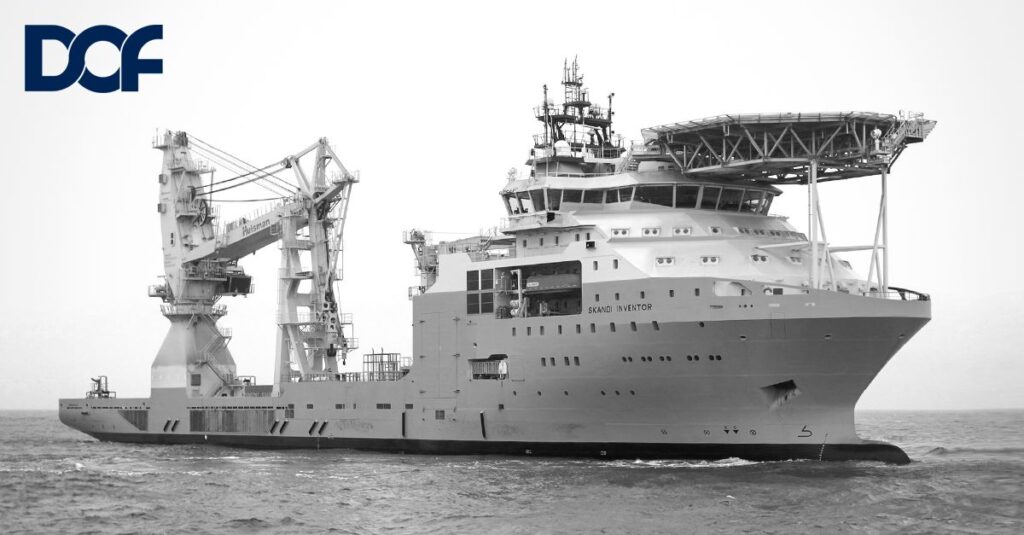
'Substantial' contract prolongs DOF vessel's stay in Asia Pacific

In 60 seconds

Top move

Confirmed APAC vessel demand: DOF’s substantial contract will deploy the CSV Skandi Inventor to North Australian waters for a 120–180 day subsea commissioning campaign, which will reduce regional heavy‑lift and CSV availability during that window

Key takeaways

  • Confirmed APAC vessel demand: DOF’s substantial contract will deploy the CSV Skandi Inventor to North Australian waters for a 120–180 day subsea commissioning campaign, which will reduce regional heavy‑lift and CSV availability during that window.[3]
  • Rig sequencing pressure increased: Valaris’ recent contract awards and extensions (including APAC wins) raise fleet backlog and tighten availability, which shortens buyer flexibility on mobilisation timing and commercial terms.[1]
  • Integrated execution becomes commercial leverage: suppliers are embedding planners and in‑house logistics on subsea and pre‑commissioning scopes, making suppliers harder to substitute and increasing the chance of shorter quote validity and reservation mechanics.[2]
  • Backlog figures understate mobilisation exposure: Valaris’ reported backlog excludes lump‑sum mobilization fees and capital reimbursements, so headline backlog growth does not guarantee reduced mobilization cost risk.[1]
  • Expect narrower windows on labour, vessels, and long‑lead kit: DOF’s in‑house project management and year‑long APAC commitment suggest suppliers will prioritise booked campaigns and may shorten availability for new bids.[3]

What changed since last run

  • Added concrete APAC vessel demand: DOF’s awarded subsea commissioning contract for North Australian waters (Skandi Inventor) introduces a long CSV campaign not covered in last run’s shipping‑freeze focus.
  • Added fleet commercial signal: Valaris disclosed new APAC contract awards/extensions that materially raised its backlog and indicate tighter rig sequencing versus the prior brief’s marine-logistics emphasis.

Key facts

  • Total contract backlog reported around $4.9 billion
  • Valaris DS‑4 extension adds approximately $447 million to backlog
  • Associated recent awards added roughly $560 million since prior fleet report
  • Contract valued between $25 million and $50 million
  • Offshore campaign expected to take 120–180 days
  • Operations to begin in the second quarter of 2027 in North Australian waters

Why it matters

Confirmed APAC vessel demand: DOF’s substantial contract will deploy the CSV Skandi Inventor to North Australian waters for a 120–180 day subsea commissioning campaign, which will reduce regional heavy‑lift and CSV availability during that window. Rig sequencing pressure increased: Valaris’ recent contract awards and extensions (including APAC wins) raise fleet backlog and tighten availability, which shortens buyer flexibility on mobilisation timing and commercial terms. Integrated execution becomes commercial leverage: suppliers are embedding planners and in‑house logistics on subsea and pre‑commissioning scopes, making suppliers harder to substitute and increasing the chance of shorter quote validity and reservation mechanics. Backlog figures understate mobilisation exposure: Valaris’ reported backlog excludes lump‑sum mobilization fees and capital reimbursements, so headline backlog growth does not guarantee reduced mobilization cost risk

Cost / money

  • Mobilisation and vessel booking costs likely rise where CSVs and rigs are committed for long campaigns; buyers should expect higher premiums to secure overlap‑free slots.[3]
  • Tighter rig backlog in APAC reduces buyer bargaining on day rates and mobilization timing for contiguous work, increasing the probability of price pressure on new tenders.[1]

Supplier / commercial

  • Suppliers holding long vessel bookings can shorten quote validity and add reservation/cancellation fees to protect booked tonnage, shifting commercial leverage toward suppliers.[3]
  • Integrated service providers embedding planners and procurement (as with EnerMech/Subsea7) make it harder for buyers to access specialist pre‑commissioning spreads via third parties and narrow subcontracting windows.[2]

Safety / operations

  • Extended CSV campaigns compress crew rotation and spares windows; prolonged deployments increase the chance that a parts delay will create offshore standby or unplanned downtime.[3]
  • Rig contract extensions that accelerate drilling cadence can reduce readiness time for site‑specific permits, crew competency alignments, and lift‑operation rehearsals unless mobilisations are pre‑staged.[1]

What to watch

  • Watch for shortened quote validity, reservation mechanics, and mobilisation fees appearing in incoming RFQs and confirmations as suppliers prioritise long campaigns.[3]
  • Watch whether suppliers begin to exclude mobilisation/lump‑sum reimbursements from reported backlog metrics—these remain negotiation levers that can shift cost post‑award.[1]

Top stories

Story 1Offshore EnergyMay 5, 2026

Valaris’ batch of rig deals lifts total contract backlog to $4.9 billion

Signal strongSource-grounded

What happened

Valaris disclosed new rig awards and extensions that raised its total contract backlog and included APAC assignments such as Indonesia and Brunei. The report notes backlog growth but explicitly excludes lump‑sum mobilisation fees and capital reimbursements, meaning headline backlog understates mobilisation exposure. Watch whether suppliers surface mobilisation and pass‑through mechanics in incoming RFQs as rigs move into contiguous work sequences

Buyer takeaway

Treat Valaris’ backlog growth as a signal of firmer rig demand that shortens buyer flexibility on mobilisation timing and commercial concessions

Cost / money

Backlog growth does not automatically reduce mobilisation risk because lump‑sum mobilisation fees and capital reimbursements are excluded from the headline number

Supplier / commercial

Owners with growing backlog can prioritise contiguous work and may insist on reservation or mobilisation fees to protect booked campaigns

Safety / operations

Extended rig programmes can compress readiness windows for crews and spares unless mobilisation sequencing is validated early

What to watch

Watch RFQs and confirmations for mobilisation fees, shortened validity windows, and pass‑through mechanics that may materially increase total award cost

Key facts

  • Total contract backlog reported around $4.9 billion
  • Valaris DS‑4 extension adds approximately $447 million to backlog
  • Associated recent awards added roughly $560 million since prior fleet report

Source excerpts

The contract backlog excludes lump sum payments such as mobilization fees and capital reimbursements. The rig owner claims that its contract backlog increased to around $4
The contract backlog excludes lump sum payments such as mobilization fees and capital reimbursements
The rig owner claims that its contract backlog increased to around $4
Story 2Offshore EnergyMay 5, 2026

'Substantial' contract prolongs DOF vessel's stay in Asia Pacific

Signal strongSource-grounded

What happened

DOF secured a substantial APAC subsea commissioning contract that will deploy the construction support vessel Skandi Inventor to North Australian waters, with offshore operations expected to begin in the second quarter of 2027 and run for 120–180 days. DOF will provide in‑house project management and procurement/logistics support, which operationally ties up a world‑class CSV and associated skilled crews; buyers should watch for shortened quote windows and reservation mechanics from suppliers holding similar bookings

Buyer takeaway

Treat the award as a near‑term capacity constraint for heavy‑lift and subsea CSV resources in APAC and validate mobilisation sequencing now

Cost / money

Long vessel assignments raise the chance of reservation fees and premium pricing to secure non‑conflicting slots

Supplier / commercial

DOF’s in‑house project management and logistics reduce subcontracting opportunities and gives the owner greater control over schedule and pricing

Safety / operations

Prolonged CSV deployments increase reliance on consistent crew rotations and spares provisioning, raising operational risk if not pre‑staged

What to watch

Watch incoming offers for shortened validity and explicit reservation or cancellation fees as suppliers protect long bookings

Key facts

  • Contract valued between $25 million and $50 million
  • Offshore campaign expected to take 120–180 days
  • Operations to begin in the second quarter of 2027 in North Australian waters

Source excerpts

The Norwegian vessel owner announced in August 2025 a long-term commitment in APAC for Skandi Inventor that began this January and has a duration of one year, with further extension options. Mons Aase, CEO of DOF Group, said: “The award recognises the capabilities of Skandi Inventor and DOF as a trusted partner in the APAC region
The Norwegian vessel owner announced in August 2025 a long-term commitment in APAC for Skandi Inventor that began this January and has a duration of one year, with further extension options
6 meters long and can accommodate 120 people
Story 3Offshore EnergyMay 5, 2026

EnerMech joins Subsea7 on Mexico’s first deepwater oil project

Signal moderateDirectional

What happened

EnerMech was awarded a subsea pre‑commissioning contract by Subsea7 for the Trion deepwater development, supplying flooding, cleaning, hydrotesting, nitrogen dewatering and embedded planners to optimise sequencing. The work demonstrates buyers and contractors are prioritising integrated pre‑commissioning spreads with embedded planners to minimise simultaneous operations impacts; watch whether integrated spreads reduce available subcontracting windows for buyers seeking competitive scopes

Buyer takeaway

Expect a market where suppliers bundle engineering, planners and pre‑commissioning spreads, reducing the buyer’s ability to break scopes into competitive lots

Cost / money

Bundled delivery models can command premiums for integrated planning and reduced SIMOPS risk but may limit price competition on discrete scopes

Supplier / commercial

Providers embedding planners and procurement with prime contractors increase their negotiating leverage and reduce open subcontracting opportunities

Safety / operations

Integrated planning reduces SIMOPS risk but moves responsibility for sequencing and HSE integration more squarely onto single providers

What to watch

If integrated spreads proliferate, buyers should watch for narrower award windows and reduced transparency on individual line items

Key facts

  • Trion located 180 km offshore at depths of 2,500–2,600 meters
  • Project comprises 24 subsea wells tied to a floating production and storage system
  • First oil expected in 2028 with nameplate production capacity cited

Source excerpts

Home Fossil Energy EnerMech joins Subsea7 on Mexico’s first deepwater oil project May 5, 2026, by Subsea7 has awarded Aberdeen-headquartered integrated solutions specialist EnerMech with a subsea pre-commissioning contract for what is described as the first ultra-deepwater oil development in Mexico. Source: EnerMech EnerMech will deploy its pre‑commissioning spreads and will deliver flooding, cleaning, gauging, hydrotesting, nitrogen dewatering services, and pre-commissioning activities for the Trion development
Source: EnerMech EnerMech will deploy its pre‑commissioning spreads and will deliver flooding, cleaning, gauging, hydrotesting, nitrogen dewatering services, and pre-commissioning activities for the Trion development, aligned with Subsea7’s subsea umbilicals, risers, and flowlines (SURF) installation program
Home Fossil Energy EnerMech joins Subsea7 on Mexico’s first deepwater oil project May 5, 2026, by Subsea7 has awarded Aberdeen-headquartered integrated solutions specialist EnerMech with a subsea pre-commissioning contract for what is described as the first ultra-deepwater oil development in Mexico

VP Snapshot

Executive Risk & Action View

Confirmed APAC vessel demand: DOF’s substantial contract will deploy the CSV Skandi Inventor to North Australian waters for a 120–180 day subsea commissioning campaign, which will reduce regional heavy‑lift and CSV availability during that window.

Overall
56
Cost
79
Supply
61
Schedule
38
Compliance
15

Top signals

30-180dcost

Signal 1: Cost / money

Mobilisation and vessel booking costs likely rise where CSVs and rigs are committed for long campaigns; buyers should expect higher premiums to secure overlap‑free slots.

Signal 2: Cost / money

Tighter rig backlog in APAC reduces buyer bargaining on day rates and mobilization timing for contiguous work, increasing the probability of price pressure on new tenders.

30-180dcommercial

Signal 3: Supplier / commercial

Suppliers holding long vessel bookings can shorten quote validity and add reservation/cancellation fees to protect booked tonnage, shifting commercial leverage toward suppliers.

30-180dschedule

Signal 4: Supplier / commercial

Integrated service providers embedding planners and procurement (as with EnerMech/Subsea7) make it harder for buyers to access specialist pre‑commissioning spreads via third parties and narrow subcontracting windows.

0-30dsupply

Signal 5: Safety / operations

Extended CSV campaigns compress crew rotation and spares windows; prolonged deployments increase the chance that a parts delay will create offshore standby or unplanned downtime.

30-180dsupply

Signal 6: Safety / operations

Rig contract extensions that accelerate drilling cadence can reduce readiness time for site‑specific permits, crew competency alignments, and lift‑operation rehearsals unless mobilisations are pre‑staged.

Recommended actions

CategoryDue 3d

Reconcile the mobilisation tracker against known vessel and rig commitments in APAC to flag overlaps and resource conflicts.

Updated mobilisation tracker with flagged vessel/rig conflicts to support commercial and schedule negotiations.

ContractsDue 3d

Ask shortlisted vessel and critical‑equipment suppliers for written reconfirmation of availability, quote validity windows, and reservation terms.

Standardised supplier confirmations that make commercial trade‑offs visible during award.

ContractsDue 21d

Include explicit mobilisation and lump‑sum pass‑through caps and reservation mechanics in active RFQs and contract clarifications for APAC tenders.

RFPs and proposals that disclose mobilisation and pass‑through exposure for apples‑to‑apples comparison.

CategoryDue 21d

Engage preferred pre‑commissioning and subsea support suppliers to secure options or defined scopes, and request embedded planner availability statements.

Secured options or scoped SOWs that preserve competitive access to pre‑commissioning resources and clarify execution sequencing.

ContractsDue 60d

Negotiate amendments to master vessel and rig agreements to add rolling booking rights, reservation fee caps, and clearer pass‑through limits.

Contract clauses that limit ad‑hoc reservation fees and preserve scheduling flexibility when regional demand spikes.

OpsDue 60d

Develop a spare‑parts staging and alternate‑port plan for critical long‑lead components in APAC to reduce recovery time for delayed shipments.

Verified contingency list and staging plan that shortens recovery time for delayed parts and mobilisations.

Risk register

RiskTriggerMitigation
Watch for shortened quote validity, reservation mechanics, and mobilisation fees appearing in incoming RFQs and confirmations as suppliers prioritise long campaigns.Watch for shortened quote validity, reservation mechanics, and mobilisation fees appearing in incoming RFQs and confirmations as suppliers prioritise long campaigns.Confirm exposure with category, contracts, and operations before the next supplier commitment.
Watch whether suppliers begin to exclude mobilisation/lump‑sum reimbursements from reported backlog metrics—these remain negotiation levers that can shift cost post‑award.Watch whether suppliers begin to exclude mobilisation/lump‑sum reimbursements from reported backlog metrics—these remain negotiation levers that can shift cost post‑award.Confirm exposure with category, contracts, and operations before the next supplier commitment.

CM Snapshot

Category Manager Decision Detail

Today's priorities

Reconcile the mobilisation tracker against known vessel and rig commitments in APAC to flag overlaps and resource conflicts.

because DOF’s award will occupy a large CSV for a prolonged North Australian campaign and Valaris’ APAC extensions tighten rig sequencing, creating potential clashes on mobilisa...

Due 3d

high

CM move

Use this as the immediate supplier or contract action to move before the next sourcing gate.

Ask shortlisted vessel and critical‑equipment suppliers for written reconfirmation of availability, quote validity windows, and reservation terms.

because suppliers with multi‑month bookings are likely to shorten validity or add reservation/cancellation mechanics to protect booked capacity.

Due 3d

high

CM move

Use this as the immediate supplier or contract action to move before the next sourcing gate.

Include explicit mobilisation and lump‑sum pass‑through caps and reservation mechanics in active RFQs and contract clarifications for APAC tenders.

because Valaris’ reported backlog excludes lump‑sum mobilization fees and buyers must surface total mobilisation exposure before award.

Due 21d

high

CM move

Use this as the immediate supplier or contract action to move before the next sourcing gate.

Engage preferred pre‑commissioning and subsea support suppliers to secure options or defined scopes, and request embedded planner availability statements.

because EnerMech’s award shows owners value embedded planners and committed pre‑commissioning spreads, which can limit open market capacity if left unengaged.

Due 21d

high

CM move

Use this as the immediate supplier or contract action to move before the next sourcing gate.

Supplier radar

Offshore Energy

high

Observed supplier signal

Suppliers holding long vessel bookings can shorten quote validity and add reservation/cancellation fees to protect booked tonnage, shifting commercial leverage toward suppliers.

Commercial implication

Suppliers holding long vessel bookings can shorten quote validity and add reservation/cancellation fees to protect booked tonnage, shifting commercial leverage toward suppliers.

Next step: Validate the source-backed signal with incumbents and alternates before the next award or pricing decision.

Offshore Energy

high

Observed supplier signal

Integrated service providers embedding planners and procurement (as with EnerMech/Subsea7) make it harder for buyers to access specialist pre‑commissioning spreads via third parties and narrow subcontracting windows.

Commercial implication

Integrated service providers embedding planners and procurement (as with EnerMech/Subsea7) make it harder for buyers to access specialist pre‑commissioning spreads via third parties and narrow subcontracting windows.

Next step: Validate the source-backed signal with incumbents and alternates before the next award or pricing decision.

Negotiation levers

Reconcile the mobilisation tracker against known vessel and rig commitments in APAC to flag overlaps and resource conflicts.

When to use: because DOF’s award will occupy a large CSV for a prolonged North Australian campaign and Valaris’ APAC extensions tighten rig sequencing, creating potential clashes on mobilisa...

Expected outcome: Updated mobilisation tracker with flagged vessel/rig conflicts to support commercial and schedule negotiations.

Commercial mechanism to carry into the next supplier conversation

Ask shortlisted vessel and critical‑equipment suppliers for written reconfirmation of availability, quote validity windows, and reservation terms.

When to use: because suppliers with multi‑month bookings are likely to shorten validity or add reservation/cancellation mechanics to protect booked capacity.

Expected outcome: Standardised supplier confirmations that make commercial trade‑offs visible during award.

Commercial mechanism to carry into the next supplier conversation

Include explicit mobilisation and lump‑sum pass‑through caps and reservation mechanics in active RFQs and contract clarifications for APAC tenders.

When to use: because Valaris’ reported backlog excludes lump‑sum mobilization fees and buyers must surface total mobilisation exposure before award.

Expected outcome: RFPs and proposals that disclose mobilisation and pass‑through exposure for apples‑to‑apples comparison.

Commercial mechanism to carry into the next supplier conversation

Engage preferred pre‑commissioning and subsea support suppliers to secure options or defined scopes, and request embedded planner availability statements.

When to use: because EnerMech’s award shows owners value embedded planners and committed pre‑commissioning spreads, which can limit open market capacity if left unengaged.

Expected outcome: Secured options or scoped SOWs that preserve competitive access to pre‑commissioning resources and clarify execution sequencing.

Commercial mechanism to carry into the next supplier conversation

Talking points

Confirmed APAC vessel demand: DOF’s substantial contract will deploy the CSV Skandi Inventor to North Australian waters for a 120–180 day subsea commissioning campaign, which will reduce regional heavy‑lift and CSV availability during that window.
Rig sequencing pressure increased: Valaris’ recent contract awards and extensions (including APAC wins) raise fleet backlog and tighten availability, which shortens buyer flexibility on mobilisation timing and commercial terms.
Integrated execution becomes commercial leverage: suppliers are embedding planners and in‑house logistics on subsea and pre‑commissioning scopes, making suppliers harder to substitute and increasing the chance of shorter quote validity and reservation mechanics.
Backlog figures understate mobilisation exposure: Valaris’ reported backlog excludes lump‑sum mobilization fees and capital reimbursements, so headline backlog growth does not guarantee reduced mobilization cost risk.

Supplier radar

SupplierSignalImplicationNext stepConfidence
Offshore EnergySuppliers holding long vessel bookings can shorten quote validity and add reservation/cancellation fees to protect booked tonnage, shifting commercial leverage toward suppliers.Suppliers holding long vessel bookings can shorten quote validity and add reservation/cancellation fees to protect booked tonnage, shifting commercial leverage toward suppliers.Validate the source-backed signal with incumbents and alternates before the next award or pricing decision.high
Offshore EnergyIntegrated service providers embedding planners and procurement (as with EnerMech/Subsea7) make it harder for buyers to access specialist pre‑commissioning spreads via third parties and narrow subcontracting windows.Integrated service providers embedding planners and procurement (as with EnerMech/Subsea7) make it harder for buyers to access specialist pre‑commissioning spreads via third parties and narrow subcontracting windows.Validate the source-backed signal with incumbents and alternates before the next award or pricing decision.high

Negotiation levers

  • Reconcile the mobilisation tracker against known vessel and rig commitments in APAC to flag overlaps and resource conflicts.because DOF’s award will occupy a large CSV for a prolonged North Australian campaign and Valaris’ APAC extensions tighten rig sequencing, creating potential clashes on mobilisa...Updated mobilisation tracker with flagged vessel/rig conflicts to support commercial and schedule negotiations.

    high confidence

  • Ask shortlisted vessel and critical‑equipment suppliers for written reconfirmation of availability, quote validity windows, and reservation terms.because suppliers with multi‑month bookings are likely to shorten validity or add reservation/cancellation mechanics to protect booked capacity.Standardised supplier confirmations that make commercial trade‑offs visible during award.

    high confidence

  • Include explicit mobilisation and lump‑sum pass‑through caps and reservation mechanics in active RFQs and contract clarifications for APAC tenders.because Valaris’ reported backlog excludes lump‑sum mobilization fees and buyers must surface total mobilisation exposure before award.RFPs and proposals that disclose mobilisation and pass‑through exposure for apples‑to‑apples comparison.

    high confidence

  • Engage preferred pre‑commissioning and subsea support suppliers to secure options or defined scopes, and request embedded planner availability statements.because EnerMech’s award shows owners value embedded planners and committed pre‑commissioning spreads, which can limit open market capacity if left unengaged.Secured options or scoped SOWs that preserve competitive access to pre‑commissioning resources and clarify execution sequencing.

    high confidence

What to do / What to watch

What to do now

  • Reconcile the mobilisation tracker against known vessel and rig commitments in APAC to flag overlaps and resource conflicts.

    Why: because DOF’s award will occupy a large CSV for a prolonged North Australian campaign and Valaris’ APAC extensions tighten rig sequencing, creating potential clashes on mobilisa...

    Owner: Category

    Expected outcome: Updated mobilisation tracker with flagged vessel/rig conflicts to support commercial and schedule negotiations.

    [3]
  • Ask shortlisted vessel and critical‑equipment suppliers for written reconfirmation of availability, quote validity windows, and reservation terms.

    Why: because suppliers with multi‑month bookings are likely to shorten validity or add reservation/cancellation mechanics to protect booked capacity.

    Owner: Contracts

    Expected outcome: Standardised supplier confirmations that make commercial trade‑offs visible during award.

    [3]

Next few weeks

  • Include explicit mobilisation and lump‑sum pass‑through caps and reservation mechanics in active RFQs and contract clarifications for APAC tenders.

    Why: because Valaris’ reported backlog excludes lump‑sum mobilization fees and buyers must surface total mobilisation exposure before award.

    Owner: Contracts

    Expected outcome: RFPs and proposals that disclose mobilisation and pass‑through exposure for apples‑to‑apples comparison.

    [1]
  • Engage preferred pre‑commissioning and subsea support suppliers to secure options or defined scopes, and request embedded planner availability statements.

    Why: because EnerMech’s award shows owners value embedded planners and committed pre‑commissioning spreads, which can limit open market capacity if left unengaged.

    Owner: Category

    Expected outcome: Secured options or scoped SOWs that preserve competitive access to pre‑commissioning resources and clarify execution sequencing.

    [2]

Longer view

  • Negotiate amendments to master vessel and rig agreements to add rolling booking rights, reservation fee caps, and clearer pass‑through limits.

    Why: because multi‑year rig extensions and prolonged CSV campaigns will normalise reservation mechanics unless buyers lock contractual caps.

    Owner: Contracts

    Expected outcome: Contract clauses that limit ad‑hoc reservation fees and preserve scheduling flexibility when regional demand spikes.

    [1]
  • Develop a spare‑parts staging and alternate‑port plan for critical long‑lead components in APAC to reduce recovery time for delayed shipments.

    Why: because extended vessel deployments and tighter rig cadence increase the risk of delayed spares and mobilisation conflicts unless contingencies are staged.

    Owner: Ops

    Expected outcome: Verified contingency list and staging plan that shortens recovery time for delayed parts and mobilisations.

    [3]

What to watch

  • Watch for shortened quote validity, reservation mechanics, and mobilisation fees appearing in incoming RFQs and confirmations as suppliers prioritise long campaigns
  • Watch whether suppliers begin to exclude mobilisation/lump‑sum reimbursements from reported backlog metrics—these remain negotiation levers that can shift cost post‑award
  • Watch for shortened quote validity, reservation mechanics, and mobilisation fees appearing in incoming RFQs and confirmations as suppliers prioritise long campaigns.: Watch for shortened quote validity, reservation mechanics, and mobilisation fees appearing in incoming RFQs and confirmations as suppliers prioritise long campaigns
  • Watch whether suppliers begin to exclude mobilisation/lump‑sum reimbursements from reported backlog metrics—these remain negotiation levers that can shift cost post‑award.: Watch whether suppliers begin to exclude mobilisation/lump‑sum reimbursements from reported backlog metrics—these remain negotiation levers that can shift cost post‑award
  • Confirmed APAC vessel demand: DOF’s substantial contract will deploy the CSV Skandi Inventor to North Australian waters for a 120–180 day subsea commissioning campaign, which will reduce regional heavy‑lift and CSV availability during that window
  • Rig sequencing pressure increased: Valaris’ recent contract awards and extensions (including APAC wins) raise fleet backlog and tighten availability, which shortens buyer flexibility on mobilisation timing and commercial terms
  • Integrated execution becomes commercial leverage: suppliers are embedding planners and in‑house logistics on subsea and pre‑commissioning scopes, making suppliers harder to substitute and increasing the chance of shorter quote validity and reservation mechanics
  • Backlog figures understate mobilisation exposure: Valaris’ reported backlog excludes lump‑sum mobilization fees and capital reimbursements, so headline backlog growth does not guarantee reduced mobilization cost risk

Market pulse

IndexLatestChangeAs of
WTI Crude (WTI)71.23 /bbl+0.00 (+0.00%)May 5, 2026, 10:04 PM
Brent Crude (BRENT)74.89 /bbl+0.00 (+0.00%)May 5, 2026, 10:04 PM
Natural Gas (NG)3.12 /MMBtu+0.00 (+0.00%)May 5, 2026, 10:04 PM
Transocean (RIG)4.5 +0.00 (+0.00%)May 5, 2026, 10:04 PM
Valaris (VAL)52 +0.00 (+0.00%)May 5, 2026, 10:04 PM
  • Transocean: Rig market sentiment: firm backlog and vessel commitments signal demand that can tighten rig availability and bargaining leverage
  • Brent Crude: Brent price direction affects fuel surcharge mechanics and day‑rate pass‑throughs that feed into mobilisation and operation costs

Sources

Inline citations jump here. Expand a source to read the excerpt, the AI interpretation, and the original link.

[1] Valaris’ batch of rig deals lifts total contract backlog to $4.9 billion

offshore-energy.biz · May 5, 2026

Expand

AI reading

Valaris disclosed new rig awards and extensions that raised its total contract backlog and included APAC assignments such as Indonesia and Brunei. The report notes backlog growth but explicitly excludes lump‑sum mobilisation fees and capital reimbursements, meaning headline backlog understates mobilisation exposure. Watch whether suppliers surface mobilisation and pass‑through mechanics in incoming RFQs as rigs move into contiguous work sequences

Buyer takeaway

Treat Valaris’ backlog growth as a signal of firmer rig demand that shortens buyer flexibility on mobilisation timing and commercial concessions

Cost / money

Backlog growth does not automatically reduce mobilisation risk because lump‑sum mobilisation fees and capital reimbursements are excluded from the headline number

Supplier / commercial

Owners with growing backlog can prioritise contiguous work and may insist on reservation or mobilisation fees to protect booked campaigns

Safety / operations

Extended rig programmes can compress readiness windows for crews and spares unless mobilisation sequencing is validated early

What to watch

Watch RFQs and confirmations for mobilisation fees, shortened validity windows, and pass‑through mechanics that may materially increase total award cost

Key facts

  • Total contract backlog reported around $4.9 billion
  • Valaris DS‑4 extension adds approximately $447 million to backlog
  • Associated recent awards added roughly $560 million since prior fleet report

Source excerpts

The contract backlog excludes lump sum payments such as mobilization fees and capital reimbursements. The rig owner claims that its contract backlog increased to around $4
The contract backlog excludes lump sum payments such as mobilization fees and capital reimbursements
The rig owner claims that its contract backlog increased to around $4

Used in this brief

  • Confirmed APAC vessel demand: DOF’s substantial contract will deploy the CSV Skandi Inventor to North Australian waters for a 120–180 day subsea commissioning campaign, which will reduce regional heavy‑lift and CSV availability during that window. Rig sequencing pressure increased: Valaris’ recent contract awards and extensions (including APAC wins) raise fleet backlog and tighten availability, which shortens buyer flexibility on mobilisation timing and commercial terms. Integrated execution becomes commercial leverage: suppliers are embedding planners and in‑house logistics on subsea and pre‑commissioning scopes, making suppliers harder to substitute and increasing the chance of shorter quote validity and reservation mechanics. Backlog figures understate mobilisation exposure: Valaris’ reported backlog excludes lump‑sum mobilization fees and capital reimbursements, so headline backlog growth does not guarantee reduced mobilization cost risk
  • What to watch: Watch whether suppliers begin to exclude mobilisation/lump‑sum reimbursements from reported backlog metrics—these remain negotiation levers that can shift cost post‑award
  • Next 2-4 weeks — Include explicit mobilisation and lump‑sum pass‑through caps and reservation mechanics in active RFQs and contract clarifications for APAC tenders.. Rationale: because Valaris’ reported backlog excludes lump‑sum mobilization fees and buyers must surface total mobilisation exposure before award.. Owner: Contracts. KPI: RFPs and proposals that disclose mobilisation and pass‑through exposure for apples‑to‑apples comparison
Open original source

[2] EnerMech joins Subsea7 on Mexico’s first deepwater oil project

offshore-energy.biz · May 5, 2026

Expand

AI reading

EnerMech was awarded a subsea pre‑commissioning contract by Subsea7 for the Trion deepwater development, supplying flooding, cleaning, hydrotesting, nitrogen dewatering and embedded planners to optimise sequencing. The work demonstrates buyers and contractors are prioritising integrated pre‑commissioning spreads with embedded planners to minimise simultaneous operations impacts; watch whether integrated spreads reduce available subcontracting windows for buyers seeking competitive scopes

Buyer takeaway

Expect a market where suppliers bundle engineering, planners and pre‑commissioning spreads, reducing the buyer’s ability to break scopes into competitive lots

Cost / money

Bundled delivery models can command premiums for integrated planning and reduced SIMOPS risk but may limit price competition on discrete scopes

Supplier / commercial

Providers embedding planners and procurement with prime contractors increase their negotiating leverage and reduce open subcontracting opportunities

Safety / operations

Integrated planning reduces SIMOPS risk but moves responsibility for sequencing and HSE integration more squarely onto single providers

What to watch

If integrated spreads proliferate, buyers should watch for narrower award windows and reduced transparency on individual line items

Key facts

  • Trion located 180 km offshore at depths of 2,500–2,600 meters
  • Project comprises 24 subsea wells tied to a floating production and storage system
  • First oil expected in 2028 with nameplate production capacity cited

Source excerpts

Home Fossil Energy EnerMech joins Subsea7 on Mexico’s first deepwater oil project May 5, 2026, by Subsea7 has awarded Aberdeen-headquartered integrated solutions specialist EnerMech with a subsea pre-commissioning contract for what is described as the first ultra-deepwater oil development in Mexico. Source: EnerMech EnerMech will deploy its pre‑commissioning spreads and will deliver flooding, cleaning, gauging, hydrotesting, nitrogen dewatering services, and pre-commissioning activities for the Trion development
Source: EnerMech EnerMech will deploy its pre‑commissioning spreads and will deliver flooding, cleaning, gauging, hydrotesting, nitrogen dewatering services, and pre-commissioning activities for the Trion development, aligned with Subsea7’s subsea umbilicals, risers, and flowlines (SURF) installation program
Home Fossil Energy EnerMech joins Subsea7 on Mexico’s first deepwater oil project May 5, 2026, by Subsea7 has awarded Aberdeen-headquartered integrated solutions specialist EnerMech with a subsea pre-commissioning contract for what is described as the first ultra-deepwater oil development in Mexico

Used in this brief

  • Supplier / commercial: Integrated service providers embedding planners and procurement (as with EnerMech/Subsea7) make it harder for buyers to access specialist pre‑commissioning spreads via third parties and narrow subcontracting windows
  • Next 2-4 weeks — Engage preferred pre‑commissioning and subsea support suppliers to secure options or defined scopes, and request embedded planner availability statements.. Rationale: because EnerMech’s award shows owners value embedded planners and committed pre‑commissioning spreads, which can limit open market capacity if left unengaged.. Owner: Category. KPI: Secured options or scoped SOWs that preserve competitive access to pre‑commissioning resources and clarify execution sequencing
  • EnerMech was awarded a subsea pre‑commissioning contract by Subsea7 for the Trion deepwater development, supplying flooding, cleaning, hydrotesting, nitrogen dewatering and embedded planners to optimise sequencing. The work demonstrates buyers and contractors are prioritising integrated pre‑commissioning spreads with embedded planners to minimise simultaneous operations impacts; watch whether integrated spreads reduce available subcontracting windows for buyers seeking competitive scopes
Open original source

[3] 'Substantial' contract prolongs DOF vessel's stay in Asia Pacific

offshore-energy.biz · May 5, 2026

Expand

AI reading

DOF secured a substantial APAC subsea commissioning contract that will deploy the construction support vessel Skandi Inventor to North Australian waters, with offshore operations expected to begin in the second quarter of 2027 and run for 120–180 days. DOF will provide in‑house project management and procurement/logistics support, which operationally ties up a world‑class CSV and associated skilled crews; buyers should watch for shortened quote windows and reservation mechanics from suppliers holding similar bookings

Buyer takeaway

Treat the award as a near‑term capacity constraint for heavy‑lift and subsea CSV resources in APAC and validate mobilisation sequencing now

Cost / money

Long vessel assignments raise the chance of reservation fees and premium pricing to secure non‑conflicting slots

Supplier / commercial

DOF’s in‑house project management and logistics reduce subcontracting opportunities and gives the owner greater control over schedule and pricing

Safety / operations

Prolonged CSV deployments increase reliance on consistent crew rotations and spares provisioning, raising operational risk if not pre‑staged

What to watch

Watch incoming offers for shortened validity and explicit reservation or cancellation fees as suppliers protect long bookings

Key facts

  • Contract valued between $25 million and $50 million
  • Offshore campaign expected to take 120–180 days
  • Operations to begin in the second quarter of 2027 in North Australian waters

Source excerpts

The Norwegian vessel owner announced in August 2025 a long-term commitment in APAC for Skandi Inventor that began this January and has a duration of one year, with further extension options. Mons Aase, CEO of DOF Group, said: “The award recognises the capabilities of Skandi Inventor and DOF as a trusted partner in the APAC region
The Norwegian vessel owner announced in August 2025 a long-term commitment in APAC for Skandi Inventor that began this January and has a duration of one year, with further extension options
6 meters long and can accommodate 120 people

Used in this brief

  • Next 72 hours — Reconcile the mobilisation tracker against known vessel and rig commitments in APAC to flag overlaps and resource conflicts.. Rationale: because DOF’s award will occupy a large CSV for a prolonged North Australian campaign and Valaris’ APAC extensions tighten rig sequencing, creating potential clashes on mobilisa.... Owner: Category. KPI: Updated mobilisation tracker with flagged vessel/rig conflicts to support commercial and schedule negotiations
  • Next 72 hours — Ask shortlisted vessel and critical‑equipment suppliers for written reconfirmation of availability, quote validity windows, and reservation terms.. Rationale: because suppliers with multi‑month bookings are likely to shorten validity or add reservation/cancellation mechanics to protect booked capacity.. Owner: Contracts. KPI: Standardised supplier confirmations that make commercial trade‑offs visible during award
  • Next quarter — Develop a spare‑parts staging and alternate‑port plan for critical long‑lead components in APAC to reduce recovery time for delayed shipments.. Rationale: because extended vessel deployments and tighter rig cadence increase the risk of delayed spares and mobilisation conflicts unless contingencies are staged.. Owner: Ops. KPI: Verified contingency list and staging plan that shortens recovery time for delayed parts and mobilisations
Open original source

[4] Transocean

finance.yahoo.com · n.d.

Expand

[5] Brent Crude

finance.yahoo.com · n.d.

Expand