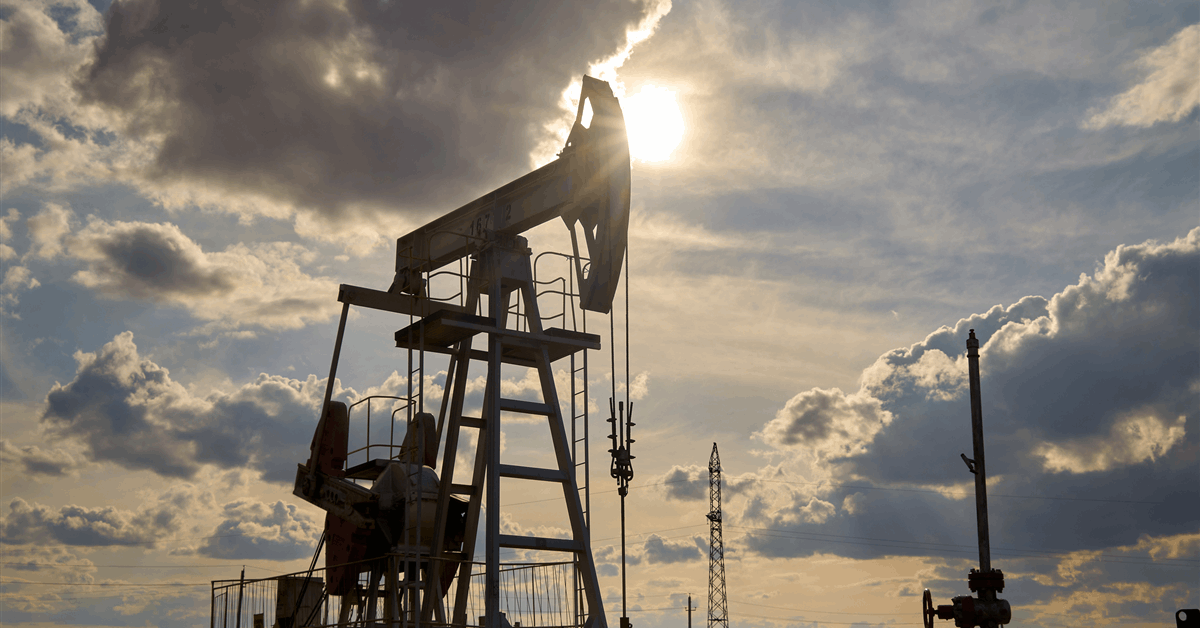
Oil Surges on Middle East Attacks
What happened
Attacks on oil infrastructure and tankers in the Middle East caused a sharp rally in oil prices and disrupted regional shipping confidence. The escalation included reported strikes near Fujairah and damage to vessels, which materially lifted bunker and crude benchmarks. For procurement, watch immediate supplier price‑surcharge messaging and any rapid shortening of quote validity as suppliers protect margin and availability
Buyer takeaway
Expect bunker and diesel references that feed mobilisation and day‑rate surcharges to move quickly; factor these into award comparisons and contingency budgets
Cost / money
Directional upward pressure on fuel‑linked pass‑throughs and day rates, increasing mobilisation budgets if not contractually capped
Supplier / commercial
Suppliers are likely to shorten quote validity and push fuel‑surcharge clauses to preserve margin under volatile price swings
Safety / operations
Heightened operational risk in transit and potential delays for spares or personnel movements tied to diverted shipping
What to watch
Watch immediate supplier communications for shortened quote windows or sudden insertion of surcharge formulas in bids
Key facts
- Brent futures rallied to settle above $114 per barrel after reported attacks
- WTI also moved higher in the same session
Source excerpts
8% to settle above $114 a barrel after an Iranian drone strike caused a fire in a key oil industrial zone in Fujairah
Lua | Monday, May 04, 2026 | 3:48 PM EST Oil prices jumped as critical energy infrastructure and tankers in the Middle East came under attack, marking a significant escalation in the US-Iran hostilities and jeopardizing a four-week-old ceasefire
Oil Prices WTI for June delivery was 4