Subsea, SURF & Offshore · International (Houston)

Reprioritize SURF Sourcing Around Seabed Data and Rig Availability

Published May 4, 2026, 5:06 AM CSTINTERNATIONALFull category signal
Ask AI
OTC 2026: Cloud-based seabed intelligence reshapes offshore decision-making

In 60 seconds

Top move

Persistent, cloud-based seabed intelligence can cut unnecessary offshore mobilizations by making survey data decision-ready, which changes how buyers should specify deliverables and data access in contracts

Key takeaways

  • Persistent, cloud-based seabed intelligence can cut unnecessary offshore mobilizations by making survey data decision-ready, which changes how buyers should specify deliverables and data access in contracts.[2]
  • Recent rig awards and rising dayrate signals from major contractors are firming supplier leverage on slot availability and mobilization terms — expect shorter quote windows and firmer cancellation exposure on drilling and floater services.[4]
  • Operators and contractors are extending rig life through disciplined maintenance and automation, shifting procurement focus toward MRO, spares availability, and long‑lead upgrade scopes rather than newbuild sourcing.[3]
  • Industry discussion at OTC highlights continued preference for standardized floating production and more subsea tiebacks — this is a strategic direction that will favor repeatable SURF scopes over bespoke platform builds.[1]
  • Some items are thematic rather than immediate procurement triggers; treat the OTC panel themes as directional inputs to supplier qualification and scope standardization, not as grounds for immediate contract changes.[1]

What changed since last run

  • Added cloud-based seabed intelligence (article 5) as a new operational lever that can reduce mobilizations and change data contracting assumptions.
  • Included confirmed rig bookings and dayrate pressure from Noble (article 9), which raises the probability of tighter slot availability compared with prior brief.
  • Highlighted rig life-extension practices (article 6) that shift procurement attention toward MRO and spare parts rather than newbuilds.

Key facts

  • Panel coverage of four decades of Gulf floating production evolution
  • Discussion emphasizes standardized, leaner platform designs
  • Panel scheduled at OTC ahead of industry decision cycles
  • Platform designed to ingest raw and processed sonar, oceanographic, and unmanned system data
  • Presentation timed at OTC and framed as operationally ready for inspections and integrity
  • Claims of enabling earlier intervention and eliminating some mobilizations

Why it matters

Persistent, cloud-based seabed intelligence can cut unnecessary offshore mobilizations by making survey data decision-ready, which changes how buyers should specify deliverables and data access in contracts. Recent rig awards and rising dayrate signals from major contractors are firming supplier leverage on slot availability and mobilization terms — expect shorter quote windows and firmer cancellation exposure on drilling and floater services. Operators and contractors are extending rig life through disciplined maintenance and automation, shifting procurement focus toward MRO, spares availability, and long‑lead upgrade scopes rather than newbuild sourcing. Industry discussion at OTC highlights continued preference for standardized floating production and more subsea tiebacks — this is a strategic direction that will favor repeatable SURF scopes over bespoke platform builds

Cost / money

  • Reducing unnecessary mobilizations via persistent seabed data can lower mobilization and logistics costs by avoiding needless vessel and crew moves.[2]
  • Visible rig fixtures and firmer dayrate posture increase near‑term mobilization premiums and make cancellation or slot‑hold fees more likely to appear in supplier quotes.[4]
  • Life‑extension programs mean more recurring spend on maintenance, parts and retrofits; budget lines may shift from one‑off capital to sustained operating/MRO spend.[3]

Supplier / commercial

  • Suppliers offering cloud-hosted seabed platforms may push subscription or hosted-data pricing models, creating pass‑through OPEX exposure unless contracts specify delivery and transfer rights.[2]
  • Contractors with confirmed rig backlog can demand shorter quote validity, deposits, or slot‑hold fees — leverage will favor suppliers where fixture visibility is already high.[4]
  • Maintenance and automation vendors supporting life-extension programs gain negotiation leverage on long‑term support scopes and spares provisioning.[3]

Safety / operations

  • Near‑real‑time seabed intelligence improves integrity planning and can reduce offshore exposure by enabling earlier intervention or cancelling unnecessary campaigns.[2]
  • Compressed mobilization windows driven by tighter vessel/rig availability increase operational risk if QA/QC, spares and crew certifications are not aligned ahead of mobilization.[4][3]

What to watch

  • Watch suppliers packaging seabed data as a hosted/subscription service that limits data export or creates ongoing fees; this shifts costs and control unless contracts mandate transfer rights.[2]
  • Early‑signal: OTC commentary on platform standardization is directional — check whether upcoming projects actually commit to standardized SURF modules before changing sourcing strategies.[1]

Top stories

Story 1Offshore-mag

OTC 2026: Four decades of floating production shape OTC panel on the Gulf’s future

Signal moderateDirectional

What happened

OTC panel participants reflected on 40 years of floating production, highlighting a move toward standardized, leaner platforms and more subsea tiebacks. The discussion is operationally relevant because it signals buyer preference trends that favor repeatable SURF modules over bespoke platform scopes; watch whether upcoming FIDs commit to these standards

Buyer takeaway

Treat the panel as a directional signal to prioritize suppliers who can deliver repeatable SURF modules and standardized interfaces

Cost / money

Standardized platforms can reduce bespoke engineering spend over time but only if procurement enforces common scope and interfaces in contracts

Supplier / commercial

Suppliers capable of delivering standardized modules may win longer-term, repeat business and gain leverage during award windows

Safety / operations

Standardization tends to reduce HSE variability across projects, but transition risks exist if legacy systems remain in parallel

What to watch

Signal is thematic; verify project-level commitments before shifting long-term sourcing decisions because panel discussion does not equal immediate FID changes

Key facts

  • Panel coverage of four decades of Gulf floating production evolution
  • Discussion emphasizes standardized, leaner platform designs
  • Panel scheduled at OTC ahead of industry decision cycles

Source excerpts

“Shell has traditionally had a ‘horses for courses’ approach to floating platform selection, having installed one of each major platform type (TLP, semisubmersible, spar, FPSO)," he added
Offshore energy industry news, trends, insights and outlooksIndustry veterans reflect on lessons learned from 40 years of offshore development, emphasizing the shift toward standardized, leaner platforms and the increasing role of subsea tiebacks in deepwater production
“It appears at this point that the ‘right approach’ to floating production platforms going forward for majors and independents is a standardized, 100‑kbopd production semisubmersible,” he said, underscoring how experience in a mature basin continues to reshape offshore decision‑making. As a result, “affordability and predictability” have joined availability, reliability and cost control as core performance metrics for floating platforms in the Gulf today, D’Souza added
Story 2Offshore-mag

OTC 2026: Cloud-based seabed intelligence reshapes offshore decision-making

Signal strongSource-grounded

What happened

OTC session participants described Terradepth's cloud-native seabed intelligence that turns static survey deliverables into persistent, searchable data stores. That makes seabed conditions available for near‑real‑time decisions and can prevent some mobilizations; watch contract language on hosting, data export, and service continuity

Buyer takeaway

Require clarity on delivery, export and continuity for hosted seabed services before accepting subscription models

Cost / money

Persistent data can reduce redundant mobilizations and logistics costs but may create recurring hosting OPEX if ownership isn't secured

Supplier / commercial

Data platform vendors may push subscription pricing and continued access fees, shifting negotiation focus from hardware to data rights

Safety / operations

Near‑real‑time seabed visibility improves integrity planning and reduces offshore exposure when used correctly

What to watch

Confirm whether vendors will provide raw data exports and transfer rights; otherwise you could be locked into a hosted service

Key facts

  • Platform designed to ingest raw and processed sonar, oceanographic, and unmanned system data
  • Presentation timed at OTC and framed as operationally ready for inspections and integrity
  • Claims of enabling earlier intervention and eliminating some mobilizations

Source excerpts

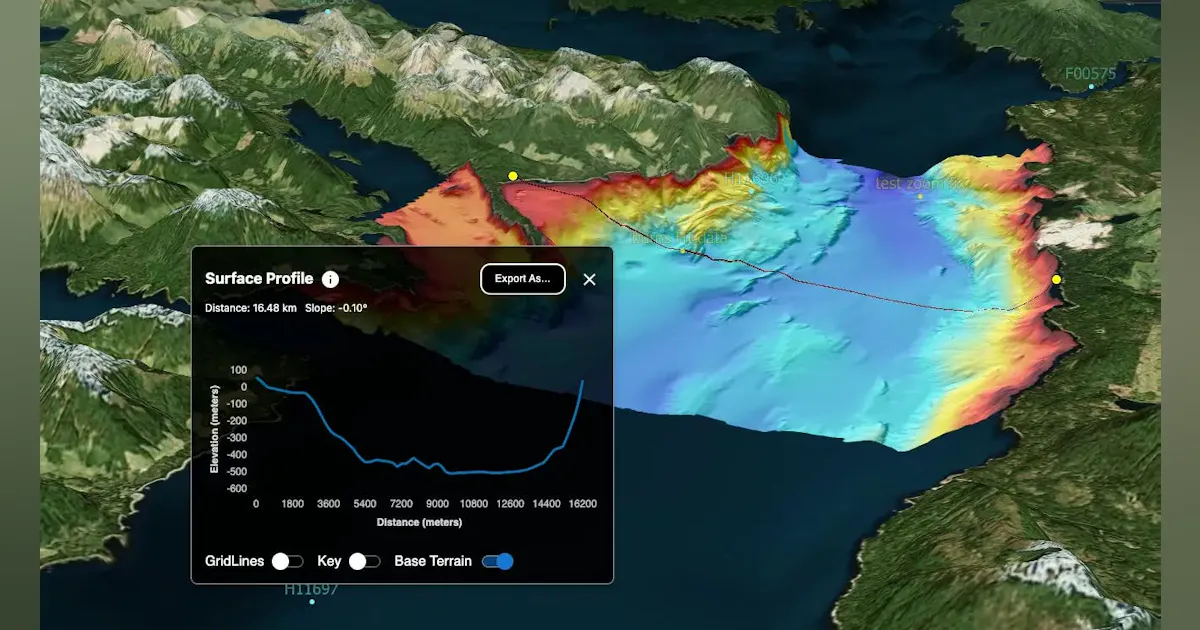
During an OTC technical session, Terradepth’s Brian Butler will examine how persistent, cloud‑based seabed intelligence is reshaping offshore decision‑making—from integrity management to regulatory planning—by turning static survey data into a living operational asset. Courtesy TerradepthTerradepth's Absolute Ocean is a cloud-native data-to-decision platform designed to ingest and manage a range of data types, including raw and processed sonar, oceanographic, and unmanned system data, enabling near real‑time ana
Faster access to current seabed conditions enables earlier intervention and, in some cases, eliminates unnecessary offshore mobilizations altogether, which reduces both cost and exposure
“When seabed intelligence is embedded directly into engineering and integrity workflows, it reduces uncertainty, shortens response time and lowers offshore exposure," Butler said
Story 3Offshore-mag

How Gulf of Mexico drilling contractors extend rig life in a mature basin

Signal moderateSource-grounded

What happened

Contractors in the Gulf are extending rig life through disciplined maintenance, targeted automation upgrades, and integrated operational assurance. This is operationally real because crews and contractors are shifting spend to MRO and controls upgrades to keep rigs productive instead of waiting for newbuilds

Buyer takeaway

Prioritize MRO and spare parts continuity planning and evaluate service partners for long‑term support packages

Cost / money

Shifting to life extension converts upfront newbuild capital needs into recurring MRO and upgrade spend

Supplier / commercial

Vendors providing long‑term maintenance or automation upgrades gain leverage on support contracts and spare inventory terms

Safety / operations

Disciplined maintenance and automation support safer, more predictable rig uptime when executed with integrated QA/QC

What to watch

Confirm vendor readiness to scale spare parts and support across extended service lives to avoid hidden schedule risk

Key facts

  • Focus on preventive maintenance and targeted automation
  • Automation examples include NOVOS and multi‑machine control upgrades
  • Shift from newbuilds to life‑extension across Gulf fleets

Source excerpts

When even short periods of unplanned downtime can carry significant cost implications, these systems contribute directly to more predictable performance over extended asset life
He currently serves as Noble Corp. 's assistant rig manager of the Noble BlackLion drillship
With limited newbuilds ahead, Gulf of Mexico drilling contractors are increasingly focused on extending the safe, productive life of existing rigs through disciplined maintenance and targeted automation upgrades
Story 4Offshore-mag

Noble books further work for deepwater rig fleet

Signal strongSource-grounded

What happened

Noble reported additional fixtures and an increased backlog, with recent dayrate signals and specific contracted rates for select drillships. The operational reality is tighter slot availability and firmer commercial terms for mobilizations; track which contractors are exercising options and how that reshapes availability windows

Buyer takeaway

Assume shorter quote validity and increased mobilization exposure from drilling contractors with visible backlog

Cost / money

Confirmed fixtures support higher mobilization premiums and reduce buyer negotiating room on cancellation terms

Supplier / commercial

Contractors with backlog can insist on deposits, slot holds or tighter cancellation windows

Safety / operations

Firmed schedules help planning but create pressure on readiness if spares or crew certifications lag

What to watch

Watch whether dayrate and backlog trends are becoming the default basis for slot‑hold fees and reduced quote windows

Key facts

  • New fixtures and exercised options increased Noble's backlog
  • Recent dayrate commentary shows upward pressure on Tier‑1 drillship rates
  • Specific fixtures cited for several drillships and contract extensions

Source excerpts

These have added about five rig years of new floater activity, the company said in a results update. Recent day rates for Tier-1 drillship fixtures have risen to the low to mid $400,000s
The contract should start by third-quarter 2027
Recent day rates for Tier-1 drillship fixtures have risen to the low to mid $400,000s

VP Snapshot

Executive Risk & Action View

Persistent, cloud-based seabed intelligence can cut unnecessary offshore mobilizations by making survey data decision-ready, which changes how buyers should specify deliverables and data access in contracts.

Overall
56
Cost
79
Supply
61
Schedule
38
Compliance
15

Top signals

30-180dcost

Signal 1: Cost / money

Reducing unnecessary mobilizations via persistent seabed data can lower mobilization and logistics costs by avoiding needless vessel and crew moves.

Signal 2: Cost / money

Visible rig fixtures and firmer dayrate posture increase near‑term mobilization premiums and make cancellation or slot‑hold fees more likely to appear in supplier quotes.

Signal 3: Cost / money

Life‑extension programs mean more recurring spend on maintenance, parts and retrofits; budget lines may shift from one‑off capital to sustained operating/MRO spend.

30-180dschedule

Signal 4: Supplier / commercial

Suppliers offering cloud-hosted seabed platforms may push subscription or hosted-data pricing models, creating pass‑through OPEX exposure unless contracts specify delivery and transfer rights.

30-180dsupply

Signal 5: Supplier / commercial

Contractors with confirmed rig backlog can demand shorter quote validity, deposits, or slot‑hold fees — leverage will favor suppliers where fixture visibility is already high.

30-180dcommercial

Signal 6: Supplier / commercial

Maintenance and automation vendors supporting life-extension programs gain negotiation leverage on long‑term support scopes and spares provisioning.

Recommended actions

ContractsDue 3d

Ask preferred survey and data vendors to confirm current data delivery formats, export rights, and any hosted/subscription pricing options.

Consolidated vendor matrix showing delivery format, transfer rights, and pricing model per supplier.

CategoryDue 3d

Query primary drilling and floater vendors for updated slot availability, mobilization terms, and any deposit or slot‑hold practices they currently require.

Updated rig availability log and summary of mobilization/cancellation exposures to inform upcoming awards.

ContractsDue 21d

Issue targeted RFIs/RFQs that require line‑item pricing for data hosting vs delivered datasets, mobilization, slot holds, and cancellation penalties.

Comparable bids with explicit pricing for hosting, mobilization, and cancellation liabilities.

OpsDue 21d

Audit MRO and spare parts supply chains tied to rigs slated for life‑extension work and confirm lead times and standby inventory positions.

Risk-ranked spares list and lead‑time mitigation plan for critical rig systems.

LegalDue 60d

Update master contract templates to include explicit data ownership, export/transfer rights, and termination terms for hosted seabed services.

Revised contract clauses that prevent inadvertent OPEX lock‑in and preserve buyer data access.

OpsDue 60d

Rebuild vessel and equipment contingency lists and prequalify secondary suppliers to reduce single‑vessel dependency for critical SURF lifts and tiebacks.

Ranked contingency supplier roster with indicative mobilization profiles and contract templates for rapid award.

Risk register

RiskTriggerMitigation
Watch suppliers packaging seabed data as a hosted/subscription service that limits data export or creates ongoing fees; this shifts costs and control unless contracts mandate transfer rights.Watch suppliers packaging seabed data as a hosted/subscription service that limits data export or creates ongoing fees; this shifts costs and control unless contracts mandate transfer rights.Confirm exposure with category, contracts, and operations before the next supplier commitment.
Early‑signal: OTC commentary on platform standardization is directional — check whether upcoming projects actually commit to standardized SURF modules before changing sourcing strategies.Early‑signal: OTC commentary on platform standardization is directional — check whether upcoming projects actually commit to standardized SURF modules before changing sourcing strategies.Confirm exposure with category, contracts, and operations before the next supplier commitment.

CM Snapshot

Category Manager Decision Detail

Today's priorities

Ask preferred survey and data vendors to confirm current data delivery formats, export rights, and any hosted/subscription pricing options.

because cloud seabed platforms are being presented as persistent, decision‑ready services and you need to know whether data will be owned, hosted, or subject to subscription fee...

Due 3d

high

CM move

Use this as the immediate supplier or contract action to move before the next sourcing gate.

Query primary drilling and floater vendors for updated slot availability, mobilization terms, and any deposit or slot‑hold practices they currently require.

because recent rig fixtures and backlog visibility increase the likelihood suppliers will enforce tighter quote windows and slot fees that affect project mobilizations.

Due 3d

high

CM move

Use this as the immediate supplier or contract action to move before the next sourcing gate.

Issue targeted RFIs/RFQs that require line‑item pricing for data hosting vs delivered datasets, mobilization, slot holds, and cancellation penalties.

because suppliers are shifting toward subscription and firmer mobilization terms; explicit line items let procurement compare OPEX versus CAPEX tradeoffs and cancellation exposure.

Due 21d

high

CM move

Use this as the immediate supplier or contract action to move before the next sourcing gate.

Audit MRO and spare parts supply chains tied to rigs slated for life‑extension work and confirm lead times and standby inventory positions.

because life‑extension programs increase dependence on existing fleet uptime and spares availability directly impacts schedule risk and unplanned downtime costs.

Due 21d

high

CM move

Use this as the immediate supplier or contract action to move before the next sourcing gate.

Supplier radar

Offshore-mag

high

Observed supplier signal

Suppliers offering cloud-hosted seabed platforms may push subscription or hosted-data pricing models, creating pass‑through OPEX exposure unless contracts specify delivery and transfer rights.

Commercial implication

Suppliers offering cloud-hosted seabed platforms may push subscription or hosted-data pricing models, creating pass‑through OPEX exposure unless contracts specify delivery and transfer rights.

Next step: Validate the source-backed signal with incumbents and alternates before the next award or pricing decision.

Offshore-mag

high

Observed supplier signal

Contractors with confirmed rig backlog can demand shorter quote validity, deposits, or slot‑hold fees — leverage will favor suppliers where fixture visibility is already high.

Commercial implication

Contractors with confirmed rig backlog can demand shorter quote validity, deposits, or slot‑hold fees — leverage will favor suppliers where fixture visibility is already high.

Next step: Validate the source-backed signal with incumbents and alternates before the next award or pricing decision.

Offshore-mag

high

Observed supplier signal

Maintenance and automation vendors supporting life-extension programs gain negotiation leverage on long‑term support scopes and spares provisioning.

Commercial implication

Maintenance and automation vendors supporting life-extension programs gain negotiation leverage on long‑term support scopes and spares provisioning.

Next step: Validate the source-backed signal with incumbents and alternates before the next award or pricing decision.

Negotiation levers

Ask preferred survey and data vendors to confirm current data delivery formats, export rights, and any hosted/subscription pricing options.

When to use: because cloud seabed platforms are being presented as persistent, decision‑ready services and you need to know whether data will be owned, hosted, or subject to subscription fee...

Expected outcome: Consolidated vendor matrix showing delivery format, transfer rights, and pricing model per supplier.

Commercial mechanism to carry into the next supplier conversation

Query primary drilling and floater vendors for updated slot availability, mobilization terms, and any deposit or slot‑hold practices they currently require.

When to use: because recent rig fixtures and backlog visibility increase the likelihood suppliers will enforce tighter quote windows and slot fees that affect project mobilizations.

Expected outcome: Updated rig availability log and summary of mobilization/cancellation exposures to inform upcoming awards.

Commercial mechanism to carry into the next supplier conversation

Issue targeted RFIs/RFQs that require line‑item pricing for data hosting vs delivered datasets, mobilization, slot holds, and cancellation penalties.

When to use: because suppliers are shifting toward subscription and firmer mobilization terms; explicit line items let procurement compare OPEX versus CAPEX tradeoffs and cancellation exposure.

Expected outcome: Comparable bids with explicit pricing for hosting, mobilization, and cancellation liabilities.

Commercial mechanism to carry into the next supplier conversation

Audit MRO and spare parts supply chains tied to rigs slated for life‑extension work and confirm lead times and standby inventory positions.

When to use: because life‑extension programs increase dependence on existing fleet uptime and spares availability directly impacts schedule risk and unplanned downtime costs.

Expected outcome: Risk-ranked spares list and lead‑time mitigation plan for critical rig systems.

Commercial mechanism to carry into the next supplier conversation

Talking points

Persistent, cloud-based seabed intelligence can cut unnecessary offshore mobilizations by making survey data decision-ready, which changes how buyers should specify deliverables and data access in contracts.
Recent rig awards and rising dayrate signals from major contractors are firming supplier leverage on slot availability and mobilization terms — expect shorter quote windows and firmer cancellation exposure on drilling and floater services.
Operators and contractors are extending rig life through disciplined maintenance and automation, shifting procurement focus toward MRO, spares availability, and long‑lead upgrade scopes rather than newbuild sourcing.
Industry discussion at OTC highlights continued preference for standardized floating production and more subsea tiebacks — this is a strategic direction that will favor repeatable SURF scopes over bespoke platform builds.

Supplier radar

SupplierSignalImplicationNext stepConfidence
Offshore-magSuppliers offering cloud-hosted seabed platforms may push subscription or hosted-data pricing models, creating pass‑through OPEX exposure unless contracts specify delivery and transfer rights.Suppliers offering cloud-hosted seabed platforms may push subscription or hosted-data pricing models, creating pass‑through OPEX exposure unless contracts specify delivery and transfer rights.Validate the source-backed signal with incumbents and alternates before the next award or pricing decision.high
Offshore-magContractors with confirmed rig backlog can demand shorter quote validity, deposits, or slot‑hold fees — leverage will favor suppliers where fixture visibility is already high.Contractors with confirmed rig backlog can demand shorter quote validity, deposits, or slot‑hold fees — leverage will favor suppliers where fixture visibility is already high.Validate the source-backed signal with incumbents and alternates before the next award or pricing decision.high
Offshore-magMaintenance and automation vendors supporting life-extension programs gain negotiation leverage on long‑term support scopes and spares provisioning.Maintenance and automation vendors supporting life-extension programs gain negotiation leverage on long‑term support scopes and spares provisioning.Validate the source-backed signal with incumbents and alternates before the next award or pricing decision.high

Negotiation levers

  • Ask preferred survey and data vendors to confirm current data delivery formats, export rights, and any hosted/subscription pricing options.because cloud seabed platforms are being presented as persistent, decision‑ready services and you need to know whether data will be owned, hosted, or subject to subscription fee...Consolidated vendor matrix showing delivery format, transfer rights, and pricing model per supplier.

    high confidence

  • Query primary drilling and floater vendors for updated slot availability, mobilization terms, and any deposit or slot‑hold practices they currently require.because recent rig fixtures and backlog visibility increase the likelihood suppliers will enforce tighter quote windows and slot fees that affect project mobilizations.Updated rig availability log and summary of mobilization/cancellation exposures to inform upcoming awards.

    high confidence

  • Issue targeted RFIs/RFQs that require line‑item pricing for data hosting vs delivered datasets, mobilization, slot holds, and cancellation penalties.because suppliers are shifting toward subscription and firmer mobilization terms; explicit line items let procurement compare OPEX versus CAPEX tradeoffs and cancellation exposure.Comparable bids with explicit pricing for hosting, mobilization, and cancellation liabilities.

    high confidence

  • Audit MRO and spare parts supply chains tied to rigs slated for life‑extension work and confirm lead times and standby inventory positions.because life‑extension programs increase dependence on existing fleet uptime and spares availability directly impacts schedule risk and unplanned downtime costs.Risk-ranked spares list and lead‑time mitigation plan for critical rig systems.

    high confidence

What to do / What to watch

What to do now

  • Ask preferred survey and data vendors to confirm current data delivery formats, export rights, and any hosted/subscription pricing options.

    Why: because cloud seabed platforms are being presented as persistent, decision‑ready services and you need to know whether data will be owned, hosted, or subject to subscription fee...

    Owner: Contracts

    Expected outcome: Consolidated vendor matrix showing delivery format, transfer rights, and pricing model per supplier.

    [2]
  • Query primary drilling and floater vendors for updated slot availability, mobilization terms, and any deposit or slot‑hold practices they currently require.

    Why: because recent rig fixtures and backlog visibility increase the likelihood suppliers will enforce tighter quote windows and slot fees that affect project mobilizations.

    Owner: Category

    Expected outcome: Updated rig availability log and summary of mobilization/cancellation exposures to inform upcoming awards.

    [4]

Next few weeks

  • Issue targeted RFIs/RFQs that require line‑item pricing for data hosting vs delivered datasets, mobilization, slot holds, and cancellation penalties.

    Why: because suppliers are shifting toward subscription and firmer mobilization terms; explicit line items let procurement compare OPEX versus CAPEX tradeoffs and cancellation exposure.

    Owner: Contracts

    Expected outcome: Comparable bids with explicit pricing for hosting, mobilization, and cancellation liabilities.

    [2][4]
  • Audit MRO and spare parts supply chains tied to rigs slated for life‑extension work and confirm lead times and standby inventory positions.

    Why: because life‑extension programs increase dependence on existing fleet uptime and spares availability directly impacts schedule risk and unplanned downtime costs.

    Owner: Ops

    Expected outcome: Risk-ranked spares list and lead‑time mitigation plan for critical rig systems.

    [3]

Longer view

  • Update master contract templates to include explicit data ownership, export/transfer rights, and termination terms for hosted seabed services.

    Why: because persistent seabed intelligence providers may default to subscription models that shift cost and control unless contracts require delivery and transferability.

    Owner: Legal

    Expected outcome: Revised contract clauses that prevent inadvertent OPEX lock‑in and preserve buyer data access.

    [2]
  • Rebuild vessel and equipment contingency lists and prequalify secondary suppliers to reduce single‑vessel dependency for critical SURF lifts and tiebacks.

    Why: because constrained newbuild activity and confirmed rig fixtures increase single‑vessel exposure and splitting scopes without contingency sourcing raises interface and logistics...

    Owner: Ops

    Expected outcome: Ranked contingency supplier roster with indicative mobilization profiles and contract templates for rapid award.

    [4][3]

What to watch

  • Watch suppliers packaging seabed data as a hosted/subscription service that limits data export or creates ongoing fees; this shifts costs and control unless contracts mandate transfer rights
  • Early‑signal: OTC commentary on platform standardization is directional — check whether upcoming projects actually commit to standardized SURF modules before changing sourcing strategies
  • Watch suppliers packaging seabed data as a hosted/subscription service that limits data export or creates ongoing fees; this shifts costs and control unless contracts mandate transfer rights.: Watch suppliers packaging seabed data as a hosted/subscription service that limits data export or creates ongoing fees; this shifts costs and control unless contracts mandate transfer rights
  • Early‑signal: OTC commentary on platform standardization is directional — check whether upcoming projects actually commit to standardized SURF modules before changing sourcing strategies.: Early‑signal: OTC commentary on platform standardization is directional — check whether upcoming projects actually commit to standardized SURF modules before changing sourcing strategies
  • Persistent, cloud-based seabed intelligence can cut unnecessary offshore mobilizations by making survey data decision-ready, which changes how buyers should specify deliverables and data access in contracts
  • Recent rig awards and rising dayrate signals from major contractors are firming supplier leverage on slot availability and mobilization terms — expect shorter quote windows and firmer cancellation exposure on drilling and floater services
  • Operators and contractors are extending rig life through disciplined maintenance and automation, shifting procurement focus toward MRO, spares availability, and long‑lead upgrade scopes rather than newbuild sourcing
  • Industry discussion at OTC highlights continued preference for standardized floating production and more subsea tiebacks — this is a strategic direction that will favor repeatable SURF scopes over bespoke platform builds

Market pulse

IndexLatestChangeAs of
WTI Crude (WTI)71.23 /bbl+0.00 (+0.00%)May 4, 2026, 10:07 AM
Brent Crude (BRENT)74.89 /bbl+0.00 (+0.00%)May 4, 2026, 10:07 AM
Natural Gas (NG)3.12 /MMBtu+0.00 (+0.00%)May 4, 2026, 10:07 AM
Dry Bulk Shipping (BDRY) (BDRY)0 +0.00 (+0.00%)May 4, 2026, 10:07 AM
WTI (Fuel) (WTI)71.23 /bbl+0.00 (+0.00%)May 4, 2026, 10:07 AM
TechnipFMC (FTI)22 +0.00 (+0.00%)May 4, 2026, 10:07 AM
  • WTI Crude: Oil price direction can influence contractor demand and capex timing, which feeds into rig and vessel availability assumptions
  • Dry Bulk Shipping (BDRY): Dry bulk shipping trends affect logistics and mobilization costs for subsea campaigns; watch for freight-driven schedule impacts

Sources

Inline citations jump here. Expand a source to read the excerpt, the AI interpretation, and the original link.

[1] OTC 2026: Four decades of floating production shape OTC panel on the Gulf’s future

offshore-mag.com · n.d.

Expand

AI reading

OTC panel participants reflected on 40 years of floating production, highlighting a move toward standardized, leaner platforms and more subsea tiebacks. The discussion is operationally relevant because it signals buyer preference trends that favor repeatable SURF modules over bespoke platform scopes; watch whether upcoming FIDs commit to these standards

Buyer takeaway

Treat the panel as a directional signal to prioritize suppliers who can deliver repeatable SURF modules and standardized interfaces

Cost / money

Standardized platforms can reduce bespoke engineering spend over time but only if procurement enforces common scope and interfaces in contracts

Supplier / commercial

Suppliers capable of delivering standardized modules may win longer-term, repeat business and gain leverage during award windows

Safety / operations

Standardization tends to reduce HSE variability across projects, but transition risks exist if legacy systems remain in parallel

What to watch

Signal is thematic; verify project-level commitments before shifting long-term sourcing decisions because panel discussion does not equal immediate FID changes

Key facts

  • Panel coverage of four decades of Gulf floating production evolution
  • Discussion emphasizes standardized, leaner platform designs
  • Panel scheduled at OTC ahead of industry decision cycles

Source excerpts

“Shell has traditionally had a ‘horses for courses’ approach to floating platform selection, having installed one of each major platform type (TLP, semisubmersible, spar, FPSO)," he added
Offshore energy industry news, trends, insights and outlooksIndustry veterans reflect on lessons learned from 40 years of offshore development, emphasizing the shift toward standardized, leaner platforms and the increasing role of subsea tiebacks in deepwater production
“It appears at this point that the ‘right approach’ to floating production platforms going forward for majors and independents is a standardized, 100‑kbopd production semisubmersible,” he said, underscoring how experience in a mature basin continues to reshape offshore decision‑making. As a result, “affordability and predictability” have joined availability, reliability and cost control as core performance metrics for floating platforms in the Gulf today, D’Souza added

Used in this brief

  • Early‑signal: OTC commentary on platform standardization is directional — check whether upcoming projects actually commit to standardized SURF modules before changing sourcing strategies
  • OTC panel participants reflected on 40 years of floating production, highlighting a move toward standardized, leaner platforms and more subsea tiebacks. The discussion is operationally relevant because it signals buyer preference trends that favor repeatable SURF modules over bespoke platform scopes; watch whether upcoming FIDs commit to these standards
  • Buyer bottom line: growing preference for standardized floating concepts favors repeatable SURF scopes and simplifies supplier prequalification
Open original source

[2] OTC 2026: Cloud-based seabed intelligence reshapes offshore decision-making

offshore-mag.com · n.d.

Expand

AI reading

OTC session participants described Terradepth's cloud-native seabed intelligence that turns static survey deliverables into persistent, searchable data stores. That makes seabed conditions available for near‑real‑time decisions and can prevent some mobilizations; watch contract language on hosting, data export, and service continuity

Buyer takeaway

Require clarity on delivery, export and continuity for hosted seabed services before accepting subscription models

Cost / money

Persistent data can reduce redundant mobilizations and logistics costs but may create recurring hosting OPEX if ownership isn't secured

Supplier / commercial

Data platform vendors may push subscription pricing and continued access fees, shifting negotiation focus from hardware to data rights

Safety / operations

Near‑real‑time seabed visibility improves integrity planning and reduces offshore exposure when used correctly

What to watch

Confirm whether vendors will provide raw data exports and transfer rights; otherwise you could be locked into a hosted service

Key facts

  • Platform designed to ingest raw and processed sonar, oceanographic, and unmanned system data
  • Presentation timed at OTC and framed as operationally ready for inspections and integrity
  • Claims of enabling earlier intervention and eliminating some mobilizations

Source excerpts

During an OTC technical session, Terradepth’s Brian Butler will examine how persistent, cloud‑based seabed intelligence is reshaping offshore decision‑making—from integrity management to regulatory planning—by turning static survey data into a living operational asset. Courtesy TerradepthTerradepth's Absolute Ocean is a cloud-native data-to-decision platform designed to ingest and manage a range of data types, including raw and processed sonar, oceanographic, and unmanned system data, enabling near real‑time ana
Faster access to current seabed conditions enables earlier intervention and, in some cases, eliminates unnecessary offshore mobilizations altogether, which reduces both cost and exposure
“When seabed intelligence is embedded directly into engineering and integrity workflows, it reduces uncertainty, shortens response time and lowers offshore exposure," Butler said

Used in this brief

  • Persistent, cloud-based seabed intelligence can cut unnecessary offshore mobilizations by making survey data decision-ready, which changes how buyers should specify deliverables and data access in contracts. Recent rig awards and rising dayrate signals from major contractors are firming supplier leverage on slot availability and mobilization terms — expect shorter quote windows and firmer cancellation exposure on drilling and floater services. Operators and contractors are extending rig life through disciplined maintenance and automation, shifting procurement focus toward MRO, spares availability, and long‑lead upgrade scopes rather than newbuild sourcing. Industry discussion at OTC highlights continued preference for standardized floating production and more subsea tiebacks — this is a strategic direction that will favor repeatable SURF scopes over bespoke platform builds
  • Cost / money: Reducing unnecessary mobilizations via persistent seabed data can lower mobilization and logistics costs by avoiding needless vessel and crew moves
  • Safety / operations: Near‑real‑time seabed intelligence improves integrity planning and can reduce offshore exposure by enabling earlier intervention or cancelling unnecessary campaigns
Open original source

[3] How Gulf of Mexico drilling contractors extend rig life in a mature basin

offshore-mag.com · n.d.

Expand

AI reading

Contractors in the Gulf are extending rig life through disciplined maintenance, targeted automation upgrades, and integrated operational assurance. This is operationally real because crews and contractors are shifting spend to MRO and controls upgrades to keep rigs productive instead of waiting for newbuilds

Buyer takeaway

Prioritize MRO and spare parts continuity planning and evaluate service partners for long‑term support packages

Cost / money

Shifting to life extension converts upfront newbuild capital needs into recurring MRO and upgrade spend

Supplier / commercial

Vendors providing long‑term maintenance or automation upgrades gain leverage on support contracts and spare inventory terms

Safety / operations

Disciplined maintenance and automation support safer, more predictable rig uptime when executed with integrated QA/QC

What to watch

Confirm vendor readiness to scale spare parts and support across extended service lives to avoid hidden schedule risk

Key facts

  • Focus on preventive maintenance and targeted automation
  • Automation examples include NOVOS and multi‑machine control upgrades
  • Shift from newbuilds to life‑extension across Gulf fleets

Source excerpts

When even short periods of unplanned downtime can carry significant cost implications, these systems contribute directly to more predictable performance over extended asset life
He currently serves as Noble Corp. 's assistant rig manager of the Noble BlackLion drillship
With limited newbuilds ahead, Gulf of Mexico drilling contractors are increasingly focused on extending the safe, productive life of existing rigs through disciplined maintenance and targeted automation upgrades

Used in this brief

  • Next 2-4 weeks — Audit MRO and spare parts supply chains tied to rigs slated for life‑extension work and confirm lead times and standby inventory positions.. Rationale: because life‑extension programs increase dependence on existing fleet uptime and spares availability directly impacts schedule risk and unplanned downtime costs.. Owner: Ops. KPI: Risk-ranked spares list and lead‑time mitigation plan for critical rig systems
  • Included confirmed rig bookings and dayrate pressure from Noble (article 9), which raises the probability of tighter slot availability compared with prior brief
  • Contractors in the Gulf are extending rig life through disciplined maintenance, targeted automation upgrades, and integrated operational assurance. This is operationally real because crews and contractors are shifting spend to MRO and controls upgrades to keep rigs productive instead of waiting for newbuilds
Open original source

[4] Noble books further work for deepwater rig fleet

offshore-mag.com · n.d.

Expand

AI reading

Noble reported additional fixtures and an increased backlog, with recent dayrate signals and specific contracted rates for select drillships. The operational reality is tighter slot availability and firmer commercial terms for mobilizations; track which contractors are exercising options and how that reshapes availability windows

Buyer takeaway

Assume shorter quote validity and increased mobilization exposure from drilling contractors with visible backlog

Cost / money

Confirmed fixtures support higher mobilization premiums and reduce buyer negotiating room on cancellation terms

Supplier / commercial

Contractors with backlog can insist on deposits, slot holds or tighter cancellation windows

Safety / operations

Firmed schedules help planning but create pressure on readiness if spares or crew certifications lag

What to watch

Watch whether dayrate and backlog trends are becoming the default basis for slot‑hold fees and reduced quote windows

Key facts

  • New fixtures and exercised options increased Noble's backlog
  • Recent dayrate commentary shows upward pressure on Tier‑1 drillship rates
  • Specific fixtures cited for several drillships and contract extensions

Source excerpts

These have added about five rig years of new floater activity, the company said in a results update. Recent day rates for Tier-1 drillship fixtures have risen to the low to mid $400,000s
The contract should start by third-quarter 2027
Recent day rates for Tier-1 drillship fixtures have risen to the low to mid $400,000s

Used in this brief

  • Next 72 hours — Query primary drilling and floater vendors for updated slot availability, mobilization terms, and any deposit or slot‑hold practices they currently require.. Rationale: because recent rig fixtures and backlog visibility increase the likelihood suppliers will enforce tighter quote windows and slot fees that affect project mobilizations.. Owner: Category. KPI: Updated rig availability log and summary of mobilization/cancellation exposures to inform upcoming awards
  • Next quarter — Rebuild vessel and equipment contingency lists and prequalify secondary suppliers to reduce single‑vessel dependency for critical SURF lifts and tiebacks.. Rationale: because constrained newbuild activity and confirmed rig fixtures increase single‑vessel exposure and splitting scopes without contingency sourcing raises interface and logistics.... Owner: Ops. KPI: Ranked contingency supplier roster with indicative mobilization profiles and contract templates for rapid award
  • Noble reported additional fixtures and an increased backlog, with recent dayrate signals and specific contracted rates for select drillships. The operational reality is tighter slot availability and firmer commercial terms for mobilizations; track which contractors are exercising options and how that reshapes availability windows
Open original source

[5] WTI Crude

finance.yahoo.com · n.d.

Expand

[6] Dry Bulk Shipping (BDRY)

finance.yahoo.com · n.d.

Expand