Plug & Abandonment / Decommissioning · International (Houston)

Prioritize Rig and Vessel Availability For Decommissioning Windows

Published May 4, 2026, 5:06 AM CSTINTERNATIONALFull category signal
Ask AI
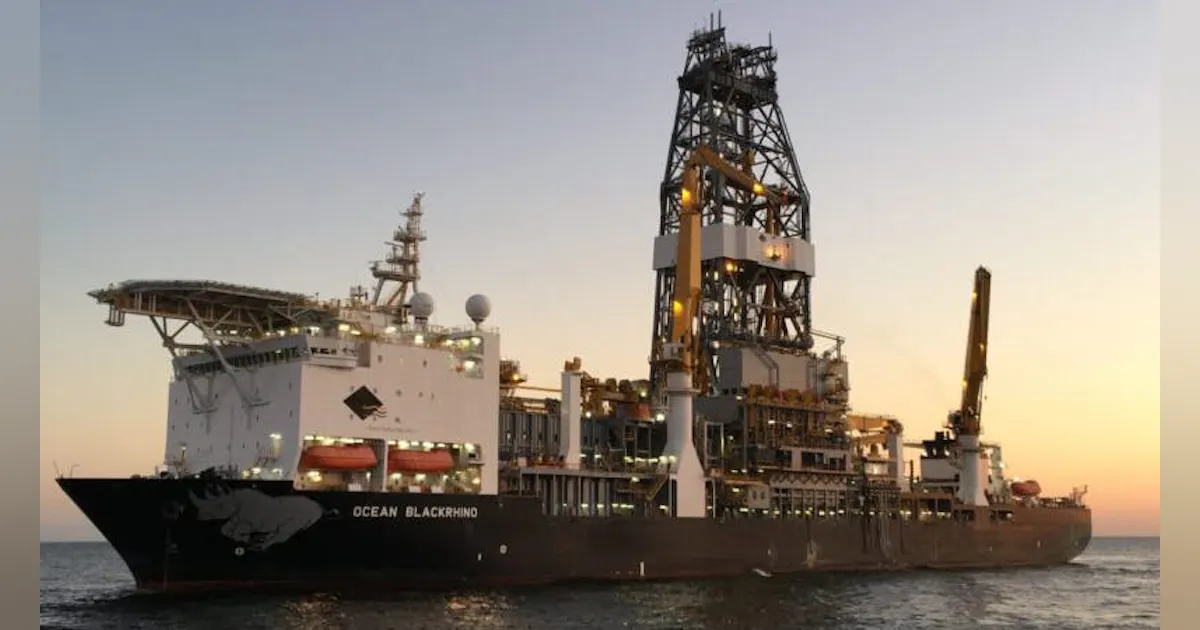
Noble books further work for deepwater rig fleet

In 60 seconds

Top move

Rig demand and booked work is rising in core basins, which reduces spare rig capacity for P&A and can push buyers toward premium mobilization terms

Key takeaways

  • Rig demand and booked work is rising in core basins, which reduces spare rig capacity for P&A and can push buyers toward premium mobilization terms.[1]
  • Operators and contractors are extending rig life through maintenance and automation, shifting the procurement focus from newbuilds to uptime, parts, and service contracts.[2]
  • Vessel fleet transactions and on‑site jacket removal activity indicate localized vessel availability for structure recovery work — useful for matching P&A windows with capable tonnage.[3]
  • Commercial posture: higher dayrates and filled rig calendars give suppliers leverage on schedule and short‑validity quotes; expect tighter negotiation windows for firm mobilization dates.[1]
  • Operational implication: life‑extension programs improve predictability of some assets but can tie up maintenance budgets and onshore resources needed to support decommissioning campaigns.[2]

What changed since last run

  • Noble reported additional booked rig years and a larger backlog, increasing rig demand visibility compared with prior brief assumptions (article 8).
  • New reporting emphasizes contractor programs to extend rig life via preventive maintenance and automation, changing mobilization dependency from newbuilds to service uptime (article 4).
  • Vessel marketplace activity shows active transactions and at least one jacket‑removal vessel on location, bringing local vessel availability into current P&A planning (article 2).

Key facts

  • Company backlog rose to $7.5 billion, reflecting booked rig years
  • Tier‑1 drillship dayrates reported at low to mid $400,000s
  • Multiple fixtures and extensions reduce short‑term spare rig capacity
  • Industry focus on extending safe, productive rig life via preventive maintenance
  • Automation upgrades (e.g., process control systems) used to reduce manual intervention
  • Maintenance and inspection regimes become the main determinant of asset availability

Why it matters

Rig demand and booked work is rising in core basins, which reduces spare rig capacity for P&A and can push buyers toward premium mobilization terms. Operators and contractors are extending rig life through maintenance and automation, shifting the procurement focus from newbuilds to uptime, parts, and service contracts. Vessel fleet transactions and on‑site jacket removal activity indicate localized vessel availability for structure recovery work — useful for matching P&A windows with capable tonnage. Commercial posture: higher dayrates and filled rig calendars give suppliers leverage on schedule and short‑validity quotes; expect tighter negotiation windows for firm mobilization dates

Cost / money

  • Rising dayrates on Tier‑1 drillships push direct mobilization costs higher and reduce room to negotiate aggressive standby or split mobilization discounts.[1]
  • If buyers wait for newbuild availability they may face schedule slippage; focusing on existing rig life‑extension assets shifts spend toward maintenance and service pass‑throughs.[2]
  • Vessel fleet sales and redeployments can create concentrated demand for heavy‑lift or recovery tonnage in specific regions, causing short‑term price spikes for jacket removals.[3]

Supplier / commercial

  • Contractors with secured multi‑year backlog gain leverage to shorten quote validity and tighten cancellation terms for mobilizations.[1]
  • Suppliers emphasizing life‑extension capabilities may push for longer service or maintenance scopes and warranties tied to uptime rather than single‑job dayrates.[2]
  • Vessel owners active in wind and offshore transactions may reprice or reallocate assets away from decommissioning work if wind demand outbids P&A windows.[3]

Safety / operations

  • Extending rig life with disciplined maintenance can improve safety and predictability during P&A operations if integrity and inspection regimes are adhered to.[2]
  • Compressed mobilization windows because of tight calendars increase sequencing and lift risk for jacket removals and subsea interventions unless crews and spares are synchronized.[1]
  • Using vessels converted or repurposed from other markets (e.g., wind support) for structure recovery can introduce unfamiliar systems and training gaps that operations must verify.[3]

What to watch

  • Watch suppliers shortening quote validity and adding cancellation fees as backlog grows — this reduces buyer flexibility for schedule moves.[1]
  • Watch for maintenance or upgrade windows on life‑extended rigs that look stable on paper but could consume planned P&A slots if uncoordinated.[2]
  • Watch vessel redeployment from decommissioning to higher‑paying offshore wind tasks in the same region, which can rapidly tighten available tonnage.[3]

Top stories

Story 1Offshore-mag

Noble books further work for deepwater rig fleet

Signal strongSource-grounded

What happened

Noble reported several new awards that added rig years to its backlog and noted recent higher dayrates for premium drillships. The backlog lift and dayrate movement make rig availability tighter in regions where decommissioning competes with development work. Watch for suppliers to shorten quote validity and use backlog as leverage when negotiating P&A mobilization dates

Buyer takeaway

Treat reported backlog and dayrate moves as a real supply constraint that can shorten quote validity and increase mobilization pass‑throughs

Cost / money

Directional cost pressure: higher dayrates and fuller calendars increase baseline mobilization and opportunity cost for schedule changes

Supplier / commercial

Suppliers with firmed backlog can demand tighter cancellation terms, shorter quote windows and prioritize higher‑value clients

Safety / operations

Tighter scheduling increases the chance of compressed readiness windows; verify crew and maintenance windows before committing mobilizations

What to watch

Watch for suppliers to harden commercial terms (short validity, cancellation fees) in their next bids

Key facts

  • Company backlog rose to $7.5 billion, reflecting booked rig years
  • Tier‑1 drillship dayrates reported at low to mid $400,000s
  • Multiple fixtures and extensions reduce short‑term spare rig capacity

Source excerpts

These have added about five rig years of new floater activity, the company said in a results update
The contract should start by third-quarter 2027
's drilling contracts backlog has risen to $7
Story 2Offshore-mag

How Gulf of Mexico drilling contractors extend rig life in a mature basin

Signal strongSource-grounded

What happened

Industry reporting highlights contractors extending rig life through disciplined maintenance and automation upgrades rather than relying on newbuilds. That operational shift makes maintenance, spares and inspection records central to any P&A mobilization decision. Buyers should watch whether planned life‑extension activities consume scheduled slots or require onshore resource tradeoffs

Buyer takeaway

Prioritize documented maintenance and automation capability in supplier evaluation because availability is moving to uptime, not newbuild timing

Cost / money

Costs may shift from dayrates to maintenance pass‑throughs and onshore support as buyers rely on life‑extended assets

Supplier / commercial

Vendors offering strong life‑extension programs can justify longer service terms and premium for guaranteed uptime

Safety / operations

When maintenance regimes are robust, safety and predictability improve — but lapses can eat scheduled P&A windows quickly

What to watch

Watch supplier maintenance schedules and any planned upgrade outages that could overlap with decommissioning windows

Key facts

  • Industry focus on extending safe, productive rig life via preventive maintenance
  • Automation upgrades (e.g., process control systems) used to reduce manual intervention
  • Maintenance and inspection regimes become the main determinant of asset availability

Source excerpts

Without sustained maintenance and modernization, however, aging rigs can face increasing challenges related to reliability, safety and operational consistency
When even short periods of unplanned downtime can carry significant cost implications, these systems contribute directly to more predictable performance over extended asset life
Many assets in the region have progressed well beyond their initial life-cycle milestones. Without sustained maintenance and modernization, however, aging rigs can face increasing challenges related to reliability, safety and operational consistency
Story 3Offshore-mag

com channel UCy4hHphyg7qfjoI9EaEiOFACourtesy North StarVesselsNorth Star Norwind expand offs

Signal moderateDirectional

What happened

Vessel market pages show fleet transactions and report an OBANA vessel on location at a North Sea field for jacket removals. This makes local vessel availability operationally real for structure recovery work in regions where tonnage is sold or repurposed. Monitor whether vessel redeployments favor wind or development tasks ahead of decommissioning windows

Buyer takeaway

Treat recent vessel transactions as a signal that tonnage can be reallocated quickly; validate conversion and certification for P&A scope

Cost / money

Localized vessel scarcity can cause short‑term rate increases for jacket removal and recovery tasks

Supplier / commercial

Vessel owners may prioritize higher‑margin wind or development work, reducing willingness to hold capacity for P&A

Safety / operations

Converted or repurposed vessels may require additional checks on lifting gear, certification and crew familiarity for recovery lifts

What to watch

Watch for owners reallocating vessels to wind construction, which can tighten P&A availability in the same region

Key facts

  • OBANA vessel observed on location at North Sea Pickerill for jacket removals
  • Vessel fleet transactions indicate active redeployment and repurposing
  • Offshore wind fleet expansion competes for similar service tonnage

Source excerpts

com/channel/UCy4hHphyg7qfjoI9EaEiOFACourtesy North StarVesselsNorth Star, Norwind expand offshore wind service fleetsEdda Wind sold 10 vessels in two separate transactions, strengthening the offshore wind support market
com/channel/UCy4hHphyg7qfjoI9EaEiOFACourtesy North StarVesselsNorth Star, Norwind expand offshore wind service fleetsEdda Wind sold 10 vessels in two separate transactions, strengthening the offshore wind support market. May 1, 2026Courtesy DeepOceanRenewable EnergyOffshore wind construction and site investigations progress off TaiwanApril 29, 2026Courtesy PetrodecDecommissioning OBANA vessel on location at North Sea Pickerill field for jacket removalsApril 28, 2026Photo by Reidar E
May 1, 2026Courtesy DeepOceanRenewable EnergyOffshore wind construction and site investigations progress off TaiwanApril 29, 2026Courtesy PetrodecDecommissioning OBANA vessel on location at North Sea Pickerill field for jacket removalsApril 28, 2026Photo by Reidar E

VP Snapshot

Executive Risk & Action View

Rig demand and booked work is rising in core basins, which reduces spare rig capacity for P&A and can push buyers toward premium mobilization terms.

Overall
56
Cost
79
Supply
61
Schedule
38
Compliance
15

Top signals

30-180dcost

Signal 1: Cost / money

Rising dayrates on Tier‑1 drillships push direct mobilization costs higher and reduce room to negotiate aggressive standby or split mobilization discounts.

Signal 3: Cost / money

Vessel fleet sales and redeployments can create concentrated demand for heavy‑lift or recovery tonnage in specific regions, causing short‑term price spikes for jacket removals.

0-30dcost

Signal 2: Cost / money

If buyers wait for newbuild availability they may face schedule slippage; focusing on existing rig life‑extension assets shifts spend toward maintenance and service pass‑throughs.

30-180dsupply

Signal 4: Supplier / commercial

Contractors with secured multi‑year backlog gain leverage to shorten quote validity and tighten cancellation terms for mobilizations.

180d+commercial

Signal 5: Supplier / commercial

Suppliers emphasizing life‑extension capabilities may push for longer service or maintenance scopes and warranties tied to uptime rather than single‑job dayrates.

30-180dcommercial

Signal 6: Supplier / commercial

Vessel owners active in wind and offshore transactions may reprice or reallocate assets away from decommissioning work if wind demand outbids P&A windows.

Recommended actions

CategoryDue 3d

Verify upcoming P&A job dates against confirmed rig and vessel bookings in target basins.

Updated mobilization risk register and a short list of at‑risk jobs requiring schedule or supplier adjustments

OpsDue 3d

Ask Ops to confirm critical spares and crew‑fit readiness for any life‑extended rig or converted vessel being considered for P&A work.

Readiness checklist flagged with any gaps that must be closed before mobilization

ContractsDue 21d

Start bilateral commercial tests with shortlisted rig and vessel suppliers to probe quote validity, cancellation terms, and mobilization lead times.

Supplier negotiation playbook that captures acceptable quote windows and penalty limits

CategoryDue 21d

Amend tender SOWs to require documented maintenance and inspection records for life‑extended rigs and converted vessels as a pass/fail procurement criterion.

Tender templates that force supplier disclosure of integrity and upgrade records before award

CategoryDue 60d

Reweight supplier shortlists to favor owners demonstrating both committed availability windows and integrated maintenance/automation programs that improve uptime.

Shortlist and RFP scoring that prioritize asset uptime and documented life‑extension capability

LegalDue 60d

Work with Legal to draft mobilization/cancellation language that preserves buyer flexibility when supplier backlogs grow, including defined notice periods and capped pass‑throug...

Contract annex with mobilization and cancellation clauses ready for deployment in P&A awards

Risk register

RiskTriggerMitigation
Watch suppliers shortening quote validity and adding cancellation fees as backlog grows — this reduces buyer flexibility for schedule moves.Watch suppliers shortening quote validity and adding cancellation fees as backlog grows — this reduces buyer flexibility for schedule moves.Confirm exposure with category, contracts, and operations before the next supplier commitment.
Watch for maintenance or upgrade windows on life‑extended rigs that look stable on paper but could consume planned P&A slots if uncoordinated.Watch for maintenance or upgrade windows on life‑extended rigs that look stable on paper but could consume planned P&A slots if uncoordinated.Confirm exposure with category, contracts, and operations before the next supplier commitment.
Watch vessel redeployment from decommissioning to higher‑paying offshore wind tasks in the same region, which can rapidly tighten available tonnage.Watch vessel redeployment from decommissioning to higher‑paying offshore wind tasks in the same region, which can rapidly tighten available tonnage.Confirm exposure with category, contracts, and operations before the next supplier commitment.

CM Snapshot

Category Manager Decision Detail

Today's priorities

Verify upcoming P&A job dates against confirmed rig and vessel bookings in target basins.

because published rig backlogs and recent fixture activity reduce slack in scheduling and can force more expensive mobilization terms if left unchecked.

Due 3d

high

CM move

Use this as the immediate supplier or contract action to move before the next sourcing gate.

Ask Ops to confirm critical spares and crew‑fit readiness for any life‑extended rig or converted vessel being considered for P&A work.

because life‑extension and vessel conversions can mask spare parts or training gaps that raise sequencing and lift risk during abandonment work.

Due 3d

high

CM move

Use this as the immediate supplier or contract action to move before the next sourcing gate.

Start bilateral commercial tests with shortlisted rig and vessel suppliers to probe quote validity, cancellation terms, and mobilization lead times.

because suppliers with growing backlogs are likely to shorten validity and add cancellation penalties, and testing reveals contract levers to preserve buyer flexibility.

Due 21d

high

CM move

Use this as the immediate supplier or contract action to move before the next sourcing gate.

Amend tender SOWs to require documented maintenance and inspection records for life‑extended rigs and converted vessels as a pass/fail procurement criterion.

because reported life‑extension programs make maintenance history the operational control point for safety and uptime during P&A campaigns.

Due 21d

high

CM move

Use this as the immediate supplier or contract action to move before the next sourcing gate.

Supplier radar

Offshore-mag

high

Observed supplier signal

Contractors with secured multi‑year backlog gain leverage to shorten quote validity and tighten cancellation terms for mobilizations.

Commercial implication

Contractors with secured multi‑year backlog gain leverage to shorten quote validity and tighten cancellation terms for mobilizations.

Next step: Validate the source-backed signal with incumbents and alternates before the next award or pricing decision.

Offshore-mag

high

Observed supplier signal

Suppliers emphasizing life‑extension capabilities may push for longer service or maintenance scopes and warranties tied to uptime rather than single‑job dayrates.

Commercial implication

Suppliers emphasizing life‑extension capabilities may push for longer service or maintenance scopes and warranties tied to uptime rather than single‑job dayrates.

Next step: Validate the source-backed signal with incumbents and alternates before the next award or pricing decision.

Offshore-mag

high

Observed supplier signal

Vessel owners active in wind and offshore transactions may reprice or reallocate assets away from decommissioning work if wind demand outbids P&A windows.

Commercial implication

Vessel owners active in wind and offshore transactions may reprice or reallocate assets away from decommissioning work if wind demand outbids P&A windows.

Next step: Validate the source-backed signal with incumbents and alternates before the next award or pricing decision.

Negotiation levers

Verify upcoming P&A job dates against confirmed rig and vessel bookings in target basins.

When to use: because published rig backlogs and recent fixture activity reduce slack in scheduling and can force more expensive mobilization terms if left unchecked.

Expected outcome: Updated mobilization risk register and a short list of at‑risk jobs requiring schedule or supplier adjustments

Commercial mechanism to carry into the next supplier conversation

Ask Ops to confirm critical spares and crew‑fit readiness for any life‑extended rig or converted vessel being considered for P&A work.

When to use: because life‑extension and vessel conversions can mask spare parts or training gaps that raise sequencing and lift risk during abandonment work.

Expected outcome: Readiness checklist flagged with any gaps that must be closed before mobilization

Commercial mechanism to carry into the next supplier conversation

Start bilateral commercial tests with shortlisted rig and vessel suppliers to probe quote validity, cancellation terms, and mobilization lead times.

When to use: because suppliers with growing backlogs are likely to shorten validity and add cancellation penalties, and testing reveals contract levers to preserve buyer flexibility.

Expected outcome: Supplier negotiation playbook that captures acceptable quote windows and penalty limits

Commercial mechanism to carry into the next supplier conversation

Amend tender SOWs to require documented maintenance and inspection records for life‑extended rigs and converted vessels as a pass/fail procurement criterion.

When to use: because reported life‑extension programs make maintenance history the operational control point for safety and uptime during P&A campaigns.

Expected outcome: Tender templates that force supplier disclosure of integrity and upgrade records before award

Commercial mechanism to carry into the next supplier conversation

Talking points

Rig demand and booked work is rising in core basins, which reduces spare rig capacity for P&A and can push buyers toward premium mobilization terms.
Operators and contractors are extending rig life through maintenance and automation, shifting the procurement focus from newbuilds to uptime, parts, and service contracts.
Vessel fleet transactions and on‑site jacket removal activity indicate localized vessel availability for structure recovery work — useful for matching P&A windows with capable tonnage.
Commercial posture: higher dayrates and filled rig calendars give suppliers leverage on schedule and short‑validity quotes; expect tighter negotiation windows for firm mobilization dates.

Supplier radar

SupplierSignalImplicationNext stepConfidence
Offshore-magContractors with secured multi‑year backlog gain leverage to shorten quote validity and tighten cancellation terms for mobilizations.Contractors with secured multi‑year backlog gain leverage to shorten quote validity and tighten cancellation terms for mobilizations.Validate the source-backed signal with incumbents and alternates before the next award or pricing decision.high
Offshore-magSuppliers emphasizing life‑extension capabilities may push for longer service or maintenance scopes and warranties tied to uptime rather than single‑job dayrates.Suppliers emphasizing life‑extension capabilities may push for longer service or maintenance scopes and warranties tied to uptime rather than single‑job dayrates.Validate the source-backed signal with incumbents and alternates before the next award or pricing decision.high
Offshore-magVessel owners active in wind and offshore transactions may reprice or reallocate assets away from decommissioning work if wind demand outbids P&A windows.Vessel owners active in wind and offshore transactions may reprice or reallocate assets away from decommissioning work if wind demand outbids P&A windows.Validate the source-backed signal with incumbents and alternates before the next award or pricing decision.high

Negotiation levers

  • Verify upcoming P&A job dates against confirmed rig and vessel bookings in target basins.because published rig backlogs and recent fixture activity reduce slack in scheduling and can force more expensive mobilization terms if left unchecked.Updated mobilization risk register and a short list of at‑risk jobs requiring schedule or supplier adjustments

    high confidence

  • Ask Ops to confirm critical spares and crew‑fit readiness for any life‑extended rig or converted vessel being considered for P&A work.because life‑extension and vessel conversions can mask spare parts or training gaps that raise sequencing and lift risk during abandonment work.Readiness checklist flagged with any gaps that must be closed before mobilization

    high confidence

  • Start bilateral commercial tests with shortlisted rig and vessel suppliers to probe quote validity, cancellation terms, and mobilization lead times.because suppliers with growing backlogs are likely to shorten validity and add cancellation penalties, and testing reveals contract levers to preserve buyer flexibility.Supplier negotiation playbook that captures acceptable quote windows and penalty limits

    high confidence

  • Amend tender SOWs to require documented maintenance and inspection records for life‑extended rigs and converted vessels as a pass/fail procurement criterion.because reported life‑extension programs make maintenance history the operational control point for safety and uptime during P&A campaigns.Tender templates that force supplier disclosure of integrity and upgrade records before award

    high confidence

What to do / What to watch

What to do now

  • Verify upcoming P&A job dates against confirmed rig and vessel bookings in target basins.

    Why: because published rig backlogs and recent fixture activity reduce slack in scheduling and can force more expensive mobilization terms if left unchecked.

    Owner: Category

    Expected outcome: Updated mobilization risk register and a short list of at‑risk jobs requiring schedule or supplier adjustments

    [1]
  • Ask Ops to confirm critical spares and crew‑fit readiness for any life‑extended rig or converted vessel being considered for P&A work.

    Why: because life‑extension and vessel conversions can mask spare parts or training gaps that raise sequencing and lift risk during abandonment work.

    Owner: Ops

    Expected outcome: Readiness checklist flagged with any gaps that must be closed before mobilization

    [2]

Next few weeks

  • Start bilateral commercial tests with shortlisted rig and vessel suppliers to probe quote validity, cancellation terms, and mobilization lead times.

    Why: because suppliers with growing backlogs are likely to shorten validity and add cancellation penalties, and testing reveals contract levers to preserve buyer flexibility.

    Owner: Contracts

    Expected outcome: Supplier negotiation playbook that captures acceptable quote windows and penalty limits

    [1]
  • Amend tender SOWs to require documented maintenance and inspection records for life‑extended rigs and converted vessels as a pass/fail procurement criterion.

    Why: because reported life‑extension programs make maintenance history the operational control point for safety and uptime during P&A campaigns.

    Owner: Category

    Expected outcome: Tender templates that force supplier disclosure of integrity and upgrade records before award

    [2]

Longer view

  • Reweight supplier shortlists to favor owners demonstrating both committed availability windows and integrated maintenance/automation programs that improve uptime.

    Why: because the market is shifting from newbuild availability to reliability of existing assets, and supplier selection should reflect uptime dependency rather than lowest dayrate a...

    Owner: Category

    Expected outcome: Shortlist and RFP scoring that prioritize asset uptime and documented life‑extension capability

    [2]
  • Work with Legal to draft mobilization/cancellation language that preserves buyer flexibility when supplier backlogs grow, including defined notice periods and capped pass‑throug...

    Why: because reported increases in contractor backlog make it more likely suppliers will seek tighter contractual protections that transfer cost and schedule risk to buyers.

    Owner: Legal

    Expected outcome: Contract annex with mobilization and cancellation clauses ready for deployment in P&A awards

    [1]

What to watch

  • Watch suppliers shortening quote validity and adding cancellation fees as backlog grows — this reduces buyer flexibility for schedule moves
  • Watch for maintenance or upgrade windows on life‑extended rigs that look stable on paper but could consume planned P&A slots if uncoordinated
  • Watch vessel redeployment from decommissioning to higher‑paying offshore wind tasks in the same region, which can rapidly tighten available tonnage
  • Watch suppliers shortening quote validity and adding cancellation fees as backlog grows — this reduces buyer flexibility for schedule moves.: Watch suppliers shortening quote validity and adding cancellation fees as backlog grows — this reduces buyer flexibility for schedule moves
  • Watch for maintenance or upgrade windows on life‑extended rigs that look stable on paper but could consume planned P&A slots if uncoordinated.: Watch for maintenance or upgrade windows on life‑extended rigs that look stable on paper but could consume planned P&A slots if uncoordinated
  • Watch vessel redeployment from decommissioning to higher‑paying offshore wind tasks in the same region, which can rapidly tighten available tonnage.: Watch vessel redeployment from decommissioning to higher‑paying offshore wind tasks in the same region, which can rapidly tighten available tonnage
  • Rig demand and booked work is rising in core basins, which reduces spare rig capacity for P&A and can push buyers toward premium mobilization terms
  • Operators and contractors are extending rig life through maintenance and automation, shifting the procurement focus from newbuilds to uptime, parts, and service contracts

Market pulse

IndexLatestChangeAs of
WTI Crude (WTI)71.23 /bbl+0.00 (+0.00%)May 4, 2026, 10:08 AM
Brent Crude (BRENT)74.89 /bbl+0.00 (+0.00%)May 4, 2026, 10:08 AM
Natural Gas (NG)3.12 /MMBtu+0.00 (+0.00%)May 4, 2026, 10:08 AM
Baltic Dry (BDI)1,245 pts+0.00 (+0.00%)May 4, 2026, 10:08 AM
  • WTI Crude: Crude price direction influences operator cashflow and the premium they may accept for deferring or accelerating decommissioning work
  • Baltic Dry: Freight and vessel demand trends affect heavy‑lift and offshore support rates relevant to jacket removals and seabed work

Sources

Inline citations jump here. Expand a source to read the excerpt, the AI interpretation, and the original link.

[1] Noble books further work for deepwater rig fleet

offshore-mag.com · n.d.

Expand

AI reading

Noble reported several new awards that added rig years to its backlog and noted recent higher dayrates for premium drillships. The backlog lift and dayrate movement make rig availability tighter in regions where decommissioning competes with development work. Watch for suppliers to shorten quote validity and use backlog as leverage when negotiating P&A mobilization dates

Buyer takeaway

Treat reported backlog and dayrate moves as a real supply constraint that can shorten quote validity and increase mobilization pass‑throughs

Cost / money

Directional cost pressure: higher dayrates and fuller calendars increase baseline mobilization and opportunity cost for schedule changes

Supplier / commercial

Suppliers with firmed backlog can demand tighter cancellation terms, shorter quote windows and prioritize higher‑value clients

Safety / operations

Tighter scheduling increases the chance of compressed readiness windows; verify crew and maintenance windows before committing mobilizations

What to watch

Watch for suppliers to harden commercial terms (short validity, cancellation fees) in their next bids

Key facts

  • Company backlog rose to $7.5 billion, reflecting booked rig years
  • Tier‑1 drillship dayrates reported at low to mid $400,000s
  • Multiple fixtures and extensions reduce short‑term spare rig capacity

Source excerpts

These have added about five rig years of new floater activity, the company said in a results update
The contract should start by third-quarter 2027
's drilling contracts backlog has risen to $7

Used in this brief

  • Next 72 hours — Verify upcoming P&A job dates against confirmed rig and vessel bookings in target basins.. Rationale: because published rig backlogs and recent fixture activity reduce slack in scheduling and can force more expensive mobilization terms if left unchecked.. Owner: Category. KPI: Updated mobilization risk register and a short list of at‑risk jobs requiring schedule or supplier adjustments
  • Next 2-4 weeks — Start bilateral commercial tests with shortlisted rig and vessel suppliers to probe quote validity, cancellation terms, and mobilization lead times.. Rationale: because suppliers with growing backlogs are likely to shorten validity and add cancellation penalties, and testing reveals contract levers to preserve buyer flexibility.. Owner: Contracts. KPI: Supplier negotiation playbook that captures acceptable quote windows and penalty limits
  • Next quarter — Work with Legal to draft mobilization/cancellation language that preserves buyer flexibility when supplier backlogs grow, including defined notice periods and capped pass‑throug.... Rationale: because reported increases in contractor backlog make it more likely suppliers will seek tighter contractual protections that transfer cost and schedule risk to buyers.. Owner: Legal. KPI: Contract annex with mobilization and cancellation clauses ready for deployment in P&A awards
Open original source

[2] How Gulf of Mexico drilling contractors extend rig life in a mature basin

offshore-mag.com · n.d.

Expand

AI reading

Industry reporting highlights contractors extending rig life through disciplined maintenance and automation upgrades rather than relying on newbuilds. That operational shift makes maintenance, spares and inspection records central to any P&A mobilization decision. Buyers should watch whether planned life‑extension activities consume scheduled slots or require onshore resource tradeoffs

Buyer takeaway

Prioritize documented maintenance and automation capability in supplier evaluation because availability is moving to uptime, not newbuild timing

Cost / money

Costs may shift from dayrates to maintenance pass‑throughs and onshore support as buyers rely on life‑extended assets

Supplier / commercial

Vendors offering strong life‑extension programs can justify longer service terms and premium for guaranteed uptime

Safety / operations

When maintenance regimes are robust, safety and predictability improve — but lapses can eat scheduled P&A windows quickly

What to watch

Watch supplier maintenance schedules and any planned upgrade outages that could overlap with decommissioning windows

Key facts

  • Industry focus on extending safe, productive rig life via preventive maintenance
  • Automation upgrades (e.g., process control systems) used to reduce manual intervention
  • Maintenance and inspection regimes become the main determinant of asset availability

Source excerpts

Without sustained maintenance and modernization, however, aging rigs can face increasing challenges related to reliability, safety and operational consistency
When even short periods of unplanned downtime can carry significant cost implications, these systems contribute directly to more predictable performance over extended asset life
Many assets in the region have progressed well beyond their initial life-cycle milestones. Without sustained maintenance and modernization, however, aging rigs can face increasing challenges related to reliability, safety and operational consistency

Used in this brief

  • Safety / operations: Extending rig life with disciplined maintenance can improve safety and predictability during P&A operations if integrity and inspection regimes are adhered to
  • Next 72 hours — Ask Ops to confirm critical spares and crew‑fit readiness for any life‑extended rig or converted vessel being considered for P&A work.. Rationale: because life‑extension and vessel conversions can mask spare parts or training gaps that raise sequencing and lift risk during abandonment work.. Owner: Ops. KPI: Readiness checklist flagged with any gaps that must be closed before mobilization
  • Next 2-4 weeks — Amend tender SOWs to require documented maintenance and inspection records for life‑extended rigs and converted vessels as a pass/fail procurement criterion.. Rationale: because reported life‑extension programs make maintenance history the operational control point for safety and uptime during P&A campaigns.. Owner: Category. KPI: Tender templates that force supplier disclosure of integrity and upgrade records before award
Open original source

[3] com channel UCy4hHphyg7qfjoI9EaEiOFACourtesy North StarVesselsNorth Star Norwind expand offs

offshore-mag.com · n.d.

Expand

AI reading

Vessel market pages show fleet transactions and report an OBANA vessel on location at a North Sea field for jacket removals. This makes local vessel availability operationally real for structure recovery work in regions where tonnage is sold or repurposed. Monitor whether vessel redeployments favor wind or development tasks ahead of decommissioning windows

Buyer takeaway

Treat recent vessel transactions as a signal that tonnage can be reallocated quickly; validate conversion and certification for P&A scope

Cost / money

Localized vessel scarcity can cause short‑term rate increases for jacket removal and recovery tasks

Supplier / commercial

Vessel owners may prioritize higher‑margin wind or development work, reducing willingness to hold capacity for P&A

Safety / operations

Converted or repurposed vessels may require additional checks on lifting gear, certification and crew familiarity for recovery lifts

What to watch

Watch for owners reallocating vessels to wind construction, which can tighten P&A availability in the same region

Key facts

  • OBANA vessel observed on location at North Sea Pickerill for jacket removals
  • Vessel fleet transactions indicate active redeployment and repurposing
  • Offshore wind fleet expansion competes for similar service tonnage

Source excerpts

com/channel/UCy4hHphyg7qfjoI9EaEiOFACourtesy North StarVesselsNorth Star, Norwind expand offshore wind service fleetsEdda Wind sold 10 vessels in two separate transactions, strengthening the offshore wind support market
com/channel/UCy4hHphyg7qfjoI9EaEiOFACourtesy North StarVesselsNorth Star, Norwind expand offshore wind service fleetsEdda Wind sold 10 vessels in two separate transactions, strengthening the offshore wind support market. May 1, 2026Courtesy DeepOceanRenewable EnergyOffshore wind construction and site investigations progress off TaiwanApril 29, 2026Courtesy PetrodecDecommissioning OBANA vessel on location at North Sea Pickerill field for jacket removalsApril 28, 2026Photo by Reidar E
May 1, 2026Courtesy DeepOceanRenewable EnergyOffshore wind construction and site investigations progress off TaiwanApril 29, 2026Courtesy PetrodecDecommissioning OBANA vessel on location at North Sea Pickerill field for jacket removalsApril 28, 2026Photo by Reidar E

Used in this brief

  • Supplier / commercial: Vessel owners active in wind and offshore transactions may reprice or reallocate assets away from decommissioning work if wind demand outbids P&A windows
  • What to watch: Watch vessel redeployment from decommissioning to higher‑paying offshore wind tasks in the same region, which can rapidly tighten available tonnage
  • Watch vessel redeployment from decommissioning to higher‑paying offshore wind tasks in the same region, which can rapidly tighten available tonnage
Open original source

[4] WTI Crude

finance.yahoo.com · n.d.

Expand

[5] Baltic Dry

finance.yahoo.com · n.d.

Expand