Wells Materials & OCTG · Australia (Perth)

Secure OCTG Mobilisation Readiness Ahead of Pipeline Inspections

Published May 4, 2026, 6:08 AM AWSTAPACFull category signal
Ask AI
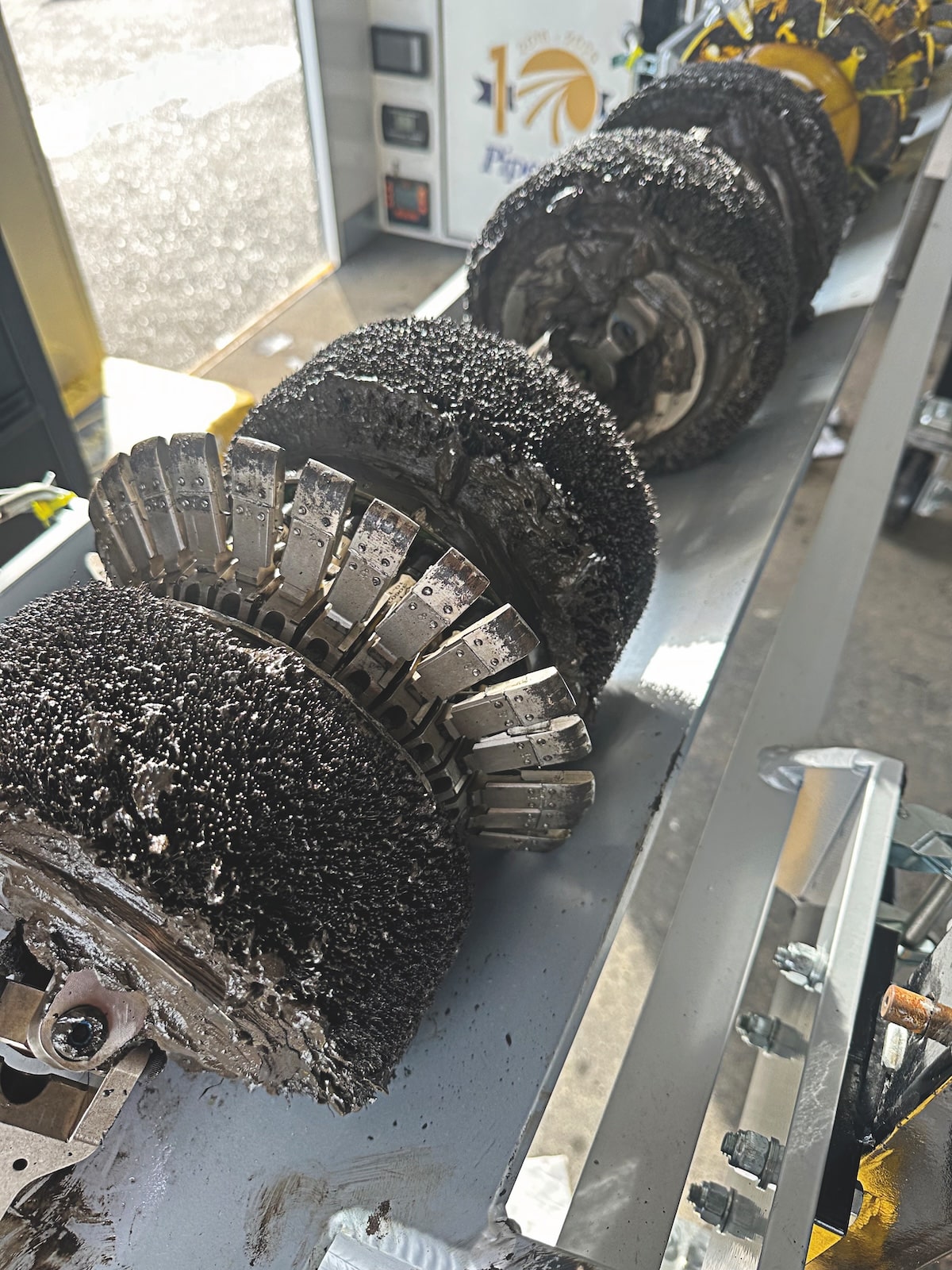
Is your pipeline ready for ILI?

In 60 seconds

Top move

Inline inspection prep failures are an immediate execution risk: poor cleaning or excess debris causes reruns, unplanned delays, and scope creep for contractors and buyers

Key takeaways

  • Inline inspection prep failures are an immediate execution risk: poor cleaning or excess debris causes reruns, unplanned delays, and scope creep for contractors and buyers.[1]
  • Large national plant fleets and specialised handling gear (vac-lift, attachments) reduce heavy‑lift mobilisation gaps but create short lead windows where suppliers can charge premiums for rapid mobilisation.[3]
  • Regulatory proposals to expand system operator intervention (AEMO Long‑Term Reliability tool) are creating directional commercial uncertainty that could make shippers postpone long‑term foundation contracts.[2]
  • Control and remote‑access modernization (cloud SCADA, new DCS/RTU rollouts) is accelerating; that raises operational acceptance and cyber dependency points buyers must contractually gate before mobilisation.[4]
  • Operationally, the combined signals mean procurement should prioritise validated mobilisation readiness (clean pipeline, certified welding/handling, OT acceptance) over price‑only decisions to avoid downstream rework and downtime.[1]

What changed since last run

  • Added operational supplier capability signal: Pipeline Plant Hire's published fleet and VacLift details indicate stronger onshore heavy‑pipe handling availability than previously noted (Article 1).
  • Added inspection readiness operational risk: Pipe Tek's guidance flags common ILI preparation failures that lead to reruns and added execution cost (Article 7).
  • Added regulatory directional risk: APGA commentary highlights LT‑RSA/AEMO proposals that may alter shipper contracting behaviour and foundation contract appetite (Article 3).

Key facts

  • Nationwide fleet with over 200 pieces of machinery
  • VacLift handles pipe up to 15 tonnes with cycle times under 40 seconds
  • More than 1,000 attachments available for hire
  • Listings include cloud‑based SCADA projects and multiple new DCS/RTU product announcements
  • Examples of Australian RTU expansion into NZ and large cloud SCADA deployments
  • Discussion of AEMO Long‑Term Reliability and Supply Adequacy proposals

Why it matters

Inline inspection prep failures are an immediate execution risk: poor cleaning or excess debris causes reruns, unplanned delays, and scope creep for contractors and buyers. Large national plant fleets and specialised handling gear (vac-lift, attachments) reduce heavy‑lift mobilisation gaps but create short lead windows where suppliers can charge premiums for rapid mobilisation. Regulatory proposals to expand system operator intervention (AEMO Long‑Term Reliability tool) are creating directional commercial uncertainty that could make shippers postpone long‑term foundation contracts. Control and remote‑access modernization (cloud SCADA, new DCS/RTU rollouts) is accelerating; that raises operational acceptance and cyber dependency points buyers must contractually gate before mobilisation

Cost / money

  • Rerun or extended cleaning for inline inspection converts fixed inspection line items into variable execution cost and may trigger contractor change orders.[1]
  • Tight mobilisation windows supported by niche lifting equipment can shift cost toward expedited mobilisation premiums or short‑notice freight if buyer does not reserve capacity.[3]
  • Regulatory uncertainty can increase the effective cost of capital for new gas infrastructure and may reduce buyers' willingness to commit to long‑term OCTG awards on the same terms.[2]

Supplier / commercial

  • Suppliers offering specialised plant and handling attachments gain leverage to shorten quote validity and enforce mobilisation surcharges when demand concentrates regionally.[3]
  • Inspection and cleaning service providers can convert prep complexity into add‑ons or phased scopes if buyers don't define pass/fail cleanliness criteria contractually.[1]
  • Vendors proposing cloud SCADA or remote commissioning create negotiation points around staged acceptance, OT access, and uptime guarantees that should be captured in commercial terms.[4]

Safety / operations

  • Faster mobilisation and heavy lifting (VacLift) reduce manual handling exposure but require certified operator competency and machine‑specific safety checks to avoid damage during assembly.[3][1]
  • Skipping proper pipeline preparation before ILI increases the chance of inspection tool hangups or incomplete runs, which can lead to unsafe remediation work and unplanned isolation events.[1]
  • Introducing cloud‑based control layers without staged OT acceptance raises third‑party uptime and cyber dependencies that can degrade operational availability during commissioning.[4]

What to watch

  • Watch for suppliers to shorten quote validity or add mobilisation surcharges as project schedules firm up; this behaviour often appears quickly as regional demand concentrates.[3]
  • Watch whether shippers delay committing to long‑term foundation contracts in response to AEMO intervention proposals — that could shift demand timing for OCTG awards.[2]
  • Watch vendor proposals that bundle remote commissioning without clear OT acceptance gates; these can transfer cyber and uptime risk to operations if not contractually managed.[4]

Top stories

Story 1The Australian PipelinerApr 27, 2026

Laying it on the line

Signal moderateSource-grounded

What happened

Pipeline Plant Hire published details of a large national fleet and specialised attachments that speed up pipe handling. The VacLift can lift heavy steel or polyethylene lengths in‑situ with cycle times under 40 seconds, materially reducing assembly labour and handling risk. This matters operationally because buyers can secure faster mobilisations if they lock plant windows, and should watch for suppliers shortening quote validity as demand concentrates

Buyer takeaway

Treat the supplier's fleet as a real capacity option to shorten execution windows, but secure mobilisation slots and pricing to avoid last‑minute premiums

Cost / money

Directional cost effect: faster on‑site handling lowers labour and damage costs but can drive mobilisation premiums if demand outstrips reserved capacity

Supplier / commercial

Suppliers with unique handling gear can demand tighter mobilization terms or surcharge mechanics; use reserved slots to regain leverage

Safety / operations

Mechanical lifting reduces manual handling exposure but requires operator certification and machine‑specific safety checks to prevent pipe damage

What to watch

Watch suppliers to shorten quote validity or add rapid‑mobilisation surcharges as project schedules firm up

Key facts

  • Nationwide fleet with over 200 pieces of machinery
  • VacLift handles pipe up to 15 tonnes with cycle times under 40 seconds
  • More than 1,000 attachments available for hire

Source excerpts

Pipeline Plant Hire machinery is designed to be simple, serviceable, and robust
Of recent, the supplier of plant machinery and construction services was a key presence on the Wentworth to Broken Hill Pipeline, the Gladstone LNG projects, Northern Network Alliance, BMA mine expansion in Emerald and the Southern Regional Water pipeline among several other high profile projects
“Working with manufacturers, suppliers, and our customers, we continue to provide improvement and innovations wherever we can
Story 2Processonline

Process control systems :: Process Online

Signal moderateSource-grounded

What happened

Process Online catalogues multiple recent control and telemetry rollouts, including cloud‑based SCADA projects and new DCS/RTU product releases. The coverage shows active supplier momentum in remote access and automation tools that integrate renewable and utility networks. Buyers should expect to see more proposals that bundle commissioning with cloud services and prepare OT acceptance gates accordingly

Buyer takeaway

Treat cloud SCADA and remote commissioning proposals as operational dependencies that require staged acceptance and vendor OT controls

Cost / money

Modernisation can shift costs into staged commissioning and vendor‑provided remote services which should be reflected in contract scopes

Supplier / commercial

Vendors may bundle software/remote access into service scopes; insist on SLAs and clear pass/fail technical gates to control liability

Safety / operations

Remote commissioning increases OT cyber and uptime dependency; untested remote access can degrade availability during early operations

What to watch

Watch proposals that lack staged OT acceptance or that rely on unmanaged third‑party gateways

Key facts

  • Listings include cloud‑based SCADA projects and multiple new DCS/RTU product announcements
  • Examples of Australian RTU expansion into NZ and large cloud SCADA deployments

Source excerpts

Cloud-based SCADA to integrate renewable energy sites 26 February, 2026 | Supplied by: Siemens Ltd Siemens has announced it will deliver one of Australia's largest cloud‍-‍based SCADA systems for renewable energy
Australian RTU technology expands into NZ 05 March, 2026 | Supplied by: CGI Australia CGI and Landis+Gyr bring Australian‍-‍made remote telemetry units to New Zealand to strengthen utility network resilience
Australian RTU technology expands into NZ 05 March, 2026 | Supplied by: CGI Australia CGI and Landis+Gyr bring Australian‍-‍made remote telemetry units to New Zealand to strengthen utility network resilience. Cloud-based SCADA to integrate renewable energy sites 26 February, 2026 | Supplied by: Siemens Ltd Siemens has announced it will deliver one of Australia's largest cloud‍-‍based SCADA systems for renewable energy
Story 3The Australian PipelinerApr 27, 2026

The regulatory avalanche

Signal moderateDirectional

What happened

APGA commentary highlights proposed policy changes allowing AEMO deeper intervention and investment in gas infrastructure through the Long‑Term Reliability tool. The piece argues this could change shipper incentives for long‑term foundation contracts and raises questions about investment confidence under evolving regulation. This is directional: procurement should monitor policy progress because it can influence contracting windows and supplier leverage on OCTG awards

Buyer takeaway

Treat regulatory proposals as a demand‑timing risk factor; sellers or shippers may defer long‑term commitments until policy clarity improves

Cost / money

Regulatory uncertainty can increase the cost of capital and push buyers toward shorter terms or higher risk premiums in supplier negotiations

Supplier / commercial

Shippers and major buyers may seek contractual optionality or break clauses; suppliers should expect renegotiation requests on long‑dated awards

Safety / operations

Not directly operational, but delayed investment can compress future execution windows and increase pressure on mobilisation and safety preparations

What to watch

Watch for delayed foundation contract awards or requests to shorten term lengths as policy consultations progress

Key facts

  • Discussion of AEMO Long‑Term Reliability and Supply Adequacy proposals
  • Reference to Form of Regulation Review powers that allow regulator‑initiated reviews

Source excerpts

This increases the cost of capital and reduces FID likelihood – exactly the opposite of the intended effect. The cost of getting it wrong Australia’s gas infrastructure has been built through private investment responding to market signals – a model that has delivered world-class reliability at competitive cost
First, shippers may delay or weaken foundation contracts in anticipation of AEMO support that could enhance their commercial position
And the upcoming Gas Market Review recommendations, particularly around domestic gas reservation, will offer the supply certainty that underpins long-term contracting
Story 4The Australian PipelinerApr 27, 2026

Is your pipeline ready for ILI?

Signal strongSource-grounded

What happened

Pipe Tek outlines common pipeline preparation failures that undermine inline inspection reliability, such as persistent debris during pigging and incorrect tool speed ranges. The most important operational detail is that insufficient cleaning usually forces reruns and additional cleaning work, which can blow the inspection budget and schedule. Buyers should enforce clear cleaning acceptance criteria and watch vendor‑reported pigging returns closely before tool mobilisation

Buyer takeaway

Treat ILI readiness as a contractual milestone with pass/fail cleaning metrics and remediation allocation to avoid unexpected reruns

Cost / money

Failing to define cleaning acceptance converts inspection line items into variable, contractor‑driven costs and may trigger claims

Supplier / commercial

Inspection contractors may propose phased scopes or remediation charges if cleanliness standards are absent; lock acceptance terms into bids

Safety / operations

Incomplete cleaning increases the likelihood of tool hangups and unplanned isolation or excavation work, raising safety and schedule risk

What to watch

Watch pigging return reports and insist on documented cleaning passes before tool mobilises; unprepared lines are a common source of overruns

Key facts

  • Large debris volumes on pigging runs indicate a line is not ready for ILI
  • Inspection tools require operation within a defined speed range to collect accurate data

Source excerpts

Pipe Tek Managing Director Myles Brannelly explains some of the common pitfalls when preparing a pipeline for inspection. Accurate inline inspection (ILI) data is the cornerstone of any effective integrity management program, but even the most advanced inspection tools can deliver poor results if the pipeline isn’t properly prepared
While the access to Enduro’s ILI systems and experience gives Pipe Tek an edge, Brannelly said that the success of any inspection program is determined before the tool enters a pipeline, starting with thorough cleaning and preparation. One of the most obvious indicators that a pipeline isn’t ready for ILI is the volume of debris returned during pigging runs
“If cleaning pigs can’t travel smoothly, an ILI tool is unlikely to perform optimally,” said Brannelly. “Consistent speed during preparation runs is one of the strongest indicators of inspection readiness

VP Snapshot

Executive Risk & Action View

Inline inspection prep failures are an immediate execution risk: poor cleaning or excess debris causes reruns, unplanned delays, and scope creep for contractors and buyers.

Overall
53
Cost
79
Supply
43
Schedule
74
Compliance
15

Top signals

30-180dcost

Signal 1: Cost / money

Rerun or extended cleaning for inline inspection converts fixed inspection line items into variable execution cost and may trigger contractor change orders.

Signal 2: Cost / money

Tight mobilisation windows supported by niche lifting equipment can shift cost toward expedited mobilisation premiums or short‑notice freight if buyer does not reserve capacity.

Signal 3: Cost / money

Regulatory uncertainty can increase the effective cost of capital for new gas infrastructure and may reduce buyers' willingness to commit to long‑term OCTG awards on the same terms.

30-180dcommercial

Signal 4: Supplier / commercial

Suppliers offering specialised plant and handling attachments gain leverage to shorten quote validity and enforce mobilisation surcharges when demand concentrates regionally.

Signal 5: Supplier / commercial

Inspection and cleaning service providers can convert prep complexity into add‑ons or phased scopes if buyers don't define pass/fail cleanliness criteria contractually.

30-180dschedule

Signal 6: Supplier / commercial

Vendors proposing cloud SCADA or remote commissioning create negotiation points around staged acceptance, OT access, and uptime guarantees that should be captured in commercial terms.

Recommended actions

CategoryDue 3d

Verify inspection‑prep acceptance criteria in all active ILI RFQs and orders.

All active ILI contracts include pass/fail pigging return standards and remediation responsibilities before tool deployment.

ContractsDue 3d

Confirm availability and mobilisation windows for specialist plant (vac‑lift and attachments) with primary suppliers in target regions.

Rostered suppliers with confirmed mobilisation windows and stated surcharge mechanics for rapid call‑offs.

OpsDue 21d

Require staged OT acceptance and minimum cyber controls in RFQs where cloud SCADA or remote access is proposed.

RFQs and shortlisted vendor templates include staged OT acceptance gates and a supplier OT questionnaire for technical sign‑off.

ContractsDue 21d

Negotiate cleaning and ILI readiness as a defined contract milestone with explicit remediation cost allocation.

Contracts include a cleanliness milestone with remediation liability and acceptance testing before ILI mobilises.

CategoryDue 60d

Review long‑term OCTG contracting posture and include optional reserved mobilisation slots or depot allocations in preferred‑supplier agreements.

Preferred‑supplier agreements that offer reserved mobilisation options or depot allocations to reduce short‑notice freight exposure.

ContractsDue 60d

Update standard contract templates to capture mobilisation surcharges, quote‑validity mechanics, and OT acceptance gates.

Contract templates include mobilisation surcharge triggers, defined quote validity periods, and staged OT acceptance clauses for future awards.

Risk register

RiskTriggerMitigation
Watch for suppliers to shorten quote validity or add mobilisation surcharges as project schedules firm up; this behaviour often appears quickly as regional demand concentrates.Watch for suppliers to shorten quote validity or add mobilisation surcharges as project schedules firm up; this behaviour often appears quickly as regional demand concentrates.Confirm exposure with category, contracts, and operations before the next supplier commitment.
Watch whether shippers delay committing to long‑term foundation contracts in response to AEMO intervention proposals — that could shift demand timing for OCTG awards.Watch whether shippers delay committing to long‑term foundation contracts in response to AEMO intervention proposals — that could shift demand timing for OCTG awards.Confirm exposure with category, contracts, and operations before the next supplier commitment.
Watch vendor proposals that bundle remote commissioning without clear OT acceptance gates; these can transfer cyber and uptime risk to operations if not contractually managed.Watch vendor proposals that bundle remote commissioning without clear OT acceptance gates; these can transfer cyber and uptime risk to operations if not contractually managed.Confirm exposure with category, contracts, and operations before the next supplier commitment.

CM Snapshot

Category Manager Decision Detail

Today's priorities

Verify inspection‑prep acceptance criteria in all active ILI RFQs and orders.

because Pipe Tek warns that inadequate cleaning leads to reruns and scope creep; defining acceptance criteria prevents later change orders and re‑cleaning costs.

Due 3d

high

CM move

Use this as the immediate supplier or contract action to move before the next sourcing gate.

Confirm availability and mobilisation windows for specialist plant (vac‑lift and attachments) with primary suppliers in target regions.

because Pipeline Plant Hire's fleet characteristics mean suppliers can meet demand but may narrow mobilization windows and charge premiums if not reserved.

Due 3d

high

CM move

Use this as the immediate supplier or contract action to move before the next sourcing gate.

Require staged OT acceptance and minimum cyber controls in RFQs where cloud SCADA or remote access is proposed.

because Process Online coverage shows cloud‑based SCADA rollouts increase OT dependency and buyers need staged acceptance to protect uptime and security.

Due 21d

high

CM move

Use this as the immediate supplier or contract action to move before the next sourcing gate.

Negotiate cleaning and ILI readiness as a defined contract milestone with explicit remediation cost allocation.

because inspection contractors can force reruns if lines are not clean, and allocating remediation responsibility reduces scope disputes and unexpected spend.

Due 21d

high

CM move

Use this as the immediate supplier or contract action to move before the next sourcing gate.

Supplier radar

The Australian Pipeliner

high

Observed supplier signal

Suppliers offering specialised plant and handling attachments gain leverage to shorten quote validity and enforce mobilisation surcharges when demand concentrates regionally.

Commercial implication

Suppliers offering specialised plant and handling attachments gain leverage to shorten quote validity and enforce mobilisation surcharges when demand concentrates regionally.

Next step: Validate the source-backed signal with incumbents and alternates before the next award or pricing decision.

The Australian Pipeliner

high

Observed supplier signal

Inspection and cleaning service providers can convert prep complexity into add‑ons or phased scopes if buyers don't define pass/fail cleanliness criteria contractually.

Commercial implication

Inspection and cleaning service providers can convert prep complexity into add‑ons or phased scopes if buyers don't define pass/fail cleanliness criteria contractually.

Next step: Validate the source-backed signal with incumbents and alternates before the next award or pricing decision.

Processonline

high

Observed supplier signal

Vendors proposing cloud SCADA or remote commissioning create negotiation points around staged acceptance, OT access, and uptime guarantees that should be captured in commercial terms.

Commercial implication

Vendors proposing cloud SCADA or remote commissioning create negotiation points around staged acceptance, OT access, and uptime guarantees that should be captured in commercial terms.

Next step: Validate the source-backed signal with incumbents and alternates before the next award or pricing decision.

Negotiation levers

Verify inspection‑prep acceptance criteria in all active ILI RFQs and orders.

When to use: because Pipe Tek warns that inadequate cleaning leads to reruns and scope creep; defining acceptance criteria prevents later change orders and re‑cleaning costs.

Expected outcome: All active ILI contracts include pass/fail pigging return standards and remediation responsibilities before tool deployment.

Commercial mechanism to carry into the next supplier conversation

Confirm availability and mobilisation windows for specialist plant (vac‑lift and attachments) with primary suppliers in target regions.

When to use: because Pipeline Plant Hire's fleet characteristics mean suppliers can meet demand but may narrow mobilization windows and charge premiums if not reserved.

Expected outcome: Rostered suppliers with confirmed mobilisation windows and stated surcharge mechanics for rapid call‑offs.

Commercial mechanism to carry into the next supplier conversation

Require staged OT acceptance and minimum cyber controls in RFQs where cloud SCADA or remote access is proposed.

When to use: because Process Online coverage shows cloud‑based SCADA rollouts increase OT dependency and buyers need staged acceptance to protect uptime and security.

Expected outcome: RFQs and shortlisted vendor templates include staged OT acceptance gates and a supplier OT questionnaire for technical sign‑off.

Commercial mechanism to carry into the next supplier conversation

Negotiate cleaning and ILI readiness as a defined contract milestone with explicit remediation cost allocation.

When to use: because inspection contractors can force reruns if lines are not clean, and allocating remediation responsibility reduces scope disputes and unexpected spend.

Expected outcome: Contracts include a cleanliness milestone with remediation liability and acceptance testing before ILI mobilises.

Commercial mechanism to carry into the next supplier conversation

Talking points

Inline inspection prep failures are an immediate execution risk: poor cleaning or excess debris causes reruns, unplanned delays, and scope creep for contractors and buyers.
Large national plant fleets and specialised handling gear (vac-lift, attachments) reduce heavy‑lift mobilisation gaps but create short lead windows where suppliers can charge premiums for rapid mobilisation.
Regulatory proposals to expand system operator intervention (AEMO Long‑Term Reliability tool) are creating directional commercial uncertainty that could make shippers postpone long‑term foundation contracts.
Control and remote‑access modernization (cloud SCADA, new DCS/RTU rollouts) is accelerating; that raises operational acceptance and cyber dependency points buyers must contractually gate before mobilisation.

Supplier radar

SupplierSignalImplicationNext stepConfidence
The Australian PipelinerSuppliers offering specialised plant and handling attachments gain leverage to shorten quote validity and enforce mobilisation surcharges when demand concentrates regionally.Suppliers offering specialised plant and handling attachments gain leverage to shorten quote validity and enforce mobilisation surcharges when demand concentrates regionally.Validate the source-backed signal with incumbents and alternates before the next award or pricing decision.high
The Australian PipelinerInspection and cleaning service providers can convert prep complexity into add‑ons or phased scopes if buyers don't define pass/fail cleanliness criteria contractually.Inspection and cleaning service providers can convert prep complexity into add‑ons or phased scopes if buyers don't define pass/fail cleanliness criteria contractually.Validate the source-backed signal with incumbents and alternates before the next award or pricing decision.high
ProcessonlineVendors proposing cloud SCADA or remote commissioning create negotiation points around staged acceptance, OT access, and uptime guarantees that should be captured in commercial terms.Vendors proposing cloud SCADA or remote commissioning create negotiation points around staged acceptance, OT access, and uptime guarantees that should be captured in commercial terms.Validate the source-backed signal with incumbents and alternates before the next award or pricing decision.high

Negotiation levers

  • Verify inspection‑prep acceptance criteria in all active ILI RFQs and orders.because Pipe Tek warns that inadequate cleaning leads to reruns and scope creep; defining acceptance criteria prevents later change orders and re‑cleaning costs.All active ILI contracts include pass/fail pigging return standards and remediation responsibilities before tool deployment.

    high confidence

  • Confirm availability and mobilisation windows for specialist plant (vac‑lift and attachments) with primary suppliers in target regions.because Pipeline Plant Hire's fleet characteristics mean suppliers can meet demand but may narrow mobilization windows and charge premiums if not reserved.Rostered suppliers with confirmed mobilisation windows and stated surcharge mechanics for rapid call‑offs.

    high confidence

  • Require staged OT acceptance and minimum cyber controls in RFQs where cloud SCADA or remote access is proposed.because Process Online coverage shows cloud‑based SCADA rollouts increase OT dependency and buyers need staged acceptance to protect uptime and security.RFQs and shortlisted vendor templates include staged OT acceptance gates and a supplier OT questionnaire for technical sign‑off.

    high confidence

  • Negotiate cleaning and ILI readiness as a defined contract milestone with explicit remediation cost allocation.because inspection contractors can force reruns if lines are not clean, and allocating remediation responsibility reduces scope disputes and unexpected spend.Contracts include a cleanliness milestone with remediation liability and acceptance testing before ILI mobilises.

    high confidence

What to do / What to watch

What to do now

  • Verify inspection‑prep acceptance criteria in all active ILI RFQs and orders.

    Why: because Pipe Tek warns that inadequate cleaning leads to reruns and scope creep; defining acceptance criteria prevents later change orders and re‑cleaning costs.

    Owner: Category

    Expected outcome: All active ILI contracts include pass/fail pigging return standards and remediation responsibilities before tool deployment.

    [1]
  • Confirm availability and mobilisation windows for specialist plant (vac‑lift and attachments) with primary suppliers in target regions.

    Why: because Pipeline Plant Hire's fleet characteristics mean suppliers can meet demand but may narrow mobilization windows and charge premiums if not reserved.

    Owner: Contracts

    Expected outcome: Rostered suppliers with confirmed mobilisation windows and stated surcharge mechanics for rapid call‑offs.

    [3]

Next few weeks

  • Require staged OT acceptance and minimum cyber controls in RFQs where cloud SCADA or remote access is proposed.

    Why: because Process Online coverage shows cloud‑based SCADA rollouts increase OT dependency and buyers need staged acceptance to protect uptime and security.

    Owner: Ops

    Expected outcome: RFQs and shortlisted vendor templates include staged OT acceptance gates and a supplier OT questionnaire for technical sign‑off.

    [4]
  • Negotiate cleaning and ILI readiness as a defined contract milestone with explicit remediation cost allocation.

    Why: because inspection contractors can force reruns if lines are not clean, and allocating remediation responsibility reduces scope disputes and unexpected spend.

    Owner: Contracts

    Expected outcome: Contracts include a cleanliness milestone with remediation liability and acceptance testing before ILI mobilises.

    [1]

Longer view

  • Review long‑term OCTG contracting posture and include optional reserved mobilisation slots or depot allocations in preferred‑supplier agreements.

    Why: because tighter regional demand and possible shifts in investment timing from regulatory proposals increase mobilisation and availability risk for OCTG awards.

    Owner: Category

    Expected outcome: Preferred‑supplier agreements that offer reserved mobilisation options or depot allocations to reduce short‑notice freight exposure.

    [2]
  • Update standard contract templates to capture mobilisation surcharges, quote‑validity mechanics, and OT acceptance gates.

    Why: because supplier behaviour around short validity and remote commissioning is appearing and standard clauses simplify negotiation and enforceable gates.

    Owner: Contracts

    Expected outcome: Contract templates include mobilisation surcharge triggers, defined quote validity periods, and staged OT acceptance clauses for future awards.

    [3]

What to watch

  • Watch for suppliers to shorten quote validity or add mobilisation surcharges as project schedules firm up; this behaviour often appears quickly as regional demand concentrates
  • Watch whether shippers delay committing to long‑term foundation contracts in response to AEMO intervention proposals — that could shift demand timing for OCTG awards
  • Watch vendor proposals that bundle remote commissioning without clear OT acceptance gates; these can transfer cyber and uptime risk to operations if not contractually managed
  • Watch for suppliers to shorten quote validity or add mobilisation surcharges as project schedules firm up; this behaviour often appears quickly as regional demand concentrates.: Watch for suppliers to shorten quote validity or add mobilisation surcharges as project schedules firm up; this behaviour often appears quickly as regional demand concentrates
  • Watch whether shippers delay committing to long‑term foundation contracts in response to AEMO intervention proposals — that could shift demand timing for OCTG awards.: Watch whether shippers delay committing to long‑term foundation contracts in response to AEMO intervention proposals — that could shift demand timing for OCTG awards
  • Watch vendor proposals that bundle remote commissioning without clear OT acceptance gates; these can transfer cyber and uptime risk to operations if not contractually managed.: Watch vendor proposals that bundle remote commissioning without clear OT acceptance gates; these can transfer cyber and uptime risk to operations if not contractually managed
  • Inline inspection prep failures are an immediate execution risk: poor cleaning or excess debris causes reruns, unplanned delays, and scope creep for contractors and buyers
  • Large national plant fleets and specialised handling gear (vac-lift, attachments) reduce heavy‑lift mobilisation gaps but create short lead windows where suppliers can charge premiums for rapid mobilisation

Market pulse

IndexLatestChangeAs of
HRC Steel (HRC)740 /ton+0.00 (+0.00%)May 3, 2026, 10:10 PM
Copper (COPPER)3.85 /lb+0.00 (+0.00%)May 3, 2026, 10:10 PM
Iron Ore (IRON)108.5 /t+0.00 (+0.00%)May 3, 2026, 10:10 PM
Tenaris (TS)32 +0.00 (+0.00%)May 3, 2026, 10:10 PM
  • HRC Steel: Hot‑rolled coil (HRC) steel price pressure feeds through to OCTG raw‑material cost and fabricator pass‑through risk, increasing importance of mobilisation and reserved stock
  • Tenaris: Tenaris and other OCTG supplier indicators reflect supplier pricing posture and availability dynamics relevant for long‑term contracting posture

Sources

Inline citations jump here. Expand a source to read the excerpt, the AI interpretation, and the original link.

[1] Is your pipeline ready for ILI?

pipeliner.com.au · Apr 27, 2026

Expand

AI reading

Pipe Tek outlines common pipeline preparation failures that undermine inline inspection reliability, such as persistent debris during pigging and incorrect tool speed ranges. The most important operational detail is that insufficient cleaning usually forces reruns and additional cleaning work, which can blow the inspection budget and schedule. Buyers should enforce clear cleaning acceptance criteria and watch vendor‑reported pigging returns closely before tool mobilisation

Buyer takeaway

Treat ILI readiness as a contractual milestone with pass/fail cleaning metrics and remediation allocation to avoid unexpected reruns

Cost / money

Failing to define cleaning acceptance converts inspection line items into variable, contractor‑driven costs and may trigger claims

Supplier / commercial

Inspection contractors may propose phased scopes or remediation charges if cleanliness standards are absent; lock acceptance terms into bids

Safety / operations

Incomplete cleaning increases the likelihood of tool hangups and unplanned isolation or excavation work, raising safety and schedule risk

What to watch

Watch pigging return reports and insist on documented cleaning passes before tool mobilises; unprepared lines are a common source of overruns

Key facts

  • Large debris volumes on pigging runs indicate a line is not ready for ILI
  • Inspection tools require operation within a defined speed range to collect accurate data

Source excerpts

Pipe Tek Managing Director Myles Brannelly explains some of the common pitfalls when preparing a pipeline for inspection. Accurate inline inspection (ILI) data is the cornerstone of any effective integrity management program, but even the most advanced inspection tools can deliver poor results if the pipeline isn’t properly prepared
While the access to Enduro’s ILI systems and experience gives Pipe Tek an edge, Brannelly said that the success of any inspection program is determined before the tool enters a pipeline, starting with thorough cleaning and preparation. One of the most obvious indicators that a pipeline isn’t ready for ILI is the volume of debris returned during pigging runs
“If cleaning pigs can’t travel smoothly, an ILI tool is unlikely to perform optimally,” said Brannelly. “Consistent speed during preparation runs is one of the strongest indicators of inspection readiness

Used in this brief

  • Cost / money: Rerun or extended cleaning for inline inspection converts fixed inspection line items into variable execution cost and may trigger contractor change orders
  • Safety / operations: Skipping proper pipeline preparation before ILI increases the chance of inspection tool hangups or incomplete runs, which can lead to unsafe remediation work and unplanned isolation events
  • Next 72 hours — Verify inspection‑prep acceptance criteria in all active ILI RFQs and orders.. Rationale: because Pipe Tek warns that inadequate cleaning leads to reruns and scope creep; defining acceptance criteria prevents later change orders and re‑cleaning costs.. Owner: Category. KPI: All active ILI contracts include pass/fail pigging return standards and remediation responsibilities before tool deployment
Open original source

[2] The regulatory avalanche

pipeliner.com.au · Apr 27, 2026

Expand

AI reading

APGA commentary highlights proposed policy changes allowing AEMO deeper intervention and investment in gas infrastructure through the Long‑Term Reliability tool. The piece argues this could change shipper incentives for long‑term foundation contracts and raises questions about investment confidence under evolving regulation. This is directional: procurement should monitor policy progress because it can influence contracting windows and supplier leverage on OCTG awards

Buyer takeaway

Treat regulatory proposals as a demand‑timing risk factor; sellers or shippers may defer long‑term commitments until policy clarity improves

Cost / money

Regulatory uncertainty can increase the cost of capital and push buyers toward shorter terms or higher risk premiums in supplier negotiations

Supplier / commercial

Shippers and major buyers may seek contractual optionality or break clauses; suppliers should expect renegotiation requests on long‑dated awards

Safety / operations

Not directly operational, but delayed investment can compress future execution windows and increase pressure on mobilisation and safety preparations

What to watch

Watch for delayed foundation contract awards or requests to shorten term lengths as policy consultations progress

Key facts

  • Discussion of AEMO Long‑Term Reliability and Supply Adequacy proposals
  • Reference to Form of Regulation Review powers that allow regulator‑initiated reviews

Source excerpts

This increases the cost of capital and reduces FID likelihood – exactly the opposite of the intended effect. The cost of getting it wrong Australia’s gas infrastructure has been built through private investment responding to market signals – a model that has delivered world-class reliability at competitive cost
First, shippers may delay or weaken foundation contracts in anticipation of AEMO support that could enhance their commercial position
And the upcoming Gas Market Review recommendations, particularly around domestic gas reservation, will offer the supply certainty that underpins long-term contracting

Used in this brief

  • Cost / money: Regulatory uncertainty can increase the effective cost of capital for new gas infrastructure and may reduce buyers' willingness to commit to long‑term OCTG awards on the same terms
  • What to watch: Watch whether shippers delay committing to long‑term foundation contracts in response to AEMO intervention proposals — that could shift demand timing for OCTG awards
  • Next quarter — Review long‑term OCTG contracting posture and include optional reserved mobilisation slots or depot allocations in preferred‑supplier agreements.. Rationale: because tighter regional demand and possible shifts in investment timing from regulatory proposals increase mobilisation and availability risk for OCTG awards.. Owner: Category. KPI: Preferred‑supplier agreements that offer reserved mobilisation options or depot allocations to reduce short‑notice freight exposure
Open original source

[3] Laying it on the line

pipeliner.com.au · Apr 27, 2026

Expand

AI reading

Pipeline Plant Hire published details of a large national fleet and specialised attachments that speed up pipe handling. The VacLift can lift heavy steel or polyethylene lengths in‑situ with cycle times under 40 seconds, materially reducing assembly labour and handling risk. This matters operationally because buyers can secure faster mobilisations if they lock plant windows, and should watch for suppliers shortening quote validity as demand concentrates

Buyer takeaway

Treat the supplier's fleet as a real capacity option to shorten execution windows, but secure mobilisation slots and pricing to avoid last‑minute premiums

Cost / money

Directional cost effect: faster on‑site handling lowers labour and damage costs but can drive mobilisation premiums if demand outstrips reserved capacity

Supplier / commercial

Suppliers with unique handling gear can demand tighter mobilization terms or surcharge mechanics; use reserved slots to regain leverage

Safety / operations

Mechanical lifting reduces manual handling exposure but requires operator certification and machine‑specific safety checks to prevent pipe damage

What to watch

Watch suppliers to shorten quote validity or add rapid‑mobilisation surcharges as project schedules firm up

Key facts

  • Nationwide fleet with over 200 pieces of machinery
  • VacLift handles pipe up to 15 tonnes with cycle times under 40 seconds
  • More than 1,000 attachments available for hire

Source excerpts

Pipeline Plant Hire machinery is designed to be simple, serviceable, and robust
Of recent, the supplier of plant machinery and construction services was a key presence on the Wentworth to Broken Hill Pipeline, the Gladstone LNG projects, Northern Network Alliance, BMA mine expansion in Emerald and the Southern Regional Water pipeline among several other high profile projects
“Working with manufacturers, suppliers, and our customers, we continue to provide improvement and innovations wherever we can

Used in this brief

  • Next 72 hours — Confirm availability and mobilisation windows for specialist plant (vac‑lift and attachments) with primary suppliers in target regions.. Rationale: because Pipeline Plant Hire's fleet characteristics mean suppliers can meet demand but may narrow mobilization windows and charge premiums if not reserved.. Owner: Contracts. KPI: Rostered suppliers with confirmed mobilisation windows and stated surcharge mechanics for rapid call‑offs
  • Next quarter — Update standard contract templates to capture mobilisation surcharges, quote‑validity mechanics, and OT acceptance gates.. Rationale: because supplier behaviour around short validity and remote commissioning is appearing and standard clauses simplify negotiation and enforceable gates.. Owner: Contracts. KPI: Contract templates include mobilisation surcharge triggers, defined quote validity periods, and staged OT acceptance clauses for future awards
  • Watch for suppliers to shorten quote validity or add mobilisation surcharges as project schedules firm up; this behaviour often appears quickly as regional demand concentrates
Open original source

[4] Process control systems :: Process Online

processonline.com.au · n.d.

Expand

AI reading

Process Online catalogues multiple recent control and telemetry rollouts, including cloud‑based SCADA projects and new DCS/RTU product releases. The coverage shows active supplier momentum in remote access and automation tools that integrate renewable and utility networks. Buyers should expect to see more proposals that bundle commissioning with cloud services and prepare OT acceptance gates accordingly

Buyer takeaway

Treat cloud SCADA and remote commissioning proposals as operational dependencies that require staged acceptance and vendor OT controls

Cost / money

Modernisation can shift costs into staged commissioning and vendor‑provided remote services which should be reflected in contract scopes

Supplier / commercial

Vendors may bundle software/remote access into service scopes; insist on SLAs and clear pass/fail technical gates to control liability

Safety / operations

Remote commissioning increases OT cyber and uptime dependency; untested remote access can degrade availability during early operations

What to watch

Watch proposals that lack staged OT acceptance or that rely on unmanaged third‑party gateways

Key facts

  • Listings include cloud‑based SCADA projects and multiple new DCS/RTU product announcements
  • Examples of Australian RTU expansion into NZ and large cloud SCADA deployments

Source excerpts

Cloud-based SCADA to integrate renewable energy sites 26 February, 2026 | Supplied by: Siemens Ltd Siemens has announced it will deliver one of Australia's largest cloud‍-‍based SCADA systems for renewable energy
Australian RTU technology expands into NZ 05 March, 2026 | Supplied by: CGI Australia CGI and Landis+Gyr bring Australian‍-‍made remote telemetry units to New Zealand to strengthen utility network resilience
Australian RTU technology expands into NZ 05 March, 2026 | Supplied by: CGI Australia CGI and Landis+Gyr bring Australian‍-‍made remote telemetry units to New Zealand to strengthen utility network resilience. Cloud-based SCADA to integrate renewable energy sites 26 February, 2026 | Supplied by: Siemens Ltd Siemens has announced it will deliver one of Australia's largest cloud‍-‍based SCADA systems for renewable energy

Used in this brief

  • Next 2-4 weeks — Require staged OT acceptance and minimum cyber controls in RFQs where cloud SCADA or remote access is proposed.. Rationale: because Process Online coverage shows cloud‑based SCADA rollouts increase OT dependency and buyers need staged acceptance to protect uptime and security.. Owner: Ops. KPI: RFQs and shortlisted vendor templates include staged OT acceptance gates and a supplier OT questionnaire for technical sign‑off
  • Watch vendor proposals that bundle remote commissioning without clear OT acceptance gates; these can transfer cyber and uptime risk to operations if not contractually managed
  • Process Online catalogues multiple recent control and telemetry rollouts, including cloud‑based SCADA projects and new DCS/RTU product releases. The coverage shows active supplier momentum in remote access and automation tools that integrate renewable and utility networks. Buyers should expect to see more proposals that bundle commissioning with cloud services and prepare OT acceptance gates accordingly
Open original source

[5] HRC Steel

cmegroup.com · n.d.

Expand

[6] Tenaris

finance.yahoo.com · n.d.

Expand