Rigs & Integrated Drilling · Australia (Perth)

Anticipate Mobilisation Pressure as Shipping and EPCI Activity Tighten Supply

Published May 4, 2026, 6:02 AM AWSTAPACFull category signal
Ask AI
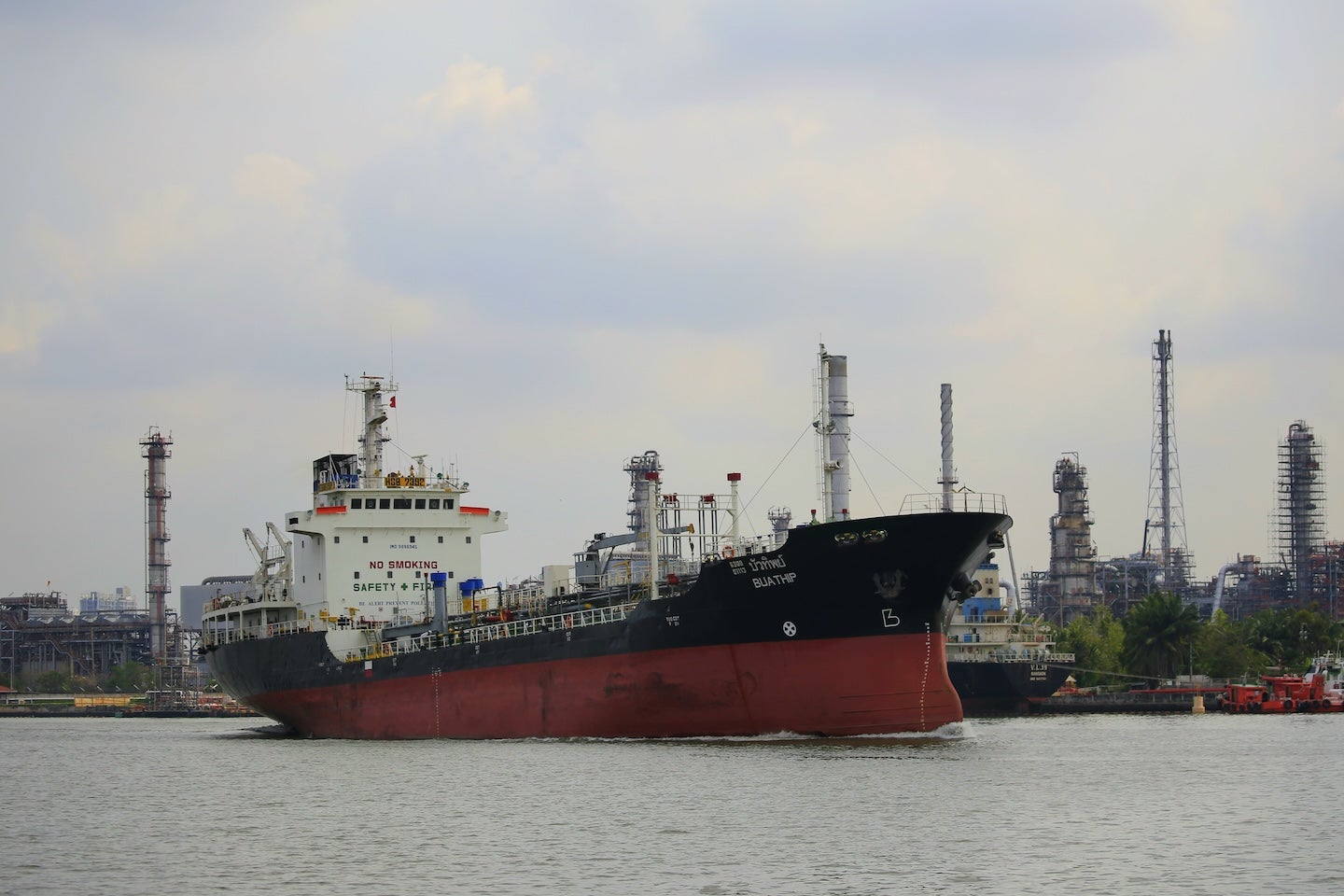
Top 20 themes shaping the oil and gas industry in 2026 - Offshore Technology

In 60 seconds

Top move

Shipping bottlenecks around the Strait of Hormuz are already changing transit patterns and raising freight and fuel cost risk that feed directly into APAC mobilisation budgets

Key takeaways

  • Shipping bottlenecks around the Strait of Hormuz are already changing transit patterns and raising freight and fuel cost risk that feed directly into APAC mobilisation budgets.[4]
  • Large integrated EPCI awards show major suppliers are bundling engineering, procurement and installation work, which reduces the pool of standalone specialists available to support rig campaigns.[2]
  • Active cable-lay and subsea campaigns in the region are occupying cable‑lay vessels and ROV-equipped assets, tightening short-term marine availability for rig-support tasks.[1]
  • Higher oil prices are shifting Australia’s fiscal and operator cashflow picture, a dynamic that can accelerate project timelines and change contracting cadence across APAC.[3]
  • Combined, these signals raise the probability suppliers shorten quote validity or add reservation/cancellation fees for mobilisations — currently an emerging behavior to monitor.[1]

What changed since last run

  • Added explicit shipping-chokepoint risk from the Strait of Hormuz as a new macro trigger affecting APAC mobilisation and freight exposure (Article 1).
  • Flagged vessel and ROV tasking pressure from Taiwan cable-lay campaigns as a near-term constraint on CLV/ROV availability for rig support (Article 11).
  • Highlighted integrated EPCI awards as a supply-side consolidation risk that can reduce specialist subcontractor competition for drilling support scopes (Article 2).

Key facts

  • Report identifies Strait of Hormuz maritime throttling as a top industry theme
  • Notes a material price and supply impact tied to renewed conflict
  • EPCI award covers engineering, procurement, construction and installation scopes
  • Reported contract value described in a substantial multimillion-dollar band
  • Two export cables installed and wet stored (long-run lengths)
  • Vessel to proceed to trenching, protection and later pull‑in when offshore platform is ready

Why it matters

Shipping bottlenecks around the Strait of Hormuz are already changing transit patterns and raising freight and fuel cost risk that feed directly into APAC mobilisation budgets. Large integrated EPCI awards show major suppliers are bundling engineering, procurement and installation work, which reduces the pool of standalone specialists available to support rig campaigns. Active cable-lay and subsea campaigns in the region are occupying cable‑lay vessels and ROV-equipped assets, tightening short-term marine availability for rig-support tasks. Higher oil prices are shifting Australia’s fiscal and operator cashflow picture, a dynamic that can accelerate project timelines and change contracting cadence across APAC

Cost / money

  • Freight reroutes and longer voyages from Middle East shipping disruption increase fuel and transit charges that suppliers are likely to pass through into mobilisation budgets.[4]
  • Higher utilization of cable‑lay and ROV vessels during regional campaigns puts upward pressure on day rates for marine assets that rigs rely on for support work.[1]
  • Stronger commodity prices in Australia improve government receipts and can shorten operator spend lead times, creating timing-driven cost exposure in procurement windows.[3]

Supplier / commercial

  • Integrated EPCI contractors can internalize scopes (engineering to installation), reducing available subcontracting opportunities and weakening buyer leverage on specialist services.[2]
  • Marine and subsea suppliers may start requiring deposits, reservation fees or shorter quote validity to hold critical CLV/ROV time as calendars tighten.[1]
  • Operators and buyers should expect more firmed-up mobilisation terms from suppliers — think booking windows and cancellation clauses — as a standard commercial response.[2]

Safety / operations

  • Compressed mobilisation windows and shared vessel tasking increase the chance equipment or crews deploy without full site-specific readiness checks, raising HSE exposure during lifts and subsea operations.[1][4]
  • Concurrent cable-lay and drilling activities raise deconfliction needs (transit plans, exclusion zones, sequencing); failure to coordinate increases stoppage and near-miss risk.[1][2]

What to watch

  • Watch supplier RFQs for insertion of reservation or cancellation fees and markedly shorter quote validity periods — this is an early indicator that mobilisation leverage is shifting.[1]
  • Watch whether Strait-of-Hormuz disruptions persist; if they do, expect ongoing reroutes that materially change ETAs and cost bases for APAC mobilisations.[4]

Top stories

Story 1Offshore TechnologyApr 30, 2026

Top 20 themes shaping the oil and gas industry in 2026 - Offshore Technology

Signal strongSource-grounded

What happened

GlobalData’s thematic review flags the renewed Middle East conflict and Strait of Hormuz disruptions as a primary theme affecting oil & gas supply chains. The operational impact is that maritime throttling forces reroutes and longer transit times, which directly raises freight and mobilisation cost risk for APAC projects. Watch whether the shipping choke point normalises or sustains — persistence increases supplier pass-through behavior and scheduling pressure

Buyer takeaway

Factor shipping‑chokepoint risk into mobilisation lead times and freight assumptions because reroutes materially change ETA and fuel costs

Cost / money

Directional upward pressure on freight and transit pass‑throughs to buyer budgets as shipping detours increase voyage time

Supplier / commercial

Suppliers with secured vessel slots gain leverage to shorten quote windows or require deposits for bookings

Safety / operations

Longer transits can increase crew fatigue and reduce weather margins for offshore lifts, raising HSE focus needs

What to watch

Monitor supplier contract language for added reservation fees or shortened quote validity tied to transit risk

Key facts

  • Report identifies Strait of Hormuz maritime throttling as a top industry theme
  • Notes a material price and supply impact tied to renewed conflict

Source excerpts

The renewed conflict in the Middle East has led to a spike in oil and gas prices, as well as throttling maritime traffic through the Strait of Hormuz. It vastly disrupted energy supplies through the Persian Gulf, with oil prices spiking around 44% above their pre-war levels in March 2026
The Iran conflict and the resultant supply chain disruptions arising from the Strait of Hormuz blockade are expected to be the key themes impacting the oil and gas industry in 2026. The renewed conflict in the Middle East has led to a spike in oil and gas prices, as well as throttling maritime traffic through the Strait of Hormuz
However, it is unclear if these efforts will be enough to meet their energy needs, as it could take months to re-establish steady export volumes through this choke point
Story 2Offshore EnergyMay 1, 2026

Subsea7, OneSubsea take on multimillion-dollar job at ExxonMobil’s Angolan oil project

Signal moderateSource-grounded

What happened

Subsea7 and OneSubsea were awarded a sizeable EPCI package on ExxonMobil’s Angolan project, covering engineering through installation. The key operational detail is the integrated delivery model and contract scale, which demonstrates how large suppliers can bundle scopes and capture specialist work that otherwise feeds the drilling ecosystem. Watch for parallel integrated awards in APAC that could pull specialist subcontractor capacity away from rig support

Buyer takeaway

Reassess which scopes must stay competitive versus those likely to be bundled by large suppliers because bundling reduces specialist marketplace competition

Cost / money

Bundling can remove alternative suppliers and put upward pressure on subcontract pricing for remaining specialists

Supplier / commercial

Large EPCI players may negotiate single‑point delivery terms that reduce buyer bargaining leverage on discrete services

Safety / operations

Integrated delivery can improve coordination but concentrates execution risk; maintain independent QA checkpoints

What to watch

Track integrated award patterns in APAC and identify scopes at risk of being absorbed into larger packages

Key facts

  • EPCI award covers engineering, procurement, construction and installation scopes
  • Reported contract value described in a substantial multimillion-dollar band

Source excerpts

It demonstrates how early collaboration through Subsea Integration Alliance enables an optimised development solution and underpins our integrated commercial model
Olivier Blaringhem, Subsea Integration Alliance Chief Executive Officer, highlighted: “This award further strengthens our relationship with ExxonMobil. It demonstrates how early collaboration through Subsea Integration Alliance enables an optimised development solution and underpins our integrated commercial model
” While project management and engineering will be managed by Subsea7’s offices in Paris, Luanda, Lisbon, and Sutton. SLB OneSubsea will execute the umbilical scope from its Center of Excellence in Moss, Norway, supported by project management and engineering teams based in Houston, as part of SIA’s integrated delivery model
Story 3Offshore EnergyMay 1, 2026

Jan De Nul installs export cables for Taiwan’s Fengmiao 1 offshore wind farm

Signal moderateSource-grounded

What happened

Jan De Nul finished laying two export cables for Taiwan’s Fengmiao 1 project and will continue with trenching and protection activities using the same cable‑lay vessel and ROV resources. The operationally important detail is ongoing vessel tasking across trenching, protection and eventual pull‑in works, which locks CLV/ROV availability during the offshore season. Watch for extended bookings or schedule slippage that would compete with regional rig‑support needs and push suppliers to tighten booking terms

Buyer takeaway

Treat active cable campaigns as a near-term constraint on CLV/ROV availability and factor that into mobilisation bookings

Cost / money

Higher utilization of CLVs/ROVs during campaigns is likely to push day rates and add reservation mechanics

Supplier / commercial

Marine suppliers may require deposits or shorten booking windows to secure vessel time

Safety / operations

Concurrent seabed works increase deconfliction needs; enforce transit plans and exclusion zones

What to watch

Watch vessel booking schedules and supplier terms for shortened availability windows or reservation fees

Key facts

  • Two export cables installed and wet stored (long-run lengths)
  • Vessel to proceed to trenching, protection and later pull‑in when offshore platform is ready

Source excerpts

The cables were installed using the cable-laying vessel (CLV) Willem de Vlamingh, which is also being deployed for transport, trenching and protection activities
At the beginning of this year, CIP announced that its supplier Century Wind Power produced the first jacket foundations for the project, ahead of the foundation installation that will start this year
Home Grid Jan De Nul installs export cables for Taiwan’s Fengmiao 1 offshore wind farm May 1, 2026, by Jan De Nul has completed the installation of two export cables for the Fengmiao 1 offshore wind farm, being built by Copenhagen Infrastructure Partners (CIP) 35 kilometers off the coast of Taichung, Taiwan
Story 4Offshore EnergyMay 1, 2026

Higher oil prices put $80 billion more on Australia’s tax horizon

Signal moderateSource-grounded

What happened

Analysis for Australia highlights a material uplift in tax and royalty receipts tied to higher oil prices, affecting operator economics and public revenues. Operationally this can accelerate project approvals or change operator capital allocation, altering procurement timing in APAC. Watch for operators moving RFQs forward or changing payment/contracting posture as budgets reprice

Buyer takeaway

Treat improved fiscal outlook as a potential acceleration signal for local projects because operators may bring forward spend

Cost / money

Timing-driven price sensitivity is more likely than immediate rate spikes; expect compressed procurement windows

Supplier / commercial

Domestic suppliers may face increased competition as previously deferred projects become fundable

Safety / operations

Faster approvals can compress prep time; ensure HSE and readiness checks are enforced before mobilisation

What to watch

Monitor operator tender calendars for accelerated RFQs or compressed procurement timelines

Key facts

  • Analysis links higher oil prices to a large uplift in tax and royalty receipts
  • PRRT identified as a major channel for fiscal upside

Source excerpts

“The analysis shows the PRRT would deliver the largest uplift in tax revenue, with a 70 per cent increase in oil prices almost trebling receipts from $13
As global energy markets tighten and commodity prices increase, the benefit flows directly to Australian governments through higher company tax, royalties and PRRT receipts. “The analysis shows the PRRT would deliver the largest uplift in tax revenue, with a 70 per cent increase in oil prices almost trebling receipts from $13
Home Fossil Energy Higher oil prices put $80 billion more on Australia’s tax horizon May 1, 2026, by Australian Energy Producers (AEP), representing the country’s upstream oil and gas exploration and production industry, has pointed out that the findings of a recent report reinforce the benefits of Australia’s existing fiscal framework, including the Petroleum Resource Rent Tax (PRRT), with the spike in oil prices having the potential to boost federal and state budgets by $17 billion per year

VP Snapshot

Executive Risk & Action View

Shipping bottlenecks around the Strait of Hormuz are already changing transit patterns and raising freight and fuel cost risk that feed directly into APAC mobilisation budgets.

Overall
66
Cost
97
Supply
25
Schedule
20
Compliance
15

Top signals

180d+cost

Signal 1: Cost / money

Freight reroutes and longer voyages from Middle East shipping disruption increase fuel and transit charges that suppliers are likely to pass through into mobilisation budgets.

30-180dcost

Signal 2: Cost / money

Higher utilization of cable‑lay and ROV vessels during regional campaigns puts upward pressure on day rates for marine assets that rigs rely on for support work.

Signal 3: Cost / money

Stronger commodity prices in Australia improve government receipts and can shorten operator spend lead times, creating timing-driven cost exposure in procurement windows.

30-180dcommercial

Signal 4: Supplier / commercial

Integrated EPCI contractors can internalize scopes (engineering to installation), reducing available subcontracting opportunities and weakening buyer leverage on specialist services.

Signal 5: Supplier / commercial

Marine and subsea suppliers may start requiring deposits, reservation fees or shorter quote validity to hold critical CLV/ROV time as calendars tighten.

Signal 6: Supplier / commercial

Operators and buyers should expect more firmed-up mobilisation terms from suppliers — think booking windows and cancellation clauses — as a standard commercial response.

Recommended actions

CategoryDue 3d

Verify vessel and ROV bookings that overlap upcoming rig windows and log any conflicts into the mobilisation tracker.

Conflicts and holds captured in the mobilisation tracker to support negotiation and contingency planning.

ContractsDue 3d

Request shortlisted marine and subsea suppliers reconfirm quote validity, mobilisation lead times and any reservation or cancellation fees in writing.

Standardised supplier disclosures that allow apples‑to‑apples commercial comparison during award.

ContractsDue 21d

Issue a commercial clarification to drilling‑support and specialist providers requiring explicit mobilisation mechanics (fees, deposits, validity) as part of RFPs.

Updated proposals that surface mobilisation costs and reduce commercial surprises at mobilisation.

CategoryDue 21d

Reassess preferred‑supplier allocations for vessel- and subsea-dependent scopes and identify alternate suppliers or pooled booking options.

A prioritized supplier list and contingency routes that preserve execution options if primary suppliers are unavailable.

LegalDue 60d

Task Legal to add clearer mobilisation, reservation and pass‑through language to standard contracts for vessel‑dependent scopes.

Contract templates that limit unexpected pass‑throughs and clarify cancellation and reservation mechanics for upcoming tenders.

OpsDue 60d

Develop a mobilisation contingency playbook that covers alternative ports, spare inventory staging and standby vessel options for APAC campaigns.

A documented contingency plan that reduces mobilisation delay exposure and guides execution when primary logistics routes are constrained.

Risk register

RiskTriggerMitigation
Watch supplier RFQs for insertion of reservation or cancellation fees and markedly shorter quote validity periods — this is an early indicator that mobilisation leverage is shifting.Watch supplier RFQs for insertion of reservation or cancellation fees and markedly shorter quote validity periods — this is an early indicator that mobilisation leverage is shifting.Confirm exposure with category, contracts, and operations before the next supplier commitment.
Watch whether Strait-of-Hormuz disruptions persist; if they do, expect ongoing reroutes that materially change ETAs and cost bases for APAC mobilisations.Watch whether Strait-of-Hormuz disruptions persist; if they do, expect ongoing reroutes that materially change ETAs and cost bases for APAC mobilisations.Confirm exposure with category, contracts, and operations before the next supplier commitment.

CM Snapshot

Category Manager Decision Detail

Today's priorities

Verify vessel and ROV bookings that overlap upcoming rig windows and log any conflicts into the mobilisation tracker.

because active cable‑lay campaigns are consuming CLV/ROV time that rigs depend on, and early conflict identification is cheaper to resolve than last‑minute alternatives.

Due 3d

high

CM move

Use this as the immediate supplier or contract action to move before the next sourcing gate.

Request shortlisted marine and subsea suppliers reconfirm quote validity, mobilisation lead times and any reservation or cancellation fees in writing.

because suppliers are likely to shorten validity or add reservation fees as vessel and shipping uncertainty tightens availability.

Due 3d

high

CM move

Use this as the immediate supplier or contract action to move before the next sourcing gate.

Issue a commercial clarification to drilling‑support and specialist providers requiring explicit mobilisation mechanics (fees, deposits, validity) as part of RFPs.

because increased calendar pressure from bundled EPCI awards and shipping disruption raises supplier incentive to insert reservation mechanics and hidden pass‑throughs.

Due 21d

high

CM move

Use this as the immediate supplier or contract action to move before the next sourcing gate.

Reassess preferred‑supplier allocations for vessel- and subsea-dependent scopes and identify alternate suppliers or pooled booking options.

because large integrated contracts and active regional campaigns reduce the effective pool of available CLVs/ROVs and specialist crews.

Due 21d

high

CM move

Use this as the immediate supplier or contract action to move before the next sourcing gate.

Supplier radar

Offshore Energy

high

Observed supplier signal

Integrated EPCI contractors can internalize scopes (engineering to installation), reducing available subcontracting opportunities and weakening buyer leverage on specialist services.

Commercial implication

Integrated EPCI contractors can internalize scopes (engineering to installation), reducing available subcontracting opportunities and weakening buyer leverage on specialist services.

Next step: Validate the source-backed signal with incumbents and alternates before the next award or pricing decision.

Offshore Energy

high

Observed supplier signal

Marine and subsea suppliers may start requiring deposits, reservation fees or shorter quote validity to hold critical CLV/ROV time as calendars tighten.

Commercial implication

Marine and subsea suppliers may start requiring deposits, reservation fees or shorter quote validity to hold critical CLV/ROV time as calendars tighten.

Next step: Validate the source-backed signal with incumbents and alternates before the next award or pricing decision.

Offshore Energy

high

Observed supplier signal

Operators and buyers should expect more firmed-up mobilisation terms from suppliers — think booking windows and cancellation clauses — as a standard commercial response.

Commercial implication

Operators and buyers should expect more firmed-up mobilisation terms from suppliers — think booking windows and cancellation clauses — as a standard commercial response.

Next step: Validate the source-backed signal with incumbents and alternates before the next award or pricing decision.

Negotiation levers

Verify vessel and ROV bookings that overlap upcoming rig windows and log any conflicts into the mobilisation tracker.

When to use: because active cable‑lay campaigns are consuming CLV/ROV time that rigs depend on, and early conflict identification is cheaper to resolve than last‑minute alternatives.

Expected outcome: Conflicts and holds captured in the mobilisation tracker to support negotiation and contingency planning.

Commercial mechanism to carry into the next supplier conversation

Request shortlisted marine and subsea suppliers reconfirm quote validity, mobilisation lead times and any reservation or cancellation fees in writing.

When to use: because suppliers are likely to shorten validity or add reservation fees as vessel and shipping uncertainty tightens availability.

Expected outcome: Standardised supplier disclosures that allow apples‑to‑apples commercial comparison during award.

Commercial mechanism to carry into the next supplier conversation

Issue a commercial clarification to drilling‑support and specialist providers requiring explicit mobilisation mechanics (fees, deposits, validity) as part of RFPs.

When to use: because increased calendar pressure from bundled EPCI awards and shipping disruption raises supplier incentive to insert reservation mechanics and hidden pass‑throughs.

Expected outcome: Updated proposals that surface mobilisation costs and reduce commercial surprises at mobilisation.

Commercial mechanism to carry into the next supplier conversation

Reassess preferred‑supplier allocations for vessel- and subsea-dependent scopes and identify alternate suppliers or pooled booking options.

When to use: because large integrated contracts and active regional campaigns reduce the effective pool of available CLVs/ROVs and specialist crews.

Expected outcome: A prioritized supplier list and contingency routes that preserve execution options if primary suppliers are unavailable.

Commercial mechanism to carry into the next supplier conversation

Talking points

Shipping bottlenecks around the Strait of Hormuz are already changing transit patterns and raising freight and fuel cost risk that feed directly into APAC mobilisation budgets.
Large integrated EPCI awards show major suppliers are bundling engineering, procurement and installation work, which reduces the pool of standalone specialists available to support rig campaigns.
Active cable-lay and subsea campaigns in the region are occupying cable‑lay vessels and ROV-equipped assets, tightening short-term marine availability for rig-support tasks.
Higher oil prices are shifting Australia’s fiscal and operator cashflow picture, a dynamic that can accelerate project timelines and change contracting cadence across APAC.

Supplier radar

SupplierSignalImplicationNext stepConfidence
Offshore EnergyIntegrated EPCI contractors can internalize scopes (engineering to installation), reducing available subcontracting opportunities and weakening buyer leverage on specialist services.Integrated EPCI contractors can internalize scopes (engineering to installation), reducing available subcontracting opportunities and weakening buyer leverage on specialist services.Validate the source-backed signal with incumbents and alternates before the next award or pricing decision.high
Offshore EnergyMarine and subsea suppliers may start requiring deposits, reservation fees or shorter quote validity to hold critical CLV/ROV time as calendars tighten.Marine and subsea suppliers may start requiring deposits, reservation fees or shorter quote validity to hold critical CLV/ROV time as calendars tighten.Validate the source-backed signal with incumbents and alternates before the next award or pricing decision.high
Offshore EnergyOperators and buyers should expect more firmed-up mobilisation terms from suppliers — think booking windows and cancellation clauses — as a standard commercial response.Operators and buyers should expect more firmed-up mobilisation terms from suppliers — think booking windows and cancellation clauses — as a standard commercial response.Validate the source-backed signal with incumbents and alternates before the next award or pricing decision.high

Negotiation levers

  • Verify vessel and ROV bookings that overlap upcoming rig windows and log any conflicts into the mobilisation tracker.because active cable‑lay campaigns are consuming CLV/ROV time that rigs depend on, and early conflict identification is cheaper to resolve than last‑minute alternatives.Conflicts and holds captured in the mobilisation tracker to support negotiation and contingency planning.

    high confidence

  • Request shortlisted marine and subsea suppliers reconfirm quote validity, mobilisation lead times and any reservation or cancellation fees in writing.because suppliers are likely to shorten validity or add reservation fees as vessel and shipping uncertainty tightens availability.Standardised supplier disclosures that allow apples‑to‑apples commercial comparison during award.

    high confidence

  • Issue a commercial clarification to drilling‑support and specialist providers requiring explicit mobilisation mechanics (fees, deposits, validity) as part of RFPs.because increased calendar pressure from bundled EPCI awards and shipping disruption raises supplier incentive to insert reservation mechanics and hidden pass‑throughs.Updated proposals that surface mobilisation costs and reduce commercial surprises at mobilisation.

    high confidence

  • Reassess preferred‑supplier allocations for vessel- and subsea-dependent scopes and identify alternate suppliers or pooled booking options.because large integrated contracts and active regional campaigns reduce the effective pool of available CLVs/ROVs and specialist crews.A prioritized supplier list and contingency routes that preserve execution options if primary suppliers are unavailable.

    high confidence

What to do / What to watch

What to do now

  • Verify vessel and ROV bookings that overlap upcoming rig windows and log any conflicts into the mobilisation tracker.

    Why: because active cable‑lay campaigns are consuming CLV/ROV time that rigs depend on, and early conflict identification is cheaper to resolve than last‑minute alternatives.

    Owner: Category

    Expected outcome: Conflicts and holds captured in the mobilisation tracker to support negotiation and contingency planning.

    [1]
  • Request shortlisted marine and subsea suppliers reconfirm quote validity, mobilisation lead times and any reservation or cancellation fees in writing.

    Why: because suppliers are likely to shorten validity or add reservation fees as vessel and shipping uncertainty tightens availability.

    Owner: Contracts

    Expected outcome: Standardised supplier disclosures that allow apples‑to‑apples commercial comparison during award.

    [1]

Next few weeks

  • Issue a commercial clarification to drilling‑support and specialist providers requiring explicit mobilisation mechanics (fees, deposits, validity) as part of RFPs.

    Why: because increased calendar pressure from bundled EPCI awards and shipping disruption raises supplier incentive to insert reservation mechanics and hidden pass‑throughs.

    Owner: Contracts

    Expected outcome: Updated proposals that surface mobilisation costs and reduce commercial surprises at mobilisation.

    [2]
  • Reassess preferred‑supplier allocations for vessel- and subsea-dependent scopes and identify alternate suppliers or pooled booking options.

    Why: because large integrated contracts and active regional campaigns reduce the effective pool of available CLVs/ROVs and specialist crews.

    Owner: Category

    Expected outcome: A prioritized supplier list and contingency routes that preserve execution options if primary suppliers are unavailable.

    [2][1]

Longer view

  • Task Legal to add clearer mobilisation, reservation and pass‑through language to standard contracts for vessel‑dependent scopes.

    Why: because if elevated commodity prices and vessel competition persist, suppliers will increasingly seek deposits or pass‑through clauses that need controlled terms.

    Owner: Legal

    Expected outcome: Contract templates that limit unexpected pass‑throughs and clarify cancellation and reservation mechanics for upcoming tenders.

    [4]
  • Develop a mobilisation contingency playbook that covers alternative ports, spare inventory staging and standby vessel options for APAC campaigns.

    Why: because sustained shipping disruption or prolonged vessel tasking by non‑rig campaigns will require documented logistics fallbacks to avoid mobilisation delays.

    Owner: Ops

    Expected outcome: A documented contingency plan that reduces mobilisation delay exposure and guides execution when primary logistics routes are constrained.

    [1]

What to watch

  • Watch supplier RFQs for insertion of reservation or cancellation fees and markedly shorter quote validity periods — this is an early indicator that mobilisation leverage is shifting
  • Watch whether Strait-of-Hormuz disruptions persist; if they do, expect ongoing reroutes that materially change ETAs and cost bases for APAC mobilisations
  • Watch supplier RFQs for insertion of reservation or cancellation fees and markedly shorter quote validity periods — this is an early indicator that mobilisation leverage is shifting.: Watch supplier RFQs for insertion of reservation or cancellation fees and markedly shorter quote validity periods — this is an early indicator that mobilisation leverage is shifting
  • Watch whether Strait-of-Hormuz disruptions persist; if they do, expect ongoing reroutes that materially change ETAs and cost bases for APAC mobilisations.: Watch whether Strait-of-Hormuz disruptions persist; if they do, expect ongoing reroutes that materially change ETAs and cost bases for APAC mobilisations
  • Shipping bottlenecks around the Strait of Hormuz are already changing transit patterns and raising freight and fuel cost risk that feed directly into APAC mobilisation budgets
  • Large integrated EPCI awards show major suppliers are bundling engineering, procurement and installation work, which reduces the pool of standalone specialists available to support rig campaigns
  • Active cable-lay and subsea campaigns in the region are occupying cable‑lay vessels and ROV-equipped assets, tightening short-term marine availability for rig-support tasks
  • Higher oil prices are shifting Australia’s fiscal and operator cashflow picture, a dynamic that can accelerate project timelines and change contracting cadence across APAC

Market pulse

IndexLatestChangeAs of
WTI Crude (WTI)71.23 /bbl+0.00 (+0.00%)May 3, 2026, 10:06 PM
Brent Crude (BRENT)74.89 /bbl+0.00 (+0.00%)May 3, 2026, 10:06 PM
Natural Gas (NG)3.12 /MMBtu+0.00 (+0.00%)May 3, 2026, 10:06 PM
Transocean (RIG)4.5 +0.00 (+0.00%)May 3, 2026, 10:06 PM
Valaris (VAL)52 +0.00 (+0.00%)May 3, 2026, 10:06 PM
  • WTI Crude: WTI pressure increases freight and mobilisation pass-through risk for APAC operations
  • Transocean: Rig operator equity moves can quicken project schedules and affect demand for drilling support services

Sources

Inline citations jump here. Expand a source to read the excerpt, the AI interpretation, and the original link.

[1] Jan De Nul installs export cables for Taiwan’s Fengmiao 1 offshore wind farm

offshore-energy.biz · May 1, 2026

Expand

AI reading

Jan De Nul finished laying two export cables for Taiwan’s Fengmiao 1 project and will continue with trenching and protection activities using the same cable‑lay vessel and ROV resources. The operationally important detail is ongoing vessel tasking across trenching, protection and eventual pull‑in works, which locks CLV/ROV availability during the offshore season. Watch for extended bookings or schedule slippage that would compete with regional rig‑support needs and push suppliers to tighten booking terms

Buyer takeaway

Treat active cable campaigns as a near-term constraint on CLV/ROV availability and factor that into mobilisation bookings

Cost / money

Higher utilization of CLVs/ROVs during campaigns is likely to push day rates and add reservation mechanics

Supplier / commercial

Marine suppliers may require deposits or shorten booking windows to secure vessel time

Safety / operations

Concurrent seabed works increase deconfliction needs; enforce transit plans and exclusion zones

What to watch

Watch vessel booking schedules and supplier terms for shortened availability windows or reservation fees

Key facts

  • Two export cables installed and wet stored (long-run lengths)
  • Vessel to proceed to trenching, protection and later pull‑in when offshore platform is ready

Source excerpts

The cables were installed using the cable-laying vessel (CLV) Willem de Vlamingh, which is also being deployed for transport, trenching and protection activities
At the beginning of this year, CIP announced that its supplier Century Wind Power produced the first jacket foundations for the project, ahead of the foundation installation that will start this year
Home Grid Jan De Nul installs export cables for Taiwan’s Fengmiao 1 offshore wind farm May 1, 2026, by Jan De Nul has completed the installation of two export cables for the Fengmiao 1 offshore wind farm, being built by Copenhagen Infrastructure Partners (CIP) 35 kilometers off the coast of Taichung, Taiwan

Used in this brief

  • Next 72 hours — Verify vessel and ROV bookings that overlap upcoming rig windows and log any conflicts into the mobilisation tracker.. Rationale: because active cable‑lay campaigns are consuming CLV/ROV time that rigs depend on, and early conflict identification is cheaper to resolve than last‑minute alternatives.. Owner: Category. KPI: Conflicts and holds captured in the mobilisation tracker to support negotiation and contingency planning
  • Next 72 hours — Request shortlisted marine and subsea suppliers reconfirm quote validity, mobilisation lead times and any reservation or cancellation fees in writing.. Rationale: because suppliers are likely to shorten validity or add reservation fees as vessel and shipping uncertainty tightens availability.. Owner: Contracts. KPI: Standardised supplier disclosures that allow apples‑to‑apples commercial comparison during award
  • Next quarter — Develop a mobilisation contingency playbook that covers alternative ports, spare inventory staging and standby vessel options for APAC campaigns.. Rationale: because sustained shipping disruption or prolonged vessel tasking by non‑rig campaigns will require documented logistics fallbacks to avoid mobilisation delays.. Owner: Ops. KPI: A documented contingency plan that reduces mobilisation delay exposure and guides execution when primary logistics routes are constrained
Open original source

[2] Subsea7, OneSubsea take on multimillion-dollar job at ExxonMobil’s Angolan oil project

offshore-energy.biz · May 1, 2026

Expand

AI reading

Subsea7 and OneSubsea were awarded a sizeable EPCI package on ExxonMobil’s Angolan project, covering engineering through installation. The key operational detail is the integrated delivery model and contract scale, which demonstrates how large suppliers can bundle scopes and capture specialist work that otherwise feeds the drilling ecosystem. Watch for parallel integrated awards in APAC that could pull specialist subcontractor capacity away from rig support

Buyer takeaway

Reassess which scopes must stay competitive versus those likely to be bundled by large suppliers because bundling reduces specialist marketplace competition

Cost / money

Bundling can remove alternative suppliers and put upward pressure on subcontract pricing for remaining specialists

Supplier / commercial

Large EPCI players may negotiate single‑point delivery terms that reduce buyer bargaining leverage on discrete services

Safety / operations

Integrated delivery can improve coordination but concentrates execution risk; maintain independent QA checkpoints

What to watch

Track integrated award patterns in APAC and identify scopes at risk of being absorbed into larger packages

Key facts

  • EPCI award covers engineering, procurement, construction and installation scopes
  • Reported contract value described in a substantial multimillion-dollar band

Source excerpts

It demonstrates how early collaboration through Subsea Integration Alliance enables an optimised development solution and underpins our integrated commercial model
Olivier Blaringhem, Subsea Integration Alliance Chief Executive Officer, highlighted: “This award further strengthens our relationship with ExxonMobil. It demonstrates how early collaboration through Subsea Integration Alliance enables an optimised development solution and underpins our integrated commercial model
” While project management and engineering will be managed by Subsea7’s offices in Paris, Luanda, Lisbon, and Sutton. SLB OneSubsea will execute the umbilical scope from its Center of Excellence in Moss, Norway, supported by project management and engineering teams based in Houston, as part of SIA’s integrated delivery model

Used in this brief

  • Next 2-4 weeks — Issue a commercial clarification to drilling‑support and specialist providers requiring explicit mobilisation mechanics (fees, deposits, validity) as part of RFPs.. Rationale: because increased calendar pressure from bundled EPCI awards and shipping disruption raises supplier incentive to insert reservation mechanics and hidden pass‑throughs.. Owner: Contracts. KPI: Updated proposals that surface mobilisation costs and reduce commercial surprises at mobilisation
  • Next 2-4 weeks — Reassess preferred‑supplier allocations for vessel- and subsea-dependent scopes and identify alternate suppliers or pooled booking options.. Rationale: because large integrated contracts and active regional campaigns reduce the effective pool of available CLVs/ROVs and specialist crews.. Owner: Category. KPI: A prioritized supplier list and contingency routes that preserve execution options if primary suppliers are unavailable
  • Subsea7 and OneSubsea were awarded a sizeable EPCI package on ExxonMobil’s Angolan project, covering engineering through installation. The key operational detail is the integrated delivery model and contract scale, which demonstrates how large suppliers can bundle scopes and capture specialist work that otherwise feeds the drilling ecosystem. Watch for parallel integrated awards in APAC that could pull specialist subcontractor capacity away from rig support
Open original source

[3] Higher oil prices put $80 billion more on Australia’s tax horizon

offshore-energy.biz · May 1, 2026

Expand

AI reading

Analysis for Australia highlights a material uplift in tax and royalty receipts tied to higher oil prices, affecting operator economics and public revenues. Operationally this can accelerate project approvals or change operator capital allocation, altering procurement timing in APAC. Watch for operators moving RFQs forward or changing payment/contracting posture as budgets reprice

Buyer takeaway

Treat improved fiscal outlook as a potential acceleration signal for local projects because operators may bring forward spend

Cost / money

Timing-driven price sensitivity is more likely than immediate rate spikes; expect compressed procurement windows

Supplier / commercial

Domestic suppliers may face increased competition as previously deferred projects become fundable

Safety / operations

Faster approvals can compress prep time; ensure HSE and readiness checks are enforced before mobilisation

What to watch

Monitor operator tender calendars for accelerated RFQs or compressed procurement timelines

Key facts

  • Analysis links higher oil prices to a large uplift in tax and royalty receipts
  • PRRT identified as a major channel for fiscal upside

Source excerpts

“The analysis shows the PRRT would deliver the largest uplift in tax revenue, with a 70 per cent increase in oil prices almost trebling receipts from $13
As global energy markets tighten and commodity prices increase, the benefit flows directly to Australian governments through higher company tax, royalties and PRRT receipts. “The analysis shows the PRRT would deliver the largest uplift in tax revenue, with a 70 per cent increase in oil prices almost trebling receipts from $13
Home Fossil Energy Higher oil prices put $80 billion more on Australia’s tax horizon May 1, 2026, by Australian Energy Producers (AEP), representing the country’s upstream oil and gas exploration and production industry, has pointed out that the findings of a recent report reinforce the benefits of Australia’s existing fiscal framework, including the Petroleum Resource Rent Tax (PRRT), with the spike in oil prices having the potential to boost federal and state budgets by $17 billion per year

Used in this brief

  • Analysis for Australia highlights a material uplift in tax and royalty receipts tied to higher oil prices, affecting operator economics and public revenues. Operationally this can accelerate project approvals or change operator capital allocation, altering procurement timing in APAC. Watch for operators moving RFQs forward or changing payment/contracting posture as budgets reprice
  • Buyer bottom line: stronger fiscal receipts can accelerate operator spend and shift procurement cadence in APAC drilling programs
  • Treat improved fiscal outlook as a potential acceleration signal for local projects because operators may bring forward spend
Open original source

[4] Top 20 themes shaping the oil and gas industry in 2026 - Offshore Technology

offshore-technology.com · Apr 30, 2026

Expand

AI reading

GlobalData’s thematic review flags the renewed Middle East conflict and Strait of Hormuz disruptions as a primary theme affecting oil & gas supply chains. The operational impact is that maritime throttling forces reroutes and longer transit times, which directly raises freight and mobilisation cost risk for APAC projects. Watch whether the shipping choke point normalises or sustains — persistence increases supplier pass-through behavior and scheduling pressure

Buyer takeaway

Factor shipping‑chokepoint risk into mobilisation lead times and freight assumptions because reroutes materially change ETA and fuel costs

Cost / money

Directional upward pressure on freight and transit pass‑throughs to buyer budgets as shipping detours increase voyage time

Supplier / commercial

Suppliers with secured vessel slots gain leverage to shorten quote windows or require deposits for bookings

Safety / operations

Longer transits can increase crew fatigue and reduce weather margins for offshore lifts, raising HSE focus needs

What to watch

Monitor supplier contract language for added reservation fees or shortened quote validity tied to transit risk

Key facts

  • Report identifies Strait of Hormuz maritime throttling as a top industry theme
  • Notes a material price and supply impact tied to renewed conflict

Source excerpts

The renewed conflict in the Middle East has led to a spike in oil and gas prices, as well as throttling maritime traffic through the Strait of Hormuz. It vastly disrupted energy supplies through the Persian Gulf, with oil prices spiking around 44% above their pre-war levels in March 2026
The Iran conflict and the resultant supply chain disruptions arising from the Strait of Hormuz blockade are expected to be the key themes impacting the oil and gas industry in 2026. The renewed conflict in the Middle East has led to a spike in oil and gas prices, as well as throttling maritime traffic through the Strait of Hormuz
However, it is unclear if these efforts will be enough to meet their energy needs, as it could take months to re-establish steady export volumes through this choke point

Used in this brief

  • Next quarter — Task Legal to add clearer mobilisation, reservation and pass‑through language to standard contracts for vessel‑dependent scopes.. Rationale: because if elevated commodity prices and vessel competition persist, suppliers will increasingly seek deposits or pass‑through clauses that need controlled terms.. Owner: Legal. KPI: Contract templates that limit unexpected pass‑throughs and clarify cancellation and reservation mechanics for upcoming tenders
  • Watch whether Strait-of-Hormuz disruptions persist; if they do, expect ongoing reroutes that materially change ETAs and cost bases for APAC mobilisations
  • GlobalData’s thematic review flags the renewed Middle East conflict and Strait of Hormuz disruptions as a primary theme affecting oil & gas supply chains. The operational impact is that maritime throttling forces reroutes and longer transit times, which directly raises freight and mobilisation cost risk for APAC projects. Watch whether the shipping choke point normalises or sustains — persistence increases supplier pass-through behavior and scheduling pressure
Open original source

[5] WTI Crude

finance.yahoo.com · n.d.

Expand

[6] Transocean

finance.yahoo.com · n.d.

Expand