Plug & Abandonment / Decommissioning · International (Houston)

Cut Mobilizations with Persistent Seabed Data and New Service Models

Published May 2, 2026, 5:06 AM CSTINTERNATIONALFull category signal
Ask AI
OTC 2026: Cloud-based seabed intelligence reshapes offshore decision-making

In 60 seconds

Top move

Persistent, cloud-based seabed intelligence can cut unnecessary vessel mobilizations and lower execution risk by turning surveys from one-off deliverables into living datasets buyers can reuse

Key takeaways

  • Persistent, cloud-based seabed intelligence can cut unnecessary vessel mobilizations and lower execution risk by turning surveys from one-off deliverables into living datasets buyers can reuse.
  • Buyers need to treat seabed data as a contract deliverable — clarify who owns, stores, and can reuse cloud-native survey outputs to capture savings and avoid surprise supplier charges.
  • Industry direction toward standardized, leaner floating platforms and more subsea tiebacks changes scope mix: less bespoke topside work but more reliance on repeatable subsea services and pre-existing seabed knowledge.[2]
  • Suppliers are promoting servitization (Service Lifecycle Management plus CRM) as a pricing and delivery model; that shifts negotiations from one‑off equipment sales to recurring service fees and data-driven SLAs.[3]
  • These articles are trend and technology signals rather than evidence of immediate mobilization or rig-rate shocks; prioritize verification over emergency sourcing moves.

What changed since last run

  • New, concrete tech signal: Terradepth’s cloud-native seabed platform surfaced as an operational leversource for fewer mobilizations (not present in the prior brief).
  • Commercial model signal: servitization/SLM whitepapers appeared as supplier-side framing that could shift pricing toward recurring services since the last run focused on mobilization and backlog pressures.
  • Industry design trend reinforced: OTC panel discussion emphasized standardization and subsea tiebacks, sharpening supplier capability requirements compared with prior focus on rig availability alone.

Key facts

  • Cloud-native seabed data-to-decision platform described
  • Ingests sonar, oceanographic and unmanned-system data
  • Framed as a way to reduce unnecessary mobilizations and speed integrity decisions
  • Panel covered 40 years of floating production evolution
  • Shift toward standardized, leaner platforms and subsea tiebacks
  • Fewer large bespoke platforms sanctioned in recent cycles

Why it matters

Persistent, cloud-based seabed intelligence can cut unnecessary vessel mobilizations and lower execution risk by turning surveys from one-off deliverables into living datasets buyers can reuse. Buyers need to treat seabed data as a contract deliverable — clarify who owns, stores, and can reuse cloud-native survey outputs to capture savings and avoid surprise supplier charges. Industry direction toward standardized, leaner floating platforms and more subsea tiebacks changes scope mix: less bespoke topside work but more reliance on repeatable subsea services and pre-existing seabed knowledge. Suppliers are promoting servitization (Service Lifecycle Management plus CRM) as a pricing and delivery model; that shifts negotiations from one‑off equipment sales to recurring service fees and data-driven SLAs

Cost / money

  • Fewer unnecessary mobilizations from better seabed intelligence reduces direct vessel and mobilization pass‑through exposure, lowering potential short-term execution spend.
  • Standardized and leaner floating platforms can lower bespoke engineering and yard time for some decommissioning scopes but may increase demand (and pricing) for repeatable subsea services and specialized tiebacks.[2]
  • If suppliers push servitization, buyers could see pricing shift from upfront equipment charges to recurring service fees and data access costs; contract economics will need to change to capture lifecycle value.[3]

Supplier / commercial

  • Vendors offering persistent seabed platforms gain leverage: buyers lacking cloud-data requirements may pay premium for post-award ad hoc surveys or supplier-hosted analyses.
  • Suppliers using SLM/CRM narratives may ask for longer engagement terms or service SLAs; expect negotiations over scope, term, and pass‑throughs instead of one-time asset sales.[3]
  • Standardized project designs reduce variability in scopes, which favors suppliers with scale and repeatable execution — buyers should reassess shortlist weighting toward repeatable delivery capability.[2]

Safety / operations

  • Persistent seabed data improves planning for pipeline integrity, inspections and dredging, reducing the risk of encountering unforeseen seabed conditions during Plug & Abandonment (P&A) activities.
  • Faster project cadences and leaner platform philosophies can compress yard and mobilization windows, increasing consequences of sequencing or lift errors unless planning is synchronized.[2]

What to watch

  • Watch for supplier attempts to embed data-rights, cloud access fees, or uptime obligations into proposals — these can shift lifecycle costs and liability onto the buyer.[3]
  • Watch whether operators begin to require persistent seabed deliverables; if that becomes the baseline, buyers without clear data clauses risk paying for catch-up surveys.

Top stories

Story 1Offshore-mag

OTC 2026: Cloud-based seabed intelligence reshapes offshore decision-making

Signal strongSource-grounded

What happened

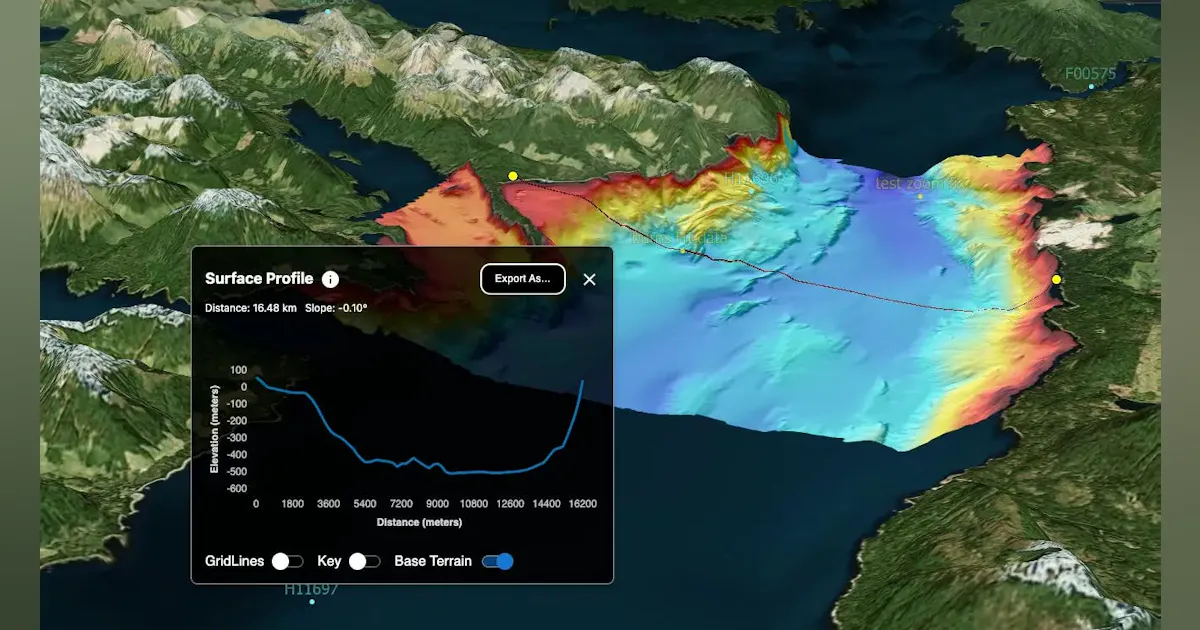
Terradepth presented a cloud-native seabed intelligence platform at OTC that converts one-time survey deliverables into persistent, searchable datasets. The platform ingests raw and processed sonar, oceanographic and unmanned-system data to enable near real-time analysis and earlier intervention, which can eliminate some vessel mobilizations. Watch whether operators start specifying persistent datasets as a standard deliverable or require supplier-hosted access

Buyer takeaway

Treat persistent seabed datasets as a procurement deliverable to reduce repeat surveys and mobilizations

Cost / money

Directional reduction in mobilization and inspection spend if buyers can reuse persistent datasets instead of commissioning new point-in-time surveys

Supplier / commercial

Suppliers providing cloud-hosted seabed platforms can monetize access; buyers without data clauses risk paying more later for ad hoc analysis

Safety / operations

Better seabed visibility reduces the chance of encountering unexpected seabed hazards during P&A and pipeline work

What to watch

Watch for proposals that bundle data access with expensive ongoing hosting or analysis fees; require clear reuse and portability terms

Key facts

  • Cloud-native seabed data-to-decision platform described
  • Ingests sonar, oceanographic and unmanned-system data
  • Framed as a way to reduce unnecessary mobilizations and speed integrity decisions

Source excerpts

During an OTC technical session, Terradepth’s Brian Butler will examine how persistent, cloud‑based seabed intelligence is reshaping offshore decision‑making—from integrity management to regulatory planning—by turning static survey data into a living operational asset. Courtesy TerradepthTerradepth's Absolute Ocean is a cloud-native data-to-decision platform designed to ingest and manage a range of data types, including raw and processed sonar, oceanographic, and unmanned system data, enabling near real‑time ana
Faster access to current seabed conditions enables earlier intervention and, in some cases, eliminates unnecessary offshore mobilizations altogether, which reduces both cost and exposure
” The session will explore how persistent, cloud-enabled seabed intelligence is changing the way offshore teams manage pipeline integrity, inspections, dredging and long-term asset planning. Traditionally, seabed surveys have been treated as point-in-time deliverables—data captured to satisfy a single project requirement and then archived
Story 2Offshore-mag

OTC 2026: Four decades of floating production shape OTC panel on the Gulf’s future

Signal moderateDirectional

What happened

An OTC panel reflected on four decades of floating production and highlighted a shift toward standardized, leaner platforms and increased use of subsea tiebacks. The discussion noted fewer recent platform sanctions and a trend that favors repeatable, lower-displacement concepts over bespoke large topsides. For procurement, that means more predictable subsea scopes and a greater emphasis on suppliers who can execute repeatable tieback and SURF (subsea umbilicals, risers, flowlines) work

Buyer takeaway

Reweight supplier evaluation toward repeatable execution and scale in subsea tiebacks as design standardization continues

Cost / money

Potential reduction in bespoke topside capex and engineering, offset by steady or rising demand for specialized subsea services

Supplier / commercial

Suppliers with scale on repeat subsea scopes gain leverage; expect firmness in availability and narrower quote windows for proven performers

Safety / operations

Standardized designs can lower configuration errors but require rigorous alignment on repetitive lift and yard sequences

What to watch

If buyers assume lower variability, they may under-procure yard time or specialty services; validate yard slots and mobilization windows

Key facts

  • Panel covered 40 years of floating production evolution
  • Shift toward standardized, leaner platforms and subsea tiebacks
  • Fewer large bespoke platforms sanctioned in recent cycles

Source excerpts

Offshore energy industry news, trends, insights and outlooksIndustry veterans reflect on lessons learned from 40 years of offshore development, emphasizing the shift toward standardized, leaner platforms and the increasing role of subsea tiebacks in deepwater production
What attendees can expect from the OTC panel Attendees can expect candid operator and contractor perspectives
Regulation, risk and the move toward deeper water External shocks also reshaped platform design
Story 3Offshore-mag

Unlock New Revenue: Servitization with SLM & CRM for Energy & Utilities

Signal limitedDirectional

What happened

A whitepaper promotes combining Service Lifecycle Management (SLM) with CRM to create servitization strategies that shift vendor relationships toward recurring service revenues and improved asset performance. It argues that integrating lifecycle data and customer workflows reduces costs and opens aftermarket service opportunities. Buyers should watch whether suppliers start pricing around SLM/CRM capabilities and require longer engagement terms or data-sharing arrangements

Buyer takeaway

Prepare to evaluate offers on recurring service value, data access and uptime SLAs, not just unit price

Cost / money

Pricing may migrate toward recurring fees and data access charges that change total cost of ownership

Supplier / commercial

Suppliers will pitch longer terms and service packages; buyers should insist on measurable SLAs and transparent pass-throughs

Safety / operations

Servitization can improve lifecycle maintenance if service data and workflows are integrated, but increases dependence on supplier data accuracy

What to watch

Early-signal: vendors may bundle data hosting or analysis as premium services; insist on portability and verification rights

Key facts

  • Whitepaper advocating SLM + CRM to unlock service revenue
  • Positions lifecycle data integration as a cost and performance lever
  • Frames servitization as a path to recurring aftermarket income

Source excerpts

This white paper provides a deep dive into how Service Lifecycle Management (SLM) and Customer Relationship Management (CRM) can be combined to create a powerful servitization strategy
This white paper provides a deep dive into how Service Lifecycle Management (SLM) and Customer Relationship Management (CRM) can be combined to create a powerful servitization strategy. Learn how to gain unprecedented visibility, reduce costs, and deliver personalized service that impresses customers and fuels growth in the energy and utilities sector
April 23, 2026Are you looking to expand aftermarket service opportunities and maximize asset performance? This white paper provides a deep dive into how Service Lifecycle Management (SLM) and Customer Relationship Management (CRM) can be combined to create a powerful servitization strategy

VP Snapshot

Executive Risk & Action View

Persistent, cloud-based seabed intelligence can cut unnecessary vessel mobilizations and lower execution risk by turning surveys from one-off deliverables into living datasets buyers can reuse.

Overall
62
Cost
79
Supply
25
Schedule
56
Compliance
15

Top signals

30-180dcost

Signal 1: Cost / money

Fewer unnecessary mobilizations from better seabed intelligence reduces direct vessel and mobilization pass‑through exposure, lowering potential short-term execution spend.

Signal 2: Cost / money

Standardized and leaner floating platforms can lower bespoke engineering and yard time for some decommissioning scopes but may increase demand (and pricing) for repeatable subsea services and specialized tiebacks.

Signal 3: Cost / money

If suppliers push servitization, buyers could see pricing shift from upfront equipment charges to recurring service fees and data access costs; contract economics will need to change to capture lifecycle value.

30-180dcommercial

Signal 4: Supplier / commercial

Vendors offering persistent seabed platforms gain leverage: buyers lacking cloud-data requirements may pay premium for post-award ad hoc surveys or supplier-hosted analyses.

180d+commercial

Signal 5: Supplier / commercial

Suppliers using SLM/CRM narratives may ask for longer engagement terms or service SLAs; expect negotiations over scope, term, and pass‑throughs instead of one-time asset sales.

30-180dschedule

Signal 6: Supplier / commercial

Standardized project designs reduce variability in scopes, which favors suppliers with scale and repeatable execution — buyers should reassess shortlist weighting toward repeatable delivery capability.

Recommended actions

CategoryDue 3d

Inventory existing seabed survey holdings and tag reuseable datasets versus gaps.

Prioritized list of survey gaps and candidate campaigns to consolidate mobilizations.

ContractsDue 21d

Update tender and SOW templates to require cloud-hosted, persistent seabed deliverables with clear ownership and reuse terms.

Tender language that mandates data persistence, access rights and a standard deliverable format for supplier bids.

OpsDue 21d

Run a small pilot to decide whether an upcoming non-critical mobilization can be postponed or consolidated using in-hand survey data and remote analysis.

Validated decision to proceed or consolidate that reduces one mobilization exposure or confirms survey gap.

CategoryDue 60d

Re-evaluate supplier shortlist and commercial model preferences to favor vendors with SLM/CRM capabilities and demonstrable cloud-data delivery.

Shortlist and procurement criteria updated to weight servitization, data access, and lifecycle service offerings.

LegalDue 60d

Ask Legal to draft modular data, liability and cloud-hosting clauses covering persistent seabed datasets and machine‑assisted interpretations.

Contract clause set that clarifies ownership, access, liability and remediation paths for seabed data deliverables.

Risk register

RiskTriggerMitigation
Watch for supplier attempts to embed data-rights, cloud access fees, or uptime obligations into proposals — these can shift lifecycle costs and liability onto the buyer.Watch for supplier attempts to embed data-rights, cloud access fees, or uptime obligations into proposals — these can shift lifecycle costs and liability onto the buyer.Confirm exposure with category, contracts, and operations before the next supplier commitment.
Watch whether operators begin to require persistent seabed deliverables; if that becomes the baseline, buyers without clear data clauses risk paying for catch-up surveys.Watch whether operators begin to require persistent seabed deliverables; if that becomes the baseline, buyers without clear data clauses risk paying for catch-up surveys.Confirm exposure with category, contracts, and operations before the next supplier commitment.

CM Snapshot

Category Manager Decision Detail

Today's priorities

Inventory existing seabed survey holdings and tag reuseable datasets versus gaps.

because Terradepth-style persistent seabed data can eliminate some mobilizations and avoid unnecessary survey spend, so we need to know what we already own before contracting ne...

Due 3d

high

CM move

Use this as the immediate supplier or contract action to move before the next sourcing gate.

Update tender and SOW templates to require cloud-hosted, persistent seabed deliverables with clear ownership and reuse terms.

because converting point-in-time surveys into buyer-accessible persistent datasets is the mechanism that reduces repeat mobilizations and captures cost savings.

Due 21d

high

CM move

Use this as the immediate supplier or contract action to move before the next sourcing gate.

Run a small pilot to decide whether an upcoming non-critical mobilization can be postponed or consolidated using in-hand survey data and remote analysis.

because the source indicates earlier, decision-ready seabed insight can sometimes eliminate or delay offshore mobilizations and directly lower operational spend.

Due 21d

high

CM move

Use this as the immediate supplier or contract action to move before the next sourcing gate.

Re-evaluate supplier shortlist and commercial model preferences to favor vendors with SLM/CRM capabilities and demonstrable cloud-data delivery.

because suppliers promoting servitization will change total cost of ownership and execution dependencies; shortlists should reward persistent-data and lifecycle service capabili...

Due 60d

high

CM move

Use this as the immediate supplier or contract action to move before the next sourcing gate.

Supplier radar

Offshore-mag

high

Observed supplier signal

Vendors offering persistent seabed platforms gain leverage: buyers lacking cloud-data requirements may pay premium for post-award ad hoc surveys or supplier-hosted analyses.

Commercial implication

Vendors offering persistent seabed platforms gain leverage: buyers lacking cloud-data requirements may pay premium for post-award ad hoc surveys or supplier-hosted analyses.

Next step: Validate the source-backed signal with incumbents and alternates before the next award or pricing decision.

Offshore-mag

high

Observed supplier signal

Suppliers using SLM/CRM narratives may ask for longer engagement terms or service SLAs; expect negotiations over scope, term, and pass‑throughs instead of one-time asset sales.

Commercial implication

Suppliers using SLM/CRM narratives may ask for longer engagement terms or service SLAs; expect negotiations over scope, term, and pass‑throughs instead of one-time asset sales.

Next step: Validate the source-backed signal with incumbents and alternates before the next award or pricing decision.

Offshore-mag

high

Observed supplier signal

Standardized project designs reduce variability in scopes, which favors suppliers with scale and repeatable execution — buyers should reassess shortlist weighting toward repeatable delivery capability.

Commercial implication

Standardized project designs reduce variability in scopes, which favors suppliers with scale and repeatable execution — buyers should reassess shortlist weighting toward repeatable delivery capability.

Next step: Validate the source-backed signal with incumbents and alternates before the next award or pricing decision.

Negotiation levers

Inventory existing seabed survey holdings and tag reuseable datasets versus gaps.

When to use: because Terradepth-style persistent seabed data can eliminate some mobilizations and avoid unnecessary survey spend, so we need to know what we already own before contracting ne...

Expected outcome: Prioritized list of survey gaps and candidate campaigns to consolidate mobilizations.

Commercial mechanism to carry into the next supplier conversation

Update tender and SOW templates to require cloud-hosted, persistent seabed deliverables with clear ownership and reuse terms.

When to use: because converting point-in-time surveys into buyer-accessible persistent datasets is the mechanism that reduces repeat mobilizations and captures cost savings.

Expected outcome: Tender language that mandates data persistence, access rights and a standard deliverable format for supplier bids.

Commercial mechanism to carry into the next supplier conversation

Run a small pilot to decide whether an upcoming non-critical mobilization can be postponed or consolidated using in-hand survey data and remote analysis.

When to use: because the source indicates earlier, decision-ready seabed insight can sometimes eliminate or delay offshore mobilizations and directly lower operational spend.

Expected outcome: Validated decision to proceed or consolidate that reduces one mobilization exposure or confirms survey gap.

Commercial mechanism to carry into the next supplier conversation

Re-evaluate supplier shortlist and commercial model preferences to favor vendors with SLM/CRM capabilities and demonstrable cloud-data delivery.

When to use: because suppliers promoting servitization will change total cost of ownership and execution dependencies; shortlists should reward persistent-data and lifecycle service capabili...

Expected outcome: Shortlist and procurement criteria updated to weight servitization, data access, and lifecycle service offerings.

Commercial mechanism to carry into the next supplier conversation

Talking points

Persistent, cloud-based seabed intelligence can cut unnecessary vessel mobilizations and lower execution risk by turning surveys from one-off deliverables into living datasets buyers can reuse.
Buyers need to treat seabed data as a contract deliverable — clarify who owns, stores, and can reuse cloud-native survey outputs to capture savings and avoid surprise supplier charges.
Industry direction toward standardized, leaner floating platforms and more subsea tiebacks changes scope mix: less bespoke topside work but more reliance on repeatable subsea services and pre-existing seabed knowledge.
Suppliers are promoting servitization (Service Lifecycle Management plus CRM) as a pricing and delivery model; that shifts negotiations from one‑off equipment sales to recurring service fees and data-driven SLAs.

Supplier radar

SupplierSignalImplicationNext stepConfidence
Offshore-magVendors offering persistent seabed platforms gain leverage: buyers lacking cloud-data requirements may pay premium for post-award ad hoc surveys or supplier-hosted analyses.Vendors offering persistent seabed platforms gain leverage: buyers lacking cloud-data requirements may pay premium for post-award ad hoc surveys or supplier-hosted analyses.Validate the source-backed signal with incumbents and alternates before the next award or pricing decision.high
Offshore-magSuppliers using SLM/CRM narratives may ask for longer engagement terms or service SLAs; expect negotiations over scope, term, and pass‑throughs instead of one-time asset sales.Suppliers using SLM/CRM narratives may ask for longer engagement terms or service SLAs; expect negotiations over scope, term, and pass‑throughs instead of one-time asset sales.Validate the source-backed signal with incumbents and alternates before the next award or pricing decision.high
Offshore-magStandardized project designs reduce variability in scopes, which favors suppliers with scale and repeatable execution — buyers should reassess shortlist weighting toward repeatable delivery capability.Standardized project designs reduce variability in scopes, which favors suppliers with scale and repeatable execution — buyers should reassess shortlist weighting toward repeatable delivery capability.Validate the source-backed signal with incumbents and alternates before the next award or pricing decision.high

Negotiation levers

  • Inventory existing seabed survey holdings and tag reuseable datasets versus gaps.because Terradepth-style persistent seabed data can eliminate some mobilizations and avoid unnecessary survey spend, so we need to know what we already own before contracting ne...Prioritized list of survey gaps and candidate campaigns to consolidate mobilizations.

    high confidence

  • Update tender and SOW templates to require cloud-hosted, persistent seabed deliverables with clear ownership and reuse terms.because converting point-in-time surveys into buyer-accessible persistent datasets is the mechanism that reduces repeat mobilizations and captures cost savings.Tender language that mandates data persistence, access rights and a standard deliverable format for supplier bids.

    high confidence

  • Run a small pilot to decide whether an upcoming non-critical mobilization can be postponed or consolidated using in-hand survey data and remote analysis.because the source indicates earlier, decision-ready seabed insight can sometimes eliminate or delay offshore mobilizations and directly lower operational spend.Validated decision to proceed or consolidate that reduces one mobilization exposure or confirms survey gap.

    high confidence

  • Re-evaluate supplier shortlist and commercial model preferences to favor vendors with SLM/CRM capabilities and demonstrable cloud-data delivery.because suppliers promoting servitization will change total cost of ownership and execution dependencies; shortlists should reward persistent-data and lifecycle service capabili...Shortlist and procurement criteria updated to weight servitization, data access, and lifecycle service offerings.

    high confidence

What to do / What to watch

What to do now

  • Inventory existing seabed survey holdings and tag reuseable datasets versus gaps.

    Why: because Terradepth-style persistent seabed data can eliminate some mobilizations and avoid unnecessary survey spend, so we need to know what we already own before contracting ne...

    Owner: Category

    Expected outcome: Prioritized list of survey gaps and candidate campaigns to consolidate mobilizations.

Next few weeks

  • Update tender and SOW templates to require cloud-hosted, persistent seabed deliverables with clear ownership and reuse terms.

    Why: because converting point-in-time surveys into buyer-accessible persistent datasets is the mechanism that reduces repeat mobilizations and captures cost savings.

    Owner: Contracts

    Expected outcome: Tender language that mandates data persistence, access rights and a standard deliverable format for supplier bids.

  • Run a small pilot to decide whether an upcoming non-critical mobilization can be postponed or consolidated using in-hand survey data and remote analysis.

    Why: because the source indicates earlier, decision-ready seabed insight can sometimes eliminate or delay offshore mobilizations and directly lower operational spend.

    Owner: Ops

    Expected outcome: Validated decision to proceed or consolidate that reduces one mobilization exposure or confirms survey gap.

Longer view

  • Re-evaluate supplier shortlist and commercial model preferences to favor vendors with SLM/CRM capabilities and demonstrable cloud-data delivery.

    Why: because suppliers promoting servitization will change total cost of ownership and execution dependencies; shortlists should reward persistent-data and lifecycle service capabili...

    Owner: Category

    Expected outcome: Shortlist and procurement criteria updated to weight servitization, data access, and lifecycle service offerings.

    [3]
  • Ask Legal to draft modular data, liability and cloud-hosting clauses covering persistent seabed datasets and machine‑assisted interpretations.

    Why: because persistent, cloud-hosted seabed data creates new dependency and potential liability (e.g., interpretation errors, access loss), so contracts must allocate risk clearly.

    Owner: Legal

    Expected outcome: Contract clause set that clarifies ownership, access, liability and remediation paths for seabed data deliverables.

What to watch

  • Watch for supplier attempts to embed data-rights, cloud access fees, or uptime obligations into proposals — these can shift lifecycle costs and liability onto the buyer
  • Watch whether operators begin to require persistent seabed deliverables; if that becomes the baseline, buyers without clear data clauses risk paying for catch-up surveys
  • Watch for supplier attempts to embed data-rights, cloud access fees, or uptime obligations into proposals — these can shift lifecycle costs and liability onto the buyer.: Watch for supplier attempts to embed data-rights, cloud access fees, or uptime obligations into proposals — these can shift lifecycle costs and liability onto the buyer
  • Watch whether operators begin to require persistent seabed deliverables; if that becomes the baseline, buyers without clear data clauses risk paying for catch-up surveys.: Watch whether operators begin to require persistent seabed deliverables; if that becomes the baseline, buyers without clear data clauses risk paying for catch-up surveys
  • Persistent, cloud-based seabed intelligence can cut unnecessary vessel mobilizations and lower execution risk by turning surveys from one-off deliverables into living datasets buyers can reuse
  • Buyers need to treat seabed data as a contract deliverable — clarify who owns, stores, and can reuse cloud-native survey outputs to capture savings and avoid surprise supplier charges
  • Industry direction toward standardized, leaner floating platforms and more subsea tiebacks changes scope mix: less bespoke topside work but more reliance on repeatable subsea services and pre-existing seabed knowledge
  • Suppliers are promoting servitization (Service Lifecycle Management plus CRM) as a pricing and delivery model; that shifts negotiations from one‑off equipment sales to recurring service fees and data-driven SLAs

Market pulse

IndexLatestChangeAs of
WTI Crude (WTI)71.23 /bbl+0.00 (+0.00%)May 2, 2026, 10:08 AM
Brent Crude (BRENT)74.89 /bbl+0.00 (+0.00%)May 2, 2026, 10:08 AM
Natural Gas (NG)3.12 /MMBtu+0.00 (+0.00%)May 2, 2026, 10:08 AM
Baltic Dry (BDI)1,245 pts+0.00 (+0.00%)May 2, 2026, 10:08 AM
  • WTI Crude: Crude price moves can change operator willingness to prioritize decommissioning spend versus production capex; track for budget implications
  • Baltic Dry: Freight and vessel demand (Baltic Dry) influence yard logistics and mobilization costs for decommissioning campaigns

Sources

Inline citations jump here. Expand a source to read the excerpt, the AI interpretation, and the original link.

[1] OTC 2026: Cloud-based seabed intelligence reshapes offshore decision-making

offshore-mag.com · n.d.

Expand

AI reading

Terradepth presented a cloud-native seabed intelligence platform at OTC that converts one-time survey deliverables into persistent, searchable datasets. The platform ingests raw and processed sonar, oceanographic and unmanned-system data to enable near real-time analysis and earlier intervention, which can eliminate some vessel mobilizations. Watch whether operators start specifying persistent datasets as a standard deliverable or require supplier-hosted access

Buyer takeaway

Treat persistent seabed datasets as a procurement deliverable to reduce repeat surveys and mobilizations

Cost / money

Directional reduction in mobilization and inspection spend if buyers can reuse persistent datasets instead of commissioning new point-in-time surveys

Supplier / commercial

Suppliers providing cloud-hosted seabed platforms can monetize access; buyers without data clauses risk paying more later for ad hoc analysis

Safety / operations

Better seabed visibility reduces the chance of encountering unexpected seabed hazards during P&A and pipeline work

What to watch

Watch for proposals that bundle data access with expensive ongoing hosting or analysis fees; require clear reuse and portability terms

Key facts

  • Cloud-native seabed data-to-decision platform described
  • Ingests sonar, oceanographic and unmanned-system data
  • Framed as a way to reduce unnecessary mobilizations and speed integrity decisions

Source excerpts

During an OTC technical session, Terradepth’s Brian Butler will examine how persistent, cloud‑based seabed intelligence is reshaping offshore decision‑making—from integrity management to regulatory planning—by turning static survey data into a living operational asset. Courtesy TerradepthTerradepth's Absolute Ocean is a cloud-native data-to-decision platform designed to ingest and manage a range of data types, including raw and processed sonar, oceanographic, and unmanned system data, enabling near real‑time ana
Faster access to current seabed conditions enables earlier intervention and, in some cases, eliminates unnecessary offshore mobilizations altogether, which reduces both cost and exposure
” The session will explore how persistent, cloud-enabled seabed intelligence is changing the way offshore teams manage pipeline integrity, inspections, dredging and long-term asset planning. Traditionally, seabed surveys have been treated as point-in-time deliverables—data captured to satisfy a single project requirement and then archived

Used in this brief

  • Persistent, cloud-based seabed intelligence can cut unnecessary vessel mobilizations and lower execution risk by turning surveys from one-off deliverables into living datasets buyers can reuse. Buyers need to treat seabed data as a contract deliverable — clarify who owns, stores, and can reuse cloud-native survey outputs to capture savings and avoid surprise supplier charges. Industry direction toward standardized, leaner floating platforms and more subsea tiebacks changes scope mix: less bespoke topside work but more reliance on repeatable subsea services and pre-existing seabed knowledge. Suppliers are promoting servitization (Service Lifecycle Management plus CRM) as a pricing and delivery model; that shifts negotiations from one‑off equipment sales to recurring service fees and data-driven SLAs
  • Cost / money: Fewer unnecessary mobilizations from better seabed intelligence reduces direct vessel and mobilization pass‑through exposure, lowering potential short-term execution spend
  • Safety / operations: Persistent seabed data improves planning for pipeline integrity, inspections and dredging, reducing the risk of encountering unforeseen seabed conditions during Plug & Abandonment (P&A) activities
Open original source

[2] OTC 2026: Four decades of floating production shape OTC panel on the Gulf’s future

offshore-mag.com · n.d.

Expand

AI reading

An OTC panel reflected on four decades of floating production and highlighted a shift toward standardized, leaner platforms and increased use of subsea tiebacks. The discussion noted fewer recent platform sanctions and a trend that favors repeatable, lower-displacement concepts over bespoke large topsides. For procurement, that means more predictable subsea scopes and a greater emphasis on suppliers who can execute repeatable tieback and SURF (subsea umbilicals, risers, flowlines) work

Buyer takeaway

Reweight supplier evaluation toward repeatable execution and scale in subsea tiebacks as design standardization continues

Cost / money

Potential reduction in bespoke topside capex and engineering, offset by steady or rising demand for specialized subsea services

Supplier / commercial

Suppliers with scale on repeat subsea scopes gain leverage; expect firmness in availability and narrower quote windows for proven performers

Safety / operations

Standardized designs can lower configuration errors but require rigorous alignment on repetitive lift and yard sequences

What to watch

If buyers assume lower variability, they may under-procure yard time or specialty services; validate yard slots and mobilization windows

Key facts

  • Panel covered 40 years of floating production evolution
  • Shift toward standardized, leaner platforms and subsea tiebacks
  • Fewer large bespoke platforms sanctioned in recent cycles

Source excerpts

Offshore energy industry news, trends, insights and outlooksIndustry veterans reflect on lessons learned from 40 years of offshore development, emphasizing the shift toward standardized, leaner platforms and the increasing role of subsea tiebacks in deepwater production
What attendees can expect from the OTC panel Attendees can expect candid operator and contractor perspectives
Regulation, risk and the move toward deeper water External shocks also reshaped platform design

Used in this brief

  • An OTC panel reflected on four decades of floating production and highlighted a shift toward standardized, leaner platforms and increased use of subsea tiebacks. The discussion noted fewer recent platform sanctions and a trend that favors repeatable, lower-displacement concepts over bespoke large topsides. For procurement, that means more predictable subsea scopes and a greater emphasis on suppliers who can execute repeatable tieback and SURF (subsea umbilicals, risers, flowlines) work
  • Buyer bottom line: standardization reduces bespoke engineering and can improve supplier predictability, but it concentrates value with suppliers who can scale repeatable subsea work
  • Reweight supplier evaluation toward repeatable execution and scale in subsea tiebacks as design standardization continues
Open original source

[3] Unlock New Revenue: Servitization with SLM & CRM for Energy & Utilities

offshore-mag.com · n.d.

Expand

AI reading

A whitepaper promotes combining Service Lifecycle Management (SLM) with CRM to create servitization strategies that shift vendor relationships toward recurring service revenues and improved asset performance. It argues that integrating lifecycle data and customer workflows reduces costs and opens aftermarket service opportunities. Buyers should watch whether suppliers start pricing around SLM/CRM capabilities and require longer engagement terms or data-sharing arrangements

Buyer takeaway

Prepare to evaluate offers on recurring service value, data access and uptime SLAs, not just unit price

Cost / money

Pricing may migrate toward recurring fees and data access charges that change total cost of ownership

Supplier / commercial

Suppliers will pitch longer terms and service packages; buyers should insist on measurable SLAs and transparent pass-throughs

Safety / operations

Servitization can improve lifecycle maintenance if service data and workflows are integrated, but increases dependence on supplier data accuracy

What to watch

Early-signal: vendors may bundle data hosting or analysis as premium services; insist on portability and verification rights

Key facts

  • Whitepaper advocating SLM + CRM to unlock service revenue
  • Positions lifecycle data integration as a cost and performance lever
  • Frames servitization as a path to recurring aftermarket income

Source excerpts

This white paper provides a deep dive into how Service Lifecycle Management (SLM) and Customer Relationship Management (CRM) can be combined to create a powerful servitization strategy
This white paper provides a deep dive into how Service Lifecycle Management (SLM) and Customer Relationship Management (CRM) can be combined to create a powerful servitization strategy. Learn how to gain unprecedented visibility, reduce costs, and deliver personalized service that impresses customers and fuels growth in the energy and utilities sector
April 23, 2026Are you looking to expand aftermarket service opportunities and maximize asset performance? This white paper provides a deep dive into how Service Lifecycle Management (SLM) and Customer Relationship Management (CRM) can be combined to create a powerful servitization strategy

Used in this brief

  • Next quarter — Re-evaluate supplier shortlist and commercial model preferences to favor vendors with SLM/CRM capabilities and demonstrable cloud-data delivery.. Rationale: because suppliers promoting servitization will change total cost of ownership and execution dependencies; shortlists should reward persistent-data and lifecycle service capabili.... Owner: Category. KPI: Shortlist and procurement criteria updated to weight servitization, data access, and lifecycle service offerings
  • Watch for supplier attempts to embed data-rights, cloud access fees, or uptime obligations into proposals — these can shift lifecycle costs and liability onto the buyer
  • A whitepaper promotes combining Service Lifecycle Management (SLM) with CRM to create servitization strategies that shift vendor relationships toward recurring service revenues and improved asset performance. It argues that integrating lifecycle data and customer workflows reduces costs and opens aftermarket service opportunities. Buyers should watch whether suppliers start pricing around SLM/CRM capabilities and require longer engagement terms or data-sharing arrangements
Open original source

[4] WTI Crude

finance.yahoo.com · n.d.

Expand

[5] Baltic Dry

finance.yahoo.com · n.d.

Expand