Oil & gas firms step up exploration game to tackle supply shortfall by 2050
What happened
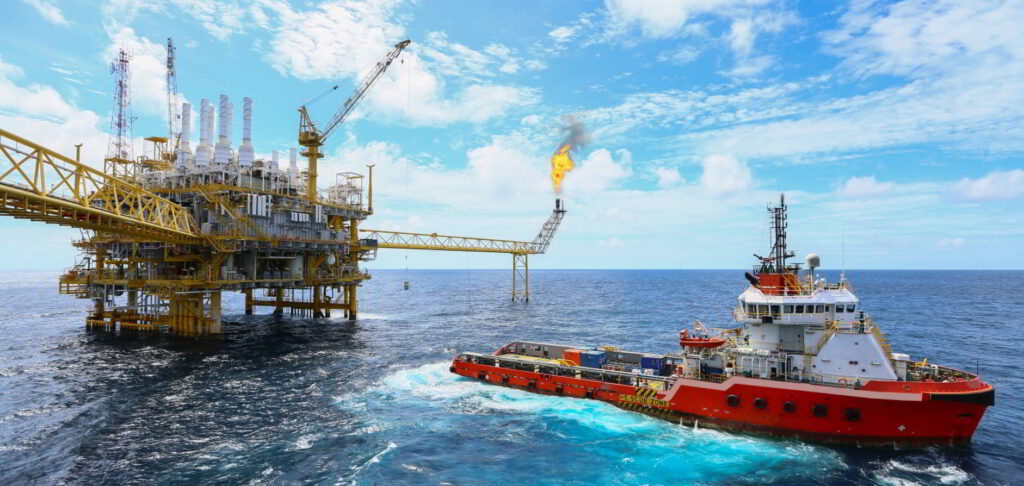
Wood Mackenzie reports major E&P companies are increasing ultra‑deepwater exploration to address longer‑term supply shortfalls. The activity is concentrated where recent high‑value discoveries have improved project economics, making rig and specialised subsea demand more persistent. Watch supplier mobilization notices and long‑lead orders as the operational flow that will constrain buyer flexibility
Buyer takeaway
Treat this as a sustained demand signal that forces earlier commitments on rigs and long‑lead subsea items
Cost / money
Directional upward pressure on mobilisation and long‑lead equipment costs as buyers compete for limited rigs and deepwater specialists
Supplier / commercial
Specialist suppliers can shorten quote validity or request mobilisation deposits and will prioritise confirmed awards
Safety / operations
More deepwater campaigns increase dependency on proven installation procedures and staged spares to avoid offshore delays
What to watch
Confirm supplier capacity and typical quote‑validity norms before locking schedules
Key facts
- Analysis highlights concentrated ultra‑deepwater activity following recent high‑value discove
- Exploration spending stayed material despite higher rig day rates
Source excerpts
When ultra-deepwater exploration works, single discoveries like Bumerangue generate many billions in value. Companies with deepwater expertise are taking concentrated equity positions because the economics work at US$65 Brent
Companies with deepwater expertise are taking concentrated equity positions because the economics work at US$65 Brent
Companies with deepwater expertise are taking concentrated equity positions because the economics work at US$65 Brent. ” The firm underscores that ultra-deepwater drilling is concentrated in areas following recent high-value discoveries by ExxonMobil in Guyana; Eni in Côte D’Ivoire, Indonesia, and Cyprus; BP in Brazil; and TPAO in the Black Sea