Subsea, SURF & Offshore · Australia (Perth)

Protect Mobilisation Windows and Vessel Access for APAC Projects

Published May 2, 2026, 6:06 AM AWSTAPACFull category signal
Ask AI
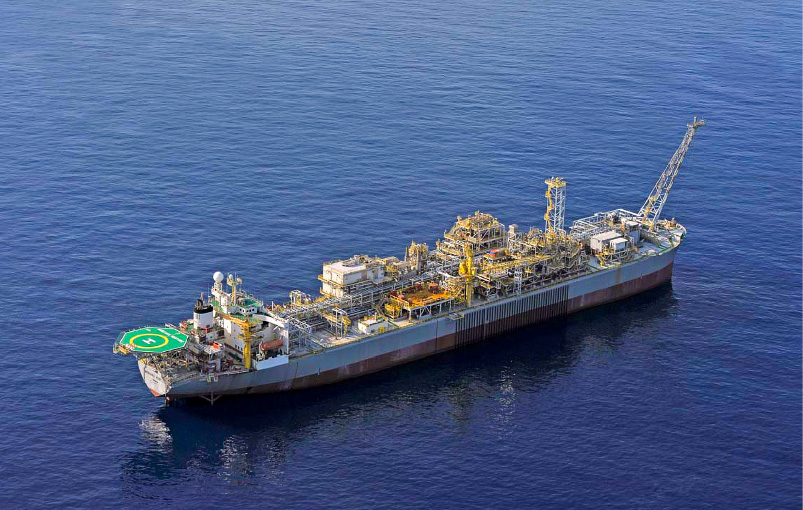
Green light for wellhead removal ops at Australian oil field

In 60 seconds

Top move

Australian regulator approval for Montara wellhead removals creates a defined short vessel mobilization window and a one‑vessel execution model buyers must plan for when scheduling ROV, recovery and disposal services

Key takeaways

  • Australian regulator approval for Montara wellhead removals creates a defined short vessel mobilization window and a one‑vessel execution model buyers must plan for when scheduling ROV, recovery and disposal services.[4]
  • Taiwan export‑cable campaign has moved to wet‑stored cables and trenching; this shifts demand from cable‑lay toward trenching, protection and platform pull‑in availability that ties up cable‑lay vessel and trenching resources.[3]
  • A green methanol supply and pilot bunkering collaboration is broadening commercial supply options for vessel fuel in APAC ports — relevant to bunkering contracts and vessel fuel specifications for future mobilisation plans.[2]
  • Industry analysis pointing to a renewed exploration push is an early directional demand signal for deepwater SURF and drilling support, but it is a strategic trend rather than an immediate APAC execution event.[1]
  • Operationally, these developments collectively shift near‑term supplier leverage toward providers who control vessel/trenching capacity, ROV recovery capability, and green‑fuel bunkering options; buyers should verify availability before issuing RFQs.[4]

What changed since last run

  • NOPSEMA acceptance for Montara wellhead removal is now public — this converts a previously potential scope into a confirmed, single‑vessel execution need in Australia.
  • Jan De Nul’s completed cable lay in Taiwan moves the project into trenching and platform‑connection phases, creating discrete demand for trenching vessels and platform pull‑in windows.
  • Green methanol partners have expanded their MoU into integrated supply‑chain and pilot bunkering activities, creating an emerging alternative for vessel fuel contracting in APAC ports.

Key facts

  • Three wellheads at Montara field
  • Work allows ~2 days per wellhead with an approximate 14‑day mobilisation allowance
  • One vessel required to recover subsea infrastructure to deck
  • Two export cables laid (45km and 44km) and wet‑stored offshore
  • Trenching, protection and future platform pull‑in follow cable lay
  • Project moves from laying to burial and connection phases before grid hook‑up

Why it matters

Australian regulator approval for Montara wellhead removals creates a defined short vessel mobilization window and a one‑vessel execution model buyers must plan for when scheduling ROV, recovery and disposal services. Taiwan export‑cable campaign has moved to wet‑stored cables and trenching; this shifts demand from cable‑lay toward trenching, protection and platform pull‑in availability that ties up cable‑lay vessel and trenching resources. A green methanol supply and pilot bunkering collaboration is broadening commercial supply options for vessel fuel in APAC ports — relevant to bunkering contracts and vessel fuel specifications for future mobilisation plans. Industry analysis pointing to a renewed exploration push is an early directional demand signal for deepwater SURF and drilling support, but it is a strategic trend rather than an immediate APAC execution event

Cost / money

  • Single‑vessel requirement and defined mobilization windows for Montara concentrate mobilisation and demobilisation costs onto the buyer or the nominated contractor depending on contract scope.[4]
  • Trenching and protection phase in Taiwan locks CLV and trenching assets into multi‑activity campaigns, reducing spot availability and likely raising short‑notice day‑rates for trenching vs. initial cable‑lay phase.[3]
  • Green methanol pilot bunkering signals a potential future change in fuel pass‑throughs and bunkering scope in vessel charters and logistics packages — buyers should expect evolving cost allocation language.[2]

Supplier / commercial

  • Vessel operators and trenching contractors gain leverage where single‑vessel execution models exist; they can shorten quote validity or demand firm mobilization dates in upcoming RFQs.[3]
  • ROV and recovery service providers for Montara can commercialise seabed removal and disposal scope items (surveys, marine growth removal, deck recovery) if contracts leave method statements or disposal routing undefined.[4]
  • Green‑fuel suppliers partnering on pilot bunkering may offer bundled logistics and fuel‑supply terms that shift negotiating leverage to suppliers with certified green product availability in APAC ports.[2]

Safety / operations

  • Montara removal work includes ROV ‘as found’/‘as left’ surveys and seabed prep that carry recovery and deck‑lifting HSE exposure; method statements must capture exclusion zones and lifting controls before mobilising.[4]
  • Cable burial and subsequent platform pull‑in require coordinated trenching, vessel DP (dynamic positioning) integrity and seabed monitoring to avoid rework — sequencing gaps increase re‑mobilisation risk.[3]

What to watch

  • Watch for suppliers shortening quote validity and inserting mobilisation pass‑throughs for trenching, deck recovery and green‑fuel handling — this is an early‑signal that execution leverage is tightening.[3]

Top stories

Story 1Offshore EnergyMay 1, 2026

Green light for wellhead removal ops at Australian oil field

Signal strongSource-grounded

What happened

NOPSEMA accepted Jadestone’s environment plan for removing three Montara wellheads, authorising ROV surveys, seabed prep, recovery and a single‑vessel execution model with an allowance that covers mobilisation and demobilisation. The work expects approximately two days on each wellhead with an overall mobilisation allowance to handle surveys and recovery, making this a concrete near‑term vessel and ROV demand. Watch whether the project team confirms nominated disposal port and vessel availability, as those choices will define mobilisation cost pass‑throughs

Buyer takeaway

Treat the regulator approval as a firm execution window: vessel, ROV and disposal logistics now matter for mobilisation costs and contract scope

Cost / money

Mobilisation and disposal routing are likely to be material cost drivers because a single vessel will carry mobilisation/demobilisation charges and disposal handling

Supplier / commercial

ROV and deck‑recovery suppliers can commercialise seabed prep, marine‑growth removal and disposal routing if contracts leave these scopes undefined

Safety / operations

ROV recovery and heavy deck lifts carry HSE risk that needs method statements, exclusion zones and lifting controls in place before mobilisation

What to watch

Confirm nominated disposal port and waste facility early; unresolved port or permit issues will push costs or create shut‑down points during demobilisation

Key facts

  • Three wellheads at Montara field
  • Work allows ~2 days per wellhead with an approximate 14‑day mobilisation allowance
  • One vessel required to recover subsea infrastructure to deck

Source excerpts

The accepted EP, which provides for the removal of Montara-1, 2, and 3 wellheads, includes remote operated vehicle (ROV) activities such as ‘as found’ and ‘as left’ surveys, marine growth removal, and wellhead area preparation
The EP underlines that the wellhead removal will be subject to the availability of a suitable vessel, and whenever feasible, will be a vessel of opportunity mobilizing to the Montara field for other activities
The dismantling and disposal of the wellheads is anticipated to be completed within 12 months of arrival at the receiving port and waste management facility
Story 2Offshore EnergyMay 1, 2026

Jan De Nul installs export cables for Taiwan’s Fengmiao 1 offshore wind farm

Signal strongSource-grounded

What happened

Jan De Nul completed installation of two export cables for Taiwan’s Fengmiao 1 and has wet‑stored them offshore pending trenching, protection and platform availability for pull‑in and connection. The project will move into trenching and protection works and requires CLV, trenchers and subsequent platform access, shifting demand from cable‑lay to trenching assets. Watch vessel availability and trenching schedules as they will determine short‑notice equipment and crew needs

Buyer takeaway

Expect demand to shift from long‑cable‑lay to trenching and platform pull‑in resources, creating a separate procurement window for trenching vessels

Cost / money

Trenching and protection phases can carry higher short‑notice day‑rates if CLVs/trenchers are scarce because they extend campaign duration and lock vessel days

Supplier / commercial

Trenching and protection contractors can shorten validity of bids or add mobilisation surcharges where wet storage and platform timing are unresolved

Safety / operations

Burial and platform pull‑in require coordinated DP operations and seabed monitoring to prevent rework; sequencing mistakes raise HSE and re‑mobilisation risk

What to watch

Confirm platform readiness and trenching vessel handover windows early to avoid demobilisation or scope creep

Key facts

  • Two export cables laid (45km and 44km) and wet‑stored offshore
  • Trenching, protection and future platform pull‑in follow cable lay
  • Project moves from laying to burial and connection phases before grid hook‑up

Source excerpts

The cables were installed using the cable-laying vessel (CLV) Willem de Vlamingh, which is also being deployed for transport, trenching and protection activities
CLV Willem de Vlamingh at Fengmiao 1 offshore wind farm; Photo: Jan De Nul The two high-voltage subsea cables, measuring 45 kilometers and 44 kilometers, have been installed and are currently wet stored offshore, awaiting installation of the offshore substation jacket, Jan De Nul said on April 20. With the cables now laid, Jan De Nul will move into the next phase of the works, which involves burying the cables in the seabed using a trencher
Once the offshore platform becomes available, the cables will be pulled in and connected. The cables were installed using the cable-laying vessel (CLV) Willem de Vlamingh, which is also being deployed for transport, trenching and protection activities
Story 3Offshore EnergyMay 1, 2026

Recently established green methanol collaboration broadens its scope

Signal moderateSource-grounded

What happened

Venture Energy and Shanghai Shenji expanded a green methanol collaboration into a strategic cooperation to include integrated supply‑chain services, pilot bunkering and market promotion of green fuels. The move positions ISCC‑certified green methanol and pilot bunkering as a growing option for vessel fuels and procurement pathways in APAC ports. Watch how pilot bunkering terms evolve and which ports are included for initial trials, since that affects bunkering clauses in vessel charters

Buyer takeaway

Green methanol pilots create an alternate route for decarbonised vessel fuel but require early supplier qualification and port availability checks

Cost / money

Certified green fuel logistics and pilot bunkering can introduce new pass‑throughs for fuel handling and certification unless contracts allocate responsibility

Supplier / commercial

Suppliers offering certified green fuel may bundle bunkering and logistics, shifting negotiation leverage to those with local port access and certification

Safety / operations

New fuel types require updated bunkering procedures, crew familiarisation and potential changes to bunkering logistics at nominated ports

What to watch

Ask suppliers to confirm ISCC certification chain and eligible APAC ports for pilot bunkering before amending charter fuel clauses

Key facts

  • Partnership covers ISCC EU‑certified green methanol supply
  • Scope broadened to pilot bunkering and integrated supply‑chain services
  • MoU signed to upgrade from spot trade to strategic collaboration

Source excerpts

The collaboration broadens its scope beyond single-fuel supply to integrated supply-chain services, with the focus on the development of a green fuel trading platform, pilot bunkering and the market promotion of green fuels, and collaboration on marine services and ship management
Through our partnership with Shenji Energy, we are able to secure a stable supply of green methanol while also establishing an early position across other green fuel pathways
The partnership also encompasses full-chain collaboration on biogas feedstock and green-fuel ISCC certificates
Story 4Offshore EnergyMay 1, 2026

Oil & gas firms step up exploration game to tackle supply shortfall by 2050

Signal moderateDirectional

What happened

Wood Mackenzie research indicates majors are increasing exploration activity to address long‑term supply gaps, highlighting directional demand for ultra‑deepwater drilling expertise and SURF services. This is a strategic market signal that could raise demand for specialised deepwater contractors and integrated SURF scopes over time. Watch announced equity moves and early‑stage FIDs in the region to see if APAC demand firm‑ups

Buyer takeaway

Treat this as a directional trend for future deepwater SURF demand rather than an immediate APAC execution event; use it to inform supplier capacity discussions

Cost / money

When exploration converts to FID, expect mobilisation and long‑lead items to harden pricing and reduce room for mobilisation discounts

Supplier / commercial

Suppliers with ultra‑deepwater capability may prioritise FID‑backed work and tighten notice windows, reducing buyer leverage in early procurement rounds

Safety / operations

Deepwater programmes increase uptime dependency on specialised vessels and equipment; downtime or inspection failures have larger schedule impact

What to watch

Monitor FID announcements and early supplier shortlists as these are the actionable triggers that shift strategic demand into procurement pipelines

Key facts

  • Large firms re‑weighting portfolios toward exploration and frontier prospects
  • Ultra‑deepwater capability concentrated with a handful of major players
  • Exploration investment is directionally increasing demand for deepwater services

Source excerpts

Illustration; Source: Wood Mackenzie The company’s research shows that the world’s 30 largest exploration and production companies are looking at production declines averaging nearly 40% between 2025 and 2040 as the upstream industry confronts the 300-billion-barrel oil gap by 2050, which is driving renewed investment in ultra-deepwater frontier exploration as countries seek supply diversification and strategic energy security. According to an analysis published by Wood Mackenzie, current on-stream fields will
When ultra-deepwater exploration works, single discoveries like Bumerangue generate many billions in value. Companies with deepwater expertise are taking concentrated equity positions because the economics work at US$65 Brent
“Resource security priorities are reshaping exploration strategy

VP Snapshot

Executive Risk & Action View

Australian regulator approval for Montara wellhead removals creates a defined short vessel mobilization window and a one‑vessel execution model buyers must plan for when scheduling ROV, recovery and disposal services.

Overall
61
Cost
79
Supply
43
Schedule
38
Compliance
15

Top signals

30-180dcost

Signal 1: Cost / money

Single‑vessel requirement and defined mobilization windows for Montara concentrate mobilisation and demobilisation costs onto the buyer or the nominated contractor depending on contract scope.

Signal 3: Cost / money

Green methanol pilot bunkering signals a potential future change in fuel pass‑throughs and bunkering scope in vessel charters and logistics packages — buyers should expect evolving cost allocation language.

0-30dcost

Signal 2: Cost / money

Trenching and protection phase in Taiwan locks CLV and trenching assets into multi‑activity campaigns, reducing spot availability and likely raising short‑notice day‑rates for trenching vs. initial cable‑lay phase.

30-180dschedule

Signal 4: Supplier / commercial

Vessel operators and trenching contractors gain leverage where single‑vessel execution models exist; they can shorten quote validity or demand firm mobilization dates in upcoming RFQs.

30-180dcommercial

Signal 5: Supplier / commercial

ROV and recovery service providers for Montara can commercialise seabed removal and disposal scope items (surveys, marine growth removal, deck recovery) if contracts leave method statements or disposal routing undefined.

0-30dsupply

Signal 6: Supplier / commercial

Green‑fuel suppliers partnering on pilot bunkering may offer bundled logistics and fuel‑supply terms that shift negotiating leverage to suppliers with certified green product availability in APAC ports.

Recommended actions

CategoryDue 3d

Map all APAC projects that could use the same class of ROV/trenching/CLV assets against Montara and Taiwan windows.

Shortlist of projects with shared vessel/ROV risk and priority conflicts for planners

OpsDue 3d

Request Ops to confirm preferred receiving port and waste disposal facility options for Montara wellhead disposal and note any permit or quarantine constraints.

Confirmed nominated port/disposal options and documented permit gaps for project teams

ContractsDue 21d

Ask Contracts to insert mobilisation, demobilisation and fuel‑handling clauses covering trenching/CLV staging and certified green fuel options into upcoming RFQs.

Clause package covering mobilisation, fuel handling and short‑notice pass‑throughs ready for RFQs

CategoryDue 21d

Engage shortlisted vessel and trenching suppliers with a capacity check and provisional hold request for likely windows.

Provisional holds or capacity confirmations recorded against priority projects

CategoryDue 60d

Run a supplier capability review for green bunkering and port‑level ISCC‑certified fuel availability in key APAC ports.

Supplier capability map for ISCC‑certified green fuels and recommended port‑level procurement routes

LegalDue 60d

Work with Legal to update mobilisation and contingency language to explicitly allocate responsibility for seabed recovery, disposal routing, and short‑notice vessel demobilisati...

Updated contract template with explicit mobilisation, disposal and demobilisation triggers

Risk register

RiskTriggerMitigation
Watch for suppliers shortening quote validity and inserting mobilisation pass‑throughs for trenching, deck recovery and green‑fuel handling — this is an early‑signal that execution leverage is tightening.Watch for suppliers shortening quote validity and inserting mobilisation pass‑throughs for trenching, deck recovery and green‑fuel handling — this is an early‑signal that execution leverage is tightening.Confirm exposure with category, contracts, and operations before the next supplier commitment.

CM Snapshot

Category Manager Decision Detail

Today's priorities

Map all APAC projects that could use the same class of ROV/trenching/CLV assets against Montara and Taiwan windows.

Do this because Montara specifies a one‑vessel execution model and Taiwan is moving into trenching, and overlapping demand will create vessel and ROV contention if not identifie...

Due 3d

high

CM move

Use this as the immediate supplier or contract action to move before the next sourcing gate.

Request Ops to confirm preferred receiving port and waste disposal facility options for Montara wellhead disposal and note any permit or quarantine constraints.

Do this because the Montara EP anticipates dismantling and disposal after recovery and port routing constraints will affect mobilisation and disposal cost allocation.

Due 3d

high

CM move

Use this as the immediate supplier or contract action to move before the next sourcing gate.

Ask Contracts to insert mobilisation, demobilisation and fuel‑handling clauses covering trenching/CLV staging and certified green fuel options into upcoming RFQs.

Do this because Jan De Nul’s progress into trenching and the green methanol MoU both change execution and fuel handling exposures, and clear clauses will limit supplier pass‑thr...

Due 21d

high

CM move

Use this as the immediate supplier or contract action to move before the next sourcing gate.

Engage shortlisted vessel and trenching suppliers with a capacity check and provisional hold request for likely windows.

Do this because visible near‑term trenching and single‑vessel removal campaigns permit suppliers to allocate capacity elsewhere unless buyers secure provisional holds.

Due 21d

high

CM move

Use this as the immediate supplier or contract action to move before the next sourcing gate.

Supplier radar

Offshore Energy

high

Observed supplier signal

Vessel operators and trenching contractors gain leverage where single‑vessel execution models exist; they can shorten quote validity or demand firm mobilization dates in upcoming RFQs.

Commercial implication

Vessel operators and trenching contractors gain leverage where single‑vessel execution models exist; they can shorten quote validity or demand firm mobilization dates in upcoming RFQs.

Next step: Validate the source-backed signal with incumbents and alternates before the next award or pricing decision.

Offshore Energy

high

Observed supplier signal

ROV and recovery service providers for Montara can commercialise seabed removal and disposal scope items (surveys, marine growth removal, deck recovery) if contracts leave method statements or disposal routing undefined.

Commercial implication

ROV and recovery service providers for Montara can commercialise seabed removal and disposal scope items (surveys, marine growth removal, deck recovery) if contracts leave method statements or disposal routing undefined.

Next step: Validate the source-backed signal with incumbents and alternates before the next award or pricing decision.

Offshore Energy

high

Observed supplier signal

Green‑fuel suppliers partnering on pilot bunkering may offer bundled logistics and fuel‑supply terms that shift negotiating leverage to suppliers with certified green product availability in APAC ports.

Commercial implication

Green‑fuel suppliers partnering on pilot bunkering may offer bundled logistics and fuel‑supply terms that shift negotiating leverage to suppliers with certified green product availability in APAC ports.

Next step: Validate the source-backed signal with incumbents and alternates before the next award or pricing decision.

Negotiation levers

Map all APAC projects that could use the same class of ROV/trenching/CLV assets against Montara and Taiwan windows.

When to use: Do this because Montara specifies a one‑vessel execution model and Taiwan is moving into trenching, and overlapping demand will create vessel and ROV contention if not identifie...

Expected outcome: Shortlist of projects with shared vessel/ROV risk and priority conflicts for planners

Commercial mechanism to carry into the next supplier conversation

Request Ops to confirm preferred receiving port and waste disposal facility options for Montara wellhead disposal and note any permit or quarantine constraints.

When to use: Do this because the Montara EP anticipates dismantling and disposal after recovery and port routing constraints will affect mobilisation and disposal cost allocation.

Expected outcome: Confirmed nominated port/disposal options and documented permit gaps for project teams

Commercial mechanism to carry into the next supplier conversation

Ask Contracts to insert mobilisation, demobilisation and fuel‑handling clauses covering trenching/CLV staging and certified green fuel options into upcoming RFQs.

When to use: Do this because Jan De Nul’s progress into trenching and the green methanol MoU both change execution and fuel handling exposures, and clear clauses will limit supplier pass‑thr...

Expected outcome: Clause package covering mobilisation, fuel handling and short‑notice pass‑throughs ready for RFQs

Commercial mechanism to carry into the next supplier conversation

Engage shortlisted vessel and trenching suppliers with a capacity check and provisional hold request for likely windows.

When to use: Do this because visible near‑term trenching and single‑vessel removal campaigns permit suppliers to allocate capacity elsewhere unless buyers secure provisional holds.

Expected outcome: Provisional holds or capacity confirmations recorded against priority projects

Commercial mechanism to carry into the next supplier conversation

Talking points

Australian regulator approval for Montara wellhead removals creates a defined short vessel mobilization window and a one‑vessel execution model buyers must plan for when scheduling ROV, recovery and disposal services.
Taiwan export‑cable campaign has moved to wet‑stored cables and trenching; this shifts demand from cable‑lay toward trenching, protection and platform pull‑in availability that ties up cable‑lay vessel and trenching resources.
A green methanol supply and pilot bunkering collaboration is broadening commercial supply options for vessel fuel in APAC ports — relevant to bunkering contracts and vessel fuel specifications for future mobilisation plans.
Industry analysis pointing to a renewed exploration push is an early directional demand signal for deepwater SURF and drilling support, but it is a strategic trend rather than an immediate APAC execution event.

Supplier radar

SupplierSignalImplicationNext stepConfidence
Offshore EnergyVessel operators and trenching contractors gain leverage where single‑vessel execution models exist; they can shorten quote validity or demand firm mobilization dates in upcoming RFQs.Vessel operators and trenching contractors gain leverage where single‑vessel execution models exist; they can shorten quote validity or demand firm mobilization dates in upcoming RFQs.Validate the source-backed signal with incumbents and alternates before the next award or pricing decision.high
Offshore EnergyROV and recovery service providers for Montara can commercialise seabed removal and disposal scope items (surveys, marine growth removal, deck recovery) if contracts leave method statements or disposal routing undefined.ROV and recovery service providers for Montara can commercialise seabed removal and disposal scope items (surveys, marine growth removal, deck recovery) if contracts leave method statements or disposal routing undefined.Validate the source-backed signal with incumbents and alternates before the next award or pricing decision.high
Offshore EnergyGreen‑fuel suppliers partnering on pilot bunkering may offer bundled logistics and fuel‑supply terms that shift negotiating leverage to suppliers with certified green product availability in APAC ports.Green‑fuel suppliers partnering on pilot bunkering may offer bundled logistics and fuel‑supply terms that shift negotiating leverage to suppliers with certified green product availability in APAC ports.Validate the source-backed signal with incumbents and alternates before the next award or pricing decision.high

Negotiation levers

  • Map all APAC projects that could use the same class of ROV/trenching/CLV assets against Montara and Taiwan windows.Do this because Montara specifies a one‑vessel execution model and Taiwan is moving into trenching, and overlapping demand will create vessel and ROV contention if not identifie...Shortlist of projects with shared vessel/ROV risk and priority conflicts for planners

    high confidence

  • Request Ops to confirm preferred receiving port and waste disposal facility options for Montara wellhead disposal and note any permit or quarantine constraints.Do this because the Montara EP anticipates dismantling and disposal after recovery and port routing constraints will affect mobilisation and disposal cost allocation.Confirmed nominated port/disposal options and documented permit gaps for project teams

    high confidence

  • Ask Contracts to insert mobilisation, demobilisation and fuel‑handling clauses covering trenching/CLV staging and certified green fuel options into upcoming RFQs.Do this because Jan De Nul’s progress into trenching and the green methanol MoU both change execution and fuel handling exposures, and clear clauses will limit supplier pass‑thr...Clause package covering mobilisation, fuel handling and short‑notice pass‑throughs ready for RFQs

    high confidence

  • Engage shortlisted vessel and trenching suppliers with a capacity check and provisional hold request for likely windows.Do this because visible near‑term trenching and single‑vessel removal campaigns permit suppliers to allocate capacity elsewhere unless buyers secure provisional holds.Provisional holds or capacity confirmations recorded against priority projects

    high confidence

What to do / What to watch

What to do now

  • Map all APAC projects that could use the same class of ROV/trenching/CLV assets against Montara and Taiwan windows.

    Why: Do this because Montara specifies a one‑vessel execution model and Taiwan is moving into trenching, and overlapping demand will create vessel and ROV contention if not identifie...

    Owner: Category

    Expected outcome: Shortlist of projects with shared vessel/ROV risk and priority conflicts for planners

    [4][3]
  • Request Ops to confirm preferred receiving port and waste disposal facility options for Montara wellhead disposal and note any permit or quarantine constraints.

    Why: Do this because the Montara EP anticipates dismantling and disposal after recovery and port routing constraints will affect mobilisation and disposal cost allocation.

    Owner: Ops

    Expected outcome: Confirmed nominated port/disposal options and documented permit gaps for project teams

    [4]

Next few weeks

  • Ask Contracts to insert mobilisation, demobilisation and fuel‑handling clauses covering trenching/CLV staging and certified green fuel options into upcoming RFQs.

    Why: Do this because Jan De Nul’s progress into trenching and the green methanol MoU both change execution and fuel handling exposures, and clear clauses will limit supplier pass‑thr...

    Owner: Contracts

    Expected outcome: Clause package covering mobilisation, fuel handling and short‑notice pass‑throughs ready for RFQs

    [3][2]
  • Engage shortlisted vessel and trenching suppliers with a capacity check and provisional hold request for likely windows.

    Why: Do this because visible near‑term trenching and single‑vessel removal campaigns permit suppliers to allocate capacity elsewhere unless buyers secure provisional holds.

    Owner: Category

    Expected outcome: Provisional holds or capacity confirmations recorded against priority projects

    [4][3]

Longer view

  • Run a supplier capability review for green bunkering and port‑level ISCC‑certified fuel availability in key APAC ports.

    Why: Do this because the green methanol collaboration is expanding into pilot bunkering and buyers should qualify fuel availability and contract mechanics before committing vessel ch...

    Owner: Category

    Expected outcome: Supplier capability map for ISCC‑certified green fuels and recommended port‑level procurement routes

    [2]
  • Work with Legal to update mobilisation and contingency language to explicitly allocate responsibility for seabed recovery, disposal routing, and short‑notice vessel demobilisati...

    Why: Do this because Montara’s removal scope and Taiwan’s trenching sequence expose buyers to disposal and re‑mobilisation costs unless triggers and responsibilities are contractuall...

    Owner: Legal

    Expected outcome: Updated contract template with explicit mobilisation, disposal and demobilisation triggers

    [4][3]

What to watch

  • Watch for suppliers shortening quote validity and inserting mobilisation pass‑throughs for trenching, deck recovery and green‑fuel handling — this is an early‑signal that execution leverage is tightening
  • Watch for suppliers shortening quote validity and inserting mobilisation pass‑throughs for trenching, deck recovery and green‑fuel handling — this is an early‑signal that execution leverage is tightening.: Watch for suppliers shortening quote validity and inserting mobilisation pass‑throughs for trenching, deck recovery and green‑fuel handling — this is an early‑signal that execution leverage is tightening
  • Australian regulator approval for Montara wellhead removals creates a defined short vessel mobilization window and a one‑vessel execution model buyers must plan for when scheduling ROV, recovery and disposal services
  • Taiwan export‑cable campaign has moved to wet‑stored cables and trenching; this shifts demand from cable‑lay toward trenching, protection and platform pull‑in availability that ties up cable‑lay vessel and trenching resources
  • A green methanol supply and pilot bunkering collaboration is broadening commercial supply options for vessel fuel in APAC ports — relevant to bunkering contracts and vessel fuel specifications for future mobilisation plans
  • Industry analysis pointing to a renewed exploration push is an early directional demand signal for deepwater SURF and drilling support, but it is a strategic trend rather than an immediate APAC execution event

Market pulse

IndexLatestChangeAs of
WTI Crude (WTI)71.23 /bbl+0.00 (+0.00%)May 1, 2026, 10:09 PM
Brent Crude (BRENT)74.89 /bbl+0.00 (+0.00%)May 1, 2026, 10:09 PM
Natural Gas (NG)3.12 /MMBtu+0.00 (+0.00%)May 1, 2026, 10:09 PM
Dry Bulk Shipping (BDRY) (BDRY)0 +0.00 (+0.00%)May 1, 2026, 10:09 PM
WTI (Fuel) (WTI)71.23 /bbl+0.00 (+0.00%)May 1, 2026, 10:09 PM
TechnipFMC (FTI)22 +0.00 (+0.00%)May 1, 2026, 10:09 PM
  • Dry Bulk Shipping (BDRY): Dry bulk shipping tightness raises risk of higher vessel repositioning costs for heavy subsea kit and drum shipments
  • Natural Gas: Natural gas pricing dynamics affect regional fuel economics for gas‑fuelled vessels and may influence bunker fuel procurement choices
  • TechnipFMC: TechnipFMC stock movement as a proxy for SURF contractor market sentiment and capital availability for integrated delivery

Sources

Inline citations jump here. Expand a source to read the excerpt, the AI interpretation, and the original link.

[1] Oil & gas firms step up exploration game to tackle supply shortfall by 2050

offshore-energy.biz · May 1, 2026

Expand

AI reading

Wood Mackenzie research indicates majors are increasing exploration activity to address long‑term supply gaps, highlighting directional demand for ultra‑deepwater drilling expertise and SURF services. This is a strategic market signal that could raise demand for specialised deepwater contractors and integrated SURF scopes over time. Watch announced equity moves and early‑stage FIDs in the region to see if APAC demand firm‑ups

Buyer takeaway

Treat this as a directional trend for future deepwater SURF demand rather than an immediate APAC execution event; use it to inform supplier capacity discussions

Cost / money

When exploration converts to FID, expect mobilisation and long‑lead items to harden pricing and reduce room for mobilisation discounts

Supplier / commercial

Suppliers with ultra‑deepwater capability may prioritise FID‑backed work and tighten notice windows, reducing buyer leverage in early procurement rounds

Safety / operations

Deepwater programmes increase uptime dependency on specialised vessels and equipment; downtime or inspection failures have larger schedule impact

What to watch

Monitor FID announcements and early supplier shortlists as these are the actionable triggers that shift strategic demand into procurement pipelines

Key facts

  • Large firms re‑weighting portfolios toward exploration and frontier prospects
  • Ultra‑deepwater capability concentrated with a handful of major players
  • Exploration investment is directionally increasing demand for deepwater services

Source excerpts

Illustration; Source: Wood Mackenzie The company’s research shows that the world’s 30 largest exploration and production companies are looking at production declines averaging nearly 40% between 2025 and 2040 as the upstream industry confronts the 300-billion-barrel oil gap by 2050, which is driving renewed investment in ultra-deepwater frontier exploration as countries seek supply diversification and strategic energy security. According to an analysis published by Wood Mackenzie, current on-stream fields will
When ultra-deepwater exploration works, single discoveries like Bumerangue generate many billions in value. Companies with deepwater expertise are taking concentrated equity positions because the economics work at US$65 Brent
“Resource security priorities are reshaping exploration strategy

Used in this brief

  • Wood Mackenzie research indicates majors are increasing exploration activity to address long‑term supply gaps, highlighting directional demand for ultra‑deepwater drilling expertise and SURF services. This is a strategic market signal that could raise demand for specialised deepwater contractors and integrated SURF scopes over time. Watch announced equity moves and early‑stage FIDs in the region to see if APAC demand firm‑ups
  • Buyer bottom line: long‑range exploration focus signals strategic demand for deepwater SURF and integrated delivery models, affecting supplier capacity planning and long‑lead procurement
  • Treat this as a directional trend for future deepwater SURF demand rather than an immediate APAC execution event; use it to inform supplier capacity discussions
Open original source

[2] Recently established green methanol collaboration broadens its scope

offshore-energy.biz · May 1, 2026

Expand

AI reading

Venture Energy and Shanghai Shenji expanded a green methanol collaboration into a strategic cooperation to include integrated supply‑chain services, pilot bunkering and market promotion of green fuels. The move positions ISCC‑certified green methanol and pilot bunkering as a growing option for vessel fuels and procurement pathways in APAC ports. Watch how pilot bunkering terms evolve and which ports are included for initial trials, since that affects bunkering clauses in vessel charters

Buyer takeaway

Green methanol pilots create an alternate route for decarbonised vessel fuel but require early supplier qualification and port availability checks

Cost / money

Certified green fuel logistics and pilot bunkering can introduce new pass‑throughs for fuel handling and certification unless contracts allocate responsibility

Supplier / commercial

Suppliers offering certified green fuel may bundle bunkering and logistics, shifting negotiation leverage to those with local port access and certification

Safety / operations

New fuel types require updated bunkering procedures, crew familiarisation and potential changes to bunkering logistics at nominated ports

What to watch

Ask suppliers to confirm ISCC certification chain and eligible APAC ports for pilot bunkering before amending charter fuel clauses

Key facts

  • Partnership covers ISCC EU‑certified green methanol supply
  • Scope broadened to pilot bunkering and integrated supply‑chain services
  • MoU signed to upgrade from spot trade to strategic collaboration

Source excerpts

The collaboration broadens its scope beyond single-fuel supply to integrated supply-chain services, with the focus on the development of a green fuel trading platform, pilot bunkering and the market promotion of green fuels, and collaboration on marine services and ship management
Through our partnership with Shenji Energy, we are able to secure a stable supply of green methanol while also establishing an early position across other green fuel pathways
The partnership also encompasses full-chain collaboration on biogas feedstock and green-fuel ISCC certificates

Used in this brief

  • Cost / money: Green methanol pilot bunkering signals a potential future change in fuel pass‑throughs and bunkering scope in vessel charters and logistics packages — buyers should expect evolving cost allocation language
  • Supplier / commercial: Green‑fuel suppliers partnering on pilot bunkering may offer bundled logistics and fuel‑supply terms that shift negotiating leverage to suppliers with certified green product availability in APAC ports
  • Next quarter — Run a supplier capability review for green bunkering and port‑level ISCC‑certified fuel availability in key APAC ports.. Rationale: Do this because the green methanol collaboration is expanding into pilot bunkering and buyers should qualify fuel availability and contract mechanics before committing vessel ch.... Owner: Category. KPI: Supplier capability map for ISCC‑certified green fuels and recommended port‑level procurement routes
Open original source

[3] Jan De Nul installs export cables for Taiwan’s Fengmiao 1 offshore wind farm

offshore-energy.biz · May 1, 2026

Expand

AI reading

Jan De Nul completed installation of two export cables for Taiwan’s Fengmiao 1 and has wet‑stored them offshore pending trenching, protection and platform availability for pull‑in and connection. The project will move into trenching and protection works and requires CLV, trenchers and subsequent platform access, shifting demand from cable‑lay to trenching assets. Watch vessel availability and trenching schedules as they will determine short‑notice equipment and crew needs

Buyer takeaway

Expect demand to shift from long‑cable‑lay to trenching and platform pull‑in resources, creating a separate procurement window for trenching vessels

Cost / money

Trenching and protection phases can carry higher short‑notice day‑rates if CLVs/trenchers are scarce because they extend campaign duration and lock vessel days

Supplier / commercial

Trenching and protection contractors can shorten validity of bids or add mobilisation surcharges where wet storage and platform timing are unresolved

Safety / operations

Burial and platform pull‑in require coordinated DP operations and seabed monitoring to prevent rework; sequencing mistakes raise HSE and re‑mobilisation risk

What to watch

Confirm platform readiness and trenching vessel handover windows early to avoid demobilisation or scope creep

Key facts

  • Two export cables laid (45km and 44km) and wet‑stored offshore
  • Trenching, protection and future platform pull‑in follow cable lay
  • Project moves from laying to burial and connection phases before grid hook‑up

Source excerpts

The cables were installed using the cable-laying vessel (CLV) Willem de Vlamingh, which is also being deployed for transport, trenching and protection activities
CLV Willem de Vlamingh at Fengmiao 1 offshore wind farm; Photo: Jan De Nul The two high-voltage subsea cables, measuring 45 kilometers and 44 kilometers, have been installed and are currently wet stored offshore, awaiting installation of the offshore substation jacket, Jan De Nul said on April 20. With the cables now laid, Jan De Nul will move into the next phase of the works, which involves burying the cables in the seabed using a trencher
Once the offshore platform becomes available, the cables will be pulled in and connected. The cables were installed using the cable-laying vessel (CLV) Willem de Vlamingh, which is also being deployed for transport, trenching and protection activities

Used in this brief

  • Australian regulator approval for Montara wellhead removals creates a defined short vessel mobilization window and a one‑vessel execution model buyers must plan for when scheduling ROV, recovery and disposal services. Taiwan export‑cable campaign has moved to wet‑stored cables and trenching; this shifts demand from cable‑lay toward trenching, protection and platform pull‑in availability that ties up cable‑lay vessel and trenching resources. A green methanol supply and pilot bunkering collaboration is broadening commercial supply options for vessel fuel in APAC ports — relevant to bunkering contracts and vessel fuel specifications for future mobilisation plans. Industry analysis pointing to a renewed exploration push is an early directional demand signal for deepwater SURF and drilling support, but it is a strategic trend rather than an immediate APAC execution event
  • Cost / money: Trenching and protection phase in Taiwan locks CLV and trenching assets into multi‑activity campaigns, reducing spot availability and likely raising short‑notice day‑rates for trenching vs. initial cable‑lay phase
  • Next 2-4 weeks — Ask Contracts to insert mobilisation, demobilisation and fuel‑handling clauses covering trenching/CLV staging and certified green fuel options into upcoming RFQs.. Rationale: Do this because Jan De Nul’s progress into trenching and the green methanol MoU both change execution and fuel handling exposures, and clear clauses will limit supplier pass‑thr.... Owner: Contracts. KPI: Clause package covering mobilisation, fuel handling and short‑notice pass‑throughs ready for RFQs
Open original source

[4] Green light for wellhead removal ops at Australian oil field

offshore-energy.biz · May 1, 2026

Expand

AI reading

NOPSEMA accepted Jadestone’s environment plan for removing three Montara wellheads, authorising ROV surveys, seabed prep, recovery and a single‑vessel execution model with an allowance that covers mobilisation and demobilisation. The work expects approximately two days on each wellhead with an overall mobilisation allowance to handle surveys and recovery, making this a concrete near‑term vessel and ROV demand. Watch whether the project team confirms nominated disposal port and vessel availability, as those choices will define mobilisation cost pass‑throughs

Buyer takeaway

Treat the regulator approval as a firm execution window: vessel, ROV and disposal logistics now matter for mobilisation costs and contract scope

Cost / money

Mobilisation and disposal routing are likely to be material cost drivers because a single vessel will carry mobilisation/demobilisation charges and disposal handling

Supplier / commercial

ROV and deck‑recovery suppliers can commercialise seabed prep, marine‑growth removal and disposal routing if contracts leave these scopes undefined

Safety / operations

ROV recovery and heavy deck lifts carry HSE risk that needs method statements, exclusion zones and lifting controls in place before mobilisation

What to watch

Confirm nominated disposal port and waste facility early; unresolved port or permit issues will push costs or create shut‑down points during demobilisation

Key facts

  • Three wellheads at Montara field
  • Work allows ~2 days per wellhead with an approximate 14‑day mobilisation allowance
  • One vessel required to recover subsea infrastructure to deck

Source excerpts

The accepted EP, which provides for the removal of Montara-1, 2, and 3 wellheads, includes remote operated vehicle (ROV) activities such as ‘as found’ and ‘as left’ surveys, marine growth removal, and wellhead area preparation
The EP underlines that the wellhead removal will be subject to the availability of a suitable vessel, and whenever feasible, will be a vessel of opportunity mobilizing to the Montara field for other activities
The dismantling and disposal of the wellheads is anticipated to be completed within 12 months of arrival at the receiving port and waste management facility

Used in this brief

  • Supplier / commercial: ROV and recovery service providers for Montara can commercialise seabed removal and disposal scope items (surveys, marine growth removal, deck recovery) if contracts leave method statements or disposal routing undefined
  • Safety / operations: Montara removal work includes ROV ‘as found’/‘as left’ surveys and seabed prep that carry recovery and deck‑lifting HSE exposure; method statements must capture exclusion zones and lifting controls before mobilising
  • Next 72 hours — Map all APAC projects that could use the same class of ROV/trenching/CLV assets against Montara and Taiwan windows.. Rationale: Do this because Montara specifies a one‑vessel execution model and Taiwan is moving into trenching, and overlapping demand will create vessel and ROV contention if not identifie.... Owner: Category. KPI: Shortlist of projects with shared vessel/ROV risk and priority conflicts for planners
Open original source

[5] Dry Bulk Shipping (BDRY)

finance.yahoo.com · n.d.

Expand

[6] Natural Gas

finance.yahoo.com · n.d.

Expand

[7] TechnipFMC

finance.yahoo.com · n.d.

Expand