Logistics, Marine & Aviation · Australia (Perth)

Lock In Heavy‑Lift Capacity and Strengthen Tanker Safety Controls

Published May 2, 2026, 6:08 AM AWSTAPACFull category signal
Ask AI
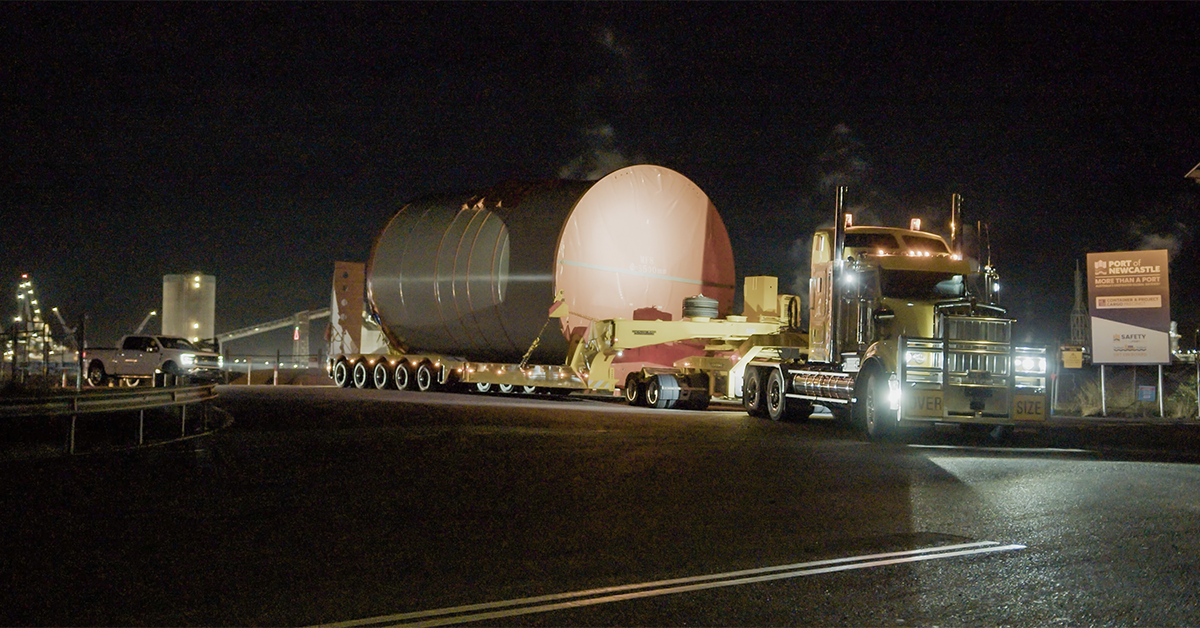
Big energy components leave Port of Newcastle for Uungula Wind Farm

In 60 seconds

Top move

Port of Newcastle's OSOM (oversize/overmass) wind farm movement is a real demand signal that tightens short‑term availability for specialist cranes, barges and escort services

Key takeaways

  • Port of Newcastle's OSOM (oversize/overmass) wind farm movement is a real demand signal that tightens short‑term availability for specialist cranes, barges and escort services.[1]
  • A crew member lost from a chemical/products tanker in Port Phillip creates near‑term safety and investigation exposure that can change berth access, reporting and voyage timing for similar tanker calls.[3]
  • Price & Speed’s Sydney depot advertises biosecurity and out‑of‑gauge capability but lacks publicly visible documentary proof; do not reduce contingency buffers or change panel concentrations based on the listing alone.[2]
  • The Newcastle move used the multipurpose terminal, which means future renewable component arrivals will compete with other OSOM work for the same terminal slots and heavy‑lift teams.[1]
  • Investigation steps from the Port Phillip incident are still unfolding; expect operational advisories or temporary hold points that could affect scheduling and agent obligations for chemical tankers.[3]

What changed since last run

  • Observed a documented OSOM export move at Port of Newcastle that was not present in the prior brief; this is a concrete mobilisation event.
  • New Port Phillip tanker overboard fatality reported since the prior run and is now under investigation.
  • No documentary verification from Price & Speed has been received since the prior brief; their public claims remain unvalidated.

Key facts

  • First oversize/overmass wind farm movement documented at Port of Newcastle
  • Handled through the port's multipurpose terminal
  • Represents an operational readiness milestone for renewable project logistics
  • Advertised as an authorised facility for commercial operations and biosecurity activities
  • Two depots listed close to Sydney ports
  • Public listing shows seven‑day availability but lacks visible accreditation documents

Why it matters

Port of Newcastle's OSOM (oversize/overmass) wind farm movement is a real demand signal that tightens short‑term availability for specialist cranes, barges and escort services. A crew member lost from a chemical/products tanker in Port Phillip creates near‑term safety and investigation exposure that can change berth access, reporting and voyage timing for similar tanker calls. Price & Speed’s Sydney depot advertises biosecurity and out‑of‑gauge capability but lacks publicly visible documentary proof; do not reduce contingency buffers or change panel concentrations based on the listing alone. The Newcastle move used the multipurpose terminal, which means future renewable component arrivals will compete with other OSOM work for the same terminal slots and heavy‑lift teams

Cost / money

  • Specialist mobilisation and barge/transit costs are likely to rise directionally as OSOM moves use scarce cranes and escorts, reducing buyer room to negotiate softer mobilisation terms.[1]
  • Incident‑driven delays on tankers can generate additional voyage costs (agent work, potential diversions or demurrage exposure) while investigations or hold points are in effect.[3]

Supplier / commercial

  • Terminals and heavy‑lift contractors can shorten quote validity windows and prioritise customers once a port proves renewable component handling, increasing supplier leverage on scheduling.[1]
  • An unverified depot claim (Price & Speed) risks shifting perceived supplier concentration; adding them to panels without proof may create subcontracting or mobilisation disputes later.[2]

Safety / operations

  • OSOM operations increase lifting and marine safety interdependencies; compressed sequencing heightens the need to align crew availability, permit windows and equipment checks before lifts.[1]
  • The tanker fatality amplifies immediate scrutiny on lookout, gangway and emergency procedures for chemical/product tankers calling Australian ports; operators should expect tighter procedural spot checks.[3]

What to watch

  • Verify Price & Speed licences, biosecurity certificates and sample throughput before assigning regulated or contingency OSOG volumes; online claims alone are insufficient.[2]
  • Track Port Phillip investigation outputs for any temporary berth restrictions or new reporting obligations that could change port call timelines or supplier responsibilities.[3]

Top stories

Story 1Thedcn

Big energy components leave Port of Newcastle for Uungula Wind Farm

Signal strongSource-grounded

What happened

Port of Newcastle moved oversize/overmass wind farm components from its multipurpose terminal. The move demonstrates terminal capability for renewable component logistics and signals potential follow‑on arrivals that will compete for the same specialised lift and berth resources. Watch whether subsequent shipments replicate this cadence and tighten supplier mobilisation windows

Buyer takeaway

Treat this as an operational demand signal that reduces slack in heavy‑lift scheduling and increases the need for firmed availability commitments

Cost / money

Directional upward pressure on mobilisation, barge transit and crane hire costs as specialised resources are allocated to OSOM moves

Supplier / commercial

Terminals and heavy‑lift contractors may shorten quote validity and prioritise customers; buyers should secure fixed mobilisation terms or availability windows in agreements

Safety / operations

OSOM lifts increase lifting and marine safety dependencies; compressed sequencing requires pre‑aligned crew, permits and equipment checks

What to watch

Confirm upcoming arrival schedules and whether suppliers are starting to impose mobilisation surcharges or shorter acceptance windows

Key facts

  • First oversize/overmass wind farm movement documented at Port of Newcastle
  • Handled through the port's multipurpose terminal
  • Represents an operational readiness milestone for renewable project logistics

Source excerpts

News Big energy components leave Port of Newcastle for Uungula Wind Farm Overmass equipment being moved at the Port of Newcastle. Image: Port of Newcastle Posted by David Sexton | 1 May, 2026 PORT of Newcastle says it has marked another milestone as a leader in renewable energy logistics, with the first oversize and/or overmass (OSOM) wind farm movement from its multipurpose terminal to the Uungula Wind Farm in central west New South Wales
Image: Port of Newcastle Posted by David Sexton | 1 May, 2026 PORT of Newcastle says it has marked another milestone as a leader in renewable energy logistics, with the first oversize and/or overmass (OSOM) wind farm movement from its multipurpose terminal to the Uungula Wind Farm in central west New South Wales
News Big energy components leave Port of Newcastle for Uungula Wind Farm Overmass equipment being moved at the Port of Newcastle
Story 2Price & Speed

Sydney Container Depot

Signal limitedDirectional

What happened

Price & Speed advertises a Sydney container depot with biosecurity and out‑of‑gauge handling capability. The listing is promotional and does not include visible documentary proof of licences or throughput, so claims remain unverified. Buyers should request accreditation and sample throughput records before assigning regulated or contingency volumes

Buyer takeaway

Treat web claims as directional and unverified; do not change supplier panels without documentary evidence

Cost / money

If validated, local depot capability could lower contingency landed costs; if not, adding them risks unexpected mobilisation or remediation charges

Supplier / commercial

A verified depot would gain leverage for short‑notice work; unverified claims risk concentration and subcontracting surprises post‑award

Safety / operations

Biosecurity handling claims are material for regulated cargo; lack of proof increases risk of shipment holds and non‑compliance events

What to watch

Request licences, biosecurity certificates and sample throughput logs before onboarding for regulated work

Key facts

  • Advertised as an authorised facility for commercial operations and biosecurity activities
  • Two depots listed close to Sydney ports
  • Public listing shows seven‑day availability but lacks visible accreditation documents

Source excerpts

Located close to Sydney Ports, Price & Speed is an authorised facility for commercial operations and biosecurity activities
+61 2 9666 6565Open 7 dayscheck our contact page for depot operating hours
For all your depot requirementsSEA / AIR CARGO FUMIGATIONOUT OF GAUGE CARGO FLOWERS & FRESH PRODUCEPrice & Speed Containers is an Australian & family owned business with an established reputation for service excellence, expert knowledge and personal customer attention
Story 3Thedcn

Crew member lost from tanker in Port Phillip

Signal moderateSource-grounded

What happened

A crew member went overboard from a chemical/products tanker in Port Phillip and the body was later located; authorities have opened an investigation. The event is operationally real and will likely prompt incident reviews and temporary operational checks for similar vessel types calling ports in the region. Monitor investigation findings for any procedural or regulatory changes that affect berth access or reporting requirements

Buyer takeaway

This is an operational incident that raises near‑term safety and contractual exposures for chemical tanker operations

Cost / money

Investigations can cause voyage delays, agent cost increases and potential diversion or demurrage exposure

Supplier / commercial

Agents, crew providers and service suppliers may request clearer emergency response obligations, watchkeeping standards and liability clauses

Safety / operations

Immediate need to review lookout, gangway and emergency response procedures for like vessel types calling Australian ports

What to watch

Track investigation outcomes for any mandatory procedural changes or additional reporting that would affect operational checklists

Key facts

  • Overboard incident from a chemical/products tanker in Port Phillip
  • Missing crew member located by Victorian Water Police
  • Investigation opened and not currently treated as suspicious

Source excerpts

Earlier, authorities were continuing to search for a crew member believed to have gone overboard from the chemical/products tanker Chem Cobalt in Port Phillip Bay
News Crew member lost from tanker in Port Phillip Credit: Google Maps Posted by Dale Crisp | 1 May, 2026 UPDATE: Victorian Water Police located the body of the missing crewmember in waters off Frankston at around 1430 this afternoon
The death will be investigated by Water Police but is not being treated as suspicious at this stage

VP Snapshot

Executive Risk & Action View

Port of Newcastle's OSOM (oversize/overmass) wind farm movement is a real demand signal that tightens short‑term availability for specialist cranes, barges and escort services.

Overall
61
Cost
97
Supply
43
Schedule
20
Compliance
15

Top signals

30-180dcost

Signal 1: Cost / money

Specialist mobilisation and barge/transit costs are likely to rise directionally as OSOM moves use scarce cranes and escorts, reducing buyer room to negotiate softer mobilisation terms.

Signal 2: Cost / money

Incident‑driven delays on tankers can generate additional voyage costs (agent work, potential diversions or demurrage exposure) while investigations or hold points are in effect.

Signal 4: Supplier / commercial

An unverified depot claim (Price & Speed) risks shifting perceived supplier concentration; adding them to panels without proof may create subcontracting or mobilisation disputes later.

30-180dcommercial

Signal 3: Supplier / commercial

Terminals and heavy‑lift contractors can shorten quote validity windows and prioritise customers once a port proves renewable component handling, increasing supplier leverage on scheduling.

0-30dsupply

Signal 5: Safety / operations

OSOM operations increase lifting and marine safety interdependencies; compressed sequencing heightens the need to align crew availability, permit windows and equipment checks before lifts.

0-30dsupplier

Signal 6: Safety / operations

The tanker fatality amplifies immediate scrutiny on lookout, gangway and emergency procedures for chemical/product tankers calling Australian ports; operators should expect tighter procedural spot checks.

Recommended actions

OpsDue 3d

Request documentary proof from Price & Speed (facility licence, biosecurity certificates, operating hours and sample throughput logs).

Receive documents that allow a go/no‑go decision for regulated contingency volumes.

OpsDue 3d

Alert in‑region tanker operators and port agents to review immediate berth and gangway controls and provide any new incident advisories to commercial teams.

Short advisory memo outlining any immediate operational changes and supplier contact points.

CategoryDue 21d

Issue targeted supplier queries to heavy‑lift contractors and the multipurpose terminal at Newcastle to confirm capacity windows, mobilisation fees and minimum notice requirements.

Updated supplier readiness matrix showing firm availability windows, mobilisation terms and any sequencing constraints.

ContractsDue 21d

Update contract clause set for depot onboarding to require documentary accreditation, capped mobilisation fees and defined quote validity for OSOG and biosecurity work.

Revised clause bank and onboarding checklist to be used for depot additions and contingency panel changes.

CategoryDue 60d

Model supplier concentration scenarios for cranes, barges and heavy‑lift teams to set contingency panels and identify single‑supplier dependencies at Newcastle.

Decision memo with recommended panel adjustments, contingency sourcing rules and suggested contract levers for mobilisation.

Risk register

RiskTriggerMitigation
Verify Price & Speed licences, biosecurity certificates and sample throughput before assigning regulated or contingency OSOG volumes; online claims alone are insufficient.Verify Price & Speed licences, biosecurity certificates and sample throughput before assigning regulated or contingency OSOG volumes; online claims alone are insufficient.Confirm exposure with category, contracts, and operations before the next supplier commitment.
Track Port Phillip investigation outputs for any temporary berth restrictions or new reporting obligations that could change port call timelines or supplier responsibilities.Track Port Phillip investigation outputs for any temporary berth restrictions or new reporting obligations that could change port call timelines or supplier responsibilities.Confirm exposure with category, contracts, and operations before the next supplier commitment.

CM Snapshot

Category Manager Decision Detail

Today's priorities

Request documentary proof from Price & Speed (facility licence, biosecurity certificates, operating hours and sample throughput logs).

because their public listing asserts biosecurity and OSOG capability that could change panel decisions if verified; procurement decisions should be evidence‑based.

Due 3d

high

CM move

Use this as the immediate supplier or contract action to move before the next sourcing gate.

Alert in‑region tanker operators and port agents to review immediate berth and gangway controls and provide any new incident advisories to commercial teams.

because the Port Phillip fatality may trigger temporary procedural checks or localized hold points that affect voyage schedules and supplier obligations.

Due 3d

high

CM move

Use this as the immediate supplier or contract action to move before the next sourcing gate.

Issue targeted supplier queries to heavy‑lift contractors and the multipurpose terminal at Newcastle to confirm capacity windows, mobilisation fees and minimum notice requirements.

because the OSOM move is a concrete demand signal and suppliers may be tightening availability and adding mobilisation surcharges.

Due 21d

high

CM move

Use this as the immediate supplier or contract action to move before the next sourcing gate.

Update contract clause set for depot onboarding to require documentary accreditation, capped mobilisation fees and defined quote validity for OSOG and biosecurity work.

because unverified marketing claims create commercial exposure and contracts should limit supplier ability to impose unplanned mobilisation or pass‑through costs post‑award.

Due 21d

high

CM move

Use this as the immediate supplier or contract action to move before the next sourcing gate.

Supplier radar

Thedcn

high

Observed supplier signal

Terminals and heavy‑lift contractors can shorten quote validity windows and prioritise customers once a port proves renewable component handling, increasing supplier leverage on scheduling.

Commercial implication

Terminals and heavy‑lift contractors can shorten quote validity windows and prioritise customers once a port proves renewable component handling, increasing supplier leverage on scheduling.

Next step: Validate the source-backed signal with incumbents and alternates before the next award or pricing decision.

Price & Speed

high

Observed supplier signal

An unverified depot claim (Price & Speed) risks shifting perceived supplier concentration; adding them to panels without proof may create subcontracting or mobilisation disputes later.

Commercial implication

An unverified depot claim (Price & Speed) risks shifting perceived supplier concentration; adding them to panels without proof may create subcontracting or mobilisation disputes later.

Next step: Validate the source-backed signal with incumbents and alternates before the next award or pricing decision.

Negotiation levers

Request documentary proof from Price & Speed (facility licence, biosecurity certificates, operating hours and sample throughput logs).

When to use: because their public listing asserts biosecurity and OSOG capability that could change panel decisions if verified; procurement decisions should be evidence‑based.

Expected outcome: Receive documents that allow a go/no‑go decision for regulated contingency volumes.

Commercial mechanism to carry into the next supplier conversation

Alert in‑region tanker operators and port agents to review immediate berth and gangway controls and provide any new incident advisories to commercial teams.

When to use: because the Port Phillip fatality may trigger temporary procedural checks or localized hold points that affect voyage schedules and supplier obligations.

Expected outcome: Short advisory memo outlining any immediate operational changes and supplier contact points.

Commercial mechanism to carry into the next supplier conversation

Issue targeted supplier queries to heavy‑lift contractors and the multipurpose terminal at Newcastle to confirm capacity windows, mobilisation fees and minimum notice requirements.

When to use: because the OSOM move is a concrete demand signal and suppliers may be tightening availability and adding mobilisation surcharges.

Expected outcome: Updated supplier readiness matrix showing firm availability windows, mobilisation terms and any sequencing constraints.

Commercial mechanism to carry into the next supplier conversation

Update contract clause set for depot onboarding to require documentary accreditation, capped mobilisation fees and defined quote validity for OSOG and biosecurity work.

When to use: because unverified marketing claims create commercial exposure and contracts should limit supplier ability to impose unplanned mobilisation or pass‑through costs post‑award.

Expected outcome: Revised clause bank and onboarding checklist to be used for depot additions and contingency panel changes.

Commercial mechanism to carry into the next supplier conversation

Talking points

Port of Newcastle's OSOM (oversize/overmass) wind farm movement is a real demand signal that tightens short‑term availability for specialist cranes, barges and escort services.
A crew member lost from a chemical/products tanker in Port Phillip creates near‑term safety and investigation exposure that can change berth access, reporting and voyage timing for similar tanker calls.
Price & Speed’s Sydney depot advertises biosecurity and out‑of‑gauge capability but lacks publicly visible documentary proof; do not reduce contingency buffers or change panel concentrations based on the listing alone.
The Newcastle move used the multipurpose terminal, which means future renewable component arrivals will compete with other OSOM work for the same terminal slots and heavy‑lift teams.

Supplier radar

SupplierSignalImplicationNext stepConfidence
ThedcnTerminals and heavy‑lift contractors can shorten quote validity windows and prioritise customers once a port proves renewable component handling, increasing supplier leverage on scheduling.Terminals and heavy‑lift contractors can shorten quote validity windows and prioritise customers once a port proves renewable component handling, increasing supplier leverage on scheduling.Validate the source-backed signal with incumbents and alternates before the next award or pricing decision.high
Price & SpeedAn unverified depot claim (Price & Speed) risks shifting perceived supplier concentration; adding them to panels without proof may create subcontracting or mobilisation disputes later.An unverified depot claim (Price & Speed) risks shifting perceived supplier concentration; adding them to panels without proof may create subcontracting or mobilisation disputes later.Validate the source-backed signal with incumbents and alternates before the next award or pricing decision.high

Negotiation levers

  • Request documentary proof from Price & Speed (facility licence, biosecurity certificates, operating hours and sample throughput logs).because their public listing asserts biosecurity and OSOG capability that could change panel decisions if verified; procurement decisions should be evidence‑based.Receive documents that allow a go/no‑go decision for regulated contingency volumes.

    high confidence

  • Alert in‑region tanker operators and port agents to review immediate berth and gangway controls and provide any new incident advisories to commercial teams.because the Port Phillip fatality may trigger temporary procedural checks or localized hold points that affect voyage schedules and supplier obligations.Short advisory memo outlining any immediate operational changes and supplier contact points.

    high confidence

  • Issue targeted supplier queries to heavy‑lift contractors and the multipurpose terminal at Newcastle to confirm capacity windows, mobilisation fees and minimum notice requirements.because the OSOM move is a concrete demand signal and suppliers may be tightening availability and adding mobilisation surcharges.Updated supplier readiness matrix showing firm availability windows, mobilisation terms and any sequencing constraints.

    high confidence

  • Update contract clause set for depot onboarding to require documentary accreditation, capped mobilisation fees and defined quote validity for OSOG and biosecurity work.because unverified marketing claims create commercial exposure and contracts should limit supplier ability to impose unplanned mobilisation or pass‑through costs post‑award.Revised clause bank and onboarding checklist to be used for depot additions and contingency panel changes.

    high confidence

What to do / What to watch

What to do now

  • Request documentary proof from Price & Speed (facility licence, biosecurity certificates, operating hours and sample throughput logs).

    Why: because their public listing asserts biosecurity and OSOG capability that could change panel decisions if verified; procurement decisions should be evidence‑based.

    Owner: Ops

    Expected outcome: Receive documents that allow a go/no‑go decision for regulated contingency volumes.

    [2]
  • Alert in‑region tanker operators and port agents to review immediate berth and gangway controls and provide any new incident advisories to commercial teams.

    Why: because the Port Phillip fatality may trigger temporary procedural checks or localized hold points that affect voyage schedules and supplier obligations.

    Owner: Ops

    Expected outcome: Short advisory memo outlining any immediate operational changes and supplier contact points.

    [3]

Next few weeks

  • Issue targeted supplier queries to heavy‑lift contractors and the multipurpose terminal at Newcastle to confirm capacity windows, mobilisation fees and minimum notice requirements.

    Why: because the OSOM move is a concrete demand signal and suppliers may be tightening availability and adding mobilisation surcharges.

    Owner: Category

    Expected outcome: Updated supplier readiness matrix showing firm availability windows, mobilisation terms and any sequencing constraints.

    [1]
  • Update contract clause set for depot onboarding to require documentary accreditation, capped mobilisation fees and defined quote validity for OSOG and biosecurity work.

    Why: because unverified marketing claims create commercial exposure and contracts should limit supplier ability to impose unplanned mobilisation or pass‑through costs post‑award.

    Owner: Contracts

    Expected outcome: Revised clause bank and onboarding checklist to be used for depot additions and contingency panel changes.

    [2]

Longer view

  • Model supplier concentration scenarios for cranes, barges and heavy‑lift teams to set contingency panels and identify single‑supplier dependencies at Newcastle.

    Why: because repeated or sequenced OSOM arrivals can concentrate demand on a small set of specialist suppliers and increase execution risk.

    Owner: Category

    Expected outcome: Decision memo with recommended panel adjustments, contingency sourcing rules and suggested contract levers for mobilisation.

    [1]

What to watch

  • Verify Price & Speed licences, biosecurity certificates and sample throughput before assigning regulated or contingency OSOG volumes; online claims alone are insufficient
  • Track Port Phillip investigation outputs for any temporary berth restrictions or new reporting obligations that could change port call timelines or supplier responsibilities
  • Verify Price & Speed licences, biosecurity certificates and sample throughput before assigning regulated or contingency OSOG volumes; online claims alone are insufficient.: Verify Price & Speed licences, biosecurity certificates and sample throughput before assigning regulated or contingency OSOG volumes; online claims alone are insufficient
  • Track Port Phillip investigation outputs for any temporary berth restrictions or new reporting obligations that could change port call timelines or supplier responsibilities.: Track Port Phillip investigation outputs for any temporary berth restrictions or new reporting obligations that could change port call timelines or supplier responsibilities
  • Port of Newcastle's OSOM (oversize/overmass) wind farm movement is a real demand signal that tightens short‑term availability for specialist cranes, barges and escort services
  • A crew member lost from a chemical/products tanker in Port Phillip creates near‑term safety and investigation exposure that can change berth access, reporting and voyage timing for similar tanker calls
  • Price & Speed’s Sydney depot advertises biosecurity and out‑of‑gauge capability but lacks publicly visible documentary proof; do not reduce contingency buffers or change panel concentrations based on the listing alone
  • The Newcastle move used the multipurpose terminal, which means future renewable component arrivals will compete with other OSOM work for the same terminal slots and heavy‑lift teams

Market pulse

IndexLatestChangeAs of
Dry Bulk Shipping (BDRY) (BDRY)0 +0.00 (+0.00%)May 1, 2026, 10:12 PM
WTI (Fuel) (WTI)71.23 /bbl+0.00 (+0.00%)May 1, 2026, 10:12 PM
FedEx (FDX)285 +0.00 (+0.00%)May 1, 2026, 10:12 PM
UPS (UPS)142 +0.00 (+0.00%)May 1, 2026, 10:12 PM
Maersk (MAERSK)9.5 +0.00 (+0.00%)May 1, 2026, 10:12 PM
  • Dry Bulk Shipping (BDRY): Dry bulk shipping rates influence barge repositioning and availability for heavy‑lift OSOM moves
  • WTI (Fuel): Fuel price movement affects transit and mobilisation costs for barges, tugs and crane transfers

Sources

Inline citations jump here. Expand a source to read the excerpt, the AI interpretation, and the original link.

[1] Big energy components leave Port of Newcastle for Uungula Wind Farm

thedcn.com.au · n.d.

Expand

AI reading

Port of Newcastle moved oversize/overmass wind farm components from its multipurpose terminal. The move demonstrates terminal capability for renewable component logistics and signals potential follow‑on arrivals that will compete for the same specialised lift and berth resources. Watch whether subsequent shipments replicate this cadence and tighten supplier mobilisation windows

Buyer takeaway

Treat this as an operational demand signal that reduces slack in heavy‑lift scheduling and increases the need for firmed availability commitments

Cost / money

Directional upward pressure on mobilisation, barge transit and crane hire costs as specialised resources are allocated to OSOM moves

Supplier / commercial

Terminals and heavy‑lift contractors may shorten quote validity and prioritise customers; buyers should secure fixed mobilisation terms or availability windows in agreements

Safety / operations

OSOM lifts increase lifting and marine safety dependencies; compressed sequencing requires pre‑aligned crew, permits and equipment checks

What to watch

Confirm upcoming arrival schedules and whether suppliers are starting to impose mobilisation surcharges or shorter acceptance windows

Key facts

  • First oversize/overmass wind farm movement documented at Port of Newcastle
  • Handled through the port's multipurpose terminal
  • Represents an operational readiness milestone for renewable project logistics

Source excerpts

News Big energy components leave Port of Newcastle for Uungula Wind Farm Overmass equipment being moved at the Port of Newcastle. Image: Port of Newcastle Posted by David Sexton | 1 May, 2026 PORT of Newcastle says it has marked another milestone as a leader in renewable energy logistics, with the first oversize and/or overmass (OSOM) wind farm movement from its multipurpose terminal to the Uungula Wind Farm in central west New South Wales
Image: Port of Newcastle Posted by David Sexton | 1 May, 2026 PORT of Newcastle says it has marked another milestone as a leader in renewable energy logistics, with the first oversize and/or overmass (OSOM) wind farm movement from its multipurpose terminal to the Uungula Wind Farm in central west New South Wales
News Big energy components leave Port of Newcastle for Uungula Wind Farm Overmass equipment being moved at the Port of Newcastle

Used in this brief

  • Port of Newcastle's OSOM (oversize/overmass) wind farm movement is a real demand signal that tightens short‑term availability for specialist cranes, barges and escort services. A crew member lost from a chemical/products tanker in Port Phillip creates near‑term safety and investigation exposure that can change berth access, reporting and voyage timing for similar tanker calls. Price & Speed’s Sydney depot advertises biosecurity and out‑of‑gauge capability but lacks publicly visible documentary proof; do not reduce contingency buffers or change panel concentrations based on the listing alone. The Newcastle move used the multipurpose terminal, which means future renewable component arrivals will compete with other OSOM work for the same terminal slots and heavy‑lift teams
  • What to watch: Track Port Phillip investigation outputs for any temporary berth restrictions or new reporting obligations that could change port call timelines or supplier responsibilities
  • Next 2-4 weeks — Issue targeted supplier queries to heavy‑lift contractors and the multipurpose terminal at Newcastle to confirm capacity windows, mobilisation fees and minimum notice requirements.. Rationale: because the OSOM move is a concrete demand signal and suppliers may be tightening availability and adding mobilisation surcharges.. Owner: Category. KPI: Updated supplier readiness matrix showing firm availability windows, mobilisation terms and any sequencing constraints
Open original source

[2] Sydney Container Depot

thedcn.com.au · n.d.

Expand

AI reading

Price & Speed advertises a Sydney container depot with biosecurity and out‑of‑gauge handling capability. The listing is promotional and does not include visible documentary proof of licences or throughput, so claims remain unverified. Buyers should request accreditation and sample throughput records before assigning regulated or contingency volumes

Buyer takeaway

Treat web claims as directional and unverified; do not change supplier panels without documentary evidence

Cost / money

If validated, local depot capability could lower contingency landed costs; if not, adding them risks unexpected mobilisation or remediation charges

Supplier / commercial

A verified depot would gain leverage for short‑notice work; unverified claims risk concentration and subcontracting surprises post‑award

Safety / operations

Biosecurity handling claims are material for regulated cargo; lack of proof increases risk of shipment holds and non‑compliance events

What to watch

Request licences, biosecurity certificates and sample throughput logs before onboarding for regulated work

Key facts

  • Advertised as an authorised facility for commercial operations and biosecurity activities
  • Two depots listed close to Sydney ports
  • Public listing shows seven‑day availability but lacks visible accreditation documents

Source excerpts

Located close to Sydney Ports, Price & Speed is an authorised facility for commercial operations and biosecurity activities
+61 2 9666 6565Open 7 dayscheck our contact page for depot operating hours
For all your depot requirementsSEA / AIR CARGO FUMIGATIONOUT OF GAUGE CARGO FLOWERS & FRESH PRODUCEPrice & Speed Containers is an Australian & family owned business with an established reputation for service excellence, expert knowledge and personal customer attention

Used in this brief

  • Next 72 hours — Request documentary proof from Price & Speed (facility licence, biosecurity certificates, operating hours and sample throughput logs).. Rationale: because their public listing asserts biosecurity and OSOG capability that could change panel decisions if verified; procurement decisions should be evidence‑based.. Owner: Ops. KPI: Receive documents that allow a go/no‑go decision for regulated contingency volumes
  • Next 2-4 weeks — Update contract clause set for depot onboarding to require documentary accreditation, capped mobilisation fees and defined quote validity for OSOG and biosecurity work.. Rationale: because unverified marketing claims create commercial exposure and contracts should limit supplier ability to impose unplanned mobilisation or pass‑through costs post‑award.. Owner: Contracts. KPI: Revised clause bank and onboarding checklist to be used for depot additions and contingency panel changes
  • Verify Price & Speed licences, biosecurity certificates and sample throughput before assigning regulated or contingency OSOG volumes; online claims alone are insufficient
Open original source

[3] Crew member lost from tanker in Port Phillip

thedcn.com.au · n.d.

Expand

AI reading

A crew member went overboard from a chemical/products tanker in Port Phillip and the body was later located; authorities have opened an investigation. The event is operationally real and will likely prompt incident reviews and temporary operational checks for similar vessel types calling ports in the region. Monitor investigation findings for any procedural or regulatory changes that affect berth access or reporting requirements

Buyer takeaway

This is an operational incident that raises near‑term safety and contractual exposures for chemical tanker operations

Cost / money

Investigations can cause voyage delays, agent cost increases and potential diversion or demurrage exposure

Supplier / commercial

Agents, crew providers and service suppliers may request clearer emergency response obligations, watchkeeping standards and liability clauses

Safety / operations

Immediate need to review lookout, gangway and emergency response procedures for like vessel types calling Australian ports

What to watch

Track investigation outcomes for any mandatory procedural changes or additional reporting that would affect operational checklists

Key facts

  • Overboard incident from a chemical/products tanker in Port Phillip
  • Missing crew member located by Victorian Water Police
  • Investigation opened and not currently treated as suspicious

Source excerpts

Earlier, authorities were continuing to search for a crew member believed to have gone overboard from the chemical/products tanker Chem Cobalt in Port Phillip Bay
News Crew member lost from tanker in Port Phillip Credit: Google Maps Posted by Dale Crisp | 1 May, 2026 UPDATE: Victorian Water Police located the body of the missing crewmember in waters off Frankston at around 1430 this afternoon
The death will be investigated by Water Police but is not being treated as suspicious at this stage

Used in this brief

  • Next 72 hours — Alert in‑region tanker operators and port agents to review immediate berth and gangway controls and provide any new incident advisories to commercial teams.. Rationale: because the Port Phillip fatality may trigger temporary procedural checks or localized hold points that affect voyage schedules and supplier obligations.. Owner: Ops. KPI: Short advisory memo outlining any immediate operational changes and supplier contact points
  • Track Port Phillip investigation outputs for any temporary berth restrictions or new reporting obligations that could change port call timelines or supplier responsibilities
  • New Port Phillip tanker overboard fatality reported since the prior run and is now under investigation
Open original source

[4] Dry Bulk Shipping (BDRY)

finance.yahoo.com · n.d.

Expand

[5] WTI (Fuel)

finance.yahoo.com · n.d.

Expand