Subsea, SURF & Offshore · International (Houston)

Tighten SURF contracts as seabed data and rig demand shift

Published May 1, 2026, 5:06 AM CSTINTERNATIONALFull category signal
Ask AI
OTC 2026: Cloud-based seabed intelligence reshapes offshore decision-making

In 60 seconds

Top move

Persistent, cloud-hosted seabed data is becoming a practical way to avoid some offshore mobilizations and change how survey scope and data delivery are priced and contracted

Key takeaways

  • Persistent, cloud-hosted seabed data is becoming a practical way to avoid some offshore mobilizations and change how survey scope and data delivery are priced and contracted.[1]
  • Recent rig awards and reported higher dayrates point to firmer floater and drillship demand, which tightens supplier availability windows and raises the chance of mobilization premiums.[2]
  • Operators and contractors are prioritizing life‑extension, preventive maintenance and automation on rigs — that shifts spend from newbuilds to parts, upgrades and longer maintenance windows that buyers must price into schedules.[3]
  • For procurement, the seabed-data trend has three practical effects: require cloud delivery/data access in survey RFPs, separate one-off survey fees from ongoing data‑service charges, and confirm connectivity/cyber responsibilities.[1]
  • Because rig backlog and dayrate signals make slot availability less predictable, expect suppliers to shorten quote validity and press for firmer mobilization terms or slot-hold fees.[2]

What changed since last run

  • Added a new, operational signal: cloud-based, persistent seabed intelligence (OTC presentation) that can reduce unnecessary mobilizations and changes survey contracting assumptions (article 5).
  • Updated supplier-demand picture with explicit rig booking and dayrate details from Noble that reinforce earlier warnings about narrowing availability and mobilization premiums (article 8).
  • Highlighted rig life-extension and automation as a tangible sourcing driver for spares, maintenance scope and uptime SLAs rather than simply a long-term fleet note (article 6).

Key facts

  • OTC technical session on cloud-based seabed intelligence scheduled for May 4
  • Platform claims enable near real-time analysis of sonar, oceanographic and unmanned-system data
  • Vendors position persistent data as a way to reduce some offshore mobilizations
  • Noble reported multiple new firm fixtures and backlog increases
  • Recent dayrate commentary points to higher rates for Tier‑1 drillships
  • Some contracts include extended terms and phased dayrate changes

Why it matters

Persistent, cloud-hosted seabed data is becoming a practical way to avoid some offshore mobilizations and change how survey scope and data delivery are priced and contracted. Recent rig awards and reported higher dayrates point to firmer floater and drillship demand, which tightens supplier availability windows and raises the chance of mobilization premiums. Operators and contractors are prioritizing life‑extension, preventive maintenance and automation on rigs — that shifts spend from newbuilds to parts, upgrades and longer maintenance windows that buyers must price into schedules. For procurement, the seabed-data trend has three practical effects: require cloud delivery/data access in survey RFPs, separate one-off survey fees from ongoing data‑service charges, and confirm connectivity/cyber responsibilities

Cost / money

  • Persistent seabed data can cut repeat survey mobilizations and therefore lower total project survey spend if contracts include cloud access and re-use rights.[1]
  • Higher reported dayrates and added rig backlog increase expected mobilization premiums and make short-notice slot changes more costly for buyers who haven't pre‑secured capacity.[2]
  • Shifting investment to rig life-extension and automation reallocates CAPEX expectations toward sustained OPEX for upgrades, spare parts and specialized service windows.[3]

Supplier / commercial

  • Survey vendors and data-platform providers may push recurring, SaaS-style pricing for persistent seabed access rather than single-project deliverables; split pricing will be needed to compare offers.[1]
  • Drilling contractors with firm backlog gain leverage to shorten quote validity, require cancellation fees or ask for mobilization guarantees when rig demand is visible.[2]
  • Rigs getting life-extension upgrades create multi-year commercial relationships for maintenance contractors; buyers can use that to negotiate bundled MRO (maintenance, repair, overhaul) and uptime SLAs.[3]

Safety / operations

  • Shared, up-to-date seabed intelligence improves pipeline and asset integrity planning and can reduce offshore exposure by enabling remote decisions and fewer mobilizations.[1]
  • Compressed mobilization windows from stronger rig demand can pressure crews and QA/QC cycles; plan for longer pre-mobilization readiness checks or risk degraded execution quality.[2][3]

What to watch

  • Watch for vendors to propose persistent-data platforms that bundle ongoing fees and restrict re-use rights; require contract language that separates deliverable survey data from platform subscriptions.[1]
  • Watch suppliers shortening quote validity and adding slot-hold or mobilization fees as firm rig awards and higher dayrates crystallize; this will raise the cost of late commitments.[2]

Top stories

Story 1Offshore-mag

OTC 2026: Cloud-based seabed intelligence reshapes offshore decision-making

Signal strongSource-grounded

What happened

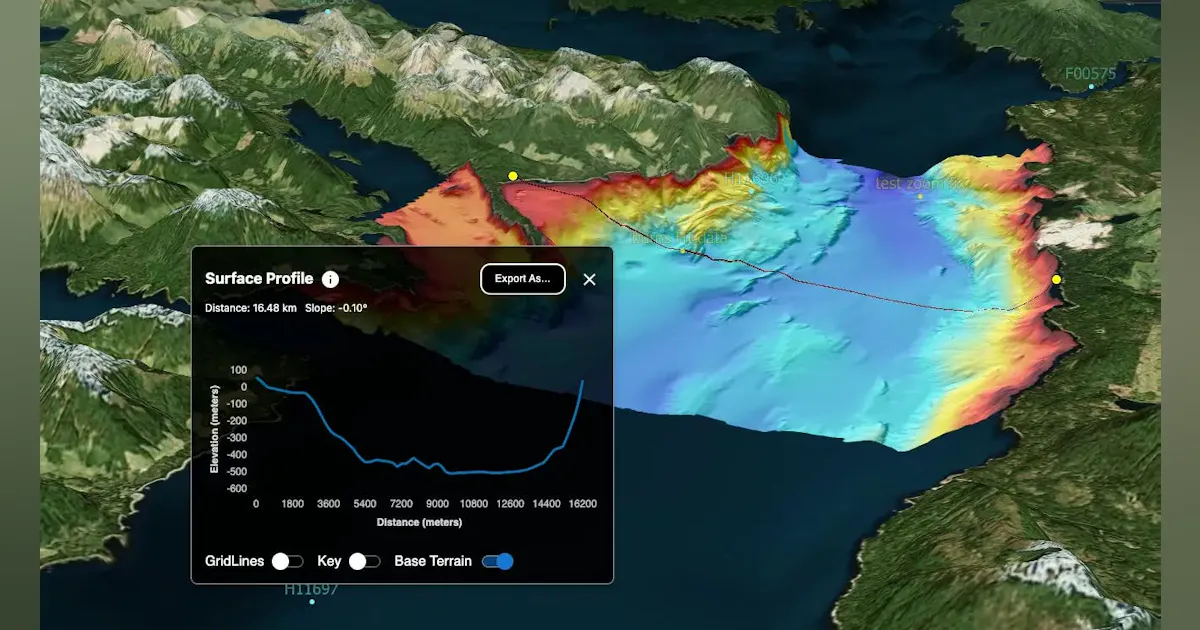
OTC technical sessions and vendor briefings highlight persistent, cloud-native seabed platforms that turn point-in-time surveys into continuously accessible datasets. Terradepth positions this as a way to enable near real-time seabed insight, reduce duplicate mobilizations and support ongoing integrity work; the vendor will present at OTC on May 4. Watch contract terms: data access, reuse rights and platform fees will determine whether buyers actually save mobilization costs

Buyer takeaway

Treat persistent seabed data as a contract lever: insist on separate pricing for one-off surveys versus ongoing platform access and require reuse/IP rights where possible

Cost / money

Directional cost reduction: fewer repeat mobilizations if data reuse is contractually allowed and accessible; savings depend on licensed access terms rather than technical capability alone

Supplier / commercial

Data-platform vendors may push subscription models that shift costs to recurring OPEX; buyers should demand line‑item pricing and demo access to validate value

Safety / operations

Shared, up-to-date seabed pictures reduce offshore exposure by enabling remote decision-making and earlier interventions for integrity issues

What to watch

Verify actual delivery models and IP terms — vendor demos and marketing can overstate reuse rights and availability windows

Key facts

  • OTC technical session on cloud-based seabed intelligence scheduled for May 4
  • Platform claims enable near real-time analysis of sonar, oceanographic and unmanned-system data
  • Vendors position persistent data as a way to reduce some offshore mobilizations

Source excerpts

During an OTC technical session, Terradepth’s Brian Butler will examine how persistent, cloud‑based seabed intelligence is reshaping offshore decision‑making—from integrity management to regulatory planning—by turning static survey data into a living operational asset. Courtesy TerradepthTerradepth's Absolute Ocean is a cloud-native data-to-decision platform designed to ingest and manage a range of data types, including raw and processed sonar, oceanographic, and unmanned system data, enabling near real‑time ana
” Courtesy TerradepthTerradepth is developing software infrastructure designed to centralize and organize survey and inspection data inside energy companies. The opportunity lies in shifting the mindset from data as project documentation to data as a persistent operational asset that compounds in value over time
Traditionally, seabed surveys have been treated as point-in-time deliverables—data captured to satisfy a single project requirement and then archived
Story 2Offshore-mag

Noble books further work for deepwater rig fleet

Signal strongSource-grounded

What happened

Noble's recent contract wins and backlog update show rising rig commitments and reference higher dayrates for Tier‑1 drillships and other units. The company reported firm fixtures and extended contracts that affect future slot availability and included reported dayrates that buyers should expect to influence mobilization pricing. Buyers should confirm current quote validity and cancellation exposure because suppliers with backlog are likely to demand firmer commercial terms

Buyer takeaway

Expect suppliers to shorten quote validity and negotiate mobilization guarantees when backlog is visible; verify in writing before schedules are fixed

Cost / money

Directional: stronger rig demand increases mobilization premiums and the cost of late scheduling changes

Supplier / commercial

Contractors with rising backlog can require slot-hold fees, cancellation penalties, and stricter payment/mobilization milestones

Safety / operations

Tighter scheduling can compress pre-mobilization QA and readiness checks; factor extended prep time into project schedules to maintain safety standards

What to watch

Watch for short-validity quotes and mobilisation fees; capture those terms early to avoid cost surprises

Key facts

  • Noble reported multiple new firm fixtures and backlog increases
  • Recent dayrate commentary points to higher rates for Tier‑1 drillships
  • Some contracts include extended terms and phased dayrate changes

Source excerpts

Finally, ExxonMobil has extended Noble Developer’s current contract to include another well at $375,000/d, and this is scheduled to start in early 2027
Noble Corp. 's drilling contracts backlog has risen to $7
Planet One agreed to take the Noble Venturer drillship for one firm well at $430,000/d, expected to start in late 2026, and two unpriced option wells
Story 3Offshore-mag

How Gulf of Mexico drilling contractors extend rig life in a mature basin

Signal moderateDirectional

What happened

Gulf of Mexico contractors are focused on extending rig life through preventative maintenance and selective automation upgrades to keep existing units productive. The approach shifts operational emphasis to regular inspections, spares provisioning and integrated maintenance programs rather than newbuild availability. Procurement should expect longer MRO engagements and to negotiate packaged upgrade and parts agreements tied to uptime performance

Buyer takeaway

Prioritize MRO supplier mapping and spare parts agreements now—life-extension work will shift near-term procurement toward maintenance and upgrade scopes

Cost / money

Shifting spend: expect more recurring spend on spares and service windows versus capital for new rigs

Supplier / commercial

Maintenance contractors might seek multi-year agreements or bundled upgrade contracts; buyers can require SLAs and priced spare kits

Safety / operations

Consistent maintenance and automation can improve safety and reduce downtime, but requires well-defined inspection and QA processes

What to watch

Confirm scope and certification requirements for life-extension upgrades to avoid scope creep and unpriced certification work

Key facts

  • Industry focus on disciplined preventive maintenance and life-extension programs
  • Automation upgrades (process‑based platforms) used to reduce manual intervention
  • Life-extension reduces dependence on newbuild schedules

Source excerpts

In practice, experience across the US Gulf has demonstrated that with disciplined preventive maintenance, well‑structured life‑extension programs and selective technology upgrades, rigs operating on both the shelf and in deep water can remain safe, reliable and commercially viable well into the 30‑year range
With limited newbuild activity on the horizon, extending the safe and productive service life of modern offshore rigs has become a central operational consideration throughout the region. Offshore drilling units are typically designed for an expected service life of approximately 20 years
He currently serves as Noble Corp. 's assistant rig manager of the Noble BlackLion drillship

VP Snapshot

Executive Risk & Action View

Persistent, cloud-hosted seabed data is becoming a practical way to avoid some offshore mobilizations and change how survey scope and data delivery are priced and contracted.

Overall
57
Cost
97
Supply
43
Schedule
38
Compliance
15

Top signals

30-180dcost

Signal 1: Cost / money

Persistent seabed data can cut repeat survey mobilizations and therefore lower total project survey spend if contracts include cloud access and re-use rights.

Signal 2: Cost / money

Higher reported dayrates and added rig backlog increase expected mobilization premiums and make short-notice slot changes more costly for buyers who haven't pre‑secured capacity.

Signal 3: Cost / money

Shifting investment to rig life-extension and automation reallocates CAPEX expectations toward sustained OPEX for upgrades, spare parts and specialized service windows.

30-180dcommercial

Signal 4: Supplier / commercial

Survey vendors and data-platform providers may push recurring, SaaS-style pricing for persistent seabed access rather than single-project deliverables; split pricing will be needed to compare offers.

Signal 6: Supplier / commercial

Rigs getting life-extension upgrades create multi-year commercial relationships for maintenance contractors; buyers can use that to negotiate bundled MRO (maintenance, repair, overhaul) and uptime SLAs.

30-180dsupply

Signal 5: Supplier / commercial

Drilling contractors with firm backlog gain leverage to shorten quote validity, require cancellation fees or ask for mobilization guarantees when rig demand is visible.

Recommended actions

CategoryDue 3d

Call top survey and subsea-data suppliers to confirm whether they offer persistent cloud delivery, what access terms look like, and whether reuse is priced separately.

Confirmed vendor capability matrix listing cloud delivery, IP/reuse terms and separate pricing for data vs platform.

CategoryDue 3d

Contact primary drilling contractors and key rig brokers to verify current slot availability, quote validity windows and any new mobilization or slot‑hold fees.

Recorded supplier availability windows, current dayrate posture, and mobilization/cancellation terms for prioritized procurement lists.

ContractsDue 21d

Issue revised RFIs for survey scopes that mandate (a) cloud delivery of processed data, (b) clear separators between one-off survey cost and ongoing data subscriptions, and (c)...

Comparable RFI responses with line-item pricing for survey work, data hosting and access SLAs enabling lifecycle cost comparison.

ContractsDue 21d

Request firm mobilization quotes and cancellation terms from shortlisted rig contractors and include explicit clauses for quote validity, slot holds and pass-through mobilizatio...

Firm mobilization and cancellation terms integrated into procurement cost models to inform award or slot-securement decisions.

LegalDue 60d

Update master services and survey agreements to include data ownership/reuse, platform uptime/cyber responsibilities, and priced options for persistent data hosting or transfer.

Revised contract templates with enforceable data ownership, SLA and cyber clauses ready for negotiation with survey and data-platform vendors.

OpsDue 60d

Map critical spares, upgrade scopes and MRO suppliers for rigs expected to receive life-extension work and include uptime SLAs in service contracts.

Spares and MRO procurement plan aligned to life-extension schedules with prioritized supplier leads and SLA templates.

Risk register

RiskTriggerMitigation
Watch for vendors to propose persistent-data platforms that bundle ongoing fees and restrict re-use rights; require contract language that separates deliverable survey data from platform subscriptions.Watch for vendors to propose persistent-data platforms that bundle ongoing fees and restrict re-use rights; require contract language that separates deliverable survey data from platform subscriptions.Confirm exposure with category, contracts, and operations before the next supplier commitment.
Watch suppliers shortening quote validity and adding slot-hold or mobilization fees as firm rig awards and higher dayrates crystallize; this will raise the cost of late commitments.Watch suppliers shortening quote validity and adding slot-hold or mobilization fees as firm rig awards and higher dayrates crystallize; this will raise the cost of late commitments.Confirm exposure with category, contracts, and operations before the next supplier commitment.

CM Snapshot

Category Manager Decision Detail

Today's priorities

Call top survey and subsea-data suppliers to confirm whether they offer persistent cloud delivery, what access terms look like, and whether reuse is priced separately.

because Terradepth and the OTC session indicate cloud-hosted, persistent seabed intelligence is moving from concept to offered service and procurement needs to know pricing and...

Due 3d

high

CM move

Use this as the immediate supplier or contract action to move before the next sourcing gate.

Contact primary drilling contractors and key rig brokers to verify current slot availability, quote validity windows and any new mobilization or slot‑hold fees.

because Noble's recent contract updates and reported dayrate moves show demand tightening and buyers must capture current commercial terms before committing schedules.

Due 3d

high

CM move

Use this as the immediate supplier or contract action to move before the next sourcing gate.

Issue revised RFIs for survey scopes that mandate (a) cloud delivery of processed data, (b) clear separators between one-off survey cost and ongoing data subscriptions, and (c)...

because persistent seabed intelligence reduces repeat mobilizations only if contracts secure reuse rights and service levels rather than one-off deliverables that are later arch...

Due 21d

high

CM move

Use this as the immediate supplier or contract action to move before the next sourcing gate.

Request firm mobilization quotes and cancellation terms from shortlisted rig contractors and include explicit clauses for quote validity, slot holds and pass-through mobilizatio...

because Noble's backlog and dayrate signals increase the probability suppliers will demand firmer commercial commitments and buyers need clear cancellation exposure.

Due 21d

high

CM move

Use this as the immediate supplier or contract action to move before the next sourcing gate.

Supplier radar

Offshore-mag

high

Observed supplier signal

Survey vendors and data-platform providers may push recurring, SaaS-style pricing for persistent seabed access rather than single-project deliverables; split pricing will be needed to compare offers.

Commercial implication

Survey vendors and data-platform providers may push recurring, SaaS-style pricing for persistent seabed access rather than single-project deliverables; split pricing will be needed to compare offers.

Next step: Validate the source-backed signal with incumbents and alternates before the next award or pricing decision.

Offshore-mag

high

Observed supplier signal

Drilling contractors with firm backlog gain leverage to shorten quote validity, require cancellation fees or ask for mobilization guarantees when rig demand is visible.

Commercial implication

Drilling contractors with firm backlog gain leverage to shorten quote validity, require cancellation fees or ask for mobilization guarantees when rig demand is visible.

Next step: Validate the source-backed signal with incumbents and alternates before the next award or pricing decision.

Offshore-mag

high

Observed supplier signal

Rigs getting life-extension upgrades create multi-year commercial relationships for maintenance contractors; buyers can use that to negotiate bundled MRO (maintenance, repair, overhaul) and uptime SLAs.

Commercial implication

Rigs getting life-extension upgrades create multi-year commercial relationships for maintenance contractors; buyers can use that to negotiate bundled MRO (maintenance, repair, overhaul) and uptime SLAs.

Next step: Validate the source-backed signal with incumbents and alternates before the next award or pricing decision.

Negotiation levers

Call top survey and subsea-data suppliers to confirm whether they offer persistent cloud delivery, what access terms look like, and whether reuse is priced separately.

When to use: because Terradepth and the OTC session indicate cloud-hosted, persistent seabed intelligence is moving from concept to offered service and procurement needs to know pricing and...

Expected outcome: Confirmed vendor capability matrix listing cloud delivery, IP/reuse terms and separate pricing for data vs platform.

Commercial mechanism to carry into the next supplier conversation

Contact primary drilling contractors and key rig brokers to verify current slot availability, quote validity windows and any new mobilization or slot‑hold fees.

When to use: because Noble's recent contract updates and reported dayrate moves show demand tightening and buyers must capture current commercial terms before committing schedules.

Expected outcome: Recorded supplier availability windows, current dayrate posture, and mobilization/cancellation terms for prioritized procurement lists.

Commercial mechanism to carry into the next supplier conversation

Issue revised RFIs for survey scopes that mandate (a) cloud delivery of processed data, (b) clear separators between one-off survey cost and ongoing data subscriptions, and (c)...

When to use: because persistent seabed intelligence reduces repeat mobilizations only if contracts secure reuse rights and service levels rather than one-off deliverables that are later arch...

Expected outcome: Comparable RFI responses with line-item pricing for survey work, data hosting and access SLAs enabling lifecycle cost comparison.

Commercial mechanism to carry into the next supplier conversation

Request firm mobilization quotes and cancellation terms from shortlisted rig contractors and include explicit clauses for quote validity, slot holds and pass-through mobilizatio...

When to use: because Noble's backlog and dayrate signals increase the probability suppliers will demand firmer commercial commitments and buyers need clear cancellation exposure.

Expected outcome: Firm mobilization and cancellation terms integrated into procurement cost models to inform award or slot-securement decisions.

Commercial mechanism to carry into the next supplier conversation

Talking points

Persistent, cloud-hosted seabed data is becoming a practical way to avoid some offshore mobilizations and change how survey scope and data delivery are priced and contracted.
Recent rig awards and reported higher dayrates point to firmer floater and drillship demand, which tightens supplier availability windows and raises the chance of mobilization premiums.
Operators and contractors are prioritizing life‑extension, preventive maintenance and automation on rigs — that shifts spend from newbuilds to parts, upgrades and longer maintenance windows that buyers must price into schedules.
For procurement, the seabed-data trend has three practical effects: require cloud delivery/data access in survey RFPs, separate one-off survey fees from ongoing data‑service charges, and confirm connectivity/cyber responsibilities.

Supplier radar

SupplierSignalImplicationNext stepConfidence
Offshore-magSurvey vendors and data-platform providers may push recurring, SaaS-style pricing for persistent seabed access rather than single-project deliverables; split pricing will be needed to compare offers.Survey vendors and data-platform providers may push recurring, SaaS-style pricing for persistent seabed access rather than single-project deliverables; split pricing will be needed to compare offers.Validate the source-backed signal with incumbents and alternates before the next award or pricing decision.high
Offshore-magDrilling contractors with firm backlog gain leverage to shorten quote validity, require cancellation fees or ask for mobilization guarantees when rig demand is visible.Drilling contractors with firm backlog gain leverage to shorten quote validity, require cancellation fees or ask for mobilization guarantees when rig demand is visible.Validate the source-backed signal with incumbents and alternates before the next award or pricing decision.high
Offshore-magRigs getting life-extension upgrades create multi-year commercial relationships for maintenance contractors; buyers can use that to negotiate bundled MRO (maintenance, repair, overhaul) and uptime SLAs.Rigs getting life-extension upgrades create multi-year commercial relationships for maintenance contractors; buyers can use that to negotiate bundled MRO (maintenance, repair, overhaul) and uptime SLAs.Validate the source-backed signal with incumbents and alternates before the next award or pricing decision.high

Negotiation levers

  • Call top survey and subsea-data suppliers to confirm whether they offer persistent cloud delivery, what access terms look like, and whether reuse is priced separately.because Terradepth and the OTC session indicate cloud-hosted, persistent seabed intelligence is moving from concept to offered service and procurement needs to know pricing and...Confirmed vendor capability matrix listing cloud delivery, IP/reuse terms and separate pricing for data vs platform.

    high confidence

  • Contact primary drilling contractors and key rig brokers to verify current slot availability, quote validity windows and any new mobilization or slot‑hold fees.because Noble's recent contract updates and reported dayrate moves show demand tightening and buyers must capture current commercial terms before committing schedules.Recorded supplier availability windows, current dayrate posture, and mobilization/cancellation terms for prioritized procurement lists.

    high confidence

  • Issue revised RFIs for survey scopes that mandate (a) cloud delivery of processed data, (b) clear separators between one-off survey cost and ongoing data subscriptions, and (c)...because persistent seabed intelligence reduces repeat mobilizations only if contracts secure reuse rights and service levels rather than one-off deliverables that are later arch...Comparable RFI responses with line-item pricing for survey work, data hosting and access SLAs enabling lifecycle cost comparison.

    high confidence

  • Request firm mobilization quotes and cancellation terms from shortlisted rig contractors and include explicit clauses for quote validity, slot holds and pass-through mobilizatio...because Noble's backlog and dayrate signals increase the probability suppliers will demand firmer commercial commitments and buyers need clear cancellation exposure.Firm mobilization and cancellation terms integrated into procurement cost models to inform award or slot-securement decisions.

    high confidence

What to do / What to watch

What to do now

  • Call top survey and subsea-data suppliers to confirm whether they offer persistent cloud delivery, what access terms look like, and whether reuse is priced separately.

    Why: because Terradepth and the OTC session indicate cloud-hosted, persistent seabed intelligence is moving from concept to offered service and procurement needs to know pricing and...

    Owner: Category

    Expected outcome: Confirmed vendor capability matrix listing cloud delivery, IP/reuse terms and separate pricing for data vs platform.

    [1]
  • Contact primary drilling contractors and key rig brokers to verify current slot availability, quote validity windows and any new mobilization or slot‑hold fees.

    Why: because Noble's recent contract updates and reported dayrate moves show demand tightening and buyers must capture current commercial terms before committing schedules.

    Owner: Category

    Expected outcome: Recorded supplier availability windows, current dayrate posture, and mobilization/cancellation terms for prioritized procurement lists.

    [2]

Next few weeks

  • Issue revised RFIs for survey scopes that mandate (a) cloud delivery of processed data, (b) clear separators between one-off survey cost and ongoing data subscriptions, and (c)...

    Why: because persistent seabed intelligence reduces repeat mobilizations only if contracts secure reuse rights and service levels rather than one-off deliverables that are later arch...

    Owner: Contracts

    Expected outcome: Comparable RFI responses with line-item pricing for survey work, data hosting and access SLAs enabling lifecycle cost comparison.

    [1]
  • Request firm mobilization quotes and cancellation terms from shortlisted rig contractors and include explicit clauses for quote validity, slot holds and pass-through mobilizatio...

    Why: because Noble's backlog and dayrate signals increase the probability suppliers will demand firmer commercial commitments and buyers need clear cancellation exposure.

    Owner: Contracts

    Expected outcome: Firm mobilization and cancellation terms integrated into procurement cost models to inform award or slot-securement decisions.

    [2]

Longer view

  • Update master services and survey agreements to include data ownership/reuse, platform uptime/cyber responsibilities, and priced options for persistent data hosting or transfer.

    Why: because if persistent seabed platforms become standard, long-term operational dependency (connectivity, data access, cyber) will create ongoing costs and safety/execution depend...

    Owner: Legal

    Expected outcome: Revised contract templates with enforceable data ownership, SLA and cyber clauses ready for negotiation with survey and data-platform vendors.

    [1]
  • Map critical spares, upgrade scopes and MRO suppliers for rigs expected to receive life-extension work and include uptime SLAs in service contracts.

    Why: because the industry focus on extending rig life shifts execution risk to maintenance supply chains and buyers must secure spares and MRO terms to protect uptime and schedule.

    Owner: Ops

    Expected outcome: Spares and MRO procurement plan aligned to life-extension schedules with prioritized supplier leads and SLA templates.

    [3]

What to watch

  • Watch for vendors to propose persistent-data platforms that bundle ongoing fees and restrict re-use rights; require contract language that separates deliverable survey data from platform subscriptions
  • Watch suppliers shortening quote validity and adding slot-hold or mobilization fees as firm rig awards and higher dayrates crystallize; this will raise the cost of late commitments
  • Watch for vendors to propose persistent-data platforms that bundle ongoing fees and restrict re-use rights; require contract language that separates deliverable survey data from platform subscriptions.: Watch for vendors to propose persistent-data platforms that bundle ongoing fees and restrict re-use rights; require contract language that separates deliverable survey data from platform subscriptions
  • Watch suppliers shortening quote validity and adding slot-hold or mobilization fees as firm rig awards and higher dayrates crystallize; this will raise the cost of late commitments.: Watch suppliers shortening quote validity and adding slot-hold or mobilization fees as firm rig awards and higher dayrates crystallize; this will raise the cost of late commitments
  • Persistent, cloud-hosted seabed data is becoming a practical way to avoid some offshore mobilizations and change how survey scope and data delivery are priced and contracted
  • Recent rig awards and reported higher dayrates point to firmer floater and drillship demand, which tightens supplier availability windows and raises the chance of mobilization premiums
  • Operators and contractors are prioritizing life‑extension, preventive maintenance and automation on rigs — that shifts spend from newbuilds to parts, upgrades and longer maintenance windows that buyers must price into schedules
  • For procurement, the seabed-data trend has three practical effects: require cloud delivery/data access in survey RFPs, separate one-off survey fees from ongoing data‑service charges, and confirm connectivity/cyber responsibilities

Market pulse

IndexLatestChangeAs of
WTI Crude (WTI)71.23 /bbl+0.00 (+0.00%)May 1, 2026, 10:07 AM
Brent Crude (BRENT)74.89 /bbl+0.00 (+0.00%)May 1, 2026, 10:07 AM
Natural Gas (NG)3.12 /MMBtu+0.00 (+0.00%)May 1, 2026, 10:07 AM
Dry Bulk Shipping (BDRY) (BDRY)0 +0.00 (+0.00%)May 1, 2026, 10:07 AM
WTI (Fuel) (WTI)71.23 /bbl+0.00 (+0.00%)May 1, 2026, 10:07 AM
TechnipFMC (FTI)22 +0.00 (+0.00%)May 1, 2026, 10:07 AM
  • TechnipFMC: TechnipFMC and other engineering contractor share prices act as a proxy for subsea CAPEX appetite; stronger contractor activity supports service pricing pressure
  • Dry Bulk Shipping (BDRY): Dry Bulk Shipping trends affect survey and installation logistics costs and should be monitored when assessing mobilization spend

Sources

Inline citations jump here. Expand a source to read the excerpt, the AI interpretation, and the original link.

[1] OTC 2026: Cloud-based seabed intelligence reshapes offshore decision-making

offshore-mag.com · n.d.

Expand

AI reading

OTC technical sessions and vendor briefings highlight persistent, cloud-native seabed platforms that turn point-in-time surveys into continuously accessible datasets. Terradepth positions this as a way to enable near real-time seabed insight, reduce duplicate mobilizations and support ongoing integrity work; the vendor will present at OTC on May 4. Watch contract terms: data access, reuse rights and platform fees will determine whether buyers actually save mobilization costs

Buyer takeaway

Treat persistent seabed data as a contract lever: insist on separate pricing for one-off surveys versus ongoing platform access and require reuse/IP rights where possible

Cost / money

Directional cost reduction: fewer repeat mobilizations if data reuse is contractually allowed and accessible; savings depend on licensed access terms rather than technical capability alone

Supplier / commercial

Data-platform vendors may push subscription models that shift costs to recurring OPEX; buyers should demand line‑item pricing and demo access to validate value

Safety / operations

Shared, up-to-date seabed pictures reduce offshore exposure by enabling remote decision-making and earlier interventions for integrity issues

What to watch

Verify actual delivery models and IP terms — vendor demos and marketing can overstate reuse rights and availability windows

Key facts

  • OTC technical session on cloud-based seabed intelligence scheduled for May 4
  • Platform claims enable near real-time analysis of sonar, oceanographic and unmanned-system data
  • Vendors position persistent data as a way to reduce some offshore mobilizations

Source excerpts

During an OTC technical session, Terradepth’s Brian Butler will examine how persistent, cloud‑based seabed intelligence is reshaping offshore decision‑making—from integrity management to regulatory planning—by turning static survey data into a living operational asset. Courtesy TerradepthTerradepth's Absolute Ocean is a cloud-native data-to-decision platform designed to ingest and manage a range of data types, including raw and processed sonar, oceanographic, and unmanned system data, enabling near real‑time ana
” Courtesy TerradepthTerradepth is developing software infrastructure designed to centralize and organize survey and inspection data inside energy companies. The opportunity lies in shifting the mindset from data as project documentation to data as a persistent operational asset that compounds in value over time
Traditionally, seabed surveys have been treated as point-in-time deliverables—data captured to satisfy a single project requirement and then archived

Used in this brief

  • Persistent, cloud-hosted seabed data is becoming a practical way to avoid some offshore mobilizations and change how survey scope and data delivery are priced and contracted. Recent rig awards and reported higher dayrates point to firmer floater and drillship demand, which tightens supplier availability windows and raises the chance of mobilization premiums. Operators and contractors are prioritizing life‑extension, preventive maintenance and automation on rigs — that shifts spend from newbuilds to parts, upgrades and longer maintenance windows that buyers must price into schedules. For procurement, the seabed-data trend has three practical effects: require cloud delivery/data access in survey RFPs, separate one-off survey fees from ongoing data‑service charges, and confirm connectivity/cyber responsibilities
  • Cost / money: Persistent seabed data can cut repeat survey mobilizations and therefore lower total project survey spend if contracts include cloud access and re-use rights
  • Supplier / commercial: Survey vendors and data-platform providers may push recurring, SaaS-style pricing for persistent seabed access rather than single-project deliverables; split pricing will be needed to compare offers
Open original source

[2] Noble books further work for deepwater rig fleet

offshore-mag.com · n.d.

Expand

AI reading

Noble's recent contract wins and backlog update show rising rig commitments and reference higher dayrates for Tier‑1 drillships and other units. The company reported firm fixtures and extended contracts that affect future slot availability and included reported dayrates that buyers should expect to influence mobilization pricing. Buyers should confirm current quote validity and cancellation exposure because suppliers with backlog are likely to demand firmer commercial terms

Buyer takeaway

Expect suppliers to shorten quote validity and negotiate mobilization guarantees when backlog is visible; verify in writing before schedules are fixed

Cost / money

Directional: stronger rig demand increases mobilization premiums and the cost of late scheduling changes

Supplier / commercial

Contractors with rising backlog can require slot-hold fees, cancellation penalties, and stricter payment/mobilization milestones

Safety / operations

Tighter scheduling can compress pre-mobilization QA and readiness checks; factor extended prep time into project schedules to maintain safety standards

What to watch

Watch for short-validity quotes and mobilisation fees; capture those terms early to avoid cost surprises

Key facts

  • Noble reported multiple new firm fixtures and backlog increases
  • Recent dayrate commentary points to higher rates for Tier‑1 drillships
  • Some contracts include extended terms and phased dayrate changes

Source excerpts

Finally, ExxonMobil has extended Noble Developer’s current contract to include another well at $375,000/d, and this is scheduled to start in early 2027
Noble Corp. 's drilling contracts backlog has risen to $7
Planet One agreed to take the Noble Venturer drillship for one firm well at $430,000/d, expected to start in late 2026, and two unpriced option wells

Used in this brief

  • Next 72 hours — Contact primary drilling contractors and key rig brokers to verify current slot availability, quote validity windows and any new mobilization or slot‑hold fees.. Rationale: because Noble's recent contract updates and reported dayrate moves show demand tightening and buyers must capture current commercial terms before committing schedules.. Owner: Category. KPI: Recorded supplier availability windows, current dayrate posture, and mobilization/cancellation terms for prioritized procurement lists
  • Next 2-4 weeks — Request firm mobilization quotes and cancellation terms from shortlisted rig contractors and include explicit clauses for quote validity, slot holds and pass-through mobilizatio.... Rationale: because Noble's backlog and dayrate signals increase the probability suppliers will demand firmer commercial commitments and buyers need clear cancellation exposure.. Owner: Contracts. KPI: Firm mobilization and cancellation terms integrated into procurement cost models to inform award or slot-securement decisions
  • Watch suppliers shortening quote validity and adding slot-hold or mobilization fees as firm rig awards and higher dayrates crystallize; this will raise the cost of late commitments
Open original source

[3] How Gulf of Mexico drilling contractors extend rig life in a mature basin

offshore-mag.com · n.d.

Expand

AI reading

Gulf of Mexico contractors are focused on extending rig life through preventative maintenance and selective automation upgrades to keep existing units productive. The approach shifts operational emphasis to regular inspections, spares provisioning and integrated maintenance programs rather than newbuild availability. Procurement should expect longer MRO engagements and to negotiate packaged upgrade and parts agreements tied to uptime performance

Buyer takeaway

Prioritize MRO supplier mapping and spare parts agreements now—life-extension work will shift near-term procurement toward maintenance and upgrade scopes

Cost / money

Shifting spend: expect more recurring spend on spares and service windows versus capital for new rigs

Supplier / commercial

Maintenance contractors might seek multi-year agreements or bundled upgrade contracts; buyers can require SLAs and priced spare kits

Safety / operations

Consistent maintenance and automation can improve safety and reduce downtime, but requires well-defined inspection and QA processes

What to watch

Confirm scope and certification requirements for life-extension upgrades to avoid scope creep and unpriced certification work

Key facts

  • Industry focus on disciplined preventive maintenance and life-extension programs
  • Automation upgrades (process‑based platforms) used to reduce manual intervention
  • Life-extension reduces dependence on newbuild schedules

Source excerpts

In practice, experience across the US Gulf has demonstrated that with disciplined preventive maintenance, well‑structured life‑extension programs and selective technology upgrades, rigs operating on both the shelf and in deep water can remain safe, reliable and commercially viable well into the 30‑year range
With limited newbuild activity on the horizon, extending the safe and productive service life of modern offshore rigs has become a central operational consideration throughout the region. Offshore drilling units are typically designed for an expected service life of approximately 20 years
He currently serves as Noble Corp. 's assistant rig manager of the Noble BlackLion drillship

Used in this brief

  • Supplier / commercial: Rigs getting life-extension upgrades create multi-year commercial relationships for maintenance contractors; buyers can use that to negotiate bundled MRO (maintenance, repair, overhaul) and uptime SLAs
  • Next quarter — Map critical spares, upgrade scopes and MRO suppliers for rigs expected to receive life-extension work and include uptime SLAs in service contracts.. Rationale: because the industry focus on extending rig life shifts execution risk to maintenance supply chains and buyers must secure spares and MRO terms to protect uptime and schedule.. Owner: Ops. KPI: Spares and MRO procurement plan aligned to life-extension schedules with prioritized supplier leads and SLA templates
  • Updated supplier-demand picture with explicit rig booking and dayrate details from Noble that reinforce earlier warnings about narrowing availability and mobilization premiums (article 8)
Open original source

[4] TechnipFMC

finance.yahoo.com · n.d.

Expand

[5] Dry Bulk Shipping (BDRY)

finance.yahoo.com · n.d.

Expand