Subsea, SURF & Offshore · Australia (Perth)

Lock Down Umbilical Logistics and Mobilisation Terms for APAC Projects

Published May 1, 2026, 6:06 AM AWSTAPACFull category signal
Ask AI
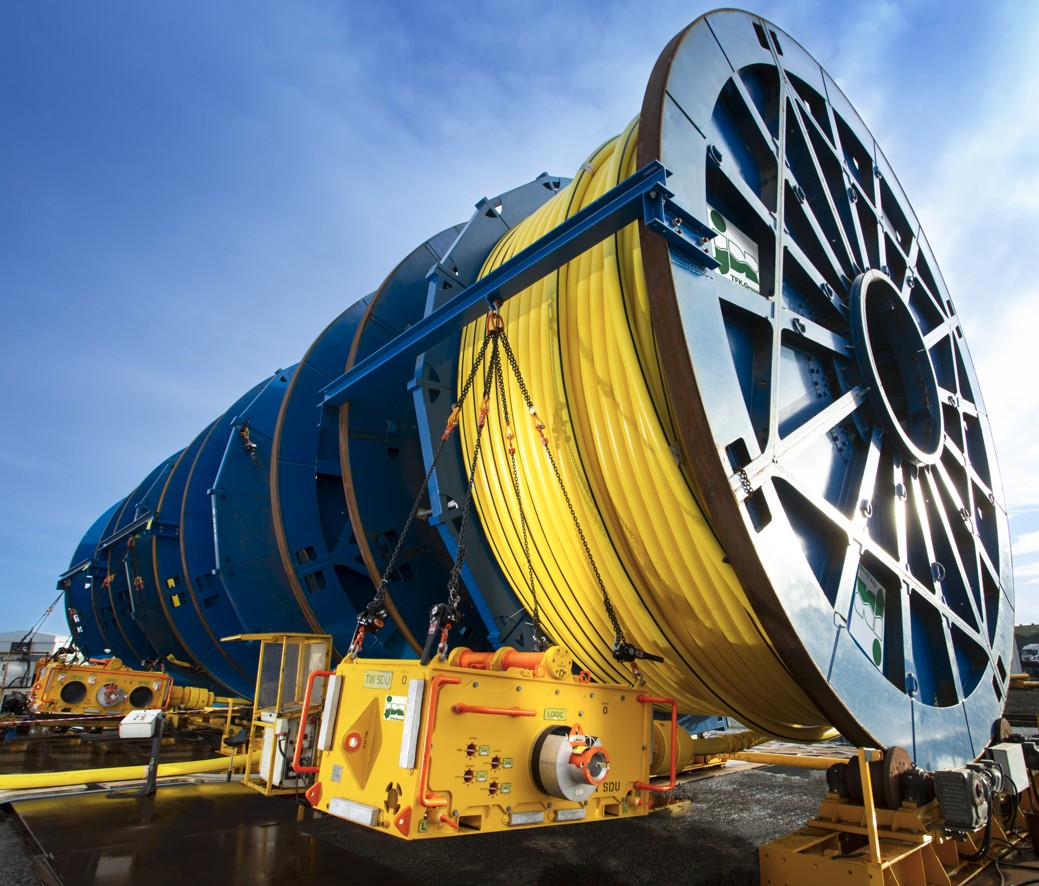
JDR's umbilicals to travel from UK to Australian gas project

In 60 seconds

Top move

UK-manufactured umbilicals for an Australian gas project create fixed long‑lead logistics and heavy‑lift requirements buyers must price and contract around now

Key takeaways

  • UK-manufactured umbilicals for an Australian gas project create fixed long‑lead logistics and heavy‑lift requirements buyers must price and contract around now.
  • Mako’s FID and letters of award convert large SURF/EPCI scope into committed contractor schedules, reducing buyer leverage on mobilisation timing and day rates in the region.[4]
  • New European subsea manufacturing and high‑pressure test capacity expands contingency repair routes for specialised equipment, but routing to Europe adds transport and customs tradeoffs for APAC projects.[5]
  • A South African court decision has extended environmental assessment timelines and injected regulatory uncertainty into block progress; implications for APAC sourcing are indirect but worth monitoring for supplier re‑deployments.[1]
  • A planned corporate transaction affecting JHI could change operator or partner timelines for exploration assets — treat as an early-signal that partner roles and licence handling may shift.[2]

What changed since last run

  • JDR awarded an umbilical supply contract for an Australian gas project, fixing UK manufacture and late‑2027 offshore install logistics (new since prior brief).
  • Mako project moved from FEED momentum to FID with letters of award covering the bulk of capital contracts, converting probable SURF demand into committed schedules.
  • Baker Hughes opened a large renewable‑powered subsea manufacturing and testing hub in Norway, increasing available high‑spec repair and test capacity for buyers.

Key facts

  • Letters of award cover more than $280 million of capital contracts
  • Letters account for over 80% of total capital costs
  • Project ties six wells to a leased mobile offshore production unit
  • Scope: approximately 18 km of hydraulic control umbilicals
  • Manufacture location: JDR Hartlepool (UK)
  • Offshore installation: planned for the latter part of 2027

Why it matters

UK-manufactured umbilicals for an Australian gas project create fixed long‑lead logistics and heavy‑lift requirements buyers must price and contract around now. Mako’s FID and letters of award convert large SURF/EPCI scope into committed contractor schedules, reducing buyer leverage on mobilisation timing and day rates in the region. New European subsea manufacturing and high‑pressure test capacity expands contingency repair routes for specialised equipment, but routing to Europe adds transport and customs tradeoffs for APAC projects. A South African court decision has extended environmental assessment timelines and injected regulatory uncertainty into block progress; implications for APAC sourcing are indirect but worth monitoring for supplier re‑deployments

Cost / money

  • Drum shipment of umbilicals from the UK raises ship‑to‑shore heavy‑lift, storage and customs pass‑through exposure that buyers can be asked to absorb unless contracts specify otherwise.
  • FID and milestone payments on Mako mean contractors begin irreversible spend on mobilisation and long‑lead items, which narrows room for mobilisation discounts and increases day‑rate firmness.[4]
  • Routing specialised repairs to new European hubs may reduce emergency service premiums but adds freight and lead‑time costs that need contractual routing and cost allocation rules.[5]

Supplier / commercial

  • Suppliers can shorten quote validity and demand tighter notice windows as JDR and Mako schedules make mobilisation windows visible and capacity scarce.
  • Factory acceptance, drum handling and port staging are execution points suppliers may commercialise into staging fees or short‑notice charges if contracts don't pre‑allocate risk.
  • Global service providers may prioritise FID‑backed projects and centralise complex work at owned centres (e.g., new Baker Hughes hub), shifting negotiation leverage to suppliers for planning windows.[5]

Safety / operations

  • Drum handling and large onshore lifts create real HSE exposure that must be captured in supplier method statements, port plans and shore‑to‑offshore handover procedures to avoid offshore hold points.
  • Compressed SURF timelines from committed projects increase the risk of inadequate pre‑mobilisation testing and inspection; missing QA gates can cause offshore delays and rework.[4]

What to watch

  • Watch for suppliers shortening quote validity and inserting mobilisation pass‑through language for drum handling, customs delays or short‑notice installs — this is an early‑signal of firmer mobilisation terms.
  • Monitor transit and port berth availability for UK‑to‑Australia drum shipments; a local berth or heavy‑lift bottleneck can shift cost and schedule risk back to the buyer if not contractually allocated.

Top stories

Story 1Offshore EnergyApr 30, 2026

Southeast Asian field on track for first gas in 2027

Signal strongSource-grounded

What happened

West Natuna Exploration completed FID for the Mako gas project and issued letters of award that cover the majority of capital contracts, moving SURF and EPCI scopes into committed execution. The project is fully funded and scheduled for first gas timing that makes the work operationally real for nearby regional suppliers. Watch whether milestone payment cadence and follow‑on well sequencing tighten mobilisation windows across Indonesia and neighbouring APAC markets

Buyer takeaway

Treat Mako as a firm regional demand event: suppliers are likely to prioritise FID‑backed schedules and tighten availability windows

Cost / money

Committed LOAs and milestone spend reduce buyer leverage and can push mobilisation premiums and firmer day rates for regional vessels and SURF services

Supplier / commercial

Contractors on FID projects can shorten quote validity and prioritise resource allocation, pressuring other buyers to accept less flexible terms

Safety / operations

Multiple well tiebacks and tight schedules heighten need for enforced pre‑mobilisation QA and HSE readiness gates to avoid offshore hold points

What to watch

Track milestone payments and supplier schedule commitments for signs of contracting of local vessel and ROV capacity

Key facts

  • Letters of award cover more than $280 million of capital contracts
  • Letters account for over 80% of total capital costs
  • Project ties six wells to a leased mobile offshore production unit

Source excerpts

5%) and Coro Energy (15%), set the Mako gas project development activities in motion with letters of award covering more than $280 million of capital contracts, constituting over 80% of the total capital costs
The total capital expenditure to first gas is estimated at $320 million. The Mako gas project is fully funded, including a substantial contingency, and remains on track for first gas in Q4 2027
As a result, letters of award have been issued for the drilling rig, subsea, umbilicals, risers, flowlines (SURF), engineering, procurement, construction, and installation (EPCI), conductor support frame (CSF), EPCT, and all long lead items. The operator has confirmed that several milestone payments have already been made to the contractors, with costs remaining in line with previous guidance
Story 2Offshore EnergyApr 30, 2026

JDR's umbilicals to travel from UK to Australian gas project

Signal strongSource-grounded

What happened

JDR Cable Systems secured a contract to supply about 18 km of subsea control umbilicals to Amplitude Energy’s East Coast Supply Project, with manufacture at its Hartlepool UK facility and drum delivery planned. Offshore installation is expected in the latter part of 2027, making shore logistics, drum handling and port heavy‑lift capacity operational constraints to plan now. Watch supplier quote windows and port nomination timing; these shore‑side steps create real mobilisation and contractual risk points

Buyer takeaway

This is a concrete long‑lead supply event—buyers must lock logistics and staging plans now rather than treat this as flexible lead time

Cost / money

Imported drums create specific pass‑through cost drivers (heavy‑lift, storage, customs) that must be allocated in procurement documents

Supplier / commercial

Supplier can commercialise factory acceptance, drum storage and late‑arrival handling into short‑notice charges or narrow quote windows without contractual limits

Safety / operations

Onshore drum handling and heavy lifts increase HSE exposure; port and vendor method statements must be integrated into mobilisation plans

What to watch

Confirm terminal slot, crane availability and customs timelines early and watch for narrowing quote validity as installation dates firm

Key facts

  • Scope: approximately 18 km of hydraulic control umbilicals
  • Manufacture location: JDR Hartlepool (UK)
  • Offshore installation: planned for the latter part of 2027

Source excerpts

JK Lim, Regional Sales Manager at JDR, said: “This contract reflects JDR’s proven capability in delivering high-quality subsea control umbilicals for complex offshore developments
Related Article The UK firm’s scope includes thermoplastic electro-hydraulic production control umbilicals and associated distribution equipment such as umbilical termination assemblies, umbilical termination heads, electrical flying leads and hydraulic flying leads
The offshore installation campaign is expected in the latter part of 2027
Story 3Offshore EnergyApr 30, 2026

Baker Hughes opens renewable energy-powered subsea manufacturing hub in Norway

Signal moderateDirectional

What happened

Baker Hughes opened a renewable‑powered subsea manufacturing and services hub in Norway with large workshops and test bays capable of high‑pressure testing, expanding capacity for subsea trees, wellheads, and control‑system repairs. The facility provides a capacity alternative for specialised repair and testing needs, though it is Europe‑based so APAC buyers must weigh shipping and customs timelines. Watch whether global suppliers centralise more complex work at the new hub and how that affects local turnaround times

Buyer takeaway

Adds an extra supplier route for complex test and repair work—useful for contingency planning but not a local APAC quick fix

Cost / money

May lower emergency repair premiums but introduces predictable freight and customs costs that should be pre‑priced into contingency options

Supplier / commercial

Providers may require longer planning windows to centralise work at owned hubs and could prioritise their own clients for faster turnaround

Safety / operations

Higher fidelity shop testing reduces offshore risk if acceptance criteria are integrated into procurement and inspection plans

What to watch

Validate warranty handback, shipping timelines and customs clearance before routing critical spares to European hubs

Key facts

  • 49,000 m2 facility with 12,000 m2 workshop
  • Testing bays capable of recreating pressures up to 22,500 psi
  • Facility powered by renewable energy

Source excerpts

Home Subsea Baker Hughes opens renewable energy-powered subsea manufacturing hub in Norway April 30, 2026, by Energy technology company Baker Hughes has opened a new subsea services center and manufacturing plant in Norway as part of its ambition to strengthen its North Sea capabilities. Source: Baker Hughes Located in Dusavik near Stavanger, the 49,000-square-meter facility features a 12,000-square-meter workshop, multiple testing bays, and the capability to recreate pressures up to 22,500 psi, allowing the tes
Home Subsea Baker Hughes opens renewable energy-powered subsea manufacturing hub in Norway April 30, 2026, by Energy technology company Baker Hughes has opened a new subsea services center and manufacturing plant in Norway as part of its ambition to strengthen its North Sea capabilities
” According to Baker Hughes, the facility supports all phases of subsea projects, from manufacturing subsea production trees and wellheads to the comprehensive repair, maintenance and upgrade of subsea equipment, including control systems, as well as acts as the hub for offshore production services, enabling installation, intervention and decommissioning activities
Story 4Offshore EnergyApr 30, 2026

Obtaining production right for offshore block key to oil & gas firm's South African expansion

Signal limitedDirectional

What happened

A court decision in South Africa has required additional or amended environmental assessments for an offshore block and extended ESIA submission deadlines, creating regulatory uncertainty for project progress and partner arrangements. The developer obtained a further extension for ESIA submission, and appeals are in process, making the development path operationally unclear for now. Watch for changes in partner interests or licence handling that could free up or redirect regional supplier capacity

Buyer takeaway

This is a regulatory‑driven scheduling risk rather than an immediate procurement event; treat as watchlist for supplier redeployment opportunities

Cost / money

Delays can push suppliers to seek re‑pricing or termination rights; buyers should track contract change‑of‑control and force majeure exposures

Supplier / commercial

Partners and contractors may reprioritise resources if approval timelines slip, creating short‑term availability in other regions

Safety / operations

Regulatory processes do not directly change offshore HSE but can alter project sequencing that affects mobilisation planning

What to watch

Monitor appeal outcomes and ESIA revisions to see whether supplier commitments are renegotiated or re‑scoped

Key facts

  • Court ruling triggered new and amended environmental assessments
  • ESIA submission deadline extended, with appeals underway
  • Block interest and production right outcomes remain conditional on approvals

Source excerpts

However, Africa Energy has now revealed that its affiliate obtained a further extension for the submission of the ESIA to November 4, 2026, in light of the decision by the Western Cape High Court in South Africa to set aside an environmental authorization for offshore exploration operations in Block 5/6/7, held by TotalEnergies and Shell. This court ruling enables additional, new, and amended environmental assessments to be conducted and placed before the Minister of Mineral and Petroleum Resources for reconsi
Subject to all relevant regulatory approvals by South African authorities in respect to the withdrawal of the joint venture partners and completion of its restructuring, the company expects to hold a 75% direct interest in the block. TotalEnergies used Odfjell Drilling’s Deepsea Stavanger semi-submersible rig to make two gas discoveries, Brulpadda and Luiperd, at the block in 2023, but these were not turned into commercial developments since economically developing and monetizing them for the South African mar
Subject to all relevant regulatory approvals by South African authorities in respect to the withdrawal of the joint venture partners and completion of its restructuring, the company expects to hold a 75% direct interest in the block
Story 5Offshore EnergyApr 30, 2026

JHI's shareholders' approval next on the agenda to back Eco takeover

Signal limitedDirectional

What happened

Eco Atlantic’s proposed acquisition of JHI moved to the shareholder approval stage, with interim court orders enabling the transaction process to proceed toward a final vote. If completed, the transaction would transfer JHI’s interests in certain exploration licences, potentially changing partner dynamics and future farm‑out or exploration scheduling. Watch shareholder and court milestones to see if licence operatorship or partner obligations shift, affecting future procurement pipelines

Buyer takeaway

Corporate transactions can reassign asset interests and change supplier relationships; maintain supplier continuity plans

Cost / money

Ownership change can pause or retime spend profiles; contracts should preserve buyer rights during partner transitions

Supplier / commercial

Suppliers should expect possible renegotiation of service terms if a new owner revises project timelines

Safety / operations

Operational plans may be delayed or re‑sequenced under new management; ensure readiness gates remain enforced

What to watch

Track final shareholder and court approvals for concrete impacts on licence activity and procurement timelines

Key facts

  • Shareholder meeting scheduled for final approval steps
  • Transaction conditional on court approval and customary closing conditions
  • Deal would affect participation in PL001 offshore the Falklands

Source excerpts

Illustration; Source: Eco Atlantic Following the announcement about its proposed acquisition of JHI Associates by way of a court-approved plan of arrangement, Eco confirmed that JHI obtained an interim order from the Ontario Superior Court of Justice, which provides for, among other things, the calling, holding, and conducting of the annual and special shareholders’ meeting and other procedural matters in connection with the previously disclosed binding agreement between the duo. The company underlines that th
“We then look forward to working closely with Navitas Petroleum on the exploration of the PL001 license offshore the Falkland Islands. Additionally, it is noted that in the interim JHI remains engaged with the government of Guyana with respect to a potential extension of the Canje block offshore
Home Fossil Energy JHI’s shareholders’ approval next on the agenda to back Eco takeover April 30, 2026, by Eco (Atlantic) Oil & Gas, an AIM-listed and Canada-headquartered oil and gas company focused on the Atlantic Margin, has shed light on the latest developments regarding its acquisition of the issued and to-be-issued shares it does not already hold in JHI Associates (JHI)

VP Snapshot

Executive Risk & Action View

UK-manufactured umbilicals for an Australian gas project create fixed long‑lead logistics and heavy‑lift requirements buyers must price and contract around now.

Overall
61
Cost
97
Supply
43
Schedule
20
Compliance
15

Top signals

30-180dcost

Signal 1: Cost / money

Drum shipment of umbilicals from the UK raises ship‑to‑shore heavy‑lift, storage and customs pass‑through exposure that buyers can be asked to absorb unless contracts specify otherwise.

Signal 2: Cost / money

FID and milestone payments on Mako mean contractors begin irreversible spend on mobilisation and long‑lead items, which narrows room for mobilisation discounts and increases day‑rate firmness.

Signal 3: Cost / money

Routing specialised repairs to new European hubs may reduce emergency service premiums but adds freight and lead‑time costs that need contractual routing and cost allocation rules.

30-180dsupply

Signal 4: Supplier / commercial

Suppliers can shorten quote validity and demand tighter notice windows as JDR and Mako schedules make mobilisation windows visible and capacity scarce.

30-180dcommercial

Signal 5: Supplier / commercial

Factory acceptance, drum handling and port staging are execution points suppliers may commercialise into staging fees or short‑notice charges if contracts don't pre‑allocate risk.

Signal 6: Supplier / commercial

Global service providers may prioritise FID‑backed projects and centralise complex work at owned centres (e.g., new Baker Hughes hub), shifting negotiation leverage to suppliers for planning windows.

Recommended actions

CategoryDue 3d

Map open APAC packages requiring umbilicals, SURF, heavy lift or high‑pressure test capability against confirmed JDR and Mako install windows.

Shortlist of projects with potential mobilisation clashes and prioritised mitigation notes for planners.

ContractsDue 21d

Ask Contracts to draft mobilisation, demobilisation and logistics pass‑through clauses (covering drum handling, customs hold and short‑notice charges) for upcoming umbilical and...

Contract clause package that allocates drum handling, customs delays and short‑notice mobilisation risk and becomes standard in new RFQs.

OpsDue 21d

Require Ops to validate port and heavy‑lift capacity for expected umbilical drum arrivals and document a nominated terminal plan with contingency.

Confirmed port handling plan with nominated terminal slots and contingency options recorded for project planners.

CategoryDue 60d

Run a supplier capability and contingency review for specialised subsea repairs and testing, including evaluation of Baker Hughes’ Norway hub as an alternate route.

Supplier capability map with pre‑qualified alternate repair/test routes and decision criteria for routing work under emergency or planned maintenance.

LegalDue 60d

Work with Legal to incorporate explicit logistics and staging triggers (e.g., customs hold, drum arrival, berth unavailability) into mobilisation and delay compensation language.

Contract addenda that define logistics and staging triggers, cost pass‑throughs and supplier obligations for imported long‑lead items.

Risk register

RiskTriggerMitigation
Watch for suppliers shortening quote validity and inserting mobilisation pass‑through language for drum handling, customs delays or short‑notice installs — this is an early‑signal of firmer mobilisation terms.Watch for suppliers shortening quote validity and inserting mobilisation pass‑through language for drum handling, customs delays or short‑notice installs — this is an early‑signal of firmer mobilisation terms.Confirm exposure with category, contracts, and operations before the next supplier commitment.
Monitor transit and port berth availability for UK‑to‑Australia drum shipments; a local berth or heavy‑lift bottleneck can shift cost and schedule risk back to the buyer if not contractually allocated.Monitor transit and port berth availability for UK‑to‑Australia drum shipments; a local berth or heavy‑lift bottleneck can shift cost and schedule risk back to the buyer if not contractually allocated.Confirm exposure with category, contracts, and operations before the next supplier commitment.

CM Snapshot

Category Manager Decision Detail

Today's priorities

Map open APAC packages requiring umbilicals, SURF, heavy lift or high‑pressure test capability against confirmed JDR and Mako install windows.

Do this because the JDR contract and Mako FID make mobilisation windows visible and you need to identify immediate resource or berth conflicts before RFQs are issued.

Due 3d

high

CM move

Use this as the immediate supplier or contract action to move before the next sourcing gate.

Ask Contracts to draft mobilisation, demobilisation and logistics pass‑through clauses (covering drum handling, customs hold and short‑notice charges) for upcoming umbilical and...

Do this because UK manufacture and drum delivery create clear logistics cost drivers that suppliers may attempt to pass to buyers unless triggers and responsibilities are contra...

Due 21d

high

CM move

Use this as the immediate supplier or contract action to move before the next sourcing gate.

Require Ops to validate port and heavy‑lift capacity for expected umbilical drum arrivals and document a nominated terminal plan with contingency.

Do this because drum delivery and heavy‑lift handling create execution dependencies that will block offshore installation if shore logistics are not confirmed ahead of vessel ar...

Due 21d

high

CM move

Use this as the immediate supplier or contract action to move before the next sourcing gate.

Run a supplier capability and contingency review for specialised subsea repairs and testing, including evaluation of Baker Hughes’ Norway hub as an alternate route.

Do this because new high‑spec European test/manufacture capacity offers a contingency for specialised equipment work and buyers should pre‑qualify tradeoffs between faster servi...

Due 60d

high

CM move

Use this as the immediate supplier or contract action to move before the next sourcing gate.

Supplier radar

Offshore Energy

high

Observed supplier signal

Suppliers can shorten quote validity and demand tighter notice windows as JDR and Mako schedules make mobilisation windows visible and capacity scarce.

Commercial implication

Suppliers can shorten quote validity and demand tighter notice windows as JDR and Mako schedules make mobilisation windows visible and capacity scarce.

Next step: Validate the source-backed signal with incumbents and alternates before the next award or pricing decision.

Offshore Energy

high

Observed supplier signal

Factory acceptance, drum handling and port staging are execution points suppliers may commercialise into staging fees or short‑notice charges if contracts don't pre‑allocate risk.

Commercial implication

Factory acceptance, drum handling and port staging are execution points suppliers may commercialise into staging fees or short‑notice charges if contracts don't pre‑allocate risk.

Next step: Validate the source-backed signal with incumbents and alternates before the next award or pricing decision.

Offshore Energy

high

Observed supplier signal

Global service providers may prioritise FID‑backed projects and centralise complex work at owned centres (e.g., new Baker Hughes hub), shifting negotiation leverage to suppliers for planning windows.

Commercial implication

Global service providers may prioritise FID‑backed projects and centralise complex work at owned centres (e.g., new Baker Hughes hub), shifting negotiation leverage to suppliers for planning windows.

Next step: Validate the source-backed signal with incumbents and alternates before the next award or pricing decision.

Negotiation levers

Map open APAC packages requiring umbilicals, SURF, heavy lift or high‑pressure test capability against confirmed JDR and Mako install windows.

When to use: Do this because the JDR contract and Mako FID make mobilisation windows visible and you need to identify immediate resource or berth conflicts before RFQs are issued.

Expected outcome: Shortlist of projects with potential mobilisation clashes and prioritised mitigation notes for planners.

Commercial mechanism to carry into the next supplier conversation

Ask Contracts to draft mobilisation, demobilisation and logistics pass‑through clauses (covering drum handling, customs hold and short‑notice charges) for upcoming umbilical and...

When to use: Do this because UK manufacture and drum delivery create clear logistics cost drivers that suppliers may attempt to pass to buyers unless triggers and responsibilities are contra...

Expected outcome: Contract clause package that allocates drum handling, customs delays and short‑notice mobilisation risk and becomes standard in new RFQs.

Commercial mechanism to carry into the next supplier conversation

Require Ops to validate port and heavy‑lift capacity for expected umbilical drum arrivals and document a nominated terminal plan with contingency.

When to use: Do this because drum delivery and heavy‑lift handling create execution dependencies that will block offshore installation if shore logistics are not confirmed ahead of vessel ar...

Expected outcome: Confirmed port handling plan with nominated terminal slots and contingency options recorded for project planners.

Commercial mechanism to carry into the next supplier conversation

Run a supplier capability and contingency review for specialised subsea repairs and testing, including evaluation of Baker Hughes’ Norway hub as an alternate route.

When to use: Do this because new high‑spec European test/manufacture capacity offers a contingency for specialised equipment work and buyers should pre‑qualify tradeoffs between faster servi...

Expected outcome: Supplier capability map with pre‑qualified alternate repair/test routes and decision criteria for routing work under emergency or planned maintenance.

Commercial mechanism to carry into the next supplier conversation

Talking points

UK-manufactured umbilicals for an Australian gas project create fixed long‑lead logistics and heavy‑lift requirements buyers must price and contract around now.
Mako’s FID and letters of award convert large SURF/EPCI scope into committed contractor schedules, reducing buyer leverage on mobilisation timing and day rates in the region.
New European subsea manufacturing and high‑pressure test capacity expands contingency repair routes for specialised equipment, but routing to Europe adds transport and customs tradeoffs for APAC projects.
A South African court decision has extended environmental assessment timelines and injected regulatory uncertainty into block progress; implications for APAC sourcing are indirect but worth monitoring for supplier re‑deployments.

Supplier radar

SupplierSignalImplicationNext stepConfidence
Offshore EnergySuppliers can shorten quote validity and demand tighter notice windows as JDR and Mako schedules make mobilisation windows visible and capacity scarce.Suppliers can shorten quote validity and demand tighter notice windows as JDR and Mako schedules make mobilisation windows visible and capacity scarce.Validate the source-backed signal with incumbents and alternates before the next award or pricing decision.high
Offshore EnergyFactory acceptance, drum handling and port staging are execution points suppliers may commercialise into staging fees or short‑notice charges if contracts don't pre‑allocate risk.Factory acceptance, drum handling and port staging are execution points suppliers may commercialise into staging fees or short‑notice charges if contracts don't pre‑allocate risk.Validate the source-backed signal with incumbents and alternates before the next award or pricing decision.high
Offshore EnergyGlobal service providers may prioritise FID‑backed projects and centralise complex work at owned centres (e.g., new Baker Hughes hub), shifting negotiation leverage to suppliers for planning windows.Global service providers may prioritise FID‑backed projects and centralise complex work at owned centres (e.g., new Baker Hughes hub), shifting negotiation leverage to suppliers for planning windows.Validate the source-backed signal with incumbents and alternates before the next award or pricing decision.high

Negotiation levers

  • Map open APAC packages requiring umbilicals, SURF, heavy lift or high‑pressure test capability against confirmed JDR and Mako install windows.Do this because the JDR contract and Mako FID make mobilisation windows visible and you need to identify immediate resource or berth conflicts before RFQs are issued.Shortlist of projects with potential mobilisation clashes and prioritised mitigation notes for planners.

    high confidence

  • Ask Contracts to draft mobilisation, demobilisation and logistics pass‑through clauses (covering drum handling, customs hold and short‑notice charges) for upcoming umbilical and...Do this because UK manufacture and drum delivery create clear logistics cost drivers that suppliers may attempt to pass to buyers unless triggers and responsibilities are contra...Contract clause package that allocates drum handling, customs delays and short‑notice mobilisation risk and becomes standard in new RFQs.

    high confidence

  • Require Ops to validate port and heavy‑lift capacity for expected umbilical drum arrivals and document a nominated terminal plan with contingency.Do this because drum delivery and heavy‑lift handling create execution dependencies that will block offshore installation if shore logistics are not confirmed ahead of vessel ar...Confirmed port handling plan with nominated terminal slots and contingency options recorded for project planners.

    high confidence

  • Run a supplier capability and contingency review for specialised subsea repairs and testing, including evaluation of Baker Hughes’ Norway hub as an alternate route.Do this because new high‑spec European test/manufacture capacity offers a contingency for specialised equipment work and buyers should pre‑qualify tradeoffs between faster servi...Supplier capability map with pre‑qualified alternate repair/test routes and decision criteria for routing work under emergency or planned maintenance.

    high confidence

What to do / What to watch

What to do now

  • Map open APAC packages requiring umbilicals, SURF, heavy lift or high‑pressure test capability against confirmed JDR and Mako install windows.

    Why: Do this because the JDR contract and Mako FID make mobilisation windows visible and you need to identify immediate resource or berth conflicts before RFQs are issued.

    Owner: Category

    Expected outcome: Shortlist of projects with potential mobilisation clashes and prioritised mitigation notes for planners.

Next few weeks

  • Ask Contracts to draft mobilisation, demobilisation and logistics pass‑through clauses (covering drum handling, customs hold and short‑notice charges) for upcoming umbilical and...

    Why: Do this because UK manufacture and drum delivery create clear logistics cost drivers that suppliers may attempt to pass to buyers unless triggers and responsibilities are contra...

    Owner: Contracts

    Expected outcome: Contract clause package that allocates drum handling, customs delays and short‑notice mobilisation risk and becomes standard in new RFQs.

  • Require Ops to validate port and heavy‑lift capacity for expected umbilical drum arrivals and document a nominated terminal plan with contingency.

    Why: Do this because drum delivery and heavy‑lift handling create execution dependencies that will block offshore installation if shore logistics are not confirmed ahead of vessel ar...

    Owner: Ops

    Expected outcome: Confirmed port handling plan with nominated terminal slots and contingency options recorded for project planners.

Longer view

  • Run a supplier capability and contingency review for specialised subsea repairs and testing, including evaluation of Baker Hughes’ Norway hub as an alternate route.

    Why: Do this because new high‑spec European test/manufacture capacity offers a contingency for specialised equipment work and buyers should pre‑qualify tradeoffs between faster servi...

    Owner: Category

    Expected outcome: Supplier capability map with pre‑qualified alternate repair/test routes and decision criteria for routing work under emergency or planned maintenance.

    [5]
  • Work with Legal to incorporate explicit logistics and staging triggers (e.g., customs hold, drum arrival, berth unavailability) into mobilisation and delay compensation language.

    Why: Do this because fixed foreign manufacture and staged delivery create clear trigger events that, if undefined, will be disputed and shift cost to the buyer during execution.

    Owner: Legal

    Expected outcome: Contract addenda that define logistics and staging triggers, cost pass‑throughs and supplier obligations for imported long‑lead items.

What to watch

  • Watch for suppliers shortening quote validity and inserting mobilisation pass‑through language for drum handling, customs delays or short‑notice installs — this is an early‑signal of firmer mobilisation terms
  • Monitor transit and port berth availability for UK‑to‑Australia drum shipments; a local berth or heavy‑lift bottleneck can shift cost and schedule risk back to the buyer if not contractually allocated
  • Watch for suppliers shortening quote validity and inserting mobilisation pass‑through language for drum handling, customs delays or short‑notice installs — this is an early‑signal of firmer mobilisation terms.: Watch for suppliers shortening quote validity and inserting mobilisation pass‑through language for drum handling, customs delays or short‑notice installs — this is an early‑signal of firmer mobilisation terms
  • Monitor transit and port berth availability for UK‑to‑Australia drum shipments; a local berth or heavy‑lift bottleneck can shift cost and schedule risk back to the buyer if not contractually allocated.: Monitor transit and port berth availability for UK‑to‑Australia drum shipments; a local berth or heavy‑lift bottleneck can shift cost and schedule risk back to the buyer if not contractually allocated
  • UK-manufactured umbilicals for an Australian gas project create fixed long‑lead logistics and heavy‑lift requirements buyers must price and contract around now
  • Mako’s FID and letters of award convert large SURF/EPCI scope into committed contractor schedules, reducing buyer leverage on mobilisation timing and day rates in the region
  • New European subsea manufacturing and high‑pressure test capacity expands contingency repair routes for specialised equipment, but routing to Europe adds transport and customs tradeoffs for APAC projects
  • A South African court decision has extended environmental assessment timelines and injected regulatory uncertainty into block progress; implications for APAC sourcing are indirect but worth monitoring for supplier re‑deployments

Market pulse

IndexLatestChangeAs of
WTI Crude (WTI)71.23 /bbl+0.00 (+0.00%)Apr 30, 2026, 10:10 PM
Brent Crude (BRENT)74.89 /bbl+0.00 (+0.00%)Apr 30, 2026, 10:10 PM
Natural Gas (NG)3.12 /MMBtu+0.00 (+0.00%)Apr 30, 2026, 10:10 PM
Dry Bulk Shipping (BDRY) (BDRY)0 +0.00 (+0.00%)Apr 30, 2026, 10:10 PM
WTI (Fuel) (WTI)71.23 /bbl+0.00 (+0.00%)Apr 30, 2026, 10:10 PM
TechnipFMC (FTI)22 +0.00 (+0.00%)Apr 30, 2026, 10:10 PM
  • Dry Bulk Shipping (BDRY): Dry bulk and charter availability affects heavy‑lift and drum transport costs and berth scheduling for imported umbilicals
  • WTI Crude: Fuel price direction influences vessel day rates and mobilisation cost exposure for APAC SURF campaigns

Sources

Inline citations jump here. Expand a source to read the excerpt, the AI interpretation, and the original link.

[1] Obtaining production right for offshore block key to oil & gas firm's South African expansion

offshore-energy.biz · Apr 30, 2026

Expand

AI reading

A court decision in South Africa has required additional or amended environmental assessments for an offshore block and extended ESIA submission deadlines, creating regulatory uncertainty for project progress and partner arrangements. The developer obtained a further extension for ESIA submission, and appeals are in process, making the development path operationally unclear for now. Watch for changes in partner interests or licence handling that could free up or redirect regional supplier capacity

Buyer takeaway

This is a regulatory‑driven scheduling risk rather than an immediate procurement event; treat as watchlist for supplier redeployment opportunities

Cost / money

Delays can push suppliers to seek re‑pricing or termination rights; buyers should track contract change‑of‑control and force majeure exposures

Supplier / commercial

Partners and contractors may reprioritise resources if approval timelines slip, creating short‑term availability in other regions

Safety / operations

Regulatory processes do not directly change offshore HSE but can alter project sequencing that affects mobilisation planning

What to watch

Monitor appeal outcomes and ESIA revisions to see whether supplier commitments are renegotiated or re‑scoped

Key facts

  • Court ruling triggered new and amended environmental assessments
  • ESIA submission deadline extended, with appeals underway
  • Block interest and production right outcomes remain conditional on approvals

Source excerpts

However, Africa Energy has now revealed that its affiliate obtained a further extension for the submission of the ESIA to November 4, 2026, in light of the decision by the Western Cape High Court in South Africa to set aside an environmental authorization for offshore exploration operations in Block 5/6/7, held by TotalEnergies and Shell. This court ruling enables additional, new, and amended environmental assessments to be conducted and placed before the Minister of Mineral and Petroleum Resources for reconsi
Subject to all relevant regulatory approvals by South African authorities in respect to the withdrawal of the joint venture partners and completion of its restructuring, the company expects to hold a 75% direct interest in the block. TotalEnergies used Odfjell Drilling’s Deepsea Stavanger semi-submersible rig to make two gas discoveries, Brulpadda and Luiperd, at the block in 2023, but these were not turned into commercial developments since economically developing and monetizing them for the South African mar
Subject to all relevant regulatory approvals by South African authorities in respect to the withdrawal of the joint venture partners and completion of its restructuring, the company expects to hold a 75% direct interest in the block

Used in this brief

  • A court decision in South Africa has required additional or amended environmental assessments for an offshore block and extended ESIA submission deadlines, creating regulatory uncertainty for project progress and partner arrangements. The developer obtained a further extension for ESIA submission, and appeals are in process, making the development path operationally unclear for now. Watch for changes in partner interests or licence handling that could free up or redirect regional supplier capacity
  • Buyer bottom line: regulatory rulings can change project timelines and partner structures; suppliers and buyers should not assume continuous demand until assessments resolve
  • This is a regulatory‑driven scheduling risk rather than an immediate procurement event; treat as watchlist for supplier redeployment opportunities
Open original source

[2] JHI's shareholders' approval next on the agenda to back Eco takeover

offshore-energy.biz · Apr 30, 2026

Expand

AI reading

Eco Atlantic’s proposed acquisition of JHI moved to the shareholder approval stage, with interim court orders enabling the transaction process to proceed toward a final vote. If completed, the transaction would transfer JHI’s interests in certain exploration licences, potentially changing partner dynamics and future farm‑out or exploration scheduling. Watch shareholder and court milestones to see if licence operatorship or partner obligations shift, affecting future procurement pipelines

Buyer takeaway

Corporate transactions can reassign asset interests and change supplier relationships; maintain supplier continuity plans

Cost / money

Ownership change can pause or retime spend profiles; contracts should preserve buyer rights during partner transitions

Supplier / commercial

Suppliers should expect possible renegotiation of service terms if a new owner revises project timelines

Safety / operations

Operational plans may be delayed or re‑sequenced under new management; ensure readiness gates remain enforced

What to watch

Track final shareholder and court approvals for concrete impacts on licence activity and procurement timelines

Key facts

  • Shareholder meeting scheduled for final approval steps
  • Transaction conditional on court approval and customary closing conditions
  • Deal would affect participation in PL001 offshore the Falklands

Source excerpts

Illustration; Source: Eco Atlantic Following the announcement about its proposed acquisition of JHI Associates by way of a court-approved plan of arrangement, Eco confirmed that JHI obtained an interim order from the Ontario Superior Court of Justice, which provides for, among other things, the calling, holding, and conducting of the annual and special shareholders’ meeting and other procedural matters in connection with the previously disclosed binding agreement between the duo. The company underlines that th
“We then look forward to working closely with Navitas Petroleum on the exploration of the PL001 license offshore the Falkland Islands. Additionally, it is noted that in the interim JHI remains engaged with the government of Guyana with respect to a potential extension of the Canje block offshore
Home Fossil Energy JHI’s shareholders’ approval next on the agenda to back Eco takeover April 30, 2026, by Eco (Atlantic) Oil & Gas, an AIM-listed and Canada-headquartered oil and gas company focused on the Atlantic Margin, has shed light on the latest developments regarding its acquisition of the issued and to-be-issued shares it does not already hold in JHI Associates (JHI)

Used in this brief

  • Eco Atlantic’s proposed acquisition of JHI moved to the shareholder approval stage, with interim court orders enabling the transaction process to proceed toward a final vote. If completed, the transaction would transfer JHI’s interests in certain exploration licences, potentially changing partner dynamics and future farm‑out or exploration scheduling. Watch shareholder and court milestones to see if licence operatorship or partner obligations shift, affecting future procurement pipelines
  • Buyer bottom line: potential change of ownership in a service/exploration company can alter licence handling and project timelines—treat as an early partner‑risk indicator
  • Corporate transactions can reassign asset interests and change supplier relationships; maintain supplier continuity plans
Open original source

[3] JDR's umbilicals to travel from UK to Australian gas project

offshore-energy.biz · Apr 30, 2026

Expand

AI reading

JDR Cable Systems secured a contract to supply about 18 km of subsea control umbilicals to Amplitude Energy’s East Coast Supply Project, with manufacture at its Hartlepool UK facility and drum delivery planned. Offshore installation is expected in the latter part of 2027, making shore logistics, drum handling and port heavy‑lift capacity operational constraints to plan now. Watch supplier quote windows and port nomination timing; these shore‑side steps create real mobilisation and contractual risk points

Buyer takeaway

This is a concrete long‑lead supply event—buyers must lock logistics and staging plans now rather than treat this as flexible lead time

Cost / money

Imported drums create specific pass‑through cost drivers (heavy‑lift, storage, customs) that must be allocated in procurement documents

Supplier / commercial

Supplier can commercialise factory acceptance, drum storage and late‑arrival handling into short‑notice charges or narrow quote windows without contractual limits

Safety / operations

Onshore drum handling and heavy lifts increase HSE exposure; port and vendor method statements must be integrated into mobilisation plans

What to watch

Confirm terminal slot, crane availability and customs timelines early and watch for narrowing quote validity as installation dates firm

Key facts

  • Scope: approximately 18 km of hydraulic control umbilicals
  • Manufacture location: JDR Hartlepool (UK)
  • Offshore installation: planned for the latter part of 2027

Source excerpts

JK Lim, Regional Sales Manager at JDR, said: “This contract reflects JDR’s proven capability in delivering high-quality subsea control umbilicals for complex offshore developments
Related Article The UK firm’s scope includes thermoplastic electro-hydraulic production control umbilicals and associated distribution equipment such as umbilical termination assemblies, umbilical termination heads, electrical flying leads and hydraulic flying leads
The offshore installation campaign is expected in the latter part of 2027

Used in this brief

  • Next 72 hours — Map open APAC packages requiring umbilicals, SURF, heavy lift or high‑pressure test capability against confirmed JDR and Mako install windows.. Rationale: Do this because the JDR contract and Mako FID make mobilisation windows visible and you need to identify immediate resource or berth conflicts before RFQs are issued.. Owner: Category. KPI: Shortlist of projects with potential mobilisation clashes and prioritised mitigation notes for planners
  • Next 2-4 weeks — Ask Contracts to draft mobilisation, demobilisation and logistics pass‑through clauses (covering drum handling, customs hold and short‑notice charges) for upcoming umbilical and.... Rationale: Do this because UK manufacture and drum delivery create clear logistics cost drivers that suppliers may attempt to pass to buyers unless triggers and responsibilities are contra.... Owner: Contracts. KPI: Contract clause package that allocates drum handling, customs delays and short‑notice mobilisation risk and becomes standard in new RFQs
  • Next 2-4 weeks — Require Ops to validate port and heavy‑lift capacity for expected umbilical drum arrivals and document a nominated terminal plan with contingency.. Rationale: Do this because drum delivery and heavy‑lift handling create execution dependencies that will block offshore installation if shore logistics are not confirmed ahead of vessel ar.... Owner: Ops. KPI: Confirmed port handling plan with nominated terminal slots and contingency options recorded for project planners
Open original source

[4] Southeast Asian field on track for first gas in 2027

offshore-energy.biz · Apr 30, 2026

Expand

AI reading

West Natuna Exploration completed FID for the Mako gas project and issued letters of award that cover the majority of capital contracts, moving SURF and EPCI scopes into committed execution. The project is fully funded and scheduled for first gas timing that makes the work operationally real for nearby regional suppliers. Watch whether milestone payment cadence and follow‑on well sequencing tighten mobilisation windows across Indonesia and neighbouring APAC markets

Buyer takeaway

Treat Mako as a firm regional demand event: suppliers are likely to prioritise FID‑backed schedules and tighten availability windows

Cost / money

Committed LOAs and milestone spend reduce buyer leverage and can push mobilisation premiums and firmer day rates for regional vessels and SURF services

Supplier / commercial

Contractors on FID projects can shorten quote validity and prioritise resource allocation, pressuring other buyers to accept less flexible terms

Safety / operations

Multiple well tiebacks and tight schedules heighten need for enforced pre‑mobilisation QA and HSE readiness gates to avoid offshore hold points

What to watch

Track milestone payments and supplier schedule commitments for signs of contracting of local vessel and ROV capacity

Key facts

  • Letters of award cover more than $280 million of capital contracts
  • Letters account for over 80% of total capital costs
  • Project ties six wells to a leased mobile offshore production unit

Source excerpts

5%) and Coro Energy (15%), set the Mako gas project development activities in motion with letters of award covering more than $280 million of capital contracts, constituting over 80% of the total capital costs
The total capital expenditure to first gas is estimated at $320 million. The Mako gas project is fully funded, including a substantial contingency, and remains on track for first gas in Q4 2027
As a result, letters of award have been issued for the drilling rig, subsea, umbilicals, risers, flowlines (SURF), engineering, procurement, construction, and installation (EPCI), conductor support frame (CSF), EPCT, and all long lead items. The operator has confirmed that several milestone payments have already been made to the contractors, with costs remaining in line with previous guidance

Used in this brief

  • Mako project moved from FEED momentum to FID with letters of award covering the bulk of capital contracts, converting probable SURF demand into committed schedules
  • West Natuna Exploration completed FID for the Mako gas project and issued letters of award that cover the majority of capital contracts, moving SURF and EPCI scopes into committed execution. The project is fully funded and scheduled for first gas timing that makes the work operationally real for nearby regional suppliers. Watch whether milestone payment cadence and follow‑on well sequencing tighten mobilisation windows across Indonesia and neighbouring APAC markets
  • Buyer bottom line: FID and LOAs convert SURF demand into committed contractor schedules, reducing negotiation flexibility on mobilisation and short‑notice changes
Open original source

[5] Baker Hughes opens renewable energy-powered subsea manufacturing hub in Norway

offshore-energy.biz · Apr 30, 2026

Expand

AI reading

Baker Hughes opened a renewable‑powered subsea manufacturing and services hub in Norway with large workshops and test bays capable of high‑pressure testing, expanding capacity for subsea trees, wellheads, and control‑system repairs. The facility provides a capacity alternative for specialised repair and testing needs, though it is Europe‑based so APAC buyers must weigh shipping and customs timelines. Watch whether global suppliers centralise more complex work at the new hub and how that affects local turnaround times

Buyer takeaway

Adds an extra supplier route for complex test and repair work—useful for contingency planning but not a local APAC quick fix

Cost / money

May lower emergency repair premiums but introduces predictable freight and customs costs that should be pre‑priced into contingency options

Supplier / commercial

Providers may require longer planning windows to centralise work at owned hubs and could prioritise their own clients for faster turnaround

Safety / operations

Higher fidelity shop testing reduces offshore risk if acceptance criteria are integrated into procurement and inspection plans

What to watch

Validate warranty handback, shipping timelines and customs clearance before routing critical spares to European hubs

Key facts

  • 49,000 m2 facility with 12,000 m2 workshop
  • Testing bays capable of recreating pressures up to 22,500 psi
  • Facility powered by renewable energy

Source excerpts

Home Subsea Baker Hughes opens renewable energy-powered subsea manufacturing hub in Norway April 30, 2026, by Energy technology company Baker Hughes has opened a new subsea services center and manufacturing plant in Norway as part of its ambition to strengthen its North Sea capabilities. Source: Baker Hughes Located in Dusavik near Stavanger, the 49,000-square-meter facility features a 12,000-square-meter workshop, multiple testing bays, and the capability to recreate pressures up to 22,500 psi, allowing the tes
Home Subsea Baker Hughes opens renewable energy-powered subsea manufacturing hub in Norway April 30, 2026, by Energy technology company Baker Hughes has opened a new subsea services center and manufacturing plant in Norway as part of its ambition to strengthen its North Sea capabilities
” According to Baker Hughes, the facility supports all phases of subsea projects, from manufacturing subsea production trees and wellheads to the comprehensive repair, maintenance and upgrade of subsea equipment, including control systems, as well as acts as the hub for offshore production services, enabling installation, intervention and decommissioning activities

Used in this brief

  • Next quarter — Run a supplier capability and contingency review for specialised subsea repairs and testing, including evaluation of Baker Hughes’ Norway hub as an alternate route.. Rationale: Do this because new high‑spec European test/manufacture capacity offers a contingency for specialised equipment work and buyers should pre‑qualify tradeoffs between faster servi.... Owner: Category. KPI: Supplier capability map with pre‑qualified alternate repair/test routes and decision criteria for routing work under emergency or planned maintenance
  • Baker Hughes opened a large renewable‑powered subsea manufacturing and testing hub in Norway, increasing available high‑spec repair and test capacity for buyers
  • Baker Hughes opened a renewable‑powered subsea manufacturing and services hub in Norway with large workshops and test bays capable of high‑pressure testing, expanding capacity for subsea trees, wellheads, and control‑system repairs. The facility provides a capacity alternative for specialised repair and testing needs, though it is Europe‑based so APAC buyers must weigh shipping and customs timelines. Watch whether global suppliers centralise more complex work at the new hub and how that affects local turnaround times
Open original source

[6] Dry Bulk Shipping (BDRY)

finance.yahoo.com · n.d.

Expand

[7] WTI Crude

finance.yahoo.com · n.d.

Expand