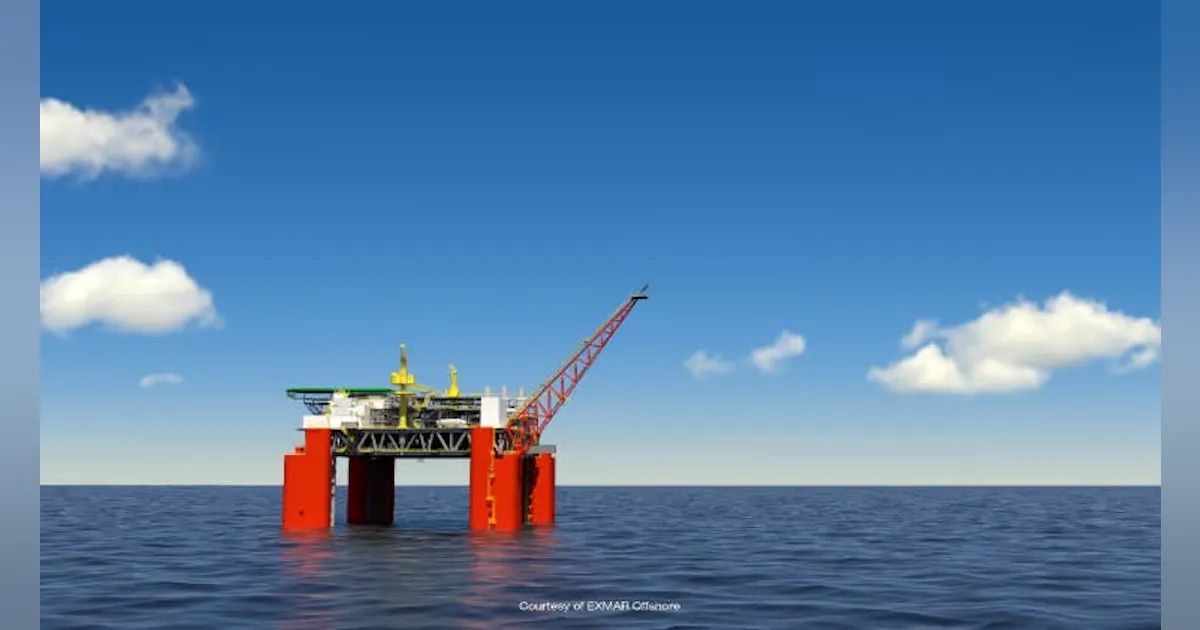
OTC 2026: Four decades of floating production shape OTC panel on the Gulf’s future
What happened
A technical panel at OTC reviewed four decades of floating production and concluded the industry is moving toward standardized, leaner floating platforms and more subsea tiebacks. The article cites Kaskida’s FID and planned production start as a near-term example that sustains demand for floaters and subsea installation capacity. Watch whether follow-on project FIDs follow Kaskida’s timeline, which would harden slot and mobilization commitments
Buyer takeaway
Treat the OTC panel as a source-grounded confirmation that floater and tieback work will stay material to planning; this turns spot supplier checks into necessary procurement activity
Cost / money
Directionally increases short-term mobilization and slot exposure: standardized designs may lower unit costs but concentrated FIDs concentrate demand for specific vessels and crews
Supplier / commercial
Expect suppliers to press for firmer slot commitments, shorter quote validity and mobilization guarantees once FIDs are public
Safety / operations
Panel references past incidents and metocean changes, meaning buyers must maintain stricter QA, testing and certification timelines before mobilization
What to watch
Watch whether subsequent FIDs compress the market for installation vessels and whether suppliers shorten commercial validity windows
Key facts
- Panel draws on 40 years of floating production experience
- References Kaskida FID and planned production start
- Discussion emphasizes shift to standardized, leaner platforms and subsea tiebacks
Source excerpts
The session brings together six industry veterans to reflect on how floating production matured in the Gulf, and which lessons continue to shape today’s projects
What attendees can expect from the OTC panel Attendees can expect candid operator and contractor perspectives
to noon on Wednesday, May 6, in room 306. Offshore is an official media partner of OTC 2026