Major Equipment OEM & LTSA · International (Houston)

Lock In Equipment Scope and Service Terms Ahead Of LNG Capacity Ramp

Published Apr 30, 2026, 5:08 AM CSTINTERNATIONALFull category signal
Ask AI
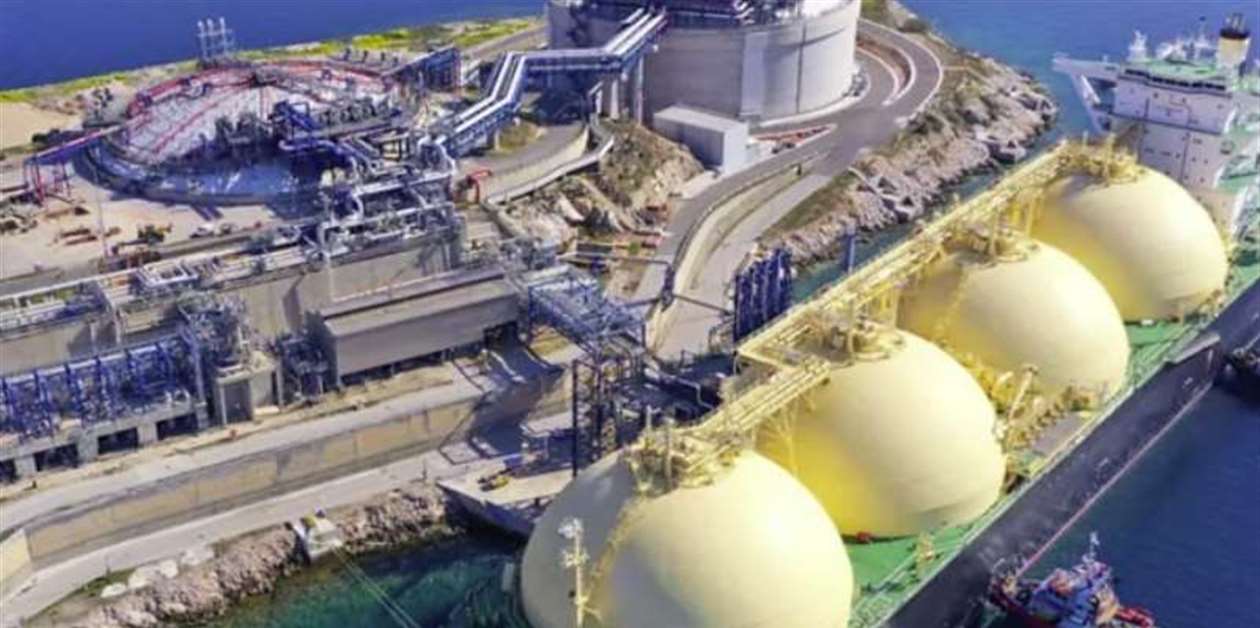
Honeywell technology selected for Rio Grande LNG expansion trains

In 60 seconds

Top move

Honeywell’s selection for Rio Grande LNG Trains 4–5 creates concrete demand for coil‑wound heat exchangers and process equipment tied to new liquefaction trains, making supplier scheduling and long‑lead items operational decisions rather than speculative planning

Key takeaways

  • Honeywell’s selection for Rio Grande LNG Trains 4–5 creates concrete demand for coil‑wound heat exchangers and process equipment tied to new liquefaction trains, making supplier scheduling and long‑lead items operational decisions rather than speculative planning.[4]
  • TotalEnergies’ outlook and regional disruptions (Strait of Hormuz) are tightening LNG markets and increasing buyer appetite for longer contracts and supply certainty, which strengthens suppliers’ pricing posture for LTSA and spare‑parts packages.[1]
  • EIA export forecasts tied to new U.S. liquefaction capacity underpin multi‑year demand for compressors, heat exchangers and service capacity; buyers should treat growth as a persistent procurement driver when planning OEM and LTSA spend.[3]
  • Canada’s Enbridge Sunrise approval converts a planned pipeline and compression program into an imminent construction workload that will consume regional fabrication, compression modules and installation services during the build window.[2]
  • Operational takeaway: supplier mobilization windows and quote validity are the likely battlegrounds — evidence is building but timing is still project‑dependent, so watch whether suppliers shorten validities or push milestone payment asks.[4]

What changed since last run

  • Added a confirmed OEM technology selection (Honeywell) for Rio Grande trains, turning modular‑fabrication themes into near‑term supplier demand (article 3).
  • Recorded a sovereign/regulatory approval (Enbridge Sunrise) that advances a major compression and looping project in western Canada from planning to execution (article 8).
  • Market view update: TotalEnergies’ comments and EIA export forecasts reinforce tighter LNG balances and longer‑term contract interest versus the prior brief’s thematic warning on modular schedule compression (articles...

Key facts

  • Adds Train 4 and Train 5 to Rio Grande LNG scope
  • All five trains planned to be operational by mid‑2031
  • Company view: tighter global LNG balances and firmer gas prices through the near term
  • Cites material impact from reduced flows through the Strait of Hormuz
  • Notes increased buyer interest in long‑term LNG contracting
  • EIA projects a multi‑year rise in U.S. net natural gas exports driven by new liquefaction cap

Why it matters

Honeywell’s selection for Rio Grande LNG Trains 4–5 creates concrete demand for coil‑wound heat exchangers and process equipment tied to new liquefaction trains, making supplier scheduling and long‑lead items operational decisions rather than speculative planning. TotalEnergies’ outlook and regional disruptions (Strait of Hormuz) are tightening LNG markets and increasing buyer appetite for longer contracts and supply certainty, which strengthens suppliers’ pricing posture for LTSA and spare‑parts packages. EIA export forecasts tied to new U.S. liquefaction capacity underpin multi‑year demand for compressors, heat exchangers and service capacity; buyers should treat growth as a persistent procurement driver when planning OEM and LTSA spend. Canada’s Enbridge Sunrise approval converts a planned pipeline and compression program into an imminent construction workload that will consume regional fabrication, compression modules and installation services during the build window

Cost / money

  • Selection of a specific liquefaction technology (C3MR/CWHE) concentrates demand toward specialized heat‑exchanger fabrication and test resources, raising the probability of expedite premiums or premium pricing for late buys.[4]
  • Tighter LNG market outlook supports stronger LTSA pricing and longer commitment terms as buyers trade price for supply certainty; expect suppliers to press for broader pass‑through clauses on fuel and shipping.[1]
  • Enbridge’s Sunrise expansion shifts some cost toward local compression module fabrication, land transport and site‑integration services — buyers should expect regional labor and transport pass‑throughs in subcontract bids.[2]

Supplier / commercial

  • OEMs supplying CWHE and standardized C3MR components gain leverage on lead times and spare‑parts scope; winning a train can convert into follow‑on LTSA and field service revenue.[4]
  • EIA’s export growth projection signals more multi‑project work for OEMs; suppliers with factory capacity or fabrication slots will be able to require milestone payments and narrower quote windows.[3]
  • Sunrise construction will drive local subcontract opportunities but also give regional contractors bargaining power on mobilization and local‑content terms; buyers may need stronger prequalification and performance bonds.[2]

Safety / operations

  • Modular, off‑site construction reduces on‑site labour but increases dependency on factory acceptance tests (FAT) and clear electrical/mechanical handover clauses to avoid commissioning delays and safety gaps.[4][2]
  • Pipeline looping and added compression capacity carry regulatory safety and environmental conditions that must be flowed down into supplier contracts to avoid rework or stop‑work mandates during construction.[2]

What to watch

  • Watch for suppliers shortening quote validity and mobilization windows as train schedules firm up; shorter windows increase expedite risk if buyers delay awards.[4]
  • Watch contract scope gaps where OEMs deliver modular process equipment but exclude commissioning, spares or technician retention — those gaps can create costly pass‑throughs under LTSA.[4]

Top stories

Story 1CompressorTECH²Apr 15, 2026

Honeywell technology selected for Rio Grande LNG expansion trains

Signal strongSource-grounded

What happened

Honeywell was selected to supply coil‑wound heat exchangers (CWHE) and C3MR process technology for NextDecade’s Rio Grande LNG Trains 4 and 5. The award ties a specific supplier and technology to two additional trains, expanding demand for standardized heat‑exchanger fabrication and modular solutions. Watch whether fabrication slots and FAT schedules are awarded in parallel with equipment orders, which will create mobilization pressure

Buyer takeaway

Treat this as a real demand conversion: a technology award means specific CWHEs and process equipment will be requested, so lock long‑lead lists and FAT expectations now

Cost / money

Directional upward pressure on near‑term equipment and fabrication pricing where factory slots are limited; expect suppliers to seek milestone payments and narrow quote windows

Supplier / commercial

Winning OEMs can extend scope into spares and LTSA work; contracting should anticipate follow‑on commercial leverage and include competitive supplier retention strategies

Safety / operations

Modular off‑site builds increase dependency on FATs and documented handovers; incomplete handover scope risks commissioning delays and safety incidents

What to watch

Watch fabrication slot awards and FAT schedules; short windows or misaligned FATs are the operational levers that create expedite spend

Key facts

  • Adds Train 4 and Train 5 to Rio Grande LNG scope
  • All five trains planned to be operational by mid‑2031

Source excerpts

For equipment suppliers, the project highlights sustained demand for large-scale liquefaction systems and associated compression and heat exchange technologies that underpin LNG production
Under the agreement, Honeywell will supply its coil wound heat exchanger (CWHE) equipment and C3MR liquefaction process technology, which are designed to improve production efficiency, enhance reliability and reduce operating costs
The company also offers modular LNG solutions that can be fabricated off-site and transported to project locations, a strategy intended to reduce construction risk and accelerate project timelines. The CWHE equipment is designed to maximize throughput while maintaining operational reliability and safety within a compact footprint
Story 2CompressorTECH²Apr 29, 2026

TotalEnergies sees tighter LNG markets, firmer gas pricing through 2026

Signal strongSource-grounded

What happened

TotalEnergies says the closure of the Strait of Hormuz and related disruptions have tightened LNG balances and lifted gas price expectations, reinforcing buyer interest in longer‑term, oil‑linked LNG contracts. That market pressure improves commercial outcomes for exporters and supports stronger LTSA and equipment pricing expectations for suppliers

Buyer takeaway

Market tightness increases supplier leverage on price and contract term; use staged awards and clause guards to limit pass‑through exposure

Cost / money

Higher realized LNG prices and tighter spot markets support supplier asks for longer LTSA terms and stronger pass‑throughs on fuel and shipping

Supplier / commercial

Buyers can expect suppliers to favor longer‑duration service scopes and to require stronger payment milestones tied to resource availability

Safety / operations

Market effects themselves are commercial, but added schedule pressure can compress commissioning windows and increase the chance of corner‑cutting unless contracts require proven FATs and test evidence

What to watch

Watch for suppliers to bundle LTSA and spare packages with higher minimum commitments and less flexible termination terms

Key facts

  • Company view: tighter global LNG balances and firmer gas prices through the near term
  • Cites material impact from reduced flows through the Strait of Hormuz
  • Notes increased buyer interest in long‑term LNG contracting

Source excerpts

That supply flexibility, he said, is reinforcing the value of portfolio LNG and contract reliability with Asian buyers, many of whom are now reconsidering long-term procurement strategies after a second major LNG supply shock in four years. Executives said the market disruption is already strengthening buyer interest in long-term, oil-linked LNG contracts, particularly in Asia, where affordability and supply security have become top priorities
For TotalEnergies, however, the tighter market is expected to improve LNG realizations
Executives said the market disruption is already strengthening buyer interest in long-term, oil-linked LNG contracts, particularly in Asia, where affordability and supply security have become top priorities. Pouyanné said the latest disruption could accelerate support for long-term LNG contracting while also improving the commercial outlook for new export projects such as Papua LNG, which TotalEnergies is targeting for sanction before year-end
Story 3CompressorTECH²Apr 16, 2026

EIA: U.S. natural gas exports to surge through 2027 on LNG growth

Signal strongSource-grounded

What happened

An EIA outlook projects U.S. natural gas exports will expand materially as new liquefaction capacity and pipeline flows to Mexico ramp up, underpinning multi‑project demand for LNG equipment and services. That authoritative forecast makes incremental compressor and heat‑exchanger demand a sustained procurement factor rather than a one‑off spike

Buyer takeaway

Use EIA forecasts to justify near‑term supplier engagement and capacity scans; treat export growth as a baseline demand signal for LTSA planning

Cost / money

Sustained export growth increases baseline demand for spare inventories and service capacity, raising the strategic value of multi‑year supply commitments

Supplier / commercial

Suppliers with factory capacity will be able to prioritize customers who offer earlier awards and clearer milestone payments

Safety / operations

Higher export throughput increases utilization and spare consumption; ensure LTSAs include response time guarantees and proven field technician retention

What to watch

Watch suppliers reserving fabrication slots for priority customers and requiring non‑standard payment or cancellation terms

Key facts

  • EIA projects a multi‑year rise in U.S. net natural gas exports driven by new liquefaction cap
  • Notes pipeline flows to Mexico plus several liquefaction projects entering service
  • Frames export growth as a structural sourcing driver for equipment and services

Source excerpts

LNG terminals to operate at slightly higher utilization rates in 2026, supported by increased demand from buyers seeking supply outside the Strait of Hormuz. Disruptions to LNG flows through the strait—largely tied to Qatar—have affected more than 10 Bcf/d of global supply, or roughly 20 percent of the market
liquefaction capacity. Current peak LNG export capacity stands at 18
6 Bcf/d), Rio Grande LNG Trains 1 and 2 (1
Story 4CompressorTECH²Apr 27, 2026

Canada approves Enbridge’s $4 billion Sunrise expansion to boost B.C. gas capacity

Signal strongSource-grounded

What happened

Canada approved Enbridge’s Sunrise expansion, adding pipeline looping and compression modifications that move the program from planning to imminent construction. The project will consume regional fabrication and installation capacity and carries 47 regulator‑attached conditions buyers must flow into subcontractor obligations

Buyer takeaway

Treat Sunrise as a committed regional workload that will absorb fabrication and installation capacity — prequalify local contractors and lock milestone terms

Cost / money

Local fabrication and transport add regional pass‑through costs; factor local labor and regulatory compliance into total procurement pricing

Supplier / commercial

Regional contractors will press for mobilization premiums and local content terms; buyers gain leverage by defining bond, warranty and performance milestones

Safety / operations

Regulatory conditions create enforceable safety and environmental deliverables that must be written into supplier contracts to avoid stop‑work exposure

What to watch

Watch for subcontractors to layer local content premiums and for schedule slips if consultations and permit conditions are not tracked

Key facts

  • Sunrise expansion valued at $4 billion and includes added compression and 139 km of looping
  • Adds up to 300 MMcf/d of incremental transportation capacity
  • Regulatory approval includes binding conditions that affect environmental and safety obligations

Source excerpts

The Sunrise project is expected to create 2,500 jobs during peak construction, including opportunities for Indigenous communities and contractors
The Canada Energy Regulator recommended approval of the project, subject to 47 binding conditions covering environmental protection, safety and Indigenous consultation
The Sunrise Expansion Program will add roughly 139 kilometers of new pipeline through 11 looping segments installed parallel to the existing Westcoast system. The project also includes additional natural gas compression and modifications to existing facilities, making it one of the most significant recent expansions of pipeline and compression infrastructure in western Canada

VP Snapshot

Executive Risk & Action View

Honeywell’s selection for Rio Grande LNG Trains 4–5 creates concrete demand for coil‑wound heat exchangers and process equipment tied to new liquefaction trains, making supplier scheduling and long‑lead items operational decisions rather than speculative planning.

Overall
44
Cost
79
Supply
61
Schedule
92
Compliance
15

Top signals

30-180dcost

Signal 1: Cost / money

Selection of a specific liquefaction technology (C3MR/CWHE) concentrates demand toward specialized heat‑exchanger fabrication and test resources, raising the probability of expedite premiums or premium pricing for late buys.

Signal 3: Cost / money

Enbridge’s Sunrise expansion shifts some cost toward local compression module fabrication, land transport and site‑integration services — buyers should expect regional labor and transport pass‑throughs in subcontract bids.

180d+cost

Signal 2: Cost / money

Tighter LNG market outlook supports stronger LTSA pricing and longer commitment terms as buyers trade price for supply certainty; expect suppliers to press for broader pass‑through clauses on fuel and shipping.

30-180dcommercial

Signal 4: Supplier / commercial

OEMs supplying CWHE and standardized C3MR components gain leverage on lead times and spare‑parts scope; winning a train can convert into follow‑on LTSA and field service revenue.

30-180dsupply

Signal 5: Supplier / commercial

EIA’s export growth projection signals more multi‑project work for OEMs; suppliers with factory capacity or fabrication slots will be able to require milestone payments and narrower quote windows.

30-180dschedule

Signal 6: Supplier / commercial

Sunrise construction will drive local subcontract opportunities but also give regional contractors bargaining power on mobilization and local‑content terms; buyers may need stronger prequalification and performance bonds.

Recommended actions

CategoryDue 3d

Update long‑lead item register to flag CWHEs, large heat exchangers, and compressor cores as priority procurement targets.

Prioritized long‑lead register and shortlist for early engagement with OEMs

ContractsDue 3d

Ask shortlisted modular vendors for draft FAT and electrical handover checklists to include in upcoming contracts.

Template FAT and handover checklist ready for insertion into RFPs

CategoryDue 21d

Run a supplier capacity and fabrication‑slot scan focused on heat‑exchanger and compressor OEMs servicing North America.

Supplier capacity matrix and recommended award windows for key packages

ContractsDue 21d

Negotiate LTSA draft term sheets with shortlisted OEMs that specify spare‑parts pricing bands, mobilization windows, and technician minimums.

Draft LTSA term sheet with clear spare and mobilization clauses to use in awards

OpsDue 60d

Pilot an enhanced FAT and offload acceptance program for one modular package to validate document flow, testing scope, and integration responsibilities.

Tested FAT playbook and identified contract changes to reduce commissioning rework

Risk register

RiskTriggerMitigation
Watch for suppliers shortening quote validity and mobilization windows as train schedules firm up; shorter windows increase expedite risk if buyers delay awards.Watch for suppliers shortening quote validity and mobilization windows as train schedules firm up; shorter windows increase expedite risk if buyers delay awards.Confirm exposure with category, contracts, and operations before the next supplier commitment.
Watch contract scope gaps where OEMs deliver modular process equipment but exclude commissioning, spares or technician retention — those gaps can create costly pass‑throughs under LTSA.Watch contract scope gaps where OEMs deliver modular process equipment but exclude commissioning, spares or technician retention — those gaps can create costly pass‑throughs under LTSA.Confirm exposure with category, contracts, and operations before the next supplier commitment.

CM Snapshot

Category Manager Decision Detail

Today's priorities

Update long‑lead item register to flag CWHEs, large heat exchangers, and compressor cores as priority procurement targets.

because Honeywell’s technology award for Rio Grande and the stated train sequence makes these items likely to be constrained and requires early slot booking to avoid expedite pr...

Due 3d

high

CM move

Use this as the immediate supplier or contract action to move before the next sourcing gate.

Ask shortlisted modular vendors for draft FAT and electrical handover checklists to include in upcoming contracts.

because off‑site module fabrication shifts acceptance risk to the offload point and explicit handover checklists reduce commissioning and safety rework.

Due 3d

high

CM move

Use this as the immediate supplier or contract action to move before the next sourcing gate.

Run a supplier capacity and fabrication‑slot scan focused on heat‑exchanger and compressor OEMs servicing North America.

because EIA export projections and multiple train builds increase competition for factory slots; knowing slot availability shortens award timing and reduces expedite spend.

Due 21d

high

CM move

Use this as the immediate supplier or contract action to move before the next sourcing gate.

Negotiate LTSA draft term sheets with shortlisted OEMs that specify spare‑parts pricing bands, mobilization windows, and technician minimums.

because tighter spot markets and buyer demand for contract certainty make it easier for suppliers to push broader pass‑throughs; early LTSA term negotiation protects total lifec...

Due 21d

high

CM move

Use this as the immediate supplier or contract action to move before the next sourcing gate.

Supplier radar

CompressorTECH²

high

Observed supplier signal

OEMs supplying CWHE and standardized C3MR components gain leverage on lead times and spare‑parts scope; winning a train can convert into follow‑on LTSA and field service revenue.

Commercial implication

OEMs supplying CWHE and standardized C3MR components gain leverage on lead times and spare‑parts scope; winning a train can convert into follow‑on LTSA and field service revenue.

Next step: Validate the source-backed signal with incumbents and alternates before the next award or pricing decision.

CompressorTECH²

high

Observed supplier signal

EIA’s export growth projection signals more multi‑project work for OEMs; suppliers with factory capacity or fabrication slots will be able to require milestone payments and narrower quote windows.

Commercial implication

EIA’s export growth projection signals more multi‑project work for OEMs; suppliers with factory capacity or fabrication slots will be able to require milestone payments and narrower quote windows.

Next step: Validate the source-backed signal with incumbents and alternates before the next award or pricing decision.

CompressorTECH²

high

Observed supplier signal

Sunrise construction will drive local subcontract opportunities but also give regional contractors bargaining power on mobilization and local‑content terms; buyers may need stronger prequalification and performance bonds.

Commercial implication

Sunrise construction will drive local subcontract opportunities but also give regional contractors bargaining power on mobilization and local‑content terms; buyers may need stronger prequalification and performance bonds.

Next step: Validate the source-backed signal with incumbents and alternates before the next award or pricing decision.

Negotiation levers

Update long‑lead item register to flag CWHEs, large heat exchangers, and compressor cores as priority procurement targets.

When to use: because Honeywell’s technology award for Rio Grande and the stated train sequence makes these items likely to be constrained and requires early slot booking to avoid expedite pr...

Expected outcome: Prioritized long‑lead register and shortlist for early engagement with OEMs

Commercial mechanism to carry into the next supplier conversation

Ask shortlisted modular vendors for draft FAT and electrical handover checklists to include in upcoming contracts.

When to use: because off‑site module fabrication shifts acceptance risk to the offload point and explicit handover checklists reduce commissioning and safety rework.

Expected outcome: Template FAT and handover checklist ready for insertion into RFPs

Commercial mechanism to carry into the next supplier conversation

Run a supplier capacity and fabrication‑slot scan focused on heat‑exchanger and compressor OEMs servicing North America.

When to use: because EIA export projections and multiple train builds increase competition for factory slots; knowing slot availability shortens award timing and reduces expedite spend.

Expected outcome: Supplier capacity matrix and recommended award windows for key packages

Commercial mechanism to carry into the next supplier conversation

Negotiate LTSA draft term sheets with shortlisted OEMs that specify spare‑parts pricing bands, mobilization windows, and technician minimums.

When to use: because tighter spot markets and buyer demand for contract certainty make it easier for suppliers to push broader pass‑throughs; early LTSA term negotiation protects total lifec...

Expected outcome: Draft LTSA term sheet with clear spare and mobilization clauses to use in awards

Commercial mechanism to carry into the next supplier conversation

Talking points

Honeywell’s selection for Rio Grande LNG Trains 4–5 creates concrete demand for coil‑wound heat exchangers and process equipment tied to new liquefaction trains, making supplier scheduling and long‑lead items operational decisions rather than speculative planning.
TotalEnergies’ outlook and regional disruptions (Strait of Hormuz) are tightening LNG markets and increasing buyer appetite for longer contracts and supply certainty, which strengthens suppliers’ pricing posture for LTSA and spare‑parts packages.
EIA export forecasts tied to new U.S. liquefaction capacity underpin multi‑year demand for compressors, heat exchangers and service capacity; buyers should treat growth as a persistent procurement driver when planning OEM and LTSA spend.
Canada’s Enbridge Sunrise approval converts a planned pipeline and compression program into an imminent construction workload that will consume regional fabrication, compression modules and installation services during the build window.

Supplier radar

SupplierSignalImplicationNext stepConfidence
CompressorTECH²OEMs supplying CWHE and standardized C3MR components gain leverage on lead times and spare‑parts scope; winning a train can convert into follow‑on LTSA and field service revenue.OEMs supplying CWHE and standardized C3MR components gain leverage on lead times and spare‑parts scope; winning a train can convert into follow‑on LTSA and field service revenue.Validate the source-backed signal with incumbents and alternates before the next award or pricing decision.high
CompressorTECH²EIA’s export growth projection signals more multi‑project work for OEMs; suppliers with factory capacity or fabrication slots will be able to require milestone payments and narrower quote windows.EIA’s export growth projection signals more multi‑project work for OEMs; suppliers with factory capacity or fabrication slots will be able to require milestone payments and narrower quote windows.Validate the source-backed signal with incumbents and alternates before the next award or pricing decision.high
CompressorTECH²Sunrise construction will drive local subcontract opportunities but also give regional contractors bargaining power on mobilization and local‑content terms; buyers may need stronger prequalification and performance bonds.Sunrise construction will drive local subcontract opportunities but also give regional contractors bargaining power on mobilization and local‑content terms; buyers may need stronger prequalification and performance bonds.Validate the source-backed signal with incumbents and alternates before the next award or pricing decision.high

Negotiation levers

  • Update long‑lead item register to flag CWHEs, large heat exchangers, and compressor cores as priority procurement targets.because Honeywell’s technology award for Rio Grande and the stated train sequence makes these items likely to be constrained and requires early slot booking to avoid expedite pr...Prioritized long‑lead register and shortlist for early engagement with OEMs

    high confidence

  • Ask shortlisted modular vendors for draft FAT and electrical handover checklists to include in upcoming contracts.because off‑site module fabrication shifts acceptance risk to the offload point and explicit handover checklists reduce commissioning and safety rework.Template FAT and handover checklist ready for insertion into RFPs

    high confidence

  • Run a supplier capacity and fabrication‑slot scan focused on heat‑exchanger and compressor OEMs servicing North America.because EIA export projections and multiple train builds increase competition for factory slots; knowing slot availability shortens award timing and reduces expedite spend.Supplier capacity matrix and recommended award windows for key packages

    high confidence

  • Negotiate LTSA draft term sheets with shortlisted OEMs that specify spare‑parts pricing bands, mobilization windows, and technician minimums.because tighter spot markets and buyer demand for contract certainty make it easier for suppliers to push broader pass‑throughs; early LTSA term negotiation protects total lifec...Draft LTSA term sheet with clear spare and mobilization clauses to use in awards

    high confidence

What to do / What to watch

What to do now

  • Update long‑lead item register to flag CWHEs, large heat exchangers, and compressor cores as priority procurement targets.

    Why: because Honeywell’s technology award for Rio Grande and the stated train sequence makes these items likely to be constrained and requires early slot booking to avoid expedite pr...

    Owner: Category

    Expected outcome: Prioritized long‑lead register and shortlist for early engagement with OEMs

    [4]
  • Ask shortlisted modular vendors for draft FAT and electrical handover checklists to include in upcoming contracts.

    Why: because off‑site module fabrication shifts acceptance risk to the offload point and explicit handover checklists reduce commissioning and safety rework.

    Owner: Contracts

    Expected outcome: Template FAT and handover checklist ready for insertion into RFPs

    [4]

Next few weeks

  • Run a supplier capacity and fabrication‑slot scan focused on heat‑exchanger and compressor OEMs servicing North America.

    Why: because EIA export projections and multiple train builds increase competition for factory slots; knowing slot availability shortens award timing and reduces expedite spend.

    Owner: Category

    Expected outcome: Supplier capacity matrix and recommended award windows for key packages

    [3]
  • Negotiate LTSA draft term sheets with shortlisted OEMs that specify spare‑parts pricing bands, mobilization windows, and technician minimums.

    Why: because tighter spot markets and buyer demand for contract certainty make it easier for suppliers to push broader pass‑throughs; early LTSA term negotiation protects total lifec...

    Owner: Contracts

    Expected outcome: Draft LTSA term sheet with clear spare and mobilization clauses to use in awards

    [1]

Longer view

  • Pilot an enhanced FAT and offload acceptance program for one modular package to validate document flow, testing scope, and integration responsibilities.

    Why: because modular fabrication and increased project cadence shift risk to offsite acceptance and a pilot proves whether proposed FATs and handovers prevent commissioning delays.

    Owner: Ops

    Expected outcome: Tested FAT playbook and identified contract changes to reduce commissioning rework

    [4]

What to watch

  • Watch for suppliers shortening quote validity and mobilization windows as train schedules firm up; shorter windows increase expedite risk if buyers delay awards
  • Watch contract scope gaps where OEMs deliver modular process equipment but exclude commissioning, spares or technician retention — those gaps can create costly pass‑throughs under LTSA
  • Watch for suppliers shortening quote validity and mobilization windows as train schedules firm up; shorter windows increase expedite risk if buyers delay awards.: Watch for suppliers shortening quote validity and mobilization windows as train schedules firm up; shorter windows increase expedite risk if buyers delay awards
  • Watch contract scope gaps where OEMs deliver modular process equipment but exclude commissioning, spares or technician retention — those gaps can create costly pass‑throughs under LTSA.: Watch contract scope gaps where OEMs deliver modular process equipment but exclude commissioning, spares or technician retention — those gaps can create costly pass‑throughs under LTSA
  • Honeywell’s selection for Rio Grande LNG Trains 4–5 creates concrete demand for coil‑wound heat exchangers and process equipment tied to new liquefaction trains, making supplier scheduling and long‑lead items operational decisions rather than speculative planning
  • TotalEnergies’ outlook and regional disruptions (Strait of Hormuz) are tightening LNG markets and increasing buyer appetite for longer contracts and supply certainty, which strengthens suppliers’ pricing posture for LTSA and spare‑parts packages
  • EIA export forecasts tied to new U.S. liquefaction capacity underpin multi‑year demand for compressors, heat exchangers and service capacity; buyers should treat growth as a persistent procurement driver when planning OEM and LTSA spend
  • Canada’s Enbridge Sunrise approval converts a planned pipeline and compression program into an imminent construction workload that will consume regional fabrication, compression modules and installation services during the build window

Market pulse

IndexLatestChangeAs of
WTI Crude (WTI)71.23 /bbl+0.00 (+0.00%)Apr 30, 2026, 10:10 AM
Brent Crude (BRENT)74.89 /bbl+0.00 (+0.00%)Apr 30, 2026, 10:10 AM
Natural Gas (NG)3.12 /MMBtu+0.00 (+0.00%)Apr 30, 2026, 10:10 AM
Baker Hughes (BKR)32 +0.00 (+0.00%)Apr 30, 2026, 10:10 AM
GE Vernova (GEV)175 +0.00 (+0.00%)Apr 30, 2026, 10:10 AM
  • Natural Gas: Rising LNG demand supports stronger negotiating posture for equipment and LTSA pricing; factor into procurement timing and spare stocking
  • Brent Crude: Higher oil‑linked LNG pricing expectations increase supplier ability to seek longer LTSA terms and higher pass‑through allowances

Sources

Inline citations jump here. Expand a source to read the excerpt, the AI interpretation, and the original link.

[1] TotalEnergies sees tighter LNG markets, firmer gas pricing through 2026

compressortech2.com · Apr 29, 2026

Expand

AI reading

TotalEnergies says the closure of the Strait of Hormuz and related disruptions have tightened LNG balances and lifted gas price expectations, reinforcing buyer interest in longer‑term, oil‑linked LNG contracts. That market pressure improves commercial outcomes for exporters and supports stronger LTSA and equipment pricing expectations for suppliers

Buyer takeaway

Market tightness increases supplier leverage on price and contract term; use staged awards and clause guards to limit pass‑through exposure

Cost / money

Higher realized LNG prices and tighter spot markets support supplier asks for longer LTSA terms and stronger pass‑throughs on fuel and shipping

Supplier / commercial

Buyers can expect suppliers to favor longer‑duration service scopes and to require stronger payment milestones tied to resource availability

Safety / operations

Market effects themselves are commercial, but added schedule pressure can compress commissioning windows and increase the chance of corner‑cutting unless contracts require proven FATs and test evidence

What to watch

Watch for suppliers to bundle LTSA and spare packages with higher minimum commitments and less flexible termination terms

Key facts

  • Company view: tighter global LNG balances and firmer gas prices through the near term
  • Cites material impact from reduced flows through the Strait of Hormuz
  • Notes increased buyer interest in long‑term LNG contracting

Source excerpts

That supply flexibility, he said, is reinforcing the value of portfolio LNG and contract reliability with Asian buyers, many of whom are now reconsidering long-term procurement strategies after a second major LNG supply shock in four years. Executives said the market disruption is already strengthening buyer interest in long-term, oil-linked LNG contracts, particularly in Asia, where affordability and supply security have become top priorities
For TotalEnergies, however, the tighter market is expected to improve LNG realizations
Executives said the market disruption is already strengthening buyer interest in long-term, oil-linked LNG contracts, particularly in Asia, where affordability and supply security have become top priorities. Pouyanné said the latest disruption could accelerate support for long-term LNG contracting while also improving the commercial outlook for new export projects such as Papua LNG, which TotalEnergies is targeting for sanction before year-end

Used in this brief

  • Next 2-4 weeks — Negotiate LTSA draft term sheets with shortlisted OEMs that specify spare‑parts pricing bands, mobilization windows, and technician minimums.. Rationale: because tighter spot markets and buyer demand for contract certainty make it easier for suppliers to push broader pass‑throughs; early LTSA term negotiation protects total lifec.... Owner: Contracts. KPI: Draft LTSA term sheet with clear spare and mobilization clauses to use in awards
  • Market view update: TotalEnergies’ comments and EIA export forecasts reinforce tighter LNG balances and longer‑term contract interest versus the prior brief’s thematic warning on modular schedule compression (articles
  • TotalEnergies says the closure of the Strait of Hormuz and related disruptions have tightened LNG balances and lifted gas price expectations, reinforcing buyer interest in longer‑term, oil‑linked LNG contracts. That market pressure improves commercial outcomes for exporters and supports stronger LTSA and equipment pricing expectations for suppliers
Open original source

[2] Canada approves Enbridge’s $4 billion Sunrise expansion to boost B.C. gas capacity

compressortech2.com · Apr 27, 2026

Expand

AI reading

Canada approved Enbridge’s Sunrise expansion, adding pipeline looping and compression modifications that move the program from planning to imminent construction. The project will consume regional fabrication and installation capacity and carries 47 regulator‑attached conditions buyers must flow into subcontractor obligations

Buyer takeaway

Treat Sunrise as a committed regional workload that will absorb fabrication and installation capacity — prequalify local contractors and lock milestone terms

Cost / money

Local fabrication and transport add regional pass‑through costs; factor local labor and regulatory compliance into total procurement pricing

Supplier / commercial

Regional contractors will press for mobilization premiums and local content terms; buyers gain leverage by defining bond, warranty and performance milestones

Safety / operations

Regulatory conditions create enforceable safety and environmental deliverables that must be written into supplier contracts to avoid stop‑work exposure

What to watch

Watch for subcontractors to layer local content premiums and for schedule slips if consultations and permit conditions are not tracked

Key facts

  • Sunrise expansion valued at $4 billion and includes added compression and 139 km of looping
  • Adds up to 300 MMcf/d of incremental transportation capacity
  • Regulatory approval includes binding conditions that affect environmental and safety obligations

Source excerpts

The Sunrise project is expected to create 2,500 jobs during peak construction, including opportunities for Indigenous communities and contractors
The Canada Energy Regulator recommended approval of the project, subject to 47 binding conditions covering environmental protection, safety and Indigenous consultation
The Sunrise Expansion Program will add roughly 139 kilometers of new pipeline through 11 looping segments installed parallel to the existing Westcoast system. The project also includes additional natural gas compression and modifications to existing facilities, making it one of the most significant recent expansions of pipeline and compression infrastructure in western Canada

Used in this brief

  • Supplier / commercial: Sunrise construction will drive local subcontract opportunities but also give regional contractors bargaining power on mobilization and local‑content terms; buyers may need stronger prequalification and performance bonds
  • Safety / operations: Pipeline looping and added compression capacity carry regulatory safety and environmental conditions that must be flowed down into supplier contracts to avoid rework or stop‑work mandates during construction
  • Recorded a sovereign/regulatory approval (Enbridge Sunrise) that advances a major compression and looping project in western Canada from planning to execution (article 8)
Open original source

[3] EIA: U.S. natural gas exports to surge through 2027 on LNG growth

compressortech2.com · Apr 16, 2026

Expand

AI reading

An EIA outlook projects U.S. natural gas exports will expand materially as new liquefaction capacity and pipeline flows to Mexico ramp up, underpinning multi‑project demand for LNG equipment and services. That authoritative forecast makes incremental compressor and heat‑exchanger demand a sustained procurement factor rather than a one‑off spike

Buyer takeaway

Use EIA forecasts to justify near‑term supplier engagement and capacity scans; treat export growth as a baseline demand signal for LTSA planning

Cost / money

Sustained export growth increases baseline demand for spare inventories and service capacity, raising the strategic value of multi‑year supply commitments

Supplier / commercial

Suppliers with factory capacity will be able to prioritize customers who offer earlier awards and clearer milestone payments

Safety / operations

Higher export throughput increases utilization and spare consumption; ensure LTSAs include response time guarantees and proven field technician retention

What to watch

Watch suppliers reserving fabrication slots for priority customers and requiring non‑standard payment or cancellation terms

Key facts

  • EIA projects a multi‑year rise in U.S. net natural gas exports driven by new liquefaction cap
  • Notes pipeline flows to Mexico plus several liquefaction projects entering service
  • Frames export growth as a structural sourcing driver for equipment and services

Source excerpts

LNG terminals to operate at slightly higher utilization rates in 2026, supported by increased demand from buyers seeking supply outside the Strait of Hormuz. Disruptions to LNG flows through the strait—largely tied to Qatar—have affected more than 10 Bcf/d of global supply, or roughly 20 percent of the market
liquefaction capacity. Current peak LNG export capacity stands at 18
6 Bcf/d), Rio Grande LNG Trains 1 and 2 (1

Used in this brief

  • Cost / money: Tighter LNG market outlook supports stronger LTSA pricing and longer commitment terms as buyers trade price for supply certainty; expect suppliers to press for broader pass‑through clauses on fuel and shipping
  • Next 2-4 weeks — Run a supplier capacity and fabrication‑slot scan focused on heat‑exchanger and compressor OEMs servicing North America.. Rationale: because EIA export projections and multiple train builds increase competition for factory slots; knowing slot availability shortens award timing and reduces expedite spend.. Owner: Category. KPI: Supplier capacity matrix and recommended award windows for key packages
  • Added a confirmed OEM technology selection (Honeywell) for Rio Grande trains, turning modular‑fabrication themes into near‑term supplier demand (article 3)
Open original source

[4] Honeywell technology selected for Rio Grande LNG expansion trains

compressortech2.com · Apr 15, 2026

Expand

AI reading

Honeywell was selected to supply coil‑wound heat exchangers (CWHE) and C3MR process technology for NextDecade’s Rio Grande LNG Trains 4 and 5. The award ties a specific supplier and technology to two additional trains, expanding demand for standardized heat‑exchanger fabrication and modular solutions. Watch whether fabrication slots and FAT schedules are awarded in parallel with equipment orders, which will create mobilization pressure

Buyer takeaway

Treat this as a real demand conversion: a technology award means specific CWHEs and process equipment will be requested, so lock long‑lead lists and FAT expectations now

Cost / money

Directional upward pressure on near‑term equipment and fabrication pricing where factory slots are limited; expect suppliers to seek milestone payments and narrow quote windows

Supplier / commercial

Winning OEMs can extend scope into spares and LTSA work; contracting should anticipate follow‑on commercial leverage and include competitive supplier retention strategies

Safety / operations

Modular off‑site builds increase dependency on FATs and documented handovers; incomplete handover scope risks commissioning delays and safety incidents

What to watch

Watch fabrication slot awards and FAT schedules; short windows or misaligned FATs are the operational levers that create expedite spend

Key facts

  • Adds Train 4 and Train 5 to Rio Grande LNG scope
  • All five trains planned to be operational by mid‑2031

Source excerpts

For equipment suppliers, the project highlights sustained demand for large-scale liquefaction systems and associated compression and heat exchange technologies that underpin LNG production
Under the agreement, Honeywell will supply its coil wound heat exchanger (CWHE) equipment and C3MR liquefaction process technology, which are designed to improve production efficiency, enhance reliability and reduce operating costs
The company also offers modular LNG solutions that can be fabricated off-site and transported to project locations, a strategy intended to reduce construction risk and accelerate project timelines. The CWHE equipment is designed to maximize throughput while maintaining operational reliability and safety within a compact footprint

Used in this brief

  • Honeywell’s selection for Rio Grande LNG Trains 4–5 creates concrete demand for coil‑wound heat exchangers and process equipment tied to new liquefaction trains, making supplier scheduling and long‑lead items operational decisions rather than speculative planning. TotalEnergies’ outlook and regional disruptions (Strait of Hormuz) are tightening LNG markets and increasing buyer appetite for longer contracts and supply certainty, which strengthens suppliers’ pricing posture for LTSA and spare‑parts packages. EIA export forecasts tied to new U.S. liquefaction capacity underpin multi‑year demand for compressors, heat exchangers and service capacity; buyers should treat growth as a persistent procurement driver when planning OEM and LTSA spend. Canada’s Enbridge Sunrise approval converts a planned pipeline and compression program into an imminent construction workload that will consume regional fabrication, compression modules and installation services during the build window
  • Cost / money: Selection of a specific liquefaction technology (C3MR/CWHE) concentrates demand toward specialized heat‑exchanger fabrication and test resources, raising the probability of expedite premiums or premium pricing for late buys
  • Safety / operations: Modular, off‑site construction reduces on‑site labour but increases dependency on factory acceptance tests (FAT) and clear electrical/mechanical handover clauses to avoid commissioning delays and safety gaps
Open original source

[5] Natural Gas

finance.yahoo.com · n.d.

Expand

[6] Brent Crude

finance.yahoo.com · n.d.

Expand