Logistics, Marine & Aviation · Australia (Perth)

Reweight Sourcing for New WA Port, Depot Claims, Road Freight Study

Published Apr 30, 2026, 6:08 AM AWSTAPACFull category signal
Ask AI
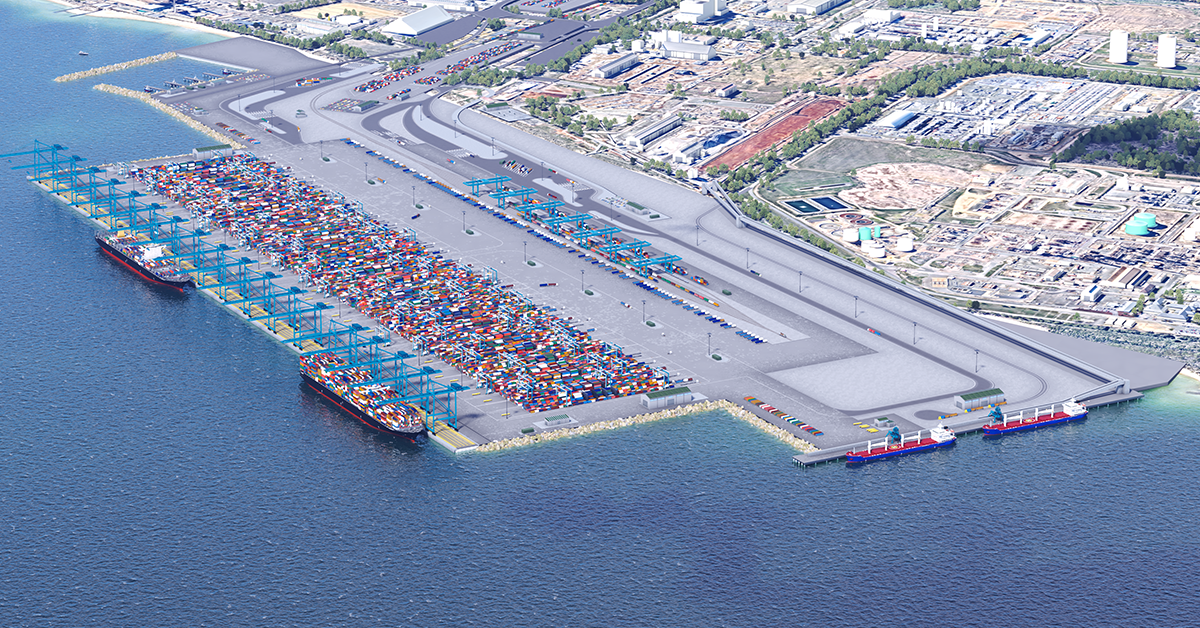
Federal government commits to new WA container port

In 60 seconds

Top move

Federal funding commitment for Westport container terminal creates a credible future alternative port in Western Australia that should be included in medium- to long-term sourcing plans

Key takeaways

  • Federal funding commitment for Westport container terminal creates a credible future alternative port in Western Australia that should be included in medium- to long-term sourcing plans.[3]
  • Price & Speed’s public page lists an authorised Sydney depot with biosecurity activity and 7‑day hours, which reduces one immediate information gap but does not substitute documentary verification for sensitive flows.[2]
  • Swinburne University has launched a national road freight study — an early-signal research input that may surface policy or operational issues affecting road-first logistics and cost recovery later.[1]
  • Partial validation of a Sydney depot provider (public licence/operating-hours claims) means contingency handling could be usable sooner if documents check out; don’t onboard for regulated cargo until proofs are received.[2]
  • The Westport funding is operationally relevant but will shift capacity and tender activity over time rather than immediately; treat procurement planning as preparatory rather than reactive.[3]

What changed since last run

  • Federal government publicly committed funding for the Westport WA container terminal, creating a confirmed future asset to include in sourcing scenarios (article 3).
  • A Sydney depot operator (Price & Speed) now shows authorised facility status and weekend hours on its public page, providing partial documentary evidence to follow up (article 2).
  • Swinburne University launched a national road freight study, adding a new research input that could influence road logistics policy or industry recommendations (article 1).

Key facts

  • National road freight study initiated by Swinburne University
  • Study is research-oriented and currently at early stages
  • Publicly listed as an authorised facility for commercial operations and biosecurity
  • Operates two depots near Sydney ports and advertises 7‑day availability
  • Federal commitment to develop Westport container terminal
  • Funding makes the terminal a credible future alternative for WA container flows

Why it matters

Federal funding commitment for Westport container terminal creates a credible future alternative port in Western Australia that should be included in medium- to long-term sourcing plans. Price & Speed’s public page lists an authorised Sydney depot with biosecurity activity and 7‑day hours, which reduces one immediate information gap but does not substitute documentary verification for sensitive flows. Swinburne University has launched a national road freight study — an early-signal research input that may surface policy or operational issues affecting road-first logistics and cost recovery later. Partial validation of a Sydney depot provider (public licence/operating-hours claims) means contingency handling could be usable sooner if documents check out; don’t onboard for regulated cargo until proofs are received

Cost / money

  • A funded Westport terminal will change long‑run port capacity balance in WA and therefore influence future terminal pricing expectations and hinterland transport costs.[3]
  • Public depot claims of weekend operations and local handling support may reduce expected detention and off‑peak handling premiums if verified, but vendors may still seek pass‑throughs.[2]
  • A national road freight study can surface recommendations that change road carriage rules or costs (for example, driver hours or permitted loads), shifting total landed cost assumptions for road legs.[1]

Supplier / commercial

  • Westport project procurement will create a new local tender pipeline — expect suppliers to position for construction and terminal services, and to ask for mobilisation and local‑content terms.[3]
  • Price & Speed’s marketing suggests active commercial push by local depots to capture contingency work, which can tighten suppliers’ willingness to accept low‑margin contingency panels.[2]
  • If the Swinburne study highlights road network constraints, carriers may seek contract clauses for fuel or schedule pass‑throughs tied to road congestion or regulatory changes.[1]

Safety / operations

  • An authorised biosecurity facility near Sydney ports is operationally useful for regulated cargo, but unverified claims risk biosecurity non‑compliance and shipment holds if documentation is incomplete.[2]
  • Road freight research that identifies pinch points or driver availability issues would have direct effects on ETA reliability, crew rest planning, and cross‑dock scheduling for time‑sensitive loads.[1]

What to watch

  • Verify Price & Speed’s actual licences, biosecurity accreditation and weekend throughput before adding the depot to panels; marketing copy alone is insufficient evidence.[2]
  • Track Westport procurement milestones and any environmental or approvals timeline — funding is confirmed but construction and tendering will follow, altering when capacity becomes usable.[3]
  • Monitor outputs from the Swinburne road freight study for recommendations that could change road carriage rules, allowed configurations, or scheduling norms affecting contract terms.[1]

Top stories

Story 1Thedcn

Swinburne takes road freight temperature

Signal moderateDirectional

What happened

Swinburne University has launched a national road freight study to examine the state of Australia’s road freight system. The work is research‑focused and currently provides directional signals rather than immediate policy changes. Watch for published recommendations that could affect road carriage rules or industry best practices

Buyer takeaway

Monitor outputs and incorporate any recommended regulatory or operational changes into road‑leg contracts and routing guardrails

Cost / money

Directional: study recommendations could change allowed loads, hours, or compliance costs which would shift road leg cost assumptions

Supplier / commercial

Carriers may pre-emptively seek contract protections or price adjustments if the study signals likely regulatory tightening

Safety / operations

If the study identifies network pinch points or driver fatigue issues, it can necessitate schedule relaxations and longer mobilisation windows

What to watch

This is an early-signal research project; don’t assume immediate policy change—use findings to prepare contracting options rather than to reprice lanes now

Key facts

  • National road freight study initiated by Swinburne University
  • Study is research-oriented and currently at early stages

Source excerpts

News Swinburne takes road freight temperature Image: Petar B photography / Shutterstock Posted by Dale Crisp | 29 April, 2026 MELBOURNE’s Swinburne University of Technology has embarked on a landmark national study to determine the plight of Australia’s road freight sector
thedcn
Story 2Price & Speed

Sydney Container Depot

Signal limitedDirectional

What happened

Price & Speed Containers publishes a public page claiming authorised facility status for commercial operations and biosecurity activities and advertises two depots near Sydney ports. The page also lists weekend opening hours, which is an operational detail useful for contingency planning. Procurement should verify licences and throughput before relying on the depot for regulated cargo

Buyer takeaway

Treat the page as partial validation of market capability; require licences and operational data before adding to contingency panels

Cost / money

If verified, weekend operations and proximity to port can lower detention and off‑hour handling premiums for contingency moves

Supplier / commercial

Local depots are actively marketing capacity and may seek higher short‑notice rates unless contracts define mobilisation governance

Safety / operations

Biosecurity capability is valuable for regulated cargo, but misrepresentation or gaps in accreditation risks shipment holds and compliance costs

What to watch

Marketing claims are not the same as documentary proof; verify licences, accreditation, and weekend throughput before use

Key facts

  • Publicly listed as an authorised facility for commercial operations and biosecurity
  • Operates two depots near Sydney ports and advertises 7‑day availability

Source excerpts

Located close to Sydney Ports, Price & Speed is an authorised facility for commercial operations and biosecurity activities
+61 2 9666 6565Open 7 dayscheck our contact page for depot operating hours
We offer a wide range of services and have 2 Depots to handle all your requirements: Our dedicated team have the expertise to handle all types of cargo Have any questions?
Story 3Thedcn

Federal government commits to new WA container port

Signal strongSource-grounded

What happened

The federal government has committed funding to develop the Westport container terminal in Western Australia. The commitment makes the terminal a credible future node for container flows and creates an anticipated pipeline of procurement and tender activity. Procurement should plan to include Westport scenarios in future port and hinterland sourcing decisions

Buyer takeaway

Include Westport as a planned capacity alternative in medium‑term sourcing and tender planning to avoid being surprised by new local options

Cost / money

A new terminal can alter terminal handling charges and hinterland haulage cost baselines, affecting total landed cost calculations

Supplier / commercial

Expect a new pipeline of construction, terminal services and local suppliers to bid; use procurement to lock mobilisation and local content terms where needed

Safety / operations

New terminal geometry and operational procedures will affect berth windows, pilotage, and towage scheduling—contractual service levels should reflect those differences

What to watch

Funding is confirmed but construction and operational timelines will take time; don’t assume immediate capacity—use staged inclusion in sourcing plans

Key facts

  • Federal commitment to develop Westport container terminal
  • Funding makes the terminal a credible future alternative for WA container flows

Source excerpts

1 billion to the project. This content is for members only Create a free account with www
News Federal government commits to new WA container port Westport's preferred design. Image: Westport Posted by Allen Newton | 29 April, 2026 THE FEDERAL government has signed off on the development of Western Australia’s new Westport container terminal with a combined state and federal commitment of $1
News Federal government commits to new WA container port Westport's preferred design

VP Snapshot

Executive Risk & Action View

Federal funding commitment for Westport container terminal creates a credible future alternative port in Western Australia that should be included in medium- to long-term sourcing plans.

Overall
43
Cost
100
Supply
61
Schedule
38
Compliance
35

Top signals

30-180dcost

Signal 1: Cost / money

A funded Westport terminal will change long‑run port capacity balance in WA and therefore influence future terminal pricing expectations and hinterland transport costs.

Signal 2: Cost / money

Public depot claims of weekend operations and local handling support may reduce expected detention and off‑peak handling premiums if verified, but vendors may still seek pass‑throughs.

Signal 3: Cost / money

A national road freight study can surface recommendations that change road carriage rules or costs (for example, driver hours or permitted loads), shifting total landed cost assumptions for road legs.

Signal 5: Supplier / commercial

Price & Speed’s marketing suggests active commercial push by local depots to capture contingency work, which can tighten suppliers’ willingness to accept low‑margin contingency panels.

30-180dcommercial

Signal 4: Supplier / commercial

Westport project procurement will create a new local tender pipeline — expect suppliers to position for construction and terminal services, and to ask for mobilisation and local‑content terms.

30-180dschedule

Signal 6: Supplier / commercial

If the Swinburne study highlights road network constraints, carriers may seek contract clauses for fuel or schedule pass‑throughs tied to road congestion or regulatory changes.

Recommended actions

OpsDue 3d

Request and collect documentary proof from Price & Speed: current facility licence, biosecurity accreditation, and typical weekend throughput data.

Receive documents (licence, biosecurity accreditation, operating hours) allowing go/no‑go decision for contingency use.

ContractsDue 21d

Update RFP and contract clauses for terminal and depot services to tighten fuel/port pass‑through rules, mobilisation fees, and quote validity language.

Revised clause bank submitted for upcoming tenders reducing supplier ability to impose ad‑hoc pass‑throughs and short‑notice mobilisation fees.

CategoryDue 21d

Run a supplier panel check for WA and Sydney contingency lanes to identify dependence on single providers and to flag alternate providers for future tenders.

List of primary and alternate suppliers for critical lanes with recommended holdback or panel adjustments.

CategoryDue 60d

Model sourcing and network scenarios that include the Westport terminal as an alternative hub and quantify how it changes port selection, hinterland routes, and contract strategy.

Decision memo showing sourcing implications for WA flows with recommended contract and tender approaches for new terminal options.

CategoryDue 60d

Establish a monitoring plan to capture outputs from the Swinburne road freight study and convert relevant findings into contract or routing adjustments.

Regular watchlist and flagged contract clauses (routing, schedule buffers, pass‑through triggers) ready to update when study findings are published.

Risk register

RiskTriggerMitigation
Verify Price & Speed’s actual licences, biosecurity accreditation and weekend throughput before adding the depot to panels; marketing copy alone is insufficient evidence.Verify Price & Speed’s actual licences, biosecurity accreditation and weekend throughput before adding the depot to panels; marketing copy alone is insufficient evidence.Confirm exposure with category, contracts, and operations before the next supplier commitment.
Track Westport procurement milestones and any environmental or approvals timeline — funding is confirmed but construction and tendering will follow, altering when capacity becomes usable.Track Westport procurement milestones and any environmental or approvals timeline — funding is confirmed but construction and tendering will follow, altering when capacity becomes usable.Confirm exposure with category, contracts, and operations before the next supplier commitment.
Monitor outputs from the Swinburne road freight study for recommendations that could change road carriage rules, allowed configurations, or scheduling norms affecting contract terms.Monitor outputs from the Swinburne road freight study for recommendations that could change road carriage rules, allowed configurations, or scheduling norms affecting contract terms.Confirm exposure with category, contracts, and operations before the next supplier commitment.

CM Snapshot

Category Manager Decision Detail

Today's priorities

Request and collect documentary proof from Price & Speed: current facility licence, biosecurity accreditation, and typical weekend throughput data.

because their public page claims authorised biosecurity operations and 7‑day hours and documentation is the minimal trigger to approve the depot for regulated flows.

Due 3d

high

CM move

Use this as the immediate supplier or contract action to move before the next sourcing gate.

Update RFP and contract clauses for terminal and depot services to tighten fuel/port pass‑through rules, mobilisation fees, and quote validity language.

because suppliers positioning for Westport and active local depots will foreground cost recovery and mobilisation premiums during upcoming tenders, and contracts must limit shor...

Due 21d

high

CM move

Use this as the immediate supplier or contract action to move before the next sourcing gate.

Run a supplier panel check for WA and Sydney contingency lanes to identify dependence on single providers and to flag alternate providers for future tenders.

because Westport funding will reweight local supplier importance and depot claims suggest some suppliers are seeking contingency work; mapping exposure reveals leverage and gaps.

Due 21d

high

CM move

Use this as the immediate supplier or contract action to move before the next sourcing gate.

Model sourcing and network scenarios that include the Westport terminal as an alternative hub and quantify how it changes port selection, hinterland routes, and contract strategy.

because a funded Westport terminal alters medium‑term capacity and tender opportunity sets and should be reflected in sourcing strategies for WA flows.

Due 60d

high

CM move

Use this as the immediate supplier or contract action to move before the next sourcing gate.

Supplier radar

Thedcn

high

Observed supplier signal

Westport project procurement will create a new local tender pipeline — expect suppliers to position for construction and terminal services, and to ask for mobilisation and local‑content terms.

Commercial implication

Westport project procurement will create a new local tender pipeline — expect suppliers to position for construction and terminal services, and to ask for mobilisation and local‑content terms.

Next step: Validate the source-backed signal with incumbents and alternates before the next award or pricing decision.

Price & Speed

high

Observed supplier signal

Price & Speed’s marketing suggests active commercial push by local depots to capture contingency work, which can tighten suppliers’ willingness to accept low‑margin contingency panels.

Commercial implication

Price & Speed’s marketing suggests active commercial push by local depots to capture contingency work, which can tighten suppliers’ willingness to accept low‑margin contingency panels.

Next step: Validate the source-backed signal with incumbents and alternates before the next award or pricing decision.

Thedcn

high

Observed supplier signal

If the Swinburne study highlights road network constraints, carriers may seek contract clauses for fuel or schedule pass‑throughs tied to road congestion or regulatory changes.

Commercial implication

If the Swinburne study highlights road network constraints, carriers may seek contract clauses for fuel or schedule pass‑throughs tied to road congestion or regulatory changes.

Next step: Validate the source-backed signal with incumbents and alternates before the next award or pricing decision.

Negotiation levers

Request and collect documentary proof from Price & Speed: current facility licence, biosecurity accreditation, and typical weekend throughput data.

When to use: because their public page claims authorised biosecurity operations and 7‑day hours and documentation is the minimal trigger to approve the depot for regulated flows.

Expected outcome: Receive documents (licence, biosecurity accreditation, operating hours) allowing go/no‑go decision for contingency use.

Commercial mechanism to carry into the next supplier conversation

Update RFP and contract clauses for terminal and depot services to tighten fuel/port pass‑through rules, mobilisation fees, and quote validity language.

When to use: because suppliers positioning for Westport and active local depots will foreground cost recovery and mobilisation premiums during upcoming tenders, and contracts must limit shor...

Expected outcome: Revised clause bank submitted for upcoming tenders reducing supplier ability to impose ad‑hoc pass‑throughs and short‑notice mobilisation fees.

Commercial mechanism to carry into the next supplier conversation

Run a supplier panel check for WA and Sydney contingency lanes to identify dependence on single providers and to flag alternate providers for future tenders.

When to use: because Westport funding will reweight local supplier importance and depot claims suggest some suppliers are seeking contingency work; mapping exposure reveals leverage and gaps.

Expected outcome: List of primary and alternate suppliers for critical lanes with recommended holdback or panel adjustments.

Commercial mechanism to carry into the next supplier conversation

Model sourcing and network scenarios that include the Westport terminal as an alternative hub and quantify how it changes port selection, hinterland routes, and contract strategy.

When to use: because a funded Westport terminal alters medium‑term capacity and tender opportunity sets and should be reflected in sourcing strategies for WA flows.

Expected outcome: Decision memo showing sourcing implications for WA flows with recommended contract and tender approaches for new terminal options.

Commercial mechanism to carry into the next supplier conversation

Talking points

Federal funding commitment for Westport container terminal creates a credible future alternative port in Western Australia that should be included in medium- to long-term sourcing plans.
Price & Speed’s public page lists an authorised Sydney depot with biosecurity activity and 7‑day hours, which reduces one immediate information gap but does not substitute documentary verification for sensitive flows.
Swinburne University has launched a national road freight study — an early-signal research input that may surface policy or operational issues affecting road-first logistics and cost recovery later.
Partial validation of a Sydney depot provider (public licence/operating-hours claims) means contingency handling could be usable sooner if documents check out; don’t onboard for regulated cargo until proofs are received.

Supplier radar

SupplierSignalImplicationNext stepConfidence
ThedcnWestport project procurement will create a new local tender pipeline — expect suppliers to position for construction and terminal services, and to ask for mobilisation and local‑content terms.Westport project procurement will create a new local tender pipeline — expect suppliers to position for construction and terminal services, and to ask for mobilisation and local‑content terms.Validate the source-backed signal with incumbents and alternates before the next award or pricing decision.high
Price & SpeedPrice & Speed’s marketing suggests active commercial push by local depots to capture contingency work, which can tighten suppliers’ willingness to accept low‑margin contingency panels.Price & Speed’s marketing suggests active commercial push by local depots to capture contingency work, which can tighten suppliers’ willingness to accept low‑margin contingency panels.Validate the source-backed signal with incumbents and alternates before the next award or pricing decision.high
ThedcnIf the Swinburne study highlights road network constraints, carriers may seek contract clauses for fuel or schedule pass‑throughs tied to road congestion or regulatory changes.If the Swinburne study highlights road network constraints, carriers may seek contract clauses for fuel or schedule pass‑throughs tied to road congestion or regulatory changes.Validate the source-backed signal with incumbents and alternates before the next award or pricing decision.high

Negotiation levers

  • Request and collect documentary proof from Price & Speed: current facility licence, biosecurity accreditation, and typical weekend throughput data.because their public page claims authorised biosecurity operations and 7‑day hours and documentation is the minimal trigger to approve the depot for regulated flows.Receive documents (licence, biosecurity accreditation, operating hours) allowing go/no‑go decision for contingency use.

    high confidence

  • Update RFP and contract clauses for terminal and depot services to tighten fuel/port pass‑through rules, mobilisation fees, and quote validity language.because suppliers positioning for Westport and active local depots will foreground cost recovery and mobilisation premiums during upcoming tenders, and contracts must limit shor...Revised clause bank submitted for upcoming tenders reducing supplier ability to impose ad‑hoc pass‑throughs and short‑notice mobilisation fees.

    high confidence

  • Run a supplier panel check for WA and Sydney contingency lanes to identify dependence on single providers and to flag alternate providers for future tenders.because Westport funding will reweight local supplier importance and depot claims suggest some suppliers are seeking contingency work; mapping exposure reveals leverage and gaps.List of primary and alternate suppliers for critical lanes with recommended holdback or panel adjustments.

    high confidence

  • Model sourcing and network scenarios that include the Westport terminal as an alternative hub and quantify how it changes port selection, hinterland routes, and contract strategy.because a funded Westport terminal alters medium‑term capacity and tender opportunity sets and should be reflected in sourcing strategies for WA flows.Decision memo showing sourcing implications for WA flows with recommended contract and tender approaches for new terminal options.

    high confidence

What to do / What to watch

What to do now

  • Request and collect documentary proof from Price & Speed: current facility licence, biosecurity accreditation, and typical weekend throughput data.

    Why: because their public page claims authorised biosecurity operations and 7‑day hours and documentation is the minimal trigger to approve the depot for regulated flows.

    Owner: Ops

    Expected outcome: Receive documents (licence, biosecurity accreditation, operating hours) allowing go/no‑go decision for contingency use.

    [2]

Next few weeks

  • Update RFP and contract clauses for terminal and depot services to tighten fuel/port pass‑through rules, mobilisation fees, and quote validity language.

    Why: because suppliers positioning for Westport and active local depots will foreground cost recovery and mobilisation premiums during upcoming tenders, and contracts must limit shor...

    Owner: Contracts

    Expected outcome: Revised clause bank submitted for upcoming tenders reducing supplier ability to impose ad‑hoc pass‑throughs and short‑notice mobilisation fees.

    [3][2]
  • Run a supplier panel check for WA and Sydney contingency lanes to identify dependence on single providers and to flag alternate providers for future tenders.

    Why: because Westport funding will reweight local supplier importance and depot claims suggest some suppliers are seeking contingency work; mapping exposure reveals leverage and gaps.

    Owner: Category

    Expected outcome: List of primary and alternate suppliers for critical lanes with recommended holdback or panel adjustments.

    [3][2]

Longer view

  • Model sourcing and network scenarios that include the Westport terminal as an alternative hub and quantify how it changes port selection, hinterland routes, and contract strategy.

    Why: because a funded Westport terminal alters medium‑term capacity and tender opportunity sets and should be reflected in sourcing strategies for WA flows.

    Owner: Category

    Expected outcome: Decision memo showing sourcing implications for WA flows with recommended contract and tender approaches for new terminal options.

    [3]
  • Establish a monitoring plan to capture outputs from the Swinburne road freight study and convert relevant findings into contract or routing adjustments.

    Why: because study recommendations could drive regulatory or operational changes that affect road carriage terms, scheduling, and cost pass‑throughs.

    Owner: Category

    Expected outcome: Regular watchlist and flagged contract clauses (routing, schedule buffers, pass‑through triggers) ready to update when study findings are published.

    [1]

What to watch

  • Verify Price & Speed’s actual licences, biosecurity accreditation and weekend throughput before adding the depot to panels; marketing copy alone is insufficient evidence
  • Track Westport procurement milestones and any environmental or approvals timeline — funding is confirmed but construction and tendering will follow, altering when capacity becomes usable
  • Monitor outputs from the Swinburne road freight study for recommendations that could change road carriage rules, allowed configurations, or scheduling norms affecting contract terms
  • Verify Price & Speed’s actual licences, biosecurity accreditation and weekend throughput before adding the depot to panels; marketing copy alone is insufficient evidence.: Verify Price & Speed’s actual licences, biosecurity accreditation and weekend throughput before adding the depot to panels; marketing copy alone is insufficient evidence
  • Track Westport procurement milestones and any environmental or approvals timeline — funding is confirmed but construction and tendering will follow, altering when capacity becomes usable.: Track Westport procurement milestones and any environmental or approvals timeline — funding is confirmed but construction and tendering will follow, altering when capacity becomes usable
  • Monitor outputs from the Swinburne road freight study for recommendations that could change road carriage rules, allowed configurations, or scheduling norms affecting contract terms.: Monitor outputs from the Swinburne road freight study for recommendations that could change road carriage rules, allowed configurations, or scheduling norms affecting contract terms
  • Federal funding commitment for Westport container terminal creates a credible future alternative port in Western Australia that should be included in medium- to long-term sourcing plans
  • Price & Speed’s public page lists an authorised Sydney depot with biosecurity activity and 7‑day hours, which reduces one immediate information gap but does not substitute documentary verification for sensitive flows

Market pulse

IndexLatestChangeAs of
Dry Bulk Shipping (BDRY) (BDRY)0 +0.00 (+0.00%)Apr 29, 2026, 10:11 PM
WTI (Fuel) (WTI)71.23 /bbl+0.00 (+0.00%)Apr 29, 2026, 10:11 PM
FedEx (FDX)285 +0.00 (+0.00%)Apr 29, 2026, 10:11 PM
UPS (UPS)142 +0.00 (+0.00%)Apr 29, 2026, 10:11 PM
Maersk (MAERSK)9.5 +0.00 (+0.00%)Apr 29, 2026, 10:11 PM
  • Dry Bulk Shipping (BDRY): Dry bulk charter signals affect shipping cost baselines and charter availability for multi‑leg supply chains; watch for rate moves when modeling port tender costs
  • WTI (Fuel): Fuel price movements drive bunker cost pass‑through risk to carriers and depots; include bunker sensitivity in revised RFP pass‑through clauses

Sources

Inline citations jump here. Expand a source to read the excerpt, the AI interpretation, and the original link.

[1] Swinburne takes road freight temperature

thedcn.com.au · n.d.

Expand

AI reading

Swinburne University has launched a national road freight study to examine the state of Australia’s road freight system. The work is research‑focused and currently provides directional signals rather than immediate policy changes. Watch for published recommendations that could affect road carriage rules or industry best practices

Buyer takeaway

Monitor outputs and incorporate any recommended regulatory or operational changes into road‑leg contracts and routing guardrails

Cost / money

Directional: study recommendations could change allowed loads, hours, or compliance costs which would shift road leg cost assumptions

Supplier / commercial

Carriers may pre-emptively seek contract protections or price adjustments if the study signals likely regulatory tightening

Safety / operations

If the study identifies network pinch points or driver fatigue issues, it can necessitate schedule relaxations and longer mobilisation windows

What to watch

This is an early-signal research project; don’t assume immediate policy change—use findings to prepare contracting options rather than to reprice lanes now

Key facts

  • National road freight study initiated by Swinburne University
  • Study is research-oriented and currently at early stages

Source excerpts

News Swinburne takes road freight temperature Image: Petar B photography / Shutterstock Posted by Dale Crisp | 29 April, 2026 MELBOURNE’s Swinburne University of Technology has embarked on a landmark national study to determine the plight of Australia’s road freight sector
thedcn

Used in this brief

  • Federal funding commitment for Westport container terminal creates a credible future alternative port in Western Australia that should be included in medium- to long-term sourcing plans. Price & Speed’s public page lists an authorised Sydney depot with biosecurity activity and 7‑day hours, which reduces one immediate information gap but does not substitute documentary verification for sensitive flows. Swinburne University has launched a national road freight study — an early-signal research input that may surface policy or operational issues affecting road-first logistics and cost recovery later. Partial validation of a Sydney depot provider (public licence/operating-hours claims) means contingency handling could be usable sooner if documents check out; don’t onboard for regulated cargo until proofs are received
  • Cost / money: A national road freight study can surface recommendations that change road carriage rules or costs (for example, driver hours or permitted loads), shifting total landed cost assumptions for road legs
  • Supplier / commercial: If the Swinburne study highlights road network constraints, carriers may seek contract clauses for fuel or schedule pass‑throughs tied to road congestion or regulatory changes
Open original source

[2] Sydney Container Depot

thedcn.com.au · n.d.

Expand

AI reading

Price & Speed Containers publishes a public page claiming authorised facility status for commercial operations and biosecurity activities and advertises two depots near Sydney ports. The page also lists weekend opening hours, which is an operational detail useful for contingency planning. Procurement should verify licences and throughput before relying on the depot for regulated cargo

Buyer takeaway

Treat the page as partial validation of market capability; require licences and operational data before adding to contingency panels

Cost / money

If verified, weekend operations and proximity to port can lower detention and off‑hour handling premiums for contingency moves

Supplier / commercial

Local depots are actively marketing capacity and may seek higher short‑notice rates unless contracts define mobilisation governance

Safety / operations

Biosecurity capability is valuable for regulated cargo, but misrepresentation or gaps in accreditation risks shipment holds and compliance costs

What to watch

Marketing claims are not the same as documentary proof; verify licences, accreditation, and weekend throughput before use

Key facts

  • Publicly listed as an authorised facility for commercial operations and biosecurity
  • Operates two depots near Sydney ports and advertises 7‑day availability

Source excerpts

Located close to Sydney Ports, Price & Speed is an authorised facility for commercial operations and biosecurity activities
+61 2 9666 6565Open 7 dayscheck our contact page for depot operating hours
We offer a wide range of services and have 2 Depots to handle all your requirements: Our dedicated team have the expertise to handle all types of cargo Have any questions?

Used in this brief

  • Supplier / commercial: Price & Speed’s marketing suggests active commercial push by local depots to capture contingency work, which can tighten suppliers’ willingness to accept low‑margin contingency panels
  • Safety / operations: An authorised biosecurity facility near Sydney ports is operationally useful for regulated cargo, but unverified claims risk biosecurity non‑compliance and shipment holds if documentation is incomplete
  • Next 72 hours — Request and collect documentary proof from Price & Speed: current facility licence, biosecurity accreditation, and typical weekend throughput data.. Rationale: because their public page claims authorised biosecurity operations and 7‑day hours and documentation is the minimal trigger to approve the depot for regulated flows.. Owner: Ops. KPI: Receive documents (licence, biosecurity accreditation, operating hours) allowing go/no‑go decision for contingency use
Open original source

[3] Federal government commits to new WA container port

thedcn.com.au · n.d.

Expand

AI reading

The federal government has committed funding to develop the Westport container terminal in Western Australia. The commitment makes the terminal a credible future node for container flows and creates an anticipated pipeline of procurement and tender activity. Procurement should plan to include Westport scenarios in future port and hinterland sourcing decisions

Buyer takeaway

Include Westport as a planned capacity alternative in medium‑term sourcing and tender planning to avoid being surprised by new local options

Cost / money

A new terminal can alter terminal handling charges and hinterland haulage cost baselines, affecting total landed cost calculations

Supplier / commercial

Expect a new pipeline of construction, terminal services and local suppliers to bid; use procurement to lock mobilisation and local content terms where needed

Safety / operations

New terminal geometry and operational procedures will affect berth windows, pilotage, and towage scheduling—contractual service levels should reflect those differences

What to watch

Funding is confirmed but construction and operational timelines will take time; don’t assume immediate capacity—use staged inclusion in sourcing plans

Key facts

  • Federal commitment to develop Westport container terminal
  • Funding makes the terminal a credible future alternative for WA container flows

Source excerpts

1 billion to the project. This content is for members only Create a free account with www
News Federal government commits to new WA container port Westport's preferred design. Image: Westport Posted by Allen Newton | 29 April, 2026 THE FEDERAL government has signed off on the development of Western Australia’s new Westport container terminal with a combined state and federal commitment of $1
News Federal government commits to new WA container port Westport's preferred design

Used in this brief

  • Supplier / commercial: Westport project procurement will create a new local tender pipeline — expect suppliers to position for construction and terminal services, and to ask for mobilisation and local‑content terms
  • Next 2-4 weeks — Update RFP and contract clauses for terminal and depot services to tighten fuel/port pass‑through rules, mobilisation fees, and quote validity language.. Rationale: because suppliers positioning for Westport and active local depots will foreground cost recovery and mobilisation premiums during upcoming tenders, and contracts must limit shor.... Owner: Contracts. KPI: Revised clause bank submitted for upcoming tenders reducing supplier ability to impose ad‑hoc pass‑throughs and short‑notice mobilisation fees
  • Next 2-4 weeks — Run a supplier panel check for WA and Sydney contingency lanes to identify dependence on single providers and to flag alternate providers for future tenders.. Rationale: because Westport funding will reweight local supplier importance and depot claims suggest some suppliers are seeking contingency work; mapping exposure reveals leverage and gaps.. Owner: Category. KPI: List of primary and alternate suppliers for critical lanes with recommended holdback or panel adjustments
Open original source

[4] Dry Bulk Shipping (BDRY)

finance.yahoo.com · n.d.

Expand

[5] WTI (Fuel)

finance.yahoo.com · n.d.

Expand