IT, Telecom & Cyber · Australia (Perth)

Reassess AI Infrastructure and Resilience Contracts for APAC Operations

Published Apr 30, 2026, 6:07 AM AWSTAPACFull category signal
Ask AI
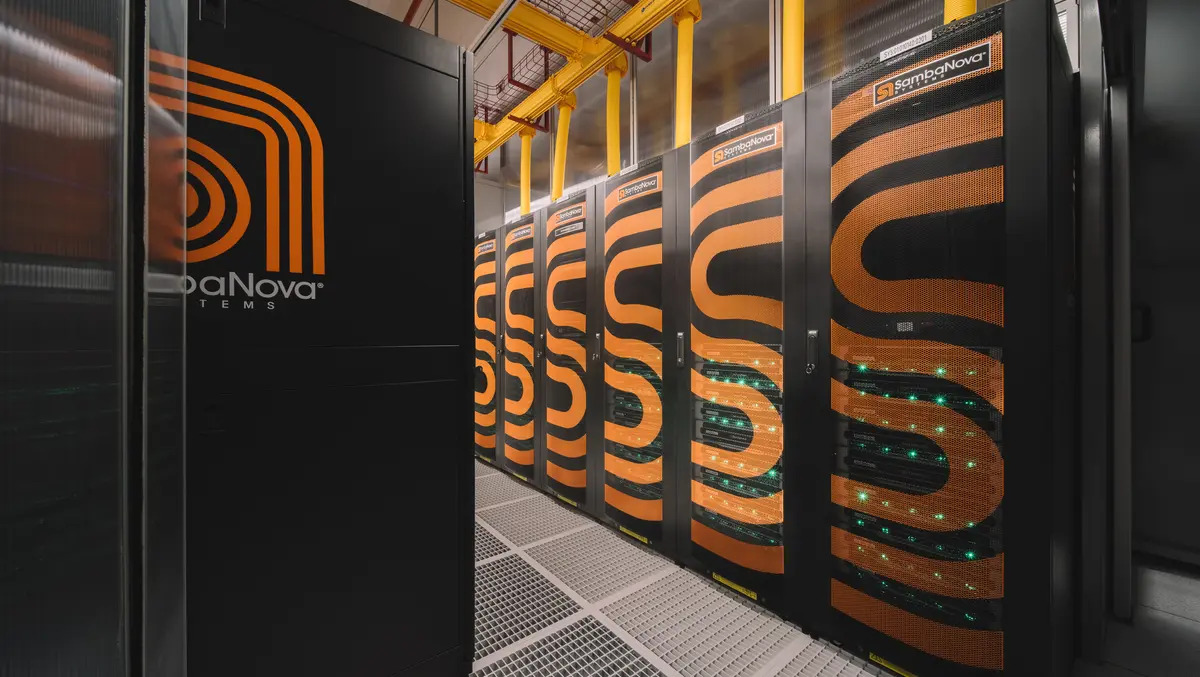
SCX joins Equinix Fabric in Australian AI expansion

In 60 seconds

Top move

Ransomware leak activity is increasing and broadening attack vectors; tighten remote‑access and identity controls to reduce incident response exposure

Key takeaways

  • Ransomware leak activity is increasing and broadening attack vectors; tighten remote‑access and identity controls to reduce incident response exposure.[1]
  • Major internet outages and physical incidents are rising globally; reassess connectivity SLAs, private interconnect dependency, and failover plans for Australian sites.[2]
  • New on‑shore AI inference capacity (SCX via Equinix Fabric) changes sourcing options: private, low‑latency access can reduce public‑internet data egress and ease data‑residency negotiations.[4]
  • Toolchain instability (DevOps platform incidents and downtime) increases execution risk for CI/CD, supplier integrations and release windows — expect longer remediation dependencies from platform providers.[3]
  • Together these developments shift procurement levers toward contract terms (connectivity resilience, compute access, and identity oversight) rather than one‑off product buys.[1]

What changed since last run

  • New operational signals arrived: a measurable rise in ransomware leak postings and a Cloudflare report of increased major internet outages, plus a domestic AI-inference announcement (SCX on Equinix Fabric).
  • These are concrete supply- and connectivity-level developments that complement the prior brief's focus on AI guardrails and identity controls.

Key facts

  • 2,638 leak‑site posts reported in Q1
  • Active leak sites climbed to 91
  • Notable breakout group activity (e.g., The Gentlemen) increased quarter on quarter
  • Prolonged national shutdowns observed (e.g., Iran)
  • Subsea cable faults caused large regional traffic drops
  • Multiple incidents tied to physical attacks, weather and power failures

Why it matters

Ransomware leak activity is increasing and broadening attack vectors; tighten remote‑access and identity controls to reduce incident response exposure. Major internet outages and physical incidents are rising globally; reassess connectivity SLAs, private interconnect dependency, and failover plans for Australian sites. New on‑shore AI inference capacity (SCX via Equinix Fabric) changes sourcing options: private, low‑latency access can reduce public‑internet data egress and ease data‑residency negotiations. Toolchain instability (DevOps platform incidents and downtime) increases execution risk for CI/CD, supplier integrations and release windows — expect longer remediation dependencies from platform providers

Cost / money

  • Incident response and forensic costs are likely to rise with more leak-site activity; expect higher contingent spend on external IR and legal review for exposed claims.[1]
  • Shifting AI compute from public cloud to private Equinix interconnect may change cost mix toward transit and colo/exchange fees instead of purely cloud OPEX.[4]

Supplier / commercial

  • Connectivity and interconnect providers gain bargaining leverage where private access (Equinix Fabric) becomes the path to on‑shore inference nodes; contract terms for porting and capacity will matter.[4]
  • DevOps platform instability strengthens procurement leverage to demand runbook-level availability evidence and contractual remedies for CI/CD-affecting outages.[3]

Safety / operations

  • Ransomware groups are exploiting remote access and identity weaknesses; operational controls and runbooks for privileged access need tightening to avoid lateral movement.[1]
  • Physical attacks, severe weather and subsea cable faults seen in global outage reports mean operations must validate multi-path connectivity and on‑site failover readiness.[2]

What to watch

  • New leak sites with dubious claims (false or unverified) can still force costly investigations; don't assume every listed victim equals confirmed compromise — verify before wide remediation spend.[1]
  • SCX's use of SambaNova hardware and a multi-site rollout could introduce vendor-specific integration or power/connectivity requirements that affect data‑centre sourcing and cabling capacity.[4]

Top stories

Story 1SecurityBrief Australia

Ransomware posts rise 22% as leak sites proliferate

Signal strongSource-grounded

What happened

ReliaQuest reports a significant rise in ransomware and leak‑site posts in Q1, driven by both established gangs and newer, fast‑rising groups. The increase includes dubious leak sites that amplify costly investigation workload even when claims are unproven; watch whether follow‑on investigations validate or dismiss those listings

Buyer takeaway

Treat leak‑site growth as an operational driver for tighter identity and remote access controls; do not assume every claim equals a breach but build contract clauses to manage investigation costs

Cost / money

Directional increase in contingent spend: expect more forensic and legal reviews triggered by leak‑site claims, including false positives that still cost money

Supplier / commercial

Use incident notification, evidence‑sharing, and cost‑limiting clauses with MSSPs, insurers and IR firms to limit unnecessary spend and speed validation

Safety / operations

Operational teams must harden remote access, monitor lateral movement vectors, and pre‑agree escalation paths with suppliers to avoid delayed containment

What to watch

Watch for a rise in fabricated or low‑evidence leak postings that still force board‑level or regulatory responses; verify before broad remediation spend

Key facts

  • 2,638 leak‑site posts reported in Q1
  • Active leak sites climbed to 91
  • Notable breakout group activity (e.g., The Gentlemen) increased quarter on quarter

Source excerpts

Fake leak sites The report also highlighted pressure from two newer leak sites, 0APT and ALP-001, which ReliaQuest said were likely using questionable or fabricated claims to extort companies. It excluded 0APT's 253 posts from its group, sector, geography and post-count analysis because it assessed those claims as highly likely to be false, though it still counted the site among active leak sites
ReliaQuest said rankings among threat actors mattered less than recurring tactics such as abuse of remote access services, identity compromise, lateral movement through administrative protocols and attempts to disable security tools
It excluded 0APT's 253 posts from its group, sector, geography and post-count analysis because it assessed those claims as highly likely to be false, though it still counted the site among active leak sites. That distinction matters because even a false claim can trigger costly internal reviews and external scrutiny
Story 2SecurityBrief Australia

Cloudflare flags surge in major internet outages worldwide

Signal strongSource-grounded

What happened

Cloudflare's Q1 reporting shows a marked rise in major internet outages worldwide, including government shutdowns, power failures, and cable damage. Several incidents produced prolonged traffic losses and illustrate that physical events can cause extended regional outages, so validate multi‑path resilience for critical services

Buyer takeaway

Connectivity resilience is now a commercial negotiation point: demand private interconnect options and SLA pass‑through for service providers supporting critical workloads

Cost / money

Outage-driven remediation and emergency routing can increase short‑term costs; procurement should build options for alternate transit and private paths

Supplier / commercial

Network and cloud suppliers with on‑site presence or direct fabric access gain leverage; capture capacity, failover and porting terms in contracts

Safety / operations

Operational continuity will depend on tested failover to private circuits or local colo; ensure runbooks and vendor contacts are current

What to watch

Watch government or regional events that could cause repeated or prolonged blackouts affecting on‑shore infrastructure; test planned failover before a real event

Key facts

  • Prolonged national shutdowns observed (e.g., Iran)
  • Subsea cable faults caused large regional traffic drops
  • Multiple incidents tied to physical attacks, weather and power failures

Source excerpts

While the report did not identify a major Australian outage in the quarter, it pointed to a global environment in which external shocks can affect markets far beyond the original incident. Cable faults Subsea cable vulnerability also featured in the Republic of Congo, where an incident on the West Africa Cable System cut traffic by more than 80% below expected levels
Cloudflare's first-quarter 2026 report on internet disruptions points to a sharp rise in major outages and shutdowns worldwide
Cloudflare's first-quarter 2026 report on internet disruptions points to a sharp rise in major outages and shutdowns worldwide. The quarter was marked by government-ordered blackouts, power failures, severe weather, cable damage and military action
Story 3SecurityBrief Australia

DevOps incidents jump 21% as downtime hits 9,255 hours

Signal strongSource-grounded

What happened

Research shows DevOps platform incidents and cumulative downtime have risen sharply, with degraded performance and maintenance causing much of the disruption. These failures directly impact CI/CD pipelines and supplier integrations, so require proof of operational maturity from platform vendors

Buyer takeaway

Require runbook evidence and post‑mortems from DevOps platform suppliers as part of procurement and renewal evaluations

Cost / money

Instability can increase hidden costs through delayed releases, emergency engineering effort and supplier remediation fees

Supplier / commercial

Use outages as leverage to secure tighter SLA credits, scheduled maintenance windows, and support commitments

Safety / operations

Unstable CI/CD tools increase deployment risk; operations should segregate critical pipelines and require pre‑approved rollback procedures

What to watch

Watch for recurring maintenance‑related incidents that may indicate process or staffing shortfalls at the vendor

Key facts

  • Significant year‑on‑year increase in incidents and total disruption hours
  • Degraded performance accounts for the majority of incidents and hours
  • Maintenance, while fewer, contributed a large share of outage duration

Source excerpts

The analysis concludes that the gap between incident volume and incident impact has widened, as longer disruptions account for a growing share of overall downtime across the DevOps software market
Maintenance windows, degraded performance and severe incidents each contributed differently to the overall disruption picture, with planned and unplanned maintenance accounting for a larger share of total downtime than the number of events alone might suggest. The pattern shows that frequency by itself does not capture the operational burden placed on users
The findings point to rising operational strain across tools used by software development and IT teams
Story 4SecurityBrief Australia

SCX joins Equinix Fabric in Australian AI expansion

Signal strongSource-grounded

What happened

SouthernCrossAI joined Equinix Fabric to make on‑shore AI inference nodes discoverable and privately accessible across Australia, using SambaNova SN50 hardware. That creates a private, low‑latency route to domestic inference capacity — watch how porting, power and cross‑connect terms are priced and managed across Equinix sites

Buyer takeaway

Treat on‑shore inference offerings as a new category: evaluate connectivity, power and integration costs alongside raw compute prices

Cost / money

Shifts cost exposure from public cloud OPEX to interconnect, colo and specialised hardware provisioning

Supplier / commercial

Equinix and SCX can command commercial leverage around porting, cross‑connect and capacity scheduling; negotiate clear service and migration terms

Safety / operations

Private inference access reduces public‑internet exposure but raises the need for precise identity, access and audit controls across fabric connections

What to watch

Watch for vendor‑specific hardware and power demands that could require data‑centre adjustments or additional cross‑connect fees

Key facts

  • SCX nodes discoverable via Equinix Fabric in Sydney with planned expansion to other Australia
  • Rollout built on SambaNova SN50 inference hardware and per‑site power footprint noted by the

Source excerpts

Private access At the centre of the announcement is SCX's pitch for sovereign AI infrastructure, with inference capacity hosted onshore and connected privately rather than through the public internet. Organisations in the Asia-Pacific region can establish secure, low-latency private links to its inference nodes through Equinix Fabric instead of routing data through overseas cloud environments, according to the company
Its AI inference nodes are now discoverable and accessible through Equinix Fabric, Equinix's interconnection service
Hardware rollout Alongside the Equinix development, SCX said its national rollout will use SambaNova's SN50 Reconfigurable Dataflow Unit

VP Snapshot

Executive Risk & Action View

Ransomware leak activity is increasing and broadening attack vectors; tighten remote‑access and identity controls to reduce incident response exposure.

Overall
59
Cost
61
Supply
79
Schedule
20
Compliance
15

Top signals

30-180dcost

Signal 1: Cost / money

Incident response and forensic costs are likely to rise with more leak-site activity; expect higher contingent spend on external IR and legal review for exposed claims.

Signal 2: Cost / money

Shifting AI compute from public cloud to private Equinix interconnect may change cost mix toward transit and colo/exchange fees instead of purely cloud OPEX.

30-180dsupply

Signal 3: Supplier / commercial

Connectivity and interconnect providers gain bargaining leverage where private access (Equinix Fabric) becomes the path to on‑shore inference nodes; contract terms for porting and capacity will matter.

0-30dsupply

Signal 4: Supplier / commercial

DevOps platform instability strengthens procurement leverage to demand runbook-level availability evidence and contractual remedies for CI/CD-affecting outages.

30-180dsupplier

Signal 5: Safety / operations

Ransomware groups are exploiting remote access and identity weaknesses; operational controls and runbooks for privileged access need tightening to avoid lateral movement.

0-30dsupplier

Signal 6: Safety / operations

Physical attacks, severe weather and subsea cable faults seen in global outage reports mean operations must validate multi-path connectivity and on‑site failover readiness.

Recommended actions

OpsDue 3d

Map critical services to connectivity routes and identify which ones rely on single public‑internet paths.

Prioritised list of services with single‑path exposure and recommended alternate routes or interconnects.

CategoryDue 3d

Ask identity and remote‑access suppliers for evidence of runtime identity controls and recent penetration test results for agented access.

Supplier responses that demonstrate runtime identity controls and any remaining gaps for integration.

ContractsDue 21d

Amend RFx and SOW templates to require: private interconnect routing options, explicit data‑egress handling for on‑shore inference, and power/connectivity requirements for speci...

Revised RFx/SOW clauses that capture interconnect, porting, and power responsibility for inference access.

CategoryDue 21d

Include runbook and incident-sample evidence (post‑mortems, RCA) as mandatory evaluation items for DevOps platform and CI/CD tool renewals.

Vendor submissions of runbooks and incident evidence that inform go/no‑go renewal decisions.

OpsDue 60d

Pilot private AI inference access through Equinix Fabric (or equivalent) in a confined non‑production environment to validate connectivity, identity handoffs, and contractual re...

Pilot report documenting integration effort, identified contractual gaps, and recommended amendments for production access.

LegalDue 60d

Negotiate strengthened breach notification, forensics pass‑through, and false‑claim escalation clauses with cyber insurance and MSP/MSSP providers.

Contract clauses that accelerate evidence sharing, limit unnecessary forensic spend on unverified claims, and clarify insurer obligations.

Risk register

RiskTriggerMitigation
New leak sites with dubious claims (false or unverified) can still force costly investigations; don't assume every listed victim equals confirmed compromise — verify before wide remediation spend.New leak sites with dubious claims (false or unverified) can still force costly investigations; don't assume every listed victim equals confirmed compromise — verify before wide remediation spend.Confirm exposure with category, contracts, and operations before the next supplier commitment.
SCX's use of SambaNova hardware and a multi-site rollout could introduce vendor-specific integration or power/connectivity requirements that affect data‑centre sourcing and cabling capacity.SCX's use of SambaNova hardware and a multi-site rollout could introduce vendor-specific integration or power/connectivity requirements that affect data‑centre sourcing and cabling capacity.Confirm exposure with category, contracts, and operations before the next supplier commitment.

CM Snapshot

Category Manager Decision Detail

Today's priorities

Map critical services to connectivity routes and identify which ones rely on single public‑internet paths.

because Cloudflare reports a rise in severe, geographically driven internet outages and some regions may see extended blackouts, we need to know which services would lose connec...

Due 3d

high

CM move

Use this as the immediate supplier or contract action to move before the next sourcing gate.

Ask identity and remote‑access suppliers for evidence of runtime identity controls and recent penetration test results for agented access.

because ransomware actors are increasingly abusing remote access and identity weaknesses, suppliers must show they can enforce agent and automation controls in production.

Due 3d

high

CM move

Use this as the immediate supplier or contract action to move before the next sourcing gate.

Amend RFx and SOW templates to require: private interconnect routing options, explicit data‑egress handling for on‑shore inference, and power/connectivity requirements for speci...

because SCX's Equinix Fabric availability and SambaNova hardware introduce private‑access and site‑specific requirements, contracts must capture who pays for ports, cross‑connec...

Due 21d

high

CM move

Use this as the immediate supplier or contract action to move before the next sourcing gate.

Include runbook and incident-sample evidence (post‑mortems, RCA) as mandatory evaluation items for DevOps platform and CI/CD tool renewals.

because DevOps platform incidents and downtime have materially increased disruption hours, buyers should require operational proof that vendors can meet execution needs.

Due 21d

high

CM move

Use this as the immediate supplier or contract action to move before the next sourcing gate.

Supplier radar

SecurityBrief Australia

high

Observed supplier signal

Connectivity and interconnect providers gain bargaining leverage where private access (Equinix Fabric) becomes the path to on‑shore inference nodes; contract terms for porting and capacity will matter.

Commercial implication

Connectivity and interconnect providers gain bargaining leverage where private access (Equinix Fabric) becomes the path to on‑shore inference nodes; contract terms for porting and capacity will matter.

Next step: Validate the source-backed signal with incumbents and alternates before the next award or pricing decision.

SecurityBrief Australia

high

Observed supplier signal

DevOps platform instability strengthens procurement leverage to demand runbook-level availability evidence and contractual remedies for CI/CD-affecting outages.

Commercial implication

DevOps platform instability strengthens procurement leverage to demand runbook-level availability evidence and contractual remedies for CI/CD-affecting outages.

Next step: Validate the source-backed signal with incumbents and alternates before the next award or pricing decision.

Negotiation levers

Map critical services to connectivity routes and identify which ones rely on single public‑internet paths.

When to use: because Cloudflare reports a rise in severe, geographically driven internet outages and some regions may see extended blackouts, we need to know which services would lose connec...

Expected outcome: Prioritised list of services with single‑path exposure and recommended alternate routes or interconnects.

Commercial mechanism to carry into the next supplier conversation

Ask identity and remote‑access suppliers for evidence of runtime identity controls and recent penetration test results for agented access.

When to use: because ransomware actors are increasingly abusing remote access and identity weaknesses, suppliers must show they can enforce agent and automation controls in production.

Expected outcome: Supplier responses that demonstrate runtime identity controls and any remaining gaps for integration.

Commercial mechanism to carry into the next supplier conversation

Amend RFx and SOW templates to require: private interconnect routing options, explicit data‑egress handling for on‑shore inference, and power/connectivity requirements for speci...

When to use: because SCX's Equinix Fabric availability and SambaNova hardware introduce private‑access and site‑specific requirements, contracts must capture who pays for ports, cross‑connec...

Expected outcome: Revised RFx/SOW clauses that capture interconnect, porting, and power responsibility for inference access.

Commercial mechanism to carry into the next supplier conversation

Include runbook and incident-sample evidence (post‑mortems, RCA) as mandatory evaluation items for DevOps platform and CI/CD tool renewals.

When to use: because DevOps platform incidents and downtime have materially increased disruption hours, buyers should require operational proof that vendors can meet execution needs.

Expected outcome: Vendor submissions of runbooks and incident evidence that inform go/no‑go renewal decisions.

Commercial mechanism to carry into the next supplier conversation

Talking points

Ransomware leak activity is increasing and broadening attack vectors; tighten remote‑access and identity controls to reduce incident response exposure.
Major internet outages and physical incidents are rising globally; reassess connectivity SLAs, private interconnect dependency, and failover plans for Australian sites.
New on‑shore AI inference capacity (SCX via Equinix Fabric) changes sourcing options: private, low‑latency access can reduce public‑internet data egress and ease data‑residency negotiations.
Toolchain instability (DevOps platform incidents and downtime) increases execution risk for CI/CD, supplier integrations and release windows — expect longer remediation dependencies from platform providers.

Supplier radar

SupplierSignalImplicationNext stepConfidence
SecurityBrief AustraliaConnectivity and interconnect providers gain bargaining leverage where private access (Equinix Fabric) becomes the path to on‑shore inference nodes; contract terms for porting and capacity will matter.Connectivity and interconnect providers gain bargaining leverage where private access (Equinix Fabric) becomes the path to on‑shore inference nodes; contract terms for porting and capacity will matter.Validate the source-backed signal with incumbents and alternates before the next award or pricing decision.high
SecurityBrief AustraliaDevOps platform instability strengthens procurement leverage to demand runbook-level availability evidence and contractual remedies for CI/CD-affecting outages.DevOps platform instability strengthens procurement leverage to demand runbook-level availability evidence and contractual remedies for CI/CD-affecting outages.Validate the source-backed signal with incumbents and alternates before the next award or pricing decision.high

Negotiation levers

  • Map critical services to connectivity routes and identify which ones rely on single public‑internet paths.because Cloudflare reports a rise in severe, geographically driven internet outages and some regions may see extended blackouts, we need to know which services would lose connec...Prioritised list of services with single‑path exposure and recommended alternate routes or interconnects.

    high confidence

  • Ask identity and remote‑access suppliers for evidence of runtime identity controls and recent penetration test results for agented access.because ransomware actors are increasingly abusing remote access and identity weaknesses, suppliers must show they can enforce agent and automation controls in production.Supplier responses that demonstrate runtime identity controls and any remaining gaps for integration.

    high confidence

  • Amend RFx and SOW templates to require: private interconnect routing options, explicit data‑egress handling for on‑shore inference, and power/connectivity requirements for speci...because SCX's Equinix Fabric availability and SambaNova hardware introduce private‑access and site‑specific requirements, contracts must capture who pays for ports, cross‑connec...Revised RFx/SOW clauses that capture interconnect, porting, and power responsibility for inference access.

    high confidence

  • Include runbook and incident-sample evidence (post‑mortems, RCA) as mandatory evaluation items for DevOps platform and CI/CD tool renewals.because DevOps platform incidents and downtime have materially increased disruption hours, buyers should require operational proof that vendors can meet execution needs.Vendor submissions of runbooks and incident evidence that inform go/no‑go renewal decisions.

    high confidence

What to do / What to watch

What to do now

  • Map critical services to connectivity routes and identify which ones rely on single public‑internet paths.

    Why: because Cloudflare reports a rise in severe, geographically driven internet outages and some regions may see extended blackouts, we need to know which services would lose connec...

    Owner: Ops

    Expected outcome: Prioritised list of services with single‑path exposure and recommended alternate routes or interconnects.

    [2]
  • Ask identity and remote‑access suppliers for evidence of runtime identity controls and recent penetration test results for agented access.

    Why: because ransomware actors are increasingly abusing remote access and identity weaknesses, suppliers must show they can enforce agent and automation controls in production.

    Owner: Category

    Expected outcome: Supplier responses that demonstrate runtime identity controls and any remaining gaps for integration.

    [1][4]

Next few weeks

  • Amend RFx and SOW templates to require: private interconnect routing options, explicit data‑egress handling for on‑shore inference, and power/connectivity requirements for speci...

    Why: because SCX's Equinix Fabric availability and SambaNova hardware introduce private‑access and site‑specific requirements, contracts must capture who pays for ports, cross‑connec...

    Owner: Contracts

    Expected outcome: Revised RFx/SOW clauses that capture interconnect, porting, and power responsibility for inference access.

    [4]
  • Include runbook and incident-sample evidence (post‑mortems, RCA) as mandatory evaluation items for DevOps platform and CI/CD tool renewals.

    Why: because DevOps platform incidents and downtime have materially increased disruption hours, buyers should require operational proof that vendors can meet execution needs.

    Owner: Category

    Expected outcome: Vendor submissions of runbooks and incident evidence that inform go/no‑go renewal decisions.

    [3]

Longer view

  • Pilot private AI inference access through Equinix Fabric (or equivalent) in a confined non‑production environment to validate connectivity, identity handoffs, and contractual re...

    Why: because on‑shore inference nodes alter connectivity, data residency and supplier SLAs, a controlled pilot will reveal integration gaps and contract addenda needed before product...

    Owner: Ops

    Expected outcome: Pilot report documenting integration effort, identified contractual gaps, and recommended amendments for production access.

    [4]
  • Negotiate strengthened breach notification, forensics pass‑through, and false‑claim escalation clauses with cyber insurance and MSP/MSSP providers.

    Why: because leak sites and dubious extortion claims can trigger costly investigations even when false, contracts should limit unnecessary remediation spend and ensure fast evidence...

    Owner: Legal

    Expected outcome: Contract clauses that accelerate evidence sharing, limit unnecessary forensic spend on unverified claims, and clarify insurer obligations.

    [1]

What to watch

  • New leak sites with dubious claims (false or unverified) can still force costly investigations; don't assume every listed victim equals confirmed compromise — verify before wide remediation spend
  • SCX's use of SambaNova hardware and a multi-site rollout could introduce vendor-specific integration or power/connectivity requirements that affect data‑centre sourcing and cabling capacity
  • New leak sites with dubious claims (false or unverified) can still force costly investigations; don't assume every listed victim equals confirmed compromise — verify before wide remediation spend.: New leak sites with dubious claims (false or unverified) can still force costly investigations; don't assume every listed victim equals confirmed compromise — verify before wide remediation spend
  • SCX's use of SambaNova hardware and a multi-site rollout could introduce vendor-specific integration or power/connectivity requirements that affect data‑centre sourcing and cabling capacity.: SCX's use of SambaNova hardware and a multi-site rollout could introduce vendor-specific integration or power/connectivity requirements that affect data‑centre sourcing and cabling capacity
  • Ransomware leak activity is increasing and broadening attack vectors; tighten remote‑access and identity controls to reduce incident response exposure
  • Major internet outages and physical incidents are rising globally; reassess connectivity SLAs, private interconnect dependency, and failover plans for Australian sites
  • New on‑shore AI inference capacity (SCX via Equinix Fabric) changes sourcing options: private, low‑latency access can reduce public‑internet data egress and ease data‑residency negotiations
  • Toolchain instability (DevOps platform incidents and downtime) increases execution risk for CI/CD, supplier integrations and release windows — expect longer remediation dependencies from platform providers

Market pulse

IndexLatestChangeAs of
Palo Alto (PANW)320 +0.00 (+0.00%)Apr 29, 2026, 10:10 PM
CrowdStrike (CRWD)285 +0.00 (+0.00%)Apr 29, 2026, 10:10 PM
Zscaler (ZS)195 +0.00 (+0.00%)Apr 29, 2026, 10:10 PM
Fortinet (FTNT)72 +0.00 (+0.00%)Apr 29, 2026, 10:10 PM
  • CrowdStrike: CrowdStrike relevance: MSSP/MDR posture and forensic options matter with rising leak‑site activity
  • Palo Alto: Palo Alto relevance: runtime identity and network protections are key procurement levers against lateral movement

Sources

Inline citations jump here. Expand a source to read the excerpt, the AI interpretation, and the original link.

[1] Ransomware posts rise 22% as leak sites proliferate

securitybrief.com.au · n.d.

Expand

AI reading

ReliaQuest reports a significant rise in ransomware and leak‑site posts in Q1, driven by both established gangs and newer, fast‑rising groups. The increase includes dubious leak sites that amplify costly investigation workload even when claims are unproven; watch whether follow‑on investigations validate or dismiss those listings

Buyer takeaway

Treat leak‑site growth as an operational driver for tighter identity and remote access controls; do not assume every claim equals a breach but build contract clauses to manage investigation costs

Cost / money

Directional increase in contingent spend: expect more forensic and legal reviews triggered by leak‑site claims, including false positives that still cost money

Supplier / commercial

Use incident notification, evidence‑sharing, and cost‑limiting clauses with MSSPs, insurers and IR firms to limit unnecessary spend and speed validation

Safety / operations

Operational teams must harden remote access, monitor lateral movement vectors, and pre‑agree escalation paths with suppliers to avoid delayed containment

What to watch

Watch for a rise in fabricated or low‑evidence leak postings that still force board‑level or regulatory responses; verify before broad remediation spend

Key facts

  • 2,638 leak‑site posts reported in Q1
  • Active leak sites climbed to 91
  • Notable breakout group activity (e.g., The Gentlemen) increased quarter on quarter

Source excerpts

Fake leak sites The report also highlighted pressure from two newer leak sites, 0APT and ALP-001, which ReliaQuest said were likely using questionable or fabricated claims to extort companies. It excluded 0APT's 253 posts from its group, sector, geography and post-count analysis because it assessed those claims as highly likely to be false, though it still counted the site among active leak sites
ReliaQuest said rankings among threat actors mattered less than recurring tactics such as abuse of remote access services, identity compromise, lateral movement through administrative protocols and attempts to disable security tools
It excluded 0APT's 253 posts from its group, sector, geography and post-count analysis because it assessed those claims as highly likely to be false, though it still counted the site among active leak sites. That distinction matters because even a false claim can trigger costly internal reviews and external scrutiny

Used in this brief

  • Cost / money: Incident response and forensic costs are likely to rise with more leak-site activity; expect higher contingent spend on external IR and legal review for exposed claims
  • Safety / operations: Ransomware groups are exploiting remote access and identity weaknesses; operational controls and runbooks for privileged access need tightening to avoid lateral movement
  • What to watch: New leak sites with dubious claims (false or unverified) can still force costly investigations; don't assume every listed victim equals confirmed compromise — verify before wide remediation spend
Open original source

[2] Cloudflare flags surge in major internet outages worldwide

securitybrief.com.au · n.d.

Expand

AI reading

Cloudflare's Q1 reporting shows a marked rise in major internet outages worldwide, including government shutdowns, power failures, and cable damage. Several incidents produced prolonged traffic losses and illustrate that physical events can cause extended regional outages, so validate multi‑path resilience for critical services

Buyer takeaway

Connectivity resilience is now a commercial negotiation point: demand private interconnect options and SLA pass‑through for service providers supporting critical workloads

Cost / money

Outage-driven remediation and emergency routing can increase short‑term costs; procurement should build options for alternate transit and private paths

Supplier / commercial

Network and cloud suppliers with on‑site presence or direct fabric access gain leverage; capture capacity, failover and porting terms in contracts

Safety / operations

Operational continuity will depend on tested failover to private circuits or local colo; ensure runbooks and vendor contacts are current

What to watch

Watch government or regional events that could cause repeated or prolonged blackouts affecting on‑shore infrastructure; test planned failover before a real event

Key facts

  • Prolonged national shutdowns observed (e.g., Iran)
  • Subsea cable faults caused large regional traffic drops
  • Multiple incidents tied to physical attacks, weather and power failures

Source excerpts

While the report did not identify a major Australian outage in the quarter, it pointed to a global environment in which external shocks can affect markets far beyond the original incident. Cable faults Subsea cable vulnerability also featured in the Republic of Congo, where an incident on the West Africa Cable System cut traffic by more than 80% below expected levels
Cloudflare's first-quarter 2026 report on internet disruptions points to a sharp rise in major outages and shutdowns worldwide
Cloudflare's first-quarter 2026 report on internet disruptions points to a sharp rise in major outages and shutdowns worldwide. The quarter was marked by government-ordered blackouts, power failures, severe weather, cable damage and military action

Used in this brief

  • Safety / operations: Physical attacks, severe weather and subsea cable faults seen in global outage reports mean operations must validate multi-path connectivity and on‑site failover readiness
  • Next 72 hours — Map critical services to connectivity routes and identify which ones rely on single public‑internet paths.. Rationale: because Cloudflare reports a rise in severe, geographically driven internet outages and some regions may see extended blackouts, we need to know which services would lose connec.... Owner: Ops. KPI: Prioritised list of services with single‑path exposure and recommended alternate routes or interconnects
  • New operational signals arrived: a measurable rise in ransomware leak postings and a Cloudflare report of increased major internet outages, plus a domestic AI-inference announcement (SCX on Equinix Fabric)
Open original source

[3] DevOps incidents jump 21% as downtime hits 9,255 hours

securitybrief.com.au · n.d.

Expand

AI reading

Research shows DevOps platform incidents and cumulative downtime have risen sharply, with degraded performance and maintenance causing much of the disruption. These failures directly impact CI/CD pipelines and supplier integrations, so require proof of operational maturity from platform vendors

Buyer takeaway

Require runbook evidence and post‑mortems from DevOps platform suppliers as part of procurement and renewal evaluations

Cost / money

Instability can increase hidden costs through delayed releases, emergency engineering effort and supplier remediation fees

Supplier / commercial

Use outages as leverage to secure tighter SLA credits, scheduled maintenance windows, and support commitments

Safety / operations

Unstable CI/CD tools increase deployment risk; operations should segregate critical pipelines and require pre‑approved rollback procedures

What to watch

Watch for recurring maintenance‑related incidents that may indicate process or staffing shortfalls at the vendor

Key facts

  • Significant year‑on‑year increase in incidents and total disruption hours
  • Degraded performance accounts for the majority of incidents and hours
  • Maintenance, while fewer, contributed a large share of outage duration

Source excerpts

The analysis concludes that the gap between incident volume and incident impact has widened, as longer disruptions account for a growing share of overall downtime across the DevOps software market
Maintenance windows, degraded performance and severe incidents each contributed differently to the overall disruption picture, with planned and unplanned maintenance accounting for a larger share of total downtime than the number of events alone might suggest. The pattern shows that frequency by itself does not capture the operational burden placed on users
The findings point to rising operational strain across tools used by software development and IT teams

Used in this brief

  • Next 2-4 weeks — Include runbook and incident-sample evidence (post‑mortems, RCA) as mandatory evaluation items for DevOps platform and CI/CD tool renewals.. Rationale: because DevOps platform incidents and downtime have materially increased disruption hours, buyers should require operational proof that vendors can meet execution needs.. Owner: Category. KPI: Vendor submissions of runbooks and incident evidence that inform go/no‑go renewal decisions
  • Research shows DevOps platform incidents and cumulative downtime have risen sharply, with degraded performance and maintenance causing much of the disruption. These failures directly impact CI/CD pipelines and supplier integrations, so require proof of operational maturity from platform vendors
  • Buyer bottom line: platform instability raises execution risk for software delivery and supplier onboarding; insist on operational evidence and remediation commitments during renewals
Open original source

[4] SCX joins Equinix Fabric in Australian AI expansion

securitybrief.com.au · n.d.

Expand

AI reading

SouthernCrossAI joined Equinix Fabric to make on‑shore AI inference nodes discoverable and privately accessible across Australia, using SambaNova SN50 hardware. That creates a private, low‑latency route to domestic inference capacity — watch how porting, power and cross‑connect terms are priced and managed across Equinix sites

Buyer takeaway

Treat on‑shore inference offerings as a new category: evaluate connectivity, power and integration costs alongside raw compute prices

Cost / money

Shifts cost exposure from public cloud OPEX to interconnect, colo and specialised hardware provisioning

Supplier / commercial

Equinix and SCX can command commercial leverage around porting, cross‑connect and capacity scheduling; negotiate clear service and migration terms

Safety / operations

Private inference access reduces public‑internet exposure but raises the need for precise identity, access and audit controls across fabric connections

What to watch

Watch for vendor‑specific hardware and power demands that could require data‑centre adjustments or additional cross‑connect fees

Key facts

  • SCX nodes discoverable via Equinix Fabric in Sydney with planned expansion to other Australia
  • Rollout built on SambaNova SN50 inference hardware and per‑site power footprint noted by the

Source excerpts

Private access At the centre of the announcement is SCX's pitch for sovereign AI infrastructure, with inference capacity hosted onshore and connected privately rather than through the public internet. Organisations in the Asia-Pacific region can establish secure, low-latency private links to its inference nodes through Equinix Fabric instead of routing data through overseas cloud environments, according to the company
Its AI inference nodes are now discoverable and accessible through Equinix Fabric, Equinix's interconnection service
Hardware rollout Alongside the Equinix development, SCX said its national rollout will use SambaNova's SN50 Reconfigurable Dataflow Unit

Used in this brief

  • Ransomware leak activity is increasing and broadening attack vectors; tighten remote‑access and identity controls to reduce incident response exposure. Major internet outages and physical incidents are rising globally; reassess connectivity SLAs, private interconnect dependency, and failover plans for Australian sites. New on‑shore AI inference capacity (SCX via Equinix Fabric) changes sourcing options: private, low‑latency access can reduce public‑internet data egress and ease data‑residency negotiations. Toolchain instability (DevOps platform incidents and downtime) increases execution risk for CI/CD, supplier integrations and release windows — expect longer remediation dependencies from platform providers
  • Supplier / commercial: Connectivity and interconnect providers gain bargaining leverage where private access (Equinix Fabric) becomes the path to on‑shore inference nodes; contract terms for porting and capacity will matter
  • What to watch: SCX's use of SambaNova hardware and a multi-site rollout could introduce vendor-specific integration or power/connectivity requirements that affect data‑centre sourcing and cabling capacity
Open original source

[5] CrowdStrike

finance.yahoo.com · n.d.

Expand

[6] Palo Alto

finance.yahoo.com · n.d.

Expand