The next wave of LNG project efficiency
What happened
Baker Hughes is promoting modular, mid‑scale LNG trains (NMBL) with integrated process modules, electrification options, and AI performance tools. The vendor argues splitting capacity into multiple offsite modules shortens schedules and shifts scope to factory acceptance and electrical integration. Watch whether developers adopt modular splits for major projects and how contracts allocate electrical and integration responsibilities
Buyer takeaway
Treat modular trains as a distinct procurement product: require factory acceptance tests and clear electrical handover to avoid hidden integration costs
Cost / money
Spending shifts toward prefabricated modules, transport, and factory testing; budget categories and milestone payments will differ from stick‑built projects
Supplier / commercial
Integrated modules let suppliers capture broader scope and leverage unless buyers split scopes or mandate acceptance evidence
Safety / operations
Offsite fabrication can reduce on‑site hazards but increases the need for verified electrical safety and factory QA before offload
What to watch
Watch contract wording on who owns wiring, motor drives, and acceptance testing — vague handoffs will create disputes
Key facts
- Vendor emphasis on mid‑scale modular trains and electrification
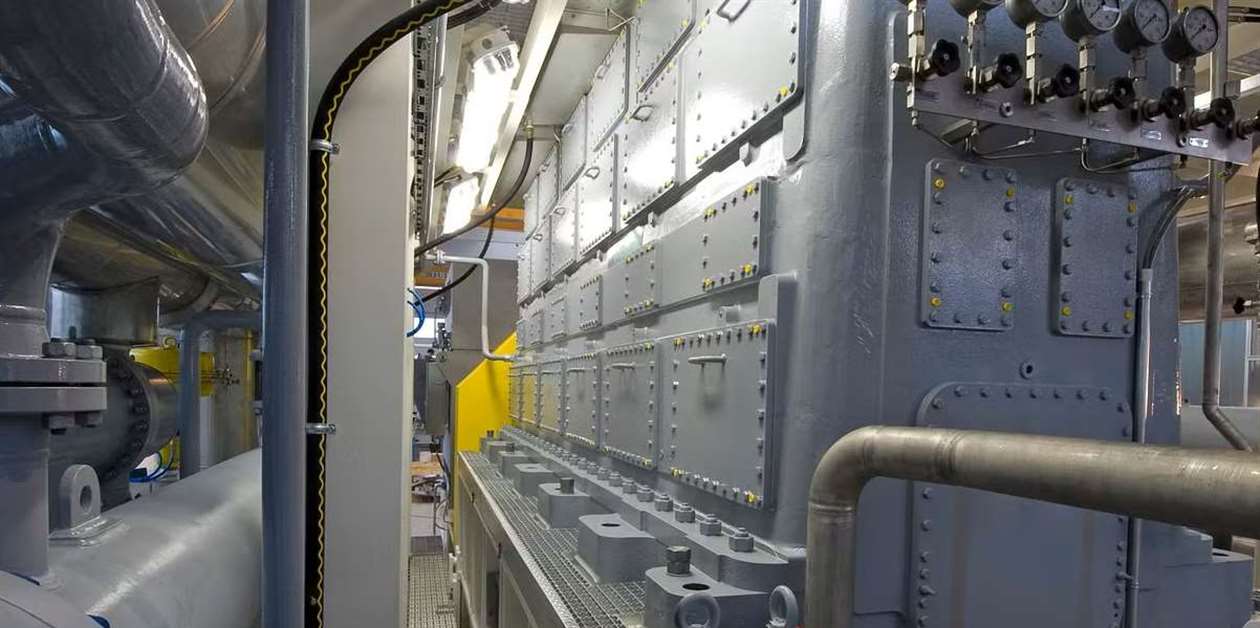
- Integrated modules include cold box, surge vessel and compression train systems
- Vendor promotes AI and digital tools for ongoing performance optimization
Source excerpts
He pointed to projects in Canada using hydropower and developments in the Middle East using nuclear-powered grids as examples where electric-drive LNG trains can materially lower carbon intensity. Electrification also influenced Baker Hughes’ acquisition of electric motor and generator capabilities in recent years, with BRUSH Power Generation, enabling closer integration between rotating equipment and electrical systems
8 to 2 MTPA each, to reduce risk and compress schedules
Baker Hughes’ modular LNG solution, called NMBL