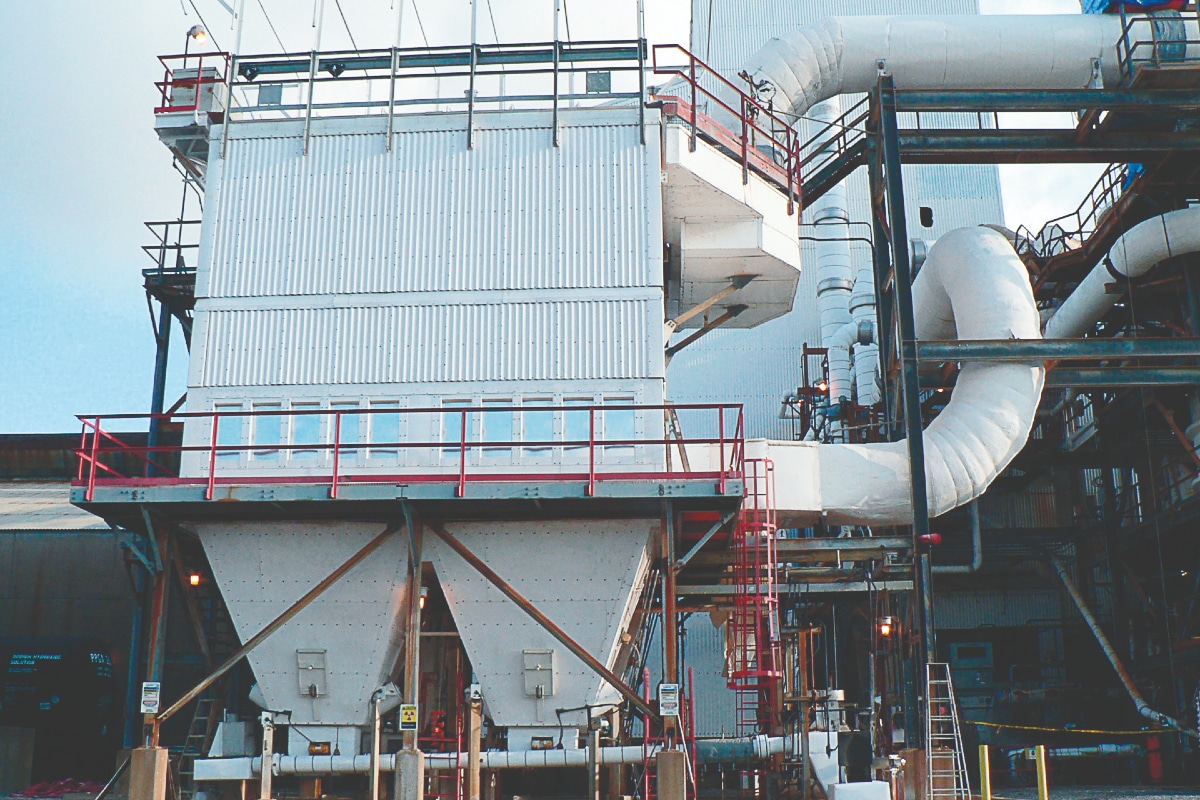
Engineering reliability into dust control
What happened
Nederman MikroPul highlighted engineered baghouse dust collectors and emphasised decades of local operations in Australia. The article notes these systems are built for continuous‑process environments with common lifespans of 20–30 years and are sold with maintenance and spare‑parts programmes. Watch whether suppliers begin packaging supply, installation and long‑term servicing into single bundled offers that constrain buyer sourcing options
Buyer takeaway
Treat dust-control purchases as long‑life asset programmes with attached service and spare‑parts obligations; early contracting choices will drive decades of availability and cost
Cost / money
Directional: engineered systems increase upfront capex and shift recurring costs into supplier-managed service contracts rather than frequent replacement cycles
Supplier / commercial
Vendors with local engineering and service footprints can press bundled terms and shorten quote validity for mobilisation-critical items; insist on modular scopes and spare‑parts access
Safety / operations
Designed for continuous operations, correctly specified systems lower downtime and regulatory risk; maintenance and training handovers are operationally critical
What to watch
Watch for bundled lifecycle offers that limit buyer rights to source spares or require long notice periods for service — validate modularity before award
Key facts
- Local operations in Australia since 1972
- Equipment lifespans commonly 20–30 years
- Company-reported order intake exceeding $800 million in 2025
Source excerpts
This model is complemented by ongoing maintenance, spare parts and service contracts, ensuring systems continue to perform over the long term
Nederman MikroPul’s offering extends beyond equipment supply to include engineering, installation, commissioning and after-market support
” This reliability is particularly valued in mining, where dust collection systems often operate in continuous process applications