Logistics, Marine & Aviation · Australia (Perth)

Prepare Sourcing Plans for Maritime Resilience and Rising Port Costs

Published Apr 29, 2026, 6:09 AM AWSTAPACFull category signal
Ask AI
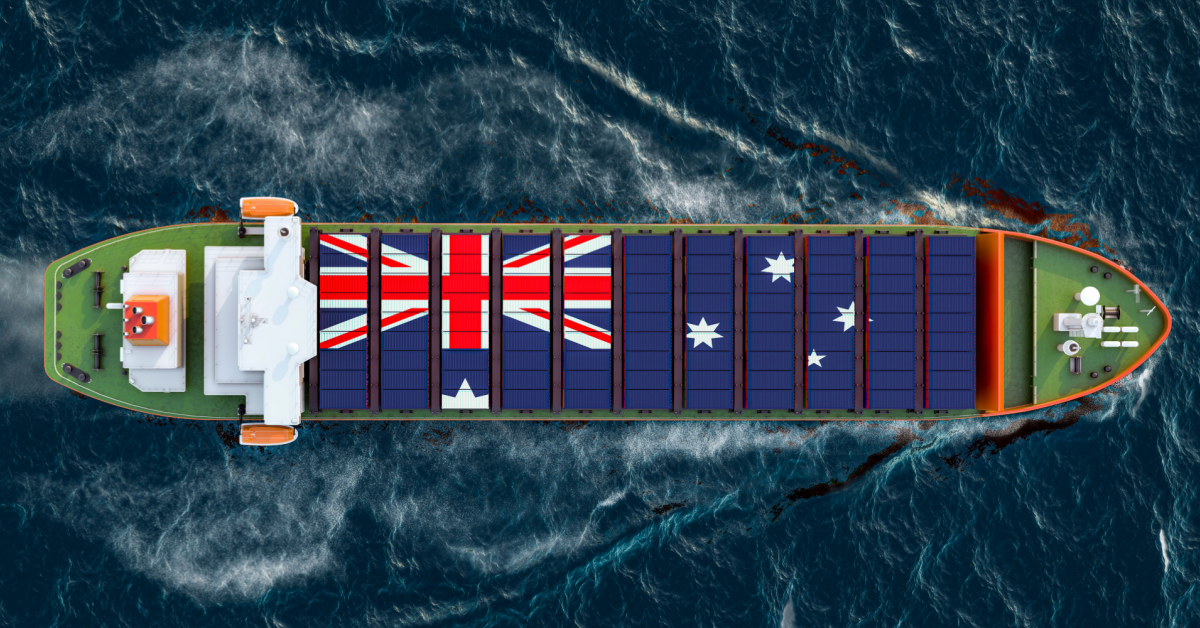
AUSTRALIAN SHIPPING: Reforming the AISR

In 60 seconds

Top move

Policy debate to reform the Australian International Shipping Register (AISR) is active; buyers should treat this as a potential long-term change in how sovereign‑preferred shipping capacity is supported and contracted

Key takeaways

  • Policy debate to reform the Australian International Shipping Register (AISR) is active; buyers should treat this as a potential long-term change in how sovereign‑preferred shipping capacity is supported and contracted.[2]
  • Industry participants at a Hobart forum flagged fuel price and port charges as the immediate cost pressure, not fuel availability — expect supplier bids and tender pass‑through arguments to focus on landing cost impacts.[1]
  • A Sydney container depot is marketing authorised biosecurity and weekend operations as contingency capacity, but those claims remain unverified and should not be relied on without paperwork.[3]
  • The AISR coverage included industry survey responses that show strong concern over flag‑state dependence; that perception increases the likelihood buyers will seek contract language that preserves priority of service in shocks.[2]
  • Because the sector discussion in Hobart centered on costs rather than shortages, short‑term procurement moves should emphasize fuel price governance (indexation, pass‑throughs, or capped mechanisms) over emergency sourcing.[1]

What changed since last run

  • New policy signal: active public debate about AISR reform appears since the prior brief and introduces a sovereign‑capacity conversation that was not in scope before.
  • Forum focus shifted from vessel availability and towage reallocation (prior brief) to explicit cost drivers at ports and fuel pass‑throughs as the central commercial tension.
  • A named Sydney depot (Price & Speed) surfaced as a marketed authorised facility; previous brief flagged unknown depots generally, this item provides an identifiable operator to validate.

Key facts

  • Forum focus: fuel cost and port charges flagged as main concerns
  • Speakers emphasized cost impact across the freight network
  • Survey sampled industry practitioners with the majority indicating high concern over lack of
  • Article frames AISR as a long‑standing mechanism that has not delivered intended fleet resili
  • Operator claims authorised facility status for commercial operations and biosecurity activities
  • Two depots located close to Sydney ports with advertised 7‑day service

Why it matters

Policy debate to reform the Australian International Shipping Register (AISR) is active; buyers should treat this as a potential long-term change in how sovereign‑preferred shipping capacity is supported and contracted. Industry participants at a Hobart forum flagged fuel price and port charges as the immediate cost pressure, not fuel availability — expect supplier bids and tender pass‑through arguments to focus on landing cost impacts. A Sydney container depot is marketing authorised biosecurity and weekend operations as contingency capacity, but those claims remain unverified and should not be relied on without paperwork. The AISR coverage included industry survey responses that show strong concern over flag‑state dependence; that perception increases the likelihood buyers will seek contract language that preserves priority of service in shocks

Cost / money

  • AISR reform discussion can change long‑term cost baselines if incentives or subsidies make Australian‑flag vessels more competitive, which would reweight charter sourcing assumptions.[2]
  • Forum reporting that fuel cost and port charges are the main concern means sellers are likely to press for explicit fuel pass‑throughs and higher port charge recovery in tenders.[1]
  • If the Sydney depot proves operationally suitable, on‑port versus off‑port depot economics shift: validated local depots can cut local handling and detention exposure but may introduce handling pass‑throughs.[3]

Supplier / commercial

  • Suppliers may shorten quote validity or add mobilisation premiums as policy and cost uncertainty grows; contracting needs to limit short‑notice uplifts and define activation triggers.[2]
  • Port service providers and towage operators are likely to reframe negotiations around cost recovery for bunkers and port fees rather than availability discounts.[1]
  • Marketing by local depots signals supplier intent to capture contingency work; without documented credentials they retain leverage to seek uplifted rates later.[3]

Safety / operations

  • Rebuilding sovereign shipping capacity is a multi‑year prospect; in the near term continued reliance on foreign‑flag tonnage maintains execution risk for critical liquid-bulk and defence‑support movements, so contingency mobilization clauses matter.[2]
  • Operational scheduling may change if bunker pricing drives slower steaming or route changes; that impacts ETA reliability and crew/equipment mobilisation windows.[1][3]

What to watch

  • Watch for formal AISR policy proposals or incentive structures — current reporting is an industry call to reform and not an enacted policy change (early signal).[2]
  • Validate Sydney depot licences, biosecurity accreditation and weekend throughput before adding to panels; marketing copy alone is insufficient and creates pass‑through risk.[3]

Top stories

Story 1Thedcn

Freight costs and port charges take centre stage in Hobart

Signal moderateDirectional

What happened

A Hobart industry forum made fuel cost and port charges the primary topic, with speakers saying cost—not fuel availability—is the bigger near‑term worry. That makes tender conversations and supplier bids likely to pivot toward fuel pass‑throughs and port charge recovery as core negotiation points. Watch supplier bid language for shortened quote windows or explicit pass‑through mechanics as a sign of changing commercial posture

Buyer takeaway

Treat this as a commercial shift: negotiate clearer fuel and port pass‑through rules rather than assuming availability is the dominant risk

Cost / money

Directional increase in landed logistics cost risk as suppliers seek to recover fuel and port charges in bids

Supplier / commercial

Expect suppliers to push for defined pass‑through mechanisms and possibly shorter quote validity when fuel volatility is prominent

Safety / operations

Cost pressure can drive operational choices (routing, speed) that affect schedule reliability and mobilisation timing

What to watch

Watch supplier tenders for new pass‑through language and mobilisation fees; these are the immediate battlegrounds in negotiations

Key facts

  • Forum focus: fuel cost and port charges flagged as main concerns
  • Speakers emphasized cost impact across the freight network

Source excerpts

Fuel supply was unsurprisingly, a key topic, however many of the speakers on the day indicated the main concern was less around availability and more around the cost of fuel and its impact across the freight network
News Freight costs and port charges take centre stage in Hobart (L to R): Mark Parfuss - National Reefer Sales Executive, Cosco Shipping Lines; Sal Milici - Forum MC & FTA General Manager Trade Policy and Operations; Brett Charlton - FTA Tasmania representative and panel chair Posted by Lindsay Reed | 28 April, 2026 THE TASMANIAN Freight & Logistics Forum, held last week in Hobart, brought together delegates from across the state’s supply chain, with cost pressures a consistent theme across the presentations and
au to access this exclusive content
Story 2Thedcn

AUSTRALIAN SHIPPING: Reforming the AISR

Signal strongSource-grounded

What happened

Coverage argues the AISR has failed to rebuild sovereign shipping capacity and calls for reform, noting industry concern about dependence on foreign‑flag vessels in a crisis. The report includes a sector survey showing strong industry backing for flag‑state capacity and outlines that current Australian‑flag operational capacity across several trades is minimal. Watch for policy proposals or incentive packages that could change charter sourcing posture or create preference‑driven procurement levers

Buyer takeaway

Consider sovereign‑resilience pathways in sourcing strategy—policy change could create new supplier classes or financing incentives

Cost / money

Potential for changed cost baselines if incentives encourage Australian‑flag entry; this could alter competitive pricing dynamics for charters

Supplier / commercial

Owners and operators may seek new commercial terms tied to incentive eligibility or government preference and could demand minimum terms or mobilisation guarantees

Safety / operations

Policy shifts aim to reduce strategic supply risk, but near‑term execution still relies on foreign‑flag tonnage; contracts must preserve operational continuity

What to watch

This is currently an industry and media debate; track formal government proposals—early discussion does not equal enacted policy

Key facts

  • Survey sampled industry practitioners with the majority indicating high concern over lack of
  • Article frames AISR as a long‑standing mechanism that has not delivered intended fleet resili

Source excerpts

Dr Peter Fanam of the Australian Maritime College and myself conducted a survey in an eight-week period asking shipping professionals within Australia various questions related to maritime resilience and Australia’s flag-state shipping. The survey received 281 responses, with 194 participants reporting more than 21 years of experience in the shipping industry
In 2012, the then Australian Labor government established the AISR as a second register aimed at attracting vessels to fly the Australian flag. Why the AISR?
In the absence of sovereign shipping capacity, Australia cannot compel foreign vessels to perform voyages that serve its national interest in a crisis. The operational capacity of Australian-flagged vessels across liquid bulk, dry bulk and container trades is essentially zero
Story 3Price & Speed

Sydney Container Depot

Signal limitedDirectional

What happened

Price & Speed Containers is marketing two authorised depots near Sydney ports, offering biosecurity services, weekend operations and a range of cargo handling capabilities. The facility positioning makes it an attractive contingency candidate for local depot work, but the information is promotional and requires documentary verification before activation. Validate licences, accreditation and weekend throughput before including the operator in operational panels

Buyer takeaway

Use the depot as a contingency candidate only after verifying licences and weekend throughput logs; marketing claims are not sufficient

Cost / money

If validated, local depot use can reduce demurrage/detention and last‑mile costs; if not, it can introduce unanticipated pass‑through handling fees

Supplier / commercial

Marketing signals supplier interest in contingency work; without documentary proof the supplier keeps leverage to adjust pricing later

Safety / operations

Biosecurity and handling credentials must be confirmed to avoid operational holds or non‑compliance events at import inspection

What to watch

Treat depot claims as promotional until licences and operating logs are produced

Key facts

  • Operator claims authorised facility status for commercial operations and biosecurity activities
  • Two depots located close to Sydney ports with advertised 7‑day service

Source excerpts

+61 2 9666 6565Open 7 dayscheck our contact page for depot operating hours
Located close to Sydney Ports, Price & Speed is an authorised facility for commercial operations and biosecurity activities
For all your depot requirementsSEA / AIR CARGO FUMIGATIONOUT OF GAUGE CARGO FLOWERS & FRESH PRODUCEPrice & Speed Containers is an Australian & family owned business with an established reputation for service excellence, expert knowledge and personal customer attention

VP Snapshot

Executive Risk & Action View

Policy debate to reform the Australian International Shipping Register (AISR) is active; buyers should treat this as a potential long-term change in how sovereign‑preferred shipping capacity is supported and contracted.

Overall
47
Cost
100
Supply
61
Schedule
20
Compliance
35

Top signals

30-180dcost

Signal 1: Cost / money

AISR reform discussion can change long‑term cost baselines if incentives or subsidies make Australian‑flag vessels more competitive, which would reweight charter sourcing assumptions.

Signal 2: Cost / money

Forum reporting that fuel cost and port charges are the main concern means sellers are likely to press for explicit fuel pass‑throughs and higher port charge recovery in tenders.

Signal 3: Cost / money

If the Sydney depot proves operationally suitable, on‑port versus off‑port depot economics shift: validated local depots can cut local handling and detention exposure but may introduce handling pass‑throughs.

Signal 4: Supplier / commercial

Suppliers may shorten quote validity or add mobilisation premiums as policy and cost uncertainty grows; contracting needs to limit short‑notice uplifts and define activation triggers.

0-30dcost

Signal 5: Supplier / commercial

Port service providers and towage operators are likely to reframe negotiations around cost recovery for bunkers and port fees rather than availability discounts.

30-180dcommercial

Signal 6: Supplier / commercial

Marketing by local depots signals supplier intent to capture contingency work; without documented credentials they retain leverage to seek uplifted rates later.

Recommended actions

CategoryDue 3d

Run a supplier exposure and flag‑dependency check for critical APAC lanes and existing charter arrangements.

List of lanes and suppliers with flag exposure and recommended holdback or alternate providers for sourcing rounds.

OpsDue 3d

Request licence, biosecurity accreditation and weekend operating hours from the Sydney depot before listing it as a contingency option.

Receipt (or rejection) of documentary evidence that confirms depot suitability for sensitive flows.

ContractsDue 21d

Amend freight and port services RFP templates to tighten fuel pass‑through language, quote validity windows and mobilisation fee governance.

Updated RFP clauses that cap or clearly define pass‑through mechanisms, mobilisation triggers and quote validity.

CategoryDue 21d

Model sourcing scenarios that include an Australian‑flag preference path and an unchanged foreign‑flag path to surface commercial trade‑offs for stakeholders.

Decision memo showing commercial and operational impacts of a sovereign‑preferred sourcing lane versus current sourcing.

ContractsDue 60d

Build contract language options (priority access, mobilisation obligations, and pass‑through governance) to insert into forthcoming charter and port services agreements.

Clause bank ready for tender rounds that enforces mobilisation responsibilities and limits supplier ability to impose ad‑hoc uplifts.

CategoryDue 60d

Agree a monitoring cadence with Ops to track bunker price movements and supplier invoice pass‑throughs to validate tender assumptions.

Regular report showing bunker movement versus contract pass‑throughs and recommended procurement adjustments.

Risk register

RiskTriggerMitigation
Watch for formal AISR policy proposals or incentive structures — current reporting is an industry call to reform and not an enacted policy change (early signal).Watch for formal AISR policy proposals or incentive structures — current reporting is an industry call to reform and not an enacted policy change (early signal).Confirm exposure with category, contracts, and operations before the next supplier commitment.
Validate Sydney depot licences, biosecurity accreditation and weekend throughput before adding to panels; marketing copy alone is insufficient and creates pass‑through risk.Validate Sydney depot licences, biosecurity accreditation and weekend throughput before adding to panels; marketing copy alone is insufficient and creates pass‑through risk.Confirm exposure with category, contracts, and operations before the next supplier commitment.

CM Snapshot

Category Manager Decision Detail

Today's priorities

Run a supplier exposure and flag‑dependency check for critical APAC lanes and existing charter arrangements.

because AISR reform discussion could change which owners become strategic partners or receive incentives, and that affects mobilisation and availability risk.

Due 3d

high

CM move

Use this as the immediate supplier or contract action to move before the next sourcing gate.

Request licence, biosecurity accreditation and weekend operating hours from the Sydney depot before listing it as a contingency option.

because the depot's marketing claims are unverified and documentary proof is the minimal trigger to accept off‑port biosecurity handling.

Due 3d

high

CM move

Use this as the immediate supplier or contract action to move before the next sourcing gate.

Amend freight and port services RFP templates to tighten fuel pass‑through language, quote validity windows and mobilisation fee governance.

because industry feedback at the Hobart forum shows suppliers will foreground fuel and port charges in bids, and contracts must limit short‑notice uplifts.

Due 21d

high

CM move

Use this as the immediate supplier or contract action to move before the next sourcing gate.

Model sourcing scenarios that include an Australian‑flag preference path and an unchanged foreign‑flag path to surface commercial trade‑offs for stakeholders.

because AISR reform discussion could shift government posture or create incentive programs that change the relative value of flag‑state suppliers.

Due 21d

high

CM move

Use this as the immediate supplier or contract action to move before the next sourcing gate.

Supplier radar

Thedcn

high

Observed supplier signal

Suppliers may shorten quote validity or add mobilisation premiums as policy and cost uncertainty grows; contracting needs to limit short‑notice uplifts and define activation triggers.

Commercial implication

Suppliers may shorten quote validity or add mobilisation premiums as policy and cost uncertainty grows; contracting needs to limit short‑notice uplifts and define activation triggers.

Next step: Validate the source-backed signal with incumbents and alternates before the next award or pricing decision.

Thedcn

high

Observed supplier signal

Port service providers and towage operators are likely to reframe negotiations around cost recovery for bunkers and port fees rather than availability discounts.

Commercial implication

Port service providers and towage operators are likely to reframe negotiations around cost recovery for bunkers and port fees rather than availability discounts.

Next step: Validate the source-backed signal with incumbents and alternates before the next award or pricing decision.

Price & Speed

high

Observed supplier signal

Marketing by local depots signals supplier intent to capture contingency work; without documented credentials they retain leverage to seek uplifted rates later.

Commercial implication

Marketing by local depots signals supplier intent to capture contingency work; without documented credentials they retain leverage to seek uplifted rates later.

Next step: Validate the source-backed signal with incumbents and alternates before the next award or pricing decision.

Negotiation levers

Run a supplier exposure and flag‑dependency check for critical APAC lanes and existing charter arrangements.

When to use: because AISR reform discussion could change which owners become strategic partners or receive incentives, and that affects mobilisation and availability risk.

Expected outcome: List of lanes and suppliers with flag exposure and recommended holdback or alternate providers for sourcing rounds.

Commercial mechanism to carry into the next supplier conversation

Request licence, biosecurity accreditation and weekend operating hours from the Sydney depot before listing it as a contingency option.

When to use: because the depot's marketing claims are unverified and documentary proof is the minimal trigger to accept off‑port biosecurity handling.

Expected outcome: Receipt (or rejection) of documentary evidence that confirms depot suitability for sensitive flows.

Commercial mechanism to carry into the next supplier conversation

Amend freight and port services RFP templates to tighten fuel pass‑through language, quote validity windows and mobilisation fee governance.

When to use: because industry feedback at the Hobart forum shows suppliers will foreground fuel and port charges in bids, and contracts must limit short‑notice uplifts.

Expected outcome: Updated RFP clauses that cap or clearly define pass‑through mechanisms, mobilisation triggers and quote validity.

Commercial mechanism to carry into the next supplier conversation

Model sourcing scenarios that include an Australian‑flag preference path and an unchanged foreign‑flag path to surface commercial trade‑offs for stakeholders.

When to use: because AISR reform discussion could shift government posture or create incentive programs that change the relative value of flag‑state suppliers.

Expected outcome: Decision memo showing commercial and operational impacts of a sovereign‑preferred sourcing lane versus current sourcing.

Commercial mechanism to carry into the next supplier conversation

Talking points

Policy debate to reform the Australian International Shipping Register (AISR) is active; buyers should treat this as a potential long-term change in how sovereign‑preferred shipping capacity is supported and contracted.
Industry participants at a Hobart forum flagged fuel price and port charges as the immediate cost pressure, not fuel availability — expect supplier bids and tender pass‑through arguments to focus on landing cost impacts.
A Sydney container depot is marketing authorised biosecurity and weekend operations as contingency capacity, but those claims remain unverified and should not be relied on without paperwork.
The AISR coverage included industry survey responses that show strong concern over flag‑state dependence; that perception increases the likelihood buyers will seek contract language that preserves priority of service in shocks.

Supplier radar

SupplierSignalImplicationNext stepConfidence
ThedcnSuppliers may shorten quote validity or add mobilisation premiums as policy and cost uncertainty grows; contracting needs to limit short‑notice uplifts and define activation triggers.Suppliers may shorten quote validity or add mobilisation premiums as policy and cost uncertainty grows; contracting needs to limit short‑notice uplifts and define activation triggers.Validate the source-backed signal with incumbents and alternates before the next award or pricing decision.high
ThedcnPort service providers and towage operators are likely to reframe negotiations around cost recovery for bunkers and port fees rather than availability discounts.Port service providers and towage operators are likely to reframe negotiations around cost recovery for bunkers and port fees rather than availability discounts.Validate the source-backed signal with incumbents and alternates before the next award or pricing decision.high
Price & SpeedMarketing by local depots signals supplier intent to capture contingency work; without documented credentials they retain leverage to seek uplifted rates later.Marketing by local depots signals supplier intent to capture contingency work; without documented credentials they retain leverage to seek uplifted rates later.Validate the source-backed signal with incumbents and alternates before the next award or pricing decision.high

Negotiation levers

  • Run a supplier exposure and flag‑dependency check for critical APAC lanes and existing charter arrangements.because AISR reform discussion could change which owners become strategic partners or receive incentives, and that affects mobilisation and availability risk.List of lanes and suppliers with flag exposure and recommended holdback or alternate providers for sourcing rounds.

    high confidence

  • Request licence, biosecurity accreditation and weekend operating hours from the Sydney depot before listing it as a contingency option.because the depot's marketing claims are unverified and documentary proof is the minimal trigger to accept off‑port biosecurity handling.Receipt (or rejection) of documentary evidence that confirms depot suitability for sensitive flows.

    high confidence

  • Amend freight and port services RFP templates to tighten fuel pass‑through language, quote validity windows and mobilisation fee governance.because industry feedback at the Hobart forum shows suppliers will foreground fuel and port charges in bids, and contracts must limit short‑notice uplifts.Updated RFP clauses that cap or clearly define pass‑through mechanisms, mobilisation triggers and quote validity.

    high confidence

  • Model sourcing scenarios that include an Australian‑flag preference path and an unchanged foreign‑flag path to surface commercial trade‑offs for stakeholders.because AISR reform discussion could shift government posture or create incentive programs that change the relative value of flag‑state suppliers.Decision memo showing commercial and operational impacts of a sovereign‑preferred sourcing lane versus current sourcing.

    high confidence

What to do / What to watch

What to do now

  • Run a supplier exposure and flag‑dependency check for critical APAC lanes and existing charter arrangements.

    Why: because AISR reform discussion could change which owners become strategic partners or receive incentives, and that affects mobilisation and availability risk.

    Owner: Category

    Expected outcome: List of lanes and suppliers with flag exposure and recommended holdback or alternate providers for sourcing rounds.

    [2]
  • Request licence, biosecurity accreditation and weekend operating hours from the Sydney depot before listing it as a contingency option.

    Why: because the depot's marketing claims are unverified and documentary proof is the minimal trigger to accept off‑port biosecurity handling.

    Owner: Ops

    Expected outcome: Receipt (or rejection) of documentary evidence that confirms depot suitability for sensitive flows.

    [3]

Next few weeks

  • Amend freight and port services RFP templates to tighten fuel pass‑through language, quote validity windows and mobilisation fee governance.

    Why: because industry feedback at the Hobart forum shows suppliers will foreground fuel and port charges in bids, and contracts must limit short‑notice uplifts.

    Owner: Contracts

    Expected outcome: Updated RFP clauses that cap or clearly define pass‑through mechanisms, mobilisation triggers and quote validity.

    [1]
  • Model sourcing scenarios that include an Australian‑flag preference path and an unchanged foreign‑flag path to surface commercial trade‑offs for stakeholders.

    Why: because AISR reform discussion could shift government posture or create incentive programs that change the relative value of flag‑state suppliers.

    Owner: Category

    Expected outcome: Decision memo showing commercial and operational impacts of a sovereign‑preferred sourcing lane versus current sourcing.

    [2]

Longer view

  • Build contract language options (priority access, mobilisation obligations, and pass‑through governance) to insert into forthcoming charter and port services agreements.

    Why: because ongoing policy discussion and cost pressure at ports mean future tenders will likely be contested on mobilisation and cost recovery terms; pre‑built clauses speed negoti...

    Owner: Contracts

    Expected outcome: Clause bank ready for tender rounds that enforces mobilisation responsibilities and limits supplier ability to impose ad‑hoc uplifts.

    [1][2]
  • Agree a monitoring cadence with Ops to track bunker price movements and supplier invoice pass‑throughs to validate tender assumptions.

    Why: because the Hobart forum highlighted fuel price as the main commercial pressure and regular checks will prevent surprise cost drift into operational invoices.

    Owner: Category

    Expected outcome: Regular report showing bunker movement versus contract pass‑throughs and recommended procurement adjustments.

    [1]

What to watch

  • Watch for formal AISR policy proposals or incentive structures — current reporting is an industry call to reform and not an enacted policy change (early signal)
  • Validate Sydney depot licences, biosecurity accreditation and weekend throughput before adding to panels; marketing copy alone is insufficient and creates pass‑through risk
  • Watch for formal AISR policy proposals or incentive structures — current reporting is an industry call to reform and not an enacted policy change (early signal).: Watch for formal AISR policy proposals or incentive structures — current reporting is an industry call to reform and not an enacted policy change (early signal)
  • Validate Sydney depot licences, biosecurity accreditation and weekend throughput before adding to panels; marketing copy alone is insufficient and creates pass‑through risk.: Validate Sydney depot licences, biosecurity accreditation and weekend throughput before adding to panels; marketing copy alone is insufficient and creates pass‑through risk
  • Policy debate to reform the Australian International Shipping Register (AISR) is active; buyers should treat this as a potential long-term change in how sovereign‑preferred shipping capacity is supported and contracted
  • Industry participants at a Hobart forum flagged fuel price and port charges as the immediate cost pressure, not fuel availability — expect supplier bids and tender pass‑through arguments to focus on landing cost impacts
  • A Sydney container depot is marketing authorised biosecurity and weekend operations as contingency capacity, but those claims remain unverified and should not be relied on without paperwork
  • The AISR coverage included industry survey responses that show strong concern over flag‑state dependence; that perception increases the likelihood buyers will seek contract language that preserves priority of service in shocks

Market pulse

IndexLatestChangeAs of
Dry Bulk Shipping (BDRY) (BDRY)0 +0.00 (+0.00%)Apr 28, 2026, 10:12 PM
WTI (Fuel) (WTI)71.23 /bbl+0.00 (+0.00%)Apr 28, 2026, 10:12 PM
FedEx (FDX)285 +0.00 (+0.00%)Apr 28, 2026, 10:12 PM
UPS (UPS)142 +0.00 (+0.00%)Apr 28, 2026, 10:12 PM
Maersk (MAERSK)9.5 +0.00 (+0.00%)Apr 28, 2026, 10:12 PM
  • Dry Bulk Shipping (BDRY): Dry‑bulk market tone influences charter availability and period vs spot sourcing decisions
  • WTI (Fuel): Fuel price movements are the proximate cost driver discussed at the Hobart forum; review pass‑through exposure

Sources

Inline citations jump here. Expand a source to read the excerpt, the AI interpretation, and the original link.

[1] Freight costs and port charges take centre stage in Hobart

thedcn.com.au · n.d.

Expand

AI reading

A Hobart industry forum made fuel cost and port charges the primary topic, with speakers saying cost—not fuel availability—is the bigger near‑term worry. That makes tender conversations and supplier bids likely to pivot toward fuel pass‑throughs and port charge recovery as core negotiation points. Watch supplier bid language for shortened quote windows or explicit pass‑through mechanics as a sign of changing commercial posture

Buyer takeaway

Treat this as a commercial shift: negotiate clearer fuel and port pass‑through rules rather than assuming availability is the dominant risk

Cost / money

Directional increase in landed logistics cost risk as suppliers seek to recover fuel and port charges in bids

Supplier / commercial

Expect suppliers to push for defined pass‑through mechanisms and possibly shorter quote validity when fuel volatility is prominent

Safety / operations

Cost pressure can drive operational choices (routing, speed) that affect schedule reliability and mobilisation timing

What to watch

Watch supplier tenders for new pass‑through language and mobilisation fees; these are the immediate battlegrounds in negotiations

Key facts

  • Forum focus: fuel cost and port charges flagged as main concerns
  • Speakers emphasized cost impact across the freight network

Source excerpts

Fuel supply was unsurprisingly, a key topic, however many of the speakers on the day indicated the main concern was less around availability and more around the cost of fuel and its impact across the freight network
News Freight costs and port charges take centre stage in Hobart (L to R): Mark Parfuss - National Reefer Sales Executive, Cosco Shipping Lines; Sal Milici - Forum MC & FTA General Manager Trade Policy and Operations; Brett Charlton - FTA Tasmania representative and panel chair Posted by Lindsay Reed | 28 April, 2026 THE TASMANIAN Freight & Logistics Forum, held last week in Hobart, brought together delegates from across the state’s supply chain, with cost pressures a consistent theme across the presentations and
au to access this exclusive content

Used in this brief

  • Cost / money: Forum reporting that fuel cost and port charges are the main concern means sellers are likely to press for explicit fuel pass‑throughs and higher port charge recovery in tenders
  • Next 2-4 weeks — Amend freight and port services RFP templates to tighten fuel pass‑through language, quote validity windows and mobilisation fee governance.. Rationale: because industry feedback at the Hobart forum shows suppliers will foreground fuel and port charges in bids, and contracts must limit short‑notice uplifts.. Owner: Contracts. KPI: Updated RFP clauses that cap or clearly define pass‑through mechanisms, mobilisation triggers and quote validity
  • Next quarter — Build contract language options (priority access, mobilisation obligations, and pass‑through governance) to insert into forthcoming charter and port services agreements.. Rationale: because ongoing policy discussion and cost pressure at ports mean future tenders will likely be contested on mobilisation and cost recovery terms; pre‑built clauses speed negoti.... Owner: Contracts. KPI: Clause bank ready for tender rounds that enforces mobilisation responsibilities and limits supplier ability to impose ad‑hoc uplifts
Open original source

[2] AUSTRALIAN SHIPPING: Reforming the AISR

thedcn.com.au · n.d.

Expand

AI reading

Coverage argues the AISR has failed to rebuild sovereign shipping capacity and calls for reform, noting industry concern about dependence on foreign‑flag vessels in a crisis. The report includes a sector survey showing strong industry backing for flag‑state capacity and outlines that current Australian‑flag operational capacity across several trades is minimal. Watch for policy proposals or incentive packages that could change charter sourcing posture or create preference‑driven procurement levers

Buyer takeaway

Consider sovereign‑resilience pathways in sourcing strategy—policy change could create new supplier classes or financing incentives

Cost / money

Potential for changed cost baselines if incentives encourage Australian‑flag entry; this could alter competitive pricing dynamics for charters

Supplier / commercial

Owners and operators may seek new commercial terms tied to incentive eligibility or government preference and could demand minimum terms or mobilisation guarantees

Safety / operations

Policy shifts aim to reduce strategic supply risk, but near‑term execution still relies on foreign‑flag tonnage; contracts must preserve operational continuity

What to watch

This is currently an industry and media debate; track formal government proposals—early discussion does not equal enacted policy

Key facts

  • Survey sampled industry practitioners with the majority indicating high concern over lack of
  • Article frames AISR as a long‑standing mechanism that has not delivered intended fleet resili

Source excerpts

Dr Peter Fanam of the Australian Maritime College and myself conducted a survey in an eight-week period asking shipping professionals within Australia various questions related to maritime resilience and Australia’s flag-state shipping. The survey received 281 responses, with 194 participants reporting more than 21 years of experience in the shipping industry
In 2012, the then Australian Labor government established the AISR as a second register aimed at attracting vessels to fly the Australian flag. Why the AISR?
In the absence of sovereign shipping capacity, Australia cannot compel foreign vessels to perform voyages that serve its national interest in a crisis. The operational capacity of Australian-flagged vessels across liquid bulk, dry bulk and container trades is essentially zero

Used in this brief

  • Policy debate to reform the Australian International Shipping Register (AISR) is active; buyers should treat this as a potential long-term change in how sovereign‑preferred shipping capacity is supported and contracted. Industry participants at a Hobart forum flagged fuel price and port charges as the immediate cost pressure, not fuel availability — expect supplier bids and tender pass‑through arguments to focus on landing cost impacts. A Sydney container depot is marketing authorised biosecurity and weekend operations as contingency capacity, but those claims remain unverified and should not be relied on without paperwork. The AISR coverage included industry survey responses that show strong concern over flag‑state dependence; that perception increases the likelihood buyers will seek contract language that preserves priority of service in shocks
  • Cost / money: AISR reform discussion can change long‑term cost baselines if incentives or subsidies make Australian‑flag vessels more competitive, which would reweight charter sourcing assumptions
  • Safety / operations: Rebuilding sovereign shipping capacity is a multi‑year prospect; in the near term continued reliance on foreign‑flag tonnage maintains execution risk for critical liquid-bulk and defence‑support movements, so contingency mobilization clauses matter
Open original source

[3] Sydney Container Depot

thedcn.com.au · n.d.

Expand

AI reading

Price & Speed Containers is marketing two authorised depots near Sydney ports, offering biosecurity services, weekend operations and a range of cargo handling capabilities. The facility positioning makes it an attractive contingency candidate for local depot work, but the information is promotional and requires documentary verification before activation. Validate licences, accreditation and weekend throughput before including the operator in operational panels

Buyer takeaway

Use the depot as a contingency candidate only after verifying licences and weekend throughput logs; marketing claims are not sufficient

Cost / money

If validated, local depot use can reduce demurrage/detention and last‑mile costs; if not, it can introduce unanticipated pass‑through handling fees

Supplier / commercial

Marketing signals supplier interest in contingency work; without documentary proof the supplier keeps leverage to adjust pricing later

Safety / operations

Biosecurity and handling credentials must be confirmed to avoid operational holds or non‑compliance events at import inspection

What to watch

Treat depot claims as promotional until licences and operating logs are produced

Key facts

  • Operator claims authorised facility status for commercial operations and biosecurity activities
  • Two depots located close to Sydney ports with advertised 7‑day service

Source excerpts

+61 2 9666 6565Open 7 dayscheck our contact page for depot operating hours
Located close to Sydney Ports, Price & Speed is an authorised facility for commercial operations and biosecurity activities
For all your depot requirementsSEA / AIR CARGO FUMIGATIONOUT OF GAUGE CARGO FLOWERS & FRESH PRODUCEPrice & Speed Containers is an Australian & family owned business with an established reputation for service excellence, expert knowledge and personal customer attention

Used in this brief

  • Next 72 hours — Request licence, biosecurity accreditation and weekend operating hours from the Sydney depot before listing it as a contingency option.. Rationale: because the depot's marketing claims are unverified and documentary proof is the minimal trigger to accept off‑port biosecurity handling.. Owner: Ops. KPI: Receipt (or rejection) of documentary evidence that confirms depot suitability for sensitive flows
  • Validate Sydney depot licences, biosecurity accreditation and weekend throughput before adding to panels; marketing copy alone is insufficient and creates pass‑through risk
  • A named Sydney depot (Price & Speed) surfaced as a marketed authorised facility; previous brief flagged unknown depots generally, this item provides an identifiable operator to validate
Open original source

[4] Dry Bulk Shipping (BDRY)

finance.yahoo.com · n.d.

Expand

[5] WTI (Fuel)

finance.yahoo.com · n.d.

Expand