Subsea, SURF & Offshore · International (Houston)

Prepare Contracts for Automation and Deepwater Execution Shifts

Published Apr 28, 2026, 5:06 AM CSTINTERNATIONALFull category signal
Ask AI
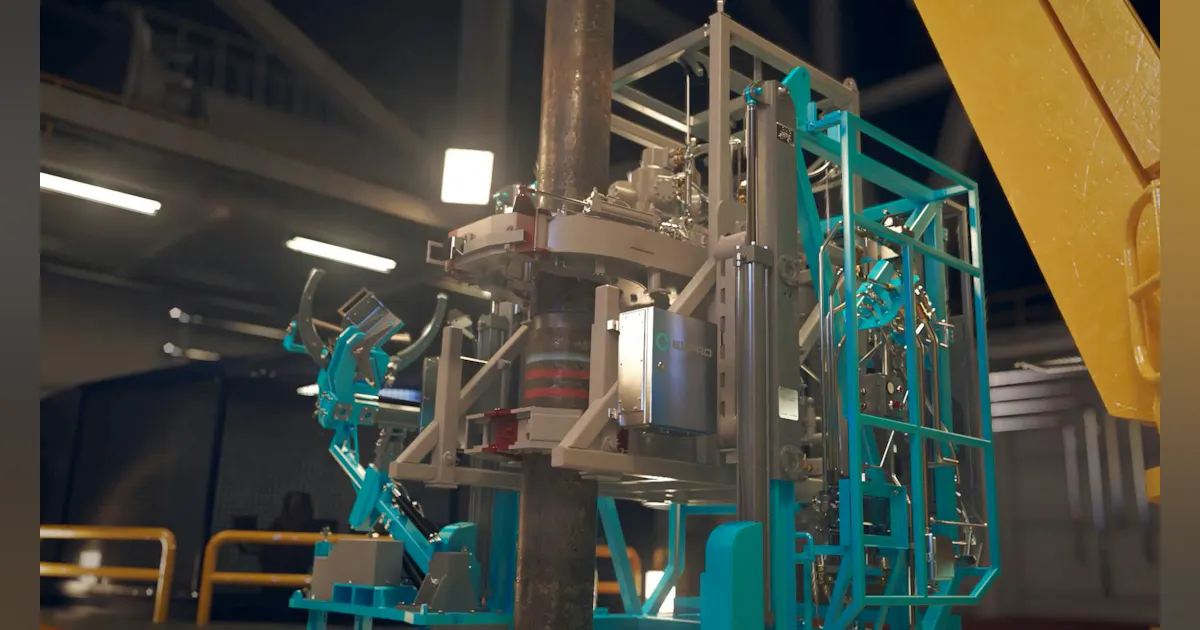
Case study: Automated tubular running system demonstrates operational gains in the GoM

In 60 seconds

Top move

Recent GoM trials of an automated tubular running system materially lower manual exposure and create a data-driven basis for performance SLAs; treat vendor field-trial evidence as negotiation leverage for uptime and spare commitments

Key takeaways

  • Recent GoM trials of an automated tubular running system materially lower manual exposure and create a data-driven basis for performance SLAs; treat vendor field-trial evidence as negotiation leverage for uptime and spare commitments.
  • Wood Mackenzie signals renewed ultradeepwater exploration interest that concentrates demand on deepwater-capable rigs and specialist subsea contractors; expect sustained mobilization and long-lead pricing pressure in deepwater scopes.[2]
  • Fewer but more capable rigs mean capacity is concentrated: procurement should assume limited bench strength for specialized assets and secure mobilization/cancellation terms rather than relying on spot availability.[3]
  • Automation trials are integrated with rig safety systems and deliver connection-time and predictive-maintenance data that Contracts can use to define acceptance tests and KPI thresholds.
  • The deepwater push is selective and high‑risk; this is directional for supplier pricing and scheduling rather than a uniform market shock — monitor whether planned high‑impact wells turn into sustained tendering windows.[2]

What changed since last run

  • Added verification items for automation field trials after Expro's GoM tubular-running case study introduced integrated safety/data outcomes (Article 8).
  • Added supplier availability and mobilization focus tied to renewed ultradeepwater exploration interest from Wood Mackenzie (Article 5).
  • Included explicit procurement readiness for concentrated rig capacity following Offshore coverage of declining rig counts and higher rig productivity (Article 2).

Key facts

  • Integrated TRS demonstrated in Gulf of Mexico trial
  • Reported 40–50% reduction in connection make-up and breakout times
  • Applied across jackups and drillships in trials
  • Consultant analysis identifies a pipeline of high-impact ultradeepwater wells
  • Majors and capable NOCs concentrating equity and technical resources for frontier prospects
  • Long-term decline in active rigs in the Gulf of Mexico noted alongside stable or growing prod

Why it matters

Recent GoM trials of an automated tubular running system materially lower manual exposure and create a data-driven basis for performance SLAs; treat vendor field-trial evidence as negotiation leverage for uptime and spare commitments. Wood Mackenzie signals renewed ultradeepwater exploration interest that concentrates demand on deepwater-capable rigs and specialist subsea contractors; expect sustained mobilization and long-lead pricing pressure in deepwater scopes. Fewer but more capable rigs mean capacity is concentrated: procurement should assume limited bench strength for specialized assets and secure mobilization/cancellation terms rather than relying on spot availability. Automation trials are integrated with rig safety systems and deliver connection-time and predictive-maintenance data that Contracts can use to define acceptance tests and KPI thresholds

Cost / money

  • Automation reduces on-board headcount exposure but shifts costs toward automation hardware, digital integration and specialized spares; budgeting must move some OPEX/CAPEX lines toward system support and redundancy.
  • Renewed ultradeepwater programs concentrate high mobilization and specialized subsea equipment spend on fewer projects, reducing bargaining leverage and keeping supplier pricing elevated for deepwater scopes.[2]
  • Lower rig counts but higher per-rig output imply limited alternative capacity; expect dayrate and mobilization pass-throughs to remain a material negotiation item where specialized assets are needed.[3]

Supplier / commercial

  • Vendors that supply automation and data services may push servitized or performance-based commercial models and shorter quote validity; require data-backed performance claims in bids to avoid hidden recurring fees.
  • Deepwater-capable suppliers can ask for slot commitments or mobilization guarantees to protect scarce assets; consider staged or optioned awards to avoid overpaying for unused mobilization capacity.[2]

Safety / operations

  • Automated tubular running systems reduce red-zone exposure but increase dependency on PLCs, connectivity and integrated safety logic; Ops must verify fail-safe modes, emergency disconnects and integration test records.
  • Faster connection cycles and automation increase uptime dependency on specific tooling and vendor serviceability; operations should plan spares staging and maintenance windows to preserve uptime.

What to watch

  • Watch for vendors bundling automation hardware with data subscriptions or monitoring services that create recurring OPEX and vendor lock‑in; treat servitization offers as early-signal and demand sample contract terms up front.
  • Watch whether early ultradeepwater successes translate into multiple nearby development tenders — if follow-on wells are awarded, suppliers may narrow availability windows and shorten quote validity.[2]

Top stories

Story 1Offshore-mag

Case study: Automated tubular running system demonstrates operational gains in the GoM

Signal strongSource-grounded

What happened

An Expro field trial in the Gulf of Mexico demonstrated an automated tubular running system that integrates with rig safety logic and real-time monitoring. The vendor reports substantial reductions in make-up/breakout times and the package was shown operating across jackups and drillships, making it operationally relevant for multiple vessel types. Watch whether bidders include service bundles, data subscriptions or narrow quote windows in follow-on commercial proposals

Buyer takeaway

Treat the Expro TRS trial as operationally real evidence to build measurable SLAs and spare/support clauses into bids

Cost / money

Directionally lowers labor exposure but shifts spend toward specialized automation hardware, digital integration and spares that must be priced into CAPEX/OPEX

Supplier / commercial

Vendors can offer servitized models or performance pricing backed by trial data; require sample contract language and data rights to avoid hidden recurring fees

Safety / operations

Integrates with zone management and rig safety systems to reduce red‑zone exposure, but increases dependency on PLCs, comms and vendor software interlocks

What to watch

Watch for bundled data/monitoring subscriptions and short-lived quote validity; demand field logs and integration test records before accepting SLA claims

Key facts

  • Integrated TRS demonstrated in Gulf of Mexico trial
  • Reported 40–50% reduction in connection make-up and breakout times
  • Applied across jackups and drillships in trials

Source excerpts

Field trial introduces digitally integrated tubular running approach An automated tubular running system incorporating digital control, real-time data monitoring and machine learning capabilities has recently been introduced to the GoM. Rather than treating tubular running as a standalone activity, the approach focuses on integrating TRS more closely with rig systems and real-time data flows
Data from these deployments provides a benchmark for expected performance
Safety integration reinforces 'no red zone exposure' objectivesThe TRS package has been integrated into the rig’s zone management, pipe interlock and anti-collision systems, allowing it to operate as part of the rig’s safety architecture. This helps reduce the risk of equipment clashes and supports a “no red zone exposure” approach during connection activities
Story 2Offshore-mag

Long-term production fears driving renewed interest in ultradeepwater exploration

Signal moderateSource-grounded

What happened

Wood Mackenzie's analysis shows majors and some NOCs increasing focused ultradeepwater exploration, shifting equity and resources into frontier wells. The work concentrates technical risk and mobilization needs on deepwater-capable rigs and specialist subsea contractors, which can affect supplier leverage around slotting and pricing. Procurement should monitor whether identified high‑impact wells translate into formal tender windows

Buyer takeaway

Treat ultradeepwater activity as a source of concentrated demand that will favor suppliers with proven deepwater capability and long-lead inventories

Cost / money

Supports higher mobilization and specialist-equipment pricing for deepwater scopes; expect suppliers to price technical risk into bids

Supplier / commercial

Deepwater specialists may require slot commitments or mobilization guarantees to protect scarce assets; use optioning and staged awards to limit exposure

Safety / operations

Deepwater programs increase reliance on specialist vessels, long logistics chains and complex subsea interfaces—confirm vendor QA and contingency plans

What to watch

Watch whether early exploration successes become multi-well programs; if they do, supplier availability and quote validity will tighten rapidly

Key facts

  • Consultant analysis identifies a pipeline of high-impact ultradeepwater wells
  • Majors and capable NOCs concentrating equity and technical resources for frontier prospects

Source excerpts

Steep production declines facing the world's 30 largest E&P companies are driving renewed investment in ultradeepwater frontier exploration, according to analysis by Wood Mackenzie
“The first four big wells we tracked in 2026 came in dry—that’s the game, and players know the risks," Andrew Latham, SVP of Energy Research at Wood Mackenzie, said. “When ultradeepwater exploration works, single discoveries like Bumerangue generate many billions in value
Wood Mackenzie has identified 23 high-impact wells that could be drilled this year
Story 3Offshore-mag

Declining Gulf rig counts mask rising efficiency

Signal strongSource-grounded

What happened

Offshore reporting shows rig counts in the US Gulf of Mexico have fallen while per‑rig productivity and capability have risen, decoupling simple rig-count metrics from actual capacity. That concentration means fewer capable rigs can cover more production, but it reduces spare capacity and local options for sudden schedule shifts. Procurement should stop treating rig count alone as a capacity proxy and instead collect supplier slot and capability data

Buyer takeaway

Do not assume passive spot availability; contracted mobilization terms matter more when the asset base is concentrated

Cost / money

Concentrated capacity supports sustained dayrates and mobilization pass-throughs when projects require specific rig types

Supplier / commercial

Operators and rig owners with modern fleets gain leverage; consider multi-supplier sourcing and options to retain negotiating flexibility

Safety / operations

Modern rigs increase capability but also create interdependencies between advanced equipment and vendor maintenance support that must be planned

What to watch

Watch for vendor scheduling squeeze during overlapping deepwater programs; verify firm slot commitments and cancellation protections

Key facts

  • Long-term decline in active rigs in the Gulf of Mexico noted alongside stable or growing prod
  • Trend driven by larger, more capable deepwater rigs and automation improvements

Source excerpts

This shift inherently required fewer rigs. Deepwater projects are high-capital-expenditure (high-capex) endeavors, often involving fewer but larger-scale developments like subsea boostin and tiebacks to existing platforms or new floating production systems
This “efficiency revolution” has been a key driver of the rig count decline, as rigs now drill faster, farther, and in harsher environments, boosting output per rig while reducing the overall fleet size
Data sources: Baker Hughes for rig counts; EIA for federal offshore crude productionUS Gulf of Mexico: Rig counts have fallen dramatically since 2000, yet crude oil production has held steady or grown modestly thanks to deepwater technology and efficiency gains. Average annual rig counts The rig counts below are derived from Baker Hughes offshore rotary rigs data, EIA reports, and other industry sources:• 2000: ~100-110• 2005: ~80-90• 2010: ~35-40 (post-moratorium low)• 2014: ~50-60 (pre-crash peak in recovery)

VP Snapshot

Executive Risk & Action View

Recent GoM trials of an automated tubular running system materially lower manual exposure and create a data-driven basis for performance SLAs; treat vendor field-trial evidence as negotiation leverage for uptime and spare commitments.

Overall
55
Cost
79
Supply
79
Schedule
20
Compliance
15

Top signals

30-180dcost

Signal 1: Cost / money

Automation reduces on-board headcount exposure but shifts costs toward automation hardware, digital integration and specialized spares; budgeting must move some OPEX/CAPEX lines toward system support and redundancy.

Signal 2: Cost / money

Renewed ultradeepwater programs concentrate high mobilization and specialized subsea equipment spend on fewer projects, reducing bargaining leverage and keeping supplier pricing elevated for deepwater scopes.

Signal 3: Cost / money

Lower rig counts but higher per-rig output imply limited alternative capacity; expect dayrate and mobilization pass-throughs to remain a material negotiation item where specialized assets are needed.

30-180dsupply

Signal 4: Supplier / commercial

Vendors that supply automation and data services may push servitized or performance-based commercial models and shorter quote validity; require data-backed performance claims in bids to avoid hidden recurring fees.

Signal 5: Supplier / commercial

Deepwater-capable suppliers can ask for slot commitments or mobilization guarantees to protect scarce assets; consider staged or optioned awards to avoid overpaying for unused mobilization capacity.

30-180dsupplier

Signal 6: Safety / operations

Automated tubular running systems reduce red-zone exposure but increase dependency on PLCs, connectivity and integrated safety logic; Ops must verify fail-safe modes, emergency disconnects and integration test records.

Recommended actions

CategoryDue 3d

Request automation capability statements, field-trial logs, integration test records and spare lists from primary tubular-running and rig-automation vendors.

Supplier capability matrix and field-trial evidence delivered to Contracts and Ops for review and inclusion in tender templates.

ContractsDue 21d

Issue an RFI that separates installation/mobilization scope from recurring data or monitoring services and requests sample SLAs and pricing models.

Comparable responses that isolate installation costs, recurring services and performance commitments for commercial review.

CategoryDue 21d

Collect firm availability windows and mobilization pricing from deepwater rig operators and specialist subsea installation contractors for prioritized prospects.

Verified supplier slot schedules and firm mobilization terms for project planning and cost forecasting.

LegalDue 60d

Update master services agreements to add automation integration acceptance tests, data ownership, uptime SLAs, explicit mobilization/cancellation clauses and spare-provision lin...

Revised contract templates ready for negotiation that include enforceable mobilization, data and uptime clauses.

OpsDue 60d

Map critical spares, digital redundancy and onshore support requirements for automation packages and include these as priced line items in master agreements.

Spares and redundancy schedule integrated into supplier agreements and project readiness checklists.

Risk register

RiskTriggerMitigation
Watch for vendors bundling automation hardware with data subscriptions or monitoring services that create recurring OPEX and vendor lock‑in; treat servitization offers as early-signal and demand sample contract terms up front.Watch for vendors bundling automation hardware with data subscriptions or monitoring services that create recurring OPEX and vendor lock‑in; treat servitization offers as early-signal and demand sample contract terms up front.Confirm exposure with category, contracts, and operations before the next supplier commitment.
Watch whether early ultradeepwater successes translate into multiple nearby development tenders — if follow-on wells are awarded, suppliers may narrow availability windows and shorten quote validity.Watch whether early ultradeepwater successes translate into multiple nearby development tenders — if follow-on wells are awarded, suppliers may narrow availability windows and shorten quote validity.Confirm exposure with category, contracts, and operations before the next supplier commitment.

CM Snapshot

Category Manager Decision Detail

Today's priorities

Request automation capability statements, field-trial logs, integration test records and spare lists from primary tubular-running and rig-automation vendors.

because Expro's GoM trial shows automation materially changes safety, cycle time and spare requirements and Contracts need concrete field evidence to shape SLAs and acceptance t...

Due 3d

high

CM move

Use this as the immediate supplier or contract action to move before the next sourcing gate.

Issue an RFI that separates installation/mobilization scope from recurring data or monitoring services and requests sample SLAs and pricing models.

because automation vendors are likely to offer servitized deals and shorter quote windows, and separating scopes will expose recurring fees and mobilization pass-throughs for ne...

Due 21d

high

CM move

Use this as the immediate supplier or contract action to move before the next sourcing gate.

Collect firm availability windows and mobilization pricing from deepwater rig operators and specialist subsea installation contractors for prioritized prospects.

because Wood Mackenzie's ultradeepwater focus concentrates demand on capable assets and verified slot information is needed to avoid schedule slippage and premium mobilization c...

Due 21d

high

CM move

Use this as the immediate supplier or contract action to move before the next sourcing gate.

Update master services agreements to add automation integration acceptance tests, data ownership, uptime SLAs, explicit mobilization/cancellation clauses and spare-provision lin...

because integrated automation and concentrated deepwater mobilizations change execution dependency and commercial exposure and should be contractually allocated before awards.

Due 60d

high

CM move

Use this as the immediate supplier or contract action to move before the next sourcing gate.

Supplier radar

Offshore-mag

high

Observed supplier signal

Vendors that supply automation and data services may push servitized or performance-based commercial models and shorter quote validity; require data-backed performance claims in bids to avoid hidden recurring fees.

Commercial implication

Vendors that supply automation and data services may push servitized or performance-based commercial models and shorter quote validity; require data-backed performance claims in bids to avoid hidden recurring fees.

Next step: Validate the source-backed signal with incumbents and alternates before the next award or pricing decision.

Offshore-mag

high

Observed supplier signal

Deepwater-capable suppliers can ask for slot commitments or mobilization guarantees to protect scarce assets; consider staged or optioned awards to avoid overpaying for unused mobilization capacity.

Commercial implication

Deepwater-capable suppliers can ask for slot commitments or mobilization guarantees to protect scarce assets; consider staged or optioned awards to avoid overpaying for unused mobilization capacity.

Next step: Validate the source-backed signal with incumbents and alternates before the next award or pricing decision.

Negotiation levers

Request automation capability statements, field-trial logs, integration test records and spare lists from primary tubular-running and rig-automation vendors.

When to use: because Expro's GoM trial shows automation materially changes safety, cycle time and spare requirements and Contracts need concrete field evidence to shape SLAs and acceptance t...

Expected outcome: Supplier capability matrix and field-trial evidence delivered to Contracts and Ops for review and inclusion in tender templates.

Commercial mechanism to carry into the next supplier conversation

Issue an RFI that separates installation/mobilization scope from recurring data or monitoring services and requests sample SLAs and pricing models.

When to use: because automation vendors are likely to offer servitized deals and shorter quote windows, and separating scopes will expose recurring fees and mobilization pass-throughs for ne...

Expected outcome: Comparable responses that isolate installation costs, recurring services and performance commitments for commercial review.

Commercial mechanism to carry into the next supplier conversation

Collect firm availability windows and mobilization pricing from deepwater rig operators and specialist subsea installation contractors for prioritized prospects.

When to use: because Wood Mackenzie's ultradeepwater focus concentrates demand on capable assets and verified slot information is needed to avoid schedule slippage and premium mobilization c...

Expected outcome: Verified supplier slot schedules and firm mobilization terms for project planning and cost forecasting.

Commercial mechanism to carry into the next supplier conversation

Update master services agreements to add automation integration acceptance tests, data ownership, uptime SLAs, explicit mobilization/cancellation clauses and spare-provision lin...

When to use: because integrated automation and concentrated deepwater mobilizations change execution dependency and commercial exposure and should be contractually allocated before awards.

Expected outcome: Revised contract templates ready for negotiation that include enforceable mobilization, data and uptime clauses.

Commercial mechanism to carry into the next supplier conversation

Talking points

Recent GoM trials of an automated tubular running system materially lower manual exposure and create a data-driven basis for performance SLAs; treat vendor field-trial evidence as negotiation leverage for uptime and spare commitments.
Wood Mackenzie signals renewed ultradeepwater exploration interest that concentrates demand on deepwater-capable rigs and specialist subsea contractors; expect sustained mobilization and long-lead pricing pressure in deepwater scopes.
Fewer but more capable rigs mean capacity is concentrated: procurement should assume limited bench strength for specialized assets and secure mobilization/cancellation terms rather than relying on spot availability.
Automation trials are integrated with rig safety systems and deliver connection-time and predictive-maintenance data that Contracts can use to define acceptance tests and KPI thresholds.

Supplier radar

SupplierSignalImplicationNext stepConfidence
Offshore-magVendors that supply automation and data services may push servitized or performance-based commercial models and shorter quote validity; require data-backed performance claims in bids to avoid hidden recurring fees.Vendors that supply automation and data services may push servitized or performance-based commercial models and shorter quote validity; require data-backed performance claims in bids to avoid hidden recurring fees.Validate the source-backed signal with incumbents and alternates before the next award or pricing decision.high
Offshore-magDeepwater-capable suppliers can ask for slot commitments or mobilization guarantees to protect scarce assets; consider staged or optioned awards to avoid overpaying for unused mobilization capacity.Deepwater-capable suppliers can ask for slot commitments or mobilization guarantees to protect scarce assets; consider staged or optioned awards to avoid overpaying for unused mobilization capacity.Validate the source-backed signal with incumbents and alternates before the next award or pricing decision.high

Negotiation levers

  • Request automation capability statements, field-trial logs, integration test records and spare lists from primary tubular-running and rig-automation vendors.because Expro's GoM trial shows automation materially changes safety, cycle time and spare requirements and Contracts need concrete field evidence to shape SLAs and acceptance t...Supplier capability matrix and field-trial evidence delivered to Contracts and Ops for review and inclusion in tender templates.

    high confidence

  • Issue an RFI that separates installation/mobilization scope from recurring data or monitoring services and requests sample SLAs and pricing models.because automation vendors are likely to offer servitized deals and shorter quote windows, and separating scopes will expose recurring fees and mobilization pass-throughs for ne...Comparable responses that isolate installation costs, recurring services and performance commitments for commercial review.

    high confidence

  • Collect firm availability windows and mobilization pricing from deepwater rig operators and specialist subsea installation contractors for prioritized prospects.because Wood Mackenzie's ultradeepwater focus concentrates demand on capable assets and verified slot information is needed to avoid schedule slippage and premium mobilization c...Verified supplier slot schedules and firm mobilization terms for project planning and cost forecasting.

    high confidence

  • Update master services agreements to add automation integration acceptance tests, data ownership, uptime SLAs, explicit mobilization/cancellation clauses and spare-provision lin...because integrated automation and concentrated deepwater mobilizations change execution dependency and commercial exposure and should be contractually allocated before awards.Revised contract templates ready for negotiation that include enforceable mobilization, data and uptime clauses.

    high confidence

What to do / What to watch

What to do now

  • Request automation capability statements, field-trial logs, integration test records and spare lists from primary tubular-running and rig-automation vendors.

    Why: because Expro's GoM trial shows automation materially changes safety, cycle time and spare requirements and Contracts need concrete field evidence to shape SLAs and acceptance t...

    Owner: Category

    Expected outcome: Supplier capability matrix and field-trial evidence delivered to Contracts and Ops for review and inclusion in tender templates.

Next few weeks

  • Issue an RFI that separates installation/mobilization scope from recurring data or monitoring services and requests sample SLAs and pricing models.

    Why: because automation vendors are likely to offer servitized deals and shorter quote windows, and separating scopes will expose recurring fees and mobilization pass-throughs for ne...

    Owner: Contracts

    Expected outcome: Comparable responses that isolate installation costs, recurring services and performance commitments for commercial review.

  • Collect firm availability windows and mobilization pricing from deepwater rig operators and specialist subsea installation contractors for prioritized prospects.

    Why: because Wood Mackenzie's ultradeepwater focus concentrates demand on capable assets and verified slot information is needed to avoid schedule slippage and premium mobilization c...

    Owner: Category

    Expected outcome: Verified supplier slot schedules and firm mobilization terms for project planning and cost forecasting.

    [2]

Longer view

  • Update master services agreements to add automation integration acceptance tests, data ownership, uptime SLAs, explicit mobilization/cancellation clauses and spare-provision lin...

    Why: because integrated automation and concentrated deepwater mobilizations change execution dependency and commercial exposure and should be contractually allocated before awards.

    Owner: Legal

    Expected outcome: Revised contract templates ready for negotiation that include enforceable mobilization, data and uptime clauses.

  • Map critical spares, digital redundancy and onshore support requirements for automation packages and include these as priced line items in master agreements.

    Why: because automation increases uptime dependency on specific tooling and software, and pre-priced spares/redundancy reduce execution risk during mobilization windows.

    Owner: Ops

    Expected outcome: Spares and redundancy schedule integrated into supplier agreements and project readiness checklists.

What to watch

  • Watch for vendors bundling automation hardware with data subscriptions or monitoring services that create recurring OPEX and vendor lock‑in; treat servitization offers as early-signal and demand sample contract terms up front
  • Watch whether early ultradeepwater successes translate into multiple nearby development tenders — if follow-on wells are awarded, suppliers may narrow availability windows and shorten quote validity
  • Watch for vendors bundling automation hardware with data subscriptions or monitoring services that create recurring OPEX and vendor lock‑in; treat servitization offers as early-signal and demand sample contract terms up front.: Watch for vendors bundling automation hardware with data subscriptions or monitoring services that create recurring OPEX and vendor lock‑in; treat servitization offers as early-signal and demand sample contract terms up front
  • Watch whether early ultradeepwater successes translate into multiple nearby development tenders — if follow-on wells are awarded, suppliers may narrow availability windows and shorten quote validity.: Watch whether early ultradeepwater successes translate into multiple nearby development tenders — if follow-on wells are awarded, suppliers may narrow availability windows and shorten quote validity
  • Recent GoM trials of an automated tubular running system materially lower manual exposure and create a data-driven basis for performance SLAs; treat vendor field-trial evidence as negotiation leverage for uptime and spare commitments
  • Wood Mackenzie signals renewed ultradeepwater exploration interest that concentrates demand on deepwater-capable rigs and specialist subsea contractors; expect sustained mobilization and long-lead pricing pressure in deepwater scopes
  • Fewer but more capable rigs mean capacity is concentrated: procurement should assume limited bench strength for specialized assets and secure mobilization/cancellation terms rather than relying on spot availability
  • Automation trials are integrated with rig safety systems and deliver connection-time and predictive-maintenance data that Contracts can use to define acceptance tests and KPI thresholds

Market pulse

IndexLatestChangeAs of
WTI Crude (WTI)71.23 /bbl+0.00 (+0.00%)Apr 28, 2026, 10:08 AM
Brent Crude (BRENT)74.89 /bbl+0.00 (+0.00%)Apr 28, 2026, 10:08 AM
Natural Gas (NG)3.12 /MMBtu+0.00 (+0.00%)Apr 28, 2026, 10:08 AM
Dry Bulk Shipping (BDRY) (BDRY)0 +0.00 (+0.00%)Apr 28, 2026, 10:08 AM
WTI (Fuel) (WTI)71.23 /bbl+0.00 (+0.00%)Apr 28, 2026, 10:08 AM
TechnipFMC (FTI)22 +0.00 (+0.00%)Apr 28, 2026, 10:08 AM
  • WTI Crude: Fuel and dayrate exposure: WTI movements influence vessel and rig operating-cost pass-throughs; monitor for dayrate pressure
  • Dry Bulk Shipping (BDRY): Dry-bulk shipping trends affect pipe and cargo transport costs and schedule risk for subsea equipment mobilization

Sources

Inline citations jump here. Expand a source to read the excerpt, the AI interpretation, and the original link.

[1] Case study: Automated tubular running system demonstrates operational gains in the GoM

offshore-mag.com · n.d.

Expand

AI reading

An Expro field trial in the Gulf of Mexico demonstrated an automated tubular running system that integrates with rig safety logic and real-time monitoring. The vendor reports substantial reductions in make-up/breakout times and the package was shown operating across jackups and drillships, making it operationally relevant for multiple vessel types. Watch whether bidders include service bundles, data subscriptions or narrow quote windows in follow-on commercial proposals

Buyer takeaway

Treat the Expro TRS trial as operationally real evidence to build measurable SLAs and spare/support clauses into bids

Cost / money

Directionally lowers labor exposure but shifts spend toward specialized automation hardware, digital integration and spares that must be priced into CAPEX/OPEX

Supplier / commercial

Vendors can offer servitized models or performance pricing backed by trial data; require sample contract language and data rights to avoid hidden recurring fees

Safety / operations

Integrates with zone management and rig safety systems to reduce red‑zone exposure, but increases dependency on PLCs, comms and vendor software interlocks

What to watch

Watch for bundled data/monitoring subscriptions and short-lived quote validity; demand field logs and integration test records before accepting SLA claims

Key facts

  • Integrated TRS demonstrated in Gulf of Mexico trial
  • Reported 40–50% reduction in connection make-up and breakout times
  • Applied across jackups and drillships in trials

Source excerpts

Field trial introduces digitally integrated tubular running approach An automated tubular running system incorporating digital control, real-time data monitoring and machine learning capabilities has recently been introduced to the GoM. Rather than treating tubular running as a standalone activity, the approach focuses on integrating TRS more closely with rig systems and real-time data flows
Data from these deployments provides a benchmark for expected performance
Safety integration reinforces 'no red zone exposure' objectivesThe TRS package has been integrated into the rig’s zone management, pipe interlock and anti-collision systems, allowing it to operate as part of the rig’s safety architecture. This helps reduce the risk of equipment clashes and supports a “no red zone exposure” approach during connection activities

Used in this brief

  • Recent GoM trials of an automated tubular running system materially lower manual exposure and create a data-driven basis for performance SLAs; treat vendor field-trial evidence as negotiation leverage for uptime and spare commitments. Wood Mackenzie signals renewed ultradeepwater exploration interest that concentrates demand on deepwater-capable rigs and specialist subsea contractors; expect sustained mobilization and long-lead pricing pressure in deepwater scopes. Fewer but more capable rigs mean capacity is concentrated: procurement should assume limited bench strength for specialized assets and secure mobilization/cancellation terms rather than relying on spot availability. Automation trials are integrated with rig safety systems and deliver connection-time and predictive-maintenance data that Contracts can use to define acceptance tests and KPI thresholds
  • Supplier / commercial: Vendors that supply automation and data services may push servitized or performance-based commercial models and shorter quote validity; require data-backed performance claims in bids to avoid hidden recurring fees
  • Safety / operations: Automated tubular running systems reduce red-zone exposure but increase dependency on PLCs, connectivity and integrated safety logic; Ops must verify fail-safe modes, emergency disconnects and integration test records
Open original source

[2] Long-term production fears driving renewed interest in ultradeepwater exploration

offshore-mag.com · n.d.

Expand

AI reading

Wood Mackenzie's analysis shows majors and some NOCs increasing focused ultradeepwater exploration, shifting equity and resources into frontier wells. The work concentrates technical risk and mobilization needs on deepwater-capable rigs and specialist subsea contractors, which can affect supplier leverage around slotting and pricing. Procurement should monitor whether identified high‑impact wells translate into formal tender windows

Buyer takeaway

Treat ultradeepwater activity as a source of concentrated demand that will favor suppliers with proven deepwater capability and long-lead inventories

Cost / money

Supports higher mobilization and specialist-equipment pricing for deepwater scopes; expect suppliers to price technical risk into bids

Supplier / commercial

Deepwater specialists may require slot commitments or mobilization guarantees to protect scarce assets; use optioning and staged awards to limit exposure

Safety / operations

Deepwater programs increase reliance on specialist vessels, long logistics chains and complex subsea interfaces—confirm vendor QA and contingency plans

What to watch

Watch whether early exploration successes become multi-well programs; if they do, supplier availability and quote validity will tighten rapidly

Key facts

  • Consultant analysis identifies a pipeline of high-impact ultradeepwater wells
  • Majors and capable NOCs concentrating equity and technical resources for frontier prospects

Source excerpts

Steep production declines facing the world's 30 largest E&P companies are driving renewed investment in ultradeepwater frontier exploration, according to analysis by Wood Mackenzie
“The first four big wells we tracked in 2026 came in dry—that’s the game, and players know the risks," Andrew Latham, SVP of Energy Research at Wood Mackenzie, said. “When ultradeepwater exploration works, single discoveries like Bumerangue generate many billions in value
Wood Mackenzie has identified 23 high-impact wells that could be drilled this year

Used in this brief

  • Next 2-4 weeks — Collect firm availability windows and mobilization pricing from deepwater rig operators and specialist subsea installation contractors for prioritized prospects.. Rationale: because Wood Mackenzie's ultradeepwater focus concentrates demand on capable assets and verified slot information is needed to avoid schedule slippage and premium mobilization c.... Owner: Category. KPI: Verified supplier slot schedules and firm mobilization terms for project planning and cost forecasting
  • Watch whether early ultradeepwater successes translate into multiple nearby development tenders — if follow-on wells are awarded, suppliers may narrow availability windows and shorten quote validity
  • Added supplier availability and mobilization focus tied to renewed ultradeepwater exploration interest from Wood Mackenzie (Article 5)
Open original source

[3] Declining Gulf rig counts mask rising efficiency

offshore-mag.com · n.d.

Expand

AI reading

Offshore reporting shows rig counts in the US Gulf of Mexico have fallen while per‑rig productivity and capability have risen, decoupling simple rig-count metrics from actual capacity. That concentration means fewer capable rigs can cover more production, but it reduces spare capacity and local options for sudden schedule shifts. Procurement should stop treating rig count alone as a capacity proxy and instead collect supplier slot and capability data

Buyer takeaway

Do not assume passive spot availability; contracted mobilization terms matter more when the asset base is concentrated

Cost / money

Concentrated capacity supports sustained dayrates and mobilization pass-throughs when projects require specific rig types

Supplier / commercial

Operators and rig owners with modern fleets gain leverage; consider multi-supplier sourcing and options to retain negotiating flexibility

Safety / operations

Modern rigs increase capability but also create interdependencies between advanced equipment and vendor maintenance support that must be planned

What to watch

Watch for vendor scheduling squeeze during overlapping deepwater programs; verify firm slot commitments and cancellation protections

Key facts

  • Long-term decline in active rigs in the Gulf of Mexico noted alongside stable or growing prod
  • Trend driven by larger, more capable deepwater rigs and automation improvements

Source excerpts

This shift inherently required fewer rigs. Deepwater projects are high-capital-expenditure (high-capex) endeavors, often involving fewer but larger-scale developments like subsea boostin and tiebacks to existing platforms or new floating production systems
This “efficiency revolution” has been a key driver of the rig count decline, as rigs now drill faster, farther, and in harsher environments, boosting output per rig while reducing the overall fleet size
Data sources: Baker Hughes for rig counts; EIA for federal offshore crude productionUS Gulf of Mexico: Rig counts have fallen dramatically since 2000, yet crude oil production has held steady or grown modestly thanks to deepwater technology and efficiency gains. Average annual rig counts The rig counts below are derived from Baker Hughes offshore rotary rigs data, EIA reports, and other industry sources:• 2000: ~100-110• 2005: ~80-90• 2010: ~35-40 (post-moratorium low)• 2014: ~50-60 (pre-crash peak in recovery)

Used in this brief

  • Cost / money: Renewed ultradeepwater programs concentrate high mobilization and specialized subsea equipment spend on fewer projects, reducing bargaining leverage and keeping supplier pricing elevated for deepwater scopes
  • Cost / money: Lower rig counts but higher per-rig output imply limited alternative capacity; expect dayrate and mobilization pass-throughs to remain a material negotiation item where specialized assets are needed
  • Included explicit procurement readiness for concentrated rig capacity following Offshore coverage of declining rig counts and higher rig productivity (Article 2)
Open original source

[4] WTI Crude

finance.yahoo.com · n.d.

Expand

[5] Dry Bulk Shipping (BDRY)

finance.yahoo.com · n.d.

Expand