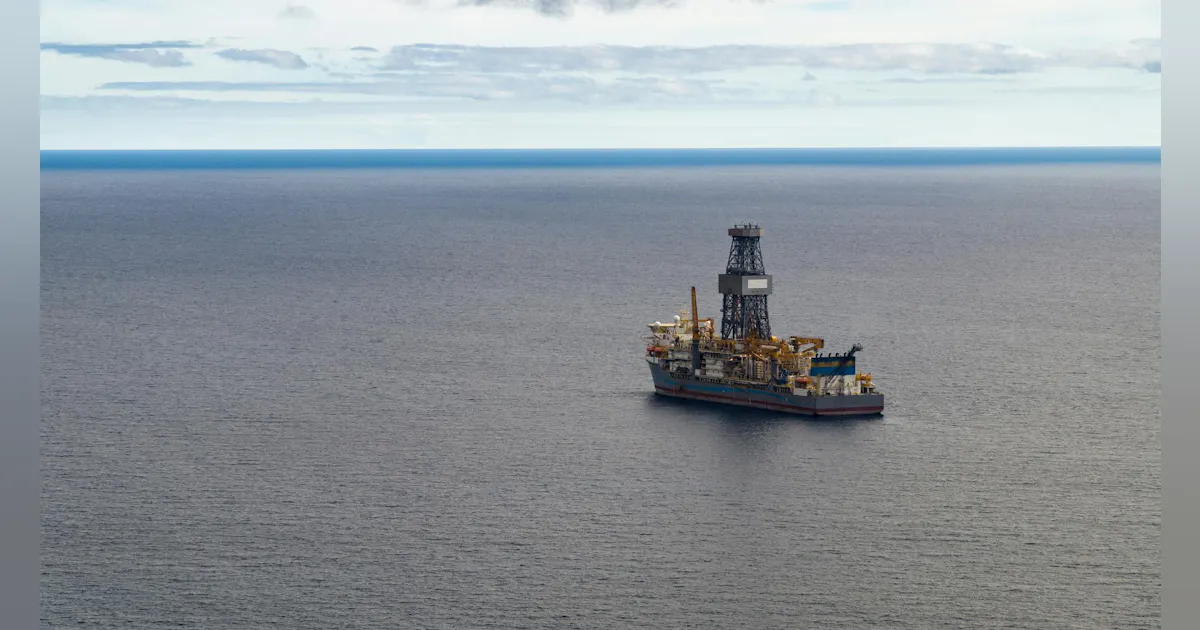
Declining Gulf rig counts mask rising efficiency
What happened
Offshore reporting shows Gulf of Mexico rig counts have fallen dramatically while production and output capability have been sustained through larger, more capable rigs. The story highlights that fewer rigs do more work, which tightens access to multi‑capable units and increases mobilization pressure. Watch whether supplier quotes shorten validity or vendors reprioritize higher‑margin programs
Buyer takeaway
Treat lower rig counts as a capacity concentration signal: fewer suppliers control more capability and can tighten scheduling and commercial terms
Cost / money
Directional upward pressure on mobilization and schedule premiums because fewer multi‑capable rigs reduce buyer flexibility
Supplier / commercial
Expect shorter quote validity and firmer mobilization pass‑throughs as suppliers protect scarce availability
Safety / operations
Compressed readiness windows increase risk of rushed handovers and incomplete pre‑mobilization checks unless ops controls enforce readiness
What to watch
Verify whether local suppliers have capacity versus capability — a capable rig booked elsewhere is not available even if counts look low
Key facts
- Long‑term drop in GoM active rotary rigs to approximately 11 reported in 2026
- Article links higher productivity to directional drilling, automation and larger rigs
Source excerpts
The shift from shallow-water to deepwater operations has resulted in fewer but larger and more capable rigs, supporting sustained or increased production despite declining rig numbers
Technological advancesMore capable rigs have meant that fewer are needed
This means a single rig can access multiple reservoirs from one wellbore, draining larger reservoirs without relocating. In the GoM, this has enabled “extended-reach” drilling, where one well can replace several older ones, directly contributing to lower rig counts