Wells Materials & OCTG · Australia (Perth)

Sharpen OCTG Contracts to Reduce Inspection and Handling Risk

Published Apr 28, 2026, 6:08 AM AWSTAPACFull category signal
Ask AI
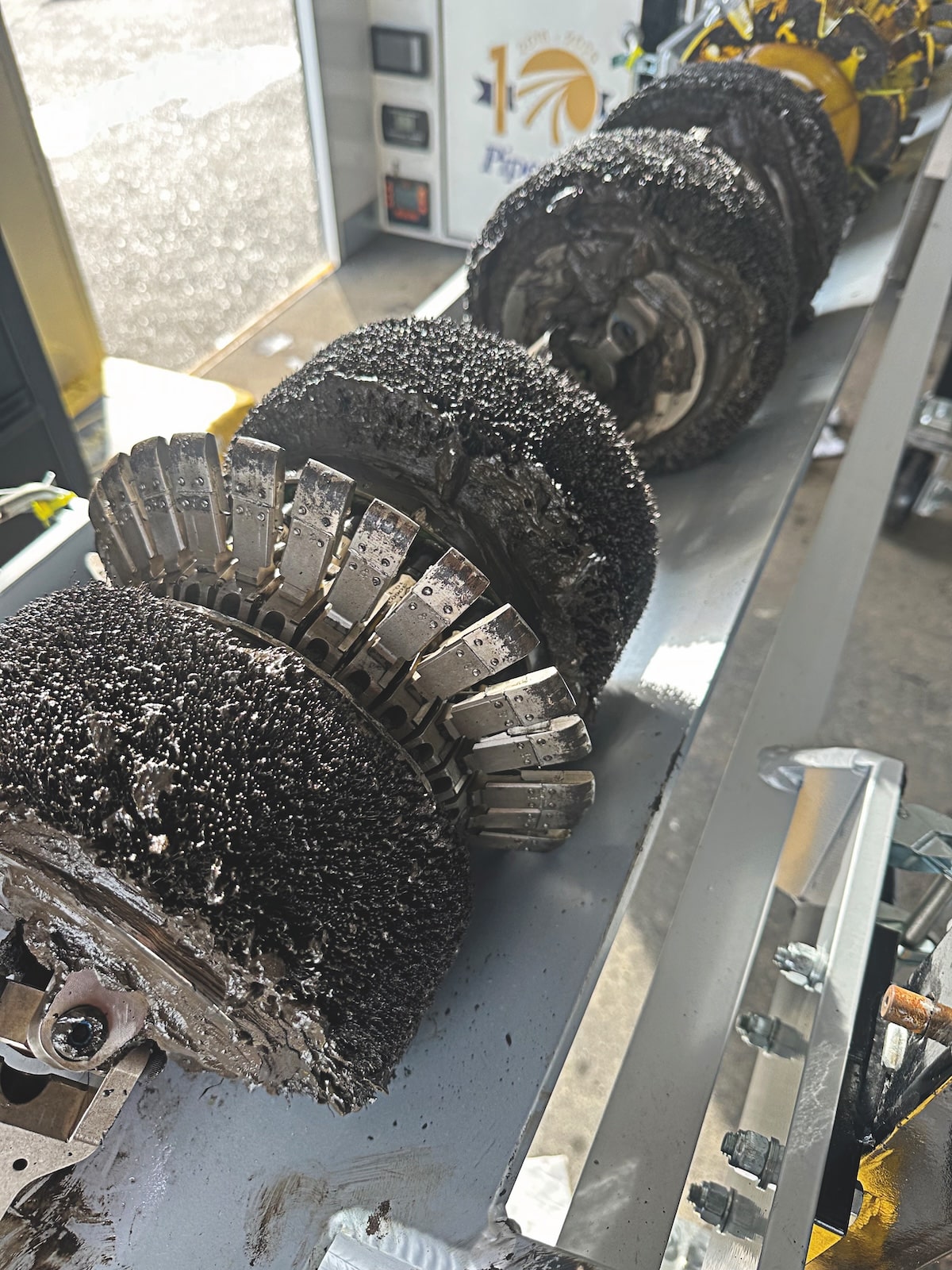
Is your pipeline ready for ILI?

In 60 seconds

Top move

Poor pipeline inspection prep (incomplete pigging, debris, wrong tool speed) directly causes reruns, unplanned contractor cost and schedule slippage—make pre-inspection cleaning evidence a priced, pass/fail scope item

Key takeaways

  • Poor pipeline inspection prep (incomplete pigging, debris, wrong tool speed) directly causes reruns, unplanned contractor cost and schedule slippage—make pre-inspection cleaning evidence a priced, pass/fail scope item.[1]
  • Domestic pipe-handling fleets and purpose-built equipment (VacLift-style lifts) materially reduce manual handling exposure and pipe-cycle time; qualifying these vendors before award limits mobilization and site-safety surprises.[3]
  • Regulatory proposals that expand regulator intervention are shifting supplier willingness on long-term foundation contracts and raising risk premia—expect changes in supplier pricing posture and contract term flexibility.[2]
  • For water and utility tubular work, welded-HDPE shows tighter QA and traceability (data loggers, weld IDs); requiring fusion records at handover lowers acceptance disputes and rework on mixed-material campaigns.[4]
  • Practical procurement outcome: require pigging logs and target tool-speed confirmations up front so inspection vendors can commit to a single-run acceptance and avoid later re-clean claims.[1]

What changed since last run

  • New top-line: ILI preparation failures (article 10) surfaced as the primary near-term execution risk; this was not highlighted in the previous brief which focused on coatings and methane measurement.
  • No new evidence in this run that changes earlier coating-specification actions; prior coating and OT-security recommendations remain relevant.

Key facts

  • Inline inspection quality depends on defined tool speed ranges
  • Debris volume returned during pigging is a primary readiness indicator
  • Pipe Tek combines turnkey cleaning and advanced ILI tech to improve outcomes
  • Proposals include broader AEMO intervention tools (LT RSA)
  • Form of Regulation Review gives regulators more scope to review pipelines
  • Industry sees increased regulatory-driven uncertainty affecting investment decisions

Why it matters

Poor pipeline inspection prep (incomplete pigging, debris, wrong tool speed) directly causes reruns, unplanned contractor cost and schedule slippage—make pre-inspection cleaning evidence a priced, pass/fail scope item. Domestic pipe-handling fleets and purpose-built equipment (VacLift-style lifts) materially reduce manual handling exposure and pipe-cycle time; qualifying these vendors before award limits mobilization and site-safety surprises. Regulatory proposals that expand regulator intervention are shifting supplier willingness on long-term foundation contracts and raising risk premia—expect changes in supplier pricing posture and contract term flexibility. For water and utility tubular work, welded-HDPE shows tighter QA and traceability (data loggers, weld IDs); requiring fusion records at handover lowers acceptance disputes and rework on mixed-material campaigns

Cost / money

  • Re-inspections and cleaning reruns translate to direct contractor change orders and contingency spend if pigging/cleanliness is not contractually controlled.[1]
  • Regulatory uncertainty feeds higher supplier risk premiums and can push suppliers to demand shorter contract terms or higher mobilization fees, increasing procurement cost volatility.[2]

Supplier / commercial

  • Vendors owning heavy-duty handling fleets (VacLift-style equipment) gain leverage for mobilization slots and can command premium availability terms if not pre-qualified.[3]
  • Suppliers may shorten quote validity or add conditional pricing when regulation or inspection readiness creates execution ambiguity—expect more limited bid windows on long-term OCTG offers.[2]

Safety / operations

  • Using mechanised pipe handlers that remove ground crew from direct lifts reduces manual-lift and crush hazards and improves site uptime where applicable.[3]
  • Skipping proper cleaning before ILI increases the chance of missed defects or tool stalls, which can cascade into integrity work and higher operational exposure later.[1]

What to watch

  • Regulatory proposals to allow stronger market intervention (LT RSA / Form of Regulation Review) are active—this could alter contract term appetite and should be watched as an early-signal for changing award strategy.[2]
  • Some suppliers may assert readiness for inspection without providing pigging/debris evidence; watch for declarative readiness that lacks objective logs—this is an early-signal for acceptance disputes.[1]

Top stories

Story 1The Australian PipelinerApr 27, 2026

Is your pipeline ready for ILI?

Signal strongSource-grounded

What happened

Pipeline inspection specialists warn that improper cleaning and debris left from pigging lead to poor inline inspection (ILI) results and likely reruns. The critical operational point is that inspection tools must operate within defined speed ranges and excessive debris can invalidate a run. Watch whether contractors start providing pigging logs and formal debris metrics as standard handover evidence

Buyer takeaway

Treat inspection readiness as a contract gate: require pigging logs and debris metrics in RFQs so suppliers bear the cost of failed runs

Cost / money

Reruns and re-clean work lead to material change orders and contingency spend if not controlled contractually

Supplier / commercial

Inspection and cleaning service providers can charge premium mobilization fees when readiness is unclear; clear acceptance gates reduce that leverage

Safety / operations

Proper cleaning reduces the risk of tool stalls and missed defects that can create integrity and safety remediation work later

What to watch

Watch for suppliers claiming readiness without logs; require objective evidence before tool runs are accepted

Key facts

  • Inline inspection quality depends on defined tool speed ranges
  • Debris volume returned during pigging is a primary readiness indicator
  • Pipe Tek combines turnkey cleaning and advanced ILI tech to improve outcomes

Source excerpts

“If cleaning pigs can’t travel smoothly, an ILI tool is unlikely to perform optimally,” said Brannelly
“Consistent speed during preparation runs is one of the strongest indicators of inspection readiness. ” Pressure fluctuations during pigging are often a result of partial blockages or debris in front of the tool
When speaking with asset owners, or even when brought in to clean up after an inspection has failed, the first thing we look at is the cleaning schedule
Story 2The Australian PipelinerApr 27, 2026

The regulatory avalanche

Signal strongSource-grounded

What happened

Industry commentary flags a wave of regulatory change in Australia that could let market bodies intervene more directly in gas infrastructure. The operational reality is higher regulatory risk premiums and potential shifts in supplier willingness to sign long-term foundation contracts. Watch consultations and formal proposals closely; changes could alter preferred commercial structures

Buyer takeaway

Expect suppliers to ask for shorter terms, higher premiums, or conditional pricing; prepare alternative contracting approaches

Cost / money

Increased regulatory risk tends to raise the cost of capital and supplier margin expectations

Supplier / commercial

Shippers and large suppliers may delay or dilute foundation contracts in anticipation of government-backed alternatives

Safety / operations

Regulatory shifts can change project sequencing as operators re-evaluate risk and compliance obligations

What to watch

Track LT RSA and FoRR consultations for direct procurement implications to contract length and security

Key facts

  • Proposals include broader AEMO intervention tools (LT RSA)
  • Form of Regulation Review gives regulators more scope to review pipelines
  • Industry sees increased regulatory-driven uncertainty affecting investment decisions

Source excerpts

The result is predictable: higher risk premiums, increased cost of capital, and reduced appetite for investment
Addressing barriers like the Form of Regulation Review would deliver infrastructure faster and at lower cost than any government intervention tool. And the upcoming Gas Market Review recommendations, particularly around domestic gas reservation, will offer the supply certainty that underpins long-term contracting
First, shippers may delay or weaken foundation contracts in anticipation of AEMO support that could enhance their commercial position. Why commit to a 15-year foundation contract when AEMO backing might deliver larger infrastructure with lower unit costs, or shorter contract terms with reduced demand risk?
Story 3The Australian PipelinerApr 27, 2026

Laying it on the line

Signal strongSource-grounded

What happened

A local plant-hire provider is promoting mechanised pipe-handling equipment that reduces manual involvement and improves cycle times. The concrete operational detail: the VacLift-style machines can handle heavy pipe lengths, significantly reducing per-length assembly time and removing ground-crew exposure. Watch supplier availability and the option to freight handling bags or equipment with pipe deliveries to lower logistics cost

Buyer takeaway

Prioritise vendors with mechanised lifting to reduce crew exposure and compress assembly time; include mobilization windows in commercial evaluation

Cost / money

Using mechanised handlers can lower onsite labour hours and reduce schedule-related cost overruns from slow assembly

Supplier / commercial

Vendors with specialised fleets can insist on preferred rates and slots; locking them early reduces pricing and availability risk

Safety / operations

Mechanised handling removes ground crew from hazardous lifts and improves repeatable, auditable safety outcomes

What to watch

Watch for single-source dependencies on specialised attachments or transport constraints when selecting a handler

Key facts

  • Supplier fleet exceeds 200 pieces of machinery
  • VacLift cycles under 40 seconds per pipe length versus conventional 5–10 minute methods
  • Over 1000 attachments available to adapt equipment to site needs

Source excerpts

Pipeline Plant Hire’s Director, Gerard O’Brien said vacuum pipe handling equipment creates distance between workers and the pipe itself, reducing the risk of injury and dramatically reducing the cycle time for each pipe movement
” Raising lengths of polyethylene or steel pipe weighing up to 15 tonnes, VacLift enables the assembly of pipes in-situ through use of a guidance system that makes the presence of ground crew unnecessary
“Working with manufacturers, suppliers, and our customers, we continue to provide improvement and innovations wherever we can. ” Raising lengths of polyethylene or steel pipe weighing up to 15 tonnes, VacLift enables the assembly of pipes in-situ through use of a guidance system that makes the presence of ground crew unnecessary
Story 4The Australian PipelinerApr 27, 2026

The future of water

Signal moderateDirectional

What happened

Welded HDPE demand is rising in water projects, supported by QA tools like DataLogger features that tag and track welds. The operational point: fusion records and Vault ID tags provide traceability and reduce downstream disputes on weld quality. Watch whether buyers start to require DataLogger handovers as a standard acceptance deliverable in mixed-material campaigns

Buyer takeaway

Require weld-fusion records and digital tags as handover evidence for acceptance on water and utility scopes

Cost / money

Traceable fusion data reduces rework and acceptance disputes that can drive unexpected contractor costs

Supplier / commercial

Vendors offering data-handover capabilities may command premium terms for guaranteed traceability

Safety / operations

Fusion data improves quality assurance and reduces the likelihood of leaks or failures in service

What to watch

Limited relevance to OCTG steel tubulars but useful as a procurement model for demanding traceability on critical joints

Key facts

  • Project example: 1200mm diameter welded HDPE pipeline pulled under a river
  • DataLogger 7 introduces Vault ID Tags and Fabrication Workflow for weld traceability
  • HDPE joints promoted for low leakage and long service life in water systems

Source excerpts

The DataLogger 7 records all pertinent parameters during the fusion process, providing an added level of quality control and oversight to the project. Image: McElroy The latest innovations In February 2026, McElroy officially rolled out two new DataLogger features to assist in identifying related welds in an assembly: Vault ID Tags and Fabrication Workflow
Understanding and using the information provided by the DataLogger can significantly improve the bottom line
Vault ID Tags are pre-coded, specially made labels containing QR codes that can be associated with a specific weld. This allows someone to view the weld report just by scanning the QR code on the label attached to the pipe itself

VP Snapshot

Executive Risk & Action View

Poor pipeline inspection prep (incomplete pigging, debris, wrong tool speed) directly causes reruns, unplanned contractor cost and schedule slippage—make pre-inspection cleaning evidence a priced, pass/fail scope item.

Overall
54
Cost
61
Supply
61
Schedule
20
Compliance
55

Top signals

30-180dcost

Signal 1: Cost / money

Re-inspections and cleaning reruns translate to direct contractor change orders and contingency spend if pigging/cleanliness is not contractually controlled.

Signal 2: Cost / money

Regulatory uncertainty feeds higher supplier risk premiums and can push suppliers to demand shorter contract terms or higher mobilization fees, increasing procurement cost volatility.

0-30dsupply

Signal 3: Supplier / commercial

Vendors owning heavy-duty handling fleets (VacLift-style equipment) gain leverage for mobilization slots and can command premium availability terms if not pre-qualified.

30-180dregulatory

Signal 4: Supplier / commercial

Suppliers may shorten quote validity or add conditional pricing when regulation or inspection readiness creates execution ambiguity—expect more limited bid windows on long-term OCTG offers.

30-180dsupply

Signal 5: Safety / operations

Using mechanised pipe handlers that remove ground crew from direct lifts reduces manual-lift and crush hazards and improves site uptime where applicable.

30-180dsupplier

Signal 6: Safety / operations

Skipping proper cleaning before ILI increases the chance of missed defects or tool stalls, which can cascade into integrity work and higher operational exposure later.

Recommended actions

ContractsDue 3d

Add a mandatory pigging and cleaning-evidence checklist to all active inspection RFQs and open POs.

Active RFQs/POs include pass/fail pre-inspection evidence to reduce re-clean claims and reruns.

CategoryDue 3d

Identify and pre-qualify local plant-hire vendors with VacLift-equivalent capabilities for upcoming tubular handling and mobilization windows.

Shortlist of handling vendors with documented equipment capabilities available for OCTG mobilizations.

ContractsDue 21d

Update OCTG and inspection RFQ templates to make pigging logs, debris metrics, and declared tool-speed ranges contractual pass/fail qualifiers.

RFQ templates enforce objective ILI-prep gates, lowering the incidence of reruns and disputed invoices.

CategoryDue 21d

Open commercial dialogues with priority OCTG and service suppliers to negotiate contract-term flexibility or risk-sharing clauses given regulatory intervention risk.

Negotiated contract options that balance supplier willingness with buyer protections against regulatory-driven changes.

LegalDue 60d

Pilot contract clauses tying acceptance/payment milestones to shop-trial or on-site pre-clean proofs for coating, welding, and inspection scopes.

One or more pilot contracts that reduce rework claims and make acceptance criteria auditable.

Risk register

RiskTriggerMitigation
Regulatory proposals to allow stronger market intervention (LT RSA / Form of Regulation Review) are active—this could alter contract term appetite and should be watched as an early-signal for changing award strategy.Regulatory proposals to allow stronger market intervention (LT RSA / Form of Regulation Review) are active—this could alter contract term appetite and should be watched as an early-signal for changing award strategy.Confirm exposure with category, contracts, and operations before the next supplier commitment.
Some suppliers may assert readiness for inspection without providing pigging/debris evidence; watch for declarative readiness that lacks objective logs—this is an early-signal for acceptance disputes.Some suppliers may assert readiness for inspection without providing pigging/debris evidence; watch for declarative readiness that lacks objective logs—this is an early-signal for acceptance disputes.Confirm exposure with category, contracts, and operations before the next supplier commitment.

CM Snapshot

Category Manager Decision Detail

Today's priorities

Add a mandatory pigging and cleaning-evidence checklist to all active inspection RFQs and open POs.

Act because the cited source changes the timing, capacity, or commercial assumptions behind the next sourcing decision.

Due 3d

high

CM move

Use this as the immediate supplier or contract action to move before the next sourcing gate.

Identify and pre-qualify local plant-hire vendors with VacLift-equivalent capabilities for upcoming tubular handling and mobilization windows.

Do this because article 1 demonstrates that purpose-built handling equipment shortens cycle time and reduces manual handling exposure; pre-qualifying secures availability and pr...

Due 3d

high

CM move

Use this as the immediate supplier or contract action to move before the next sourcing gate.

Update OCTG and inspection RFQ templates to make pigging logs, debris metrics, and declared tool-speed ranges contractual pass/fail qualifiers.

Act because the cited source changes the timing, capacity, or commercial assumptions behind the next sourcing decision.

Due 21d

high

CM move

Use this as the immediate supplier or contract action to move before the next sourcing gate.

Open commercial dialogues with priority OCTG and service suppliers to negotiate contract-term flexibility or risk-sharing clauses given regulatory intervention risk.

Act because the cited source changes the timing, capacity, or commercial assumptions behind the next sourcing decision.

Due 21d

high

CM move

Use this as the immediate supplier or contract action to move before the next sourcing gate.

Supplier radar

The Australian Pipeliner

high

Observed supplier signal

Vendors owning heavy-duty handling fleets (VacLift-style equipment) gain leverage for mobilization slots and can command premium availability terms if not pre-qualified.

Commercial implication

Vendors owning heavy-duty handling fleets (VacLift-style equipment) gain leverage for mobilization slots and can command premium availability terms if not pre-qualified.

Next step: Validate the source-backed signal with incumbents and alternates before the next award or pricing decision.

The Australian Pipeliner

high

Observed supplier signal

Suppliers may shorten quote validity or add conditional pricing when regulation or inspection readiness creates execution ambiguity—expect more limited bid windows on long-term OCTG offers.

Commercial implication

Suppliers may shorten quote validity or add conditional pricing when regulation or inspection readiness creates execution ambiguity—expect more limited bid windows on long-term OCTG offers.

Next step: Validate the source-backed signal with incumbents and alternates before the next award or pricing decision.

Negotiation levers

Add a mandatory pigging and cleaning-evidence checklist to all active inspection RFQs and open POs.

When to use: Act because the cited source changes the timing, capacity, or commercial assumptions behind the next sourcing decision.

Expected outcome: Active RFQs/POs include pass/fail pre-inspection evidence to reduce re-clean claims and reruns.

Commercial mechanism to carry into the next supplier conversation

Identify and pre-qualify local plant-hire vendors with VacLift-equivalent capabilities for upcoming tubular handling and mobilization windows.

When to use: Do this because article 1 demonstrates that purpose-built handling equipment shortens cycle time and reduces manual handling exposure; pre-qualifying secures availability and pr...

Expected outcome: Shortlist of handling vendors with documented equipment capabilities available for OCTG mobilizations.

Commercial mechanism to carry into the next supplier conversation

Update OCTG and inspection RFQ templates to make pigging logs, debris metrics, and declared tool-speed ranges contractual pass/fail qualifiers.

When to use: Act because the cited source changes the timing, capacity, or commercial assumptions behind the next sourcing decision.

Expected outcome: RFQ templates enforce objective ILI-prep gates, lowering the incidence of reruns and disputed invoices.

Commercial mechanism to carry into the next supplier conversation

Open commercial dialogues with priority OCTG and service suppliers to negotiate contract-term flexibility or risk-sharing clauses given regulatory intervention risk.

When to use: Act because the cited source changes the timing, capacity, or commercial assumptions behind the next sourcing decision.

Expected outcome: Negotiated contract options that balance supplier willingness with buyer protections against regulatory-driven changes.

Commercial mechanism to carry into the next supplier conversation

Talking points

Poor pipeline inspection prep (incomplete pigging, debris, wrong tool speed) directly causes reruns, unplanned contractor cost and schedule slippage—make pre-inspection cleaning evidence a priced, pass/fail scope item.
Domestic pipe-handling fleets and purpose-built equipment (VacLift-style lifts) materially reduce manual handling exposure and pipe-cycle time; qualifying these vendors before award limits mobilization and site-safety surprises.
Regulatory proposals that expand regulator intervention are shifting supplier willingness on long-term foundation contracts and raising risk premia—expect changes in supplier pricing posture and contract term flexibility.
For water and utility tubular work, welded-HDPE shows tighter QA and traceability (data loggers, weld IDs); requiring fusion records at handover lowers acceptance disputes and rework on mixed-material campaigns.

Supplier radar

SupplierSignalImplicationNext stepConfidence
The Australian PipelinerVendors owning heavy-duty handling fleets (VacLift-style equipment) gain leverage for mobilization slots and can command premium availability terms if not pre-qualified.Vendors owning heavy-duty handling fleets (VacLift-style equipment) gain leverage for mobilization slots and can command premium availability terms if not pre-qualified.Validate the source-backed signal with incumbents and alternates before the next award or pricing decision.high
The Australian PipelinerSuppliers may shorten quote validity or add conditional pricing when regulation or inspection readiness creates execution ambiguity—expect more limited bid windows on long-term OCTG offers.Suppliers may shorten quote validity or add conditional pricing when regulation or inspection readiness creates execution ambiguity—expect more limited bid windows on long-term OCTG offers.Validate the source-backed signal with incumbents and alternates before the next award or pricing decision.high

Negotiation levers

  • Add a mandatory pigging and cleaning-evidence checklist to all active inspection RFQs and open POs.Act because the cited source changes the timing, capacity, or commercial assumptions behind the next sourcing decision.Active RFQs/POs include pass/fail pre-inspection evidence to reduce re-clean claims and reruns.

    high confidence

  • Identify and pre-qualify local plant-hire vendors with VacLift-equivalent capabilities for upcoming tubular handling and mobilization windows.Do this because article 1 demonstrates that purpose-built handling equipment shortens cycle time and reduces manual handling exposure; pre-qualifying secures availability and pr...Shortlist of handling vendors with documented equipment capabilities available for OCTG mobilizations.

    high confidence

  • Update OCTG and inspection RFQ templates to make pigging logs, debris metrics, and declared tool-speed ranges contractual pass/fail qualifiers.Act because the cited source changes the timing, capacity, or commercial assumptions behind the next sourcing decision.RFQ templates enforce objective ILI-prep gates, lowering the incidence of reruns and disputed invoices.

    high confidence

  • Open commercial dialogues with priority OCTG and service suppliers to negotiate contract-term flexibility or risk-sharing clauses given regulatory intervention risk.Act because the cited source changes the timing, capacity, or commercial assumptions behind the next sourcing decision.Negotiated contract options that balance supplier willingness with buyer protections against regulatory-driven changes.

    high confidence

What to do / What to watch

What to do now

  • Add a mandatory pigging and cleaning-evidence checklist to all active inspection RFQs and open POs.

    Why: Act because the cited source changes the timing, capacity, or commercial assumptions behind the next sourcing decision.

    Owner: Contracts

    Expected outcome: Active RFQs/POs include pass/fail pre-inspection evidence to reduce re-clean claims and reruns.

    [1]
  • Identify and pre-qualify local plant-hire vendors with VacLift-equivalent capabilities for upcoming tubular handling and mobilization windows.

    Why: Do this because article 1 demonstrates that purpose-built handling equipment shortens cycle time and reduces manual handling exposure; pre-qualifying secures availability and pr...

    Owner: Category

    Expected outcome: Shortlist of handling vendors with documented equipment capabilities available for OCTG mobilizations.

    [3]

Next few weeks

  • Update OCTG and inspection RFQ templates to make pigging logs, debris metrics, and declared tool-speed ranges contractual pass/fail qualifiers.

    Why: Act because the cited source changes the timing, capacity, or commercial assumptions behind the next sourcing decision.

    Owner: Contracts

    Expected outcome: RFQ templates enforce objective ILI-prep gates, lowering the incidence of reruns and disputed invoices.

    [1]
  • Open commercial dialogues with priority OCTG and service suppliers to negotiate contract-term flexibility or risk-sharing clauses given regulatory intervention risk.

    Why: Act because the cited source changes the timing, capacity, or commercial assumptions behind the next sourcing decision.

    Owner: Category

    Expected outcome: Negotiated contract options that balance supplier willingness with buyer protections against regulatory-driven changes.

    [2]

Longer view

  • Pilot contract clauses tying acceptance/payment milestones to shop-trial or on-site pre-clean proofs for coating, welding, and inspection scopes.

    Why: Act because the cited source changes the timing, capacity, or commercial assumptions behind the next sourcing decision.

    Owner: Legal

    Expected outcome: One or more pilot contracts that reduce rework claims and make acceptance criteria auditable.

    [1]

What to watch

  • Regulatory proposals to allow stronger market intervention (LT RSA / Form of Regulation Review) are active—this could alter contract term appetite and should be watched as an early-signal for changing award strategy
  • Some suppliers may assert readiness for inspection without providing pigging/debris evidence; watch for declarative readiness that lacks objective logs—this is an early-signal for acceptance disputes
  • Regulatory proposals to allow stronger market intervention (LT RSA / Form of Regulation Review) are active—this could alter contract term appetite and should be watched as an early-signal for changing award strategy.: Regulatory proposals to allow stronger market intervention (LT RSA / Form of Regulation Review) are active—this could alter contract term appetite and should be watched as an early-signal for changing award strategy
  • Some suppliers may assert readiness for inspection without providing pigging/debris evidence; watch for declarative readiness that lacks objective logs—this is an early-signal for acceptance disputes.: Some suppliers may assert readiness for inspection without providing pigging/debris evidence; watch for declarative readiness that lacks objective logs—this is an early-signal for acceptance disputes
  • Poor pipeline inspection prep (incomplete pigging, debris, wrong tool speed) directly causes reruns, unplanned contractor cost and schedule slippage—make pre-inspection cleaning evidence a priced, pass/fail scope item
  • Domestic pipe-handling fleets and purpose-built equipment (VacLift-style lifts) materially reduce manual handling exposure and pipe-cycle time; qualifying these vendors before award limits mobilization and site-safety surprises
  • Regulatory proposals that expand regulator intervention are shifting supplier willingness on long-term foundation contracts and raising risk premia—expect changes in supplier pricing posture and contract term flexibility
  • For water and utility tubular work, welded-HDPE shows tighter QA and traceability (data loggers, weld IDs); requiring fusion records at handover lowers acceptance disputes and rework on mixed-material campaigns

Market pulse

IndexLatestChangeAs of
HRC Steel (HRC)740 /ton+0.00 (+0.00%)Apr 27, 2026, 10:11 PM
Copper (COPPER)3.85 /lb+0.00 (+0.00%)Apr 27, 2026, 10:11 PM
Iron Ore (IRON)108.5 /t+0.00 (+0.00%)Apr 27, 2026, 10:11 PM
Tenaris (TS)32 +0.00 (+0.00%)Apr 27, 2026, 10:11 PM
  • HRC Steel: Hot-rolled coil steel costs feed OCTG raw-material pricing and bargaining leverage when planning tubular buys
  • Tenaris: Tenaris performance and guidance can indicate supplier pricing posture and availability for OCTG supply frameworks

Sources

Inline citations jump here. Expand a source to read the excerpt, the AI interpretation, and the original link.

[1] Is your pipeline ready for ILI?

pipeliner.com.au · Apr 27, 2026

Expand

AI reading

Pipeline inspection specialists warn that improper cleaning and debris left from pigging lead to poor inline inspection (ILI) results and likely reruns. The critical operational point is that inspection tools must operate within defined speed ranges and excessive debris can invalidate a run. Watch whether contractors start providing pigging logs and formal debris metrics as standard handover evidence

Buyer takeaway

Treat inspection readiness as a contract gate: require pigging logs and debris metrics in RFQs so suppliers bear the cost of failed runs

Cost / money

Reruns and re-clean work lead to material change orders and contingency spend if not controlled contractually

Supplier / commercial

Inspection and cleaning service providers can charge premium mobilization fees when readiness is unclear; clear acceptance gates reduce that leverage

Safety / operations

Proper cleaning reduces the risk of tool stalls and missed defects that can create integrity and safety remediation work later

What to watch

Watch for suppliers claiming readiness without logs; require objective evidence before tool runs are accepted

Key facts

  • Inline inspection quality depends on defined tool speed ranges
  • Debris volume returned during pigging is a primary readiness indicator
  • Pipe Tek combines turnkey cleaning and advanced ILI tech to improve outcomes

Source excerpts

“If cleaning pigs can’t travel smoothly, an ILI tool is unlikely to perform optimally,” said Brannelly
“Consistent speed during preparation runs is one of the strongest indicators of inspection readiness. ” Pressure fluctuations during pigging are often a result of partial blockages or debris in front of the tool
When speaking with asset owners, or even when brought in to clean up after an inspection has failed, the first thing we look at is the cleaning schedule

Used in this brief

  • Safety / operations: Skipping proper cleaning before ILI increases the chance of missed defects or tool stalls, which can cascade into integrity work and higher operational exposure later
  • What to watch: Some suppliers may assert readiness for inspection without providing pigging/debris evidence; watch for declarative readiness that lacks objective logs—this is an early-signal for acceptance disputes
  • Next 72 hours — Add a mandatory pigging and cleaning-evidence checklist to all active inspection RFQs and open POs.. Rationale: Act because the cited source changes the timing, capacity, or commercial assumptions behind the next sourcing decision.. Owner: Contracts. KPI: Active RFQs/POs include pass/fail pre-inspection evidence to reduce re-clean claims and reruns
Open original source

[2] The regulatory avalanche

pipeliner.com.au · Apr 27, 2026

Expand

AI reading

Industry commentary flags a wave of regulatory change in Australia that could let market bodies intervene more directly in gas infrastructure. The operational reality is higher regulatory risk premiums and potential shifts in supplier willingness to sign long-term foundation contracts. Watch consultations and formal proposals closely; changes could alter preferred commercial structures

Buyer takeaway

Expect suppliers to ask for shorter terms, higher premiums, or conditional pricing; prepare alternative contracting approaches

Cost / money

Increased regulatory risk tends to raise the cost of capital and supplier margin expectations

Supplier / commercial

Shippers and large suppliers may delay or dilute foundation contracts in anticipation of government-backed alternatives

Safety / operations

Regulatory shifts can change project sequencing as operators re-evaluate risk and compliance obligations

What to watch

Track LT RSA and FoRR consultations for direct procurement implications to contract length and security

Key facts

  • Proposals include broader AEMO intervention tools (LT RSA)
  • Form of Regulation Review gives regulators more scope to review pipelines
  • Industry sees increased regulatory-driven uncertainty affecting investment decisions

Source excerpts

The result is predictable: higher risk premiums, increased cost of capital, and reduced appetite for investment
Addressing barriers like the Form of Regulation Review would deliver infrastructure faster and at lower cost than any government intervention tool. And the upcoming Gas Market Review recommendations, particularly around domestic gas reservation, will offer the supply certainty that underpins long-term contracting
First, shippers may delay or weaken foundation contracts in anticipation of AEMO support that could enhance their commercial position. Why commit to a 15-year foundation contract when AEMO backing might deliver larger infrastructure with lower unit costs, or shorter contract terms with reduced demand risk?

Used in this brief

  • Cost / money: Regulatory uncertainty feeds higher supplier risk premiums and can push suppliers to demand shorter contract terms or higher mobilization fees, increasing procurement cost volatility
  • What to watch: Regulatory proposals to allow stronger market intervention (LT RSA / Form of Regulation Review) are active—this could alter contract term appetite and should be watched as an early-signal for changing award strategy
  • Next 2-4 weeks — Open commercial dialogues with priority OCTG and service suppliers to negotiate contract-term flexibility or risk-sharing clauses given regulatory intervention risk.. Rationale: Act because the cited source changes the timing, capacity, or commercial assumptions behind the next sourcing decision.. Owner: Category. KPI: Negotiated contract options that balance supplier willingness with buyer protections against regulatory-driven changes
Open original source

[3] Laying it on the line

pipeliner.com.au · Apr 27, 2026

Expand

AI reading

A local plant-hire provider is promoting mechanised pipe-handling equipment that reduces manual involvement and improves cycle times. The concrete operational detail: the VacLift-style machines can handle heavy pipe lengths, significantly reducing per-length assembly time and removing ground-crew exposure. Watch supplier availability and the option to freight handling bags or equipment with pipe deliveries to lower logistics cost

Buyer takeaway

Prioritise vendors with mechanised lifting to reduce crew exposure and compress assembly time; include mobilization windows in commercial evaluation

Cost / money

Using mechanised handlers can lower onsite labour hours and reduce schedule-related cost overruns from slow assembly

Supplier / commercial

Vendors with specialised fleets can insist on preferred rates and slots; locking them early reduces pricing and availability risk

Safety / operations

Mechanised handling removes ground crew from hazardous lifts and improves repeatable, auditable safety outcomes

What to watch

Watch for single-source dependencies on specialised attachments or transport constraints when selecting a handler

Key facts

  • Supplier fleet exceeds 200 pieces of machinery
  • VacLift cycles under 40 seconds per pipe length versus conventional 5–10 minute methods
  • Over 1000 attachments available to adapt equipment to site needs

Source excerpts

Pipeline Plant Hire’s Director, Gerard O’Brien said vacuum pipe handling equipment creates distance between workers and the pipe itself, reducing the risk of injury and dramatically reducing the cycle time for each pipe movement
” Raising lengths of polyethylene or steel pipe weighing up to 15 tonnes, VacLift enables the assembly of pipes in-situ through use of a guidance system that makes the presence of ground crew unnecessary
“Working with manufacturers, suppliers, and our customers, we continue to provide improvement and innovations wherever we can. ” Raising lengths of polyethylene or steel pipe weighing up to 15 tonnes, VacLift enables the assembly of pipes in-situ through use of a guidance system that makes the presence of ground crew unnecessary

Used in this brief

  • Poor pipeline inspection prep (incomplete pigging, debris, wrong tool speed) directly causes reruns, unplanned contractor cost and schedule slippage—make pre-inspection cleaning evidence a priced, pass/fail scope item. Domestic pipe-handling fleets and purpose-built equipment (VacLift-style lifts) materially reduce manual handling exposure and pipe-cycle time; qualifying these vendors before award limits mobilization and site-safety surprises. Regulatory proposals that expand regulator intervention are shifting supplier willingness on long-term foundation contracts and raising risk premia—expect changes in supplier pricing posture and contract term flexibility. For water and utility tubular work, welded-HDPE shows tighter QA and traceability (data loggers, weld IDs); requiring fusion records at handover lowers acceptance disputes and rework on mixed-material campaigns
  • Next 72 hours — Identify and pre-qualify local plant-hire vendors with VacLift-equivalent capabilities for upcoming tubular handling and mobilization windows.. Rationale: Do this because article 1 demonstrates that purpose-built handling equipment shortens cycle time and reduces manual handling exposure; pre-qualifying secures availability and pr.... Owner: Category. KPI: Shortlist of handling vendors with documented equipment capabilities available for OCTG mobilizations
  • A local plant-hire provider is promoting mechanised pipe-handling equipment that reduces manual involvement and improves cycle times. The concrete operational detail: the VacLift-style machines can handle heavy pipe lengths, significantly reducing per-length assembly time and removing ground-crew exposure. Watch supplier availability and the option to freight handling bags or equipment with pipe deliveries to lower logistics cost
Open original source

[4] The future of water

pipeliner.com.au · Apr 27, 2026

Expand

AI reading

Welded HDPE demand is rising in water projects, supported by QA tools like DataLogger features that tag and track welds. The operational point: fusion records and Vault ID tags provide traceability and reduce downstream disputes on weld quality. Watch whether buyers start to require DataLogger handovers as a standard acceptance deliverable in mixed-material campaigns

Buyer takeaway

Require weld-fusion records and digital tags as handover evidence for acceptance on water and utility scopes

Cost / money

Traceable fusion data reduces rework and acceptance disputes that can drive unexpected contractor costs

Supplier / commercial

Vendors offering data-handover capabilities may command premium terms for guaranteed traceability

Safety / operations

Fusion data improves quality assurance and reduces the likelihood of leaks or failures in service

What to watch

Limited relevance to OCTG steel tubulars but useful as a procurement model for demanding traceability on critical joints

Key facts

  • Project example: 1200mm diameter welded HDPE pipeline pulled under a river
  • DataLogger 7 introduces Vault ID Tags and Fabrication Workflow for weld traceability
  • HDPE joints promoted for low leakage and long service life in water systems

Source excerpts

The DataLogger 7 records all pertinent parameters during the fusion process, providing an added level of quality control and oversight to the project. Image: McElroy The latest innovations In February 2026, McElroy officially rolled out two new DataLogger features to assist in identifying related welds in an assembly: Vault ID Tags and Fabrication Workflow
Understanding and using the information provided by the DataLogger can significantly improve the bottom line
Vault ID Tags are pre-coded, specially made labels containing QR codes that can be associated with a specific weld. This allows someone to view the weld report just by scanning the QR code on the label attached to the pipe itself

Used in this brief

  • Welded HDPE demand is rising in water projects, supported by QA tools like DataLogger features that tag and track welds. The operational point: fusion records and Vault ID tags provide traceability and reduce downstream disputes on weld quality. Watch whether buyers start to require DataLogger handovers as a standard acceptance deliverable in mixed-material campaigns
  • Buyer bottom line: requiring fusion-data handover for HDPE work reduces acceptance disputes and can be adopted as an analog for tubular weld/coat traceability in OCTG scopes where applicable
  • Require weld-fusion records and digital tags as handover evidence for acceptance on water and utility scopes
Open original source

[5] HRC Steel

cmegroup.com · n.d.

Expand

[6] Tenaris

finance.yahoo.com · n.d.

Expand