Plug & Abandonment / Decommissioning · Australia (Perth)

Secure Mobilisation Terms Amid Regional Supplier Footprint Changes

Published Apr 28, 2026, 6:06 AM AWSTAPACFull category signal
Ask AI
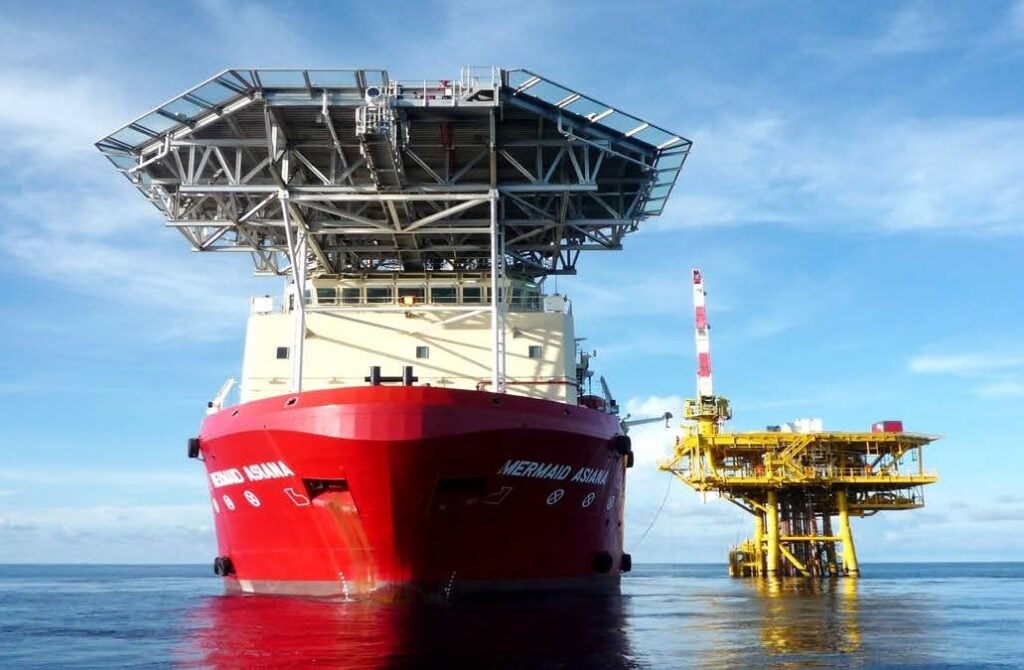
Mermaid Maritime continues global expansion with joint venture in Brunei

In 60 seconds

Top move

A new 50/50 JV in Brunei expands regional decommissioning and installation capacity — this increases the pool of local T&I (transport & installation) and decommissioning providers that can be contracted for APAC P&A jobs

Key takeaways

  • A new 50/50 JV in Brunei expands regional decommissioning and installation capacity — this increases the pool of local T&I (transport & installation) and decommissioning providers that can be contracted for APAC P&A jobs.[1]
  • Seatrium has completed the divestment of its 17‑unit tug fleet, removing immediate local towage assets from the Singapore market and changing where mobilisation support will be sourced.[3]
  • A Japan‑led ammonia bunkering demo in Singapore is an operational signal toward alternative vessel fuels; near‑term impact on P&A mobilisations is limited but it is a logistics and safety vector to monitor.[2]
  • Procurement levers now matter more: expect negotiations to focus on mobilisation commitments, local partner scopes, and pass‑through language as local supply footprints shift.[1]
  • Overall market signal is normal rather than urgent — these are measurable changes to supplier capacity and fuel options, not a systemic shock; treat them as active inputs to upcoming tenders and mobilisation plans.[3]

What changed since last run

  • Added concrete regional supplier events since last brief: Mermaid JV (Brunei) introduces new local decommissioning capability versus prior assumption of longer repositioning legs.
  • Seatrium completed a tugboat fleet sale since the prior run, concretely reducing a pool of local towage assets in Singapore.
  • New demo project on ammonia bunkering in Singapore was reported; this was not in prior run and introduces a fuel‑handling change vector for future mobilisations.

Key facts

  • 50% ownership by Mermaid Subsea Services (Thailand) Ltd
  • Primary activities: decommissioning, T&I, IRM and pipeline projects
  • Investment funded from internal resources
  • Completion of divestment of 17 tugboats in Singapore
  • Sale expected to generate S$104 million (announced proceeds)
  • Company cites annualized cost savings upon completion

Why it matters

A new 50/50 JV in Brunei expands regional decommissioning and installation capacity — this increases the pool of local T&I (transport & installation) and decommissioning providers that can be contracted for APAC P&A jobs. Seatrium has completed the divestment of its 17‑unit tug fleet, removing immediate local towage assets from the Singapore market and changing where mobilisation support will be sourced. A Japan‑led ammonia bunkering demo in Singapore is an operational signal toward alternative vessel fuels; near‑term impact on P&A mobilisations is limited but it is a logistics and safety vector to monitor. Procurement levers now matter more: expect negotiations to focus on mobilisation commitments, local partner scopes, and pass‑through language as local supply footprints shift

Cost / money

  • Local T&I and decommissioning capability in Brunei can lower long transit mobilisation cost if buyers shift work to nearer vendors, but may come with local mobilisation or local‑content pricing that changes quote comparators.[1]
  • Removal of Seatrium’s tug fleet tightens short‑notice towage options in Singapore, which can increase day‑rates or push buyers to accept longer repositioning legs and higher incidental bunker and charter exposure.[3]

Supplier / commercial

  • A JV funded from internal resources suggests the new local provider can be commercially flexible and move quickly on scope‑of‑work offers, shifting leverage in negotiations for local APAC jobs.[1]
  • Asset divestments by major suppliers (tug fleet sale) indicate some players pruning non‑core assets and seeking cost savings, which tends to reduce supplier breadth and increase the value of locked mobilisation commitments.[3]

Safety / operations

  • The ammonia bunkering demo implies new bunker procedures and safety interfaces for vessels — Ops must expect additional technical and emergency‑response checks if alternative fuels are present during mobilisation or transit.[2]
  • Greater local execution (T&I, IRM, decommissioning) shortens transits but shifts permit, port‑compliance and onshore subcontractor coordination onto the buyer and local ops teams; readiness windows must be validated.[1]

What to watch

  • Watch whether reduced local towage capacity forces suppliers to pass through higher standby or mobilisation premiums — supplier proposals may shorten validity windows or add conditional surcharges.[3]
  • Watch the scope and ownership models emerging from new local JVs and AMPV/alternative‑fuel pilots; they can introduce different liability, service‑level, and insurance expectations into awards.[2]

Top stories

Story 1Offshore EnergyApr 27, 2026

Mermaid Maritime continues global expansion with joint venture in Brunei

Signal strongSource-grounded

What happened

Mermaid Maritime has formed a 50/50 joint venture in Brunei to provide offshore transport & installation, installation/repair/maintenance, decommissioning and pipeline services. The JV is locally focused and funded from Mermaid’s internal resources, which makes it a ready regional execution option for APAC P&A work. Watch whether the JV starts offering fixed mobilisation slots or integrated service packages that shift award calculus toward local suppliers

Buyer takeaway

Treat this as an actionable local supply expansion because it creates nearer execution options that can reduce transit exposure and change award comparisons

Cost / money

Directionally lowers long repositioning and incidental bunker exposure if tasks can be done locally, but may come with local mobilisation premiums or content requirements

Supplier / commercial

A locally funded JV can move quickly on commercial offers and may demand mobilisation commitments or preferred‑supplier terms in exchange for local prioritisation

Safety / operations

Local execution reduces transit time but increases the need to validate local permit, port compliance and subcontractor safety records before award

What to watch

Watch whether the JV bundles services and shortens quote validity or ties mobilisation to local‑content clauses that shift scope or risk

Key facts

  • 50% ownership by Mermaid Subsea Services (Thailand) Ltd
  • Primary activities: decommissioning, T&I, IRM and pipeline projects
  • Investment funded from internal resources

Source excerpts

According to Mermaid Maritime, the investment is funded from internal resources
The entity’s primary activities include energy technical services, cable installation and offshore construction projects
A for services in the oil & gas industry, including diving, vessel supply, remotely operated vehicle (ROV) and all other associated services, announced in November
Story 2Offshore EnergyApr 27, 2026

Seatrium ticks tugboat fleet sale off non-core asset divestment list

Signal moderateSource-grounded

What happened

Seatrium has completed the sale of its 17‑boat tug fleet in Singapore, a divestment the company says helps cut costs and refocus on core activities. The sale removes a known pool of local towage assets and can change short‑notice towage and standby availability for APAC mobilisations. Watch for increasing reliance on third‑party tugs or longer repositioning legs when planning near‑term mobilisation windows

Buyer takeaway

Treat completed asset divestment as a real reduction in available short‑notice towage capacity that affects mobilisation planning

Cost / money

Tug scarcity can push up short‑notice day‑rates and incidental bunker/charter costs due to longer waits or repositioning

Supplier / commercial

Sellers trimming fleets suggests a supplier population that will prioritise core fleet assignments and may tighten quote windows or demand higher standby fees

Safety / operations

Fewer local tugs can complicate manoeuvres, increase transit complexity, and require Ops to revalidate emergency towage and medevac plans for mobilisations

What to watch

Watch suppliers monetising limited towage by demanding firmer award timelines, higher standby rates, or exclusive mobilisation slots

Key facts

  • Completion of divestment of 17 tugboats in Singapore
  • Sale expected to generate S$104 million (announced proceeds)
  • Company cites annualized cost savings upon completion

Source excerpts

Seatrium yard; Source: Seatrium Seatrium completed the divestment of its fleet of 17 tugboats in Singapore on April 24, 2026
Home Fossil Energy Seatrium ticks tugboat fleet sale off non-core asset divestment list April 27, 2026, by Singapore-based offshore, marine, and energy solutions provider Seatrium has brought to a close the disposal of its tugboat fleet as it continues its mission to part ways with non-core assets in its portfolio
Home Fossil Energy Seatrium ticks tugboat fleet sale off non-core asset divestment list April 27, 2026, by Singapore-based offshore, marine, and energy solutions provider Seatrium has brought to a close the disposal of its tugboat fleet as it continues its mission to part ways with non-core assets in its portfolio. Seatrium yard; Source: Seatrium Seatrium completed the divestment of its fleet of 17 tugboats in Singapore on April 24, 2026
Story 3Offshore EnergyApr 27, 2026

Japanese trio launches demo project on ammonia supply for vessels in Singapore

Signal limitedDirectional

What happened

A consortium of Japanese shipping and trading firms has launched a demo project to trial ship‑to‑ship ammonia bunkering in Singapore, backed by a government grant and linked FEED/ownership studies. The work is focused on establishing safe procedures and technical feasibility rather than immediate commercial bunkering, so effects on P&A operations are indirect for now. Watch whether operators begin specifying alternative‑fuel handling requirements in mobilisations or require new supplier certifications

Buyer takeaway

Treat the demo as a forward‑looking logistics and safety vector rather than an immediate supplier replacement; plan to engage fuel suppliers as pilots move to commercial phase

Cost / money

Alternative fuel trials can change future bunker cost structures and create new pass‑through or capex demands for specialised bunkering vessels

Supplier / commercial

Early pilots often involve grant‑supported operators and complex ownership models; expect non‑standard commercial terms until the model stabilises

Safety / operations

Ammonia handling adds new hazard classes and procedural requirements—Ops should anticipate stronger safety verification and insurance conversations for any job touching demo sites

What to watch

Limited immediate relevance but watch for pilot outcomes that could introduce fuel‑handling clauses, new certification requirements, or port restrictions into mobilisation contracts

Key facts

  • Demo project coordinated by Sumitomo Corporation with K Line and NYK
  • Project includes ship‑to‑ship transfer trials and FEED/ownership studies
  • Selected for a FY2024 supplementary budget grant to support demonstration work

Source excerpts

Sumitomo Corporation Coordinated by Sumitomo, the project will see the companies conduct a trial supply of ammonia fuel using the ship-to-ship (STS) transfer method, employing a bunkering vessel that complies with the requirements set by the Singapore Government, marking the first demonstration of ammonia bunkering by the collaborators. The feasibility studies will assess supply facilities while managing operational risks, establishing procedures, and evaluating environmental and safety factors to confirm the v
Given the substantial costs associated with the demonstration phase, the financial support from this grant will be pivotal in ensuring the project’s viability and successful execution,” Sumitomo said
Home Clean Fuel Japanese trio launches demo project on ammonia supply for vessels in Singapore April 27, 2026, by Japan’s Sumitomo Corporation, Kawasaki Kisen Kaisha (“K” Line), and Nippon Yusen Kabushiki Kaisha (NYK Line) have jointly applied to run a demonstration project on the supply of ammonia fuel for vessels in Singapore, building on their memorandum of understanding (MoU) from last month to conduct a front-end engineering design (FEED) study and explore the ownership of a newbuild ammonia bunkering vessel

VP Snapshot

Executive Risk & Action View

A new 50/50 JV in Brunei expands regional decommissioning and installation capacity — this increases the pool of local T&I (transport & installation) and decommissioning providers that can be contracted for APAC P&A jobs.

Overall
60
Cost
79
Supply
43
Schedule
20
Compliance
35

Top signals

30-180dcost

Signal 1: Cost / money

Local T&I and decommissioning capability in Brunei can lower long transit mobilisation cost if buyers shift work to nearer vendors, but may come with local mobilisation or local‑content pricing that changes quote comparators.

Signal 4: Supplier / commercial

Asset divestments by major suppliers (tug fleet sale) indicate some players pruning non‑core assets and seeking cost savings, which tends to reduce supplier breadth and increase the value of locked mobilisation commitments.

180d+cost

Signal 2: Cost / money

Removal of Seatrium’s tug fleet tightens short‑notice towage options in Singapore, which can increase day‑rates or push buyers to accept longer repositioning legs and higher incidental bunker and charter exposure.

30-180dcommercial

Signal 3: Supplier / commercial

A JV funded from internal resources suggests the new local provider can be commercially flexible and move quickly on scope‑of‑work offers, shifting leverage in negotiations for local APAC jobs.

30-180dsupplier

Signal 5: Safety / operations

The ammonia bunkering demo implies new bunker procedures and safety interfaces for vessels — Ops must expect additional technical and emergency‑response checks if alternative fuels are present during mobilisation or transit.

0-30dregulatory

Signal 6: Safety / operations

Greater local execution (T&I, IRM, decommissioning) shortens transits but shifts permit, port‑compliance and onshore subcontractor coordination onto the buyer and local ops teams; readiness windows must be validated.

Recommended actions

CategoryDue 3d

Run a rapid availability check of towage and harbour support in Singapore and nearby APAC hubs.

Validated tug availability matrix and flagged mobilisation routes with elevated towage or standby risk.

ContractsDue 21d

Ask Contracts to update tender templates to require explicit local mobilisation commitments, maximum quote‑validity windows, and pass‑through disclosure from regional partners.

Tender templates amended to include enforceable mobilisation commitments, capped quote‑validity periods, and disclosure of conditional surcharges.

OpsDue 21d

Task Ops to map alternative fuel and bunkering options (including ammonia trial sites) around key mobilisation ports and identify safety readiness gaps.

Operational map of bunker/fuel options with identified safety gaps and required procedural updates for mobilisations.

CategoryDue 60d

Negotiate framework agreements with regional T&I and decommissioning providers (including newly formed local JVs) to secure priority mobilisation slots and surge support.

Frameworks in place that secure preferred mobilisation access and require reporting on mobilisation readiness and surcharge triggers.

LegalDue 60d

Commission Legal and Contracts to review indemnity and insurance language related to alternative fuels and local‑partner operations, and to specify owner/supplier responsibilities.

Updated indemnity and insurance clauses that reflect alternative‑fuel operations and local partner roles during mobilisation and execution.

Risk register

RiskTriggerMitigation
Watch whether reduced local towage capacity forces suppliers to pass through higher standby or mobilisation premiums — supplier proposals may shorten validity windows or add conditional surcharges.Watch whether reduced local towage capacity forces suppliers to pass through higher standby or mobilisation premiums — supplier proposals may shorten validity windows or add conditional surcharges.Confirm exposure with category, contracts, and operations before the next supplier commitment.
Watch the scope and ownership models emerging from new local JVs and AMPV/alternative‑fuel pilots; they can introduce different liability, service‑level, and insurance expectations into awards.Watch the scope and ownership models emerging from new local JVs and AMPV/alternative‑fuel pilots; they can introduce different liability, service‑level, and insurance expectations into awards.Confirm exposure with category, contracts, and operations before the next supplier commitment.

CM Snapshot

Category Manager Decision Detail

Today's priorities

Run a rapid availability check of towage and harbour support in Singapore and nearby APAC hubs.

Do this because Seatrium’s completed tug sale removes 17 local tugs and could change immediate towage availability and day‑rate exposure for upcoming mobilisations.

Due 3d

high

CM move

Use this as the immediate supplier or contract action to move before the next sourcing gate.

Ask Contracts to update tender templates to require explicit local mobilisation commitments, maximum quote‑validity windows, and pass‑through disclosure from regional partners.

Do this because new local providers and supplier divestments make mobilisation availability and conditional surcharges more likely, and contract terms are the primary lever to l...

Due 21d

high

CM move

Use this as the immediate supplier or contract action to move before the next sourcing gate.

Task Ops to map alternative fuel and bunkering options (including ammonia trial sites) around key mobilisation ports and identify safety readiness gaps.

Do this because the Singapore ammonia bunkering demo introduces potential changes to vessel fuel logistics and on‑shore/offshore safety procedures that could affect mobilisation...

Due 21d

high

CM move

Use this as the immediate supplier or contract action to move before the next sourcing gate.

Negotiate framework agreements with regional T&I and decommissioning providers (including newly formed local JVs) to secure priority mobilisation slots and surge support.

Do this because expanding local capacity and simultaneous asset divestments can create pockets of tightness; frameworks are the mechanism to obtain execution priority and cleare...

Due 60d

high

CM move

Use this as the immediate supplier or contract action to move before the next sourcing gate.

Supplier radar

Offshore Energy

high

Observed supplier signal

A JV funded from internal resources suggests the new local provider can be commercially flexible and move quickly on scope‑of‑work offers, shifting leverage in negotiations for local APAC jobs.

Commercial implication

A JV funded from internal resources suggests the new local provider can be commercially flexible and move quickly on scope‑of‑work offers, shifting leverage in negotiations for local APAC jobs.

Next step: Validate the source-backed signal with incumbents and alternates before the next award or pricing decision.

Offshore Energy

high

Observed supplier signal

Asset divestments by major suppliers (tug fleet sale) indicate some players pruning non‑core assets and seeking cost savings, which tends to reduce supplier breadth and increase the value of locked mobilisation commitments.

Commercial implication

Asset divestments by major suppliers (tug fleet sale) indicate some players pruning non‑core assets and seeking cost savings, which tends to reduce supplier breadth and increase the value of locked mobilisation commitments.

Next step: Validate the source-backed signal with incumbents and alternates before the next award or pricing decision.

Negotiation levers

Run a rapid availability check of towage and harbour support in Singapore and nearby APAC hubs.

When to use: Do this because Seatrium’s completed tug sale removes 17 local tugs and could change immediate towage availability and day‑rate exposure for upcoming mobilisations.

Expected outcome: Validated tug availability matrix and flagged mobilisation routes with elevated towage or standby risk.

Commercial mechanism to carry into the next supplier conversation

Ask Contracts to update tender templates to require explicit local mobilisation commitments, maximum quote‑validity windows, and pass‑through disclosure from regional partners.

When to use: Do this because new local providers and supplier divestments make mobilisation availability and conditional surcharges more likely, and contract terms are the primary lever to l...

Expected outcome: Tender templates amended to include enforceable mobilisation commitments, capped quote‑validity periods, and disclosure of conditional surcharges.

Commercial mechanism to carry into the next supplier conversation

Task Ops to map alternative fuel and bunkering options (including ammonia trial sites) around key mobilisation ports and identify safety readiness gaps.

When to use: Do this because the Singapore ammonia bunkering demo introduces potential changes to vessel fuel logistics and on‑shore/offshore safety procedures that could affect mobilisation...

Expected outcome: Operational map of bunker/fuel options with identified safety gaps and required procedural updates for mobilisations.

Commercial mechanism to carry into the next supplier conversation

Negotiate framework agreements with regional T&I and decommissioning providers (including newly formed local JVs) to secure priority mobilisation slots and surge support.

When to use: Do this because expanding local capacity and simultaneous asset divestments can create pockets of tightness; frameworks are the mechanism to obtain execution priority and cleare...

Expected outcome: Frameworks in place that secure preferred mobilisation access and require reporting on mobilisation readiness and surcharge triggers.

Commercial mechanism to carry into the next supplier conversation

Talking points

A new 50/50 JV in Brunei expands regional decommissioning and installation capacity — this increases the pool of local T&I (transport & installation) and decommissioning providers that can be contracted for APAC P&A jobs.
Seatrium has completed the divestment of its 17‑unit tug fleet, removing immediate local towage assets from the Singapore market and changing where mobilisation support will be sourced.
A Japan‑led ammonia bunkering demo in Singapore is an operational signal toward alternative vessel fuels; near‑term impact on P&A mobilisations is limited but it is a logistics and safety vector to monitor.
Procurement levers now matter more: expect negotiations to focus on mobilisation commitments, local partner scopes, and pass‑through language as local supply footprints shift.

Supplier radar

SupplierSignalImplicationNext stepConfidence
Offshore EnergyA JV funded from internal resources suggests the new local provider can be commercially flexible and move quickly on scope‑of‑work offers, shifting leverage in negotiations for local APAC jobs.A JV funded from internal resources suggests the new local provider can be commercially flexible and move quickly on scope‑of‑work offers, shifting leverage in negotiations for local APAC jobs.Validate the source-backed signal with incumbents and alternates before the next award or pricing decision.high
Offshore EnergyAsset divestments by major suppliers (tug fleet sale) indicate some players pruning non‑core assets and seeking cost savings, which tends to reduce supplier breadth and increase the value of locked mobilisation commitments.Asset divestments by major suppliers (tug fleet sale) indicate some players pruning non‑core assets and seeking cost savings, which tends to reduce supplier breadth and increase the value of locked mobilisation commitments.Validate the source-backed signal with incumbents and alternates before the next award or pricing decision.high

Negotiation levers

  • Run a rapid availability check of towage and harbour support in Singapore and nearby APAC hubs.Do this because Seatrium’s completed tug sale removes 17 local tugs and could change immediate towage availability and day‑rate exposure for upcoming mobilisations.Validated tug availability matrix and flagged mobilisation routes with elevated towage or standby risk.

    high confidence

  • Ask Contracts to update tender templates to require explicit local mobilisation commitments, maximum quote‑validity windows, and pass‑through disclosure from regional partners.Do this because new local providers and supplier divestments make mobilisation availability and conditional surcharges more likely, and contract terms are the primary lever to l...Tender templates amended to include enforceable mobilisation commitments, capped quote‑validity periods, and disclosure of conditional surcharges.

    high confidence

  • Task Ops to map alternative fuel and bunkering options (including ammonia trial sites) around key mobilisation ports and identify safety readiness gaps.Do this because the Singapore ammonia bunkering demo introduces potential changes to vessel fuel logistics and on‑shore/offshore safety procedures that could affect mobilisation...Operational map of bunker/fuel options with identified safety gaps and required procedural updates for mobilisations.

    high confidence

  • Negotiate framework agreements with regional T&I and decommissioning providers (including newly formed local JVs) to secure priority mobilisation slots and surge support.Do this because expanding local capacity and simultaneous asset divestments can create pockets of tightness; frameworks are the mechanism to obtain execution priority and cleare...Frameworks in place that secure preferred mobilisation access and require reporting on mobilisation readiness and surcharge triggers.

    high confidence

What to do / What to watch

What to do now

  • Run a rapid availability check of towage and harbour support in Singapore and nearby APAC hubs.

    Why: Do this because Seatrium’s completed tug sale removes 17 local tugs and could change immediate towage availability and day‑rate exposure for upcoming mobilisations.

    Owner: Category

    Expected outcome: Validated tug availability matrix and flagged mobilisation routes with elevated towage or standby risk.

    [3]

Next few weeks

  • Ask Contracts to update tender templates to require explicit local mobilisation commitments, maximum quote‑validity windows, and pass‑through disclosure from regional partners.

    Why: Do this because new local providers and supplier divestments make mobilisation availability and conditional surcharges more likely, and contract terms are the primary lever to l...

    Owner: Contracts

    Expected outcome: Tender templates amended to include enforceable mobilisation commitments, capped quote‑validity periods, and disclosure of conditional surcharges.

    [1]
  • Task Ops to map alternative fuel and bunkering options (including ammonia trial sites) around key mobilisation ports and identify safety readiness gaps.

    Why: Do this because the Singapore ammonia bunkering demo introduces potential changes to vessel fuel logistics and on‑shore/offshore safety procedures that could affect mobilisation...

    Owner: Ops

    Expected outcome: Operational map of bunker/fuel options with identified safety gaps and required procedural updates for mobilisations.

    [2]

Longer view

  • Negotiate framework agreements with regional T&I and decommissioning providers (including newly formed local JVs) to secure priority mobilisation slots and surge support.

    Why: Do this because expanding local capacity and simultaneous asset divestments can create pockets of tightness; frameworks are the mechanism to obtain execution priority and cleare...

    Owner: Category

    Expected outcome: Frameworks in place that secure preferred mobilisation access and require reporting on mobilisation readiness and surcharge triggers.

    [1][3]
  • Commission Legal and Contracts to review indemnity and insurance language related to alternative fuels and local‑partner operations, and to specify owner/supplier responsibilities.

    Why: Do this because new fuel handling models and local partner execution change liability and insurance exposure during mobilisations and decommissioning activities.

    Owner: Legal

    Expected outcome: Updated indemnity and insurance clauses that reflect alternative‑fuel operations and local partner roles during mobilisation and execution.

    [2]

What to watch

  • Watch whether reduced local towage capacity forces suppliers to pass through higher standby or mobilisation premiums — supplier proposals may shorten validity windows or add conditional surcharges
  • Watch the scope and ownership models emerging from new local JVs and AMPV/alternative‑fuel pilots; they can introduce different liability, service‑level, and insurance expectations into awards
  • Watch whether reduced local towage capacity forces suppliers to pass through higher standby or mobilisation premiums — supplier proposals may shorten validity windows or add conditional surcharges.: Watch whether reduced local towage capacity forces suppliers to pass through higher standby or mobilisation premiums — supplier proposals may shorten validity windows or add conditional surcharges
  • Watch the scope and ownership models emerging from new local JVs and AMPV/alternative‑fuel pilots; they can introduce different liability, service‑level, and insurance expectations into awards.: Watch the scope and ownership models emerging from new local JVs and AMPV/alternative‑fuel pilots; they can introduce different liability, service‑level, and insurance expectations into awards
  • A new 50/50 JV in Brunei expands regional decommissioning and installation capacity — this increases the pool of local T&I (transport & installation) and decommissioning providers that can be contracted for APAC P&A jobs
  • Seatrium has completed the divestment of its 17‑unit tug fleet, removing immediate local towage assets from the Singapore market and changing where mobilisation support will be sourced
  • A Japan‑led ammonia bunkering demo in Singapore is an operational signal toward alternative vessel fuels; near‑term impact on P&A mobilisations is limited but it is a logistics and safety vector to monitor
  • Procurement levers now matter more: expect negotiations to focus on mobilisation commitments, local partner scopes, and pass‑through language as local supply footprints shift

Market pulse

IndexLatestChangeAs of
WTI Crude (WTI)71.23 /bbl+0.00 (+0.00%)Apr 27, 2026, 10:09 PM
Brent Crude (BRENT)74.89 /bbl+0.00 (+0.00%)Apr 27, 2026, 10:09 PM
Natural Gas (NG)3.12 /MMBtu+0.00 (+0.00%)Apr 27, 2026, 10:09 PM
Baltic Dry (BDI)1,245 pts+0.00 (+0.00%)Apr 27, 2026, 10:09 PM
  • Baltic Dry: Baltic Dry reference: shipping tightness increases mobilisation and repositioning costs; monitor for longer legs or higher day‑rates
  • Natural Gas: Natural gas reference: energy price moves can influence bunker and pass‑through clauses; watch for supplier surcharge language tied to fuel indices

Sources

Inline citations jump here. Expand a source to read the excerpt, the AI interpretation, and the original link.

[1] Mermaid Maritime continues global expansion with joint venture in Brunei

offshore-energy.biz · Apr 27, 2026

Expand

AI reading

Mermaid Maritime has formed a 50/50 joint venture in Brunei to provide offshore transport & installation, installation/repair/maintenance, decommissioning and pipeline services. The JV is locally focused and funded from Mermaid’s internal resources, which makes it a ready regional execution option for APAC P&A work. Watch whether the JV starts offering fixed mobilisation slots or integrated service packages that shift award calculus toward local suppliers

Buyer takeaway

Treat this as an actionable local supply expansion because it creates nearer execution options that can reduce transit exposure and change award comparisons

Cost / money

Directionally lowers long repositioning and incidental bunker exposure if tasks can be done locally, but may come with local mobilisation premiums or content requirements

Supplier / commercial

A locally funded JV can move quickly on commercial offers and may demand mobilisation commitments or preferred‑supplier terms in exchange for local prioritisation

Safety / operations

Local execution reduces transit time but increases the need to validate local permit, port compliance and subcontractor safety records before award

What to watch

Watch whether the JV bundles services and shortens quote validity or ties mobilisation to local‑content clauses that shift scope or risk

Key facts

  • 50% ownership by Mermaid Subsea Services (Thailand) Ltd
  • Primary activities: decommissioning, T&I, IRM and pipeline projects
  • Investment funded from internal resources

Source excerpts

According to Mermaid Maritime, the investment is funded from internal resources
The entity’s primary activities include energy technical services, cable installation and offshore construction projects
A for services in the oil & gas industry, including diving, vessel supply, remotely operated vehicle (ROV) and all other associated services, announced in November

Used in this brief

  • Supplier / commercial: A JV funded from internal resources suggests the new local provider can be commercially flexible and move quickly on scope‑of‑work offers, shifting leverage in negotiations for local APAC jobs
  • Next 2-4 weeks — Ask Contracts to update tender templates to require explicit local mobilisation commitments, maximum quote‑validity windows, and pass‑through disclosure from regional partners.. Rationale: Do this because new local providers and supplier divestments make mobilisation availability and conditional surcharges more likely, and contract terms are the primary lever to l.... Owner: Contracts. KPI: Tender templates amended to include enforceable mobilisation commitments, capped quote‑validity periods, and disclosure of conditional surcharges
  • Next quarter — Negotiate framework agreements with regional T&I and decommissioning providers (including newly formed local JVs) to secure priority mobilisation slots and surge support.. Rationale: Do this because expanding local capacity and simultaneous asset divestments can create pockets of tightness; frameworks are the mechanism to obtain execution priority and cleare.... Owner: Category. KPI: Frameworks in place that secure preferred mobilisation access and require reporting on mobilisation readiness and surcharge triggers
Open original source

[2] Japanese trio launches demo project on ammonia supply for vessels in Singapore

offshore-energy.biz · Apr 27, 2026

Expand

AI reading

A consortium of Japanese shipping and trading firms has launched a demo project to trial ship‑to‑ship ammonia bunkering in Singapore, backed by a government grant and linked FEED/ownership studies. The work is focused on establishing safe procedures and technical feasibility rather than immediate commercial bunkering, so effects on P&A operations are indirect for now. Watch whether operators begin specifying alternative‑fuel handling requirements in mobilisations or require new supplier certifications

Buyer takeaway

Treat the demo as a forward‑looking logistics and safety vector rather than an immediate supplier replacement; plan to engage fuel suppliers as pilots move to commercial phase

Cost / money

Alternative fuel trials can change future bunker cost structures and create new pass‑through or capex demands for specialised bunkering vessels

Supplier / commercial

Early pilots often involve grant‑supported operators and complex ownership models; expect non‑standard commercial terms until the model stabilises

Safety / operations

Ammonia handling adds new hazard classes and procedural requirements—Ops should anticipate stronger safety verification and insurance conversations for any job touching demo sites

What to watch

Limited immediate relevance but watch for pilot outcomes that could introduce fuel‑handling clauses, new certification requirements, or port restrictions into mobilisation contracts

Key facts

  • Demo project coordinated by Sumitomo Corporation with K Line and NYK
  • Project includes ship‑to‑ship transfer trials and FEED/ownership studies
  • Selected for a FY2024 supplementary budget grant to support demonstration work

Source excerpts

Sumitomo Corporation Coordinated by Sumitomo, the project will see the companies conduct a trial supply of ammonia fuel using the ship-to-ship (STS) transfer method, employing a bunkering vessel that complies with the requirements set by the Singapore Government, marking the first demonstration of ammonia bunkering by the collaborators. The feasibility studies will assess supply facilities while managing operational risks, establishing procedures, and evaluating environmental and safety factors to confirm the v
Given the substantial costs associated with the demonstration phase, the financial support from this grant will be pivotal in ensuring the project’s viability and successful execution,” Sumitomo said
Home Clean Fuel Japanese trio launches demo project on ammonia supply for vessels in Singapore April 27, 2026, by Japan’s Sumitomo Corporation, Kawasaki Kisen Kaisha (“K” Line), and Nippon Yusen Kabushiki Kaisha (NYK Line) have jointly applied to run a demonstration project on the supply of ammonia fuel for vessels in Singapore, building on their memorandum of understanding (MoU) from last month to conduct a front-end engineering design (FEED) study and explore the ownership of a newbuild ammonia bunkering vessel

Used in this brief

  • Next 2-4 weeks — Task Ops to map alternative fuel and bunkering options (including ammonia trial sites) around key mobilisation ports and identify safety readiness gaps.. Rationale: Do this because the Singapore ammonia bunkering demo introduces potential changes to vessel fuel logistics and on‑shore/offshore safety procedures that could affect mobilisation.... Owner: Ops. KPI: Operational map of bunker/fuel options with identified safety gaps and required procedural updates for mobilisations
  • Next quarter — Commission Legal and Contracts to review indemnity and insurance language related to alternative fuels and local‑partner operations, and to specify owner/supplier responsibilities.. Rationale: Do this because new fuel handling models and local partner execution change liability and insurance exposure during mobilisations and decommissioning activities.. Owner: Legal. KPI: Updated indemnity and insurance clauses that reflect alternative‑fuel operations and local partner roles during mobilisation and execution
  • Watch the scope and ownership models emerging from new local JVs and AMPV/alternative‑fuel pilots; they can introduce different liability, service‑level, and insurance expectations into awards
Open original source

[3] Seatrium ticks tugboat fleet sale off non-core asset divestment list

offshore-energy.biz · Apr 27, 2026

Expand

AI reading

Seatrium has completed the sale of its 17‑boat tug fleet in Singapore, a divestment the company says helps cut costs and refocus on core activities. The sale removes a known pool of local towage assets and can change short‑notice towage and standby availability for APAC mobilisations. Watch for increasing reliance on third‑party tugs or longer repositioning legs when planning near‑term mobilisation windows

Buyer takeaway

Treat completed asset divestment as a real reduction in available short‑notice towage capacity that affects mobilisation planning

Cost / money

Tug scarcity can push up short‑notice day‑rates and incidental bunker/charter costs due to longer waits or repositioning

Supplier / commercial

Sellers trimming fleets suggests a supplier population that will prioritise core fleet assignments and may tighten quote windows or demand higher standby fees

Safety / operations

Fewer local tugs can complicate manoeuvres, increase transit complexity, and require Ops to revalidate emergency towage and medevac plans for mobilisations

What to watch

Watch suppliers monetising limited towage by demanding firmer award timelines, higher standby rates, or exclusive mobilisation slots

Key facts

  • Completion of divestment of 17 tugboats in Singapore
  • Sale expected to generate S$104 million (announced proceeds)
  • Company cites annualized cost savings upon completion

Source excerpts

Seatrium yard; Source: Seatrium Seatrium completed the divestment of its fleet of 17 tugboats in Singapore on April 24, 2026
Home Fossil Energy Seatrium ticks tugboat fleet sale off non-core asset divestment list April 27, 2026, by Singapore-based offshore, marine, and energy solutions provider Seatrium has brought to a close the disposal of its tugboat fleet as it continues its mission to part ways with non-core assets in its portfolio
Home Fossil Energy Seatrium ticks tugboat fleet sale off non-core asset divestment list April 27, 2026, by Singapore-based offshore, marine, and energy solutions provider Seatrium has brought to a close the disposal of its tugboat fleet as it continues its mission to part ways with non-core assets in its portfolio. Seatrium yard; Source: Seatrium Seatrium completed the divestment of its fleet of 17 tugboats in Singapore on April 24, 2026

Used in this brief

  • Cost / money: Removal of Seatrium’s tug fleet tightens short‑notice towage options in Singapore, which can increase day‑rates or push buyers to accept longer repositioning legs and higher incidental bunker and charter exposure
  • Supplier / commercial: Asset divestments by major suppliers (tug fleet sale) indicate some players pruning non‑core assets and seeking cost savings, which tends to reduce supplier breadth and increase the value of locked mobilisation commitments
  • Next 72 hours — Run a rapid availability check of towage and harbour support in Singapore and nearby APAC hubs.. Rationale: Do this because Seatrium’s completed tug sale removes 17 local tugs and could change immediate towage availability and day‑rate exposure for upcoming mobilisations.. Owner: Category. KPI: Validated tug availability matrix and flagged mobilisation routes with elevated towage or standby risk
Open original source

[4] Baltic Dry

finance.yahoo.com · n.d.

Expand

[5] Natural Gas

finance.yahoo.com · n.d.

Expand