Rigs & Integrated Drilling · International (Houston)

Adapt rig sourcing to fuel retrofits and regional demand shifts

Published Apr 27, 2026, 5:02 AM CSTINTERNATIONALFull category signal
Ask AI
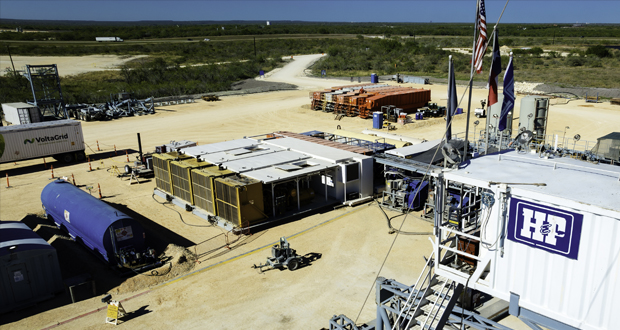
H&P breathes new life into existing diesel engines with dual-fuel gas-blending system

In 60 seconds

Top move

Dual‑fuel retrofits are now field‑proven on working rigs, reducing diesel dependence and shifting fuel-cost and emissions conversations from capex replacement to retrofit procurement and maintenance planning

Key takeaways

  • Dual‑fuel retrofits are now field‑proven on working rigs, reducing diesel dependence and shifting fuel-cost and emissions conversations from capex replacement to retrofit procurement and maintenance planning.[2]
  • Namibia’s industry push for local content and training is turning from policy talk into real supplier and crew availability changes that buyers must account for in mobilization and local procurement scopes.[1]
  • Large frontier discoveries and planned appraisal programs in South America introduce potential new multi‑well campaigns but also bring processing constraints (notably higher CO2) that can increase downstream handling and contract scope.[3]
  • Low UK Continental Shelf drilling activity and ongoing tax uncertainty mean continued soft demand for rigs and services in the North Sea, keeping supplier pricing posture more flexible in that market.[4]
  • Watch whether the cited signal starts changing supplier availability, pricing posture, or execution timing.[5]

What changed since last run

  • Added concrete retrofit evidence: H&P/Caterpillar DGB Gen 2 deployments on active rigs (Article 3) that were not in the prior brief.
  • Added Namibia local‑content progress (Article 1) as a tangible local mobilization signal distinct from prior GeoPark-focused items.
  • Added South America frontier discovery context (Article 4) that raises CO2-processing and scope questions not covered previously.

Key facts

  • Petrofund has trained over 400 Namibians in oil/gas roles
  • Local procurement cited as tens of millions in local currency in recent quarter
  • Companies running joint training and Green Helmet programs in port locations
  • No new exploration wells drilled last year on the UK Continental Shelf
  • Industry groups point to tax regime as a primary investment hurdle
  • Low well counts translating into reduced contractor workload

Why it matters

Dual‑fuel retrofits are now field‑proven on working rigs, reducing diesel dependence and shifting fuel-cost and emissions conversations from capex replacement to retrofit procurement and maintenance planning. Namibia’s industry push for local content and training is turning from policy talk into real supplier and crew availability changes that buyers must account for in mobilization and local procurement scopes. Large frontier discoveries and planned appraisal programs in South America introduce potential new multi‑well campaigns but also bring processing constraints (notably higher CO2) that can increase downstream handling and contract scope. Low UK Continental Shelf drilling activity and ongoing tax uncertainty mean continued soft demand for rigs and services in the North Sea, keeping supplier pricing posture more flexible in that market

Cost / money

  • Retrofit dual‑fuel kits convert existing diesel engines to run on blended gas, reducing ongoing diesel spend and altering the cost calculus between capex engine replacement and lower-cost retrofit maintenance.[2]
  • Higher CO2 content reported in some South America discoveries implies increased processing and treatment costs; buyers should expect capital or operating scope to expand for gas-handling and separation work if fields advance.[3]
  • UKCS tax and activity headwinds depress near‑term rig dayrate pressure in the North Sea, which can reduce spot rig costs but also lengthen supplier lead times for redeployment to higher‑demand regions.[4]

Supplier / commercial

  • Suppliers offering retrofit kits or installation services gain leverage for maintenance, spares, and performance‑based service contracts as operators choose retrofits over full engine replacement.[2]
  • Namibia’s local sourcing push creates an opportunity to reframe SOWs to include staged local content milestones and supplier upskilling obligations tied to payment or mobilization gates.[1]
  • Frontier programs in South America will likely attract specialized contractors and may produce one‑off or phased contracting models (appraisal then development) that shift negotiation toward scope‑flexible pricing and CO2 pass‑through clauses.[3]

Safety / operations

  • Dual‑fuel retrofits change engine maintenance and HSE profiles: crews need new operating procedures, spare‑parts stocking and gas‑handling training to keep uptime high during the retrofit learning curve.[2]
  • Compressed local workforce ramp in Namibia raises the need to validate training outcomes and hold operational acceptance milestones to avoid degraded safety performance from underprepared crews.[1]

What to watch

  • Appraise whether higher CO2 levels in new South America finds will force contract changes for gas treatment, CO2 management, or different service scopes — this is an early signal that could change project economics and supplier requirements.[3]

Top stories

Story 1Drilling ContractorApr 22, 2026

Focus on local capacity building can help ensure ‘the Namibian people win’ amid E&P boom

Signal strongSource-grounded

What happened

Industry and government in Namibia are actively pushing local workforce and supplier development ahead of expected offshore projects. Petrofund and operators are running training and small supplier programs now, and local firms are already participating on rigs and in procurement, making mobilization planning dependent on staged local sourcing. Watch whether those supplier partnerships scale quickly enough to meet operator campaign timelines

Buyer takeaway

Treat Namibia programs as operational constraints that should be encoded in mobilization SOWs and hold points because local content and training timelines will affect availability of crews and vendors

Cost / money

Expect some short-term premium around logistics and staged supplier onboarding as local vendors scale and need initial contracts to build capability

Supplier / commercial

Build staged commercial milestones and payment gates tied to verified capability to prevent paying for unproven local suppliers early

Safety / operations

Require competency verification and operational acceptance for newly trained crews before assigning high‑risk tasks to avoid safety regressions

What to watch

Watch whether announced training and local procurement convert into certified, inspectable capability on schedule or whether buyers will need to backfill with external crews

Key facts

  • Petrofund has trained over 400 Namibians in oil/gas roles
  • Local procurement cited as tens of millions in local currency in recent quarter
  • Companies running joint training and Green Helmet programs in port locations

Source excerpts

It calls for local content and carried participation in oil and gas to rise to 15% by 2030, up from 10% in 2024. In March 2025, Namibia published the final draft of its National Upstream Petroleum Local Content Policy, which outlines the government’s expectations for local participation and a framework for achieving them
Empowering and training local crews has been an important part of the company’s success, said Johnathan Shows, Operations Manager for Northern Ocean. “It’s people first,” Mr Shows said at the conference, calling the local crews engaged and capable
In March 2025, Namibia published the final draft of its National Upstream Petroleum Local Content Policy, which outlines the government’s expectations for local participation and a framework for achieving them. Promoting local content will be one of the responsibilities for Namibia’s new Upstream Petroleum Unit, established last year within the Office of the President as part of proposed amendments to the Petroleum Act
Story 2Drilling ContractorApr 22, 2026

UK offshore industry calls for policy changes that face market realities

Signal strongSource-grounded

What happened

The UK offshore sector reported an unusually low level of drilling activity and is lobbying on tax (the Energy Profits Levy), which is affecting investment decisions. That weak activity is already depressing contractor workload and will keep rig demand subdued until policy or investment signals change; buyers should expect softer dayrates and longer supplier lead times in the UK

Buyer takeaway

Use the current softness to secure more favorable commercial terms or short-term redeployments because suppliers face weak UK demand

Cost / money

Dayrate pressure may be downward in the UK, but moving assets between regions creates logistics and repositioning costs that need to be quantified

Supplier / commercial

Expect suppliers to offer flexible short-term pricing or redeployment terms to fill utilization gaps

Safety / operations

Extended idle time for assets or crews in low-activity markets can raise maintenance and competency management needs before redeployment

What to watch

Watch for policy changes or fiscal incentives that could quickly reverse market softness and create scramble effects

Key facts

  • No new exploration wells drilled last year on the UK Continental Shelf
  • Industry groups point to tax regime as a primary investment hurdle
  • Low well counts translating into reduced contractor workload

Source excerpts

We need continuity of work, where contracts can be put in place that brings rigs back to the UKCS
One of the key policies currently in the crosshairs is the Energy Profits Levy (EPL), a 38% tax on profits from oil and gas E&P on the UKCS
We’ve got the same geology here in the North Sea
Story 3Drilling ContractorApr 22, 2026

H&P breathes new life into existing diesel engines with dual-fuel gas-blending system

Signal strongSource-grounded

What happened

H&P and Caterpillar have deployed the DGB Gen 2 dual‑fuel gas blending kit across rigs, with installations already on multiple engines and rigs. The retrofit displaces a large share of diesel with natural gas and has documented diesel savings in field trials, making retrofits a practical procurement lever to cut fuel exposure without full engine replacement. Monitor spares availability and crew training needs as deployments scale

Buyer takeaway

Prioritize retrofit compatibility checks and lifecycle support terms in sourcing because retrofits create ongoing dependencies on kit suppliers for uptime

Cost / money

Retrofits reduce diesel spend and shift spend toward retrofit installation, spare parts and supplier lifecycle services

Supplier / commercial

Suppliers who install kits can negotiate tied spares, service contracts and training; expect them to push longer or performance-linked commercial arrangements

Safety / operations

Dual‑fuel operation introduces new operating parameters and spares profiles; enforce training and acceptance testing before full operational use

What to watch

Watch spare‑parts lead times and supplier capacity to support larger rollouts; early deployments can hide supply‑chain bottlenecks

Key facts

  • DGB Gen 2 installed on 50 engines across 12 rigs
  • Field trials showed peak displacement rates and significant diesel savings on single rigs
  • Retrofit approach avoids full engine replacement capex

Source excerpts

By retrofitting existing Cat 3512C Tier 2 diesel engines with the dual-fuel gas-blending system, those engines can now operate on a mix of diesel and natural gas. This allows H&P to use gas while preserving the redundancy of diesel
If we add these kits on these engines, they have a new life as a dual-fuel engine,” he said
As of April 2026, H&P has installed the DGB Gen 2 Kit on 50 engines across 12 rigs in its FlexRig fleet
Story 4Drilling ContractorApr 22, 2026

South America offshore market builds momentum with frontier exploration, steady progress

Signal moderateDirectional

What happened

South America offshore activity is building with new frontier discoveries and planned appraisal wells. Some findings report elevated CO2 levels that could complicate commercial development, meaning appraisal programs will determine whether projects require extra gas‑handling or CO2 mitigation scope. Procurement should watch appraisal outcomes to set expectations for equipment, processing scope and specialist contractors

Buyer takeaway

Treat appraisal programs as decision points that will change procurement scope; avoid locking long, inflexible supplier commitments before appraisal results

Cost / money

Elevated CO2 can increase processing and CAPEX/OPEX for treatment, shifting supplier and equipment needs

Supplier / commercial

Specialist contractors for gas treatment and CO2 handling will be in demand if appraisal confirms high CO2; expect premium pricing and scope negotiation

Safety / operations

Higher CO2 levels change processing safety and materials requirements; incorporate those checks into EHS and engineering acceptance

What to watch

Watch appraisal outcomes and any early procurement requests for CO2 treatment equipment that may carry long lead times

Key facts

  • Notable discoveries prompting planned appraisal and exploration wells
  • Reports of elevated CO2 in at least one major Santos Basin discovery
  • Appraisal wells planned to test commerciality and processing needs

Source excerpts

That area, in particular, is an area where you’d expect to find much more gas and much higher CO2 levels than what you’d see in the pre-salt layer. It could change some expectations
” BP reported elevated but undetermined levels of CO2 in the Bumerangue well, so it remains to be seen how commercial the discovery is. High CO2 levels would raise processing costs, making produced volumes more difficult to sell in a lower oil price market
It could change some expectations. ” BP reported elevated but undetermined levels of CO2 in the Bumerangue well, so it remains to be seen how commercial the discovery is
Story 5Worldoil

Exploration

Signal limitedSource-grounded

What happened

WorldOil’s exploration roundup compiles scattered discoveries and public dataset releases that are useful for long‑range planning rather than immediate procurement moves. The content provides inputs for capacity and routing assessments but lacks single, high‑impact contract impulses. Use it to support supplier capacity planning rather than trigger awards

Buyer takeaway

Incorporate aggregated exploration signals into quarterly capacity reviews because they influence medium‑term sourcing decisions

Cost / money

Limited immediate cost impact; useful for shaping future demand forecasts

Supplier / commercial

Suppliers may use compiled exploration narratives to justify capacity investments; verify before altering long‑term commitments

Safety / operations

No immediate operational safety effects identified from aggregated exploration notices

What to watch

Limited direct procurement signal—treat as background intelligence to inform qualification cycles

Key facts

  • Public releases of seismic datasets and scattered discovery notices
  • news useful for pipeline planning and resource mapping

Source excerpts

S. Bureau of Ocean Energy Management (BOEM) has released five legacy 3D seismic survey datasets covering portions of the Beaufort Sea, expanding public access to offshore Arctic geologic data that could support future exploration and energy planning in Alaska’s Outer Continental Shelf (OCS)
Information is provided 'as is' and solely for informational purposes, not for trading purposes or advice. To see all exchange delays and terms of use, please see disclaimer
News Petrobras confirms deepwater gas discovery offshore Colombia March 18, 2026 Petrobras has confirmed a new deepwater gas discovery at the Copoazu-1 well in Colombia’s offshore GUA-OFF-0 Block, expanding the region’s gas potential and supporting long-term energy supply through continued exploration activity

VP Snapshot

Executive Risk & Action View

Dual‑fuel retrofits are now field‑proven on working rigs, reducing diesel dependence and shifting fuel-cost and emissions conversations from capex replacement to retrofit procurement and maintenance planning.

Overall
66
Cost
79
Supply
25
Schedule
38
Compliance
15

Top signals

30-180dcost

Signal 1: Cost / money

Retrofit dual‑fuel kits convert existing diesel engines to run on blended gas, reducing ongoing diesel spend and altering the cost calculus between capex engine replacement and lower-cost retrofit maintenance.

Signal 2: Cost / money

Higher CO2 content reported in some South America discoveries implies increased processing and treatment costs; buyers should expect capital or operating scope to expand for gas-handling and separation work if fields advance.

Signal 3: Cost / money

UKCS tax and activity headwinds depress near‑term rig dayrate pressure in the North Sea, which can reduce spot rig costs but also lengthen supplier lead times for redeployment to higher‑demand regions.

30-180dcommercial

Signal 4: Supplier / commercial

Suppliers offering retrofit kits or installation services gain leverage for maintenance, spares, and performance‑based service contracts as operators choose retrofits over full engine replacement.

Signal 6: Supplier / commercial

Frontier programs in South America will likely attract specialized contractors and may produce one‑off or phased contracting models (appraisal then development) that shift negotiation toward scope‑flexible pricing and CO2 pass‑through clauses.

30-180dschedule

Signal 5: Supplier / commercial

Namibia’s local sourcing push creates an opportunity to reframe SOWs to include staged local content milestones and supplier upskilling obligations tied to payment or mobilization gates.

Recommended actions

OpsDue 3d

Ask Ops to validate which active rigs in our regional pool have Cat 3512C engines or compatible platforms for DGB retrofit.

Inventory of candidate rigs and a short list of retrofit‑compatible assets for procurement planning.

CategoryDue 3d

Request a quick commercial brief from Category on local‑content requirements and vendor relationships in Namibia.

Clear summary of local sourcing constraints and recommended contractual milestones for Namibia mobilizations.

CategoryDue 21d

Update RFP and prequalification templates to add: (a) retrofit installation experience for dual‑fuel kits, (b) spare‑parts lead‑time evidence, and (c) training/competency delive...

Revised PQ/RFP templates that screen suppliers for retrofit experience and maintenance readiness.

ContractsDue 21d

Ask Contracts to draft a modular clause for South America appraisal/development work that covers CO2 cost pass‑throughs and scope changes for gas treatment.

Standard addendum to attach to appraisal/development SOWs that clarifies responsibility for CO2 handling cost shifts.

OpsDue 21d

Work with Ops to define acceptance hold points and competency signoffs for any local‑hire crews and vendors used in Namibia mobilizations.

Checklist of hold points and competency evidence required before local crews can perform critical tasks.

CategoryDue 60d

Negotiate lifecycle service agreements with retrofit suppliers that include uptime guarantees, spares pools and defined training packages rather than one‑off installation fees.

Commercial terms that shift maintenance risk to suppliers and cap buyer exposure to retrofit-related downtime.

Risk register

RiskTriggerMitigation
Appraise whether higher CO2 levels in new South America finds will force contract changes for gas treatment, CO2 management, or different service scopes — this is an early signal that could change project economics and supplier requirements.Appraise whether higher CO2 levels in new South America finds will force contract changes for gas treatment, CO2 management, or different service scopes — this is an early signal that could change project economics and supplier requirements.Confirm exposure with category, contracts, and operations before the next supplier commitment.

CM Snapshot

Category Manager Decision Detail

Today's priorities

Ask Ops to validate which active rigs in our regional pool have Cat 3512C engines or compatible platforms for DGB retrofit.

because DGB Gen 2 deployments are already live and knowing retrofit compatibility avoids mobilizing rigs that need full engine replacement rather than a retrofit.

Due 3d

high

CM move

Use this as the immediate supplier or contract action to move before the next sourcing gate.

Request a quick commercial brief from Category on local‑content requirements and vendor relationships in Namibia.

because Namibia’s public and industry programs are converting training and supplier engagement into real procurement inputs that should be embedded in mobilization SOWs.

Due 3d

high

CM move

Use this as the immediate supplier or contract action to move before the next sourcing gate.

Update RFP and prequalification templates to add: (a) retrofit installation experience for dual‑fuel kits, (b) spare‑parts lead‑time evidence, and (c) training/competency delive...

because retrofit deployments create new technical, spares and competency dependencies that should be evaluated before awarding maintenance or rig support contracts.

Due 21d

high

CM move

Use this as the immediate supplier or contract action to move before the next sourcing gate.

Ask Contracts to draft a modular clause for South America appraisal/development work that covers CO2 cost pass‑throughs and scope changes for gas treatment.

because reported elevated CO2 in recent discoveries creates a realistic risk that processing scope and costs will change during appraisal-to-development transitions.

Due 21d

high

CM move

Use this as the immediate supplier or contract action to move before the next sourcing gate.

Supplier radar

Drilling Contractor

high

Observed supplier signal

Suppliers offering retrofit kits or installation services gain leverage for maintenance, spares, and performance‑based service contracts as operators choose retrofits over full engine replacement.

Commercial implication

Suppliers offering retrofit kits or installation services gain leverage for maintenance, spares, and performance‑based service contracts as operators choose retrofits over full engine replacement.

Next step: Validate the source-backed signal with incumbents and alternates before the next award or pricing decision.

Drilling Contractor

high

Observed supplier signal

Namibia’s local sourcing push creates an opportunity to reframe SOWs to include staged local content milestones and supplier upskilling obligations tied to payment or mobilization gates.

Commercial implication

Namibia’s local sourcing push creates an opportunity to reframe SOWs to include staged local content milestones and supplier upskilling obligations tied to payment or mobilization gates.

Next step: Validate the source-backed signal with incumbents and alternates before the next award or pricing decision.

Drilling Contractor

high

Observed supplier signal

Frontier programs in South America will likely attract specialized contractors and may produce one‑off or phased contracting models (appraisal then development) that shift negotiation toward scope‑flexible pricing and CO2 pass‑through clauses.

Commercial implication

Frontier programs in South America will likely attract specialized contractors and may produce one‑off or phased contracting models (appraisal then development) that shift negotiation toward scope‑flexible pricing and CO2 pass‑through clauses.

Next step: Validate the source-backed signal with incumbents and alternates before the next award or pricing decision.

Negotiation levers

Ask Ops to validate which active rigs in our regional pool have Cat 3512C engines or compatible platforms for DGB retrofit.

When to use: because DGB Gen 2 deployments are already live and knowing retrofit compatibility avoids mobilizing rigs that need full engine replacement rather than a retrofit.

Expected outcome: Inventory of candidate rigs and a short list of retrofit‑compatible assets for procurement planning.

Commercial mechanism to carry into the next supplier conversation

Request a quick commercial brief from Category on local‑content requirements and vendor relationships in Namibia.

When to use: because Namibia’s public and industry programs are converting training and supplier engagement into real procurement inputs that should be embedded in mobilization SOWs.

Expected outcome: Clear summary of local sourcing constraints and recommended contractual milestones for Namibia mobilizations.

Commercial mechanism to carry into the next supplier conversation

Update RFP and prequalification templates to add: (a) retrofit installation experience for dual‑fuel kits, (b) spare‑parts lead‑time evidence, and (c) training/competency delive...

When to use: because retrofit deployments create new technical, spares and competency dependencies that should be evaluated before awarding maintenance or rig support contracts.

Expected outcome: Revised PQ/RFP templates that screen suppliers for retrofit experience and maintenance readiness.

Commercial mechanism to carry into the next supplier conversation

Ask Contracts to draft a modular clause for South America appraisal/development work that covers CO2 cost pass‑throughs and scope changes for gas treatment.

When to use: because reported elevated CO2 in recent discoveries creates a realistic risk that processing scope and costs will change during appraisal-to-development transitions.

Expected outcome: Standard addendum to attach to appraisal/development SOWs that clarifies responsibility for CO2 handling cost shifts.

Commercial mechanism to carry into the next supplier conversation

Talking points

Dual‑fuel retrofits are now field‑proven on working rigs, reducing diesel dependence and shifting fuel-cost and emissions conversations from capex replacement to retrofit procurement and maintenance planning.
Namibia’s industry push for local content and training is turning from policy talk into real supplier and crew availability changes that buyers must account for in mobilization and local procurement scopes.
Large frontier discoveries and planned appraisal programs in South America introduce potential new multi‑well campaigns but also bring processing constraints (notably higher CO2) that can increase downstream handling and contract scope.
Low UK Continental Shelf drilling activity and ongoing tax uncertainty mean continued soft demand for rigs and services in the North Sea, keeping supplier pricing posture more flexible in that market.

Supplier radar

SupplierSignalImplicationNext stepConfidence
Drilling ContractorSuppliers offering retrofit kits or installation services gain leverage for maintenance, spares, and performance‑based service contracts as operators choose retrofits over full engine replacement.Suppliers offering retrofit kits or installation services gain leverage for maintenance, spares, and performance‑based service contracts as operators choose retrofits over full engine replacement.Validate the source-backed signal with incumbents and alternates before the next award or pricing decision.high
Drilling ContractorNamibia’s local sourcing push creates an opportunity to reframe SOWs to include staged local content milestones and supplier upskilling obligations tied to payment or mobilization gates.Namibia’s local sourcing push creates an opportunity to reframe SOWs to include staged local content milestones and supplier upskilling obligations tied to payment or mobilization gates.Validate the source-backed signal with incumbents and alternates before the next award or pricing decision.high
Drilling ContractorFrontier programs in South America will likely attract specialized contractors and may produce one‑off or phased contracting models (appraisal then development) that shift negotiation toward scope‑flexible pricing and CO2 pass‑through clauses.Frontier programs in South America will likely attract specialized contractors and may produce one‑off or phased contracting models (appraisal then development) that shift negotiation toward scope‑flexible pricing and CO2 pass‑through clauses.Validate the source-backed signal with incumbents and alternates before the next award or pricing decision.high

Negotiation levers

  • Ask Ops to validate which active rigs in our regional pool have Cat 3512C engines or compatible platforms for DGB retrofit.because DGB Gen 2 deployments are already live and knowing retrofit compatibility avoids mobilizing rigs that need full engine replacement rather than a retrofit.Inventory of candidate rigs and a short list of retrofit‑compatible assets for procurement planning.

    high confidence

  • Request a quick commercial brief from Category on local‑content requirements and vendor relationships in Namibia.because Namibia’s public and industry programs are converting training and supplier engagement into real procurement inputs that should be embedded in mobilization SOWs.Clear summary of local sourcing constraints and recommended contractual milestones for Namibia mobilizations.

    high confidence

  • Update RFP and prequalification templates to add: (a) retrofit installation experience for dual‑fuel kits, (b) spare‑parts lead‑time evidence, and (c) training/competency delive...because retrofit deployments create new technical, spares and competency dependencies that should be evaluated before awarding maintenance or rig support contracts.Revised PQ/RFP templates that screen suppliers for retrofit experience and maintenance readiness.

    high confidence

  • Ask Contracts to draft a modular clause for South America appraisal/development work that covers CO2 cost pass‑throughs and scope changes for gas treatment.because reported elevated CO2 in recent discoveries creates a realistic risk that processing scope and costs will change during appraisal-to-development transitions.Standard addendum to attach to appraisal/development SOWs that clarifies responsibility for CO2 handling cost shifts.

    high confidence

What to do / What to watch

What to do now

  • Ask Ops to validate which active rigs in our regional pool have Cat 3512C engines or compatible platforms for DGB retrofit.

    Why: because DGB Gen 2 deployments are already live and knowing retrofit compatibility avoids mobilizing rigs that need full engine replacement rather than a retrofit.

    Owner: Ops

    Expected outcome: Inventory of candidate rigs and a short list of retrofit‑compatible assets for procurement planning.

    [2]
  • Request a quick commercial brief from Category on local‑content requirements and vendor relationships in Namibia.

    Why: because Namibia’s public and industry programs are converting training and supplier engagement into real procurement inputs that should be embedded in mobilization SOWs.

    Owner: Category

    Expected outcome: Clear summary of local sourcing constraints and recommended contractual milestones for Namibia mobilizations.

    [1]

Next few weeks

  • Update RFP and prequalification templates to add: (a) retrofit installation experience for dual‑fuel kits, (b) spare‑parts lead‑time evidence, and (c) training/competency delive...

    Why: because retrofit deployments create new technical, spares and competency dependencies that should be evaluated before awarding maintenance or rig support contracts.

    Owner: Category

    Expected outcome: Revised PQ/RFP templates that screen suppliers for retrofit experience and maintenance readiness.

    [2]
  • Ask Contracts to draft a modular clause for South America appraisal/development work that covers CO2 cost pass‑throughs and scope changes for gas treatment.

    Why: because reported elevated CO2 in recent discoveries creates a realistic risk that processing scope and costs will change during appraisal-to-development transitions.

    Owner: Contracts

    Expected outcome: Standard addendum to attach to appraisal/development SOWs that clarifies responsibility for CO2 handling cost shifts.

    [3]
  • Work with Ops to define acceptance hold points and competency signoffs for any local‑hire crews and vendors used in Namibia mobilizations.

    Why: because rapid scaling of local labor without formal acceptance gates can degrade safety and execution readiness on first campaigns.

    Owner: Ops

    Expected outcome: Checklist of hold points and competency evidence required before local crews can perform critical tasks.

    [1]

Longer view

  • Negotiate lifecycle service agreements with retrofit suppliers that include uptime guarantees, spares pools and defined training packages rather than one‑off installation fees.

    Why: because retrofit kits convert a capital substitution into an ongoing operational dependency; bundling lifecycle support reduces buyer risk on reliability and spare provisioning.

    Owner: Category

    Expected outcome: Commercial terms that shift maintenance risk to suppliers and cap buyer exposure to retrofit-related downtime.

    [2]
  • Model potential redeployment windows and commercial levers for rigs exposed to UKCS softness to target opportunistic redeployments to higher‑demand international campaigns.

    Why: because continued low activity in the UK market can create available capacity that should be secured early for upcoming multi‑well programs elsewhere.

    Owner: Category

    Expected outcome: A redeployment playbook and prioritized supplier list for moving assets from soft markets into active campaigns.

    [4]

What to watch

  • Appraise whether higher CO2 levels in new South America finds will force contract changes for gas treatment, CO2 management, or different service scopes — this is an early signal that could change project economics and supplier requirements
  • Appraise whether higher CO2 levels in new South America finds will force contract changes for gas treatment, CO2 management, or different service scopes — this is an early signal that could change project economics and supplier requirements.: Appraise whether higher CO2 levels in new South America finds will force contract changes for gas treatment, CO2 management, or different service scopes — this is an early signal that could change project economics and supplier requirements
  • Dual‑fuel retrofits are now field‑proven on working rigs, reducing diesel dependence and shifting fuel-cost and emissions conversations from capex replacement to retrofit procurement and maintenance planning
  • Namibia’s industry push for local content and training is turning from policy talk into real supplier and crew availability changes that buyers must account for in mobilization and local procurement scopes
  • Large frontier discoveries and planned appraisal programs in South America introduce potential new multi‑well campaigns but also bring processing constraints (notably higher CO2) that can increase downstream handling and contract scope
  • Low UK Continental Shelf drilling activity and ongoing tax uncertainty mean continued soft demand for rigs and services in the North Sea, keeping supplier pricing posture more flexible in that market

Market pulse

IndexLatestChangeAs of
WTI Crude (WTI)71.23 /bbl+0.00 (+0.00%)Apr 27, 2026, 10:04 AM
Brent Crude (BRENT)74.89 /bbl+0.00 (+0.00%)Apr 27, 2026, 10:04 AM
Natural Gas (NG)3.12 /MMBtu+0.00 (+0.00%)Apr 27, 2026, 10:04 AM
Transocean (RIG)4.5 +0.00 (+0.00%)Apr 27, 2026, 10:04 AM
Valaris (VAL)52 +0.00 (+0.00%)Apr 27, 2026, 10:04 AM
  • WTI Crude: WTI price movement affects diesel sourcing and overall campaign economics; retrofits reduce direct diesel exposure
  • Natural Gas: Natural gas prices alter the operating cost case for dual‑fuel retrofits and influence supplier pricing for gas supply and spares
  • Transocean: Transocean (RIG) share movement is a proxy for offshore rig demand sentiment and can signal broader market utilization changes

Sources

Inline citations jump here. Expand a source to read the excerpt, the AI interpretation, and the original link.

[1] Focus on local capacity building can help ensure ‘the Namibian people win’ amid E&P boom

drillingcontractor.org · Apr 22, 2026

Expand

AI reading

Industry and government in Namibia are actively pushing local workforce and supplier development ahead of expected offshore projects. Petrofund and operators are running training and small supplier programs now, and local firms are already participating on rigs and in procurement, making mobilization planning dependent on staged local sourcing. Watch whether those supplier partnerships scale quickly enough to meet operator campaign timelines

Buyer takeaway

Treat Namibia programs as operational constraints that should be encoded in mobilization SOWs and hold points because local content and training timelines will affect availability of crews and vendors

Cost / money

Expect some short-term premium around logistics and staged supplier onboarding as local vendors scale and need initial contracts to build capability

Supplier / commercial

Build staged commercial milestones and payment gates tied to verified capability to prevent paying for unproven local suppliers early

Safety / operations

Require competency verification and operational acceptance for newly trained crews before assigning high‑risk tasks to avoid safety regressions

What to watch

Watch whether announced training and local procurement convert into certified, inspectable capability on schedule or whether buyers will need to backfill with external crews

Key facts

  • Petrofund has trained over 400 Namibians in oil/gas roles
  • Local procurement cited as tens of millions in local currency in recent quarter
  • Companies running joint training and Green Helmet programs in port locations

Source excerpts

It calls for local content and carried participation in oil and gas to rise to 15% by 2030, up from 10% in 2024. In March 2025, Namibia published the final draft of its National Upstream Petroleum Local Content Policy, which outlines the government’s expectations for local participation and a framework for achieving them
Empowering and training local crews has been an important part of the company’s success, said Johnathan Shows, Operations Manager for Northern Ocean. “It’s people first,” Mr Shows said at the conference, calling the local crews engaged and capable
In March 2025, Namibia published the final draft of its National Upstream Petroleum Local Content Policy, which outlines the government’s expectations for local participation and a framework for achieving them. Promoting local content will be one of the responsibilities for Namibia’s new Upstream Petroleum Unit, established last year within the Office of the President as part of proposed amendments to the Petroleum Act

Used in this brief

  • Supplier / commercial: Namibia’s local sourcing push creates an opportunity to reframe SOWs to include staged local content milestones and supplier upskilling obligations tied to payment or mobilization gates
  • Safety / operations: Compressed local workforce ramp in Namibia raises the need to validate training outcomes and hold operational acceptance milestones to avoid degraded safety performance from underprepared crews
  • Next 72 hours — Request a quick commercial brief from Category on local‑content requirements and vendor relationships in Namibia.. Rationale: because Namibia’s public and industry programs are converting training and supplier engagement into real procurement inputs that should be embedded in mobilization SOWs.. Owner: Category. KPI: Clear summary of local sourcing constraints and recommended contractual milestones for Namibia mobilizations
Open original source

[2] H&P breathes new life into existing diesel engines with dual-fuel gas-blending system

drillingcontractor.org · Apr 22, 2026

Expand

AI reading

H&P and Caterpillar have deployed the DGB Gen 2 dual‑fuel gas blending kit across rigs, with installations already on multiple engines and rigs. The retrofit displaces a large share of diesel with natural gas and has documented diesel savings in field trials, making retrofits a practical procurement lever to cut fuel exposure without full engine replacement. Monitor spares availability and crew training needs as deployments scale

Buyer takeaway

Prioritize retrofit compatibility checks and lifecycle support terms in sourcing because retrofits create ongoing dependencies on kit suppliers for uptime

Cost / money

Retrofits reduce diesel spend and shift spend toward retrofit installation, spare parts and supplier lifecycle services

Supplier / commercial

Suppliers who install kits can negotiate tied spares, service contracts and training; expect them to push longer or performance-linked commercial arrangements

Safety / operations

Dual‑fuel operation introduces new operating parameters and spares profiles; enforce training and acceptance testing before full operational use

What to watch

Watch spare‑parts lead times and supplier capacity to support larger rollouts; early deployments can hide supply‑chain bottlenecks

Key facts

  • DGB Gen 2 installed on 50 engines across 12 rigs
  • Field trials showed peak displacement rates and significant diesel savings on single rigs
  • Retrofit approach avoids full engine replacement capex

Source excerpts

By retrofitting existing Cat 3512C Tier 2 diesel engines with the dual-fuel gas-blending system, those engines can now operate on a mix of diesel and natural gas. This allows H&P to use gas while preserving the redundancy of diesel
If we add these kits on these engines, they have a new life as a dual-fuel engine,” he said
As of April 2026, H&P has installed the DGB Gen 2 Kit on 50 engines across 12 rigs in its FlexRig fleet

Used in this brief

  • Cost / money: Retrofit dual‑fuel kits convert existing diesel engines to run on blended gas, reducing ongoing diesel spend and altering the cost calculus between capex engine replacement and lower-cost retrofit maintenance
  • Safety / operations: Dual‑fuel retrofits change engine maintenance and HSE profiles: crews need new operating procedures, spare‑parts stocking and gas‑handling training to keep uptime high during the retrofit learning curve
  • Next 72 hours — Ask Ops to validate which active rigs in our regional pool have Cat 3512C engines or compatible platforms for DGB retrofit.. Rationale: because DGB Gen 2 deployments are already live and knowing retrofit compatibility avoids mobilizing rigs that need full engine replacement rather than a retrofit.. Owner: Ops. KPI: Inventory of candidate rigs and a short list of retrofit‑compatible assets for procurement planning
Open original source

[3] South America offshore market builds momentum with frontier exploration, steady progress

drillingcontractor.org · Apr 22, 2026

Expand

AI reading

South America offshore activity is building with new frontier discoveries and planned appraisal wells. Some findings report elevated CO2 levels that could complicate commercial development, meaning appraisal programs will determine whether projects require extra gas‑handling or CO2 mitigation scope. Procurement should watch appraisal outcomes to set expectations for equipment, processing scope and specialist contractors

Buyer takeaway

Treat appraisal programs as decision points that will change procurement scope; avoid locking long, inflexible supplier commitments before appraisal results

Cost / money

Elevated CO2 can increase processing and CAPEX/OPEX for treatment, shifting supplier and equipment needs

Supplier / commercial

Specialist contractors for gas treatment and CO2 handling will be in demand if appraisal confirms high CO2; expect premium pricing and scope negotiation

Safety / operations

Higher CO2 levels change processing safety and materials requirements; incorporate those checks into EHS and engineering acceptance

What to watch

Watch appraisal outcomes and any early procurement requests for CO2 treatment equipment that may carry long lead times

Key facts

  • Notable discoveries prompting planned appraisal and exploration wells
  • Reports of elevated CO2 in at least one major Santos Basin discovery
  • Appraisal wells planned to test commerciality and processing needs

Source excerpts

That area, in particular, is an area where you’d expect to find much more gas and much higher CO2 levels than what you’d see in the pre-salt layer. It could change some expectations
” BP reported elevated but undetermined levels of CO2 in the Bumerangue well, so it remains to be seen how commercial the discovery is. High CO2 levels would raise processing costs, making produced volumes more difficult to sell in a lower oil price market
It could change some expectations. ” BP reported elevated but undetermined levels of CO2 in the Bumerangue well, so it remains to be seen how commercial the discovery is

Used in this brief

  • What to watch: Appraise whether higher CO2 levels in new South America finds will force contract changes for gas treatment, CO2 management, or different service scopes — this is an early signal that could change project economics and supplier requirements
  • Next 2-4 weeks — Ask Contracts to draft a modular clause for South America appraisal/development work that covers CO2 cost pass‑throughs and scope changes for gas treatment.. Rationale: because reported elevated CO2 in recent discoveries creates a realistic risk that processing scope and costs will change during appraisal-to-development transitions.. Owner: Contracts. KPI: Standard addendum to attach to appraisal/development SOWs that clarifies responsibility for CO2 handling cost shifts
  • Appraise whether higher CO2 levels in new South America finds will force contract changes for gas treatment, CO2 management, or different service scopes — this is an early signal that could change project economics and supplier requirements
Open original source

[4] UK offshore industry calls for policy changes that face market realities

drillingcontractor.org · Apr 22, 2026

Expand

AI reading

The UK offshore sector reported an unusually low level of drilling activity and is lobbying on tax (the Energy Profits Levy), which is affecting investment decisions. That weak activity is already depressing contractor workload and will keep rig demand subdued until policy or investment signals change; buyers should expect softer dayrates and longer supplier lead times in the UK

Buyer takeaway

Use the current softness to secure more favorable commercial terms or short-term redeployments because suppliers face weak UK demand

Cost / money

Dayrate pressure may be downward in the UK, but moving assets between regions creates logistics and repositioning costs that need to be quantified

Supplier / commercial

Expect suppliers to offer flexible short-term pricing or redeployment terms to fill utilization gaps

Safety / operations

Extended idle time for assets or crews in low-activity markets can raise maintenance and competency management needs before redeployment

What to watch

Watch for policy changes or fiscal incentives that could quickly reverse market softness and create scramble effects

Key facts

  • No new exploration wells drilled last year on the UK Continental Shelf
  • Industry groups point to tax regime as a primary investment hurdle
  • Low well counts translating into reduced contractor workload

Source excerpts

We need continuity of work, where contracts can be put in place that brings rigs back to the UKCS
One of the key policies currently in the crosshairs is the Energy Profits Levy (EPL), a 38% tax on profits from oil and gas E&P on the UKCS
We’ve got the same geology here in the North Sea

Used in this brief

  • Next quarter — Model potential redeployment windows and commercial levers for rigs exposed to UKCS softness to target opportunistic redeployments to higher‑demand international campaigns.. Rationale: because continued low activity in the UK market can create available capacity that should be secured early for upcoming multi‑well programs elsewhere.. Owner: Category. KPI: A redeployment playbook and prioritized supplier list for moving assets from soft markets into active campaigns
  • The UK offshore sector reported an unusually low level of drilling activity and is lobbying on tax (the Energy Profits Levy), which is affecting investment decisions. That weak activity is already depressing contractor workload and will keep rig demand subdued until policy or investment signals change; buyers should expect softer dayrates and longer supplier lead times in the UK
  • Buyer bottom line: Soft UKCS demand keeps North Sea rigs and service supply available, enabling opportunistic redeployment but requiring readiness to handle slow local mobilization timelines
Open original source

[5] Exploration

worldoil.com · n.d.

Expand

AI reading

WorldOil’s exploration roundup compiles scattered discoveries and public dataset releases that are useful for long‑range planning rather than immediate procurement moves. The content provides inputs for capacity and routing assessments but lacks single, high‑impact contract impulses. Use it to support supplier capacity planning rather than trigger awards

Buyer takeaway

Incorporate aggregated exploration signals into quarterly capacity reviews because they influence medium‑term sourcing decisions

Cost / money

Limited immediate cost impact; useful for shaping future demand forecasts

Supplier / commercial

Suppliers may use compiled exploration narratives to justify capacity investments; verify before altering long‑term commitments

Safety / operations

No immediate operational safety effects identified from aggregated exploration notices

What to watch

Limited direct procurement signal—treat as background intelligence to inform qualification cycles

Key facts

  • Public releases of seismic datasets and scattered discovery notices
  • news useful for pipeline planning and resource mapping

Source excerpts

S. Bureau of Ocean Energy Management (BOEM) has released five legacy 3D seismic survey datasets covering portions of the Beaufort Sea, expanding public access to offshore Arctic geologic data that could support future exploration and energy planning in Alaska’s Outer Continental Shelf (OCS)
Information is provided 'as is' and solely for informational purposes, not for trading purposes or advice. To see all exchange delays and terms of use, please see disclaimer
News Petrobras confirms deepwater gas discovery offshore Colombia March 18, 2026 Petrobras has confirmed a new deepwater gas discovery at the Copoazu-1 well in Colombia’s offshore GUA-OFF-0 Block, expanding the region’s gas potential and supporting long-term energy supply through continued exploration activity

Used in this brief

  • WorldOil’s exploration roundup compiles scattered discoveries and public dataset releases that are useful for long‑range planning rather than immediate procurement moves. The content provides inputs for capacity and routing assessments but lacks single, high‑impact contract impulses. Use it to support supplier capacity planning rather than trigger awards
  • Buyer bottom line: Use aggregated exploration updates to inform medium‑term capacity and routing assumptions; do not treat them as immediate procurement triggers
  • Incorporate aggregated exploration signals into quarterly capacity reviews because they influence medium‑term sourcing decisions
Open original source

[6] WTI Crude

finance.yahoo.com · n.d.

Expand

[7] Natural Gas

finance.yahoo.com · n.d.

Expand

[8] Transocean

finance.yahoo.com · n.d.

Expand