Oil & Gas / LNG Market Dashboard · Australia (Perth)

Adjust Sourcing Plans for Fuel, Vessel, and Reputation Risks

Published Apr 27, 2026, 6:04 AM AWSTAPACFull category signal
Ask AI
Court case ends in settlement with Woodside and Greenpeace agreeing to foot their own bills

In 60 seconds

Top move

Australian operator court settlement reduces legal uncertainty but raises public scrutiny that can affect permit timelines and contractor reputations

Key takeaways

  • Australian operator court settlement reduces legal uncertainty but raises public scrutiny that can affect permit timelines and contractor reputations.[2]
  • Middle East transit disruptions are pushing oil and bunker prices higher, increasing short-term fuel and shipping cost exposure for APAC operations.[1]
  • Major supplier moves — a 26% stake purchase in a Brazilian E&P player and a confirmed order for ammonia-fuel systems — point to shifting supplier capability sets and future contract terms for fuels and vessel systems.[3]
  • Operational effects are practical: expect tighter mobilisation windows and narrower RFQ validity where specialist equipment or HSE-sensitive fuel-handling (ammonia) is required.[4]
  • None of these items demands immediate mass procurement rework today — treat this as a normal-signal day and focus on verify/prepare actions rather than wide-scale rebids.[2]

What changed since last run

  • Added an Australia-specific legal settlement (Woodside vs Greenpeace) that increases near-term reputational and permitting scrutiny compared with the prior brief.
  • Included fresh commodity-driven price pressure from Strait of Hormuz transit incidents not covered in the previous run.
  • Recorded a confirmed supplier/technology order (Wärtsilä ammonia systems) that strengthens the case for updating ammonia-fuel safety and contract language.

Key facts

  • Share purchase agreement for ~26% stake
  • Brava reported EBITDA of $806m and 459 million boe reserves
  • Deal conditioned on regulator approvals and financing waivers
  • Court proceedings dismissed with consent; parties to bear own costs
  • Dispute centered on emissions disclosures and climate strategy representations
  • Greenpeace intends to continue campaigning outside courts

Why it matters

Australian operator court settlement reduces legal uncertainty but raises public scrutiny that can affect permit timelines and contractor reputations. Middle East transit disruptions are pushing oil and bunker prices higher, increasing short-term fuel and shipping cost exposure for APAC operations. Major supplier moves — a 26% stake purchase in a Brazilian E&P player and a confirmed order for ammonia-fuel systems — point to shifting supplier capability sets and future contract terms for fuels and vessel systems. Operational effects are practical: expect tighter mobilisation windows and narrower RFQ validity where specialist equipment or HSE-sensitive fuel-handling (ammonia) is required

Cost / money

  • Rising oil/bunker prices will increase voyage and fuel pass-through costs on short notice, pressuring day-rate and spot charter budgets.[1]
  • If ammonia-fuelled vessels scale, buyers will face different lifecycle cost curves and new fuel-handling capex/opex trade-offs when tendering time charters or owning ships.[4]
  • Large upstream equity moves can shift production timelines and offtake patterns, which may change regional fuel and LNG availability that affects sourcing windows.[3]

Supplier / commercial

  • Public litigation and activist settlements increase the value of suppliers who can demonstrate robust ESG/HSE disclosures and community engagement, shifting commercial preference toward compliant vendors.[2]
  • Confirmed orders for specialist ammonia systems signal supplier capability concentration; expect longer lead times and contract clauses around delivery milestones for these niche items.[4]
  • Equity consolidation in producing assets can change counterparty exposure—buyers should expect negotiations with larger, potentially less flexible counterparties on offtake and midstream services.[3]

Safety / operations

  • Ammonia fuel systems introduce distinct handling and emergency-response requirements; project mobilisation needs updated HSE plans and training before fuel trials.[4]
  • Transit incidents in the Strait of Hormuz raise crew-safety and insurance considerations for routes; routing choices may alter ETA and mobilisation sequencing.[1]

What to watch

  • Watch whether Woodside faces renewed campaigns or permit challenges that slow approvals or prompt tighter HSE contractual obligations — this is an early-signal for increased procurement scrutiny.[2]

Top stories

Story 1Offshore TechnologyApr 24, 2026

Ecopetrol signs SPA for 26% stake in Brava Energia

Signal strongSource-grounded

What happened

Ecopetrol signed a share purchase agreement to acquire about a 26% stake in Brazil’s Brava Energia, planning to use a bridge loan and to pursue a voluntary tender to reach majority control. The deal ties Ecopetrol to Brava’s reported reserves and production figures and depends on regulatory approvals and customary waivers. Watch approvals and financing conditions that will determine when pro‑rata production flows and contractual counterparty changes become operationally real

Buyer takeaway

Treat the deal as a material counterparty change: contracting counterparties and offtake schedules may shift once approvals clear, so confirm contract novation and acceptance mechanics

Cost / money

This can alter regional supply flows and midstream allocation; expect directional impact on sourcing windows and potential renegotiation points for offtake pricing

Supplier / commercial

Larger equity positions concentrate negotiating power; buyers should re-evaluate preferred supplier lists and exposure to single-provider midstream services

Safety / operations

No direct immediate operational safety change, but asset control changes can alter maintenance and mobilisation schedules that affect uptime

What to watch

Watch CADE and financing waivers — slow approvals or restrictive conditions will delay any production or contract changes becoming effective

Key facts

  • Share purchase agreement for ~26% stake
  • Brava reported EBITDA of $806m and 459 million boe reserves
  • Deal conditioned on regulator approvals and financing waivers

Source excerpts

Ecopetrol, or a related entity within the Ecopetrol Group, plans to finance the transaction through a bridge loan, provided that the required conditions for completion are met. Following the deal, Ecopetrol expects to include a pro-rata share of Brava Energia’s proven reserves and production in its consolidated results, in line with its current holding and according to the Petroleum Resources Management System standard
Brava Energia was formed in 2024 following a merger between 3R Petroleum Óleo e Gás and Enauta Participações, both of which operate in Brazil’s oil and gas sector. The company engages in crude oil and natural gas production in various offshore and onshore Brazilian fields and is involved in midstream and downstream activities
Find out more Through the deal, Ecopetrol aims to eventually claim a majority stake in Brava Energia
Story 2Offshore EnergyApr 24, 2026

Court case ends in settlement with Woodside and Greenpeace agreeing to foot their own bills

Signal moderateSource-grounded

What happened

Woodside and Greenpeace agreed to end court proceedings, each party bearing its own legal costs, after Greenpeace challenged some of Woodside’s climate-related claims. The settlement ends litigation but flags continued public and investor scrutiny that can influence permit reviews, community engagement, and how contractors are assessed on disclosures

Buyer takeaway

Expect more focus on supplier transparency and public-facing HSE commitments during tender evaluation; include verifiable disclosures in pre-qualification

Cost / money

Potential for added compliance and community engagement costs, and for conditional requirements in contracts that increase mobilisation overheads

Supplier / commercial

Suppliers able to demonstrate robust disclosures and community engagement will gain commercial preference, tightening options for buyers of marginal vendors

Safety / operations

No immediate safety change to operations, but contractual HSE clauses and community-mitigation obligations may become stricter

What to watch

Limited but real risk of renewed campaigns targeting high-visibility projects — track stakeholder activity for projects in Australia

Key facts

  • Court proceedings dismissed with consent; parties to bear own costs
  • Dispute centered on emissions disclosures and climate strategy representations
  • Greenpeace intends to continue campaigning outside courts

Source excerpts

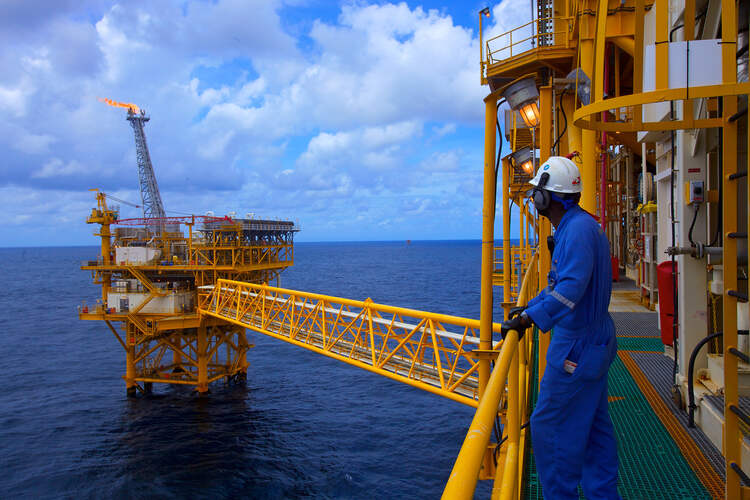
Home Fossil Energy Court case ends in settlement with Woodside and Greenpeace agreeing to foot their own bills April 24, 2026, by Australian energy giant Woodside and Greenpeace Australia Pacific (GAP), an independent campaigning organization, have reached a settlement in an emissions lawsuit, which has now been dismissed in the Federal Court of Australia. Illustration; Source: Woodside Woodside has confirmed that the Federal Court of Australia put an end to proceedings launched against it by Greenpeace Austral
“Settling this case does not signal the end of our fight against Woodside’s climate and nature-destroying gas projects
Greenpeace strongly supports public interest litigation as a crucial tool in democratic engagement to protect our planet and holding large corporations accountable for their contributions to climate change. “Investors and the public deserve accurate information about a company’s true climate impact and strategy, especially when those strategies are presented as ‘Paris-aligned’ — an absurd claim for a company responsible for one of the largest LNG export terminals in Australia, and now the United States
Story 3Offshore TechnologyApr 24, 2026

Oil climbs 2% on fears of fresh hostilities in Middle East

Signal strongSource-grounded

What happened

Oil prices rose sharply on renewed fears of hostilities in the Middle East after Iran seized two vessels and transit restrictions continued in the Strait of Hormuz. The move has immediate implications for bunker pricing, routing decisions, and insurance premiums for vessels operating on Asia-Europe and Asia-Middle East lanes

Buyer takeaway

Reassess short-term fuel exposure for spot voyages and confirm contract clauses that handle re-routes and sudden bunker cost spikes

Cost / money

Direct upward pressure on bunker and voyage costs; expect higher short-term pass-through on charters and logistics

Supplier / commercial

Shipowners and brokers will harden price and insurance offers; expect shorter quote validity and higher premium requests

Safety / operations

Transit risk increases crew and vessel exposure, affecting ETAs and mobilisation sequencing

What to watch

Sustained escalation would further widen day-rate and bunker pass-through exposure; monitor vessel seizure/incident reports closely

Key facts

  • Brent and WTI futures rose on hostilities and vessel seizures
  • Seizures and transit restrictions increased route risk perceptions
  • Market reaction raised bunker and insurance cost considerations

Source excerpts

Iran’s seizure of two cargo ships has underscored the difficulties Washington faces in controlling passage through the Strait of Hormuz
Iran’s seizure of two cargo ships has underscored the difficulties Washington faces in controlling passage through the channel
Oil prices surged on 24 April as fears over a new surge in hostilities in the Middle East pushed Brent crude futures up by $2
Story 4Offshore EnergyApr 24, 2026

Two ammonia-fueled ammonia carriers to sport Wärtsilä systems in 2027

Signal strongSource-grounded

What happened

Wärtsilä secured orders to supply cargo handling and fuel gas systems for two ammonia-fuelled ammonia carriers, with equipment deliveries expected to the yard in late 2027 and vessel deliveries in 2028. The order is a concrete step toward operational ammonia shipping and highlights contract and safety changes buyers must include when requesting ammonia-capable tonnage or fuel systems

Buyer takeaway

This is operational proof that ammonia-capable systems are entering the market; buyers should start specifying fuel-handling requirements in tenders for future charters

Cost / money

New fuel systems change capex/opex considerations and insurance profiles; pricing and charter rates will reflect those differences

Supplier / commercial

Early adopters and system suppliers will gain leverage on delivery slots and warranty and service terms for ammonia systems

Safety / operations

Ammonia handling requires updated emergency response, crew training, and port-handling agreements; these must be contractually enforced

What to watch

Fuel availability, bunkering infrastructure, and insurance acceptance remain constraints to operational rollout

Key facts

  • Order for cargo handling and fuel gas systems for two 51,350 m3 ammonia carriers
  • Equipment deliveries to shipyard expected in third quarter of 2027; vessel deliveries in 2028
  • Vessels to operate on dual-fuel engines and offered on five-year time charters

Source excerpts

Home Clean Fuel Two ammonia-fueled ammonia carriers to sport Wärtsilä systems in 2027 April 24, 2026, by Wärtsilä Gas Solutions, part of technology group Wärtsilä, is set to supply the cargo handling and fuel gas supply systems for two new ammonia-fueled liquid ammonia carriers, also capable of carrying liquefied petroleum gas (LPG)
Wärtsilä booked the order in Q1 2026, with the delivery of equipment to the yard expected in the third quarter of 2027
According to the company, the systems are designed to operate with ammonia for the ships’ respective two-stroke and four-stroke engines, enabling them to operate with dual-fuel engines capable of running with ammonia

VP Snapshot

Executive Risk & Action View

Australian operator court settlement reduces legal uncertainty but raises public scrutiny that can affect permit timelines and contractor reputations.

Overall
56
Cost
79
Supply
43
Schedule
38
Compliance
35

Top signals

30-180dcost

Signal 1: Cost / money

Rising oil/bunker prices will increase voyage and fuel pass-through costs on short notice, pressuring day-rate and spot charter budgets.

Signal 2: Cost / money

If ammonia-fuelled vessels scale, buyers will face different lifecycle cost curves and new fuel-handling capex/opex trade-offs when tendering time charters or owning ships.

0-30dcost

Signal 3: Cost / money

Large upstream equity moves can shift production timelines and offtake patterns, which may change regional fuel and LNG availability that affects sourcing windows.

30-180dcommercial

Signal 4: Supplier / commercial

Public litigation and activist settlements increase the value of suppliers who can demonstrate robust ESG/HSE disclosures and community engagement, shifting commercial preference toward compliant vendors.

Signal 6: Supplier / commercial

Equity consolidation in producing assets can change counterparty exposure—buyers should expect negotiations with larger, potentially less flexible counterparties on offtake and midstream services.

180d+schedule

Signal 5: Supplier / commercial

Confirmed orders for specialist ammonia systems signal supplier capability concentration; expect longer lead times and contract clauses around delivery milestones for these niche items.

Recommended actions

CategoryDue 3d

Inventory active charters and upcoming voyage plans that rely on Strait of Hormuz transits and tag those with fuel-cost pass-through exposure.

List of at-risk voyages and a short brief on fuel pass-through exposure for each contract

ContractsDue 21d

Ask shortlisted shipyards and system suppliers for firm lead times, warranty terms, and HSE training offers for ammonia-fuel systems when included in tenders.

Validated supplier lead times and contract clause checklist for ammonia system procurement

LegalDue 21d

Run a rapid suppliers’ ESG/HSE credentials sweep for major contractors operating in Australia and flag those needing additional reputational due diligence.

Shortlist of suppliers with validated ESG/HSE evidence and gaps requiring mitigation

ContractsDue 60d

Update long-form charter and equipment contracts to include clearer fuel-cost pass-through mechanics, reroute/force-majeure language, and mobilisation SLAs tied to transit disru...

Revised contract templates with fuel pass-through, reroute clauses, and mobilisation SLAs ready for next RFQ

OpsDue 60d

Develop an ammonia-fuel readiness checklist (HSE procedures, supplier training, emergency response, insurance acceptance) to include in future RFPs for dual-fuel vessels.

Operational readiness checklist inserted into RFP templates and mobilisation plans

Risk register

RiskTriggerMitigation
Watch whether Woodside faces renewed campaigns or permit challenges that slow approvals or prompt tighter HSE contractual obligations — this is an early-signal for increased procurement scrutiny.Watch whether Woodside faces renewed campaigns or permit challenges that slow approvals or prompt tighter HSE contractual obligations — this is an early-signal for increased procurement scrutiny.Confirm exposure with category, contracts, and operations before the next supplier commitment.

CM Snapshot

Category Manager Decision Detail

Today's priorities

Inventory active charters and upcoming voyage plans that rely on Strait of Hormuz transits and tag those with fuel-cost pass-through exposure.

because recent seizures and transit restrictions are raising bunker and insurance costs and may force reroutes or higher day rates, we need to know which contracts will be immed...

Due 3d

high

CM move

Use this as the immediate supplier or contract action to move before the next sourcing gate.

Ask shortlisted shipyards and system suppliers for firm lead times, warranty terms, and HSE training offers for ammonia-fuel systems when included in tenders.

because Wärtsilä’s confirmed order signals rising demand and likely lead-time compression for ammonia systems, validating supplier delivery and support terms reduces awarding su...

Due 21d

high

CM move

Use this as the immediate supplier or contract action to move before the next sourcing gate.

Run a rapid suppliers’ ESG/HSE credentials sweep for major contractors operating in Australia and flag those needing additional reputational due diligence.

because the Woodside settlement highlights heightened public scrutiny and potential permit or community delays, prioritising compliant suppliers reduces execution and approval r...

Due 21d

high

CM move

Use this as the immediate supplier or contract action to move before the next sourcing gate.

Update long-form charter and equipment contracts to include clearer fuel-cost pass-through mechanics, reroute/force-majeure language, and mobilisation SLAs tied to transit disru...

because recent commodity and transit volatility has increased the chance of fuel and routing cost shocks, explicit contract mechanics will protect budget and delivery timelines...

Due 60d

high

CM move

Use this as the immediate supplier or contract action to move before the next sourcing gate.

Supplier radar

Offshore Energy

high

Observed supplier signal

Public litigation and activist settlements increase the value of suppliers who can demonstrate robust ESG/HSE disclosures and community engagement, shifting commercial preference toward compliant vendors.

Commercial implication

Public litigation and activist settlements increase the value of suppliers who can demonstrate robust ESG/HSE disclosures and community engagement, shifting commercial preference toward compliant vendors.

Next step: Validate the source-backed signal with incumbents and alternates before the next award or pricing decision.

Offshore Energy

high

Observed supplier signal

Confirmed orders for specialist ammonia systems signal supplier capability concentration; expect longer lead times and contract clauses around delivery milestones for these niche items.

Commercial implication

Confirmed orders for specialist ammonia systems signal supplier capability concentration; expect longer lead times and contract clauses around delivery milestones for these niche items.

Next step: Validate the source-backed signal with incumbents and alternates before the next award or pricing decision.

Offshore Technology

high

Observed supplier signal

Equity consolidation in producing assets can change counterparty exposure—buyers should expect negotiations with larger, potentially less flexible counterparties on offtake and midstream services.

Commercial implication

Equity consolidation in producing assets can change counterparty exposure—buyers should expect negotiations with larger, potentially less flexible counterparties on offtake and midstream services.

Next step: Validate the source-backed signal with incumbents and alternates before the next award or pricing decision.

Negotiation levers

Inventory active charters and upcoming voyage plans that rely on Strait of Hormuz transits and tag those with fuel-cost pass-through exposure.

When to use: because recent seizures and transit restrictions are raising bunker and insurance costs and may force reroutes or higher day rates, we need to know which contracts will be immed...

Expected outcome: List of at-risk voyages and a short brief on fuel pass-through exposure for each contract

Commercial mechanism to carry into the next supplier conversation

Ask shortlisted shipyards and system suppliers for firm lead times, warranty terms, and HSE training offers for ammonia-fuel systems when included in tenders.

When to use: because Wärtsilä’s confirmed order signals rising demand and likely lead-time compression for ammonia systems, validating supplier delivery and support terms reduces awarding su...

Expected outcome: Validated supplier lead times and contract clause checklist for ammonia system procurement

Commercial mechanism to carry into the next supplier conversation

Run a rapid suppliers’ ESG/HSE credentials sweep for major contractors operating in Australia and flag those needing additional reputational due diligence.

When to use: because the Woodside settlement highlights heightened public scrutiny and potential permit or community delays, prioritising compliant suppliers reduces execution and approval r...

Expected outcome: Shortlist of suppliers with validated ESG/HSE evidence and gaps requiring mitigation

Commercial mechanism to carry into the next supplier conversation

Update long-form charter and equipment contracts to include clearer fuel-cost pass-through mechanics, reroute/force-majeure language, and mobilisation SLAs tied to transit disru...

When to use: because recent commodity and transit volatility has increased the chance of fuel and routing cost shocks, explicit contract mechanics will protect budget and delivery timelines...

Expected outcome: Revised contract templates with fuel pass-through, reroute clauses, and mobilisation SLAs ready for next RFQ

Commercial mechanism to carry into the next supplier conversation

Talking points

Australian operator court settlement reduces legal uncertainty but raises public scrutiny that can affect permit timelines and contractor reputations.
Middle East transit disruptions are pushing oil and bunker prices higher, increasing short-term fuel and shipping cost exposure for APAC operations.
Major supplier moves — a 26% stake purchase in a Brazilian E&P player and a confirmed order for ammonia-fuel systems — point to shifting supplier capability sets and future contract terms for fuels and vessel systems.
Operational effects are practical: expect tighter mobilisation windows and narrower RFQ validity where specialist equipment or HSE-sensitive fuel-handling (ammonia) is required.

Supplier radar

SupplierSignalImplicationNext stepConfidence
Offshore EnergyPublic litigation and activist settlements increase the value of suppliers who can demonstrate robust ESG/HSE disclosures and community engagement, shifting commercial preference toward compliant vendors.Public litigation and activist settlements increase the value of suppliers who can demonstrate robust ESG/HSE disclosures and community engagement, shifting commercial preference toward compliant vendors.Validate the source-backed signal with incumbents and alternates before the next award or pricing decision.high
Offshore EnergyConfirmed orders for specialist ammonia systems signal supplier capability concentration; expect longer lead times and contract clauses around delivery milestones for these niche items.Confirmed orders for specialist ammonia systems signal supplier capability concentration; expect longer lead times and contract clauses around delivery milestones for these niche items.Validate the source-backed signal with incumbents and alternates before the next award or pricing decision.high
Offshore TechnologyEquity consolidation in producing assets can change counterparty exposure—buyers should expect negotiations with larger, potentially less flexible counterparties on offtake and midstream services.Equity consolidation in producing assets can change counterparty exposure—buyers should expect negotiations with larger, potentially less flexible counterparties on offtake and midstream services.Validate the source-backed signal with incumbents and alternates before the next award or pricing decision.high

Negotiation levers

  • Inventory active charters and upcoming voyage plans that rely on Strait of Hormuz transits and tag those with fuel-cost pass-through exposure.because recent seizures and transit restrictions are raising bunker and insurance costs and may force reroutes or higher day rates, we need to know which contracts will be immed...List of at-risk voyages and a short brief on fuel pass-through exposure for each contract

    high confidence

  • Ask shortlisted shipyards and system suppliers for firm lead times, warranty terms, and HSE training offers for ammonia-fuel systems when included in tenders.because Wärtsilä’s confirmed order signals rising demand and likely lead-time compression for ammonia systems, validating supplier delivery and support terms reduces awarding su...Validated supplier lead times and contract clause checklist for ammonia system procurement

    high confidence

  • Run a rapid suppliers’ ESG/HSE credentials sweep for major contractors operating in Australia and flag those needing additional reputational due diligence.because the Woodside settlement highlights heightened public scrutiny and potential permit or community delays, prioritising compliant suppliers reduces execution and approval r...Shortlist of suppliers with validated ESG/HSE evidence and gaps requiring mitigation

    high confidence

  • Update long-form charter and equipment contracts to include clearer fuel-cost pass-through mechanics, reroute/force-majeure language, and mobilisation SLAs tied to transit disru...because recent commodity and transit volatility has increased the chance of fuel and routing cost shocks, explicit contract mechanics will protect budget and delivery timelines...Revised contract templates with fuel pass-through, reroute clauses, and mobilisation SLAs ready for next RFQ

    high confidence

What to do / What to watch

What to do now

  • Inventory active charters and upcoming voyage plans that rely on Strait of Hormuz transits and tag those with fuel-cost pass-through exposure.

    Why: because recent seizures and transit restrictions are raising bunker and insurance costs and may force reroutes or higher day rates, we need to know which contracts will be immed...

    Owner: Category

    Expected outcome: List of at-risk voyages and a short brief on fuel pass-through exposure for each contract

    [1]

Next few weeks

  • Ask shortlisted shipyards and system suppliers for firm lead times, warranty terms, and HSE training offers for ammonia-fuel systems when included in tenders.

    Why: because Wärtsilä’s confirmed order signals rising demand and likely lead-time compression for ammonia systems, validating supplier delivery and support terms reduces awarding su...

    Owner: Contracts

    Expected outcome: Validated supplier lead times and contract clause checklist for ammonia system procurement

    [4]
  • Run a rapid suppliers’ ESG/HSE credentials sweep for major contractors operating in Australia and flag those needing additional reputational due diligence.

    Why: because the Woodside settlement highlights heightened public scrutiny and potential permit or community delays, prioritising compliant suppliers reduces execution and approval r...

    Owner: Legal

    Expected outcome: Shortlist of suppliers with validated ESG/HSE evidence and gaps requiring mitigation

    [2]

Longer view

  • Update long-form charter and equipment contracts to include clearer fuel-cost pass-through mechanics, reroute/force-majeure language, and mobilisation SLAs tied to transit disru...

    Why: because recent commodity and transit volatility has increased the chance of fuel and routing cost shocks, explicit contract mechanics will protect budget and delivery timelines...

    Owner: Contracts

    Expected outcome: Revised contract templates with fuel pass-through, reroute clauses, and mobilisation SLAs ready for next RFQ

    [1]
  • Develop an ammonia-fuel readiness checklist (HSE procedures, supplier training, emergency response, insurance acceptance) to include in future RFPs for dual-fuel vessels.

    Why: because adoption of ammonia-capable systems is advancing and will change safety and insurance needs, a standard checklist reduces onboarding friction and clarifies buyer require...

    Owner: Ops

    Expected outcome: Operational readiness checklist inserted into RFP templates and mobilisation plans

    [4]

What to watch

  • Watch whether Woodside faces renewed campaigns or permit challenges that slow approvals or prompt tighter HSE contractual obligations — this is an early-signal for increased procurement scrutiny
  • Watch whether Woodside faces renewed campaigns or permit challenges that slow approvals or prompt tighter HSE contractual obligations — this is an early-signal for increased procurement scrutiny.: Watch whether Woodside faces renewed campaigns or permit challenges that slow approvals or prompt tighter HSE contractual obligations — this is an early-signal for increased procurement scrutiny
  • Australian operator court settlement reduces legal uncertainty but raises public scrutiny that can affect permit timelines and contractor reputations
  • Middle East transit disruptions are pushing oil and bunker prices higher, increasing short-term fuel and shipping cost exposure for APAC operations
  • Major supplier moves — a 26% stake purchase in a Brazilian E&P player and a confirmed order for ammonia-fuel systems — point to shifting supplier capability sets and future contract terms for fuels and vessel systems
  • Operational effects are practical: expect tighter mobilisation windows and narrower RFQ validity where specialist equipment or HSE-sensitive fuel-handling (ammonia) is required

Market pulse

IndexLatestChangeAs of
WTI Crude (WTI)71.23 /bbl+0.00 (+0.00%)Apr 26, 2026, 10:06 PM
Brent Crude (BRENT)74.89 /bbl+0.00 (+0.00%)Apr 26, 2026, 10:06 PM
Natural Gas (NG)3.12 /MMBtu+0.00 (+0.00%)Apr 26, 2026, 10:06 PM
Henry Hub Gas (NG)3.12 /MMBtu+0.00 (+0.00%)Apr 26, 2026, 10:06 PM
Cheniere (LNG) (LNG)185 +0.00 (+0.00%)Apr 26, 2026, 10:06 PM
Brent Crude (BRENT)74.89 /bbl+0.00 (+0.00%)Apr 26, 2026, 10:06 PM
  • Brent Crude: Rising Brent futures increase bunker and fuel cost exposure for APAC charters; monitor for pass-through impacts
  • Cheniere (LNG): LNG market movements could shift if upstream ownership or routing changes affect regional availability; watch nominations and swap windows

Sources

Inline citations jump here. Expand a source to read the excerpt, the AI interpretation, and the original link.

[1] Oil climbs 2% on fears of fresh hostilities in Middle East

offshore-technology.com · Apr 24, 2026

Expand

AI reading

Oil prices rose sharply on renewed fears of hostilities in the Middle East after Iran seized two vessels and transit restrictions continued in the Strait of Hormuz. The move has immediate implications for bunker pricing, routing decisions, and insurance premiums for vessels operating on Asia-Europe and Asia-Middle East lanes

Buyer takeaway

Reassess short-term fuel exposure for spot voyages and confirm contract clauses that handle re-routes and sudden bunker cost spikes

Cost / money

Direct upward pressure on bunker and voyage costs; expect higher short-term pass-through on charters and logistics

Supplier / commercial

Shipowners and brokers will harden price and insurance offers; expect shorter quote validity and higher premium requests

Safety / operations

Transit risk increases crew and vessel exposure, affecting ETAs and mobilisation sequencing

What to watch

Sustained escalation would further widen day-rate and bunker pass-through exposure; monitor vessel seizure/incident reports closely

Key facts

  • Brent and WTI futures rose on hostilities and vessel seizures
  • Seizures and transit restrictions increased route risk perceptions
  • Market reaction raised bunker and insurance cost considerations

Source excerpts

Iran’s seizure of two cargo ships has underscored the difficulties Washington faces in controlling passage through the Strait of Hormuz
Iran’s seizure of two cargo ships has underscored the difficulties Washington faces in controlling passage through the channel
Oil prices surged on 24 April as fears over a new surge in hostilities in the Middle East pushed Brent crude futures up by $2

Used in this brief

  • Next 72 hours — Inventory active charters and upcoming voyage plans that rely on Strait of Hormuz transits and tag those with fuel-cost pass-through exposure.. Rationale: because recent seizures and transit restrictions are raising bunker and insurance costs and may force reroutes or higher day rates, we need to know which contracts will be immed.... Owner: Category. KPI: List of at-risk voyages and a short brief on fuel pass-through exposure for each contract
  • Next quarter — Update long-form charter and equipment contracts to include clearer fuel-cost pass-through mechanics, reroute/force-majeure language, and mobilisation SLAs tied to transit disru.... Rationale: because recent commodity and transit volatility has increased the chance of fuel and routing cost shocks, explicit contract mechanics will protect budget and delivery timelines.... Owner: Contracts. KPI: Revised contract templates with fuel pass-through, reroute clauses, and mobilisation SLAs ready for next RFQ
  • Oil prices rose sharply on renewed fears of hostilities in the Middle East after Iran seized two vessels and transit restrictions continued in the Strait of Hormuz. The move has immediate implications for bunker pricing, routing decisions, and insurance premiums for vessels operating on Asia-Europe and Asia-Middle East lanes
Open original source

[2] Court case ends in settlement with Woodside and Greenpeace agreeing to foot their own bills

offshore-energy.biz · Apr 24, 2026

Expand

AI reading

Woodside and Greenpeace agreed to end court proceedings, each party bearing its own legal costs, after Greenpeace challenged some of Woodside’s climate-related claims. The settlement ends litigation but flags continued public and investor scrutiny that can influence permit reviews, community engagement, and how contractors are assessed on disclosures

Buyer takeaway

Expect more focus on supplier transparency and public-facing HSE commitments during tender evaluation; include verifiable disclosures in pre-qualification

Cost / money

Potential for added compliance and community engagement costs, and for conditional requirements in contracts that increase mobilisation overheads

Supplier / commercial

Suppliers able to demonstrate robust disclosures and community engagement will gain commercial preference, tightening options for buyers of marginal vendors

Safety / operations

No immediate safety change to operations, but contractual HSE clauses and community-mitigation obligations may become stricter

What to watch

Limited but real risk of renewed campaigns targeting high-visibility projects — track stakeholder activity for projects in Australia

Key facts

  • Court proceedings dismissed with consent; parties to bear own costs
  • Dispute centered on emissions disclosures and climate strategy representations
  • Greenpeace intends to continue campaigning outside courts

Source excerpts

Home Fossil Energy Court case ends in settlement with Woodside and Greenpeace agreeing to foot their own bills April 24, 2026, by Australian energy giant Woodside and Greenpeace Australia Pacific (GAP), an independent campaigning organization, have reached a settlement in an emissions lawsuit, which has now been dismissed in the Federal Court of Australia. Illustration; Source: Woodside Woodside has confirmed that the Federal Court of Australia put an end to proceedings launched against it by Greenpeace Austral
“Settling this case does not signal the end of our fight against Woodside’s climate and nature-destroying gas projects
Greenpeace strongly supports public interest litigation as a crucial tool in democratic engagement to protect our planet and holding large corporations accountable for their contributions to climate change. “Investors and the public deserve accurate information about a company’s true climate impact and strategy, especially when those strategies are presented as ‘Paris-aligned’ — an absurd claim for a company responsible for one of the largest LNG export terminals in Australia, and now the United States

Used in this brief

  • Next 2-4 weeks — Run a rapid suppliers’ ESG/HSE credentials sweep for major contractors operating in Australia and flag those needing additional reputational due diligence.. Rationale: because the Woodside settlement highlights heightened public scrutiny and potential permit or community delays, prioritising compliant suppliers reduces execution and approval r.... Owner: Legal. KPI: Shortlist of suppliers with validated ESG/HSE evidence and gaps requiring mitigation
  • Watch whether Woodside faces renewed campaigns or permit challenges that slow approvals or prompt tighter HSE contractual obligations — this is an early-signal for increased procurement scrutiny
  • Added an Australia-specific legal settlement (Woodside vs Greenpeace) that increases near-term reputational and permitting scrutiny compared with the prior brief
Open original source

[3] Ecopetrol signs SPA for 26% stake in Brava Energia

offshore-technology.com · Apr 24, 2026

Expand

AI reading

Ecopetrol signed a share purchase agreement to acquire about a 26% stake in Brazil’s Brava Energia, planning to use a bridge loan and to pursue a voluntary tender to reach majority control. The deal ties Ecopetrol to Brava’s reported reserves and production figures and depends on regulatory approvals and customary waivers. Watch approvals and financing conditions that will determine when pro‑rata production flows and contractual counterparty changes become operationally real

Buyer takeaway

Treat the deal as a material counterparty change: contracting counterparties and offtake schedules may shift once approvals clear, so confirm contract novation and acceptance mechanics

Cost / money

This can alter regional supply flows and midstream allocation; expect directional impact on sourcing windows and potential renegotiation points for offtake pricing

Supplier / commercial

Larger equity positions concentrate negotiating power; buyers should re-evaluate preferred supplier lists and exposure to single-provider midstream services

Safety / operations

No direct immediate operational safety change, but asset control changes can alter maintenance and mobilisation schedules that affect uptime

What to watch

Watch CADE and financing waivers — slow approvals or restrictive conditions will delay any production or contract changes becoming effective

Key facts

  • Share purchase agreement for ~26% stake
  • Brava reported EBITDA of $806m and 459 million boe reserves
  • Deal conditioned on regulator approvals and financing waivers

Source excerpts

Ecopetrol, or a related entity within the Ecopetrol Group, plans to finance the transaction through a bridge loan, provided that the required conditions for completion are met. Following the deal, Ecopetrol expects to include a pro-rata share of Brava Energia’s proven reserves and production in its consolidated results, in line with its current holding and according to the Petroleum Resources Management System standard
Brava Energia was formed in 2024 following a merger between 3R Petroleum Óleo e Gás and Enauta Participações, both of which operate in Brazil’s oil and gas sector. The company engages in crude oil and natural gas production in various offshore and onshore Brazilian fields and is involved in midstream and downstream activities
Find out more Through the deal, Ecopetrol aims to eventually claim a majority stake in Brava Energia

Used in this brief

  • Ecopetrol signed a share purchase agreement to acquire about a 26% stake in Brazil’s Brava Energia, planning to use a bridge loan and to pursue a voluntary tender to reach majority control. The deal ties Ecopetrol to Brava’s reported reserves and production figures and depends on regulatory approvals and customary waivers. Watch approvals and financing conditions that will determine when pro‑rata production flows and contractual counterparty changes become operationally real
  • Buyer bottom line: upstream equity shifts change who you contract with for offtake and midstream services and can alter short-to-mid sourcing windows for oil and gas molecules
  • Treat the deal as a material counterparty change: contracting counterparties and offtake schedules may shift once approvals clear, so confirm contract novation and acceptance mechanics
Open original source

[4] Two ammonia-fueled ammonia carriers to sport Wärtsilä systems in 2027

offshore-energy.biz · Apr 24, 2026

Expand

AI reading

Wärtsilä secured orders to supply cargo handling and fuel gas systems for two ammonia-fuelled ammonia carriers, with equipment deliveries expected to the yard in late 2027 and vessel deliveries in 2028. The order is a concrete step toward operational ammonia shipping and highlights contract and safety changes buyers must include when requesting ammonia-capable tonnage or fuel systems

Buyer takeaway

This is operational proof that ammonia-capable systems are entering the market; buyers should start specifying fuel-handling requirements in tenders for future charters

Cost / money

New fuel systems change capex/opex considerations and insurance profiles; pricing and charter rates will reflect those differences

Supplier / commercial

Early adopters and system suppliers will gain leverage on delivery slots and warranty and service terms for ammonia systems

Safety / operations

Ammonia handling requires updated emergency response, crew training, and port-handling agreements; these must be contractually enforced

What to watch

Fuel availability, bunkering infrastructure, and insurance acceptance remain constraints to operational rollout

Key facts

  • Order for cargo handling and fuel gas systems for two 51,350 m3 ammonia carriers
  • Equipment deliveries to shipyard expected in third quarter of 2027; vessel deliveries in 2028
  • Vessels to operate on dual-fuel engines and offered on five-year time charters

Source excerpts

Home Clean Fuel Two ammonia-fueled ammonia carriers to sport Wärtsilä systems in 2027 April 24, 2026, by Wärtsilä Gas Solutions, part of technology group Wärtsilä, is set to supply the cargo handling and fuel gas supply systems for two new ammonia-fueled liquid ammonia carriers, also capable of carrying liquefied petroleum gas (LPG)
Wärtsilä booked the order in Q1 2026, with the delivery of equipment to the yard expected in the third quarter of 2027
According to the company, the systems are designed to operate with ammonia for the ships’ respective two-stroke and four-stroke engines, enabling them to operate with dual-fuel engines capable of running with ammonia

Used in this brief

  • Australian operator court settlement reduces legal uncertainty but raises public scrutiny that can affect permit timelines and contractor reputations. Middle East transit disruptions are pushing oil and bunker prices higher, increasing short-term fuel and shipping cost exposure for APAC operations. Major supplier moves — a 26% stake purchase in a Brazilian E&P player and a confirmed order for ammonia-fuel systems — point to shifting supplier capability sets and future contract terms for fuels and vessel systems. Operational effects are practical: expect tighter mobilisation windows and narrower RFQ validity where specialist equipment or HSE-sensitive fuel-handling (ammonia) is required
  • Safety / operations: Ammonia fuel systems introduce distinct handling and emergency-response requirements; project mobilisation needs updated HSE plans and training before fuel trials
  • Next 2-4 weeks — Ask shortlisted shipyards and system suppliers for firm lead times, warranty terms, and HSE training offers for ammonia-fuel systems when included in tenders.. Rationale: because Wärtsilä’s confirmed order signals rising demand and likely lead-time compression for ammonia systems, validating supplier delivery and support terms reduces awarding su.... Owner: Contracts. KPI: Validated supplier lead times and contract clause checklist for ammonia system procurement
Open original source

[5] Brent Crude

finance.yahoo.com · n.d.

Expand

[6] Cheniere (LNG)

finance.yahoo.com · n.d.

Expand