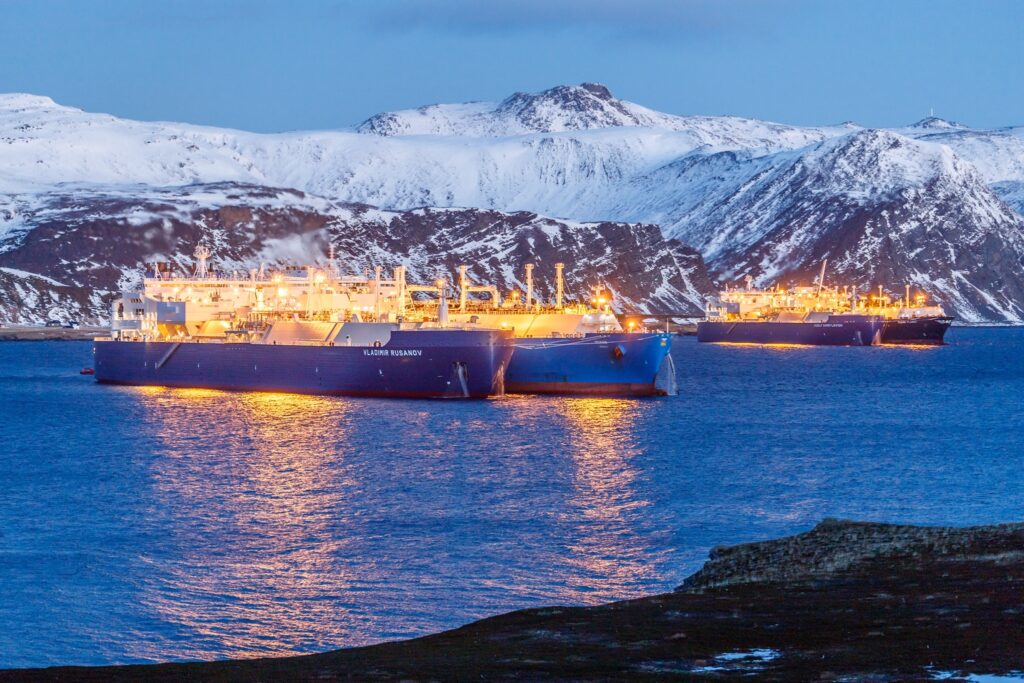
EU’s 20th sanctions batch tightens grip on Russia’s oil, gas, LNG and shadow fleet spheres with 632 vessels blacklisted
What happened
The EU adopted a 20th sanctions package that expands listings across oil, gas, LNG and a large shadow fleet and adds port access and service bans with anti‑circumvention measures. The package introduces mandatory seller due diligence and a pathway to restrict LNG terminal services, making compliance steps and contract reviews operationally necessary. Watch for formal implementation dates and any wind‑down guidance that will dictate contract amendment timing
Buyer takeaway
Treat this as a binding commercial and compliance constraint: usable tonnage and terminal services can shift because of regulation, not just market rates
Cost / money
Directionally upward pressure on spot charter and rerouting costs where blacklisted vessels or port bans remove lower‑cost options
Supplier / commercial
Expect suppliers to demand shorter quote validity, pass‑throughs, and recovery of compliance costs; procurement packets should require seller due‑diligence evidence
Safety / operations
Operational risk increases when vessels or ports become unusable; contingency routing and verified port access must be integrated into voyage planning
What to watch
Verify implementation timing and delisting rules; those determine how quickly charter and terminal contracts must be modified
Key facts
- Expanded shadow‑fleet blacklist affecting 632 vessels
- New measures include port access bans and the option to ban LNG terminal services
- Anti‑circumvention tool activated for the first time in this package
Source excerpts
The European Council will decide when the Maritime Services Ban will enter into force, considering an appropriate wind-down period to further reduce the total available capacity to transport Russian oil, hitting the country’s main source of revenue for its ‘war machine
While 46 vessels are added to the sanctions list, 11 ships are also delisted in this 20th package, showing that delisting is a possibility for vessels returning to compliance. The new sanctions insert safeguards on tanker sales from the EU to prevent Russian end-use, with the dedicated due diligence by sellers, as well as a mandatory ‘no Russia’ clause to be passed on into sales contracts, anticipated to prevent usage deployment within the shadow fleet
With these additions, 632 vessels that are believed to belong to Russia’s shadow fleet are now listed by the EU and subject to a port access ban and a ban on receiving services, as the European Union continues its outreach to flag states to ensure that their registers do not allow these vessels to sail under their flags. While 46 vessels are added to the sanctions list, 11 ships are also delisted in this 20th package, showing that delisting is a possibility for vessels returning to compliance