Operations & Maintenance Services · Australia (Perth)

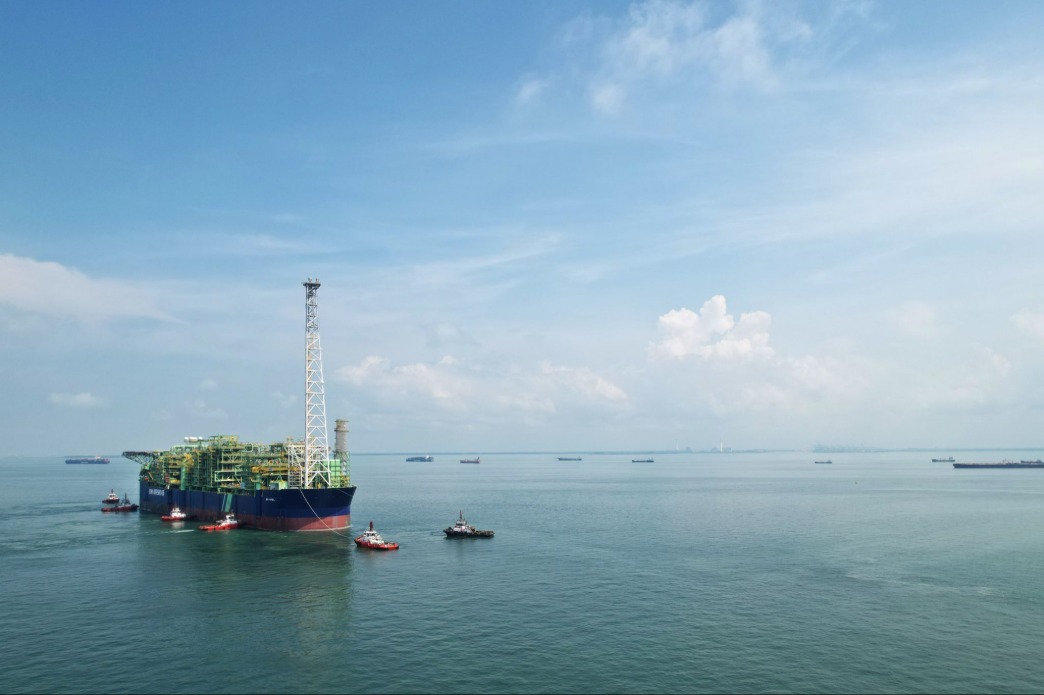
Verify O&M Readiness Ahead of Barossa FPSO Ramp-Up

Published Apr 25, 2026, 6:04 AM AWSTAPACFull category signal
Ask AI
Australian FPSO production ramp-up on Santos’ agenda next week

In 60 seconds

Top move

Barossa FPSO is entering a staged restart that creates immediate demand for spares, commissioning labour and flexible supplier windows—buyers should confirm parts and crew availability now to avoid premium emergency rates

Key takeaways

  • Barossa FPSO is entering a staged restart that creates immediate demand for spares, commissioning labour and flexible supplier windows—buyers should confirm parts and crew availability now to avoid premium emergency rates.[1]
  • Recent maintenance (heat-exchanger flushing and dry-gas compressor seal replacement) reduces one failure vector but makes restart contingent on completed commissioning sign-offs and successful system checks.[1]
  • A hydrogen‑fuelled AUV showing long submerged endurance is a credible signal that some subsea inspection spend can shift from vessel-day contracts to specialist equipment-and-service agreements, but logistics and safe‑handling must be proven first.[3]
  • Woodside’s settlement with Greenpeace removes one litigation overhang but increases likelihood of tighter ESG disclosure and warranty questions in tender packs—expect more administrative due-diligence and possible bid evaluation changes.[2]
  • The EU’s new sanctions package adds maritime and port-service constraints that can ripple into tanker and third-party shipping availability; this is an indirect supply-chain risk APAC buyers should monitor for shipping-cost pass-throughs and port-service denials.[4]

What changed since last run

  • Added confirmed operational restart and near-term ramp-up at Santos' Barossa FPSO (new, regionally material to APAC O&M).
  • Logged a credible technology signal: hydrogen‑fuelled AUV demonstrating extended submerged endurance, shifting inspection sourcing conversations.
  • Recorded Woodside/Greenpeace legal settlement which reduces that specific litigation risk but raises expectations around ESG disclosure clauses.

Key facts

  • Ramp-up scheduled to begin next week
  • Heat-exchanger trains flushed and cleaned prior to restart
  • Dry-gas compressor seals replaced during recent shutdown
  • Mission lasted 385 hours fully submerged
  • AUV covered 2,023 kilometres submerged
  • Test profile included thousands of manoeuvres to reflect real operations

Why it matters

Barossa FPSO is entering a staged restart that creates immediate demand for spares, commissioning labour and flexible supplier windows—buyers should confirm parts and crew availability now to avoid premium emergency rates. Recent maintenance (heat-exchanger flushing and dry-gas compressor seal replacement) reduces one failure vector but makes restart contingent on completed commissioning sign-offs and successful system checks. A hydrogen‑fuelled AUV showing long submerged endurance is a credible signal that some subsea inspection spend can shift from vessel-day contracts to specialist equipment-and-service agreements, but logistics and safe‑handling must be proven first. Woodside’s settlement with Greenpeace removes one litigation overhang but increases likelihood of tighter ESG disclosure and warranty questions in tender packs—expect more administrative due-diligence and possible bid evaluation changes

Cost / money

  • Short-term O&M spend will rise around restart support (spares consumption, commissioning teams, overtime and possible premium call-outs) unless standby/flex rates are contracted.[1]
  • Adopting long-endurance hydrogen AUVs will reallocate line items from vessel hire and mobilisation to specialist equipment service fees, refuelling logistics and new maintenance contracts.[3]
  • EU sanctions on vessels and port services can increase shipping premiums or create reroute costs for third-country logistics, feeding into supplier pass-throughs for marine-dependent O&M scopes.[4]

Supplier / commercial

  • Local FPSO and marine service providers can extract premium short-notice rates during ramp-ups; buyers without flexibility or standby clauses lose leverage.[1]
  • AUV and fuel-cell vendors are positioned to offer bundled service, training and parts-supply deals—buyers should assess lock-in risk versus lifecycle cost before accepting single-vendor packages.[3]
  • Sanctions and port bans raise counterparty checks and due-diligence burdens for shipping and logistics suppliers; procurement may need stricter supplier vetting and contract representations.[4]

Safety / operations

  • Compressed commissioning windows after exchanger flushing increase the need for documented pre-start checks, permit-to-commission records and vendor-certified tests before full-load operation.[1]
  • Hydrogen-powered AUVs reduce personnel exposure offshore but introduce new handling, storage and emergency procedures that must be integrated into O&M safety plans and contracts.[3]
  • If shipping routes or port access change due to sanctions, logistics delays can cause extended equipment dwell times and potential safety impacts from deferred maintenance or part shortages.[4]

What to watch

  • Watch whether exchanger cleaning uncovers damage needing extra scopes and parts—such findings create rework, schedule slippage and cost pass-through risks that must be contractually managed.[1]
  • Watch for faster-than-expected supplier requests to add ESG disclosure clauses or data demands after the Woodside settlement; these can lengthen evaluation and award cycles if not pre‑scoped.[2]

Top stories

Story 1Offshore EnergyApr 24, 2026

Australian FPSO production ramp-up on Santos’ agenda next week

Signal strongSource-grounded

What happened

Santos announced the Barossa FPSO will begin ramping up production next week after flushing and cleaning heat-exchanger trains and replacing dry-gas compressor seals. The restart is staged and directly tied to completing cleaning and commissioning work that will determine availability to feed Darwin LNG. Watch whether the planned LNG feed and steady-state operations proceed on the stated cadence and whether cleaning uncovers additional repair scopes

Buyer takeaway

Treat the announced restart as a confirmed operational demand spike; verify parts, crew and permit readiness to avoid premium emergency costs

Cost / money

Short-term spend will shift to re-commissioning labour, spare parts consumption and potential overtime unless standby rates are negotiated

Supplier / commercial

Local FPSO and marine service suppliers can command premium short-notice rates; insert scope-flex and standby clauses to preserve buyer leverage

Safety / operations

Compressed restart sequencing elevates the need for formal pre-start checks, documented tagouts and certified pressure tests before full-load operation

What to watch

Watch for damage discovered during cleaning that creates additional work scopes and pass-through costs, and monitor LNG feed timing

Key facts

  • Ramp-up scheduled to begin next week
  • Heat-exchanger trains flushed and cleaned prior to restart
  • Dry-gas compressor seals replaced during recent shutdown

Source excerpts

The Barossa FPSO is now expected to begin ramping up production in the next week as the firm completes the flushing and cleaning of heat exchanger trains
The Barossa FPSO is now expected to begin ramping up production in the next week as the firm completes the flushing and cleaning of heat exchanger trains. During this recent shutdown, the dry gas compressor seals have been replaced to allow full production rates once the unit is back online
The FPSO, which is situated at the Barossa gas field, approximately 285 kilometers offshore Darwin in the Northern Territory of Australia, is expected to feed the Darwin LNG plant for the next two decades. Kevin Gallagher, Santos’ Managing Director and Chief Executive Officer, commented: “The Barossa project has had a few challenges during commissioning
Story 2Offshore EnergyApr 24, 2026

Hydrogen-fueled AUV breaks range expectations with 2,000-kilometer subsea run

Signal moderateSource-grounded

What happened

Cellula Robotics reported a hydrogen‑fuelled AUV completed a long submerged mission, demonstrating endurance in a realistic, manoeuvre-heavy subsea profile. The mission suggests fewer recoveries and longer continuous operations, which could change subsea inspection procurement from vessel-day models to equipment-service contracts; buyers should validate recovery, refuelling logistics and certification before scaling

Buyer takeaway

See this as a credible technology option to lower vessel-day exposure, but run a controlled pilot to test logistics, costs and safety before changing sourcing models

Cost / money

Spending may shift from vessel hire to specialist equipment contracts, hydrogen refuelling/handling and long-term maintenance agreements

Supplier / commercial

Vendors may push bundled service and training contracts; evaluate vendor lock-in and negotiate clear maintenance and spare-parts terms

Safety / operations

Hydrogen systems reduce offshore personnel exposure but require new safe‑handling, storage and emergency response procedures in O&M plans

What to watch

Watch vendor proofs for recovery operations, refuelling logistics at remote sites, and certification paths for hydrogen systems before committing to scale-up

Key facts

  • Mission lasted 385 hours fully submerged
  • AUV covered 2,023 kilometres submerged
  • Test profile included thousands of manoeuvres to reflect real operations

Source excerpts

Home Subsea Hydrogen-fueled AUV breaks range expectations with 2,000-kilometer subsea run April 24, 2026, by An autonomous underwater vehicle (AUV) developed by Canada’s Cellula Robotics has traveled over 2,000 kilometers submerged, powered by a hydrogen fuel cell, exceeding its published performance specification
” Using hydrogen fuel cell technology developed with Infinity Fuel Cell and Hydrogen, Inc., the vehicle remained on mission for 385 hours and covered 2,023 kilometers submerged
“The significance of this result is not just the distance travelled, but that it was achieved fully submerged in a mission profile that better reflects real subsea operations,” said Neil Manning, CEO of Cellula Robotics. “That is what makes the endurance meaningful for operators, with the potential for fewer recoveries, more continuous operations, and greater efficiency offshore
Story 3Offshore EnergyApr 24, 2026

Court case ends in settlement with Woodside and Greenpeace agreeing to foot their own bills

Signal limitedDirectional

What happened

Woodside and Greenpeace agreed to end their Federal Court proceedings with each party bearing its own costs, removing that specific litigation overhang. The settlement reduces immediate legal uncertainty but signals continued activist pressure that will likely push for tighter disclosure and warranty demands in procurement processes

Buyer takeaway

Treat the settlement as lowered litigation risk but prepare for more rigorous ESG evidence requests in tenders and supplier due diligence

Cost / money

Direct operational cost impact is limited, though administrative and compliance costs may rise to support additional disclosure requirements

Supplier / commercial

Suppliers should expect more specific questions on emissions and supporting documents during prequalification; define acceptable evidence clearly

Safety / operations

Operational safety is largely unaffected; impacts are primarily contractual and reputational

What to watch

Watch for changes in bid evaluation criteria and expanded documentation requests tied to environmental claims

Key facts

  • Federal Court proceedings dismissed with consent
  • Parties agreed to bear their own legal costs
  • Greenpeace stated it will continue campaigning outside court channels

Source excerpts

Home Fossil Energy Court case ends in settlement with Woodside and Greenpeace agreeing to foot their own bills April 24, 2026, by Australian energy giant Woodside and Greenpeace Australia Pacific (GAP), an independent campaigning organization, have reached a settlement in an emissions lawsuit, which has now been dismissed in the Federal Court of Australia. Illustration; Source: Woodside Woodside has confirmed that the Federal Court of Australia put an end to proceedings launched against it by Greenpeace Austral
Rafalowicz added: “Woodside’s greed-driven appetite to expand fossil fuel production is accelerating the climate crisis, putting the environment and communities at risk. Greenpeace strongly supports public interest litigation as a crucial tool in democratic engagement to protect our planet and holding large corporations accountable for their contributions to climate change
The proceedings, in which GAP challenged certain representations made by the Australian firm in relation to its climate strategy and emissions reduction targets, were dismissed with the consent of both parties, who will bear their own costs
Story 4Offshore EnergyApr 24, 2026

EU’s 20th sanctions batch tightens grip on Russia’s oil, gas, LNG and shadow fleet spheres with 632 vessels blacklisted

Signal strongSource-grounded

What happened

The EU adopted a 20th sanctions package that expands listings affecting oil, gas and maritime services including additional vessels and ports subject to bans. The package includes anti-circumvention measures and port-access bans that can constrain tanker routes and third-party maritime services, so buyers should monitor shipping contracts and due-diligence implications

Buyer takeaway

Monitor shipping and logistics suppliers for sanctions exposure and add contractual representations and due-diligence requirements where marine services are critical

Cost / money

Sanctions can cause reroute and compliance costs to be passed through to buyers in marine-dependent scopes

Supplier / commercial

Marine-service providers may require enhanced warranties and indemnities; expect tighter contracting and vetting timelines

Safety / operations

Operational safety is indirectly affected via potential logistics delays that can impact scheduled maintenance windows

What to watch

Watch for rapid supplier notices about service restrictions or denial of port services that could affect mobilisation plans

Key facts

  • 20th EU sanctions package expands energy and maritime measures
  • Additional vessels and ports listed and subject to port access/service bans
  • Includes anti-circumvention tools and mandatory seller due-diligence on tanker sales

Source excerpts

While 46 vessels are added to the sanctions list, 11 ships are also delisted in this 20th package, showing that delisting is a possibility for vessels returning to compliance. The new sanctions insert safeguards on tanker sales from the EU to prevent Russian end-use, with the dedicated due diligence by sellers, as well as a mandatory ‘no Russia’ clause to be passed on into sales contracts, anticipated to prevent usage deployment within the shadow fleet
Regarding the port infrastructure ban, the new sanctions package includes the listing of two Russian ports, Murmansk and Tuapse, as well as, for the first time, a third country port, Karimun Oil Terminal in Indonesia, for their connections with the shadow fleet and circumvention of the oil price cap. The 20th sanctions package contains the basis for a future prohibition to transport Russian oil and petroleum products, in full coordination and discussion with the G7 and the Price Cap Coalition, including G7 mem
The evidence is clear: our sanctions are having a real effect

VP Snapshot

Executive Risk & Action View

Barossa FPSO is entering a staged restart that creates immediate demand for spares, commissioning labour and flexible supplier windows—buyers should confirm parts and crew availability now to avoid premium emergency rates.

Overall
58
Cost
100
Supply
25
Schedule
38
Compliance
15

Top signals

30-180dcost

Signal 1: Cost / money

Short-term O&M spend will rise around restart support (spares consumption, commissioning teams, overtime and possible premium call-outs) unless standby/flex rates are contracted.

Signal 2: Cost / money

Adopting long-endurance hydrogen AUVs will reallocate line items from vessel hire and mobilisation to specialist equipment service fees, refuelling logistics and new maintenance contracts.

Signal 3: Cost / money

EU sanctions on vessels and port services can increase shipping premiums or create reroute costs for third-country logistics, feeding into supplier pass-throughs for marine-dependent O&M scopes.

Signal 5: Supplier / commercial

AUV and fuel-cell vendors are positioned to offer bundled service, training and parts-supply deals—buyers should assess lock-in risk versus lifecycle cost before accepting single-vendor packages.

30-180dcommercial

Signal 4: Supplier / commercial

Local FPSO and marine service providers can extract premium short-notice rates during ramp-ups; buyers without flexibility or standby clauses lose leverage.

Signal 6: Supplier / commercial

Sanctions and port bans raise counterparty checks and due-diligence burdens for shipping and logistics suppliers; procurement may need stricter supplier vetting and contract representations.

Recommended actions

CategoryDue 3d

Confirm vendor mobilisation windows and verify on-hand critical spares for the Barossa FPSO restart.

Verified vendor mobilisation plan and parts-availability log aligned to restart milestones.

OpsDue 3d

Require signed pre-start commissioning and safety checklists from on-site contractors before permitting any full-load operations.

Completed and stored permit-to-commission records and signed safety checklists held against restart clearance.

CategoryDue 21d

Scope a controlled pilot procurement for hydrogen‑fuelled AUV inspection on a defined subsea route, including refuelling, recovery and vendor training terms in the statement of...

Pilot SOW, vendor shortlist and evaluation criteria covering safety handling and logistics ready for procurement.

ContractsDue 21d

Update supplier due-diligence and shipping-representation clauses to reflect potential sanctions exposure for marine logistics suppliers.

Revised supplier questionnaire and contract clause language that limits buyer exposure to sanctioned counterparties.

CategoryDue 60d

Negotiate short-term standby and scope-flexibility clauses with key FPSO and marine service providers to lock response windows during ramp and LNG feed phases.

Standby and flexibility clauses inserted into supplier agreements covering Barossa-related scopes.

OpsDue 60d

Publish a hydrogen-AUV annex for subsea inspection contracts that defines safe-handling responsibilities, refuelling logistics and recovery obligations.

Draft contract annex and operational safety checklist ready for inclusion in future tenders.

Risk register

RiskTriggerMitigation
Watch whether exchanger cleaning uncovers damage needing extra scopes and parts—such findings create rework, schedule slippage and cost pass-through risks that must be contractually managed.Watch whether exchanger cleaning uncovers damage needing extra scopes and parts—such findings create rework, schedule slippage and cost pass-through risks that must be contractually managed.Confirm exposure with category, contracts, and operations before the next supplier commitment.
Watch for faster-than-expected supplier requests to add ESG disclosure clauses or data demands after the Woodside settlement; these can lengthen evaluation and award cycles if not pre‑scoped.Watch for faster-than-expected supplier requests to add ESG disclosure clauses or data demands after the Woodside settlement; these can lengthen evaluation and award cycles if not pre‑scoped.Confirm exposure with category, contracts, and operations before the next supplier commitment.

CM Snapshot

Category Manager Decision Detail

Today's priorities

Confirm vendor mobilisation windows and verify on-hand critical spares for the Barossa FPSO restart.

because the FPSO is scheduled to begin ramping up next week and missing spares or crew availability will force expensive ad‑hoc call‑outs and delay commissioning.

Due 3d

high

CM move

Use this as the immediate supplier or contract action to move before the next sourcing gate.

Require signed pre-start commissioning and safety checklists from on-site contractors before permitting any full-load operations.

because flushed heat-exchanger trains and replaced compressor seals make correct pressure testing and tagging an execution dependency to avoid unsafe re-commissioning.

Due 3d

high

CM move

Use this as the immediate supplier or contract action to move before the next sourcing gate.

Scope a controlled pilot procurement for hydrogen‑fuelled AUV inspection on a defined subsea route, including refuelling, recovery and vendor training terms in the statement of...

because the AUV endurance test suggests shifting spend from vessel days to specialist equipment contracts and a pilot will reveal commercial and safety trade-offs before wider a...

Due 21d

high

CM move

Use this as the immediate supplier or contract action to move before the next sourcing gate.

Update supplier due-diligence and shipping-representation clauses to reflect potential sanctions exposure for marine logistics suppliers.

because the EU package tightens maritime and port-service controls and buyers need contractual levers to avoid inadvertent service denials or cost pass-throughs.

Due 21d

high

CM move

Use this as the immediate supplier or contract action to move before the next sourcing gate.

Supplier radar

Offshore Energy

high

Observed supplier signal

Local FPSO and marine service providers can extract premium short-notice rates during ramp-ups; buyers without flexibility or standby clauses lose leverage.

Commercial implication

Local FPSO and marine service providers can extract premium short-notice rates during ramp-ups; buyers without flexibility or standby clauses lose leverage.

Next step: Validate the source-backed signal with incumbents and alternates before the next award or pricing decision.

Offshore Energy

high

Observed supplier signal

AUV and fuel-cell vendors are positioned to offer bundled service, training and parts-supply deals—buyers should assess lock-in risk versus lifecycle cost before accepting single-vendor packages.

Commercial implication

AUV and fuel-cell vendors are positioned to offer bundled service, training and parts-supply deals—buyers should assess lock-in risk versus lifecycle cost before accepting single-vendor packages.

Next step: Validate the source-backed signal with incumbents and alternates before the next award or pricing decision.

Offshore Energy

high

Observed supplier signal

Sanctions and port bans raise counterparty checks and due-diligence burdens for shipping and logistics suppliers; procurement may need stricter supplier vetting and contract representations.

Commercial implication

Sanctions and port bans raise counterparty checks and due-diligence burdens for shipping and logistics suppliers; procurement may need stricter supplier vetting and contract representations.

Next step: Validate the source-backed signal with incumbents and alternates before the next award or pricing decision.

Negotiation levers

Confirm vendor mobilisation windows and verify on-hand critical spares for the Barossa FPSO restart.

When to use: because the FPSO is scheduled to begin ramping up next week and missing spares or crew availability will force expensive ad‑hoc call‑outs and delay commissioning.

Expected outcome: Verified vendor mobilisation plan and parts-availability log aligned to restart milestones.

Commercial mechanism to carry into the next supplier conversation

Require signed pre-start commissioning and safety checklists from on-site contractors before permitting any full-load operations.

When to use: because flushed heat-exchanger trains and replaced compressor seals make correct pressure testing and tagging an execution dependency to avoid unsafe re-commissioning.

Expected outcome: Completed and stored permit-to-commission records and signed safety checklists held against restart clearance.

Commercial mechanism to carry into the next supplier conversation

Scope a controlled pilot procurement for hydrogen‑fuelled AUV inspection on a defined subsea route, including refuelling, recovery and vendor training terms in the statement of...

When to use: because the AUV endurance test suggests shifting spend from vessel days to specialist equipment contracts and a pilot will reveal commercial and safety trade-offs before wider a...

Expected outcome: Pilot SOW, vendor shortlist and evaluation criteria covering safety handling and logistics ready for procurement.

Commercial mechanism to carry into the next supplier conversation

Update supplier due-diligence and shipping-representation clauses to reflect potential sanctions exposure for marine logistics suppliers.

When to use: because the EU package tightens maritime and port-service controls and buyers need contractual levers to avoid inadvertent service denials or cost pass-throughs.

Expected outcome: Revised supplier questionnaire and contract clause language that limits buyer exposure to sanctioned counterparties.

Commercial mechanism to carry into the next supplier conversation

Talking points

Barossa FPSO is entering a staged restart that creates immediate demand for spares, commissioning labour and flexible supplier windows—buyers should confirm parts and crew availability now to avoid premium emergency rates.
Recent maintenance (heat-exchanger flushing and dry-gas compressor seal replacement) reduces one failure vector but makes restart contingent on completed commissioning sign-offs and successful system checks.
A hydrogen‑fuelled AUV showing long submerged endurance is a credible signal that some subsea inspection spend can shift from vessel-day contracts to specialist equipment-and-service agreements, but logistics and safe‑handling must be proven first.
Woodside’s settlement with Greenpeace removes one litigation overhang but increases likelihood of tighter ESG disclosure and warranty questions in tender packs—expect more administrative due-diligence and possible bid evaluation changes.

Supplier radar

SupplierSignalImplicationNext stepConfidence
Offshore EnergyLocal FPSO and marine service providers can extract premium short-notice rates during ramp-ups; buyers without flexibility or standby clauses lose leverage.Local FPSO and marine service providers can extract premium short-notice rates during ramp-ups; buyers without flexibility or standby clauses lose leverage.Validate the source-backed signal with incumbents and alternates before the next award or pricing decision.high
Offshore EnergyAUV and fuel-cell vendors are positioned to offer bundled service, training and parts-supply deals—buyers should assess lock-in risk versus lifecycle cost before accepting single-vendor packages.AUV and fuel-cell vendors are positioned to offer bundled service, training and parts-supply deals—buyers should assess lock-in risk versus lifecycle cost before accepting single-vendor packages.Validate the source-backed signal with incumbents and alternates before the next award or pricing decision.high
Offshore EnergySanctions and port bans raise counterparty checks and due-diligence burdens for shipping and logistics suppliers; procurement may need stricter supplier vetting and contract representations.Sanctions and port bans raise counterparty checks and due-diligence burdens for shipping and logistics suppliers; procurement may need stricter supplier vetting and contract representations.Validate the source-backed signal with incumbents and alternates before the next award or pricing decision.high

Negotiation levers

  • Confirm vendor mobilisation windows and verify on-hand critical spares for the Barossa FPSO restart.because the FPSO is scheduled to begin ramping up next week and missing spares or crew availability will force expensive ad‑hoc call‑outs and delay commissioning.Verified vendor mobilisation plan and parts-availability log aligned to restart milestones.

    high confidence

  • Require signed pre-start commissioning and safety checklists from on-site contractors before permitting any full-load operations.because flushed heat-exchanger trains and replaced compressor seals make correct pressure testing and tagging an execution dependency to avoid unsafe re-commissioning.Completed and stored permit-to-commission records and signed safety checklists held against restart clearance.

    high confidence

  • Scope a controlled pilot procurement for hydrogen‑fuelled AUV inspection on a defined subsea route, including refuelling, recovery and vendor training terms in the statement of...because the AUV endurance test suggests shifting spend from vessel days to specialist equipment contracts and a pilot will reveal commercial and safety trade-offs before wider a...Pilot SOW, vendor shortlist and evaluation criteria covering safety handling and logistics ready for procurement.

    high confidence

  • Update supplier due-diligence and shipping-representation clauses to reflect potential sanctions exposure for marine logistics suppliers.because the EU package tightens maritime and port-service controls and buyers need contractual levers to avoid inadvertent service denials or cost pass-throughs.Revised supplier questionnaire and contract clause language that limits buyer exposure to sanctioned counterparties.

    high confidence

What to do / What to watch

What to do now

  • Confirm vendor mobilisation windows and verify on-hand critical spares for the Barossa FPSO restart.

    Why: because the FPSO is scheduled to begin ramping up next week and missing spares or crew availability will force expensive ad‑hoc call‑outs and delay commissioning.

    Owner: Category

    Expected outcome: Verified vendor mobilisation plan and parts-availability log aligned to restart milestones.

    [1]
  • Require signed pre-start commissioning and safety checklists from on-site contractors before permitting any full-load operations.

    Why: because flushed heat-exchanger trains and replaced compressor seals make correct pressure testing and tagging an execution dependency to avoid unsafe re-commissioning.

    Owner: Ops

    Expected outcome: Completed and stored permit-to-commission records and signed safety checklists held against restart clearance.

    [1]

Next few weeks

  • Scope a controlled pilot procurement for hydrogen‑fuelled AUV inspection on a defined subsea route, including refuelling, recovery and vendor training terms in the statement of...

    Why: because the AUV endurance test suggests shifting spend from vessel days to specialist equipment contracts and a pilot will reveal commercial and safety trade-offs before wider a...

    Owner: Category

    Expected outcome: Pilot SOW, vendor shortlist and evaluation criteria covering safety handling and logistics ready for procurement.

    [3]
  • Update supplier due-diligence and shipping-representation clauses to reflect potential sanctions exposure for marine logistics suppliers.

    Why: because the EU package tightens maritime and port-service controls and buyers need contractual levers to avoid inadvertent service denials or cost pass-throughs.

    Owner: Contracts

    Expected outcome: Revised supplier questionnaire and contract clause language that limits buyer exposure to sanctioned counterparties.

    [4]

Longer view

  • Negotiate short-term standby and scope-flexibility clauses with key FPSO and marine service providers to lock response windows during ramp and LNG feed phases.

    Why: because supplier availability is constrained during ramp-ups and explicit flexibility/standby terms reduce the likelihood of premium emergency rates and mobilisation delays.

    Owner: Category

    Expected outcome: Standby and flexibility clauses inserted into supplier agreements covering Barossa-related scopes.

    [1]
  • Publish a hydrogen-AUV annex for subsea inspection contracts that defines safe-handling responsibilities, refuelling logistics and recovery obligations.

    Why: because hydrogen power introduces new storage and emergency procedures that must be contractually allocated to avoid gaps in operations and liability.

    Owner: Ops

    Expected outcome: Draft contract annex and operational safety checklist ready for inclusion in future tenders.

    [3]
  • Add ESG disclosure and evidence requirements to prequalification packs for major suppliers and include an approval path for rapid supplier queries.

    Why: because the Woodside settlement increases stakeholder scrutiny and procurement should pre-empt longer evaluation cycles with clear documentary requirements.

    Owner: Contracts

    Expected outcome: Updated prequalification template and approval workflow that shortens vendor response cycles for ESG queries.

    [2]

What to watch

  • Watch whether exchanger cleaning uncovers damage needing extra scopes and parts—such findings create rework, schedule slippage and cost pass-through risks that must be contractually managed
  • Watch for faster-than-expected supplier requests to add ESG disclosure clauses or data demands after the Woodside settlement; these can lengthen evaluation and award cycles if not pre‑scoped
  • Watch whether exchanger cleaning uncovers damage needing extra scopes and parts—such findings create rework, schedule slippage and cost pass-through risks that must be contractually managed.: Watch whether exchanger cleaning uncovers damage needing extra scopes and parts—such findings create rework, schedule slippage and cost pass-through risks that must be contractually managed
  • Watch for faster-than-expected supplier requests to add ESG disclosure clauses or data demands after the Woodside settlement; these can lengthen evaluation and award cycles if not pre‑scoped.: Watch for faster-than-expected supplier requests to add ESG disclosure clauses or data demands after the Woodside settlement; these can lengthen evaluation and award cycles if not pre‑scoped
  • Barossa FPSO is entering a staged restart that creates immediate demand for spares, commissioning labour and flexible supplier windows—buyers should confirm parts and crew availability now to avoid premium emergency rates
  • Recent maintenance (heat-exchanger flushing and dry-gas compressor seal replacement) reduces one failure vector but makes restart contingent on completed commissioning sign-offs and successful system checks
  • A hydrogen‑fuelled AUV showing long submerged endurance is a credible signal that some subsea inspection spend can shift from vessel-day contracts to specialist equipment-and-service agreements, but logistics and safe‑handling must be proven first
  • Woodside’s settlement with Greenpeace removes one litigation overhang but increases likelihood of tighter ESG disclosure and warranty questions in tender packs—expect more administrative due-diligence and possible bid evaluation changes

Market pulse

IndexLatestChangeAs of
WTI Crude (WTI)71.23 /bbl+0.00 (+0.00%)Apr 24, 2026, 10:08 PM
Brent Crude (BRENT)74.89 /bbl+0.00 (+0.00%)Apr 24, 2026, 10:08 PM
Natural Gas (NG)3.12 /MMBtu+0.00 (+0.00%)Apr 24, 2026, 10:08 PM
Johnson Controls (JCI)65 +0.00 (+0.00%)Apr 24, 2026, 10:08 PM
  • Natural Gas: Darwin LNG feed and FPSO ramp timing increase sensitivity to regional natural gas flows and spot/regas demands—monitor for availability and cost impacts on feedstock-dependent operations
  • WTI Crude: Global energy transport dynamics and sanction-driven tanker re-routing can influence shipping costs that underpin marine-dependent O&M pricing

Sources

Inline citations jump here. Expand a source to read the excerpt, the AI interpretation, and the original link.

[1] Australian FPSO production ramp-up on Santos’ agenda next week

offshore-energy.biz · Apr 24, 2026

Expand

AI reading

Santos announced the Barossa FPSO will begin ramping up production next week after flushing and cleaning heat-exchanger trains and replacing dry-gas compressor seals. The restart is staged and directly tied to completing cleaning and commissioning work that will determine availability to feed Darwin LNG. Watch whether the planned LNG feed and steady-state operations proceed on the stated cadence and whether cleaning uncovers additional repair scopes

Buyer takeaway

Treat the announced restart as a confirmed operational demand spike; verify parts, crew and permit readiness to avoid premium emergency costs

Cost / money

Short-term spend will shift to re-commissioning labour, spare parts consumption and potential overtime unless standby rates are negotiated

Supplier / commercial

Local FPSO and marine service suppliers can command premium short-notice rates; insert scope-flex and standby clauses to preserve buyer leverage

Safety / operations

Compressed restart sequencing elevates the need for formal pre-start checks, documented tagouts and certified pressure tests before full-load operation

What to watch

Watch for damage discovered during cleaning that creates additional work scopes and pass-through costs, and monitor LNG feed timing

Key facts

  • Ramp-up scheduled to begin next week
  • Heat-exchanger trains flushed and cleaned prior to restart
  • Dry-gas compressor seals replaced during recent shutdown

Source excerpts

The Barossa FPSO is now expected to begin ramping up production in the next week as the firm completes the flushing and cleaning of heat exchanger trains
The Barossa FPSO is now expected to begin ramping up production in the next week as the firm completes the flushing and cleaning of heat exchanger trains. During this recent shutdown, the dry gas compressor seals have been replaced to allow full production rates once the unit is back online
The FPSO, which is situated at the Barossa gas field, approximately 285 kilometers offshore Darwin in the Northern Territory of Australia, is expected to feed the Darwin LNG plant for the next two decades. Kevin Gallagher, Santos’ Managing Director and Chief Executive Officer, commented: “The Barossa project has had a few challenges during commissioning

Used in this brief

  • Next 72 hours — Confirm vendor mobilisation windows and verify on-hand critical spares for the Barossa FPSO restart.. Rationale: because the FPSO is scheduled to begin ramping up next week and missing spares or crew availability will force expensive ad‑hoc call‑outs and delay commissioning.. Owner: Category. KPI: Verified vendor mobilisation plan and parts-availability log aligned to restart milestones
  • Next 72 hours — Require signed pre-start commissioning and safety checklists from on-site contractors before permitting any full-load operations.. Rationale: because flushed heat-exchanger trains and replaced compressor seals make correct pressure testing and tagging an execution dependency to avoid unsafe re-commissioning.. Owner: Ops. KPI: Completed and stored permit-to-commission records and signed safety checklists held against restart clearance
  • Next quarter — Negotiate short-term standby and scope-flexibility clauses with key FPSO and marine service providers to lock response windows during ramp and LNG feed phases.. Rationale: because supplier availability is constrained during ramp-ups and explicit flexibility/standby terms reduce the likelihood of premium emergency rates and mobilisation delays.. Owner: Category. KPI: Standby and flexibility clauses inserted into supplier agreements covering Barossa-related scopes
Open original source

[2] Court case ends in settlement with Woodside and Greenpeace agreeing to foot their own bills

offshore-energy.biz · Apr 24, 2026

Expand

AI reading

Woodside and Greenpeace agreed to end their Federal Court proceedings with each party bearing its own costs, removing that specific litigation overhang. The settlement reduces immediate legal uncertainty but signals continued activist pressure that will likely push for tighter disclosure and warranty demands in procurement processes

Buyer takeaway

Treat the settlement as lowered litigation risk but prepare for more rigorous ESG evidence requests in tenders and supplier due diligence

Cost / money

Direct operational cost impact is limited, though administrative and compliance costs may rise to support additional disclosure requirements

Supplier / commercial

Suppliers should expect more specific questions on emissions and supporting documents during prequalification; define acceptable evidence clearly

Safety / operations

Operational safety is largely unaffected; impacts are primarily contractual and reputational

What to watch

Watch for changes in bid evaluation criteria and expanded documentation requests tied to environmental claims

Key facts

  • Federal Court proceedings dismissed with consent
  • Parties agreed to bear their own legal costs
  • Greenpeace stated it will continue campaigning outside court channels

Source excerpts

Home Fossil Energy Court case ends in settlement with Woodside and Greenpeace agreeing to foot their own bills April 24, 2026, by Australian energy giant Woodside and Greenpeace Australia Pacific (GAP), an independent campaigning organization, have reached a settlement in an emissions lawsuit, which has now been dismissed in the Federal Court of Australia. Illustration; Source: Woodside Woodside has confirmed that the Federal Court of Australia put an end to proceedings launched against it by Greenpeace Austral
Rafalowicz added: “Woodside’s greed-driven appetite to expand fossil fuel production is accelerating the climate crisis, putting the environment and communities at risk. Greenpeace strongly supports public interest litigation as a crucial tool in democratic engagement to protect our planet and holding large corporations accountable for their contributions to climate change
The proceedings, in which GAP challenged certain representations made by the Australian firm in relation to its climate strategy and emissions reduction targets, were dismissed with the consent of both parties, who will bear their own costs

Used in this brief

  • Next quarter — Add ESG disclosure and evidence requirements to prequalification packs for major suppliers and include an approval path for rapid supplier queries.. Rationale: because the Woodside settlement increases stakeholder scrutiny and procurement should pre-empt longer evaluation cycles with clear documentary requirements.. Owner: Contracts. KPI: Updated prequalification template and approval workflow that shortens vendor response cycles for ESG queries
  • Watch for faster-than-expected supplier requests to add ESG disclosure clauses or data demands after the Woodside settlement; these can lengthen evaluation and award cycles if not pre‑scoped
  • Recorded Woodside/Greenpeace legal settlement which reduces that specific litigation risk but raises expectations around ESG disclosure clauses
Open original source

[3] Hydrogen-fueled AUV breaks range expectations with 2,000-kilometer subsea run

offshore-energy.biz · Apr 24, 2026

Expand

AI reading

Cellula Robotics reported a hydrogen‑fuelled AUV completed a long submerged mission, demonstrating endurance in a realistic, manoeuvre-heavy subsea profile. The mission suggests fewer recoveries and longer continuous operations, which could change subsea inspection procurement from vessel-day models to equipment-service contracts; buyers should validate recovery, refuelling logistics and certification before scaling

Buyer takeaway

See this as a credible technology option to lower vessel-day exposure, but run a controlled pilot to test logistics, costs and safety before changing sourcing models

Cost / money

Spending may shift from vessel hire to specialist equipment contracts, hydrogen refuelling/handling and long-term maintenance agreements

Supplier / commercial

Vendors may push bundled service and training contracts; evaluate vendor lock-in and negotiate clear maintenance and spare-parts terms

Safety / operations

Hydrogen systems reduce offshore personnel exposure but require new safe‑handling, storage and emergency response procedures in O&M plans

What to watch

Watch vendor proofs for recovery operations, refuelling logistics at remote sites, and certification paths for hydrogen systems before committing to scale-up

Key facts

  • Mission lasted 385 hours fully submerged
  • AUV covered 2,023 kilometres submerged
  • Test profile included thousands of manoeuvres to reflect real operations

Source excerpts

Home Subsea Hydrogen-fueled AUV breaks range expectations with 2,000-kilometer subsea run April 24, 2026, by An autonomous underwater vehicle (AUV) developed by Canada’s Cellula Robotics has traveled over 2,000 kilometers submerged, powered by a hydrogen fuel cell, exceeding its published performance specification
” Using hydrogen fuel cell technology developed with Infinity Fuel Cell and Hydrogen, Inc., the vehicle remained on mission for 385 hours and covered 2,023 kilometers submerged
“The significance of this result is not just the distance travelled, but that it was achieved fully submerged in a mission profile that better reflects real subsea operations,” said Neil Manning, CEO of Cellula Robotics. “That is what makes the endurance meaningful for operators, with the potential for fewer recoveries, more continuous operations, and greater efficiency offshore

Used in this brief

  • Next 2-4 weeks — Scope a controlled pilot procurement for hydrogen‑fuelled AUV inspection on a defined subsea route, including refuelling, recovery and vendor training terms in the statement of.... Rationale: because the AUV endurance test suggests shifting spend from vessel days to specialist equipment contracts and a pilot will reveal commercial and safety trade-offs before wider a.... Owner: Category. KPI: Pilot SOW, vendor shortlist and evaluation criteria covering safety handling and logistics ready for procurement
  • Next quarter — Publish a hydrogen-AUV annex for subsea inspection contracts that defines safe-handling responsibilities, refuelling logistics and recovery obligations.. Rationale: because hydrogen power introduces new storage and emergency procedures that must be contractually allocated to avoid gaps in operations and liability.. Owner: Ops. KPI: Draft contract annex and operational safety checklist ready for inclusion in future tenders
  • Logged a credible technology signal: hydrogen‑fuelled AUV demonstrating extended submerged endurance, shifting inspection sourcing conversations
Open original source

[4] EU’s 20th sanctions batch tightens grip on Russia’s oil, gas, LNG and shadow fleet spheres with 632 vessels blacklisted

offshore-energy.biz · Apr 24, 2026

Expand

AI reading

The EU adopted a 20th sanctions package that expands listings affecting oil, gas and maritime services including additional vessels and ports subject to bans. The package includes anti-circumvention measures and port-access bans that can constrain tanker routes and third-party maritime services, so buyers should monitor shipping contracts and due-diligence implications

Buyer takeaway

Monitor shipping and logistics suppliers for sanctions exposure and add contractual representations and due-diligence requirements where marine services are critical

Cost / money

Sanctions can cause reroute and compliance costs to be passed through to buyers in marine-dependent scopes

Supplier / commercial

Marine-service providers may require enhanced warranties and indemnities; expect tighter contracting and vetting timelines

Safety / operations

Operational safety is indirectly affected via potential logistics delays that can impact scheduled maintenance windows

What to watch

Watch for rapid supplier notices about service restrictions or denial of port services that could affect mobilisation plans

Key facts

  • 20th EU sanctions package expands energy and maritime measures
  • Additional vessels and ports listed and subject to port access/service bans
  • Includes anti-circumvention tools and mandatory seller due-diligence on tanker sales

Source excerpts

While 46 vessels are added to the sanctions list, 11 ships are also delisted in this 20th package, showing that delisting is a possibility for vessels returning to compliance. The new sanctions insert safeguards on tanker sales from the EU to prevent Russian end-use, with the dedicated due diligence by sellers, as well as a mandatory ‘no Russia’ clause to be passed on into sales contracts, anticipated to prevent usage deployment within the shadow fleet
Regarding the port infrastructure ban, the new sanctions package includes the listing of two Russian ports, Murmansk and Tuapse, as well as, for the first time, a third country port, Karimun Oil Terminal in Indonesia, for their connections with the shadow fleet and circumvention of the oil price cap. The 20th sanctions package contains the basis for a future prohibition to transport Russian oil and petroleum products, in full coordination and discussion with the G7 and the Price Cap Coalition, including G7 mem
The evidence is clear: our sanctions are having a real effect

Used in this brief

  • Next 2-4 weeks — Update supplier due-diligence and shipping-representation clauses to reflect potential sanctions exposure for marine logistics suppliers.. Rationale: because the EU package tightens maritime and port-service controls and buyers need contractual levers to avoid inadvertent service denials or cost pass-throughs.. Owner: Contracts. KPI: Revised supplier questionnaire and contract clause language that limits buyer exposure to sanctioned counterparties
  • The EU adopted a 20th sanctions package that expands listings affecting oil, gas and maritime services including additional vessels and ports subject to bans. The package includes anti-circumvention measures and port-access bans that can constrain tanker routes and third-party maritime services, so buyers should monitor shipping contracts and due-diligence implications
  • Buyer bottom line: expanded EU maritime sanctions are an indirect but real supply-chain risk for marine logistics and port-dependent O&M services; incorporate sanctions checks into procurement workflows
Open original source

[5] Natural Gas

finance.yahoo.com · n.d.

Expand

[6] WTI Crude

finance.yahoo.com · n.d.

Expand