Oil & Gas / LNG Market Dashboard · Australia (Perth)

Reassess LNG logistics and supplier terms after operational shifts

Published Apr 25, 2026, 6:04 AM AWSTAPACFull category signal
Ask AI
Australian FPSO production ramp-up on Santos’ agenda next week

In 60 seconds

Top move

Santos plans a Barossa FPSO production ramp-up next week that will restart feed to Darwin LNG; this creates a near-term change in cargo timing and commissioning activity buyers should validate with operations and trading teams

Key takeaways

  • Santos plans a Barossa FPSO production ramp-up next week that will restart feed to Darwin LNG; this creates a near-term change in cargo timing and commissioning activity buyers should validate with operations and trading teams.[1]
  • The EU’s 20th sanctions package expands port bans and blacklists hundreds of shadow‑fleet vessels, introducing new mandatory 'no Russia' sales and service clauses that will affect tanker and terminal contracting and due diligence.[3]
  • Santos’ Q1 report confirms steady production and lower quarter capex, which supports an operational ramp but also highlights ongoing reliance on reliability work (compressor seals, heat‑exchanger flushing) during handovers.[4]
  • New LNG carrier tank orders (GTT with Samsung) show continued long‑lead shipbuilding activity that will influence future charter availability and replacement capacity; delivery is multi‑quarter out and not an immediate supply fix.[2]
  • These items together shift procurement focus toward charter/port access terms, spare‑parts staging and verification of supplier mobilization windows rather than price negotiation only.[3][1][2]

What changed since last run

  • Added coverage of Santos’ Barossa FPSO ramp‑up and immediate Darwin LNG feed timing (new operational timing risk compared with prior logistics focus).
  • Added the EU 20th sanctions package with expanded shadow‑fleet listings and port bans that introduce mandatory 'no Russia' contract and sales due diligence.
  • Added GTT/Samsung LNG carrier tank order indicating additional long‑lead newbuilds in the medium term.

Key facts

  • 20th EU sanctions package announced
  • Hundreds of shadow‑fleet vessels listed with port/service bans
  • New mandatory seller due diligence and 'no Russia' sales clauses
  • FPSO Barossa scheduled to ramp next week
  • Heat exchanger flushing and compressor seal replacement completed ahead of ramp
  • LNG feed to Darwin expected shortly after FPSO returns to service

Why it matters

Santos plans a Barossa FPSO production ramp-up next week that will restart feed to Darwin LNG; this creates a near-term change in cargo timing and commissioning activity buyers should validate with operations and trading teams. The EU’s 20th sanctions package expands port bans and blacklists hundreds of shadow‑fleet vessels, introducing new mandatory 'no Russia' sales and service clauses that will affect tanker and terminal contracting and due diligence. Santos’ Q1 report confirms steady production and lower quarter capex, which supports an operational ramp but also highlights ongoing reliance on reliability work (compressor seals, heat‑exchanger flushing) during handovers. New LNG carrier tank orders (GTT with Samsung) show continued long‑lead shipbuilding activity that will influence future charter availability and replacement capacity; delivery is multi‑quarter out and not an immediate supply fix

Cost / money

  • Ramp‑up and compressor repairs at Barossa increase near‑term logistics and commissioning spend risk for buyers who rely on timely cargo nominations and onshore regas schedules.[1]
  • EU sanctions force tighter seller due diligence and 'no Russia' clauses into sales and tanker contracts, which can raise transaction costs and require contingency budgeting for rerouted or re‑chartered cargoes.[3]

Supplier / commercial

  • Long‑lead LNG tanker and tank design orders (GTT+Samsung) point to multi‑quarter fleet renewal that will tighten short‑term charter markets until those vessels arrive, strengthening supplier pricing posture for charters.[2]
  • Santos’ consistent production and lower capex implies steady demand for maintenance and commissioning services, which could concentrate supplier bookings around Darwin and nearby service providers.[4]

Safety / operations

  • Operationally relevant work — heat exchanger flushing and compressor seal replacements — increases the need to confirm spare parts, contractor competence and joint hazard assessments before mobilisation.[1]
  • Port access bans and service prohibitions under the sanctions package create execution risk if a contracted vessel is later listed or restricted, raising uptime and contingency planning needs for onshore handovers.[3]

What to watch

  • Watch whether EU maritime enforcement timelines and the planned Maritime Services Ban activation include a wind‑down period that affects existing charters and terminal services (timing is the key variable).[3]
  • Watch for supplier quote windows to shorten for Darwin‑area services as Santos moves from restart into ramping mode; limited mobilisation slack will raise the value of committed availability.[1]

Top stories

Story 1Offshore EnergyApr 24, 2026

EU’s 20th sanctions batch tightens grip on Russia’s oil, gas, LNG and shadow fleet spheres with 632 vessels blacklisted

Signal strongSource-grounded

What happened

The EU adopted its 20th sanctions package, expanding listings and adding stronger anti‑circumvention measures that target Russia’s oil, gas, LNG and shadow fleet. The package adds hundreds of vessels to a shadow‑fleet list, includes port access bans and introduces mandatory seller due diligence and 'no Russia' clauses for tanker sales and services. Buyers should watch how member states implement maritime enforcement and the timing of any maritime services ban for charter and terminal contracts

Buyer takeaway

Treat sanctions as a procurement constraint: expect to flow tighter compliance, no‑Russia clauses and delisting mechanisms into shipping and terminal contracts immediately

Cost / money

Directionally increases transaction and contingency costs: additional due diligence, possible re‑chartering and rerouting will raise short‑term logistics spend

Supplier / commercial

Suppliers (shipowners, shipyards, brokers) will tighten quote validity and may charge premia for guaranteed availability as sanctioned options are removed from the market

Safety / operations

Port bans and service restrictions can force last‑minute vessel substitutions and create handover timing risks at terminals; plan for uptime impacts during handovers

What to watch

Watch enforcement timelines and which flag states co‑operate; timing determines whether existing charters are affected immediately or after a wind‑down period

Key facts

  • 20th EU sanctions package announced
  • Hundreds of shadow‑fleet vessels listed with port/service bans
  • New mandatory seller due diligence and 'no Russia' sales clauses

Source excerpts

The new sanctions insert safeguards on tanker sales from the EU to prevent Russian end-use, with the dedicated due diligence by sellers, as well as a mandatory ‘no Russia’ clause to be passed on into sales contracts, anticipated to prevent usage deployment within the shadow fleet
The European Council will decide when the Maritime Services Ban will enter into force, considering an appropriate wind-down period to further reduce the total available capacity to transport Russian oil, hitting the country’s main source of revenue for its ‘war machine
With these additions, 632 vessels that are believed to belong to Russia’s shadow fleet are now listed by the EU and subject to a port access ban and a ban on receiving services, as the European Union continues its outreach to flag states to ensure that their registers do not allow these vessels to sail under their flags. While 46 vessels are added to the sanctions list, 11 ships are also delisted in this 20th package, showing that delisting is a possibility for vessels returning to compliance
Story 2Offshore EnergyApr 24, 2026

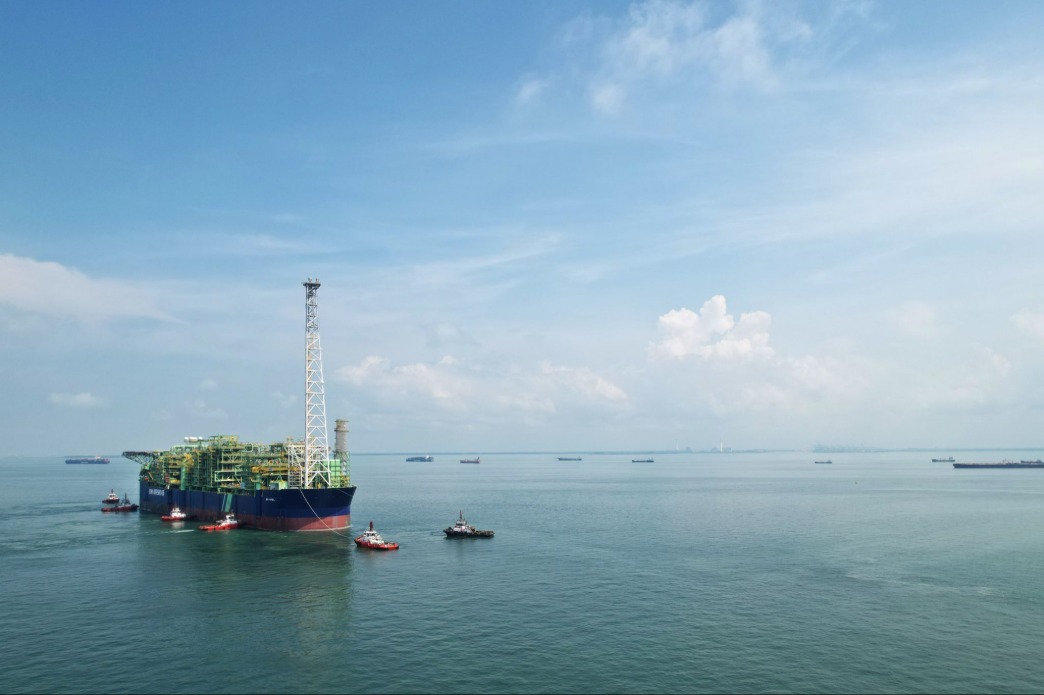
Australian FPSO production ramp-up on Santos’ agenda next week

Signal strongSource-grounded

What happened

Santos expects the Barossa FPSO to begin a production ramp‑up next week after completing flushing and heat‑exchanger cleaning and replacing dry gas compressor seals. The restart will feed the Darwin LNG plant a few days after the FPSO returns to service, making near‑term cargo and commissioning timing operationally relevant. Buyers and logistics teams should verify nomination windows, contractor availability and spare parts staging for the handover period

Buyer takeaway

Treat the ramp as a real, near‑term execution event: confirm contractors, spares and marine windows now rather than later

Cost / money

Increases near‑term execution and logistics spend risk due to commissioning activity and potential expedited contractor requisitions

Supplier / commercial

Local service providers may narrow availability windows and shorten quote validity as they prioritise mobilization for the ramp

Safety / operations

Compressed handover and flushing activities heighten the need for joint hazard assessments and verified competence for commissioning crews

What to watch

Watch supplier mobilisation confirmations and spare‑parts delivery ETAs; shortfalls will translate directly into cargo nomination and delivery risk

Key facts

  • FPSO Barossa scheduled to ramp next week
  • Heat exchanger flushing and compressor seal replacement completed ahead of ramp
  • LNG feed to Darwin expected shortly after FPSO returns to service

Source excerpts

Home Fossil Energy Australian FPSO production ramp-up on Santos’ agenda next week April 24, 2026, by Australia’s energy player Santos has disclosed a timeline for a production increase following a restart of output from a floating production, storage, and offloading (FPSO) vessel deployed at its gas project off the coast of Australia’s Northern Territory. FPSO BW Opal; Source: Santos Santos reported a production boost of 22
The Barossa FPSO is now expected to begin ramping up production in the next week as the firm completes the flushing and cleaning of heat exchanger trains
FPSO BW Opal; Source: Santos Santos reported a production boost of 22
Story 3Offshore TechnologyApr 24, 2026

Santos reports $1.27bn revenue and 3% rise in production Q1 2026

Signal strongSource-grounded

What happened

Santos reported quarter sales revenue and a small production rise, noting a reduced capex quarter and reiterating full‑year guidance. The report highlights steady operations including recent deliveries from Barossa and ongoing reliability at PNG LNG. This confirms available production but underlines the company’s reliance on maintenance and planned reliability work during the ramp and handover phases

Buyer takeaway

Use the Q1 report to validate production assumptions in contracts and to prioritise maintenance‑dependent contingencies during ramp‑ups

Cost / money

Lower capex this quarter can free operational spend but also signals a focus on reliability rather than new capacity; budget allocations should reflect that

Supplier / commercial

Suppliers for maintenance and commissioning are likely to be in steady demand locally; expect more defined scope and standard rates rather than deep discounts

Safety / operations

Ongoing reliability work reinforces the need for stringent competence verification and documented handover procedures during commissioning

What to watch

Watch operational KPIs reported in subsequent updates to confirm that ramp‑up timing and maintenance plans are holding to schedule

Key facts

  • Quarterly production in line with recent quarters
  • Quarter capex reported at $441m
  • Operational reliability at PNG LNG and initial Barossa cargoes delivered

Source excerpts

Capital expenditure (capex) for the quarter was $441m, a 28% decrease compared to Q1 2025. The company’s full-year 2026 guidance remains consistent, with projected production volumes ranging from 101 to 111mboe
Santos’ capex for Q1 2026 was $441m (A$618
Arcadia achieved facility reliability above 99%, while Fairview production remained stable with 23 wells drilled during the quarter
Story 4Offshore EnergyApr 24, 2026

French firm gets more work with Samsung Heavy Industries for LNG vessel pair

Signal moderateDirectional

What happened

GTT secured tank design work from Samsung Heavy Industries for two 180,000 cbm LNG carriers ordered by Celsius Tankers, with deliveries expected in later multi‑quarter windows. The order is another signal of continued newbuild activity and targeted capacity growth in the LNG carrier market. Buyers should treat this as a medium‑term capacity signal rather than immediate supply relief and factor it into longer‑term charter planning

Buyer takeaway

Treat newbuild orders as a medium‑term supply signal; do not expect immediate charter relief from these vessels

Cost / money

Newbuilds can ease future charter rate pressure directionally but will not change short‑term market tightness or pricing posture

Supplier / commercial

Shipyards and tank designers may offer bundled future commercial terms for forward bookings; buyers should capture optionality where sensible

Safety / operations

Newbuild specifications (tank type, fuel systems) affect compatibility with terminal operations and should be checked when planning long‑term charters

What to watch

Watch delivery schedules and time‑charter commitments for these vessels as they affect the pool of available ships when delivered

Key facts

  • Two LNG carriers with ~180,000 cbm capacity receive GTT Mark III Flex tank designs
  • Order placed with Samsung Heavy Industries; deliveries in multi‑quarter future windows
  • Part of continued order flow supporting future replacement and fleet growth

Source excerpts

LNG vessel; Source: GTT GTT has received an order from Samsung Heavy Industries’ shipyard for the tank design of two new LNG carriers on behalf of Celsius Tankers, the shipowner
LNG vessel; Source: GTT GTT has received an order from Samsung Heavy Industries’ shipyard for the tank design of two new LNG carriers on behalf of Celsius Tankers, the shipowner. The French player claims that each vessel, with a capacity of 180,000 cubic meters (cbm), will feature its cryogenic tanks
The delivery of the vessels is expected between the second and third quarters of 2028

VP Snapshot

Executive Risk & Action View

Santos plans a Barossa FPSO production ramp-up next week that will restart feed to Darwin LNG; this creates a near-term change in cargo timing and commissioning activity buyers should validate with operations and trading teams.

Overall
60
Cost
61
Supply
61
Schedule
38
Compliance
15

Top signals

30-180dcost

Signal 1: Cost / money

Ramp‑up and compressor repairs at Barossa increase near‑term logistics and commissioning spend risk for buyers who rely on timely cargo nominations and onshore regas schedules.

Signal 2: Cost / money

EU sanctions force tighter seller due diligence and 'no Russia' clauses into sales and tanker contracts, which can raise transaction costs and require contingency budgeting for rerouted or re‑chartered cargoes.

180d+supply

Signal 3: Supplier / commercial

Long‑lead LNG tanker and tank design orders (GTT+Samsung) point to multi‑quarter fleet renewal that will tighten short‑term charter markets until those vessels arrive, strengthening supplier pricing posture for charters.

30-180dschedule

Signal 4: Supplier / commercial

Santos’ consistent production and lower capex implies steady demand for maintenance and commissioning services, which could concentrate supplier bookings around Darwin and nearby service providers.

30-180dsupplier

Signal 5: Safety / operations

Operationally relevant work — heat exchanger flushing and compressor seal replacements — increases the need to confirm spare parts, contractor competence and joint hazard assessments before mobilisation.

Signal 6: Safety / operations

Port access bans and service prohibitions under the sanctions package create execution risk if a contracted vessel is later listed or restricted, raising uptime and contingency planning needs for onshore handovers.

Recommended actions

CategoryDue 3d

Confirm Barossa ramp‑up schedule and immediate feed/cargo nomination timing with Santos operations and trading.

Updated feed schedule and identification of any immediate logistics or nomination gaps.

ContractsDue 3d

Verify active charters and port access exposures against the new EU sanctions list with shipping and legal teams.

List of at‑risk charters and a compliance flag for each shipping counterparty.

OpsDue 21d

Request firm availability and mobilisation lead‑time statements from Darwin‑area contractors and update spare‑parts staging plans.

Validated mobilization lead times and a prioritized spare‑parts staging list for Barossa/Darwin interfaces.

ContractsDue 21d

Amend RFQs and charter tenders to include explicit 'no Russia' and anti‑circumvention due‑diligence clauses for shipping and terminal services.

Solicitations that capture supplier compliance commitments and reduce post‑award delisting risk.

CategoryDue 60d

Incorporate future newbuild schedule intelligence into long‑term charter planning and evaluate option holds or early‑forwarding with shipowners.

A prioritized list of shipowner options and recommended option‑hold approaches to secure medium‑term cargo capacity.

LegalDue 60d

Update contractual clauses for terminal and shipping agreements to include clear wind‑down, delisting and pass‑through cost mechanics for sanctioned/service‑restricted events.

Contracts with defined delisting triggers, cost pass‑through language and substitution procedures to protect delivery and liability positions.

Risk register

RiskTriggerMitigation
Watch whether EU maritime enforcement timelines and the planned Maritime Services Ban activation include a wind‑down period that affects existing charters and terminal services (timing is the key variable).Watch whether EU maritime enforcement timelines and the planned Maritime Services Ban activation include a wind‑down period that affects existing charters and terminal services (timing is the key variable).Confirm exposure with category, contracts, and operations before the next supplier commitment.
Watch for supplier quote windows to shorten for Darwin‑area services as Santos moves from restart into ramping mode; limited mobilisation slack will raise the value of committed availability.Watch for supplier quote windows to shorten for Darwin‑area services as Santos moves from restart into ramping mode; limited mobilisation slack will raise the value of committed availability.Confirm exposure with category, contracts, and operations before the next supplier commitment.

CM Snapshot

Category Manager Decision Detail

Today's priorities

Confirm Barossa ramp‑up schedule and immediate feed/cargo nomination timing with Santos operations and trading.

because the FPSO is scheduled to begin ramping next week and any shift will change near‑term logistic and commissioning obligations for buyers.

Due 3d

high

CM move

Use this as the immediate supplier or contract action to move before the next sourcing gate.

Verify active charters and port access exposures against the new EU sanctions list with shipping and legal teams.

because expanded vessel listings and port bans can suddenly invalidate service arrangements or require re‑chartering and contractual no‑Russia assurances.

Due 3d

high

CM move

Use this as the immediate supplier or contract action to move before the next sourcing gate.

Request firm availability and mobilisation lead‑time statements from Darwin‑area contractors and update spare‑parts staging plans.

because compressor seal work and heat‑exchanger flushing increase dependency on prompt contractor mobilisation and spare‑parts availability during ramp‑up.

Due 21d

high

CM move

Use this as the immediate supplier or contract action to move before the next sourcing gate.

Amend RFQs and charter tenders to include explicit 'no Russia' and anti‑circumvention due‑diligence clauses for shipping and terminal services.

because the EU package introduces mandatory seller due diligence and port/service bans that buyers must flow down to protect execution and compliance.

Due 21d

high

CM move

Use this as the immediate supplier or contract action to move before the next sourcing gate.

Supplier radar

Offshore Energy

high

Observed supplier signal

Long‑lead LNG tanker and tank design orders (GTT+Samsung) point to multi‑quarter fleet renewal that will tighten short‑term charter markets until those vessels arrive, strengthening supplier pricing posture for charters.

Commercial implication

Long‑lead LNG tanker and tank design orders (GTT+Samsung) point to multi‑quarter fleet renewal that will tighten short‑term charter markets until those vessels arrive, strengthening supplier pricing posture for charters.

Next step: Validate the source-backed signal with incumbents and alternates before the next award or pricing decision.

Offshore Technology

high

Observed supplier signal

Santos’ consistent production and lower capex implies steady demand for maintenance and commissioning services, which could concentrate supplier bookings around Darwin and nearby service providers.

Commercial implication

Santos’ consistent production and lower capex implies steady demand for maintenance and commissioning services, which could concentrate supplier bookings around Darwin and nearby service providers.

Next step: Validate the source-backed signal with incumbents and alternates before the next award or pricing decision.

Negotiation levers

Confirm Barossa ramp‑up schedule and immediate feed/cargo nomination timing with Santos operations and trading.

When to use: because the FPSO is scheduled to begin ramping next week and any shift will change near‑term logistic and commissioning obligations for buyers.

Expected outcome: Updated feed schedule and identification of any immediate logistics or nomination gaps.

Commercial mechanism to carry into the next supplier conversation

Verify active charters and port access exposures against the new EU sanctions list with shipping and legal teams.

When to use: because expanded vessel listings and port bans can suddenly invalidate service arrangements or require re‑chartering and contractual no‑Russia assurances.

Expected outcome: List of at‑risk charters and a compliance flag for each shipping counterparty.

Commercial mechanism to carry into the next supplier conversation

Request firm availability and mobilisation lead‑time statements from Darwin‑area contractors and update spare‑parts staging plans.

When to use: because compressor seal work and heat‑exchanger flushing increase dependency on prompt contractor mobilisation and spare‑parts availability during ramp‑up.

Expected outcome: Validated mobilization lead times and a prioritized spare‑parts staging list for Barossa/Darwin interfaces.

Commercial mechanism to carry into the next supplier conversation

Amend RFQs and charter tenders to include explicit 'no Russia' and anti‑circumvention due‑diligence clauses for shipping and terminal services.

When to use: because the EU package introduces mandatory seller due diligence and port/service bans that buyers must flow down to protect execution and compliance.

Expected outcome: Solicitations that capture supplier compliance commitments and reduce post‑award delisting risk.

Commercial mechanism to carry into the next supplier conversation

Talking points

Santos plans a Barossa FPSO production ramp-up next week that will restart feed to Darwin LNG; this creates a near-term change in cargo timing and commissioning activity buyers should validate with operations and trading teams.
The EU’s 20th sanctions package expands port bans and blacklists hundreds of shadow‑fleet vessels, introducing new mandatory 'no Russia' sales and service clauses that will affect tanker and terminal contracting and due diligence.
Santos’ Q1 report confirms steady production and lower quarter capex, which supports an operational ramp but also highlights ongoing reliance on reliability work (compressor seals, heat‑exchanger flushing) during handovers.
New LNG carrier tank orders (GTT with Samsung) show continued long‑lead shipbuilding activity that will influence future charter availability and replacement capacity; delivery is multi‑quarter out and not an immediate supply fix.

Supplier radar

SupplierSignalImplicationNext stepConfidence
Offshore EnergyLong‑lead LNG tanker and tank design orders (GTT+Samsung) point to multi‑quarter fleet renewal that will tighten short‑term charter markets until those vessels arrive, strengthening supplier pricing posture for charters.Long‑lead LNG tanker and tank design orders (GTT+Samsung) point to multi‑quarter fleet renewal that will tighten short‑term charter markets until those vessels arrive, strengthening supplier pricing posture for charters.Validate the source-backed signal with incumbents and alternates before the next award or pricing decision.high
Offshore TechnologySantos’ consistent production and lower capex implies steady demand for maintenance and commissioning services, which could concentrate supplier bookings around Darwin and nearby service providers.Santos’ consistent production and lower capex implies steady demand for maintenance and commissioning services, which could concentrate supplier bookings around Darwin and nearby service providers.Validate the source-backed signal with incumbents and alternates before the next award or pricing decision.high

Negotiation levers

  • Confirm Barossa ramp‑up schedule and immediate feed/cargo nomination timing with Santos operations and trading.because the FPSO is scheduled to begin ramping next week and any shift will change near‑term logistic and commissioning obligations for buyers.Updated feed schedule and identification of any immediate logistics or nomination gaps.

    high confidence

  • Verify active charters and port access exposures against the new EU sanctions list with shipping and legal teams.because expanded vessel listings and port bans can suddenly invalidate service arrangements or require re‑chartering and contractual no‑Russia assurances.List of at‑risk charters and a compliance flag for each shipping counterparty.

    high confidence

  • Request firm availability and mobilisation lead‑time statements from Darwin‑area contractors and update spare‑parts staging plans.because compressor seal work and heat‑exchanger flushing increase dependency on prompt contractor mobilisation and spare‑parts availability during ramp‑up.Validated mobilization lead times and a prioritized spare‑parts staging list for Barossa/Darwin interfaces.

    high confidence

  • Amend RFQs and charter tenders to include explicit 'no Russia' and anti‑circumvention due‑diligence clauses for shipping and terminal services.because the EU package introduces mandatory seller due diligence and port/service bans that buyers must flow down to protect execution and compliance.Solicitations that capture supplier compliance commitments and reduce post‑award delisting risk.

    high confidence

What to do / What to watch

What to do now

  • Confirm Barossa ramp‑up schedule and immediate feed/cargo nomination timing with Santos operations and trading.

    Why: because the FPSO is scheduled to begin ramping next week and any shift will change near‑term logistic and commissioning obligations for buyers.

    Owner: Category

    Expected outcome: Updated feed schedule and identification of any immediate logistics or nomination gaps.

    [1]
  • Verify active charters and port access exposures against the new EU sanctions list with shipping and legal teams.

    Why: because expanded vessel listings and port bans can suddenly invalidate service arrangements or require re‑chartering and contractual no‑Russia assurances.

    Owner: Contracts

    Expected outcome: List of at‑risk charters and a compliance flag for each shipping counterparty.

    [3]

Next few weeks

  • Request firm availability and mobilisation lead‑time statements from Darwin‑area contractors and update spare‑parts staging plans.

    Why: because compressor seal work and heat‑exchanger flushing increase dependency on prompt contractor mobilisation and spare‑parts availability during ramp‑up.

    Owner: Ops

    Expected outcome: Validated mobilization lead times and a prioritized spare‑parts staging list for Barossa/Darwin interfaces.

    [1]
  • Amend RFQs and charter tenders to include explicit 'no Russia' and anti‑circumvention due‑diligence clauses for shipping and terminal services.

    Why: because the EU package introduces mandatory seller due diligence and port/service bans that buyers must flow down to protect execution and compliance.

    Owner: Contracts

    Expected outcome: Solicitations that capture supplier compliance commitments and reduce post‑award delisting risk.

    [3]

Longer view

  • Incorporate future newbuild schedule intelligence into long‑term charter planning and evaluate option holds or early‑forwarding with shipowners.

    Why: because GTT/Samsung orders signal medium‑term fleet additions but not near‑term relief, so securing optional capacity or long‑term charters reduces exposure to tightened short‑t...

    Owner: Category

    Expected outcome: A prioritized list of shipowner options and recommended option‑hold approaches to secure medium‑term cargo capacity.

    [2]
  • Update contractual clauses for terminal and shipping agreements to include clear wind‑down, delisting and pass‑through cost mechanics for sanctioned/service‑restricted events.

    Why: because the sanctions package expressly enables port/service bans and sellers will need contractual mechanisms to allocate costs and permit substitutions when access is removed.

    Owner: Legal

    Expected outcome: Contracts with defined delisting triggers, cost pass‑through language and substitution procedures to protect delivery and liability positions.

    [3]

What to watch

  • Watch whether EU maritime enforcement timelines and the planned Maritime Services Ban activation include a wind‑down period that affects existing charters and terminal services (timing is the key variable)
  • Watch for supplier quote windows to shorten for Darwin‑area services as Santos moves from restart into ramping mode; limited mobilisation slack will raise the value of committed availability
  • Watch whether EU maritime enforcement timelines and the planned Maritime Services Ban activation include a wind‑down period that affects existing charters and terminal services (timing is the key variable).: Watch whether EU maritime enforcement timelines and the planned Maritime Services Ban activation include a wind‑down period that affects existing charters and terminal services (timing is the key variable)
  • Watch for supplier quote windows to shorten for Darwin‑area services as Santos moves from restart into ramping mode; limited mobilisation slack will raise the value of committed availability.: Watch for supplier quote windows to shorten for Darwin‑area services as Santos moves from restart into ramping mode; limited mobilisation slack will raise the value of committed availability
  • Santos plans a Barossa FPSO production ramp-up next week that will restart feed to Darwin LNG; this creates a near-term change in cargo timing and commissioning activity buyers should validate with operations and trading teams
  • The EU’s 20th sanctions package expands port bans and blacklists hundreds of shadow‑fleet vessels, introducing new mandatory 'no Russia' sales and service clauses that will affect tanker and terminal contracting and due diligence
  • Santos’ Q1 report confirms steady production and lower quarter capex, which supports an operational ramp but also highlights ongoing reliance on reliability work (compressor seals, heat‑exchanger flushing) during handovers
  • New LNG carrier tank orders (GTT with Samsung) show continued long‑lead shipbuilding activity that will influence future charter availability and replacement capacity; delivery is multi‑quarter out and not an immediate supply fix

Market pulse

IndexLatestChangeAs of
WTI Crude (WTI)71.23 /bbl+0.00 (+0.00%)Apr 24, 2026, 10:05 PM
Brent Crude (BRENT)74.89 /bbl+0.00 (+0.00%)Apr 24, 2026, 10:05 PM
Natural Gas (NG)3.12 /MMBtu+0.00 (+0.00%)Apr 24, 2026, 10:05 PM
Henry Hub Gas (NG)3.12 /MMBtu+0.00 (+0.00%)Apr 24, 2026, 10:05 PM
Cheniere (LNG) (LNG)185 +0.00 (+0.00%)Apr 24, 2026, 10:05 PM
Brent Crude (BRENT)74.89 /bbl+0.00 (+0.00%)Apr 24, 2026, 10:05 PM
  • Cheniere (LNG): LNG market moves influence cargo sourcing and nomination strategy for Darwin and other importers
  • Dry Bulk Shipping (BDRY): Dry bulk and shipping indices reflect charter market tightness that affects substitution options for tankers and onshore logistics

Sources

Inline citations jump here. Expand a source to read the excerpt, the AI interpretation, and the original link.

[1] Australian FPSO production ramp-up on Santos’ agenda next week

offshore-energy.biz · Apr 24, 2026

Expand

AI reading

Santos expects the Barossa FPSO to begin a production ramp‑up next week after completing flushing and heat‑exchanger cleaning and replacing dry gas compressor seals. The restart will feed the Darwin LNG plant a few days after the FPSO returns to service, making near‑term cargo and commissioning timing operationally relevant. Buyers and logistics teams should verify nomination windows, contractor availability and spare parts staging for the handover period

Buyer takeaway

Treat the ramp as a real, near‑term execution event: confirm contractors, spares and marine windows now rather than later

Cost / money

Increases near‑term execution and logistics spend risk due to commissioning activity and potential expedited contractor requisitions

Supplier / commercial

Local service providers may narrow availability windows and shorten quote validity as they prioritise mobilization for the ramp

Safety / operations

Compressed handover and flushing activities heighten the need for joint hazard assessments and verified competence for commissioning crews

What to watch

Watch supplier mobilisation confirmations and spare‑parts delivery ETAs; shortfalls will translate directly into cargo nomination and delivery risk

Key facts

  • FPSO Barossa scheduled to ramp next week
  • Heat exchanger flushing and compressor seal replacement completed ahead of ramp
  • LNG feed to Darwin expected shortly after FPSO returns to service

Source excerpts

Home Fossil Energy Australian FPSO production ramp-up on Santos’ agenda next week April 24, 2026, by Australia’s energy player Santos has disclosed a timeline for a production increase following a restart of output from a floating production, storage, and offloading (FPSO) vessel deployed at its gas project off the coast of Australia’s Northern Territory. FPSO BW Opal; Source: Santos Santos reported a production boost of 22
The Barossa FPSO is now expected to begin ramping up production in the next week as the firm completes the flushing and cleaning of heat exchanger trains
FPSO BW Opal; Source: Santos Santos reported a production boost of 22

Used in this brief

  • Santos plans a Barossa FPSO production ramp-up next week that will restart feed to Darwin LNG; this creates a near-term change in cargo timing and commissioning activity buyers should validate with operations and trading teams. The EU’s 20th sanctions package expands port bans and blacklists hundreds of shadow‑fleet vessels, introducing new mandatory 'no Russia' sales and service clauses that will affect tanker and terminal contracting and due diligence. Santos’ Q1 report confirms steady production and lower quarter capex, which supports an operational ramp but also highlights ongoing reliance on reliability work (compressor seals, heat‑exchanger flushing) during handovers. New LNG carrier tank orders (GTT with Samsung) show continued long‑lead shipbuilding activity that will influence future charter availability and replacement capacity; delivery is multi‑quarter out and not an immediate supply fix
  • Next 72 hours — Confirm Barossa ramp‑up schedule and immediate feed/cargo nomination timing with Santos operations and trading.. Rationale: because the FPSO is scheduled to begin ramping next week and any shift will change near‑term logistic and commissioning obligations for buyers.. Owner: Category. KPI: Updated feed schedule and identification of any immediate logistics or nomination gaps
  • Next 2-4 weeks — Request firm availability and mobilisation lead‑time statements from Darwin‑area contractors and update spare‑parts staging plans.. Rationale: because compressor seal work and heat‑exchanger flushing increase dependency on prompt contractor mobilisation and spare‑parts availability during ramp‑up.. Owner: Ops. KPI: Validated mobilization lead times and a prioritized spare‑parts staging list for Barossa/Darwin interfaces
Open original source

[2] French firm gets more work with Samsung Heavy Industries for LNG vessel pair

offshore-energy.biz · Apr 24, 2026

Expand

AI reading

GTT secured tank design work from Samsung Heavy Industries for two 180,000 cbm LNG carriers ordered by Celsius Tankers, with deliveries expected in later multi‑quarter windows. The order is another signal of continued newbuild activity and targeted capacity growth in the LNG carrier market. Buyers should treat this as a medium‑term capacity signal rather than immediate supply relief and factor it into longer‑term charter planning

Buyer takeaway

Treat newbuild orders as a medium‑term supply signal; do not expect immediate charter relief from these vessels

Cost / money

Newbuilds can ease future charter rate pressure directionally but will not change short‑term market tightness or pricing posture

Supplier / commercial

Shipyards and tank designers may offer bundled future commercial terms for forward bookings; buyers should capture optionality where sensible

Safety / operations

Newbuild specifications (tank type, fuel systems) affect compatibility with terminal operations and should be checked when planning long‑term charters

What to watch

Watch delivery schedules and time‑charter commitments for these vessels as they affect the pool of available ships when delivered

Key facts

  • Two LNG carriers with ~180,000 cbm capacity receive GTT Mark III Flex tank designs
  • Order placed with Samsung Heavy Industries; deliveries in multi‑quarter future windows
  • Part of continued order flow supporting future replacement and fleet growth

Source excerpts

LNG vessel; Source: GTT GTT has received an order from Samsung Heavy Industries’ shipyard for the tank design of two new LNG carriers on behalf of Celsius Tankers, the shipowner
LNG vessel; Source: GTT GTT has received an order from Samsung Heavy Industries’ shipyard for the tank design of two new LNG carriers on behalf of Celsius Tankers, the shipowner. The French player claims that each vessel, with a capacity of 180,000 cubic meters (cbm), will feature its cryogenic tanks
The delivery of the vessels is expected between the second and third quarters of 2028

Used in this brief

  • Supplier / commercial: Long‑lead LNG tanker and tank design orders (GTT+Samsung) point to multi‑quarter fleet renewal that will tighten short‑term charter markets until those vessels arrive, strengthening supplier pricing posture for charters
  • Next quarter — Incorporate future newbuild schedule intelligence into long‑term charter planning and evaluate option holds or early‑forwarding with shipowners.. Rationale: because GTT/Samsung orders signal medium‑term fleet additions but not near‑term relief, so securing optional capacity or long‑term charters reduces exposure to tightened short‑t.... Owner: Category. KPI: A prioritized list of shipowner options and recommended option‑hold approaches to secure medium‑term cargo capacity
  • Added GTT/Samsung LNG carrier tank order indicating additional long‑lead newbuilds in the medium term
Open original source

[3] EU’s 20th sanctions batch tightens grip on Russia’s oil, gas, LNG and shadow fleet spheres with 632 vessels blacklisted

offshore-energy.biz · Apr 24, 2026

Expand

AI reading

The EU adopted its 20th sanctions package, expanding listings and adding stronger anti‑circumvention measures that target Russia’s oil, gas, LNG and shadow fleet. The package adds hundreds of vessels to a shadow‑fleet list, includes port access bans and introduces mandatory seller due diligence and 'no Russia' clauses for tanker sales and services. Buyers should watch how member states implement maritime enforcement and the timing of any maritime services ban for charter and terminal contracts

Buyer takeaway

Treat sanctions as a procurement constraint: expect to flow tighter compliance, no‑Russia clauses and delisting mechanisms into shipping and terminal contracts immediately

Cost / money

Directionally increases transaction and contingency costs: additional due diligence, possible re‑chartering and rerouting will raise short‑term logistics spend

Supplier / commercial

Suppliers (shipowners, shipyards, brokers) will tighten quote validity and may charge premia for guaranteed availability as sanctioned options are removed from the market

Safety / operations

Port bans and service restrictions can force last‑minute vessel substitutions and create handover timing risks at terminals; plan for uptime impacts during handovers

What to watch

Watch enforcement timelines and which flag states co‑operate; timing determines whether existing charters are affected immediately or after a wind‑down period

Key facts

  • 20th EU sanctions package announced
  • Hundreds of shadow‑fleet vessels listed with port/service bans
  • New mandatory seller due diligence and 'no Russia' sales clauses

Source excerpts

The new sanctions insert safeguards on tanker sales from the EU to prevent Russian end-use, with the dedicated due diligence by sellers, as well as a mandatory ‘no Russia’ clause to be passed on into sales contracts, anticipated to prevent usage deployment within the shadow fleet
The European Council will decide when the Maritime Services Ban will enter into force, considering an appropriate wind-down period to further reduce the total available capacity to transport Russian oil, hitting the country’s main source of revenue for its ‘war machine
With these additions, 632 vessels that are believed to belong to Russia’s shadow fleet are now listed by the EU and subject to a port access ban and a ban on receiving services, as the European Union continues its outreach to flag states to ensure that their registers do not allow these vessels to sail under their flags. While 46 vessels are added to the sanctions list, 11 ships are also delisted in this 20th package, showing that delisting is a possibility for vessels returning to compliance

Used in this brief

  • Cost / money: EU sanctions force tighter seller due diligence and 'no Russia' clauses into sales and tanker contracts, which can raise transaction costs and require contingency budgeting for rerouted or re‑chartered cargoes
  • What to watch: Watch whether EU maritime enforcement timelines and the planned Maritime Services Ban activation include a wind‑down period that affects existing charters and terminal services (timing is the key variable)
  • Next 72 hours — Verify active charters and port access exposures against the new EU sanctions list with shipping and legal teams.. Rationale: because expanded vessel listings and port bans can suddenly invalidate service arrangements or require re‑chartering and contractual no‑Russia assurances.. Owner: Contracts. KPI: List of at‑risk charters and a compliance flag for each shipping counterparty
Open original source

[4] Santos reports $1.27bn revenue and 3% rise in production Q1 2026

offshore-technology.com · Apr 24, 2026

Expand

AI reading

Santos reported quarter sales revenue and a small production rise, noting a reduced capex quarter and reiterating full‑year guidance. The report highlights steady operations including recent deliveries from Barossa and ongoing reliability at PNG LNG. This confirms available production but underlines the company’s reliance on maintenance and planned reliability work during the ramp and handover phases

Buyer takeaway

Use the Q1 report to validate production assumptions in contracts and to prioritise maintenance‑dependent contingencies during ramp‑ups

Cost / money

Lower capex this quarter can free operational spend but also signals a focus on reliability rather than new capacity; budget allocations should reflect that

Supplier / commercial

Suppliers for maintenance and commissioning are likely to be in steady demand locally; expect more defined scope and standard rates rather than deep discounts

Safety / operations

Ongoing reliability work reinforces the need for stringent competence verification and documented handover procedures during commissioning

What to watch

Watch operational KPIs reported in subsequent updates to confirm that ramp‑up timing and maintenance plans are holding to schedule

Key facts

  • Quarterly production in line with recent quarters
  • Quarter capex reported at $441m
  • Operational reliability at PNG LNG and initial Barossa cargoes delivered

Source excerpts

Capital expenditure (capex) for the quarter was $441m, a 28% decrease compared to Q1 2025. The company’s full-year 2026 guidance remains consistent, with projected production volumes ranging from 101 to 111mboe
Santos’ capex for Q1 2026 was $441m (A$618
Arcadia achieved facility reliability above 99%, while Fairview production remained stable with 23 wells drilled during the quarter

Used in this brief

  • Santos reported quarter sales revenue and a small production rise, noting a reduced capex quarter and reiterating full‑year guidance. The report highlights steady operations including recent deliveries from Barossa and ongoing reliability at PNG LNG. This confirms available production but underlines the company’s reliance on maintenance and planned reliability work during the ramp and handover phases
  • Buyer bottom line: Santos’ steady production and lowered near‑term capex suggest continuity of cargo supply but maintain dependence on scheduled maintenance and contractor performance
  • Use the Q1 report to validate production assumptions in contracts and to prioritise maintenance‑dependent contingencies during ramp‑ups
Open original source

[5] Cheniere (LNG)

finance.yahoo.com · n.d.

Expand

[6] Dry Bulk Shipping (BDRY)

finance.yahoo.com · n.d.

Expand