Logistics, Marine & Aviation · Australia (Perth)

Recalibrate Marine Contracts and Border Controls for Fleet Changes

Published Apr 25, 2026, 6:08 AM AWSTAPACFull category signal
Ask AI
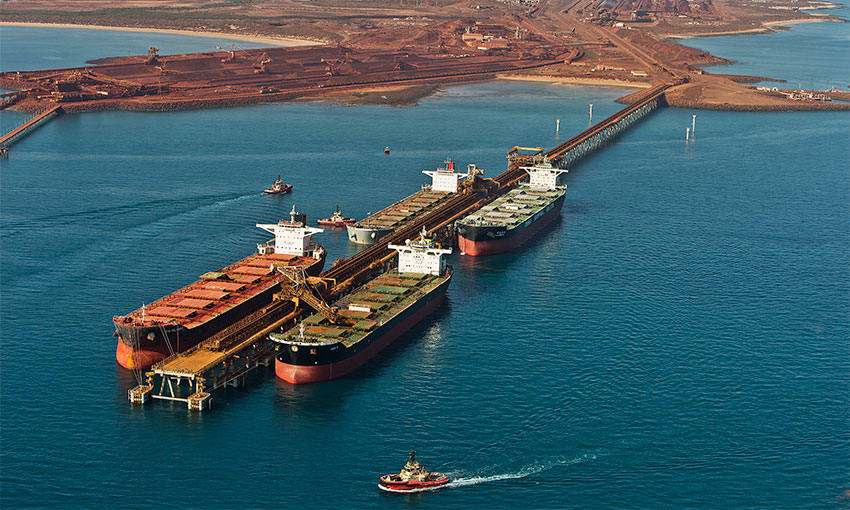
Rio Tinto quietly restructuring its marine fleet

In 60 seconds

Top move

Rio Tinto is restructuring its marine fleet with disposals, towage‑contract consolidation and a fleet retrofit program that is scaling beyond trial vessels; this realigns where execution risk and emissions responsibility sit between buyers and maritime suppliers

Key takeaways

  • Rio Tinto is restructuring its marine fleet with disposals, towage‑contract consolidation and a fleet retrofit program that is scaling beyond trial vessels; this realigns where execution risk and emissions responsibility sit between buyers and maritime suppliers.[1]
  • Customs broker capacity in Australia is ageing and thin outside major states, creating a credible clearance and compliance bottleneck that procurement must treat as an operational dependency—not just an IT or automation problem.[2]
  • Pilotage and port teams are formalising near‑miss data, AIS modelling and bridge-team behaviours; adoption of these practices changes how buyers should assess tug, pilot and port performance beyond static KPIs.[3]
  • Local depot capabilities matter: Sydney container depots advertising authorised biosecurity and fumigation services are pragmatic options for lanes exposed to washdown or border inspection holds.[4]
  • Taken together, these items shift procurement focus from pure price negotiation to execution clauses (mobilisation, emissions retrofits, clearance support and compliance pass‑throughs) on ocean, port and customs services.[1]

What changed since last run

  • Added a concrete supplier-side restructuring signal from a major charterer (Rio Tinto) not present in the prior brief.
  • Added explicit procurement implications from customs broker workforce constraints versus the prior brief's focus on Part X and biosecurity pass-throughs.
  • Added operational safety practice changes from NZ pilotage conference to the watchlist; previous run did not include pilotage data-adoption signals.

Key facts

  • Operates more than 230 chartered vessels and 17 owned ships
  • Retrofit trials on four ships now scaling to additional installations
  • Reported 50% reduction in critical shipboard incidents since 2022
  • Nearly half of licensed customs brokers are aged 50 or older
  • Freight & Trade Alliance CPD programs planned for May–June
  • Conference theme: Positive Organisational Culture

Why it matters

Rio Tinto is restructuring its marine fleet with disposals, towage‑contract consolidation and a fleet retrofit program that is scaling beyond trial vessels; this realigns where execution risk and emissions responsibility sit between buyers and maritime suppliers. Customs broker capacity in Australia is ageing and thin outside major states, creating a credible clearance and compliance bottleneck that procurement must treat as an operational dependency—not just an IT or automation problem. Pilotage and port teams are formalising near‑miss data, AIS modelling and bridge-team behaviours; adoption of these practices changes how buyers should assess tug, pilot and port performance beyond static KPIs. Local depot capabilities matter: Sydney container depots advertising authorised biosecurity and fumigation services are pragmatic options for lanes exposed to washdown or border inspection holds

Cost / money

  • Retrofit and efficiency programs can shift lifecycle cost discussions toward short-term capex and supplier change orders; buyers should expect new pass-through asks linked to emissions or performance upgrades.[1]
  • Customs broker scarcity raises the risk of clearance delays that translate into demurrage and detention exposure for buyers and carriers, increasing landed cost volatility on sensitive lanes.[2]

Supplier / commercial

  • Consolidation of towage and charter management concentrates leverage with fewer suppliers and partners, creating windows for suppliers to tighten quote validity and mobilization terms.[1]
  • Regional depots that document biosecurity and fumigation capability can command premium commercial terms for high‑risk lanes, altering sourcing shortlists and local rate structures.[4]

Safety / operations

  • Formalising near‑miss reporting, AIS modelling and bridge-team training reduces incident risk but increases expectation that suppliers produce data and take corrective actions as part of contracts.[3]
  • Rio Tinto's Designated Owners and Operators program has reportedly halved critical shipboard incidents, signalling that stronger governance clauses and DOO-like oversight can have measurable safety benefits for chartered tonnage.[1]

What to watch

  • Watch for suppliers shortening quote validity and requiring accelerated mobilisation slots as retrofit and consolidation programs scale—this will compress negotiation windows and favour suppliers with capacity.[1]
  • Watch customs broker recruitment and CPD program uptake in May–June; slow adoption or geographic concentration of brokers will materially affect clearance timelines on regional and non‑metro lanes.[2]

Top stories

Story 1Thedcn

Rio Tinto quietly restructuring its marine fleet

Signal strongSource-grounded

What happened

Rio Tinto is reshaping its marine footprint through vessel disposals, towage‑contract consolidation and a fleetwide energy‑efficiency retrofit program. The work is moving beyond trials—retrofits and performance monitoring are scaling across owned and time‑chartered vessels and linked to a Designated Owners and Operators governance model. Watch whether suppliers begin to shorten quote validity and press mobilisation windows as installations scale

Buyer takeaway

Treat the restructuring as a supplier-capacity and contract-allocation event; expect suppliers to seek faster mobilisation terms and to reprice retrofits and performance services

Cost / money

Directional increase in near-term supplier cost claims is likely as retrofit and efficiency upgrades create discrete work packages and change orders

Supplier / commercial

Consolidation and long-term performance monitoring increase supplier leverage on timing, quote validity and service bundling

Safety / operations

DOO-style governance and retrofits have reduced incidents; embedding similar oversight with charter partners can improve uptime and reduce operational shocks

What to watch

Watch for shortened quote windows, mobilisation surcharges, and suppliers requiring pass-through of retrofit costs into short-term charters

Key facts

  • Operates more than 230 chartered vessels and 17 owned ships
  • Retrofit trials on four ships now scaling to additional installations
  • Reported 50% reduction in critical shipboard incidents since 2022

Source excerpts

MINING giant Rio Tinto appears to be reshaping the structure and operation of its global marine fleet, with a combination of vessel disposals, towage‑contract consolidation and a fleet‑wide efficiency program pointing to a gradual but material shift in how it manages its shipping assets. While the company has not issued a single formal “fleet restructuring” announcement, recent developments across its owned and chartered tonnage indicate a strategic recalibration of its marine operations
Together, the efficiency upgrades, towage‑fleet renewal and strengthened operational governance point to a broader restructuring of Rio Tinto’s marine footprint — one focused on performance, emissions, and long‑term cost control rather than expansion of owned tonnage
These developments come as Rio Tinto emphasises safety and operational standards across its chartered fleet. The miner reports a 50% reduction in critical shipboard incidents since 2022, driven by its Designated Owners and Operators (DOO) program, which now covers nearly half of its chartered volumes
Story 2Thedcn

OPINION: AI not the answer to Customs Broker skills shortages

Signal moderateDirectional

What happened

An industry opinion piece flags a concentrated, ageing customs broker population with limited depth outside major states and warns that AI alone won't solve statutory-accountability gaps. The piece notes planned CPD programs and positions AI as an assistant not a replacer of licensed brokers; procurement should watch whether CPD uptake and regional recruitment respond to the skills gap

Buyer takeaway

Do not assume automation eliminates broker risk; plan for human-capability shortfalls and build contingency broker coverage for critical lanes

Cost / money

Broker shortages increase potential for clearance delays and related demurrage/detention costs if not mitigated

Supplier / commercial

Brokers with deep statutory knowledge gain leverage on premium service fees and selective lane coverage

Safety / operations

Reduced broker coverage can weaken compliance checks, increasing biosecurity and tariff risk at border points

What to watch

Watch CPD uptake and broker recruitment outside major states; low regional depth will expose non-metro lanes first

Key facts

  • Nearly half of licensed customs brokers are aged 50 or older
  • Freight & Trade Alliance CPD programs planned for May–June

Source excerpts

Geographic concentration presents another vulnerability. Approximately 76 per cent of licensed customs brokers are in New South Wales and Victoria, leaving limited depth in regional and smaller jurisdictions
Among the most critical of these professions is that of the licensed customs broker
Approximately 76 per cent of licensed customs brokers are in New South Wales and Victoria, leaving limited depth in regional and smaller jurisdictions
Story 3Thedcn

New Zealand Marine Pilots Association Conference 2026 – Tauranga, NZ

Signal moderateSource-grounded

What happened

The New Zealand Marine Pilots Association conference emphasised that safety advances now require structured organisational culture and data-based review of real transits. Presentations described integrated near‑miss reporting, AIS-based modelling and automated risk detection—tools that change vendor evaluation from paperwork to live-data capabilities

Buyer takeaway

Prioritise suppliers that can provide near-miss and AIS analytics as part of performance reporting rather than relying solely on paper-based safety claims

Cost / money

Suppliers investing in data systems may seek recovery of implementation costs or premium rates unless contracts specify data obligations

Supplier / commercial

Vendors that can demonstrate telemetry and analytics will gain preferred access in safety-focused shortlists

Safety / operations

Data-driven pilotage reduces uncertainty in transits and supports targeted training interventions that can lower incident exposure

What to watch

Watch supplier roadmaps for implementing AIS analytics and near-miss platforms; early adopters may charge a premium

Key facts

  • Conference theme: Positive Organisational Culture
  • Port of Tauranga demonstrated near-miss reporting integrated with AIS modelling
  • Conference signals ongoing rollout with next event planned

Source excerpts

Their system integrates:• Near-miss reporting • Data analysis • AIS-based modelling • Automated risk detection This enables organisations to identify hazards early and improve systems before incidents occur
Learning before failure Captain Jimmy Koh, representing Singapore Maritime Pilots, reinforced the importance of learning from near misses. Their system integrates:• Near-miss reporting • Data analysis • AIS-based modelling • Automated risk detection This enables organisations to identify hazards early and improve systems before incidents occur
In safety-critical environments, this is where risk accumulates. Building on this on behalf of Safe Harbours Australia, I explored how psychological safety applies directly to pilotage practice
Story 4Price & Speed

Sydney Container Depot

Signal limitedDirectional

What happened

A Sydney depot operator is advertising authorised fumigation, biosecurity handling and depots close to Sydney ports, positioning itself as a practical option for lanes facing washdown or inspection exposure. The commercial offer is operationally real and usable now for buyers who need local solutions rather than speculative national policy changes

Buyer takeaway

Add authorised local depots to contingency lists for lanes at risk of inspection or washdown requirements

Cost / money

Using authorised depots can incur premium handling or fumigation charges, which should be budgeted as pass-throughs when applicable

Supplier / commercial

Local depot operators with authorisations can negotiate preferred-rate arrangements for sustained lane coverage

Safety / operations

Authorised depots reduce border-hold time and help manage biosecurity compliance, improving lane resilience

What to watch

This is a commercial listing and not a policy signal; verify authorisation scope and operational hours before awarding work

Key facts

  • Two depots located close to Sydney Ports
  • Authorised facility for commercial operations and biosecurity activities
  • Daily operating capability advertised

Source excerpts

Located close to Sydney Ports, Price & Speed is an authorised facility for commercial operations and biosecurity activities
Located close to Sydney Ports, Price & Speed is an authorised facility for commercial operations and biosecurity activities. We offer a wide range of services and have 2 Depots to handle all your requirements: Our dedicated team have the expertise to handle all types of cargo Have any questions?
+61 2 9666 6565Open 7 dayscheck our contact page for depot operating hours

VP Snapshot

Executive Risk & Action View

Rio Tinto is restructuring its marine fleet with disposals, towage‑contract consolidation and a fleet retrofit program that is scaling beyond trial vessels; this realigns where execution risk and emissions responsibility sit between buyers and maritime suppliers.

Overall
61
Cost
79
Supply
43
Schedule
38
Compliance
15

Top signals

30-180dcost

Signal 1: Cost / money

Retrofit and efficiency programs can shift lifecycle cost discussions toward short-term capex and supplier change orders; buyers should expect new pass-through asks linked to emissions or performance upgrades.

Signal 2: Cost / money

Customs broker scarcity raises the risk of clearance delays that translate into demurrage and detention exposure for buyers and carriers, increasing landed cost volatility on sensitive lanes.

Signal 4: Supplier / commercial

Regional depots that document biosecurity and fumigation capability can command premium commercial terms for high‑risk lanes, altering sourcing shortlists and local rate structures.

30-180dschedule

Signal 3: Supplier / commercial

Consolidation of towage and charter management concentrates leverage with fewer suppliers and partners, creating windows for suppliers to tighten quote validity and mobilization terms.

30-180dsupplier

Signal 5: Safety / operations

Formalising near‑miss reporting, AIS modelling and bridge-team training reduces incident risk but increases expectation that suppliers produce data and take corrective actions as part of contracts.

Signal 6: Safety / operations

Rio Tinto's Designated Owners and Operators program has reportedly halved critical shipboard incidents, signalling that stronger governance clauses and DOO-like oversight can have measurable safety benefits for chartered tonnage.

Recommended actions

ContractsDue 3d

Tag ocean and towage contracts with high execution dependency for review of mobilisation, retrofit and emissions pass-through clauses.

Identified contracts with gap flags and owners assigned for amendment or risk acceptance.

CategoryDue 21d

Audit customs clearance lanes and identify high-risk shipments where broker continuity is thin; create a prioritized list for broker engagement or contingency agreements.

Shortlist of lanes with broker risk and named contingency suppliers or escalation paths.

OpsDue 21d

Issue a supplier questionnaire to key port, tug and pilot partners requiring evidence of near-miss reporting, AIS-derived analytics and bridge-team training.

Supplier responses that allow tiering on safety-data maturity and feed into shortlists for operational lanes.

LegalDue 60d

Rewrite RFx and service contract templates to include retrofit cost allocation options, mobilisation minimum notice, and data-reporting obligations for tug/pilot performance.

Updated templates that reduce activation ambiguity and allocate retrofit and mobilisation costs clearly between buyer and supplier.

Risk register

RiskTriggerMitigation
Watch for suppliers shortening quote validity and requiring accelerated mobilisation slots as retrofit and consolidation programs scale—this will compress negotiation windows and favour suppliers with capacity.Watch for suppliers shortening quote validity and requiring accelerated mobilisation slots as retrofit and consolidation programs scale—this will compress negotiation windows and favour suppliers with capacity.Confirm exposure with category, contracts, and operations before the next supplier commitment.
Watch customs broker recruitment and CPD program uptake in May–June; slow adoption or geographic concentration of brokers will materially affect clearance timelines on regional and non‑metro lanes.Watch customs broker recruitment and CPD program uptake in May–June; slow adoption or geographic concentration of brokers will materially affect clearance timelines on regional and non‑metro lanes.Confirm exposure with category, contracts, and operations before the next supplier commitment.

CM Snapshot

Category Manager Decision Detail

Today's priorities

Tag ocean and towage contracts with high execution dependency for review of mobilisation, retrofit and emissions pass-through clauses.

because reported fleet restructuring and retrofit programs shift cost and timing responsibility toward suppliers and require clearer mobilisation and pass-through language.

Due 3d

high

CM move

Use this as the immediate supplier or contract action to move before the next sourcing gate.

Audit customs clearance lanes and identify high-risk shipments where broker continuity is thin; create a prioritized list for broker engagement or contingency agreements.

because customs broker shortages increase clearance risk and selective contingency coverage reduces potential demurrage and inspection hold exposure.

Due 21d

high

CM move

Use this as the immediate supplier or contract action to move before the next sourcing gate.

Issue a supplier questionnaire to key port, tug and pilot partners requiring evidence of near-miss reporting, AIS-derived analytics and bridge-team training.

because pilots and ports are moving toward data-driven safety practices and buyers will need to verify supplier alignment before accepting performance claims.

Due 21d

high

CM move

Use this as the immediate supplier or contract action to move before the next sourcing gate.

Rewrite RFx and service contract templates to include retrofit cost allocation options, mobilisation minimum notice, and data-reporting obligations for tug/pilot performance.

because fleet efficiency programs and tighter towage relationships create recurring obligations that are best handled through contract scope, term and pass-through clauses.

Due 60d

high

CM move

Use this as the immediate supplier or contract action to move before the next sourcing gate.

Supplier radar

Thedcn

high

Observed supplier signal

Consolidation of towage and charter management concentrates leverage with fewer suppliers and partners, creating windows for suppliers to tighten quote validity and mobilization terms.

Commercial implication

Consolidation of towage and charter management concentrates leverage with fewer suppliers and partners, creating windows for suppliers to tighten quote validity and mobilization terms.

Next step: Validate the source-backed signal with incumbents and alternates before the next award or pricing decision.

Price & Speed

high

Observed supplier signal

Regional depots that document biosecurity and fumigation capability can command premium commercial terms for high‑risk lanes, altering sourcing shortlists and local rate structures.

Commercial implication

Regional depots that document biosecurity and fumigation capability can command premium commercial terms for high‑risk lanes, altering sourcing shortlists and local rate structures.

Next step: Validate the source-backed signal with incumbents and alternates before the next award or pricing decision.

Negotiation levers

Tag ocean and towage contracts with high execution dependency for review of mobilisation, retrofit and emissions pass-through clauses.

When to use: because reported fleet restructuring and retrofit programs shift cost and timing responsibility toward suppliers and require clearer mobilisation and pass-through language.

Expected outcome: Identified contracts with gap flags and owners assigned for amendment or risk acceptance.

Commercial mechanism to carry into the next supplier conversation

Audit customs clearance lanes and identify high-risk shipments where broker continuity is thin; create a prioritized list for broker engagement or contingency agreements.

When to use: because customs broker shortages increase clearance risk and selective contingency coverage reduces potential demurrage and inspection hold exposure.

Expected outcome: Shortlist of lanes with broker risk and named contingency suppliers or escalation paths.

Commercial mechanism to carry into the next supplier conversation

Issue a supplier questionnaire to key port, tug and pilot partners requiring evidence of near-miss reporting, AIS-derived analytics and bridge-team training.

When to use: because pilots and ports are moving toward data-driven safety practices and buyers will need to verify supplier alignment before accepting performance claims.

Expected outcome: Supplier responses that allow tiering on safety-data maturity and feed into shortlists for operational lanes.

Commercial mechanism to carry into the next supplier conversation

Rewrite RFx and service contract templates to include retrofit cost allocation options, mobilisation minimum notice, and data-reporting obligations for tug/pilot performance.

When to use: because fleet efficiency programs and tighter towage relationships create recurring obligations that are best handled through contract scope, term and pass-through clauses.

Expected outcome: Updated templates that reduce activation ambiguity and allocate retrofit and mobilisation costs clearly between buyer and supplier.

Commercial mechanism to carry into the next supplier conversation

Talking points

Rio Tinto is restructuring its marine fleet with disposals, towage‑contract consolidation and a fleet retrofit program that is scaling beyond trial vessels; this realigns where execution risk and emissions responsibility sit between buyers and maritime suppliers.
Customs broker capacity in Australia is ageing and thin outside major states, creating a credible clearance and compliance bottleneck that procurement must treat as an operational dependency—not just an IT or automation problem.
Pilotage and port teams are formalising near‑miss data, AIS modelling and bridge-team behaviours; adoption of these practices changes how buyers should assess tug, pilot and port performance beyond static KPIs.
Local depot capabilities matter: Sydney container depots advertising authorised biosecurity and fumigation services are pragmatic options for lanes exposed to washdown or border inspection holds.

Supplier radar

SupplierSignalImplicationNext stepConfidence
ThedcnConsolidation of towage and charter management concentrates leverage with fewer suppliers and partners, creating windows for suppliers to tighten quote validity and mobilization terms.Consolidation of towage and charter management concentrates leverage with fewer suppliers and partners, creating windows for suppliers to tighten quote validity and mobilization terms.Validate the source-backed signal with incumbents and alternates before the next award or pricing decision.high
Price & SpeedRegional depots that document biosecurity and fumigation capability can command premium commercial terms for high‑risk lanes, altering sourcing shortlists and local rate structures.Regional depots that document biosecurity and fumigation capability can command premium commercial terms for high‑risk lanes, altering sourcing shortlists and local rate structures.Validate the source-backed signal with incumbents and alternates before the next award or pricing decision.high

Negotiation levers

  • Tag ocean and towage contracts with high execution dependency for review of mobilisation, retrofit and emissions pass-through clauses.because reported fleet restructuring and retrofit programs shift cost and timing responsibility toward suppliers and require clearer mobilisation and pass-through language.Identified contracts with gap flags and owners assigned for amendment or risk acceptance.

    high confidence

  • Audit customs clearance lanes and identify high-risk shipments where broker continuity is thin; create a prioritized list for broker engagement or contingency agreements.because customs broker shortages increase clearance risk and selective contingency coverage reduces potential demurrage and inspection hold exposure.Shortlist of lanes with broker risk and named contingency suppliers or escalation paths.

    high confidence

  • Issue a supplier questionnaire to key port, tug and pilot partners requiring evidence of near-miss reporting, AIS-derived analytics and bridge-team training.because pilots and ports are moving toward data-driven safety practices and buyers will need to verify supplier alignment before accepting performance claims.Supplier responses that allow tiering on safety-data maturity and feed into shortlists for operational lanes.

    high confidence

  • Rewrite RFx and service contract templates to include retrofit cost allocation options, mobilisation minimum notice, and data-reporting obligations for tug/pilot performance.because fleet efficiency programs and tighter towage relationships create recurring obligations that are best handled through contract scope, term and pass-through clauses.Updated templates that reduce activation ambiguity and allocate retrofit and mobilisation costs clearly between buyer and supplier.

    high confidence

What to do / What to watch

What to do now

  • Tag ocean and towage contracts with high execution dependency for review of mobilisation, retrofit and emissions pass-through clauses.

    Why: because reported fleet restructuring and retrofit programs shift cost and timing responsibility toward suppliers and require clearer mobilisation and pass-through language.

    Owner: Contracts

    Expected outcome: Identified contracts with gap flags and owners assigned for amendment or risk acceptance.

    [1]

Next few weeks

  • Audit customs clearance lanes and identify high-risk shipments where broker continuity is thin; create a prioritized list for broker engagement or contingency agreements.

    Why: because customs broker shortages increase clearance risk and selective contingency coverage reduces potential demurrage and inspection hold exposure.

    Owner: Category

    Expected outcome: Shortlist of lanes with broker risk and named contingency suppliers or escalation paths.

    [2]
  • Issue a supplier questionnaire to key port, tug and pilot partners requiring evidence of near-miss reporting, AIS-derived analytics and bridge-team training.

    Why: because pilots and ports are moving toward data-driven safety practices and buyers will need to verify supplier alignment before accepting performance claims.

    Owner: Ops

    Expected outcome: Supplier responses that allow tiering on safety-data maturity and feed into shortlists for operational lanes.

    [3]

Longer view

  • Rewrite RFx and service contract templates to include retrofit cost allocation options, mobilisation minimum notice, and data-reporting obligations for tug/pilot performance.

    Why: because fleet efficiency programs and tighter towage relationships create recurring obligations that are best handled through contract scope, term and pass-through clauses.

    Owner: Legal

    Expected outcome: Updated templates that reduce activation ambiguity and allocate retrofit and mobilisation costs clearly between buyer and supplier.

    [1]

What to watch

  • Watch for suppliers shortening quote validity and requiring accelerated mobilisation slots as retrofit and consolidation programs scale—this will compress negotiation windows and favour suppliers with capacity
  • Watch customs broker recruitment and CPD program uptake in May–June; slow adoption or geographic concentration of brokers will materially affect clearance timelines on regional and non‑metro lanes
  • Watch for suppliers shortening quote validity and requiring accelerated mobilisation slots as retrofit and consolidation programs scale—this will compress negotiation windows and favour suppliers with capacity.: Watch for suppliers shortening quote validity and requiring accelerated mobilisation slots as retrofit and consolidation programs scale—this will compress negotiation windows and favour suppliers with capacity
  • Watch customs broker recruitment and CPD program uptake in May–June; slow adoption or geographic concentration of brokers will materially affect clearance timelines on regional and non‑metro lanes.: Watch customs broker recruitment and CPD program uptake in May–June; slow adoption or geographic concentration of brokers will materially affect clearance timelines on regional and non‑metro lanes
  • Rio Tinto is restructuring its marine fleet with disposals, towage‑contract consolidation and a fleet retrofit program that is scaling beyond trial vessels; this realigns where execution risk and emissions responsibility sit between buyers and maritime suppliers
  • Customs broker capacity in Australia is ageing and thin outside major states, creating a credible clearance and compliance bottleneck that procurement must treat as an operational dependency—not just an IT or automation problem
  • Pilotage and port teams are formalising near‑miss data, AIS modelling and bridge-team behaviours; adoption of these practices changes how buyers should assess tug, pilot and port performance beyond static KPIs
  • Local depot capabilities matter: Sydney container depots advertising authorised biosecurity and fumigation services are pragmatic options for lanes exposed to washdown or border inspection holds

Market pulse

IndexLatestChangeAs of
Dry Bulk Shipping (BDRY) (BDRY)0 +0.00 (+0.00%)Apr 24, 2026, 10:11 PM
WTI (Fuel) (WTI)71.23 /bbl+0.00 (+0.00%)Apr 24, 2026, 10:11 PM
FedEx (FDX)285 +0.00 (+0.00%)Apr 24, 2026, 10:11 PM
UPS (UPS)142 +0.00 (+0.00%)Apr 24, 2026, 10:11 PM
Maersk (MAERSK)9.5 +0.00 (+0.00%)Apr 24, 2026, 10:11 PM
  • Dry Bulk Shipping (BDRY): Dry‑bulk shipping dynamics matter because large charterers' fleet shifts change demand patterns and can affect charter market tightness
  • WTI (Fuel): Fuel price direction affects retrofit ROI and supplier pass-throughs for energy-efficiency programs and voyage costs

Sources

Inline citations jump here. Expand a source to read the excerpt, the AI interpretation, and the original link.

[1] Rio Tinto quietly restructuring its marine fleet

thedcn.com.au · n.d.

Expand

AI reading

Rio Tinto is reshaping its marine footprint through vessel disposals, towage‑contract consolidation and a fleetwide energy‑efficiency retrofit program. The work is moving beyond trials—retrofits and performance monitoring are scaling across owned and time‑chartered vessels and linked to a Designated Owners and Operators governance model. Watch whether suppliers begin to shorten quote validity and press mobilisation windows as installations scale

Buyer takeaway

Treat the restructuring as a supplier-capacity and contract-allocation event; expect suppliers to seek faster mobilisation terms and to reprice retrofits and performance services

Cost / money

Directional increase in near-term supplier cost claims is likely as retrofit and efficiency upgrades create discrete work packages and change orders

Supplier / commercial

Consolidation and long-term performance monitoring increase supplier leverage on timing, quote validity and service bundling

Safety / operations

DOO-style governance and retrofits have reduced incidents; embedding similar oversight with charter partners can improve uptime and reduce operational shocks

What to watch

Watch for shortened quote windows, mobilisation surcharges, and suppliers requiring pass-through of retrofit costs into short-term charters

Key facts

  • Operates more than 230 chartered vessels and 17 owned ships
  • Retrofit trials on four ships now scaling to additional installations
  • Reported 50% reduction in critical shipboard incidents since 2022

Source excerpts

MINING giant Rio Tinto appears to be reshaping the structure and operation of its global marine fleet, with a combination of vessel disposals, towage‑contract consolidation and a fleet‑wide efficiency program pointing to a gradual but material shift in how it manages its shipping assets. While the company has not issued a single formal “fleet restructuring” announcement, recent developments across its owned and chartered tonnage indicate a strategic recalibration of its marine operations
Together, the efficiency upgrades, towage‑fleet renewal and strengthened operational governance point to a broader restructuring of Rio Tinto’s marine footprint — one focused on performance, emissions, and long‑term cost control rather than expansion of owned tonnage
These developments come as Rio Tinto emphasises safety and operational standards across its chartered fleet. The miner reports a 50% reduction in critical shipboard incidents since 2022, driven by its Designated Owners and Operators (DOO) program, which now covers nearly half of its chartered volumes

Used in this brief

  • Rio Tinto is restructuring its marine fleet with disposals, towage‑contract consolidation and a fleet retrofit program that is scaling beyond trial vessels; this realigns where execution risk and emissions responsibility sit between buyers and maritime suppliers. Customs broker capacity in Australia is ageing and thin outside major states, creating a credible clearance and compliance bottleneck that procurement must treat as an operational dependency—not just an IT or automation problem. Pilotage and port teams are formalising near‑miss data, AIS modelling and bridge-team behaviours; adoption of these practices changes how buyers should assess tug, pilot and port performance beyond static KPIs. Local depot capabilities matter: Sydney container depots advertising authorised biosecurity and fumigation services are pragmatic options for lanes exposed to washdown or border inspection holds
  • Cost / money: Retrofit and efficiency programs can shift lifecycle cost discussions toward short-term capex and supplier change orders; buyers should expect new pass-through asks linked to emissions or performance upgrades
  • Safety / operations: Rio Tinto's Designated Owners and Operators program has reportedly halved critical shipboard incidents, signalling that stronger governance clauses and DOO-like oversight can have measurable safety benefits for chartered tonnage
Open original source

[2] OPINION: AI not the answer to Customs Broker skills shortages

thedcn.com.au · n.d.

Expand

AI reading

An industry opinion piece flags a concentrated, ageing customs broker population with limited depth outside major states and warns that AI alone won't solve statutory-accountability gaps. The piece notes planned CPD programs and positions AI as an assistant not a replacer of licensed brokers; procurement should watch whether CPD uptake and regional recruitment respond to the skills gap

Buyer takeaway

Do not assume automation eliminates broker risk; plan for human-capability shortfalls and build contingency broker coverage for critical lanes

Cost / money

Broker shortages increase potential for clearance delays and related demurrage/detention costs if not mitigated

Supplier / commercial

Brokers with deep statutory knowledge gain leverage on premium service fees and selective lane coverage

Safety / operations

Reduced broker coverage can weaken compliance checks, increasing biosecurity and tariff risk at border points

What to watch

Watch CPD uptake and broker recruitment outside major states; low regional depth will expose non-metro lanes first

Key facts

  • Nearly half of licensed customs brokers are aged 50 or older
  • Freight & Trade Alliance CPD programs planned for May–June

Source excerpts

Geographic concentration presents another vulnerability. Approximately 76 per cent of licensed customs brokers are in New South Wales and Victoria, leaving limited depth in regional and smaller jurisdictions
Among the most critical of these professions is that of the licensed customs broker
Approximately 76 per cent of licensed customs brokers are in New South Wales and Victoria, leaving limited depth in regional and smaller jurisdictions

Used in this brief

  • What to watch: Watch customs broker recruitment and CPD program uptake in May–June; slow adoption or geographic concentration of brokers will materially affect clearance timelines on regional and non‑metro lanes
  • Next 2-4 weeks — Audit customs clearance lanes and identify high-risk shipments where broker continuity is thin; create a prioritized list for broker engagement or contingency agreements.. Rationale: because customs broker shortages increase clearance risk and selective contingency coverage reduces potential demurrage and inspection hold exposure.. Owner: Category. KPI: Shortlist of lanes with broker risk and named contingency suppliers or escalation paths
  • Watch customs broker recruitment and CPD program uptake in May–June; slow adoption or geographic concentration of brokers will materially affect clearance timelines on regional and non‑metro lanes
Open original source

[3] New Zealand Marine Pilots Association Conference 2026 – Tauranga, NZ

thedcn.com.au · n.d.

Expand

AI reading

The New Zealand Marine Pilots Association conference emphasised that safety advances now require structured organisational culture and data-based review of real transits. Presentations described integrated near‑miss reporting, AIS-based modelling and automated risk detection—tools that change vendor evaluation from paperwork to live-data capabilities

Buyer takeaway

Prioritise suppliers that can provide near-miss and AIS analytics as part of performance reporting rather than relying solely on paper-based safety claims

Cost / money

Suppliers investing in data systems may seek recovery of implementation costs or premium rates unless contracts specify data obligations

Supplier / commercial

Vendors that can demonstrate telemetry and analytics will gain preferred access in safety-focused shortlists

Safety / operations

Data-driven pilotage reduces uncertainty in transits and supports targeted training interventions that can lower incident exposure

What to watch

Watch supplier roadmaps for implementing AIS analytics and near-miss platforms; early adopters may charge a premium

Key facts

  • Conference theme: Positive Organisational Culture
  • Port of Tauranga demonstrated near-miss reporting integrated with AIS modelling
  • Conference signals ongoing rollout with next event planned

Source excerpts

Their system integrates:• Near-miss reporting • Data analysis • AIS-based modelling • Automated risk detection This enables organisations to identify hazards early and improve systems before incidents occur
Learning before failure Captain Jimmy Koh, representing Singapore Maritime Pilots, reinforced the importance of learning from near misses. Their system integrates:• Near-miss reporting • Data analysis • AIS-based modelling • Automated risk detection This enables organisations to identify hazards early and improve systems before incidents occur
In safety-critical environments, this is where risk accumulates. Building on this on behalf of Safe Harbours Australia, I explored how psychological safety applies directly to pilotage practice

Used in this brief

  • Safety / operations: Formalising near‑miss reporting, AIS modelling and bridge-team training reduces incident risk but increases expectation that suppliers produce data and take corrective actions as part of contracts
  • Next 2-4 weeks — Issue a supplier questionnaire to key port, tug and pilot partners requiring evidence of near-miss reporting, AIS-derived analytics and bridge-team training.. Rationale: because pilots and ports are moving toward data-driven safety practices and buyers will need to verify supplier alignment before accepting performance claims.. Owner: Ops. KPI: Supplier responses that allow tiering on safety-data maturity and feed into shortlists for operational lanes
  • Added operational safety practice changes from NZ pilotage conference to the watchlist; previous run did not include pilotage data-adoption signals
Open original source

[4] Sydney Container Depot

thedcn.com.au · n.d.

Expand

AI reading

A Sydney depot operator is advertising authorised fumigation, biosecurity handling and depots close to Sydney ports, positioning itself as a practical option for lanes facing washdown or inspection exposure. The commercial offer is operationally real and usable now for buyers who need local solutions rather than speculative national policy changes

Buyer takeaway

Add authorised local depots to contingency lists for lanes at risk of inspection or washdown requirements

Cost / money

Using authorised depots can incur premium handling or fumigation charges, which should be budgeted as pass-throughs when applicable

Supplier / commercial

Local depot operators with authorisations can negotiate preferred-rate arrangements for sustained lane coverage

Safety / operations

Authorised depots reduce border-hold time and help manage biosecurity compliance, improving lane resilience

What to watch

This is a commercial listing and not a policy signal; verify authorisation scope and operational hours before awarding work

Key facts

  • Two depots located close to Sydney Ports
  • Authorised facility for commercial operations and biosecurity activities
  • Daily operating capability advertised

Source excerpts

Located close to Sydney Ports, Price & Speed is an authorised facility for commercial operations and biosecurity activities
Located close to Sydney Ports, Price & Speed is an authorised facility for commercial operations and biosecurity activities. We offer a wide range of services and have 2 Depots to handle all your requirements: Our dedicated team have the expertise to handle all types of cargo Have any questions?
+61 2 9666 6565Open 7 dayscheck our contact page for depot operating hours

Used in this brief

  • A Sydney depot operator is advertising authorised fumigation, biosecurity handling and depots close to Sydney ports, positioning itself as a practical option for lanes facing washdown or inspection exposure. The commercial offer is operationally real and usable now for buyers who need local solutions rather than speculative national policy changes
  • Buyer bottom line: accessible, authorised depot services near ports can reduce border hold risk and should be part of contingency sourcing for biosecurity‑sensitive cargo
  • Add authorised local depots to contingency lists for lanes at risk of inspection or washdown requirements
Open original source

[5] Dry Bulk Shipping (BDRY)

finance.yahoo.com · n.d.

Expand

[6] WTI (Fuel)

finance.yahoo.com · n.d.

Expand