Completions & Intervention · Australia (Perth)

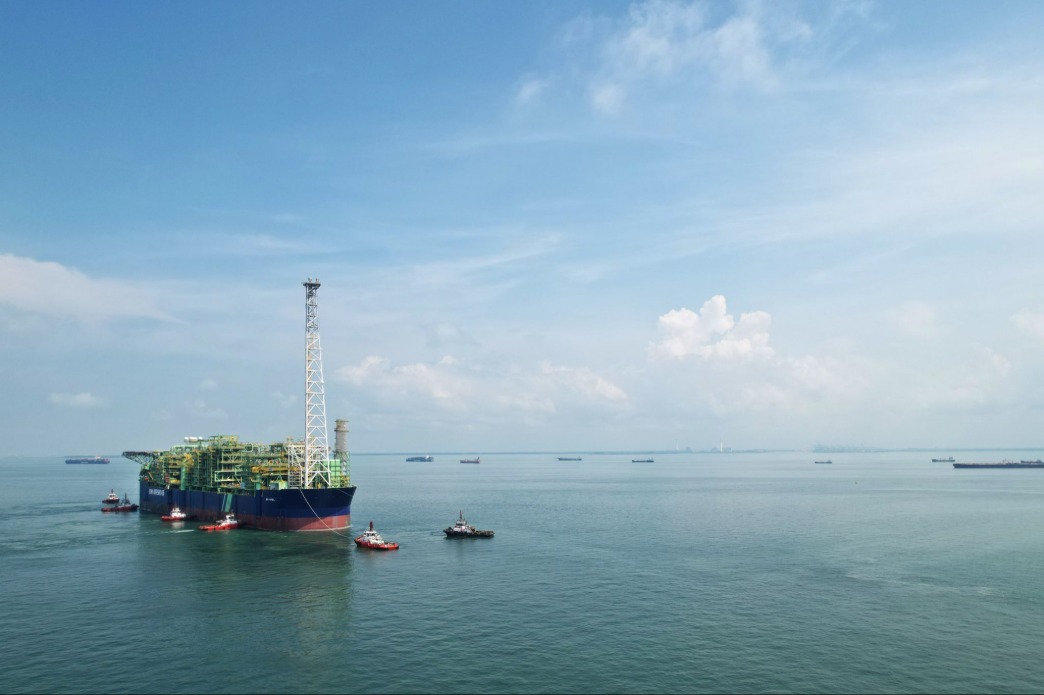
Reassess APAC completions plans as Australian FPSO readies ramp-up

Published Apr 25, 2026, 6:00 AM AWSTAPACFull category signal
Ask AI
Australian FPSO production ramp-up on Santos’ agenda next week

In 60 seconds

Top move

Santos’ Barossa FPSO restart and imminent ramp-up is a confirmed operational change that will quickly restore feed to Darwin LNG — buyers should expect nearer-term demand for interventions, spares, and vessel support around the FPSO and LNG train re-commissioning window

Key takeaways

  • Santos’ Barossa FPSO restart and imminent ramp-up is a confirmed operational change that will quickly restore feed to Darwin LNG — buyers should expect nearer-term demand for interventions, spares, and vessel support around the FPSO and LNG train re-commissioning window.[1]
  • Work done on key rotating equipment (dry gas compressor seal replacements) and heat-exchanger flushing are confirmed readiness steps; these create immediate execution dependencies for specialist maintenance crews, spare seals, and pre-mobilisation inspections.[1]
  • A hydrogen-fuel-cell AUV completed a long submerged endurance run, an early-signal that longer, fewer-recovery subsea inspection missions may become viable and could reduce vessel-days and mobilisation frequency for ROV/AUV campaigns over time.[2]
  • Advances in simulfracing and intelligent fracturing automation point to a broader trend toward stage-autonomy and reduced manual control onshore; this is directional for completions teams who manage stimulation logistics, crew skill-sets, and control-system interfaces.[3]
  • Taken together the signals are category-relevant but not market-breaking today: operational ramp-up in Australia is immediate and confirmed, while tech shifts (AUV endurance, simulfracs automation) are adoption-phase developments worth preparing for rather than acting on aggressively now.[1][2][3]

What changed since last run

  • Added confirmed operational restart and near-term ramp-up for the Barossa FPSO (Santos) affecting Darwin LNG feed and related intervention demand (new since prior brief).
  • Added hydrogen AUV endurance milestone as a new inspection technology option to monitor for reduced vessel-support needs (new since prior brief).

Key facts

  • FPSO ramp scheduled to start next week
  • Dry gas compressor seals replaced as part of readiness
  • LNG production to begin a few days after FPSO back online
  • AUV remained on mission for 385 hours
  • Covered over 2,000 kilometres submerged
  • Mission profile included thousands of manoeuvres to simulate real operations

Why it matters

Santos’ Barossa FPSO restart and imminent ramp-up is a confirmed operational change that will quickly restore feed to Darwin LNG — buyers should expect nearer-term demand for interventions, spares, and vessel support around the FPSO and LNG train re-commissioning window. Work done on key rotating equipment (dry gas compressor seal replacements) and heat-exchanger flushing are confirmed readiness steps; these create immediate execution dependencies for specialist maintenance crews, spare seals, and pre-mobilisation inspections. A hydrogen-fuel-cell AUV completed a long submerged endurance run, an early-signal that longer, fewer-recovery subsea inspection missions may become viable and could reduce vessel-days and mobilisation frequency for ROV/AUV campaigns over time. Advances in simulfracing and intelligent fracturing automation point to a broader trend toward stage-autonomy and reduced manual control onshore; this is directional for completions teams who manage stimulation logistics, crew skill-sets, and control-system interfaces

Cost / money

  • Near-term demand for specialist maintenance crews and spare compressor seals increases pressure on spot dayrates and expedited logistics for parts into Darwin; this can raise short-run intervention costs if suppliers charge mobilization premiums.[1]
  • If hydrogen-fuel AUVs scale, longer endurance missions could lower vessel hire days and charter costs over time, but that saving is directional and depends on commercial maturity and regulatory acceptance.[2]

Supplier / commercial

  • Suppliers who already stock critical rotating-equipment spares or have proven FPSO mobilisation capability gain leverage during the Barossa ramp; buyers may face narrower bid pools for immediate call-off work.[1]
  • Providers of advanced AUV/robotics stand to capture service scopes previously sold as vessel-plus-ROV packages; contract scopes and evaluation criteria should anticipate tech-driven bid diversification.[2]

Safety / operations

  • Compressed timelines around restart activities (heat-exchanger flushing and compressor seal swaps) tighten pre-mobilisation windows and increase the need for competency checks, permit verification, and pre-mobilisation safety audits to avoid procedural lapses.[1]
  • Automation in fracturing (simulfracs and intelligent stage control) and long-endurance AUV missions change crew competency and emergency procedures — operations must validate training, remote-control interfaces, and recovery plans before accepting altered execution models.[3][2]

What to watch

  • Watch whether the FPSO achieves sustained full production after the immediate restart; early setbacks would extend demand for intervention scopes and add mobilisation churn (early-signal).[1]
  • Watch technology readiness: the AUV test is an engineering milestone but commercial deployment timelines and regulatory acceptance remain directional — don’t assume immediate vessel-day reductions until pilot contracts appear (early-signal).[2]

Top stories

Story 1Offshore EnergyApr 24, 2026

Australian FPSO production ramp-up on Santos’ agenda next week

Signal strongSource-grounded

What happened

Santos announced the Barossa FPSO is restarting and is expected to ramp up production as teams complete heat-exchanger flushing and compressor seal replacements. The work is moving into an operational window beginning next week with LNG production expected shortly after the FPSO is back online. Watch whether the unit sustains full rates or requires follow-on intervention work that would extend mobilisation needs

Buyer takeaway

Treat the ramp-up as a confirmed demand event that tightens mobilisation windows and raises the commercial value of suppliers with stock, local presence, and proven FPSO mobilisation capability

Cost / money

Expect directional upward pressure on short-term intervention and mobilisation costs where suppliers charge for expedited parts and rapid crew deployment

Supplier / commercial

Suppliers holding critical spares or with local crews will be able to press for narrower lead-times or premium terms; bidders without local presence may be excluded from immediate work

Safety / operations

Compressed timelines around hot-work, flushing, and seal swaps increase reliance on pre-mobilisation checks, permit coordination, and competency verification to avoid rework or incidents

What to watch

Watch whether initial ramp achieves stable output; any rollback or repeat maintenance will prolong intervention scopes and increase mobilisation churn

Key facts

  • FPSO ramp scheduled to start next week
  • Dry gas compressor seals replaced as part of readiness
  • LNG production to begin a few days after FPSO back online

Source excerpts

The initial LNG production began after the completion of the Darwin LNG life extension project and the cool-down of the LNG train and storage tank. The FPSO, which is situated at the Barossa gas field, approximately 285 kilometers offshore Darwin in the Northern Territory of Australia, is expected to feed the Darwin LNG plant for the next two decades
5 million barrels of oil (boe) in Q1 2026, up 1% on the prior quarter and 3% on the corresponding period in 2025, as Barossa achieved its first cargoes. The Barossa FPSO is now expected to begin ramping up production in the next week as the firm completes the flushing and cleaning of heat exchanger trains
The Barossa FPSO is now expected to begin ramping up production in the next week as the firm completes the flushing and cleaning of heat exchanger trains
Story 2Offshore EnergyApr 24, 2026

Hydrogen-fueled AUV breaks range expectations with 2,000-kilometer subsea run

Signal moderateDirectional

What happened

Cellula Robotics reported an AUV completed a multi-thousand-kilometre submerged mission powered by hydrogen fuel cells, demonstrating long-endurance subsea capability. The test ran hundreds of hours and simulated real-world manoeuvres, suggesting fewer recoveries and longer continuous operations may be feasible for inspection campaigns. Watch for commercial pilots and regulatory acceptance before treating this as a ready substitute for vessel-based work

Buyer takeaway

Consider autonomy as an alternative delivery lane for subsea inspection but validate pilots and commercial models before re-pricing vessel contracts

Cost / money

Potential to reduce charter and mobilisation costs over time by lowering frequency of recoveries and vessel support, but savings are contingent on technology maturation and commercial offers

Supplier / commercial

New AUV providers may offer hybrid commercial models (run-hour plus vessel standby) that shift risk allocation; contract terms must be adapted to autonomy-driven SLAs

Safety / operations

Long-endurance unmanned missions change recovery planning, emergency communication paths, and onshore mission-control responsibilities; operations must test these before scaling

What to watch

Signal is promising but deployment timelines and regulatory fit are still directional; don’t assume immediate cost or day-rate benefits

Key facts

  • AUV remained on mission for 385 hours
  • Covered over 2,000 kilometres submerged
  • Mission profile included thousands of manoeuvres to simulate real operations

Source excerpts

” Using hydrogen fuel cell technology developed with Infinity Fuel Cell and Hydrogen, Inc
Home Subsea Hydrogen-fueled AUV breaks range expectations with 2,000-kilometer subsea run April 24, 2026, by An autonomous underwater vehicle (AUV) developed by Canada’s Cellula Robotics has traveled over 2,000 kilometers submerged, powered by a hydrogen fuel cell, exceeding its published performance specification
Home Subsea Hydrogen-fueled AUV breaks range expectations with 2,000-kilometer subsea run April 24, 2026, by An autonomous underwater vehicle (AUV) developed by Canada’s Cellula Robotics has traveled over 2,000 kilometers submerged, powered by a hydrogen fuel cell, exceeding its published performance specification. Source: Cellula Robotics During the mission, the Envoy AUV made over 4,000 turns and manoeuvres, which used more energy compared to steady, linear travel, better showing how the vehicle would perform
Story 3Worldoil

Hydraulic Fracturing

Signal moderateSource-grounded

What happened

WorldOil coverage highlights growing use of simulfracing and intelligent fracturing automation that combine automated stage execution with subsurface feedback. The trend already affects a material portion of frac crews and changes how pump uptime, autonomous pressure control, and stage transitions are assessed. Watch for suppliers to require different control-system interfaces and for buyers to specify autonomous execution competencies in scopes

Buyer takeaway

Treat simulfrac and automation trends as a near-term adjustment to vendor technical requirements and crew competency expectations

Cost / money

Automation can lower some labour costs and downtime but may concentrate value in suppliers who control the integrated control systems, affecting future pricing dynamics

Supplier / commercial

Vendors offering autonomous stage control may seek premium for integrated execution and proprietary interfaces; preserve evaluation rules that keep competition open

Safety / operations

Autonomous pressure control changes the failure modes and requires validation of remote-control safety interlocks and emergency shut-down procedures

What to watch

Evidence shows growing adoption but not universal coverage; validate supplier capability claims and insist on demonstrable control-interface compatibility

Key facts

  • Simulfracing adoption cited among up to 30% of some frac crews
  • Industry guidance published on well stimulation surface operations
  • New intelligent fracturing processes combining automation and subsurface feedback

Source excerpts

News Energy Workforce publishes best practices for well stimulation, fracing September 08, 2025 The Energy Workforce & Technology Council (EWTC) has published its Well Stimulation Surface Operations Industry Guidelines, providing operators with best practices for hazard identification, risk management, and execution of surface operations during fracture stimulation
News Frac chaos out, autonomous control in September 30, 2025 Why pump uptime isn’t the real measure of frac efficiency. True performance requires autonomous pressure control—especially in simul-frac operations—to optimize transitions, reduce downtime and deliver smarter, more meaningful gains
Onshore Hydraulic Fracturing Hydraulic Fracturing Article The benefits of Simulfracs January The recent innovation of simulfracing—pumping into multiple wells simultaneously—is yielding significant benefits and could be a step-change in how the industry operates

VP Snapshot

Executive Risk & Action View

Santos’ Barossa FPSO restart and imminent ramp-up is a confirmed operational change that will quickly restore feed to Darwin LNG — buyers should expect nearer-term demand for interventions, spares, and vessel support around the FPSO and LNG train re-commissioning window.

Overall
64
Cost
61
Supply
43
Schedule
20
Compliance
35

Top signals

0-30dcost

Signal 1: Cost / money

Near-term demand for specialist maintenance crews and spare compressor seals increases pressure on spot dayrates and expedited logistics for parts into Darwin; this can raise short-run intervention costs if suppliers charge mobilization premiums.

180d+cost

Signal 2: Cost / money

If hydrogen-fuel AUVs scale, longer endurance missions could lower vessel hire days and charter costs over time, but that saving is directional and depends on commercial maturity and regulatory acceptance.

0-30dcommercial

Signal 3: Supplier / commercial

Suppliers who already stock critical rotating-equipment spares or have proven FPSO mobilisation capability gain leverage during the Barossa ramp; buyers may face narrower bid pools for immediate call-off work.

30-180dcommercial

Signal 4: Supplier / commercial

Providers of advanced AUV/robotics stand to capture service scopes previously sold as vessel-plus-ROV packages; contract scopes and evaluation criteria should anticipate tech-driven bid diversification.

0-30dregulatory

Signal 5: Safety / operations

Compressed timelines around restart activities (heat-exchanger flushing and compressor seal swaps) tighten pre-mobilisation windows and increase the need for competency checks, permit verification, and pre-mobilisation safety audits to avoid procedural lapses.

30-180dsupply

Signal 6: Safety / operations

Automation in fracturing (simulfracs and intelligent stage control) and long-endurance AUV missions change crew competency and emergency procedures — operations must validate training, remote-control interfaces, and recovery plans before accepting altered execution models.

Recommended actions

CategoryDue 3d

Map live APAC contracts and upcoming mobilisation windows against the Barossa restart timeline

Inventory of contracts showing mobilisation risk, supplier concentration, and gaps for Barossa-related scopes

OpsDue 3d

Flag and prioritise immediate requisitions for rotating-equipment spares and qualified maintenance crews for Darwin-area deployments

Procurement hold/expedite list and mobilisation checklist for affected equipment

ContractsDue 21d

Update RFx and award criteria to include alternative-technology evaluation (AUV endurance missions) and bundled vessel-versus-AUV commercial scenarios

RFx templates and evaluation checklists that account for autonomy-enabled delivery and comparative cost drivers

ContractsDue 21d

Require supplier declarations of spare-part availability and mobilisation timelines in awarded maintenance and intervention contracts

Contract annexes specifying spares hold, delivery SLA, and mobilisation lead-times

CategoryDue 60d

Run a sourcing review to test alternative delivery models (autonomy-enabled inspection, bundled maintenance charters) and adjust long-term award thresholds

Sourcing options paper with recommended contract vehicles and evaluation rules for autonomy and FPSO-support packages

OpsDue 60d

Work with Ops to update pre-mobilisation safety and competency annexes for automated stimulation controls and long-endurance subsea systems

Standardised annexes and training verification steps included in future service contracts

Risk register

RiskTriggerMitigation
Watch whether the FPSO achieves sustained full production after the immediate restart; early setbacks would extend demand for intervention scopes and add mobilisation churn (early-signal).Watch whether the FPSO achieves sustained full production after the immediate restart; early setbacks would extend demand for intervention scopes and add mobilisation churn (early-signal).Confirm exposure with category, contracts, and operations before the next supplier commitment.
Watch technology readiness: the AUV test is an engineering milestone but commercial deployment timelines and regulatory acceptance remain directional — don’t assume immediate vessel-day reductions until pilot contracts appear (early-signal).Watch technology readiness: the AUV test is an engineering milestone but commercial deployment timelines and regulatory acceptance remain directional — don’t assume immediate vessel-day reductions until pilot contracts appear (early-signal).Confirm exposure with category, contracts, and operations before the next supplier commitment.

CM Snapshot

Category Manager Decision Detail

Today's priorities

Map live APAC contracts and upcoming mobilisation windows against the Barossa restart timeline

because confirmed restart activities create immediate demand and execution dependencies for spares, specialised crews, and vessel support that could create single-supplier exposure

Due 3d

high

CM move

Use this as the immediate supplier or contract action to move before the next sourcing gate.

Flag and prioritise immediate requisitions for rotating-equipment spares and qualified maintenance crews for Darwin-area deployments

because compressor seal replacement and heat-exchanger work create short pre-mobilisation lead times where delays increase intervention costs and downtime

Due 3d

high

CM move

Use this as the immediate supplier or contract action to move before the next sourcing gate.

Update RFx and award criteria to include alternative-technology evaluation (AUV endurance missions) and bundled vessel-versus-AUV commercial scenarios

because longer-endurance AUVs are changing the execution model for subsea inspection and could shift how bids are evaluated between vessel-heavy and autonomy-enabled offers

Due 21d

high

CM move

Use this as the immediate supplier or contract action to move before the next sourcing gate.

Require supplier declarations of spare-part availability and mobilisation timelines in awarded maintenance and intervention contracts

because tight restart windows increase the commercial value of guaranteed spares and short-notice mobilisation commitments

Due 21d

high

CM move

Use this as the immediate supplier or contract action to move before the next sourcing gate.

Supplier radar

Offshore Energy

high

Observed supplier signal

Suppliers who already stock critical rotating-equipment spares or have proven FPSO mobilisation capability gain leverage during the Barossa ramp; buyers may face narrower bid pools for immediate call-off work.

Commercial implication

Suppliers who already stock critical rotating-equipment spares or have proven FPSO mobilisation capability gain leverage during the Barossa ramp; buyers may face narrower bid pools for immediate call-off work.

Next step: Validate the source-backed signal with incumbents and alternates before the next award or pricing decision.

Offshore Energy

high

Observed supplier signal

Providers of advanced AUV/robotics stand to capture service scopes previously sold as vessel-plus-ROV packages; contract scopes and evaluation criteria should anticipate tech-driven bid diversification.

Commercial implication

Providers of advanced AUV/robotics stand to capture service scopes previously sold as vessel-plus-ROV packages; contract scopes and evaluation criteria should anticipate tech-driven bid diversification.

Next step: Validate the source-backed signal with incumbents and alternates before the next award or pricing decision.

Negotiation levers

Map live APAC contracts and upcoming mobilisation windows against the Barossa restart timeline

When to use: because confirmed restart activities create immediate demand and execution dependencies for spares, specialised crews, and vessel support that could create single-supplier exposure

Expected outcome: Inventory of contracts showing mobilisation risk, supplier concentration, and gaps for Barossa-related scopes

Commercial mechanism to carry into the next supplier conversation

Flag and prioritise immediate requisitions for rotating-equipment spares and qualified maintenance crews for Darwin-area deployments

When to use: because compressor seal replacement and heat-exchanger work create short pre-mobilisation lead times where delays increase intervention costs and downtime

Expected outcome: Procurement hold/expedite list and mobilisation checklist for affected equipment

Commercial mechanism to carry into the next supplier conversation

Update RFx and award criteria to include alternative-technology evaluation (AUV endurance missions) and bundled vessel-versus-AUV commercial scenarios

When to use: because longer-endurance AUVs are changing the execution model for subsea inspection and could shift how bids are evaluated between vessel-heavy and autonomy-enabled offers

Expected outcome: RFx templates and evaluation checklists that account for autonomy-enabled delivery and comparative cost drivers

Commercial mechanism to carry into the next supplier conversation

Require supplier declarations of spare-part availability and mobilisation timelines in awarded maintenance and intervention contracts

When to use: because tight restart windows increase the commercial value of guaranteed spares and short-notice mobilisation commitments

Expected outcome: Contract annexes specifying spares hold, delivery SLA, and mobilisation lead-times

Commercial mechanism to carry into the next supplier conversation

Talking points

Santos’ Barossa FPSO restart and imminent ramp-up is a confirmed operational change that will quickly restore feed to Darwin LNG — buyers should expect nearer-term demand for interventions, spares, and vessel support around the FPSO and LNG train re-commissioning window.
Work done on key rotating equipment (dry gas compressor seal replacements) and heat-exchanger flushing are confirmed readiness steps; these create immediate execution dependencies for specialist maintenance crews, spare seals, and pre-mobilisation inspections.
A hydrogen-fuel-cell AUV completed a long submerged endurance run, an early-signal that longer, fewer-recovery subsea inspection missions may become viable and could reduce vessel-days and mobilisation frequency for ROV/AUV campaigns over time.
Advances in simulfracing and intelligent fracturing automation point to a broader trend toward stage-autonomy and reduced manual control onshore; this is directional for completions teams who manage stimulation logistics, crew skill-sets, and control-system interfaces.

Supplier radar

SupplierSignalImplicationNext stepConfidence
Offshore EnergySuppliers who already stock critical rotating-equipment spares or have proven FPSO mobilisation capability gain leverage during the Barossa ramp; buyers may face narrower bid pools for immediate call-off work.Suppliers who already stock critical rotating-equipment spares or have proven FPSO mobilisation capability gain leverage during the Barossa ramp; buyers may face narrower bid pools for immediate call-off work.Validate the source-backed signal with incumbents and alternates before the next award or pricing decision.high
Offshore EnergyProviders of advanced AUV/robotics stand to capture service scopes previously sold as vessel-plus-ROV packages; contract scopes and evaluation criteria should anticipate tech-driven bid diversification.Providers of advanced AUV/robotics stand to capture service scopes previously sold as vessel-plus-ROV packages; contract scopes and evaluation criteria should anticipate tech-driven bid diversification.Validate the source-backed signal with incumbents and alternates before the next award or pricing decision.high

Negotiation levers

  • Map live APAC contracts and upcoming mobilisation windows against the Barossa restart timelinebecause confirmed restart activities create immediate demand and execution dependencies for spares, specialised crews, and vessel support that could create single-supplier exposureInventory of contracts showing mobilisation risk, supplier concentration, and gaps for Barossa-related scopes

    high confidence

  • Flag and prioritise immediate requisitions for rotating-equipment spares and qualified maintenance crews for Darwin-area deploymentsbecause compressor seal replacement and heat-exchanger work create short pre-mobilisation lead times where delays increase intervention costs and downtimeProcurement hold/expedite list and mobilisation checklist for affected equipment

    high confidence

  • Update RFx and award criteria to include alternative-technology evaluation (AUV endurance missions) and bundled vessel-versus-AUV commercial scenariosbecause longer-endurance AUVs are changing the execution model for subsea inspection and could shift how bids are evaluated between vessel-heavy and autonomy-enabled offersRFx templates and evaluation checklists that account for autonomy-enabled delivery and comparative cost drivers

    high confidence

  • Require supplier declarations of spare-part availability and mobilisation timelines in awarded maintenance and intervention contractsbecause tight restart windows increase the commercial value of guaranteed spares and short-notice mobilisation commitmentsContract annexes specifying spares hold, delivery SLA, and mobilisation lead-times

    high confidence

What to do / What to watch

What to do now

  • Map live APAC contracts and upcoming mobilisation windows against the Barossa restart timeline

    Why: because confirmed restart activities create immediate demand and execution dependencies for spares, specialised crews, and vessel support that could create single-supplier exposure

    Owner: Category

    Expected outcome: Inventory of contracts showing mobilisation risk, supplier concentration, and gaps for Barossa-related scopes

    [1]
  • Flag and prioritise immediate requisitions for rotating-equipment spares and qualified maintenance crews for Darwin-area deployments

    Why: because compressor seal replacement and heat-exchanger work create short pre-mobilisation lead times where delays increase intervention costs and downtime

    Owner: Ops

    Expected outcome: Procurement hold/expedite list and mobilisation checklist for affected equipment

    [1]

Next few weeks

  • Update RFx and award criteria to include alternative-technology evaluation (AUV endurance missions) and bundled vessel-versus-AUV commercial scenarios

    Why: because longer-endurance AUVs are changing the execution model for subsea inspection and could shift how bids are evaluated between vessel-heavy and autonomy-enabled offers

    Owner: Contracts

    Expected outcome: RFx templates and evaluation checklists that account for autonomy-enabled delivery and comparative cost drivers

    [2]
  • Require supplier declarations of spare-part availability and mobilisation timelines in awarded maintenance and intervention contracts

    Why: because tight restart windows increase the commercial value of guaranteed spares and short-notice mobilisation commitments

    Owner: Contracts

    Expected outcome: Contract annexes specifying spares hold, delivery SLA, and mobilisation lead-times

    [1]

Longer view

  • Run a sourcing review to test alternative delivery models (autonomy-enabled inspection, bundled maintenance charters) and adjust long-term award thresholds

    Why: because confirmed operational ramp-ups and emerging AUV capabilities change supplier leverage and the composition of cost drivers over the campaign lifecycle

    Owner: Category

    Expected outcome: Sourcing options paper with recommended contract vehicles and evaluation rules for autonomy and FPSO-support packages

    [1][2]
  • Work with Ops to update pre-mobilisation safety and competency annexes for automated stimulation controls and long-endurance subsea systems

    Why: because simulfracing automation and extended AUV missions alter crew skill requirements and emergency procedures that must be contractually enforced

    Owner: Ops

    Expected outcome: Standardised annexes and training verification steps included in future service contracts

    [3][2]

What to watch

  • Watch whether the FPSO achieves sustained full production after the immediate restart; early setbacks would extend demand for intervention scopes and add mobilisation churn (early-signal)
  • Watch technology readiness: the AUV test is an engineering milestone but commercial deployment timelines and regulatory acceptance remain directional — don’t assume immediate vessel-day reductions until pilot contracts appear (early-signal)
  • Watch whether the FPSO achieves sustained full production after the immediate restart; early setbacks would extend demand for intervention scopes and add mobilisation churn (early-signal).: Watch whether the FPSO achieves sustained full production after the immediate restart; early setbacks would extend demand for intervention scopes and add mobilisation churn (early-signal)
  • Watch technology readiness: the AUV test is an engineering milestone but commercial deployment timelines and regulatory acceptance remain directional — don’t assume immediate vessel-day reductions until pilot contracts appear (early-signal).: Watch technology readiness: the AUV test is an engineering milestone but commercial deployment timelines and regulatory acceptance remain directional — don’t assume immediate vessel-day reductions until pilot contracts appear (early-signal)
  • Santos’ Barossa FPSO restart and imminent ramp-up is a confirmed operational change that will quickly restore feed to Darwin LNG — buyers should expect nearer-term demand for interventions, spares, and vessel support around the FPSO and LNG train re-commissioning window
  • Work done on key rotating equipment (dry gas compressor seal replacements) and heat-exchanger flushing are confirmed readiness steps; these create immediate execution dependencies for specialist maintenance crews, spare seals, and pre-mobilisation inspections
  • A hydrogen-fuel-cell AUV completed a long submerged endurance run, an early-signal that longer, fewer-recovery subsea inspection missions may become viable and could reduce vessel-days and mobilisation frequency for ROV/AUV campaigns over time
  • Advances in simulfracing and intelligent fracturing automation point to a broader trend toward stage-autonomy and reduced manual control onshore; this is directional for completions teams who manage stimulation logistics, crew skill-sets, and control-system interfaces

Market pulse

IndexLatestChangeAs of
WTI Crude (WTI)71.23 /bbl+0.00 (+0.00%)Apr 24, 2026, 10:03 PM
Brent Crude (BRENT)74.89 /bbl+0.00 (+0.00%)Apr 24, 2026, 10:03 PM
Natural Gas (NG)3.12 /MMBtu+0.00 (+0.00%)Apr 24, 2026, 10:03 PM
Schlumberger (SLB)48 +0.00 (+0.00%)Apr 24, 2026, 10:03 PM
Halliburton (HAL)35 +0.00 (+0.00%)Apr 24, 2026, 10:03 PM
  • Natural Gas: Darwin LNG feed and project economics are relevant as Barossa FPSO ramp affects gas supply into the local system
  • Schlumberger: Automation and simulfrac trends relate to equipment and service providers where major vendors like Schlumberger influence pricing and technology adoption

Sources

Inline citations jump here. Expand a source to read the excerpt, the AI interpretation, and the original link.

[1] Australian FPSO production ramp-up on Santos’ agenda next week

offshore-energy.biz · Apr 24, 2026

Expand

AI reading

Santos announced the Barossa FPSO is restarting and is expected to ramp up production as teams complete heat-exchanger flushing and compressor seal replacements. The work is moving into an operational window beginning next week with LNG production expected shortly after the FPSO is back online. Watch whether the unit sustains full rates or requires follow-on intervention work that would extend mobilisation needs

Buyer takeaway

Treat the ramp-up as a confirmed demand event that tightens mobilisation windows and raises the commercial value of suppliers with stock, local presence, and proven FPSO mobilisation capability

Cost / money

Expect directional upward pressure on short-term intervention and mobilisation costs where suppliers charge for expedited parts and rapid crew deployment

Supplier / commercial

Suppliers holding critical spares or with local crews will be able to press for narrower lead-times or premium terms; bidders without local presence may be excluded from immediate work

Safety / operations

Compressed timelines around hot-work, flushing, and seal swaps increase reliance on pre-mobilisation checks, permit coordination, and competency verification to avoid rework or incidents

What to watch

Watch whether initial ramp achieves stable output; any rollback or repeat maintenance will prolong intervention scopes and increase mobilisation churn

Key facts

  • FPSO ramp scheduled to start next week
  • Dry gas compressor seals replaced as part of readiness
  • LNG production to begin a few days after FPSO back online

Source excerpts

The initial LNG production began after the completion of the Darwin LNG life extension project and the cool-down of the LNG train and storage tank. The FPSO, which is situated at the Barossa gas field, approximately 285 kilometers offshore Darwin in the Northern Territory of Australia, is expected to feed the Darwin LNG plant for the next two decades
5 million barrels of oil (boe) in Q1 2026, up 1% on the prior quarter and 3% on the corresponding period in 2025, as Barossa achieved its first cargoes. The Barossa FPSO is now expected to begin ramping up production in the next week as the firm completes the flushing and cleaning of heat exchanger trains
The Barossa FPSO is now expected to begin ramping up production in the next week as the firm completes the flushing and cleaning of heat exchanger trains

Used in this brief

  • Santos’ Barossa FPSO restart and imminent ramp-up is a confirmed operational change that will quickly restore feed to Darwin LNG — buyers should expect nearer-term demand for interventions, spares, and vessel support around the FPSO and LNG train re-commissioning window. Work done on key rotating equipment (dry gas compressor seal replacements) and heat-exchanger flushing are confirmed readiness steps; these create immediate execution dependencies for specialist maintenance crews, spare seals, and pre-mobilisation inspections. A hydrogen-fuel-cell AUV completed a long submerged endurance run, an early-signal that longer, fewer-recovery subsea inspection missions may become viable and could reduce vessel-days and mobilisation frequency for ROV/AUV campaigns over time. Advances in simulfracing and intelligent fracturing automation point to a broader trend toward stage-autonomy and reduced manual control onshore; this is directional for completions teams who manage stimulation logistics, crew skill-sets, and control-system interfaces
  • Next 72 hours — Map live APAC contracts and upcoming mobilisation windows against the Barossa restart timeline. Rationale: because confirmed restart activities create immediate demand and execution dependencies for spares, specialised crews, and vessel support that could create single-supplier exposure. Owner: Category. KPI: Inventory of contracts showing mobilisation risk, supplier concentration, and gaps for Barossa-related scopes
  • Next 72 hours — Flag and prioritise immediate requisitions for rotating-equipment spares and qualified maintenance crews for Darwin-area deployments. Rationale: because compressor seal replacement and heat-exchanger work create short pre-mobilisation lead times where delays increase intervention costs and downtime. Owner: Ops. KPI: Procurement hold/expedite list and mobilisation checklist for affected equipment
Open original source

[2] Hydrogen-fueled AUV breaks range expectations with 2,000-kilometer subsea run

offshore-energy.biz · Apr 24, 2026

Expand

AI reading

Cellula Robotics reported an AUV completed a multi-thousand-kilometre submerged mission powered by hydrogen fuel cells, demonstrating long-endurance subsea capability. The test ran hundreds of hours and simulated real-world manoeuvres, suggesting fewer recoveries and longer continuous operations may be feasible for inspection campaigns. Watch for commercial pilots and regulatory acceptance before treating this as a ready substitute for vessel-based work

Buyer takeaway

Consider autonomy as an alternative delivery lane for subsea inspection but validate pilots and commercial models before re-pricing vessel contracts

Cost / money

Potential to reduce charter and mobilisation costs over time by lowering frequency of recoveries and vessel support, but savings are contingent on technology maturation and commercial offers

Supplier / commercial

New AUV providers may offer hybrid commercial models (run-hour plus vessel standby) that shift risk allocation; contract terms must be adapted to autonomy-driven SLAs

Safety / operations

Long-endurance unmanned missions change recovery planning, emergency communication paths, and onshore mission-control responsibilities; operations must test these before scaling

What to watch

Signal is promising but deployment timelines and regulatory fit are still directional; don’t assume immediate cost or day-rate benefits

Key facts

  • AUV remained on mission for 385 hours
  • Covered over 2,000 kilometres submerged
  • Mission profile included thousands of manoeuvres to simulate real operations

Source excerpts

” Using hydrogen fuel cell technology developed with Infinity Fuel Cell and Hydrogen, Inc
Home Subsea Hydrogen-fueled AUV breaks range expectations with 2,000-kilometer subsea run April 24, 2026, by An autonomous underwater vehicle (AUV) developed by Canada’s Cellula Robotics has traveled over 2,000 kilometers submerged, powered by a hydrogen fuel cell, exceeding its published performance specification
Home Subsea Hydrogen-fueled AUV breaks range expectations with 2,000-kilometer subsea run April 24, 2026, by An autonomous underwater vehicle (AUV) developed by Canada’s Cellula Robotics has traveled over 2,000 kilometers submerged, powered by a hydrogen fuel cell, exceeding its published performance specification. Source: Cellula Robotics During the mission, the Envoy AUV made over 4,000 turns and manoeuvres, which used more energy compared to steady, linear travel, better showing how the vehicle would perform

Used in this brief

  • Cost / money: If hydrogen-fuel AUVs scale, longer endurance missions could lower vessel hire days and charter costs over time, but that saving is directional and depends on commercial maturity and regulatory acceptance
  • Next 2-4 weeks — Update RFx and award criteria to include alternative-technology evaluation (AUV endurance missions) and bundled vessel-versus-AUV commercial scenarios. Rationale: because longer-endurance AUVs are changing the execution model for subsea inspection and could shift how bids are evaluated between vessel-heavy and autonomy-enabled offers. Owner: Contracts. KPI: RFx templates and evaluation checklists that account for autonomy-enabled delivery and comparative cost drivers
  • Watch technology readiness: the AUV test is an engineering milestone but commercial deployment timelines and regulatory acceptance remain directional — don’t assume immediate vessel-day reductions until pilot contracts appear (early-signal)
Open original source

[3] Hydraulic Fracturing

worldoil.com · n.d.

Expand

AI reading

WorldOil coverage highlights growing use of simulfracing and intelligent fracturing automation that combine automated stage execution with subsurface feedback. The trend already affects a material portion of frac crews and changes how pump uptime, autonomous pressure control, and stage transitions are assessed. Watch for suppliers to require different control-system interfaces and for buyers to specify autonomous execution competencies in scopes

Buyer takeaway

Treat simulfrac and automation trends as a near-term adjustment to vendor technical requirements and crew competency expectations

Cost / money

Automation can lower some labour costs and downtime but may concentrate value in suppliers who control the integrated control systems, affecting future pricing dynamics

Supplier / commercial

Vendors offering autonomous stage control may seek premium for integrated execution and proprietary interfaces; preserve evaluation rules that keep competition open

Safety / operations

Autonomous pressure control changes the failure modes and requires validation of remote-control safety interlocks and emergency shut-down procedures

What to watch

Evidence shows growing adoption but not universal coverage; validate supplier capability claims and insist on demonstrable control-interface compatibility

Key facts

  • Simulfracing adoption cited among up to 30% of some frac crews
  • Industry guidance published on well stimulation surface operations
  • New intelligent fracturing processes combining automation and subsurface feedback

Source excerpts

News Energy Workforce publishes best practices for well stimulation, fracing September 08, 2025 The Energy Workforce & Technology Council (EWTC) has published its Well Stimulation Surface Operations Industry Guidelines, providing operators with best practices for hazard identification, risk management, and execution of surface operations during fracture stimulation
News Frac chaos out, autonomous control in September 30, 2025 Why pump uptime isn’t the real measure of frac efficiency. True performance requires autonomous pressure control—especially in simul-frac operations—to optimize transitions, reduce downtime and deliver smarter, more meaningful gains
Onshore Hydraulic Fracturing Hydraulic Fracturing Article The benefits of Simulfracs January The recent innovation of simulfracing—pumping into multiple wells simultaneously—is yielding significant benefits and could be a step-change in how the industry operates

Used in this brief

  • Next quarter — Work with Ops to update pre-mobilisation safety and competency annexes for automated stimulation controls and long-endurance subsea systems. Rationale: because simulfracing automation and extended AUV missions alter crew skill requirements and emergency procedures that must be contractually enforced. Owner: Ops. KPI: Standardised annexes and training verification steps included in future service contracts
  • WorldOil coverage highlights growing use of simulfracing and intelligent fracturing automation that combine automated stage execution with subsurface feedback. The trend already affects a material portion of frac crews and changes how pump uptime, autonomous pressure control, and stage transitions are assessed. Watch for suppliers to require different control-system interfaces and for buyers to specify autonomous execution competencies in scopes
  • Buyer bottom line: stimulation automation shifts commercial and operational requirements—contracts and competency checks must follow the technology to avoid execution gaps
Open original source

[4] Natural Gas

finance.yahoo.com · n.d.

Expand

[5] Schlumberger

finance.yahoo.com · n.d.

Expand